What is California Peach Color (#fcbe6a) and Why Are Designers Obsessed?
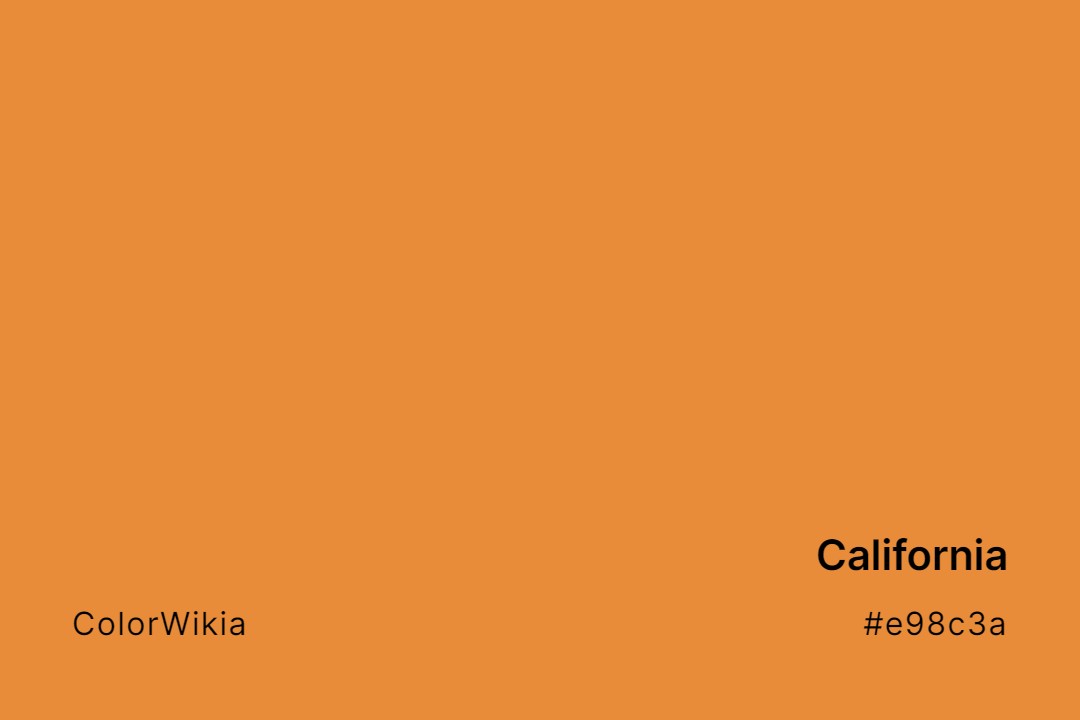
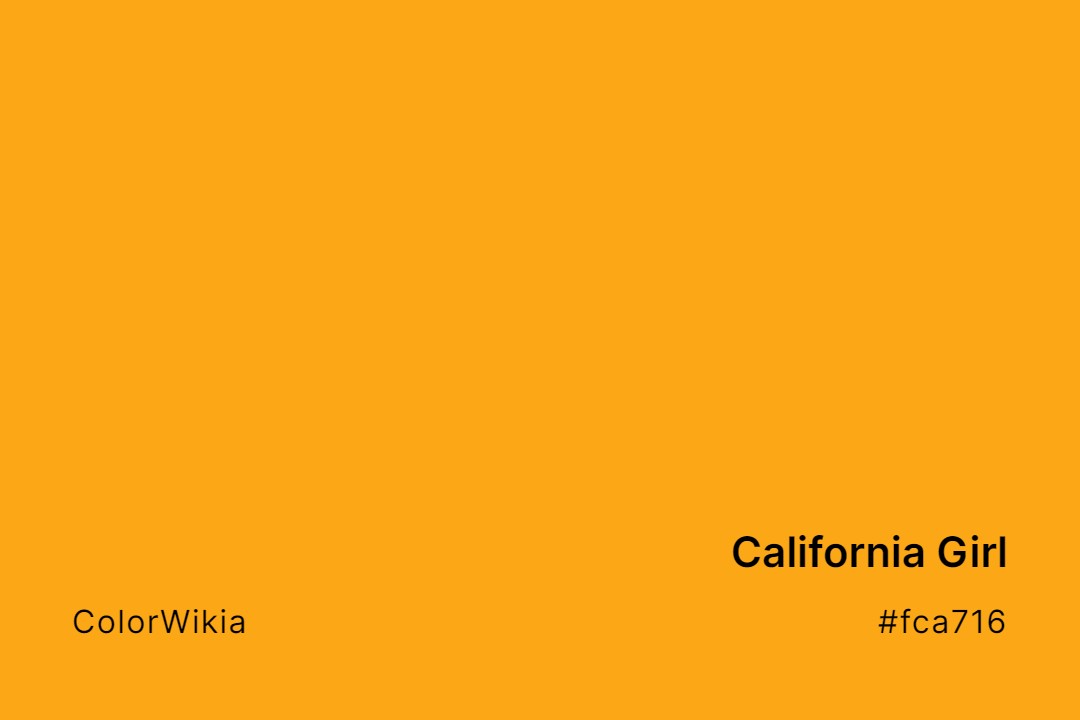
California Peach (#fcbe6a) isn’t just another warm pastel. This color feels like sunlight filtered through a golden apricot. It’s gentle, but never shy. Somewhere between ripe cantaloupe and softened honeycomb, this hue brings a nostalgic heat that quietly demands attention.
Let me say it like this—California Peach doesn’t shout, but it hums. And that hum makes everything feel just a little bit more alive.
Designers, illustrators, interior stylists, and brand teams gravitate toward it because it toes the line between retro charm and modern optimism. It brings enough saturation to pop on screen, but enough softness to live well on walls or textiles. It’s versatile without being bland.
Now, why should you care? Because if you’re building color palettes that feel welcoming, sunlit, and tactile, this shade should absolutely be on your radar.
California Peach Color Breakdown and Color Profile
| Attribute | Value |
|---|---|
| Hex | #fcbe6a |
| RGB | 252, 190, 106 |
| HSL | 35°, 96%, 70% |
This shade sits snugly within the warm spectrum. High brightness and low contrast give it that breezy softness. It’s not fluorescent, and it’s definitely not dull.
Visual Personality: How California Peach Makes You Feel
There’s something familiar about this hue. Like childhood summers. Sticky fruit fingers. Faded photo albums. The emotional texture of California Peach feels personal. Safe. A bit wistful.
Psychologically, this color taps into:
- Warmth: thanks to its golden-orange base
- Nurture: much like terracotta or muted coral
- Creativity: it shares an energy space with tones like Apricot Beige and Sunset Orange (#fd5e53)
How to Use It in Design Without Overdoing It
The challenge with soft warm hues? They can blend into backgrounds. But California Peach holds its own, especially when paired thoughtfully.
Here’s how to use it well:
1. In UI/UX Interfaces
California Peach works beautifully as a background for modals, highlights, or tooltips. It doesn’t overwhelm the eyes, especially on mobile, and has just enough visual energy to act as a callout.
Pair it with:
- Typography in charcoal or muted indigo for contrast
- Buttons in Slate Blue (#5b7c99) for balance
2. In Branding
This color feels approachable, calm, and modern. You’ll see it in wellness brands, boutique food packaging, and ethical fashion.
Best paired with:
- Earthy neutrals like sand or beige
- Accents of moss green or clay red
Example: Think of a kombucha brand or eco skincare startup. California Peach signals: “We’re warm, natural, and thoughtful.”
3. In Interiors
Wall paint? Yes. Accent pillow? Definitely. Lampshade or even upholstery? If you’re going for a sun-baked Southwest look, this shade slips right in.
Just be careful with lighting—it can shift too yellow in artificial white light. Offset with raw textures like rattan, untreated wood, or matte ceramics.
4. In Illustration and Digital Art
This shade works great in flat design, especially when you need to signal sunset without screaming sunset. I’ve seen digital artists use it to warm cheeks, skies, or even fill light in a stylized portrait.
Try pairing it with:
- Dusty Rose (#b56f76)
- Muted Jade
- Soft Lilac (#e2d4df) for contrast
Color Pairing: What Works, What Doesn’t
| Color | Role | Why It Works |
|---|---|---|
| Deep Teal | Accent | Cuts through the warmth for punch |
| Cream White | Background | Softens the palette further |
| Rust Red | Complement | Echoes warmth, adds vintage feel |
| Slate Grey | Contrast | Adds modern, cool edge |
| Mint Green | Pop Color | Refreshes and adds playfulness |
What you don’t want? Pure neons, harsh blacks, or cold blues. They’ll clash with the subtle sun-drenched tone. If you do need a blue, soften it—think Powder Blue.
Cultural Nuance: More Than Just a Pretty Color
Peach tones have long been symbols of health, youth, and femininity across many cultures. But California Peach, specifically, feels less gendered than old-school baby pinks.
This shade borrows its emotional weight from the sun, not sugar. It signals harvest, not helplessness.
In 2024’s design trends, warm optimism is key. Brands want to feel real, imperfect, and human. California Peach fits that mindset. It doesn’t try too hard. That’s the appeal.
California Peach Color Accessibility:
Let’s talk contrast. On a light background, California Peach fails WCAG AA standards for readability with most white text. Use darker text, preferably charcoal or ink blue.
If accessibility is non-negotiable (as it should be), keep this shade for accents, not for primary content areas or small text.
TL;DR — Should You Use California Peach Color (#fcbe6a)?
Yes—if your design needs warmth, sincerity, and a soft glow that doesn’t feel artificial.
California Peach is like a golden hour filter for your brand, interface, or canvas. Understated, but emotionally loaded. Playful, but grounded. A color that wears its charm lightly.
If you’re building palettes around comfort, nostalgia, and connection, California Peach should be a lead character, not just a supporting role.
You can see more tones like this in the Peach Shades Collection, or compare it with related tones like Apricot Orange (#c86b3c) or Pale Persimmon (#d4acad).
If you’ve used this color in your work, I’d love to hear how you paired it. Honestly, this hue has more potential than most give it credit for.
And like all good things, it gets better with context.