
30,000+ Shades of Color with Names and HEX Code
Explore unique color shades for your website, brand or any project.
#cab2c1

Runic Mauve
#b6a89a
Runelord Brass
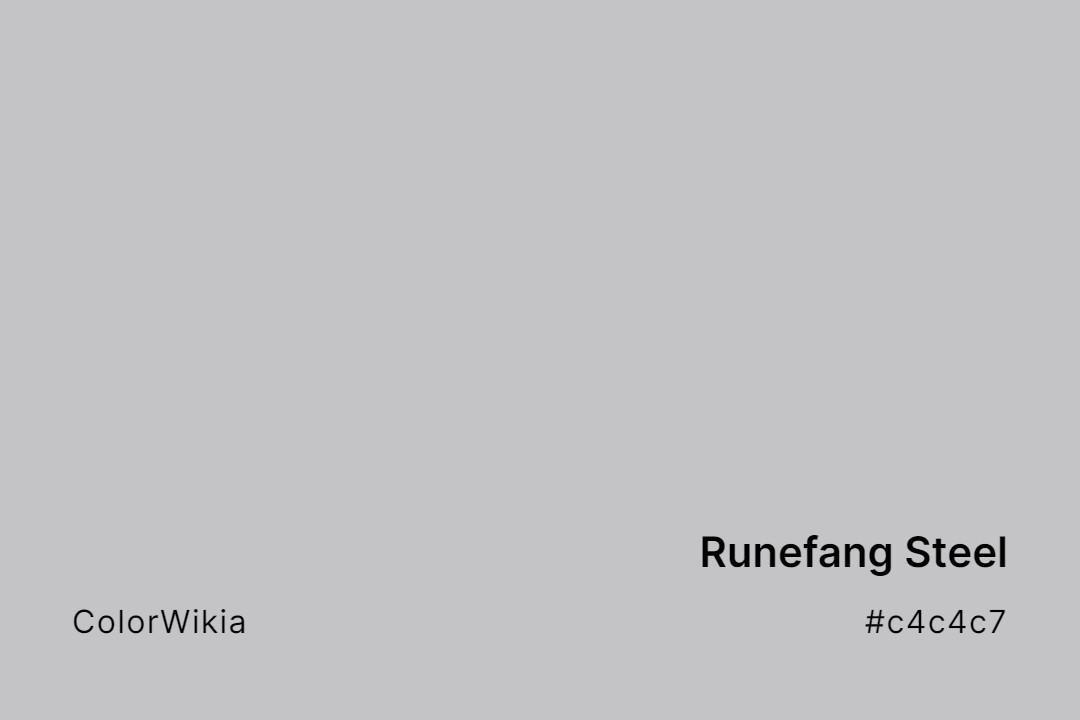
#c4c4c7
Runefang Steel
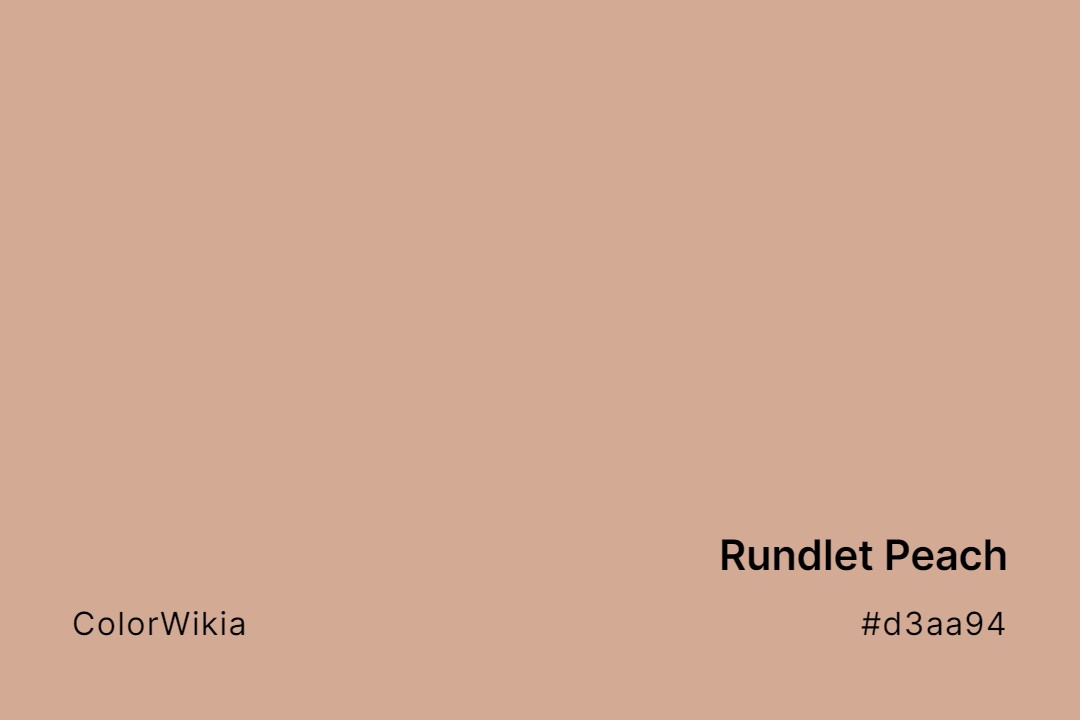
#d3aa94
Rundlet Peach
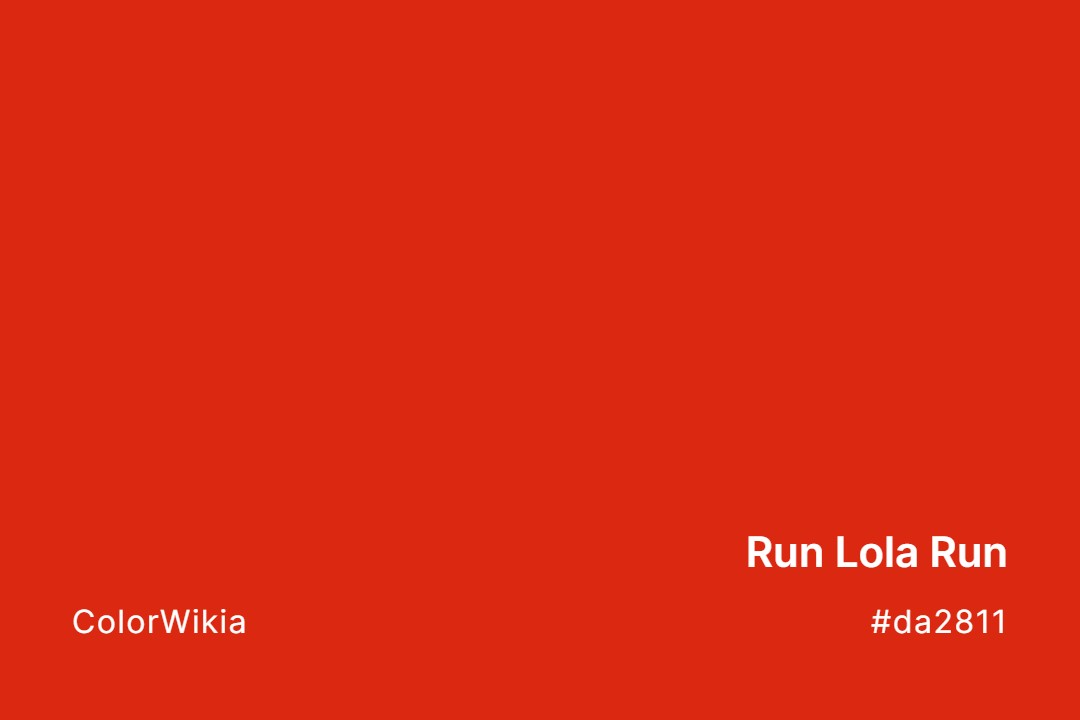
#da2811
Run Lola Run
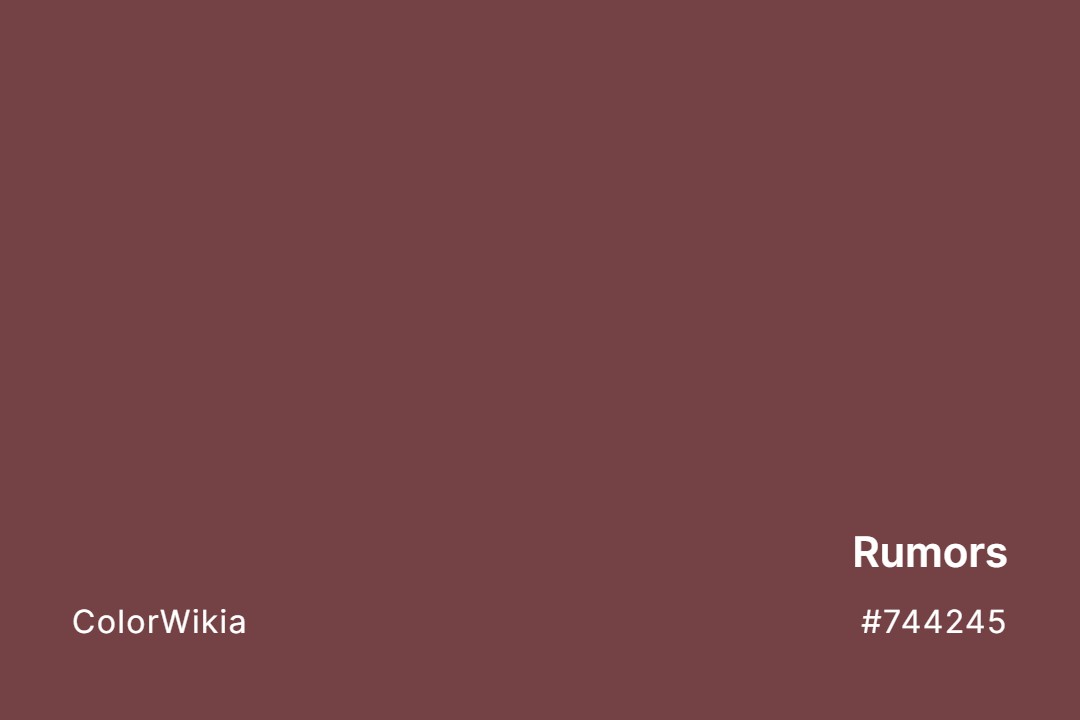
#744245
Rumors
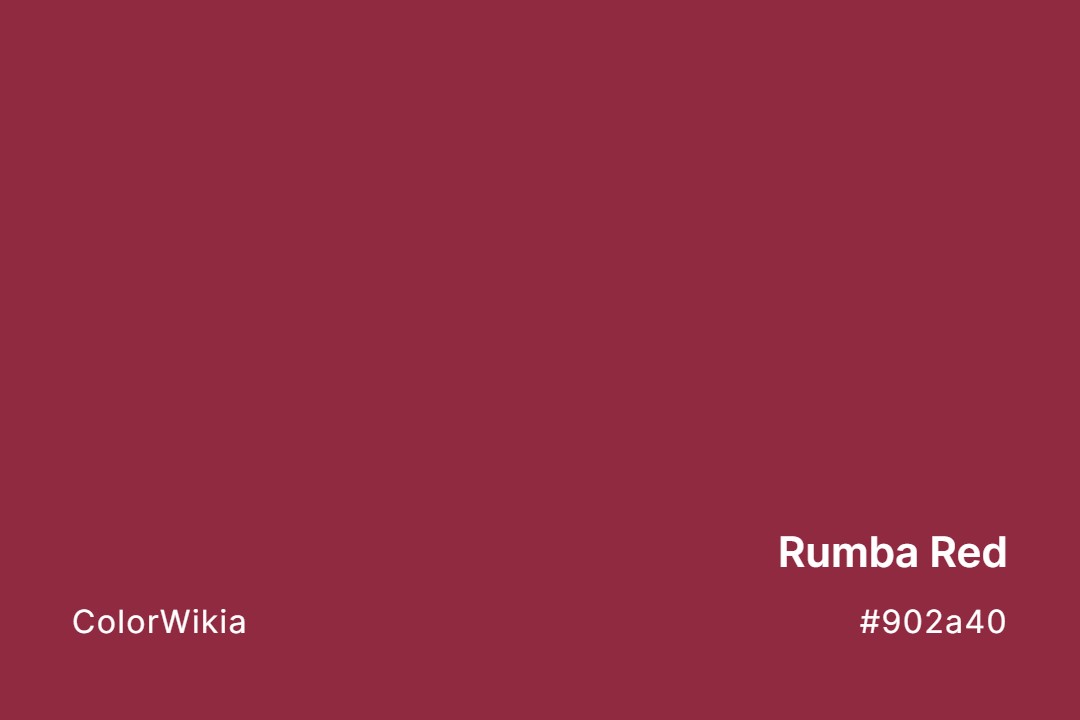
#902a40
Rumba Red
#c77b42
Rumba Orange
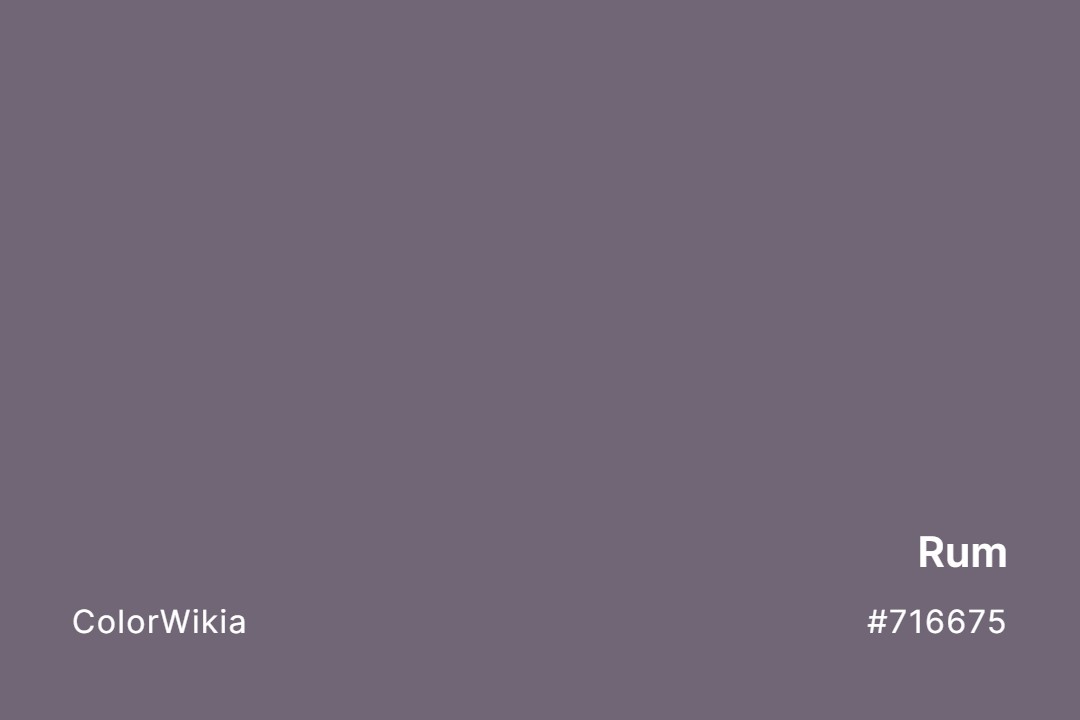
#716675
Rum
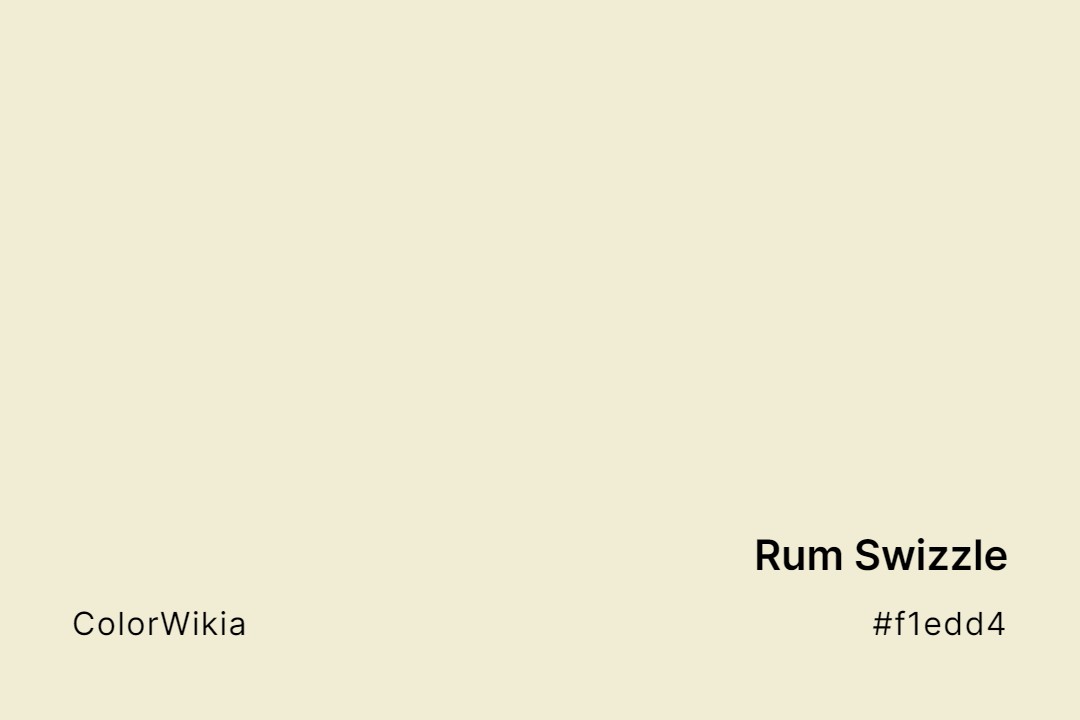
#f1edd4
Rum Swizzle
#aa7971
Rum Spice
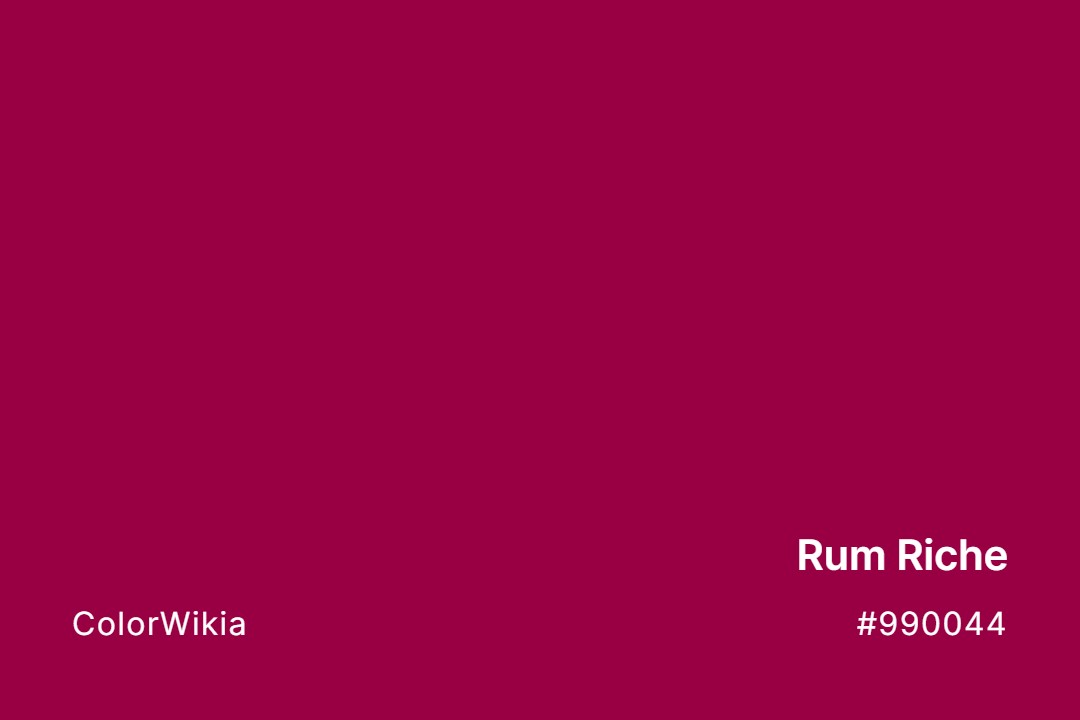
#990044
Rum Riche
#683b3c
Rum Raisin
#aa423a
Rum Punch
#e9cfaa
Rum Custard
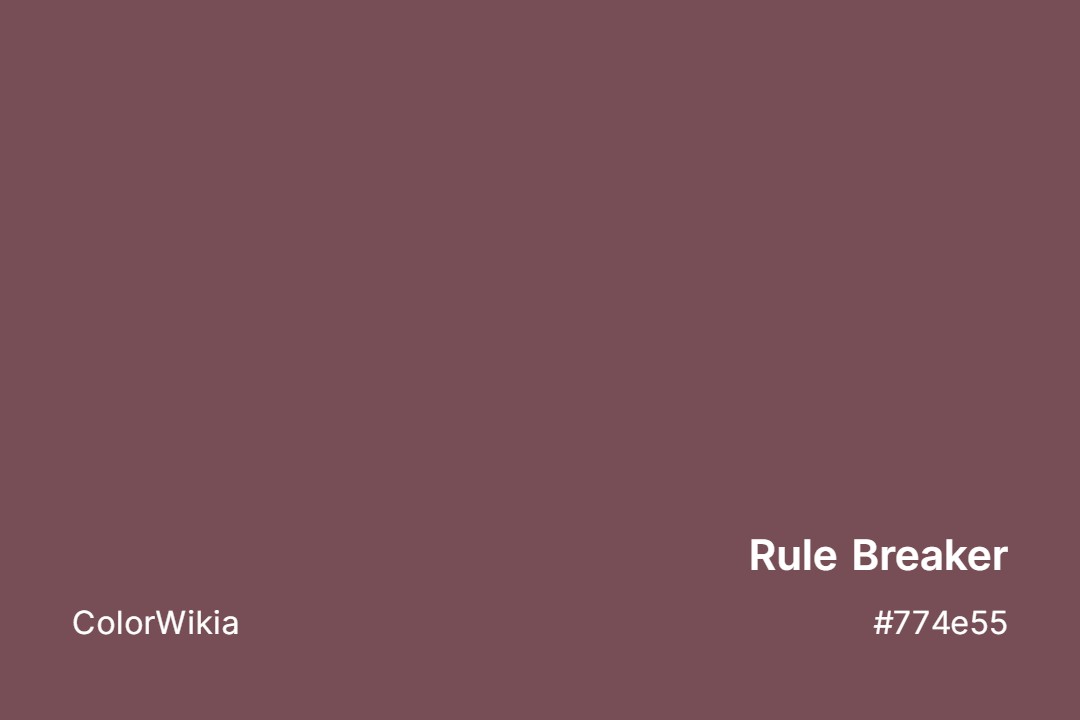
#774e55
Rule Breaker
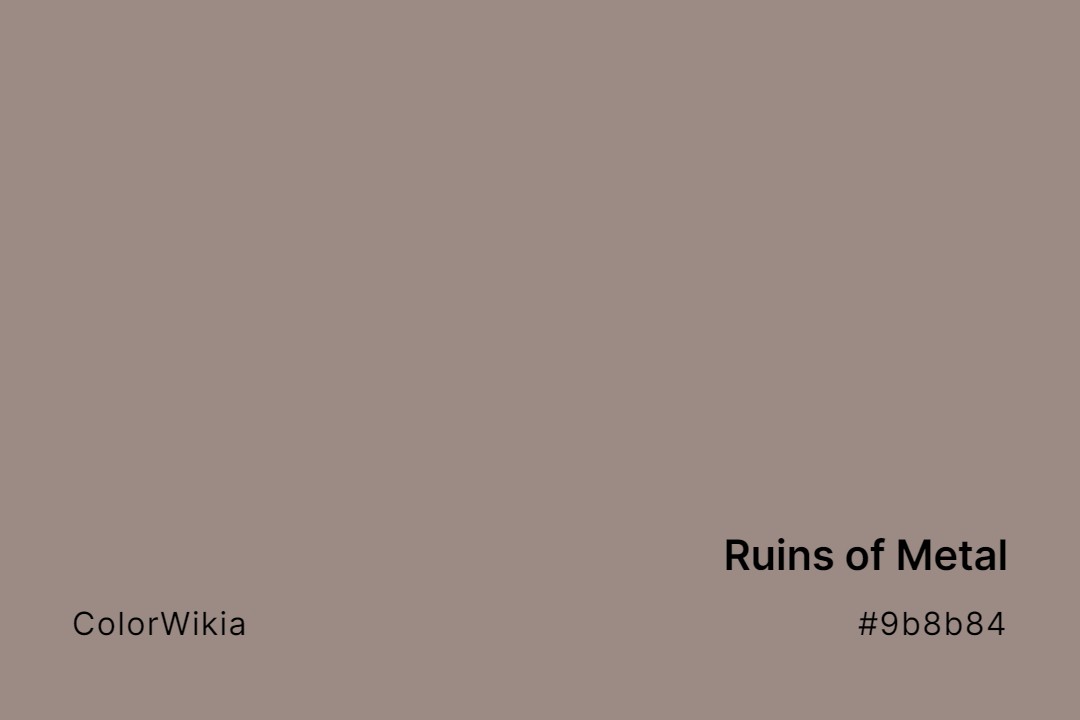
#9b8b84
Ruins of Metal
#cadece
Ruins of Civilization
#0f1012
Ruined Smores
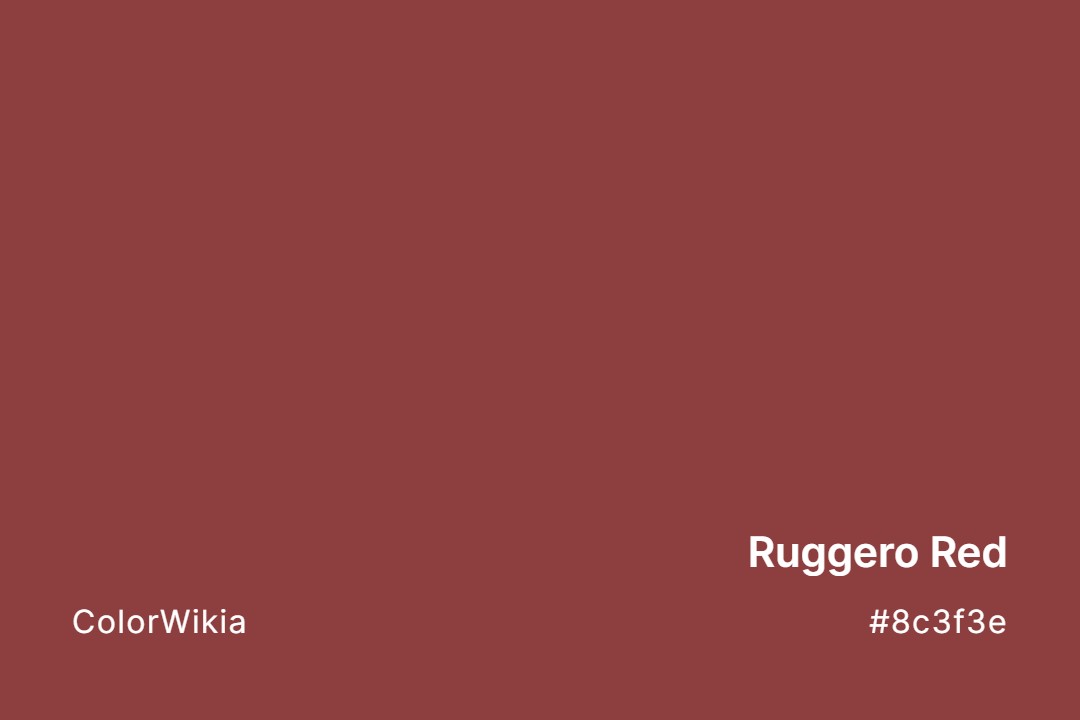
#8c3f3e
Ruggero Red
#b8a292
Rugged Tan
#694336
Rugged Brown
#bb9d87
Rugby Tan
#a81c07
Rufous
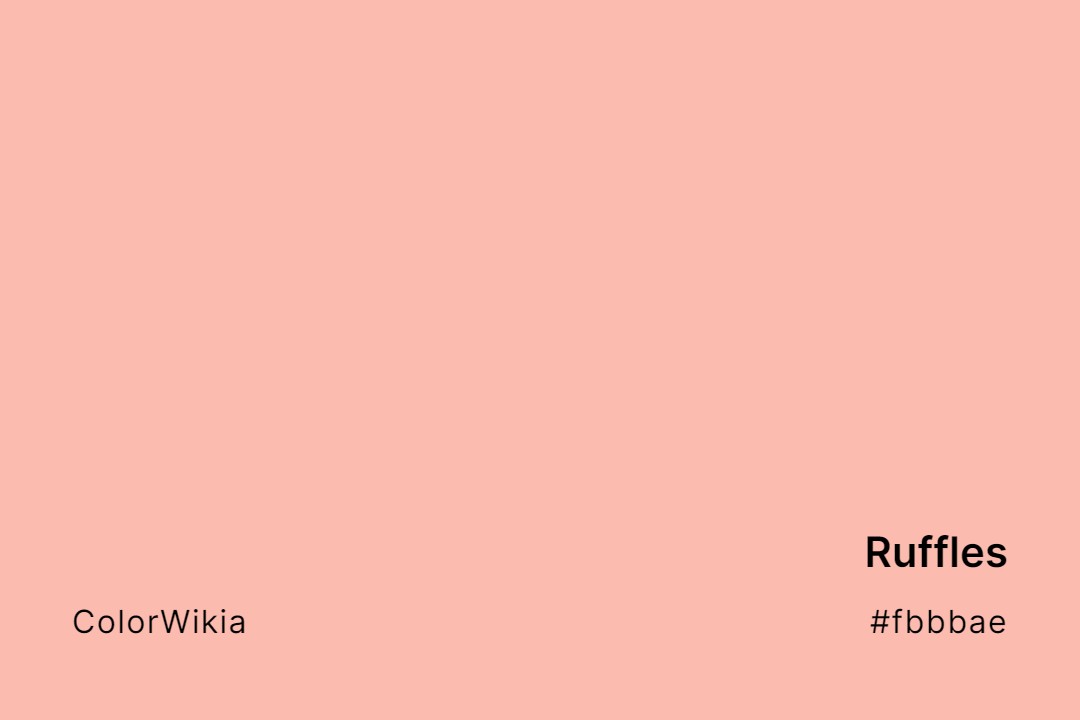
#fbbbae
Ruffles
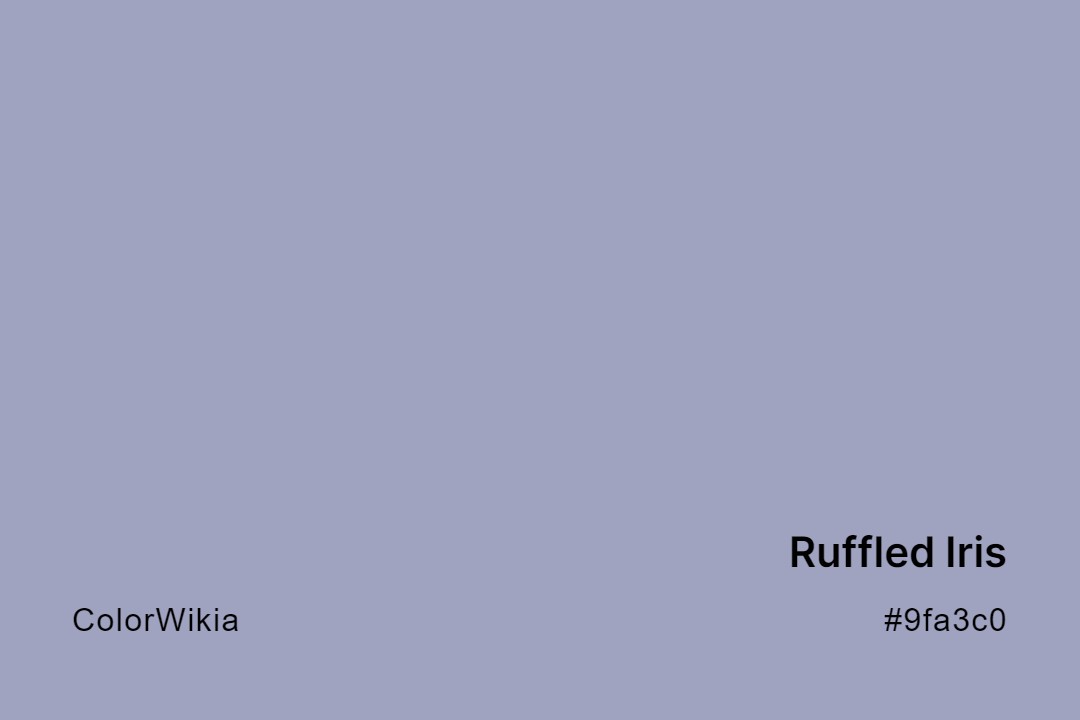
#9fa3c0
Ruffled Iris
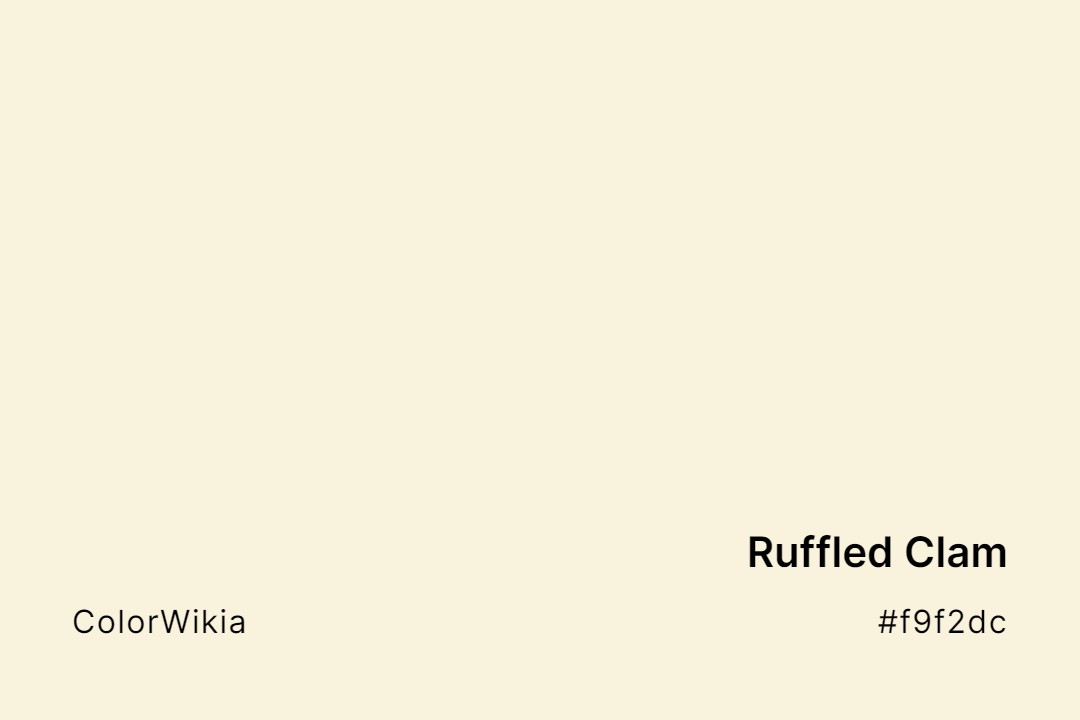
#f9f2dc
Ruffled Clam
#894e45
Rudraksha Beads
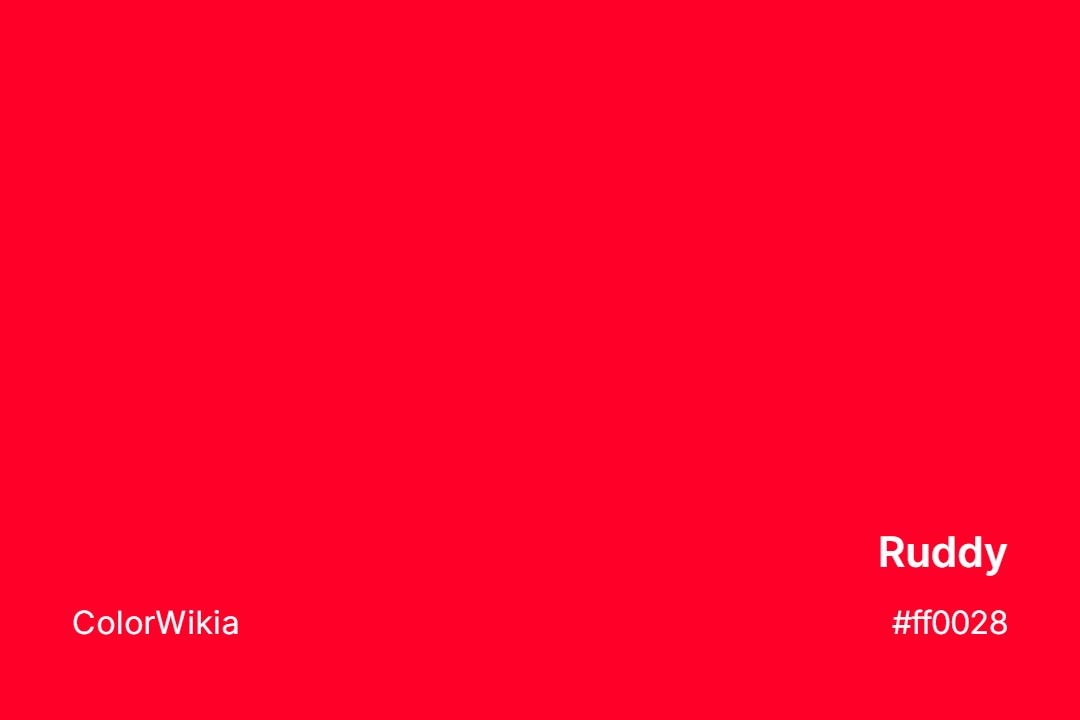
#ff0028
Ruddy
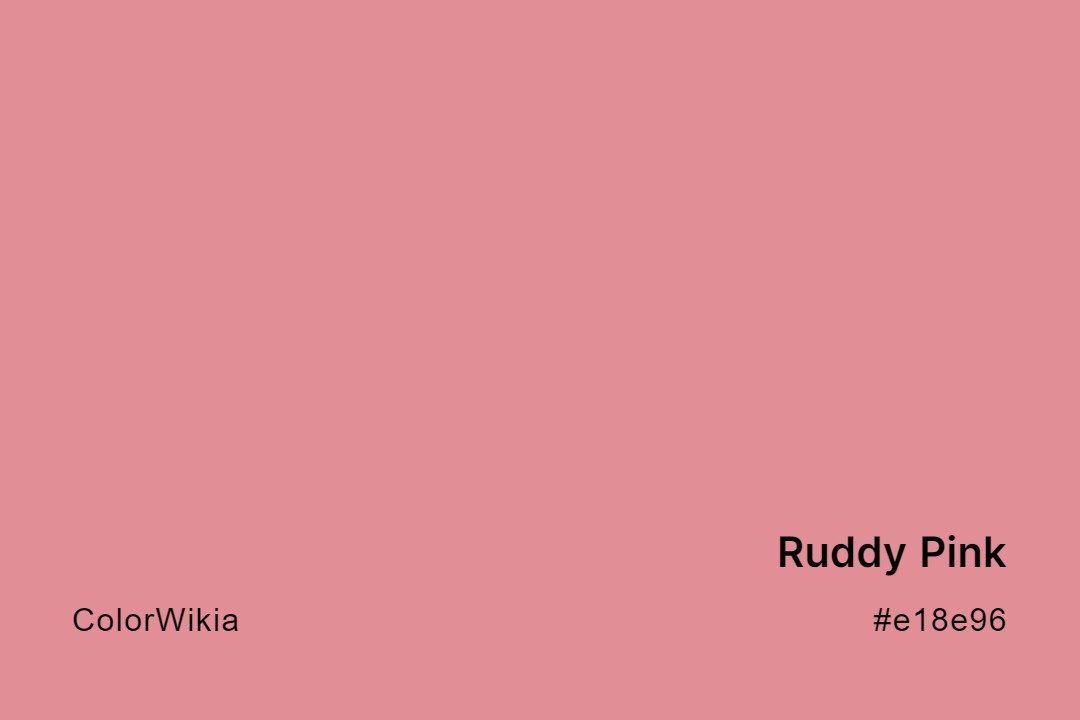
#e18e96
Ruddy Pink
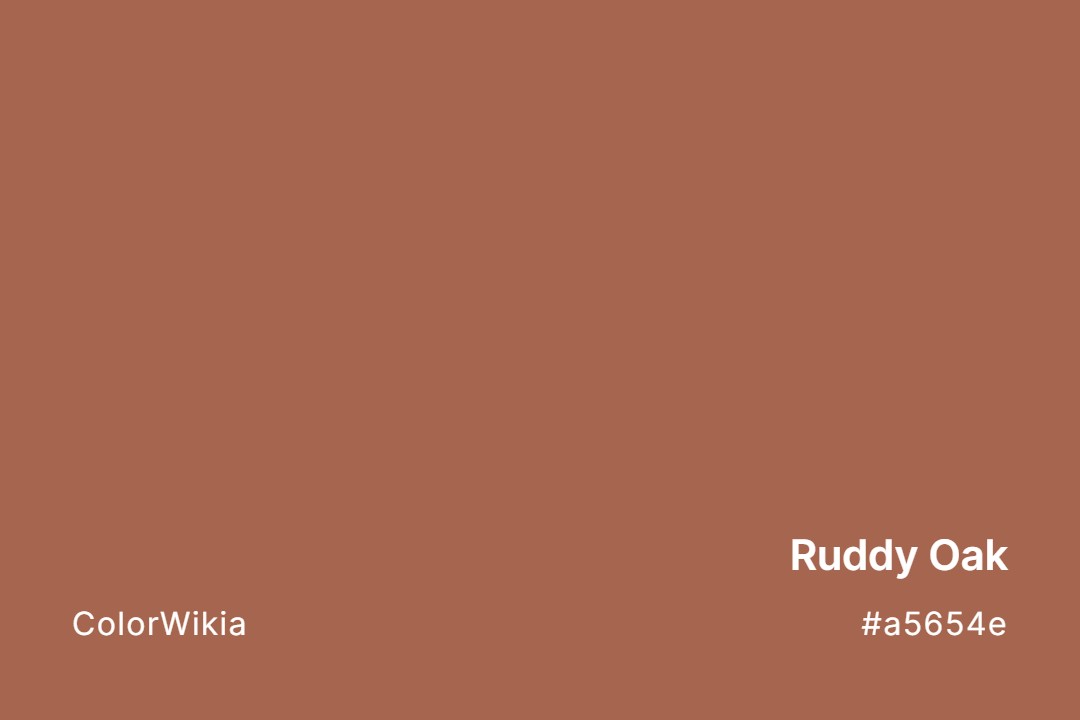
#a5654e
Ruddy Oak
#bb6528
Ruddy Brown
#edb508
Rucksack Tan
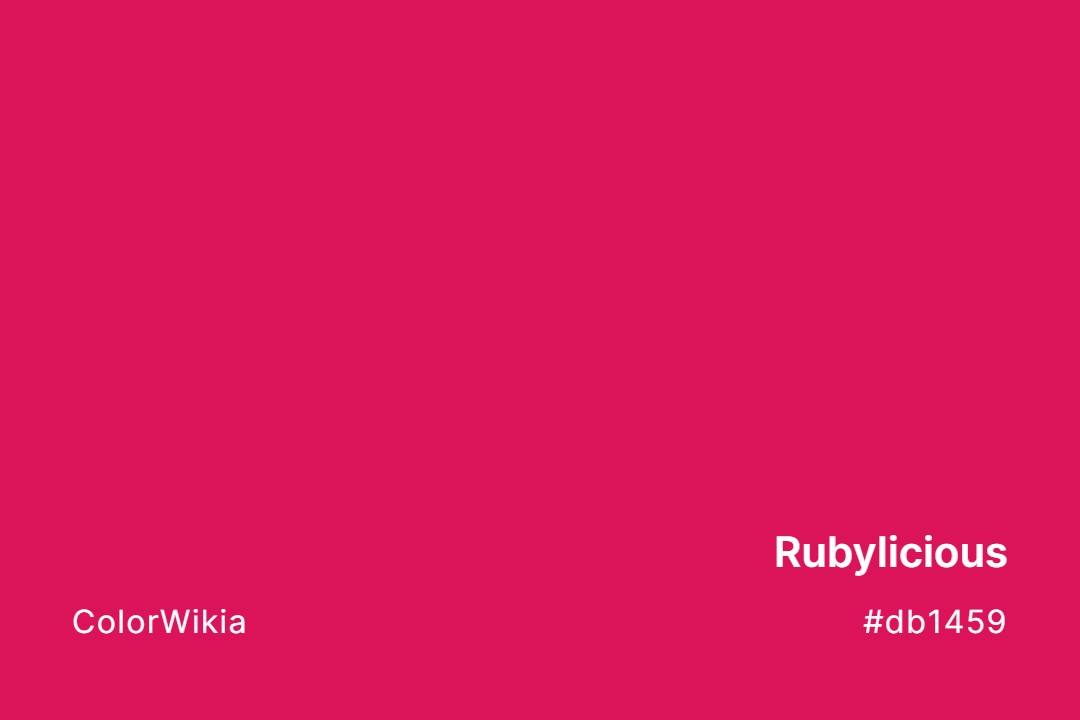
#db1459
Rubylicious
#85393d
Ruby Wine
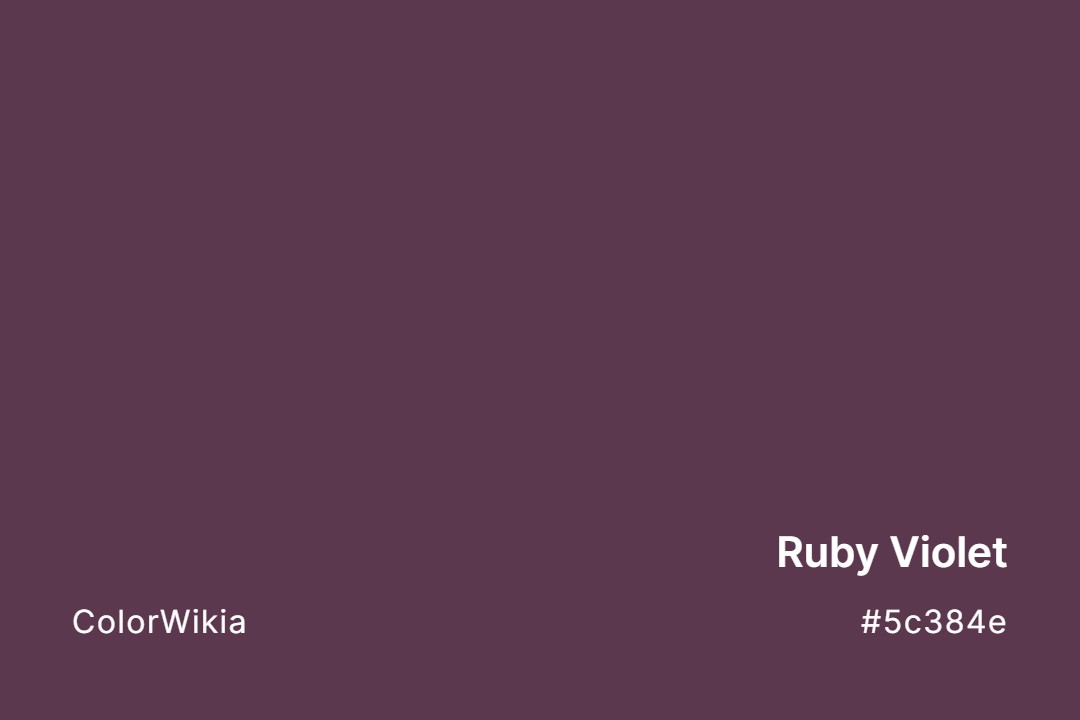
#5c384e
Ruby Violet
#bb1122
Ruby Star
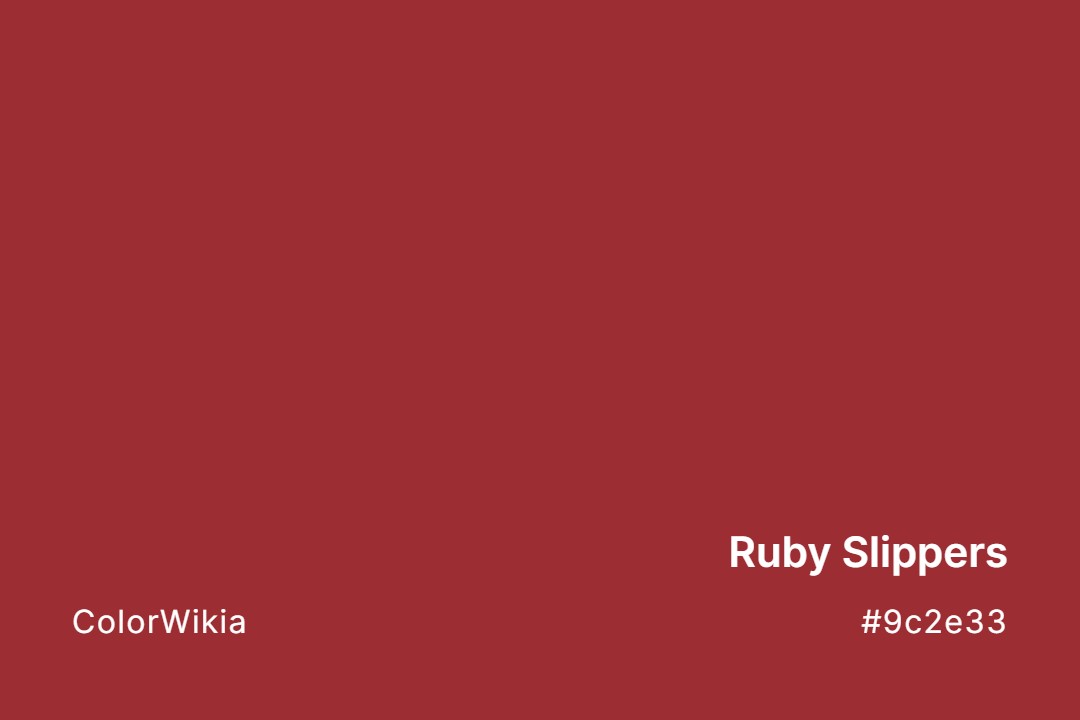
#9c2e33
Ruby Slippers
#bd1c30
Ruby Shard
#a2566f
Ruby Shade
#a03d41
Ruby Ring
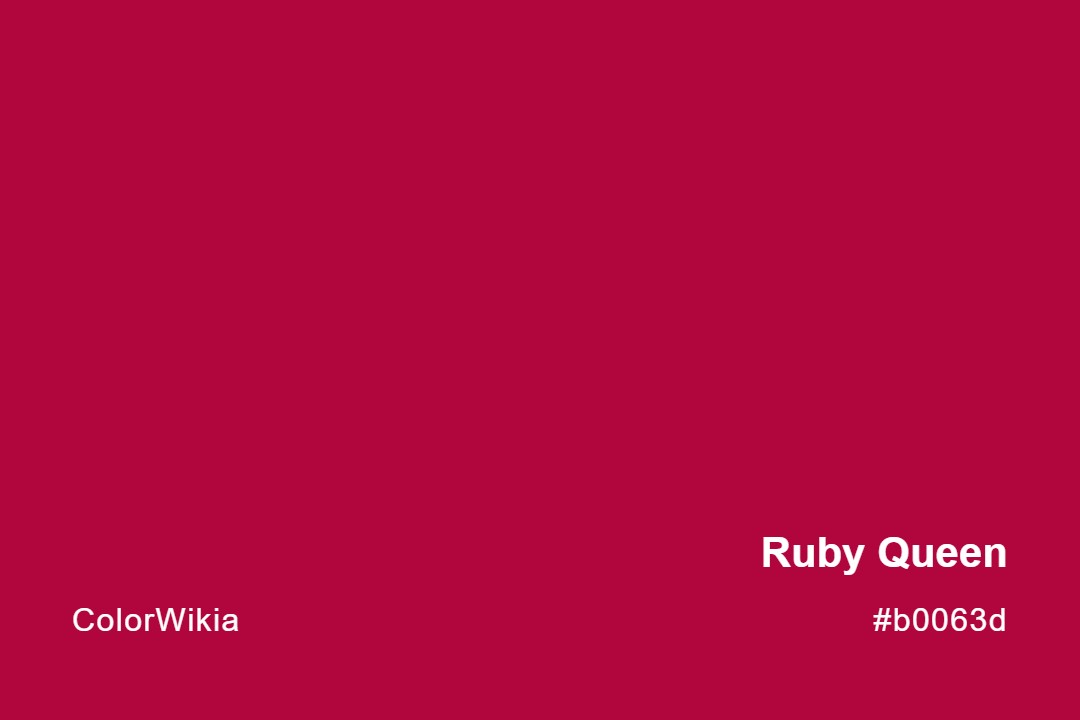
#b0063d
Ruby Queen
#813e45
Ruby Lips
#d0a2a0

Ruby Eye
#e0115f
Ruby Dust
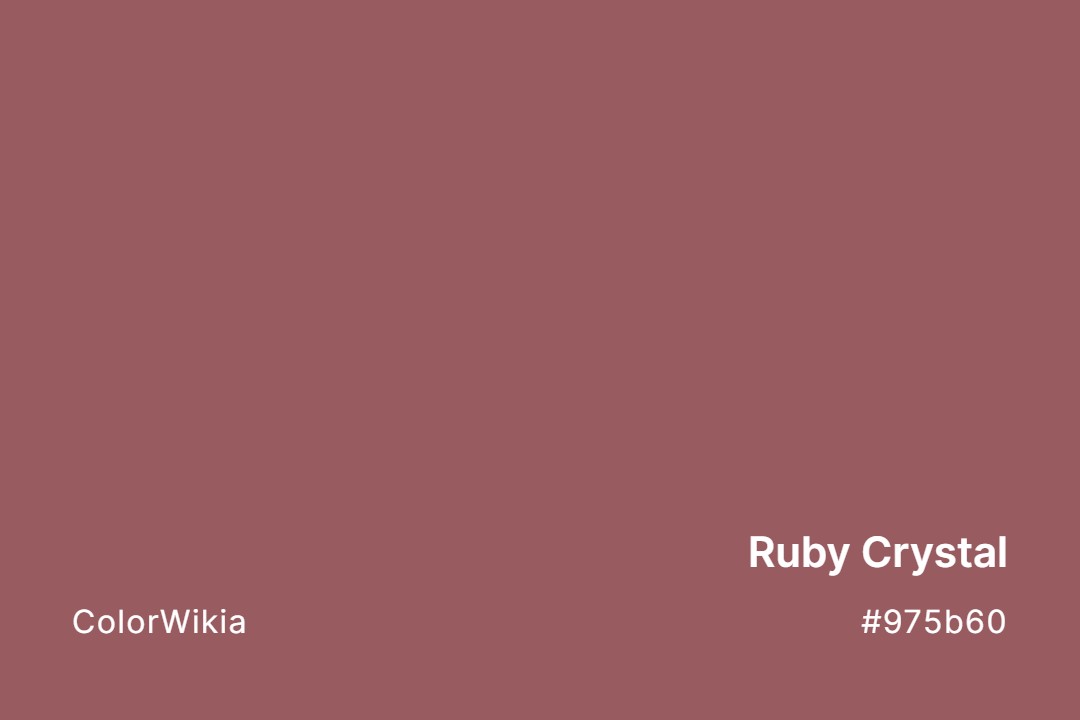
#975b60
Ruby Crystal
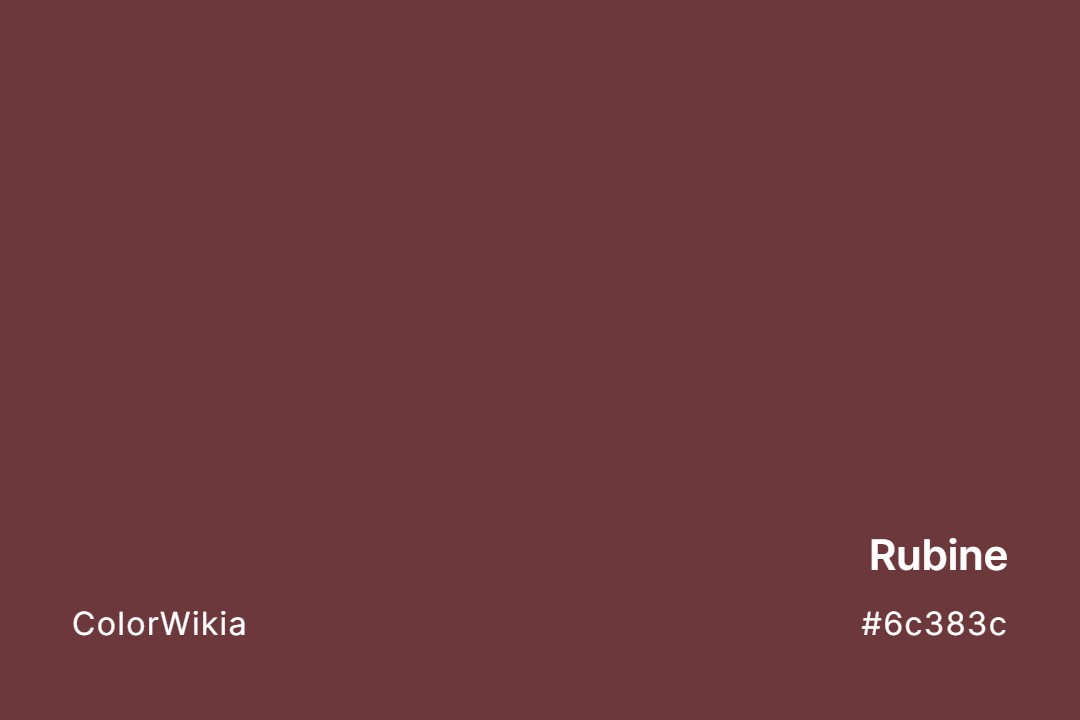
#6c383c
Rubine
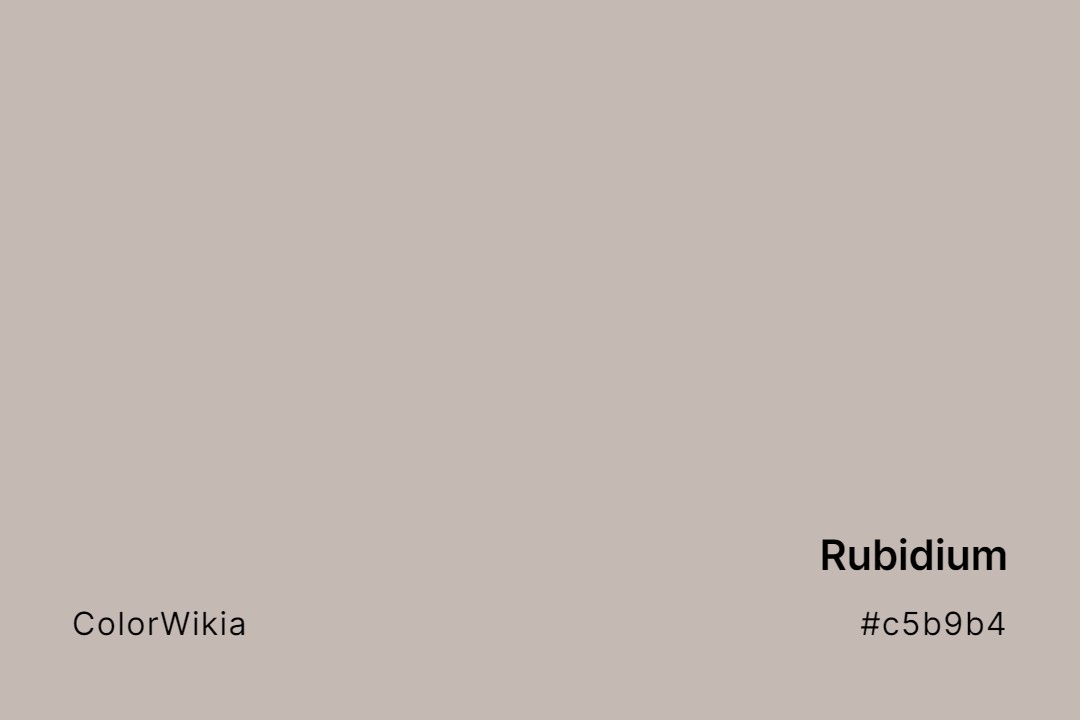
#c5b9b4
Rubidium
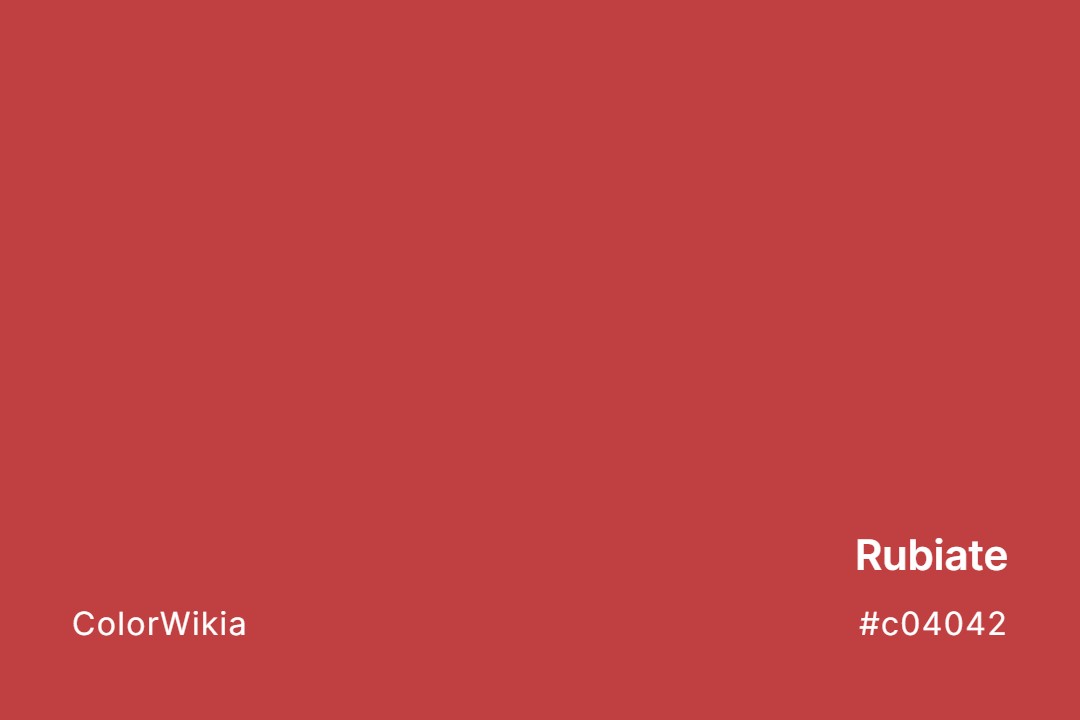
#c04042
Rubiate
#815d37
Rubber
#ffc5cb
Rubber Rose
#ff9999
Rubber Radish
#facf58
Rubber Ducky
#ce4676
Rubber Band
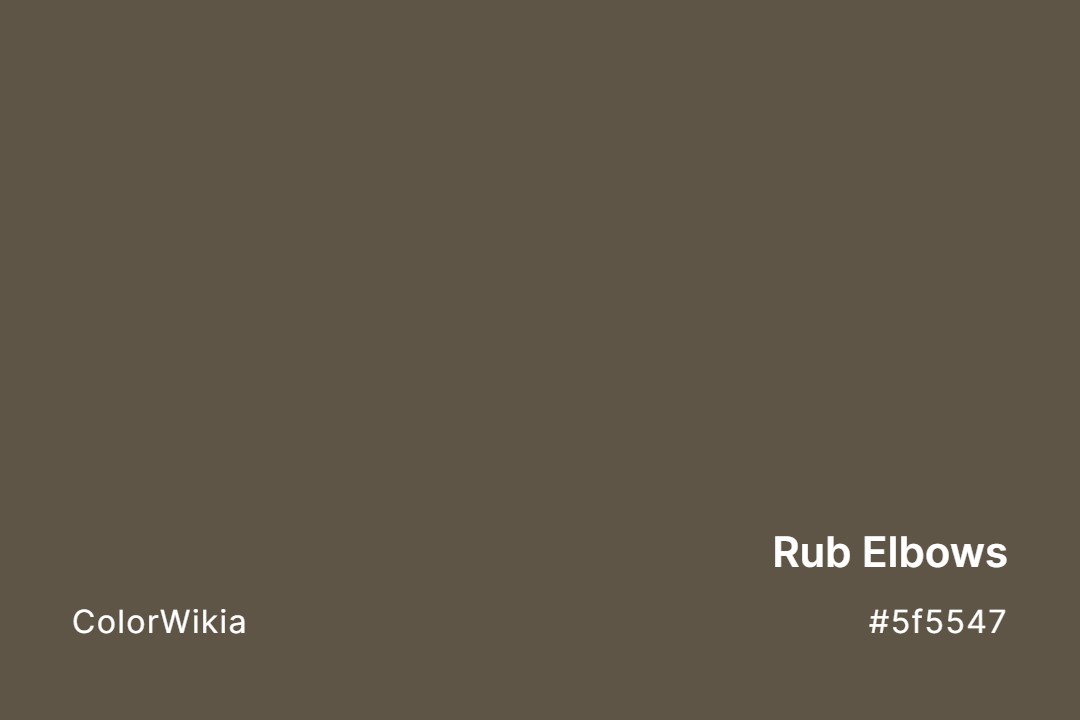
#5f5547
Rub Elbows
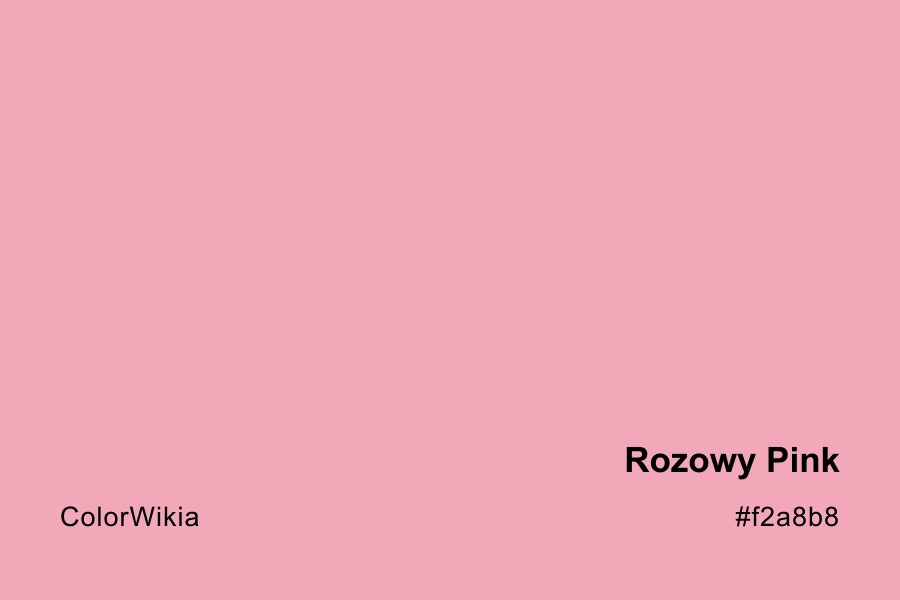
#f2a8b8
Rozowy Pink
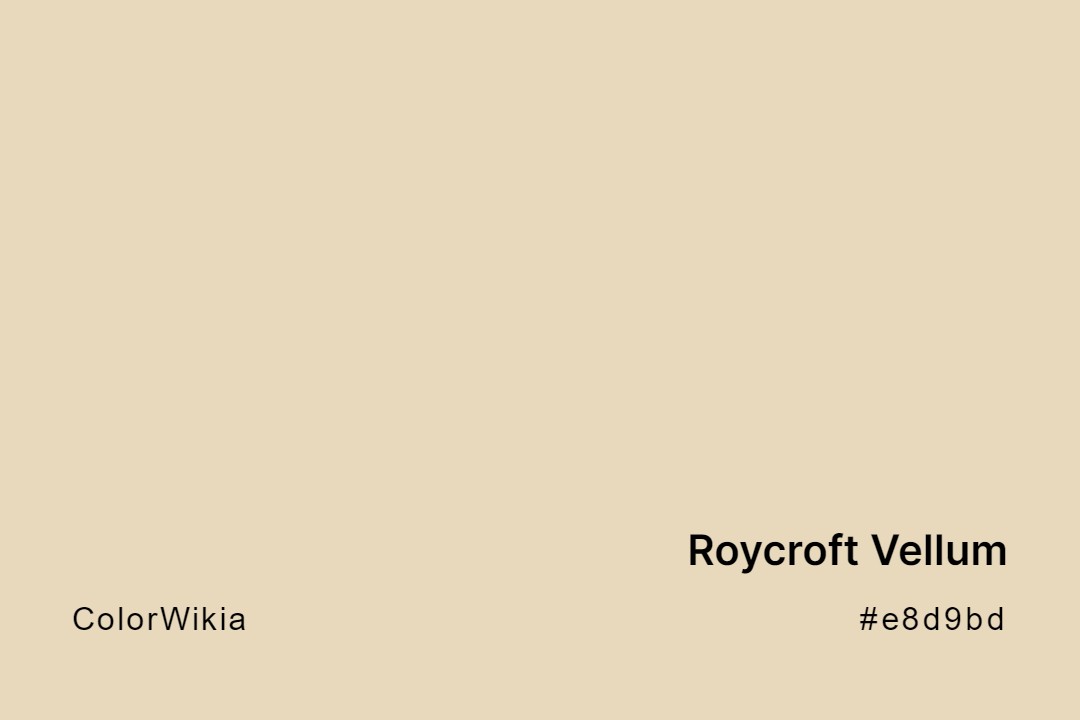
#e8d9bd
Roycroft Vellum
#a79473
Roycroft Suede
#c08f80
Roycroft Rose
#616564
Roycroft Pewter
#7a6a51
Roycroft Brass
#a76251
Roycroft Adobe
#7b3728
Roycroft Copper Red
#c2bdb1
Roycroft Mist Grey
#575449
Roycroft Bronze Green
#324038
Roycroft Bottle Green
#5930a9
Royalty
#ae58ab
Royalty Loyalty
#0c1793
Royal
#fbe3e3
Royal Wedding
#3e4967
Royal Wave
#4433ee
Royal Vessel
#513e4d
Royal Velvet
#494256
Royal Treatment
#fede4f
Royal Star
#e0dddd
Royal Silver
#4b3841
Royal Silk
#a54a4a
Royal Rum
#614a7b
Royal Robe
#678bc9
Royal Regatta
#8f7bb7
Royal Raul
#60456d
Royal Rajah
#806f72
Royal Raisin
#881177
Royal Purpleness
#aaa0bc
Royal Proclamation
#a063a1
Royal Pretender
#654161
Royal Plum
#355e5a
Royal Pine
#27ace0
Royal Peacock
#418d84
Royal Palm
#5f6d59
Royal Orchard
#ff7722
Royal Oranje
#879473
Royal Oakleaf
#2b3191
Royal Night
#1c3b42
Royal Neptune
#a1a0b7
Royal Mile
#545e97
Royal Marquis
#784d40
Royal Liqueur
#6e3d58
Royal Lines
#84549b
Royal Lilac



























The language of color can become confusing because everyday speech and color theory do not always use the word shade in exactly the same way. A page about color shades may describe a whole group of related colors, while the technical definition of a shade refers specifically to a hue made darker with black.
That difference matters when you compare taupe color shades, rust shades, or any other color family. The names people use are practical labels, while color systems provide more precise ways to describe the underlying values.
Understanding the difference between shade, tint, tone, and hue makes it easier to talk about color accurately. It also explains why one named color can have several related variations.
What Is a Color Shade?
In strict color theory, a shade is a hue with black added. Adding black lowers the lightness and produces a darker version of the starting color. A red can move toward burgundy, for example, while a blue can move toward navy.
In everyday language, people use shade more broadly. A search for “different shades of blue” may include lighter, darker, muted, and named variations that are not technically shades under the narrow definition.
That broader usage is common in design, retail, fashion, and online color references. It is also why color shade pages usually cover a family of related colors rather than only mixtures created by adding black.
The distinction is useful because it separates technical color terminology from the way people normally describe color families.
Shade, Tint, Tone, and Hue
These four terms describe different relationships between colors.
- Hue refers to the pure color position itself, such as red, blue, green, or yellow.
- Tint is a hue with white added, producing a lighter version such as pink from red.
- Shade is a hue with black added, producing a darker version such as burgundy from red.
- Tone is a hue with gray added, reducing saturation and muting the color.
The distinctions become useful when you need to describe why two colors look different. A pale blue may be a tint, while a dusty blue may be a tone and a navy blue may be a shade.
These terms can also be used together when discussing a larger color family. A named color may be lighter than the base color, darker than it, or more muted without fitting neatly into one everyday category.
How Digital Color Systems Describe Shades
Digital color systems make these relationships easier to quantify. RGB describes a color by the amount of red, green, and blue light used to create it, while HSL separates the color into hue, saturation, and lightness.
Hex codes provide a compact representation of RGB values. A six-character code such as #DC143C can identify crimson in a digital interface, but the number does not tell you where the color name originally came from or whether a physical pigment uses the same formulation.
In HSL, reducing lightness while holding hue and saturation constant moves a color toward a darker digital version. Raising lightness moves it toward a lighter version, while reducing saturation creates a more muted result.
This distinction is important when working with digital color. A color name can provide a useful visual reference, but a hex code gives you a specific digital value.
How Color Shade Names Develop
Color names often come from things people recognize. Taupe refers to the mole, while rust takes its name from corroded iron. Other names come from materials or places, including copper, terracotta, mahogany, sienna, and umber.
Language can preserve those histories even after a color becomes a digital swatch. Khaki color shades provide another example because the word traces back to a Hindustani term connected with dust and earth.
Commercial color naming adds another layer. Paint makers, textile companies, standards groups, and digital platforms may assign different names to closely related colors, so one shade does not always have one universal label.
This is one reason color names can feel inconsistent. A name can describe a recognizable visual family without pointing to one universal digital value.
Color Standards and Shade Codes
Professional color systems exist because names alone are too vague for precise reproduction. The Pantone Matching System assigns numbered references to color formulations, while systems such as Munsell describe colors using hue, value, and chroma.
The Natural Color System uses a different framework based on color perception. These systems serve different purposes, but they share the same practical goal. A numeric reference can communicate more precisely than a word such as “blue” or “green.”
That is also why a page listing color codes should distinguish between a named color, a standardized reference, and an ordinary digital hex value.
A hex code is useful for digital work, but it should not automatically be treated as a universal definition of a named color. The context behind the color reference matters.
Major Color Families and Their Shades
Every broad color family branches into many named variations. The examples below show how familiar shade names sit within larger groups.
| Color Family | Popular Shade | Hex Code |
| Red | Crimson | #DC143C |
| Blue | Navy | #000080 |
| Green | Forest Green | #228B22 |
| Yellow | Gold | #FFD700 |
| Purple | Indigo | #4B0082 |
| Orange | Coral | #FF7F50 |
| Brown | Tan | #D2B48C |
Warm families such as orange and brown include earthy variations such as rust, terracotta, and chocolate. Blue and green branch into names such as navy, teal, forest, and olive.
Neutral families work differently because their boundaries are less obvious. Beige, gray, taupe, and related colors can overlap substantially depending on saturation, lightness, and undertone.
Why named colors can overlap
A useful color family is not always a strict technical category. Two colors can look very similar while carrying different names because the names come from different materials, places, industries, or traditions.
For practical design work, it is often more useful to compare the actual color values than to rely on the name alone.
Frequently Asked Questions
What is the difference between a shade and a tint?
A shade is a darker version created by adding black, while a tint is a lighter version created by adding white.
Is a tone the same as a shade?
No. A tone adds gray and reduces saturation, while a shade adds black and darkens the original hue.
Why does one color have so many shade names?
Different industries, standards groups, companies, and cultures develop names independently. Closely related colors can therefore receive several labels.
How many shades of a color are there?
There is no fixed limit. Digital systems can generate very large numbers of distinct values, while named shades depend on the terms that become widely recognized or useful.