
30,000+ Shades of Color with Names and HEX Code
Explore unique color shades for your website, brand or any project.
#d5892f

Opulent
#a09ec6
Opulent Violet
#88ddcc
Opulent Turquoise
#673362
Opulent Purple
#775577
Opulent Ostrich
#f16640
Opulent Orange
#f2ebea
Opulent Opal
#462343
Opulent Mauve
#88dd11
Opulent Lime
#130d0d
Optophobia
#f5e1a6
Optimistic Yellow
#e9ab51
Optimist Gold
#987e7e
Opium
#735362
Opium Mauve
#3a284c
Operetta Mauve
#816575
Opera
#b784a7
Opera Mauve
#365360
Opera Glasses
#e5f1eb
Opera Glass
#f8e2a9
Open Sesame
#83afbc
Open Seas
#91876b
Open Range
#bba990
Open Canyon
#f5f1e5
Open Book
#c7dfe0
Open Air
#c1d1c4
Opaline
#c6a0ab
Opaline Pink
#3c94c1

Opalescent
#ffd2a9
Opalescent Coral
#aee0e4
Opal
#b1c6d1
Opal Waters
#7e8fbb
Opal Violet
#96d1c3
Opal Turquoise
#9db9b2
Opal Silk
#e95c4b
Opal Flame
#e49c86
Opal Fire
#fceece
Opal Cream
#c2beb6
Ooid Sand
#464544
Onyx
#353839
Onyx Heart
#777cb0
Ontario Violet
#66eebb
Onsen
#f4d1b9
Only Yesterday
#cbccb5
Only Olive
#d4cdb5
Only Oatmeal
#e1bc99
Only Natural
#b0b5b5
Online
#468c3e
Online Lime
#48412b
Onion
#eeeddf
Onion Skin
#47885e
Onion Seedling
#ece2d4
Onion Powder
#4c5692
Onion Skin Blue
#395643
O’Neal Green
#dcbdad
One to Remember
#29465b
One Year of Rain
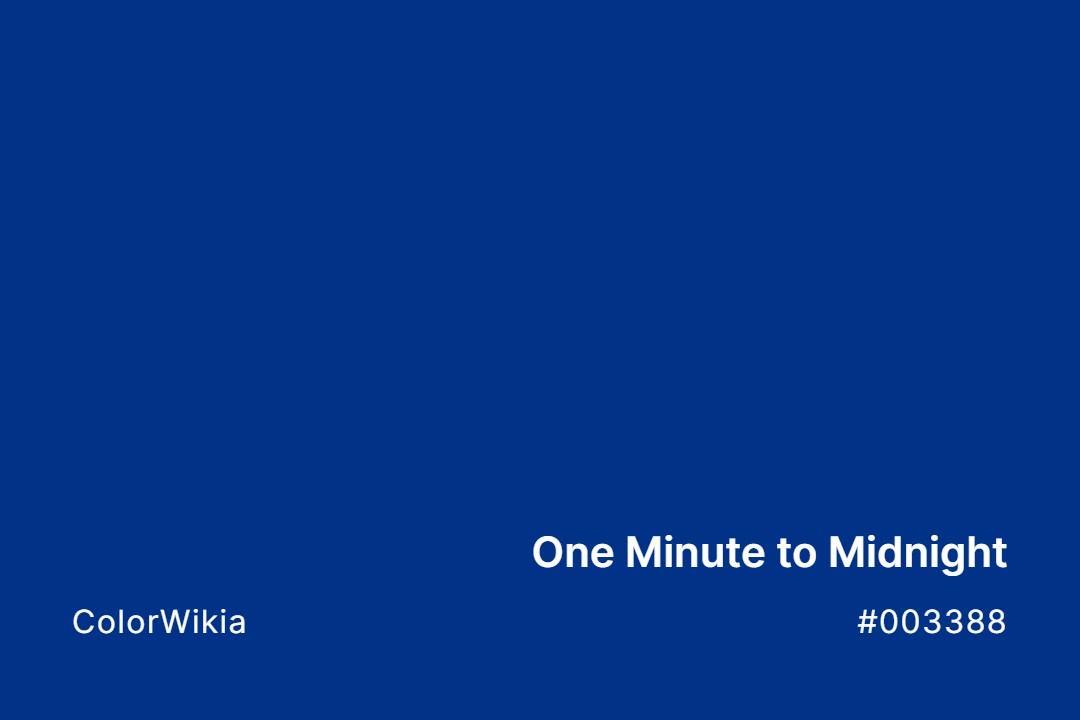
#003388
One Minute to Midnight
#bd2f10
Once Bitten
#0044bb
Once in a Blue Moon
#c2e6ec
Onahau
#d4c6dc
On Location
#019e91
On a Whim
#d0cec8
On the Rocks
#c2e7e8
On Cloud Nine
#b29aa7
On the Nile
#666d68
On the Moor
#948776
On the Avenue
#b5cedf
Omphalodes
#424c44
Olympic Range
#9a724a
Olympic Bronze
#5a6647
Olympia Ivy
#9ab973
Olivine
#655867
Olivine Basalt
#996622
Olivia
#747028
Olivetone
#333311
Olivenite
#808010
Olive
#c2b709
Olive Yellow
#756244
Olive Wood
#aba77c
Olive Tree
#6d8e2c
Olive Thrill
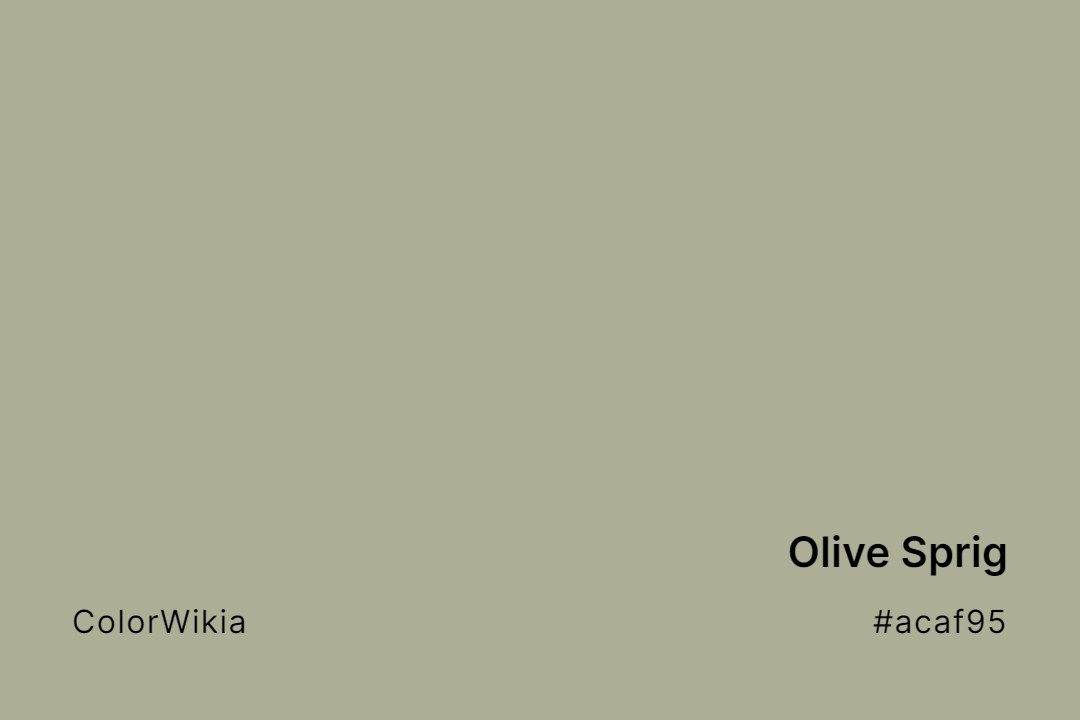
#acaf95
Olive Sprig
#97a49a
Olive Soap
#706041
Olive Shadow
#7d7248
Olive Shade
#7f7452
Olive Sapling
#9abf8d
Olive Sand
#a4a84d
Olive Reserve
#a9a491
Olive Pit
#83826d
Olive Paste
#bab86c
Olive Oil
#837752
Olive Ochre
#d1bd19
Olive Ocher
#565342
Olive Night
#ced2ab
Olive Martini
#4e4b35
Olive Leaf
#aeab9a
Olive It
#c9bd88
Olive Hint
#888064
Olive Haze
#716a4d
Olive Grove






The language of color can become confusing because everyday speech and color theory do not always use the word shade in exactly the same way. A page about color shades may describe a whole group of related colors, while the technical definition of a shade refers specifically to a hue made darker with black.
That difference matters when you compare taupe color shades, rust shades, or any other color family. The names people use are practical labels, while color systems provide more precise ways to describe the underlying values.
Understanding the difference between shade, tint, tone, and hue makes it easier to talk about color accurately. It also explains why one named color can have several related variations.
What Is a Color Shade?
In strict color theory, a shade is a hue with black added. Adding black lowers the lightness and produces a darker version of the starting color. A red can move toward burgundy, for example, while a blue can move toward navy.
In everyday language, people use shade more broadly. A search for “different shades of blue” may include lighter, darker, muted, and named variations that are not technically shades under the narrow definition.
That broader usage is common in design, retail, fashion, and online color references. It is also why color shade pages usually cover a family of related colors rather than only mixtures created by adding black.
The distinction is useful because it separates technical color terminology from the way people normally describe color families.
Shade, Tint, Tone, and Hue
These four terms describe different relationships between colors.
- Hue refers to the pure color position itself, such as red, blue, green, or yellow.
- Tint is a hue with white added, producing a lighter version such as pink from red.
- Shade is a hue with black added, producing a darker version such as burgundy from red.
- Tone is a hue with gray added, reducing saturation and muting the color.
The distinctions become useful when you need to describe why two colors look different. A pale blue may be a tint, while a dusty blue may be a tone and a navy blue may be a shade.
These terms can also be used together when discussing a larger color family. A named color may be lighter than the base color, darker than it, or more muted without fitting neatly into one everyday category.
How Digital Color Systems Describe Shades
Digital color systems make these relationships easier to quantify. RGB describes a color by the amount of red, green, and blue light used to create it, while HSL separates the color into hue, saturation, and lightness.
Hex codes provide a compact representation of RGB values. A six-character code such as #DC143C can identify crimson in a digital interface, but the number does not tell you where the color name originally came from or whether a physical pigment uses the same formulation.
In HSL, reducing lightness while holding hue and saturation constant moves a color toward a darker digital version. Raising lightness moves it toward a lighter version, while reducing saturation creates a more muted result.
This distinction is important when working with digital color. A color name can provide a useful visual reference, but a hex code gives you a specific digital value.
How Color Shade Names Develop
Color names often come from things people recognize. Taupe refers to the mole, while rust takes its name from corroded iron. Other names come from materials or places, including copper, terracotta, mahogany, sienna, and umber.
Language can preserve those histories even after a color becomes a digital swatch. Khaki color shades provide another example because the word traces back to a Hindustani term connected with dust and earth.
Commercial color naming adds another layer. Paint makers, textile companies, standards groups, and digital platforms may assign different names to closely related colors, so one shade does not always have one universal label.
This is one reason color names can feel inconsistent. A name can describe a recognizable visual family without pointing to one universal digital value.
Color Standards and Shade Codes
Professional color systems exist because names alone are too vague for precise reproduction. The Pantone Matching System assigns numbered references to color formulations, while systems such as Munsell describe colors using hue, value, and chroma.
The Natural Color System uses a different framework based on color perception. These systems serve different purposes, but they share the same practical goal. A numeric reference can communicate more precisely than a word such as “blue” or “green.”
That is also why a page listing color codes should distinguish between a named color, a standardized reference, and an ordinary digital hex value.
A hex code is useful for digital work, but it should not automatically be treated as a universal definition of a named color. The context behind the color reference matters.
Major Color Families and Their Shades
Every broad color family branches into many named variations. The examples below show how familiar shade names sit within larger groups.
| Color Family | Popular Shade | Hex Code |
| Red | Crimson | #DC143C |
| Blue | Navy | #000080 |
| Green | Forest Green | #228B22 |
| Yellow | Gold | #FFD700 |
| Purple | Indigo | #4B0082 |
| Orange | Coral | #FF7F50 |
| Brown | Tan | #D2B48C |
Warm families such as orange and brown include earthy variations such as rust, terracotta, and chocolate. Blue and green branch into names such as navy, teal, forest, and olive.
Neutral families work differently because their boundaries are less obvious. Beige, gray, taupe, and related colors can overlap substantially depending on saturation, lightness, and undertone.
Why named colors can overlap
A useful color family is not always a strict technical category. Two colors can look very similar while carrying different names because the names come from different materials, places, industries, or traditions.
For practical design work, it is often more useful to compare the actual color values than to rely on the name alone.
Frequently Asked Questions
What is the difference between a shade and a tint?
A shade is a darker version created by adding black, while a tint is a lighter version created by adding white.
Is a tone the same as a shade?
No. A tone adds gray and reduces saturation, while a shade adds black and darkens the original hue.
Why does one color have so many shade names?
Different industries, standards groups, companies, and cultures develop names independently. Closely related colors can therefore receive several labels.
How many shades of a color are there?
There is no fixed limit. Digital systems can generate very large numbers of distinct values, while named shades depend on the terms that become widely recognized or useful.