
30,000+ Shades of Color with Names and HEX Code
Explore unique color shades for your website, brand or any project.
#01546d

Blue Palisade
#c8ede2
Teal Melody
#d8dadb
Silver Setting
#a9b8c8
Blue Tribute
#5dadec
Blue Jeans
#8394c5
Blue Hyacinth
#25597f
Bahama Blue
#aebed2
Sweet Blue
#466163
Linen Grey
#0d6376
Blue Enchantment
#66a6d9
Baja Blue
#c1b5a9
Ash Grey
#beb5a9
Amazing Grey
#424142
Spade Black
#6e7955
Kariyasu Green
#6d7058
Flinders Green
#115500
Donegal Green
#40638e
Blue Beret
#06b1c4
Antigua Blue
#3f6378
Mallard Blue
#f0e2e4
Dulcet Pink
#2e5d9d
Neptune Blue
#a8bbba
Blue Willow
#124168
Blue Opal
#8c9e5e
Yanagizome Green
#1c39bb
Persian Blue
#8378c7
Moody Blue
#004f6d
Gemstone Blue
#6d9fd1
Blue Electress
#32becc
Blue Curacao
#c2baa8
Wilderness Grey
#f4e5e0
Petal Pink
#406374
Celeste Blue
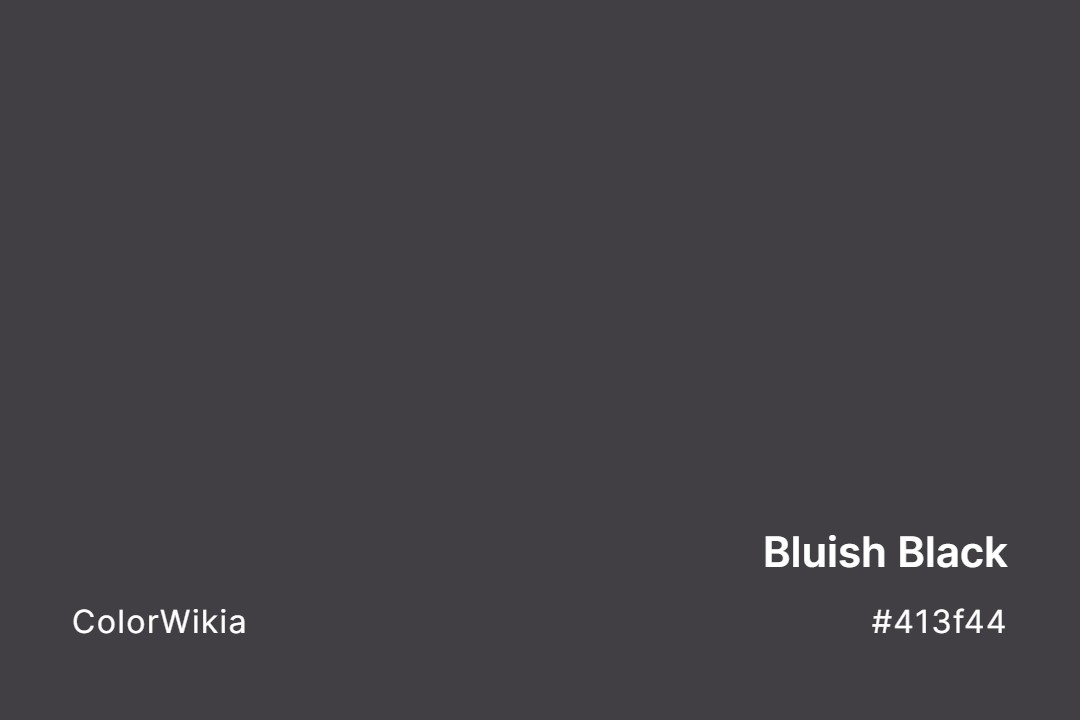
#413f44
Bluish Black
#397c80
Blue Venus
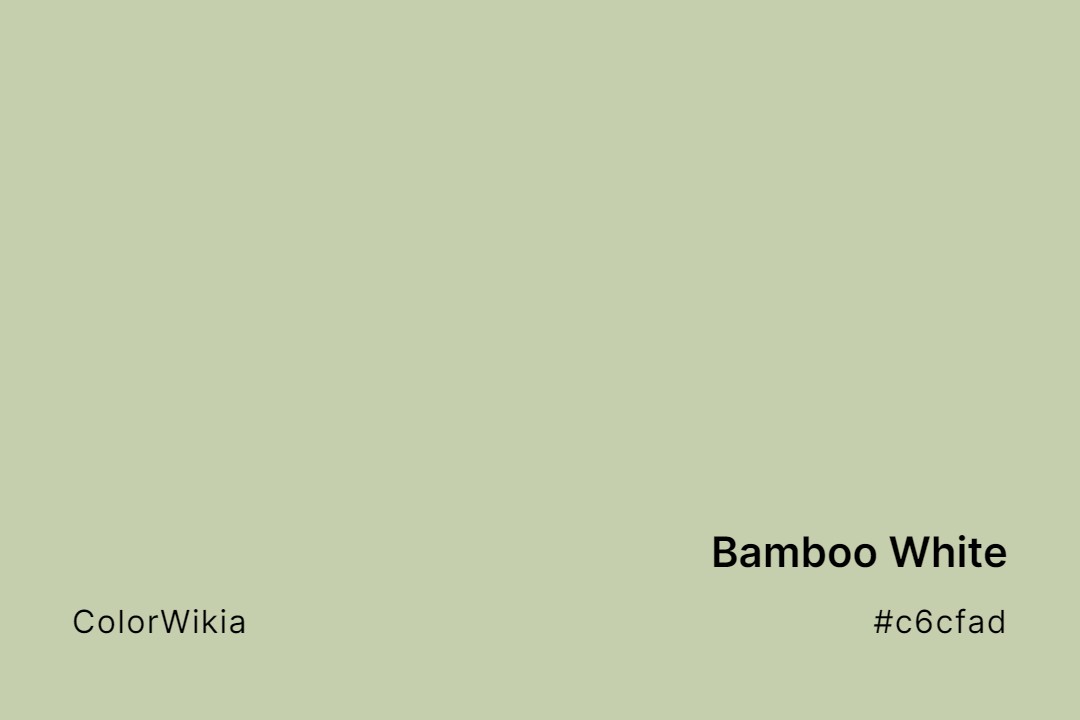
#c6cfad
Bamboo White
#767853
Alexandrite Green
#99dbfe
Shiva Blue
#03b4c8
Iris Blue
#b8b0af
Grey Scape
#aba9a7
Cathedral Grey
#798052
Calliste Green
#54a6c2
Pottery Blue
#f2e4e2
Pink Emulsion
#817553
Pesto Green
#a8c0bb
Harbour Grey
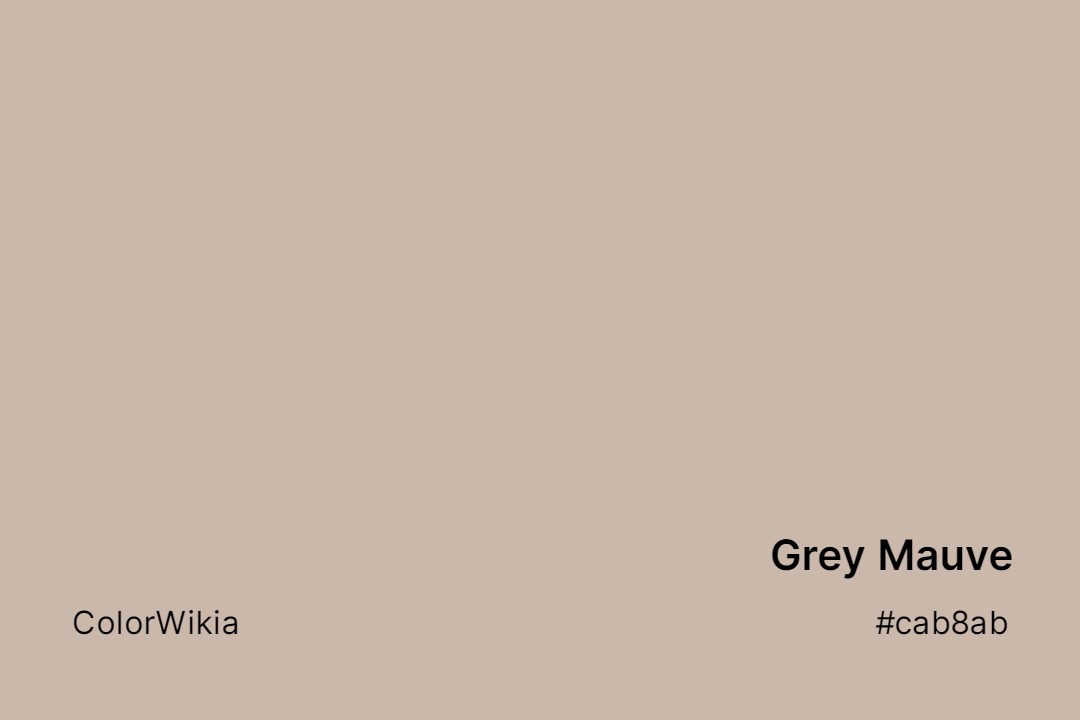
#cab8ab
Grey Mauve
#dadba0
Burgundy Grey
#95945c
Tansy Green
#d9d3e5
Powder Viola White
#8d8b55
Green Olive
#76ad83
Green Goddess
#807553
Cabbage Green
#005e88
Blue Flame
#aec6cf
Roquefort Blue
#ada8a5
Proper Grey
#3992a8
Blue Moon
#69a2d5
Blue Gourami
#8ea6ba
Bayshore Blue
#416082
Alexis Blue
#4e9ab0
Starflower Blue
#a0adac
Prince Grey
#c5dacc
Micaceous Green
#1e454d
Blue Hill
#463d3e
Black Truffle
#a9a8a9
Ultimate Grey
#ffdfe5
Pink Pleasure
#9eb0aa
Grey Morning
#6f95c1
Blue Tuna
#a9bbbc
Grey Wool
#f4e5e1
Reverie Pink
#adaaa2
Downtown Grey
#3850a0
Dazzling Blue
#5729ce
Blue Purple
#94a4b9
Blue Blouse
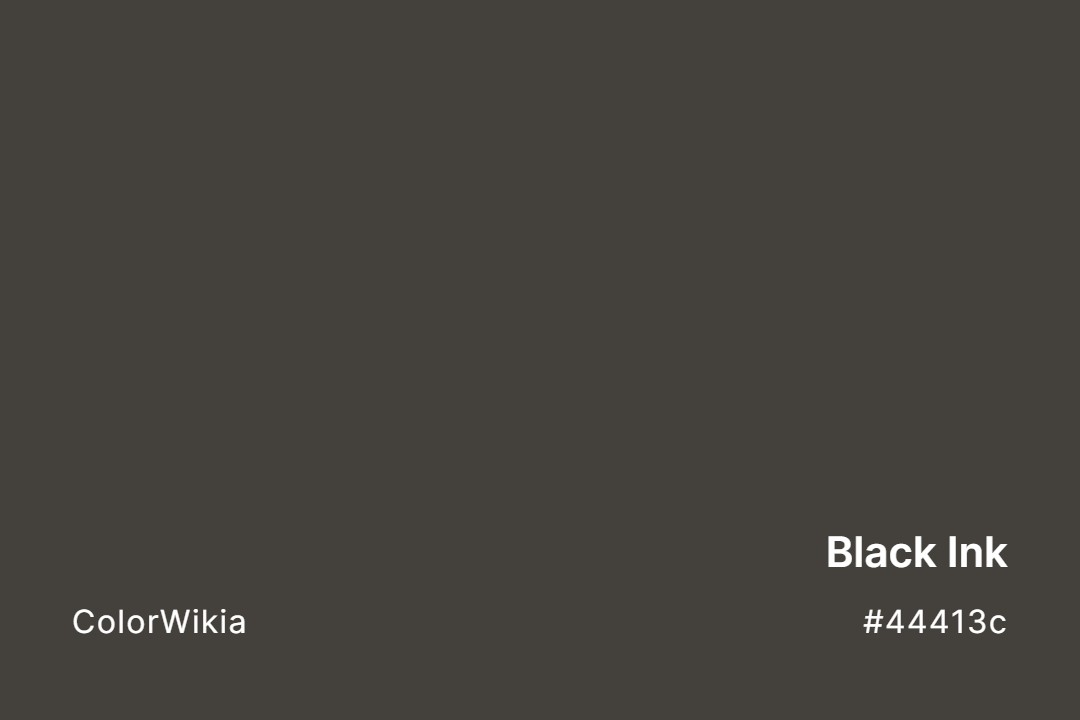
#44413c
Black Ink
#ede3e7
Wink Pink
#0044ee
Scuff Blue
#567572
Sagebrush Green
#f1e0e8
Pink Proposal
#4411ff
Blustering Blue
#a9c4c4
Blende Blue
#aabac6
Windy Blue
#7198c0
Pinafore Blue
#45abca
Dragonfly Blue
#1d5671
Canoe Blue
#a5cde1
Blue Calico
#9085c4
Amethyst Grey
#769358
Piquant Green
#005500
Pharmacy Green
#1fb4c3
Lago Blue
#5c4671
Blue Tulip
#525463
Black Orchid
#93a2ba
Rock Blue
#015193
Blue Olympus
#415e9c
Blue Dahlia
#406482
Blue Ashes
#beb6ab
Anew Grey
#d0d6a8
White Jade
#1199bb
Serene Blue









The language of color can become confusing because everyday speech and color theory do not always use the word shade in exactly the same way. A page about color shades may describe a whole group of related colors, while the technical definition of a shade refers specifically to a hue made darker with black.
That difference matters when you compare taupe color shades, rust shades, or any other color family. The names people use are practical labels, while color systems provide more precise ways to describe the underlying values.
Understanding the difference between shade, tint, tone, and hue makes it easier to talk about color accurately. It also explains why one named color can have several related variations.
What Is a Color Shade?
In strict color theory, a shade is a hue with black added. Adding black lowers the lightness and produces a darker version of the starting color. A red can move toward burgundy, for example, while a blue can move toward navy.
In everyday language, people use shade more broadly. A search for “different shades of blue” may include lighter, darker, muted, and named variations that are not technically shades under the narrow definition.
That broader usage is common in design, retail, fashion, and online color references. It is also why color shade pages usually cover a family of related colors rather than only mixtures created by adding black.
The distinction is useful because it separates technical color terminology from the way people normally describe color families.
Shade, Tint, Tone, and Hue
These four terms describe different relationships between colors.
- Hue refers to the pure color position itself, such as red, blue, green, or yellow.
- Tint is a hue with white added, producing a lighter version such as pink from red.
- Shade is a hue with black added, producing a darker version such as burgundy from red.
- Tone is a hue with gray added, reducing saturation and muting the color.
The distinctions become useful when you need to describe why two colors look different. A pale blue may be a tint, while a dusty blue may be a tone and a navy blue may be a shade.
These terms can also be used together when discussing a larger color family. A named color may be lighter than the base color, darker than it, or more muted without fitting neatly into one everyday category.
How Digital Color Systems Describe Shades
Digital color systems make these relationships easier to quantify. RGB describes a color by the amount of red, green, and blue light used to create it, while HSL separates the color into hue, saturation, and lightness.
Hex codes provide a compact representation of RGB values. A six-character code such as #DC143C can identify crimson in a digital interface, but the number does not tell you where the color name originally came from or whether a physical pigment uses the same formulation.
In HSL, reducing lightness while holding hue and saturation constant moves a color toward a darker digital version. Raising lightness moves it toward a lighter version, while reducing saturation creates a more muted result.
This distinction is important when working with digital color. A color name can provide a useful visual reference, but a hex code gives you a specific digital value.
How Color Shade Names Develop
Color names often come from things people recognize. Taupe refers to the mole, while rust takes its name from corroded iron. Other names come from materials or places, including copper, terracotta, mahogany, sienna, and umber.
Language can preserve those histories even after a color becomes a digital swatch. Khaki color shades provide another example because the word traces back to a Hindustani term connected with dust and earth.
Commercial color naming adds another layer. Paint makers, textile companies, standards groups, and digital platforms may assign different names to closely related colors, so one shade does not always have one universal label.
This is one reason color names can feel inconsistent. A name can describe a recognizable visual family without pointing to one universal digital value.
Color Standards and Shade Codes
Professional color systems exist because names alone are too vague for precise reproduction. The Pantone Matching System assigns numbered references to color formulations, while systems such as Munsell describe colors using hue, value, and chroma.
The Natural Color System uses a different framework based on color perception. These systems serve different purposes, but they share the same practical goal. A numeric reference can communicate more precisely than a word such as “blue” or “green.”
That is also why a page listing color codes should distinguish between a named color, a standardized reference, and an ordinary digital hex value.
A hex code is useful for digital work, but it should not automatically be treated as a universal definition of a named color. The context behind the color reference matters.
Major Color Families and Their Shades
Every broad color family branches into many named variations. The examples below show how familiar shade names sit within larger groups.
| Color Family | Popular Shade | Hex Code |
| Red | Crimson | #DC143C |
| Blue | Navy | #000080 |
| Green | Forest Green | #228B22 |
| Yellow | Gold | #FFD700 |
| Purple | Indigo | #4B0082 |
| Orange | Coral | #FF7F50 |
| Brown | Tan | #D2B48C |
Warm families such as orange and brown include earthy variations such as rust, terracotta, and chocolate. Blue and green branch into names such as navy, teal, forest, and olive.
Neutral families work differently because their boundaries are less obvious. Beige, gray, taupe, and related colors can overlap substantially depending on saturation, lightness, and undertone.
Why named colors can overlap
A useful color family is not always a strict technical category. Two colors can look very similar while carrying different names because the names come from different materials, places, industries, or traditions.
For practical design work, it is often more useful to compare the actual color values than to rely on the name alone.
Frequently Asked Questions
What is the difference between a shade and a tint?
A shade is a darker version created by adding black, while a tint is a lighter version created by adding white.
Is a tone the same as a shade?
No. A tone adds gray and reduces saturation, while a shade adds black and darkens the original hue.
Why does one color have so many shade names?
Different industries, standards groups, companies, and cultures develop names independently. Closely related colors can therefore receive several labels.
How many shades of a color are there?
There is no fixed limit. Digital systems can generate very large numbers of distinct values, while named shades depend on the terms that become widely recognized or useful.