
30,000+ Shades of Color with Names and HEX Code
Explore unique color shades for your website, brand or any project.
#c9a8ce

Catmint
#cca800
Catkin Yellow
#00ff55
Cathode Green
#acaaa7
Cathedral
#80796e
Cathedral Stone
#7a999c
Cathedral Glass
#9d632d
Cathay Spice
#657d82
Catfish
#66a545
Caterpillar
#b5dcd8
Catch The Wave
#703642
Catawba
#634049
Catawba Grape
#72a49f
Catalina
#efac73
Catalina Tile
#5c7884
Catalina Coast
#429395
Catalan
#dbd7d0
Catacomb Walls
#e2dccc
Catacomb Bone
#636d70
Cat Person
#8fabd6
Casual Water
#d3c5af
Casual Khaki
#dfd5c8
Casual Elegance
#95bac2
Casual Day
#44232f
Castro
#a80020
Castlevania Heart
#5f5e62
Castlerock
#a0a5a5
Castlegate
#c2bba2
Castle Wall
#525746
Castle Stone
#eadec7
Castle Ridge
#c5baaa
Castle Path
#8b6b47
Castle Moat
#bdaeb7
Castle Mist
#95827b
Castle Hill
#e0d5ca
Castle Beige
#d1eaed
Castle in the Sky
#efdcca
Castle In The Clouds
#9da7a0
Casting Shadow
#4586c7
Casting Sea
#d4b3aa
Castilian Pink
#ffffe8
Caster Sugar
#677727
Castelvetrano Olive
#a27040
Castellina
#6dbac0
Castaway
#607374
Castaway Lagoon
#7a9291
Castaway Cove
#d0c19f
Castaway Beach
#64645a
Cast Iron
#623c1f
Cassiterite Brown
#aed0c9
Cassiopeia
#e0cdda
Cassia Buds
#e7c084
Cassava Cake
#bb7700
Cassandra’s Curse
#aec7db
Caspian Tide
#4f6f91
Caspian Sea
#aab5b8
Casper
#a49186
Casket
#f9f2b3
Casino Lights
#d1b399
Cashmere
#fef2d2
Cashmere Sweater
#cb8097
Cashmere Rose
#cda291
Cashmere Clay
#a47149
Cashew
#edccb3
Cashew Nut
#fcf9bd
Cashew Cheese
#ee4433
Cascara
#273e3e
Cascades
#d4ede6
Cascade
#234893
Cascade Twilight
#697f8e
Cascade Tour
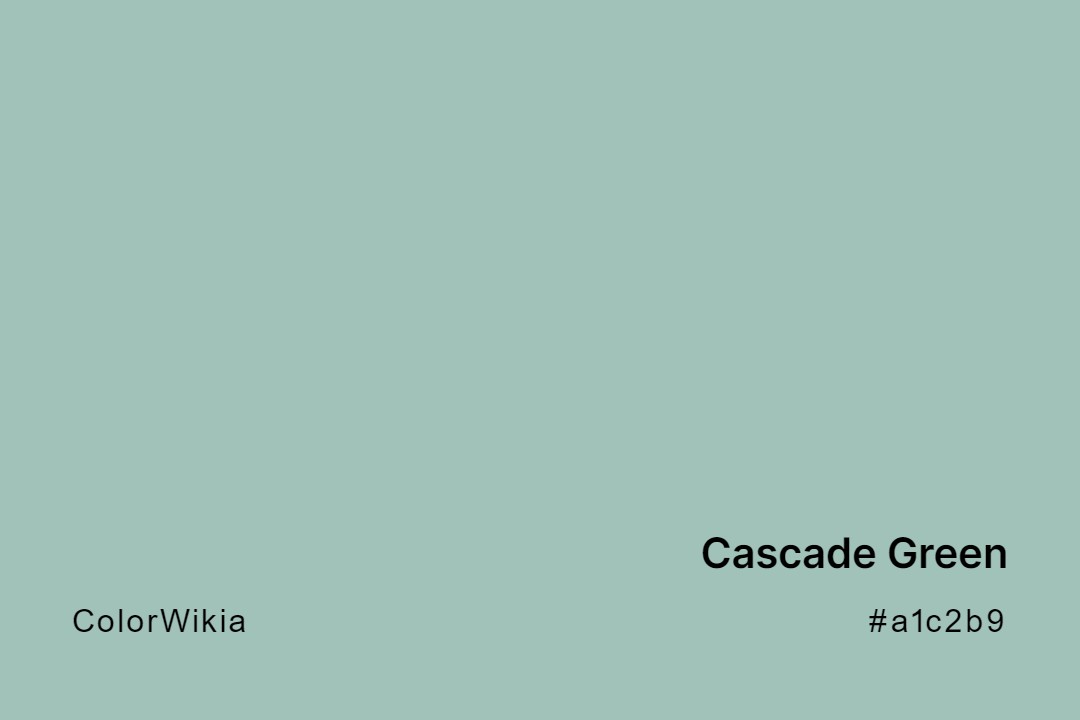
#a1c2b9
Cascade Green
#e7dbca
Cascade Beige
#7c4549
Casandra
#fece5a
Casandora Yellow
#3f545a
Casal
#f0b253
Casablanca
#abb790
Casa Verde
#c49ca5
Casa Talec
#f4ecd8
Casa Blanca
#cf6837
Casa De Oro
#cacfe6
Casa del Mar
#f0c39f
Carving Party
#937a62
Carved Wood
#665537
Cartwheel
#d01722
Cartoon Violence
#bb9e7e
Carton
#405978
Carter’s Scroll
#eeeeff
Carte Blanche
#fd6f3b
Carrot
#df7836
Carrot Stick
#ed9121
Carrot Orange
#fc5a1f
Carrot Lava
#cbd3c1
Carrot Flower
#fe7a04
Carrot Curl
#bf6f31
Carrot Cake
#a82a70
Carroburg Crimson
#889398
Carrier Pigeon Blue
#6c6358
Carriage
#ffb756
Carriage Yellow
#7e7265
Carriage Stone




The language of color can become confusing because everyday speech and color theory do not always use the word shade in exactly the same way. A page about color shades may describe a whole group of related colors, while the technical definition of a shade refers specifically to a hue made darker with black.
That difference matters when you compare taupe color shades, rust shades, or any other color family. The names people use are practical labels, while color systems provide more precise ways to describe the underlying values.
Understanding the difference between shade, tint, tone, and hue makes it easier to talk about color accurately. It also explains why one named color can have several related variations.
What Is a Color Shade?
In strict color theory, a shade is a hue with black added. Adding black lowers the lightness and produces a darker version of the starting color. A red can move toward burgundy, for example, while a blue can move toward navy.
In everyday language, people use shade more broadly. A search for “different shades of blue” may include lighter, darker, muted, and named variations that are not technically shades under the narrow definition.
That broader usage is common in design, retail, fashion, and online color references. It is also why color shade pages usually cover a family of related colors rather than only mixtures created by adding black.
The distinction is useful because it separates technical color terminology from the way people normally describe color families.
Shade, Tint, Tone, and Hue
These four terms describe different relationships between colors.
- Hue refers to the pure color position itself, such as red, blue, green, or yellow.
- Tint is a hue with white added, producing a lighter version such as pink from red.
- Shade is a hue with black added, producing a darker version such as burgundy from red.
- Tone is a hue with gray added, reducing saturation and muting the color.
The distinctions become useful when you need to describe why two colors look different. A pale blue may be a tint, while a dusty blue may be a tone and a navy blue may be a shade.
These terms can also be used together when discussing a larger color family. A named color may be lighter than the base color, darker than it, or more muted without fitting neatly into one everyday category.
How Digital Color Systems Describe Shades
Digital color systems make these relationships easier to quantify. RGB describes a color by the amount of red, green, and blue light used to create it, while HSL separates the color into hue, saturation, and lightness.
Hex codes provide a compact representation of RGB values. A six-character code such as #DC143C can identify crimson in a digital interface, but the number does not tell you where the color name originally came from or whether a physical pigment uses the same formulation.
In HSL, reducing lightness while holding hue and saturation constant moves a color toward a darker digital version. Raising lightness moves it toward a lighter version, while reducing saturation creates a more muted result.
This distinction is important when working with digital color. A color name can provide a useful visual reference, but a hex code gives you a specific digital value.
How Color Shade Names Develop
Color names often come from things people recognize. Taupe refers to the mole, while rust takes its name from corroded iron. Other names come from materials or places, including copper, terracotta, mahogany, sienna, and umber.
Language can preserve those histories even after a color becomes a digital swatch. Khaki color shades provide another example because the word traces back to a Hindustani term connected with dust and earth.
Commercial color naming adds another layer. Paint makers, textile companies, standards groups, and digital platforms may assign different names to closely related colors, so one shade does not always have one universal label.
This is one reason color names can feel inconsistent. A name can describe a recognizable visual family without pointing to one universal digital value.
Color Standards and Shade Codes
Professional color systems exist because names alone are too vague for precise reproduction. The Pantone Matching System assigns numbered references to color formulations, while systems such as Munsell describe colors using hue, value, and chroma.
The Natural Color System uses a different framework based on color perception. These systems serve different purposes, but they share the same practical goal. A numeric reference can communicate more precisely than a word such as “blue” or “green.”
That is also why a page listing color codes should distinguish between a named color, a standardized reference, and an ordinary digital hex value.
A hex code is useful for digital work, but it should not automatically be treated as a universal definition of a named color. The context behind the color reference matters.
Major Color Families and Their Shades
Every broad color family branches into many named variations. The examples below show how familiar shade names sit within larger groups.
| Color Family | Popular Shade | Hex Code |
| Red | Crimson | #DC143C |
| Blue | Navy | #000080 |
| Green | Forest Green | #228B22 |
| Yellow | Gold | #FFD700 |
| Purple | Indigo | #4B0082 |
| Orange | Coral | #FF7F50 |
| Brown | Tan | #D2B48C |
Warm families such as orange and brown include earthy variations such as rust, terracotta, and chocolate. Blue and green branch into names such as navy, teal, forest, and olive.
Neutral families work differently because their boundaries are less obvious. Beige, gray, taupe, and related colors can overlap substantially depending on saturation, lightness, and undertone.
Why named colors can overlap
A useful color family is not always a strict technical category. Two colors can look very similar while carrying different names because the names come from different materials, places, industries, or traditions.
For practical design work, it is often more useful to compare the actual color values than to rely on the name alone.
Frequently Asked Questions
What is the difference between a shade and a tint?
A shade is a darker version created by adding black, while a tint is a lighter version created by adding white.
Is a tone the same as a shade?
No. A tone adds gray and reduces saturation, while a shade adds black and darkens the original hue.
Why does one color have so many shade names?
Different industries, standards groups, companies, and cultures develop names independently. Closely related colors can therefore receive several labels.
How many shades of a color are there?
There is no fixed limit. Digital systems can generate very large numbers of distinct values, while named shades depend on the terms that become widely recognized or useful.