
30,000+ Shades of Color with Names and HEX Code
Explore unique color shades for your website, brand or any project.
#c5cd8f

Dancing Green
#146b47
Caterpillar Green
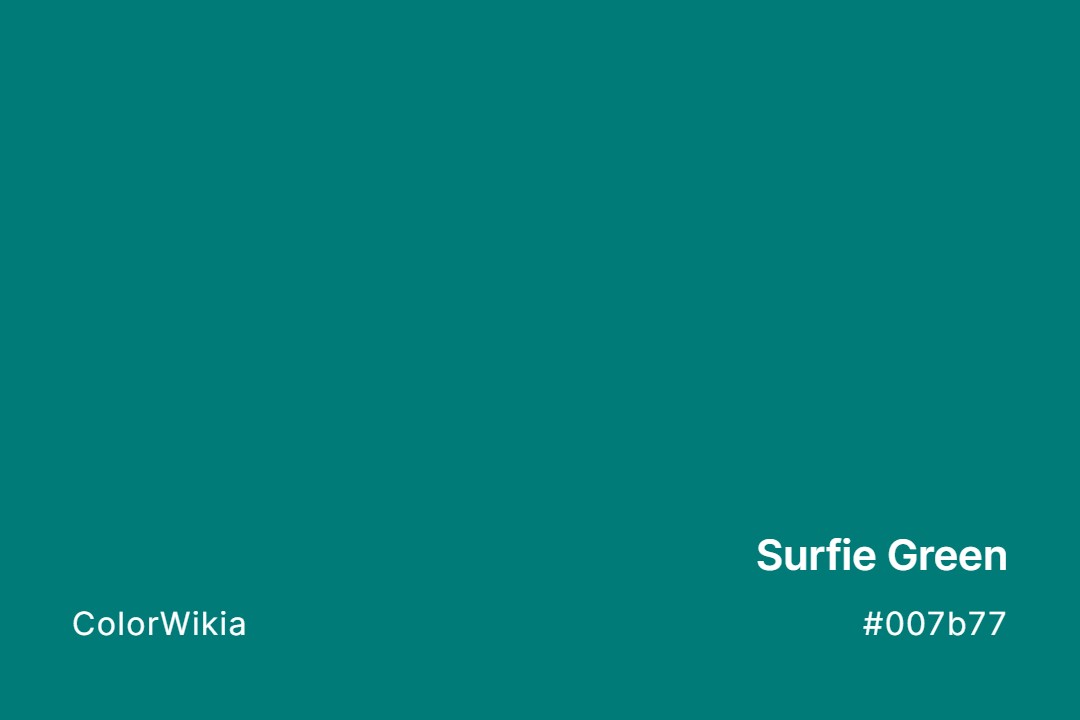
#007b77
Surfie Green
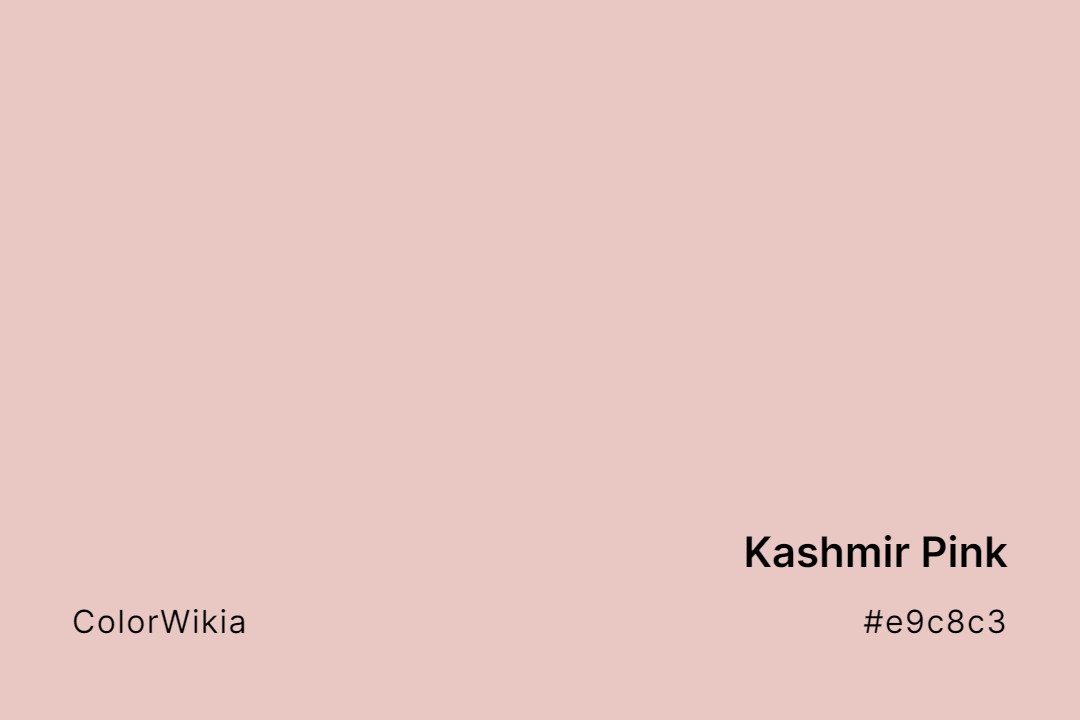
#e9c8c3
Kashmir Pink
#c91f37
Karakurenai Red
#fbd0b9
Ibis Pink
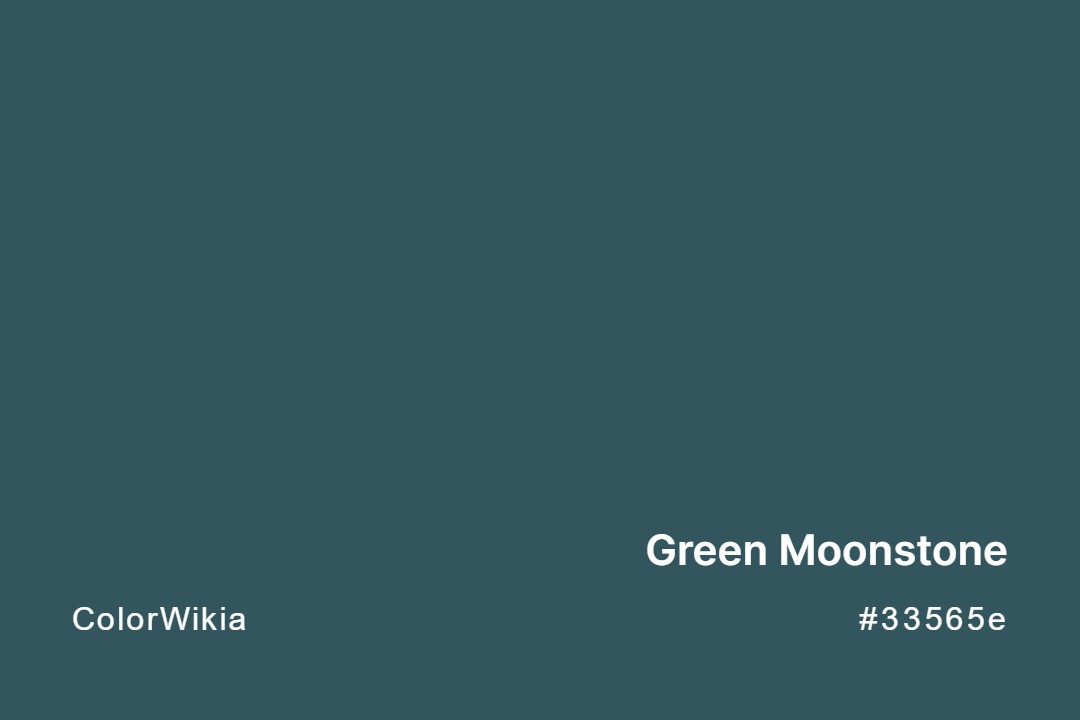
#33565e
Green Moonstone
#95dabd
Green Jewel
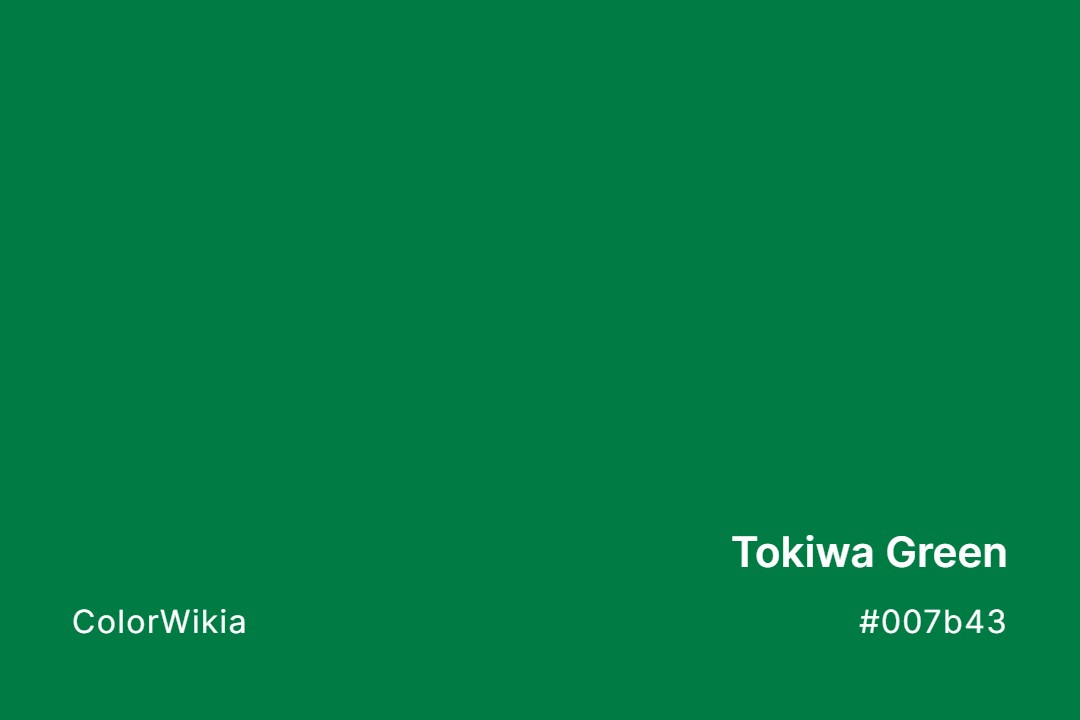
#007b43
Tokiwa Green
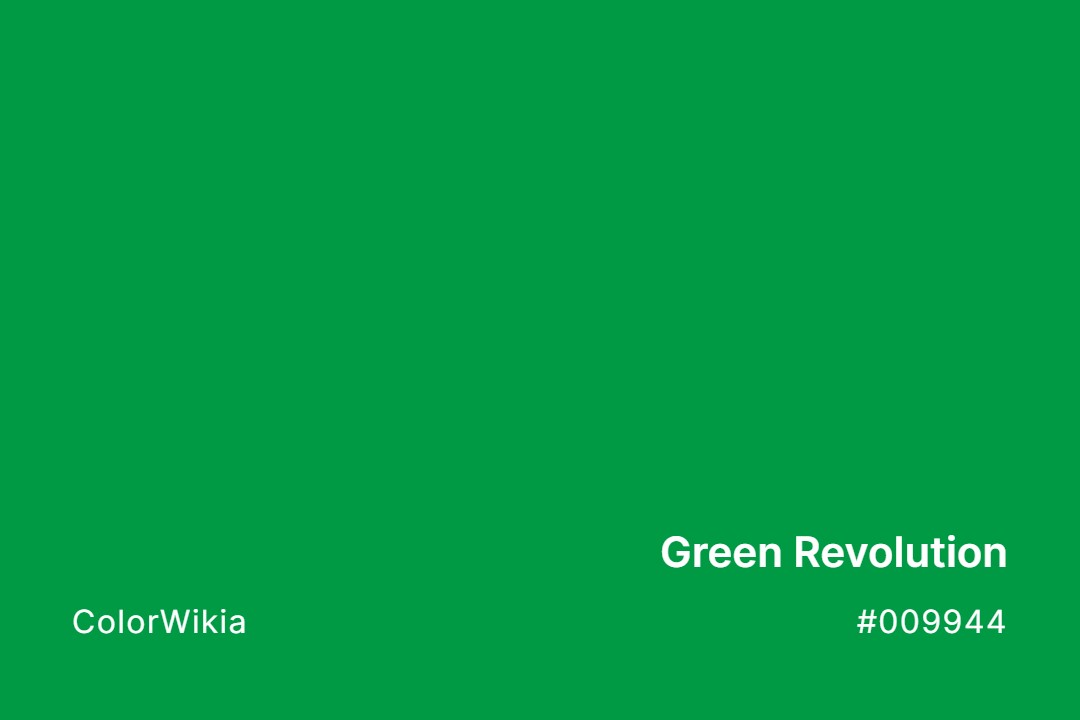
#009944
Green Revolution
#f3d7b6
Pink Lady
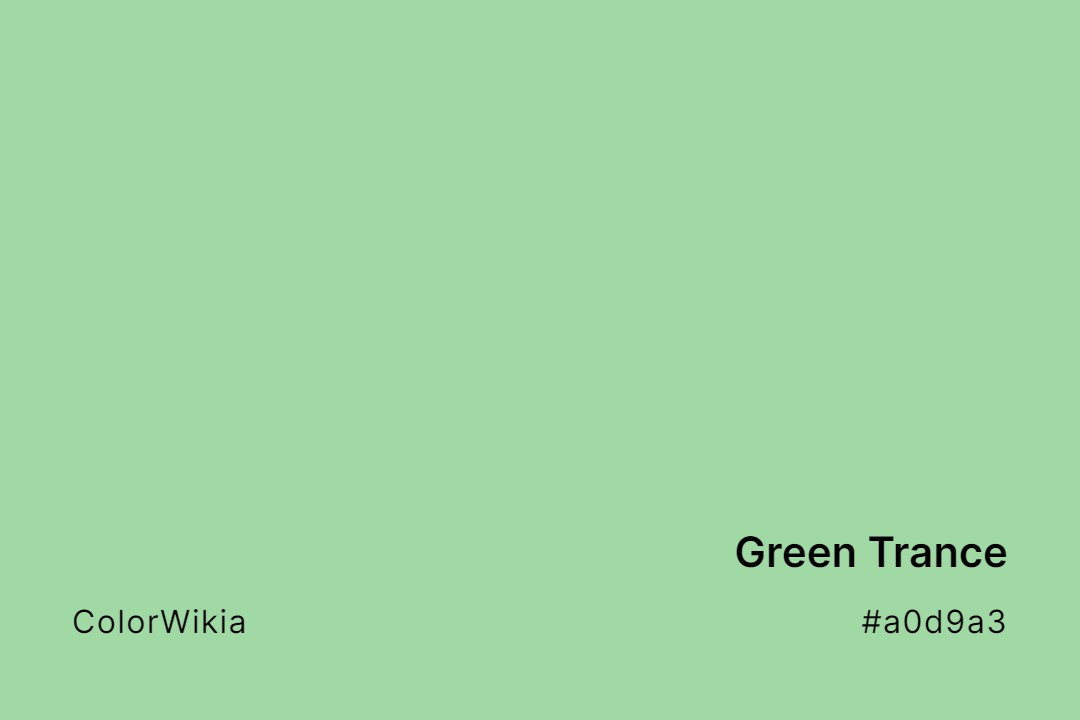
#a0d9a3
Green Trance
#98a0b8
Silver Star
#475f94
Last Light Blue
#406976
Teal Mosaic
#a0ada9
Feldspar Silver
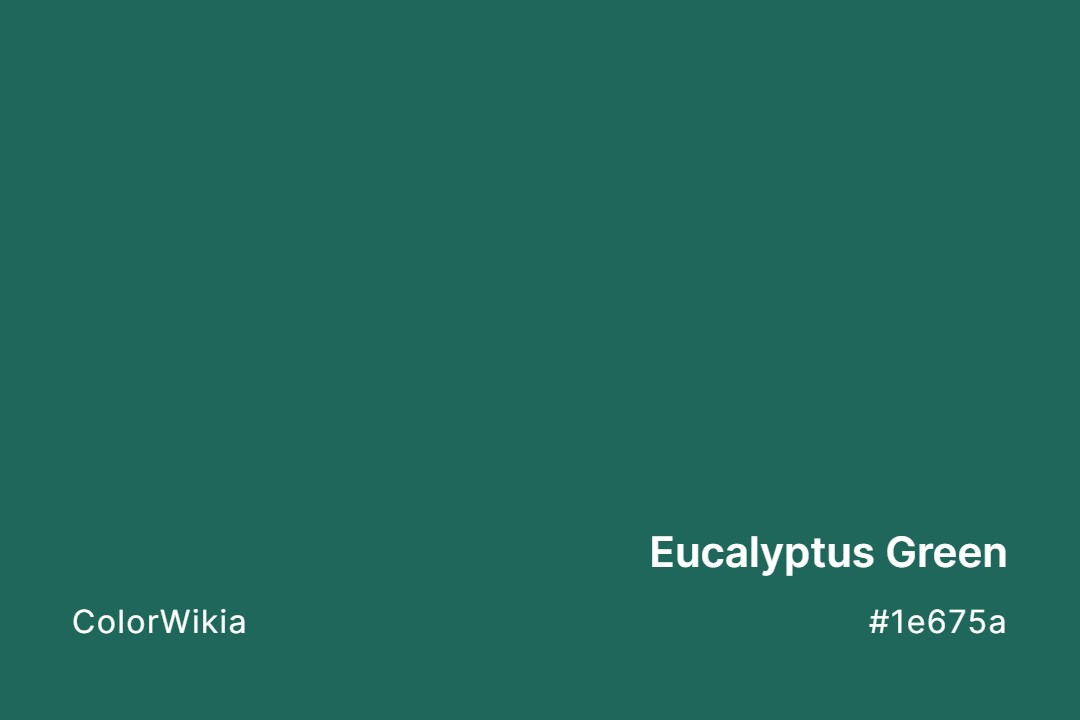
#1e675a
Eucalyptus Green
#67be90
Silver Tree
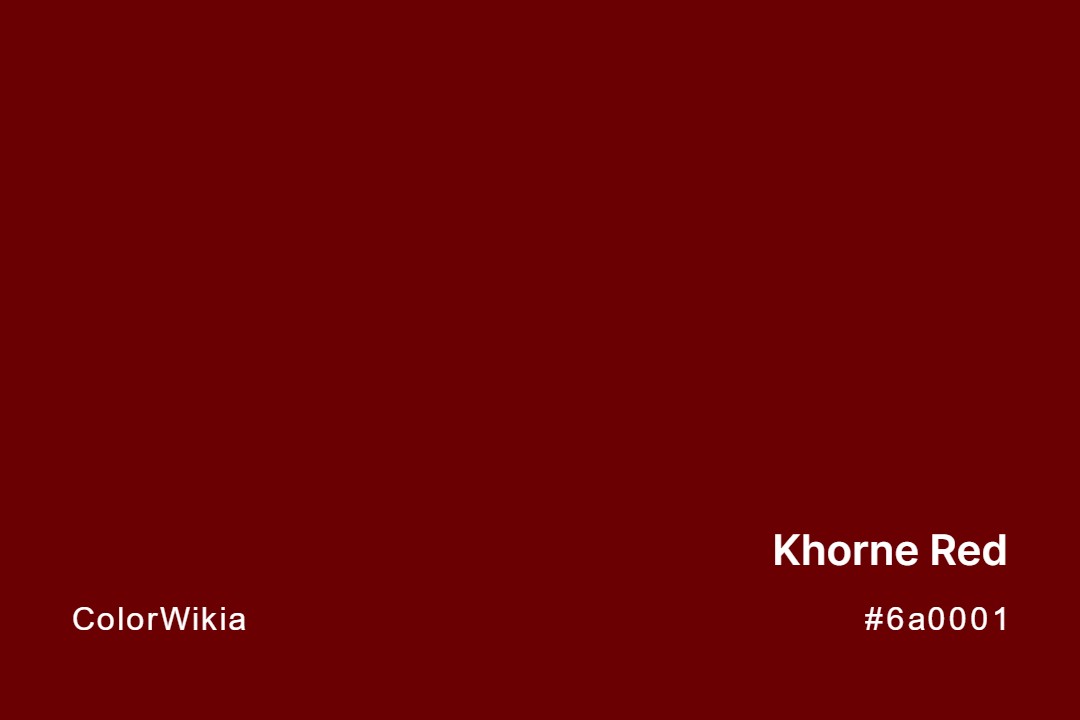
#6a0001
Khorne Red
#da244b
Cosmic Red
#6a0002
Arcavia Red
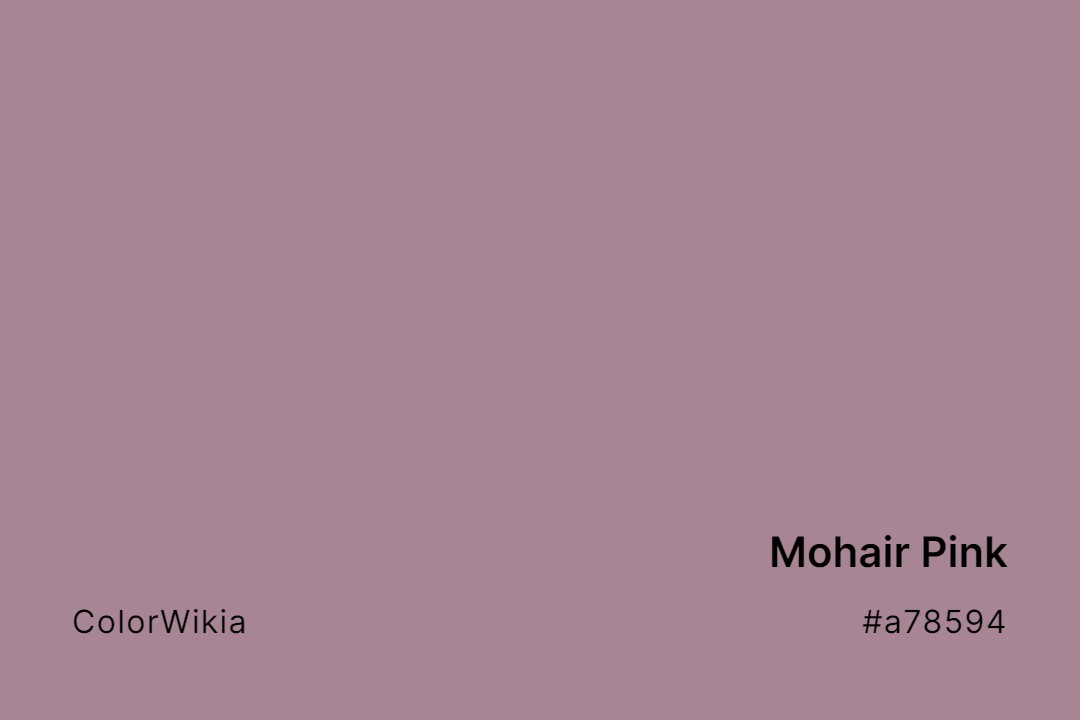
#a78594
Mohair Pink
#9e8528
Green Sulphur
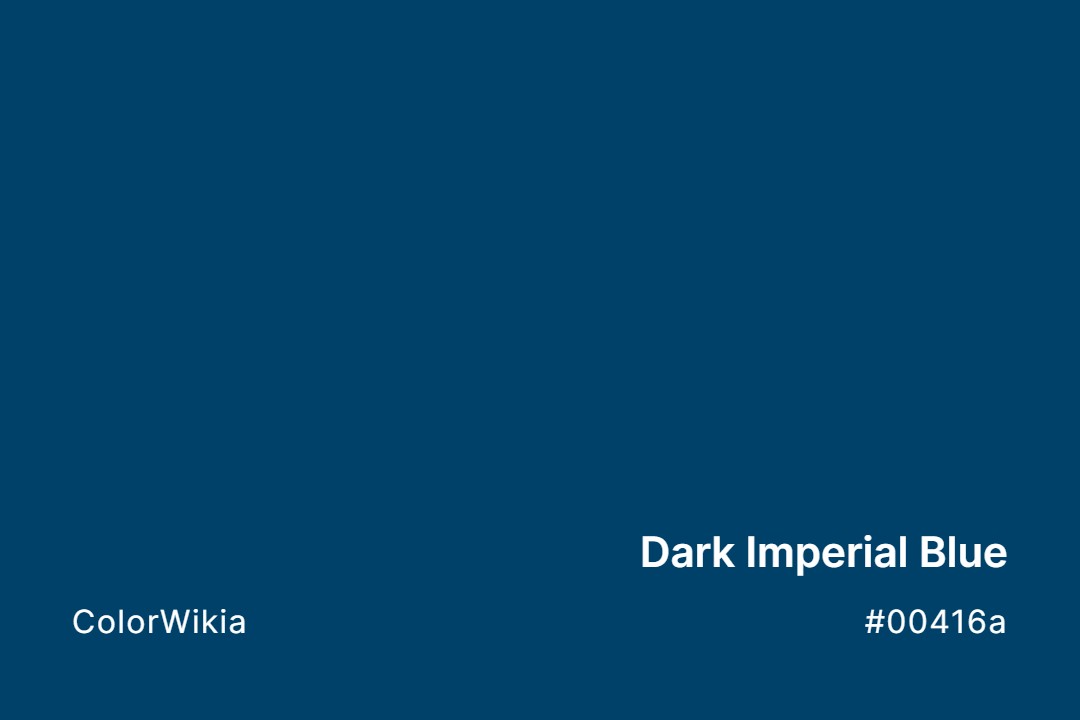
#00416a
Dark Imperial Blue
#fbf1c3
Amarillo Yellow
#c90b42
Akari Red
#33673f
Genever Green
#5a9274
Deep Grass Green
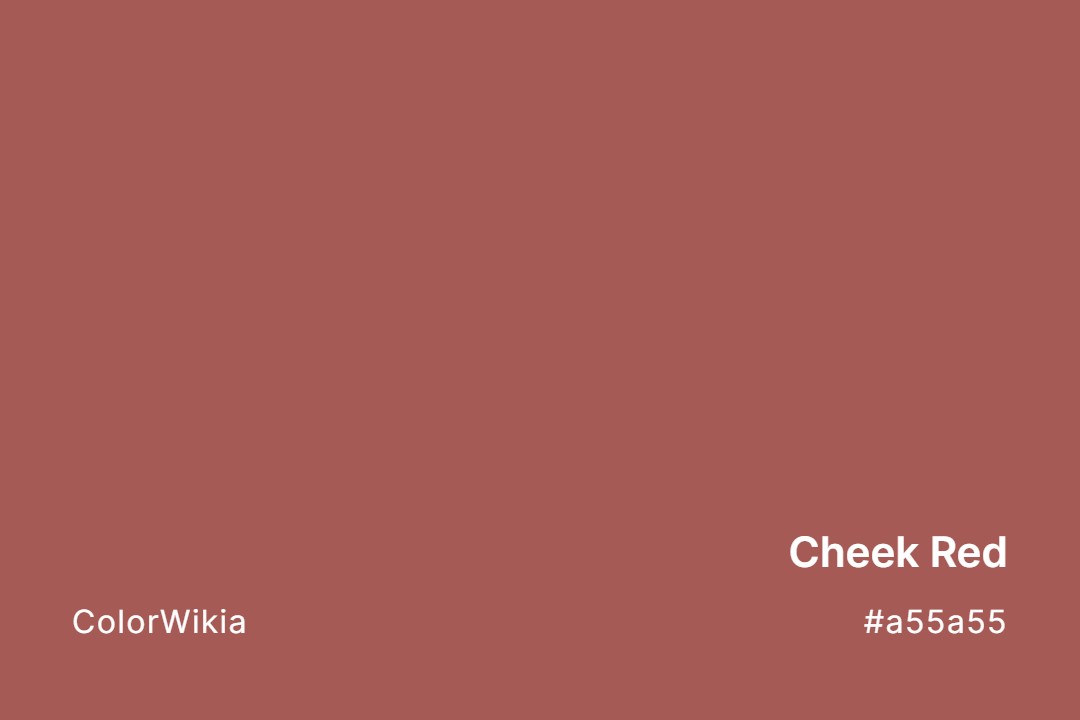
#a55a55
Cheek Red
#3dcfc2
Bianchi Green
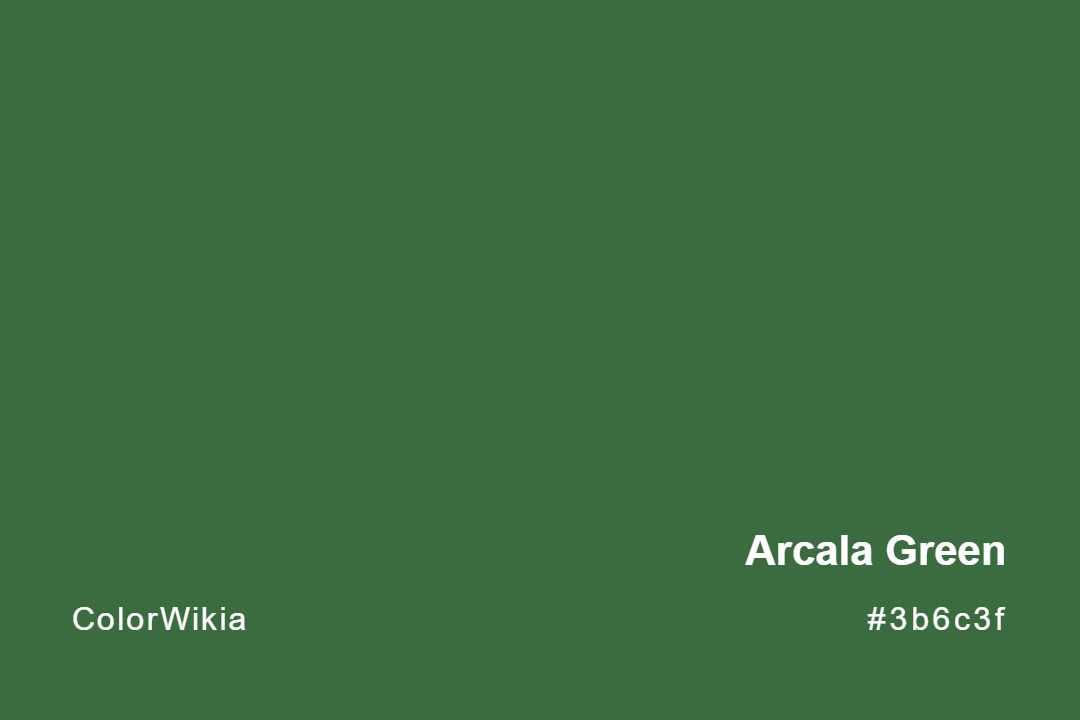
#3b6c3f
Arcala Green
#d3212d
Amaranth Red
#8b534e
Toile Red
#ce243f
Sovereign Red
#3311aa
Deep Daijin Blue
#2e5f60
Calypso Green
#d8db8b
Wax Green
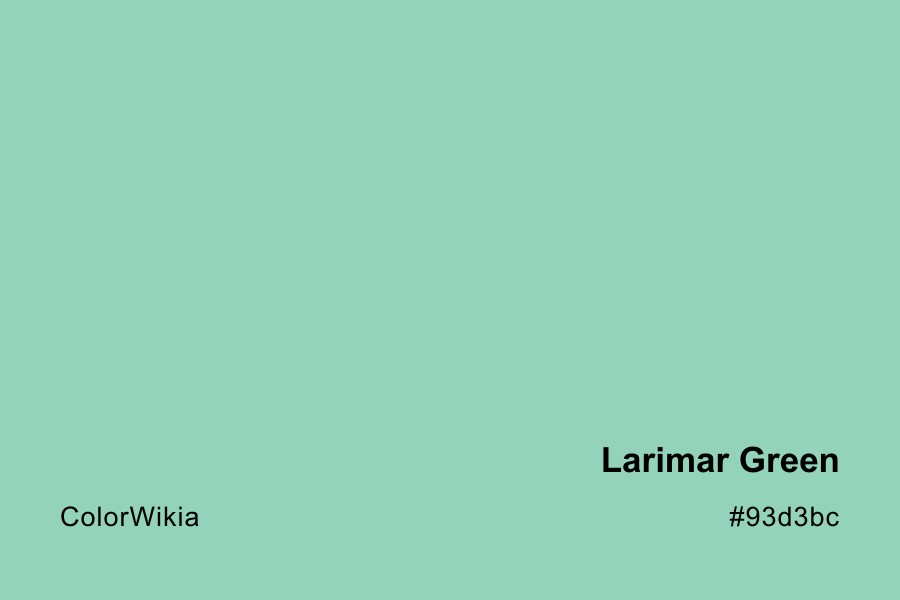
#93d3bc

Larimar Green
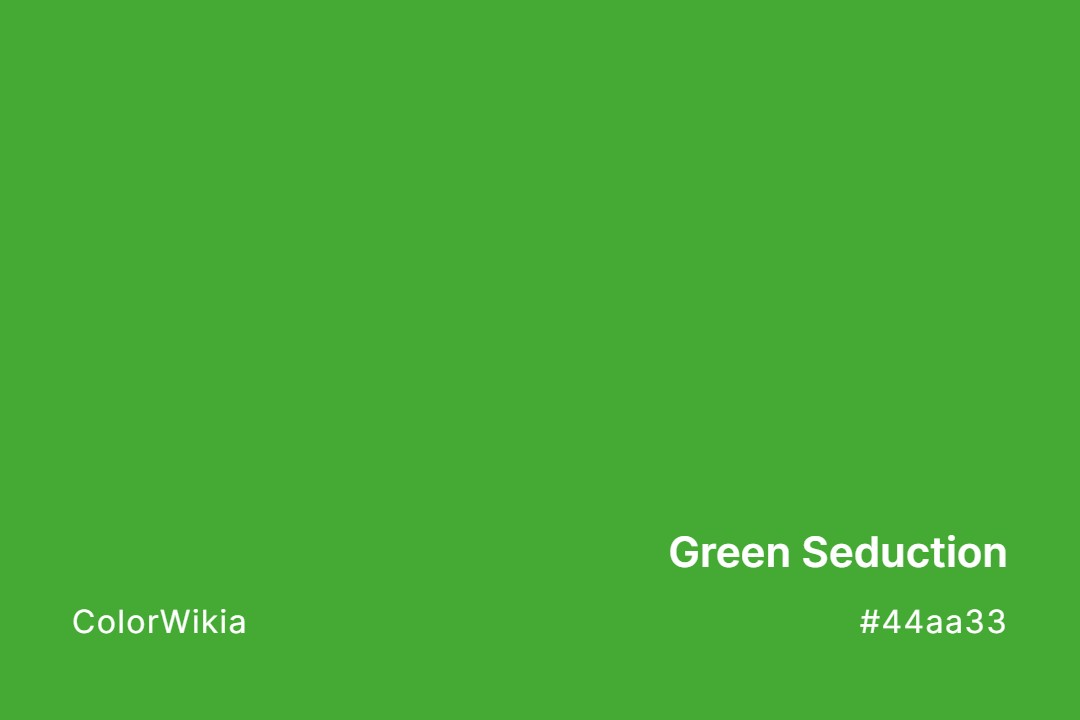
#44aa33
Green Seduction
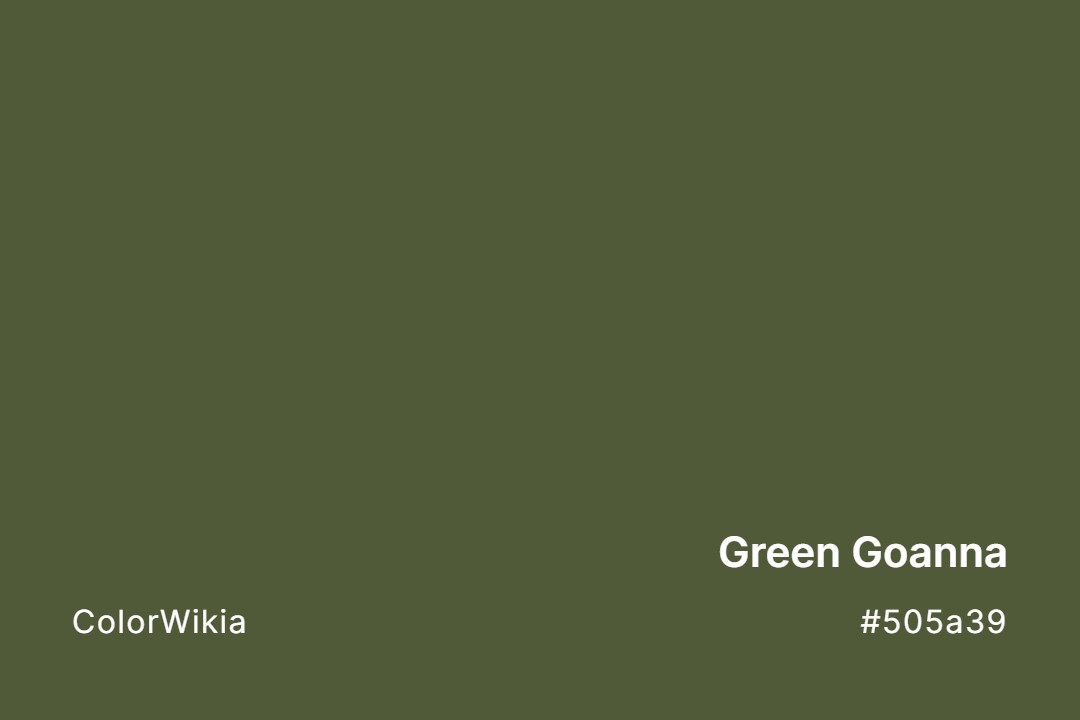
#505a39
Green Goanna
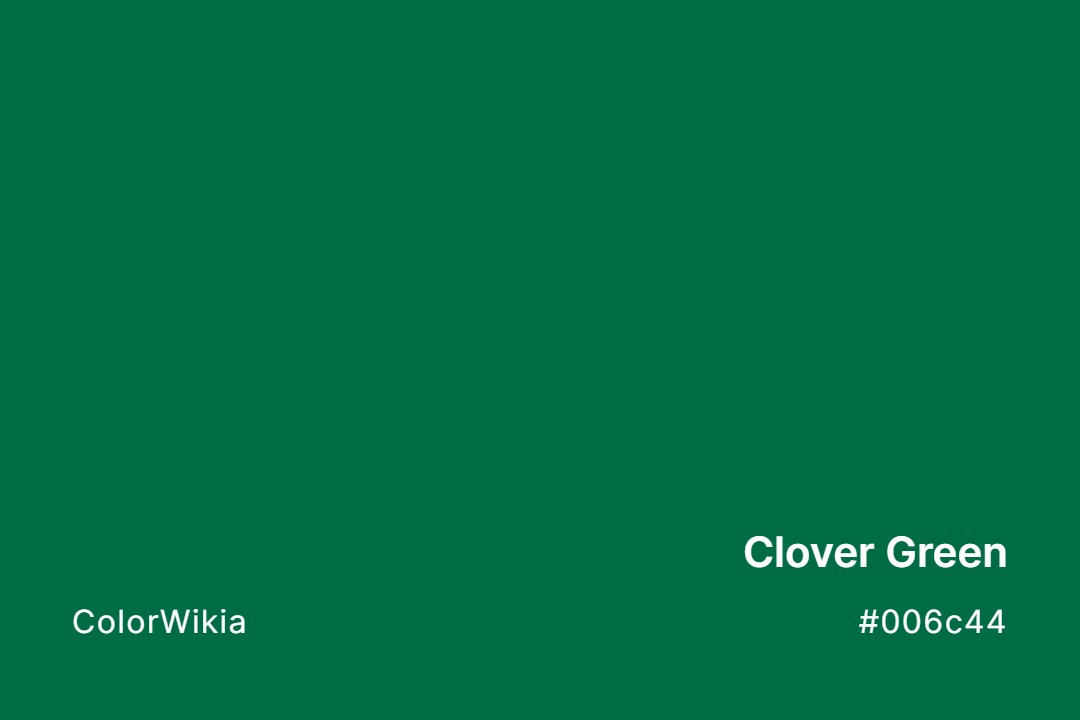
#006c44
Clover Green
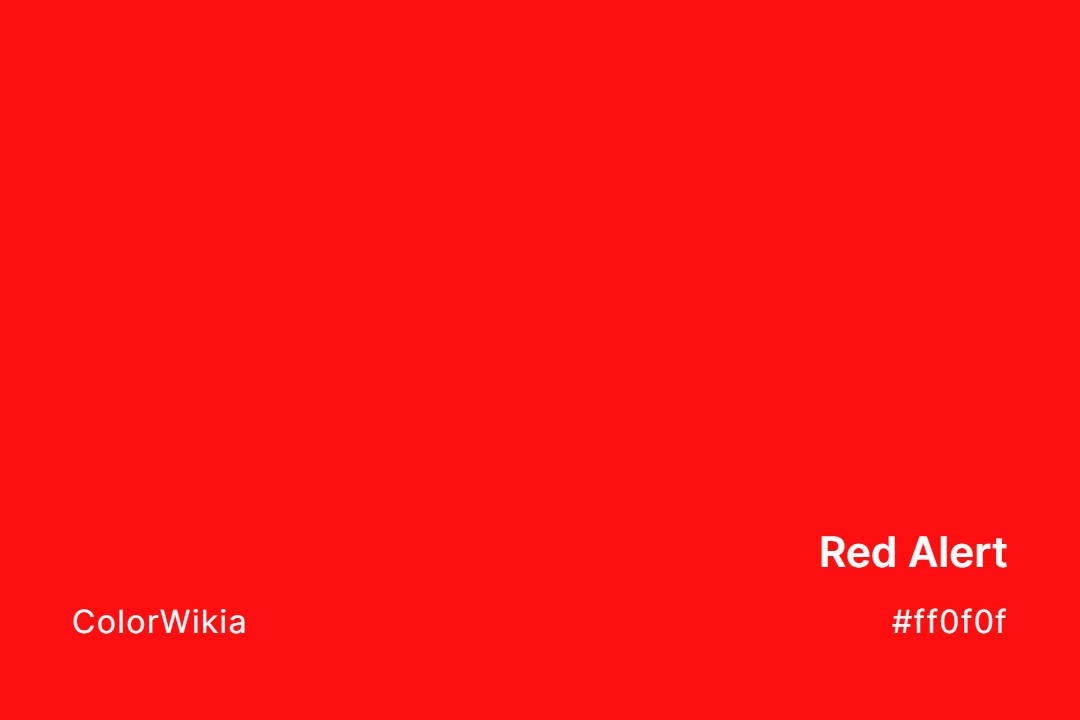
#ff0f0f
Red Alert
#7a4b56
Nocturne Red
#bccd91
Natural Green
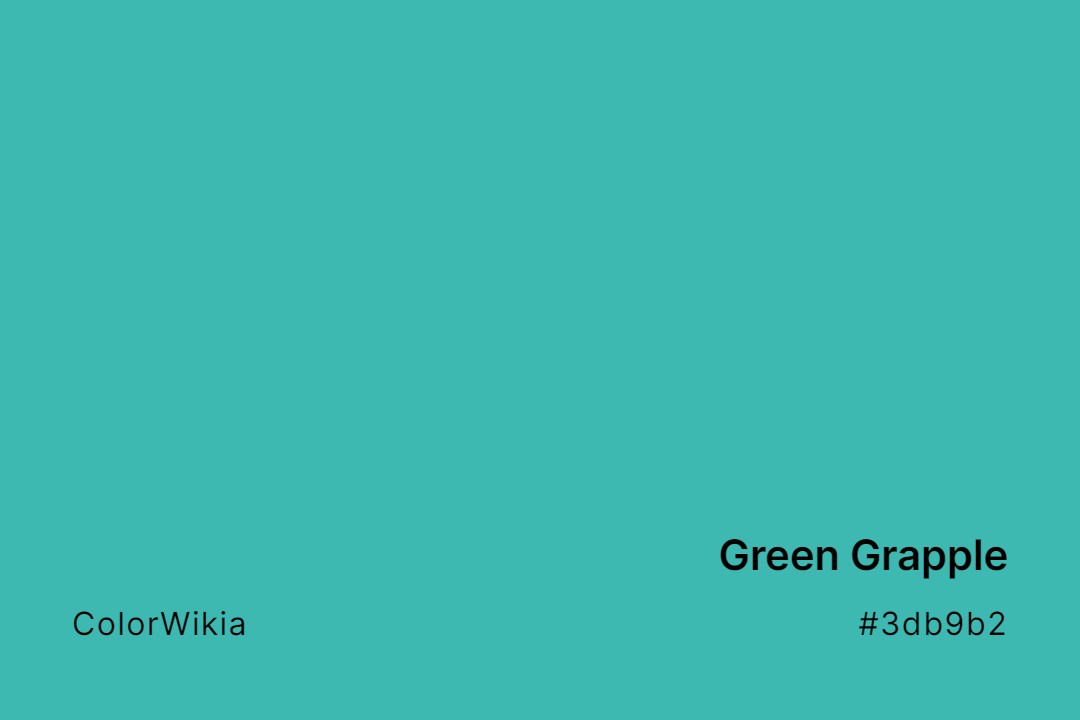
#3db9b2
Green Grapple
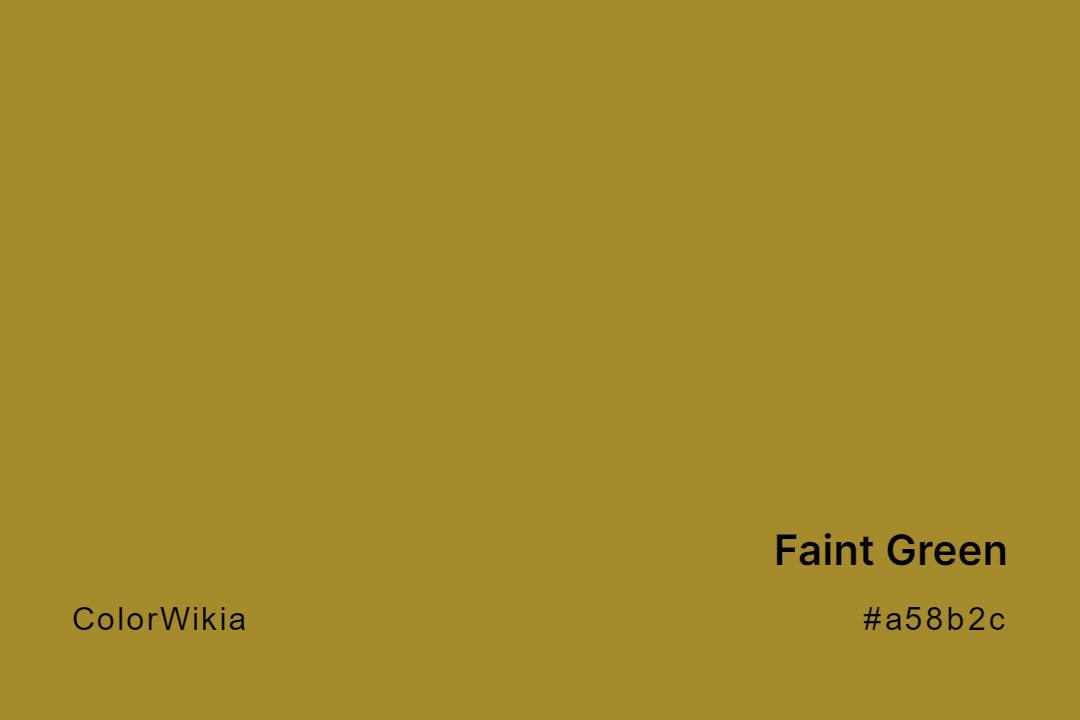
#a58b2c
Faint Green
#a4d579
Crystal Green
#f8e2ca
Yellow Shimmer
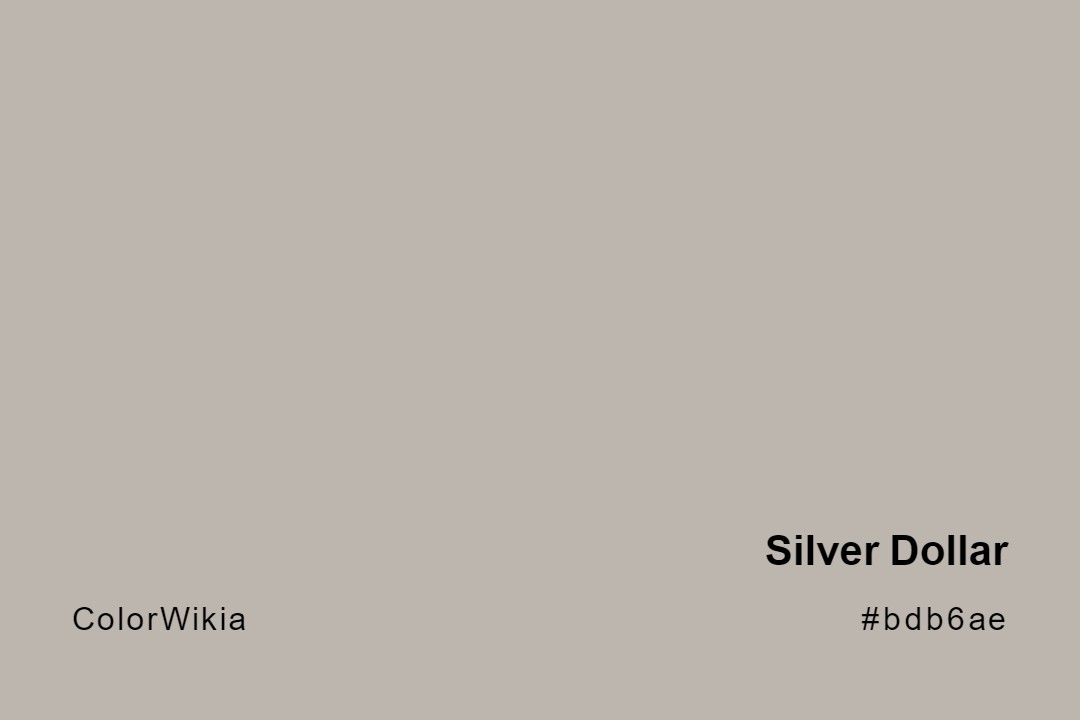
#bdb6ae
Silver Dollar
#2e8b57
Lake Green
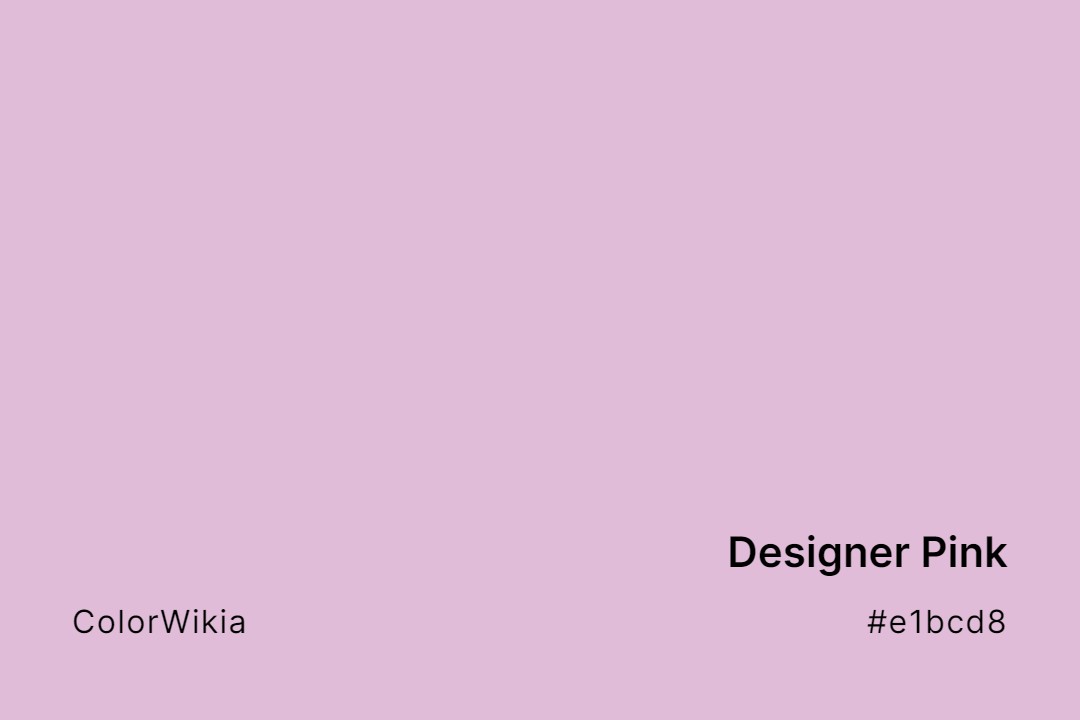
#e1bcd8
Designer Pink
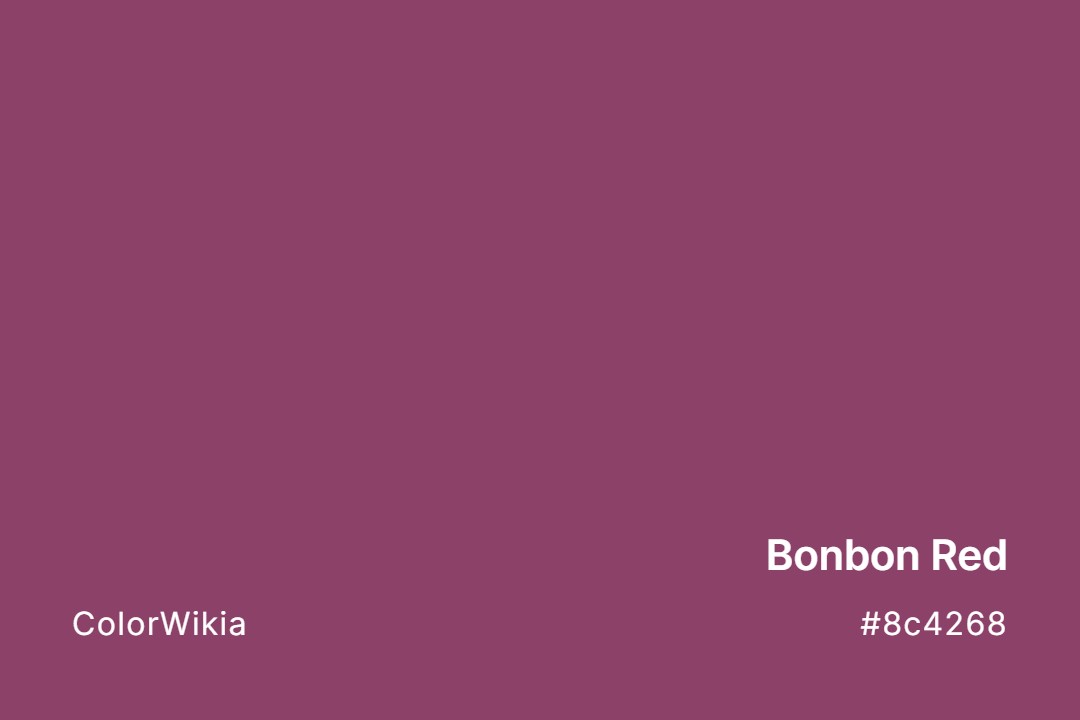
#8c4268
Bonbon Red
#3a5f4e
Amish Green
#7e8424
Trendy Green
#5599b6
Steel Light Blue
#238652
Lucky Green
#d7003a
Kurenai Red
#00703c
Dartmouth Green
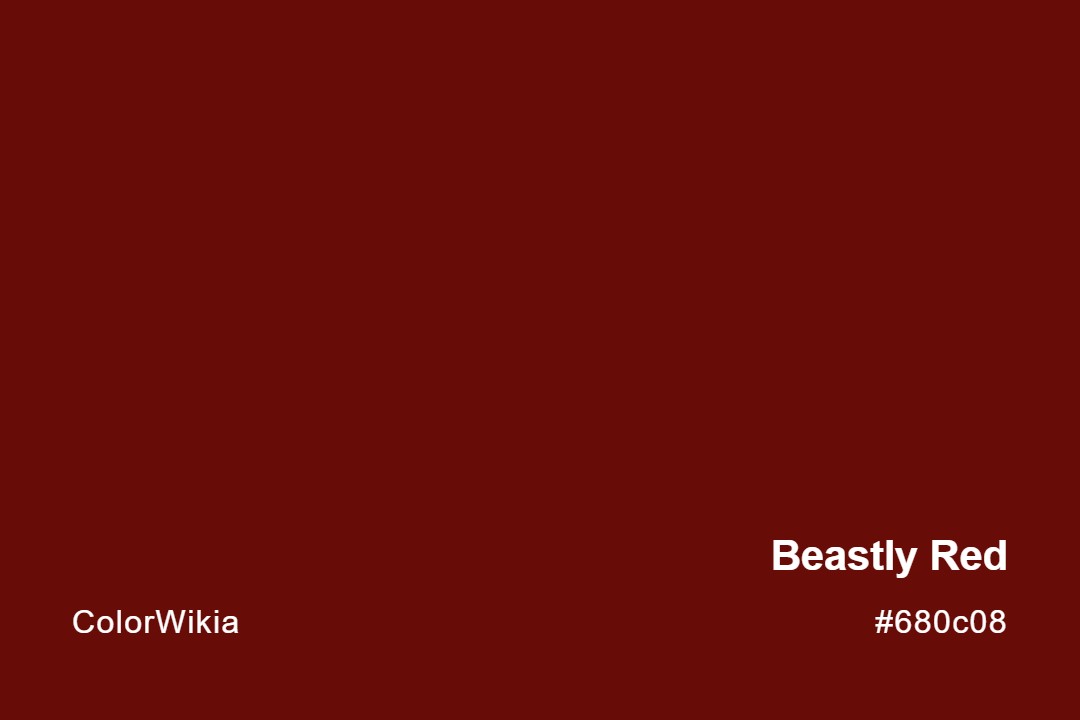
#680c08
Beastly Red
#8fcdb0
Vile Green
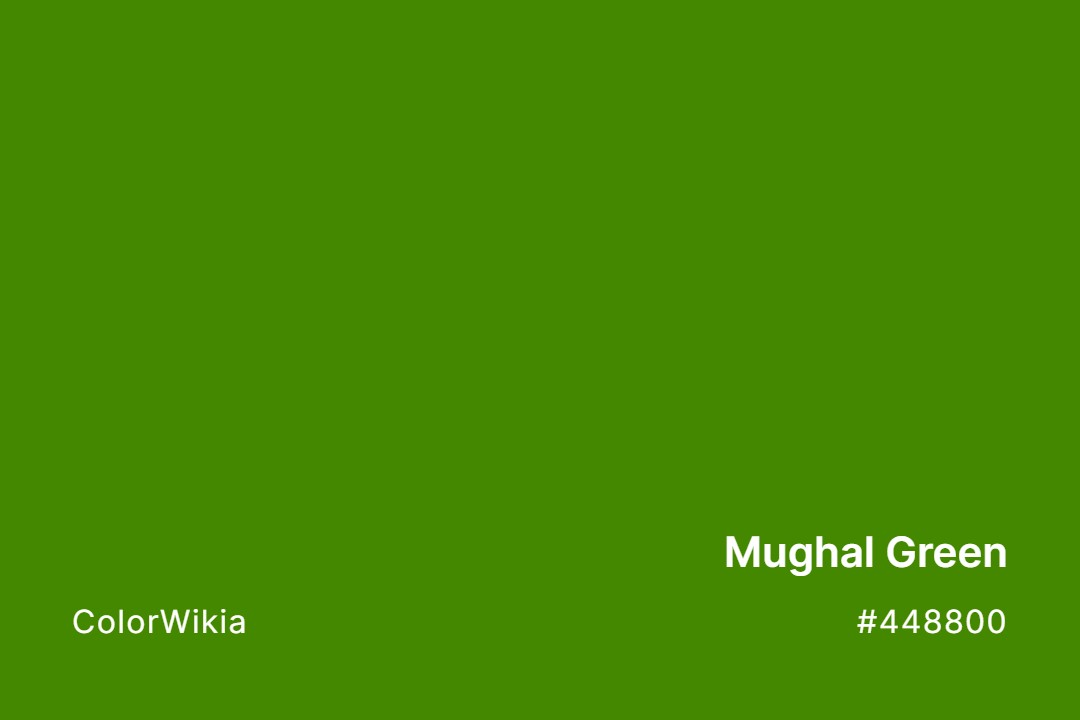
#448800
Mughal Green
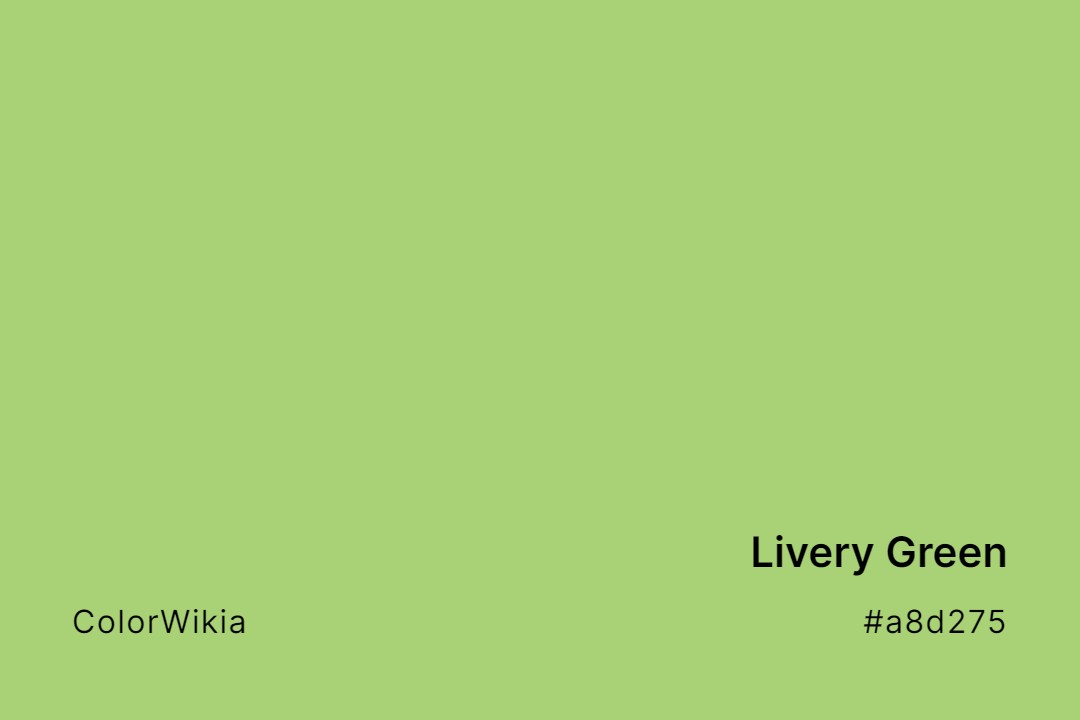
#a8d275
Livery Green
#d1bf93
Chino Green
#a9d171
Bilious Green
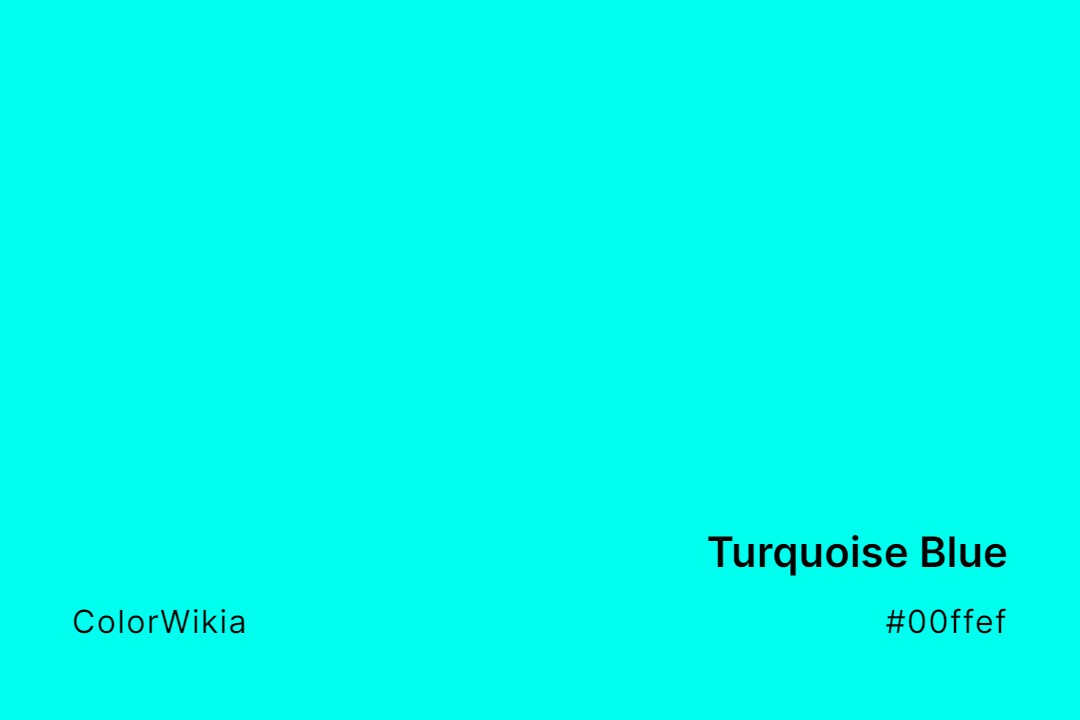
#00ffef
Turquoise Blue
#f7c8c2
Seashell Pink
#008543
Philippine Green
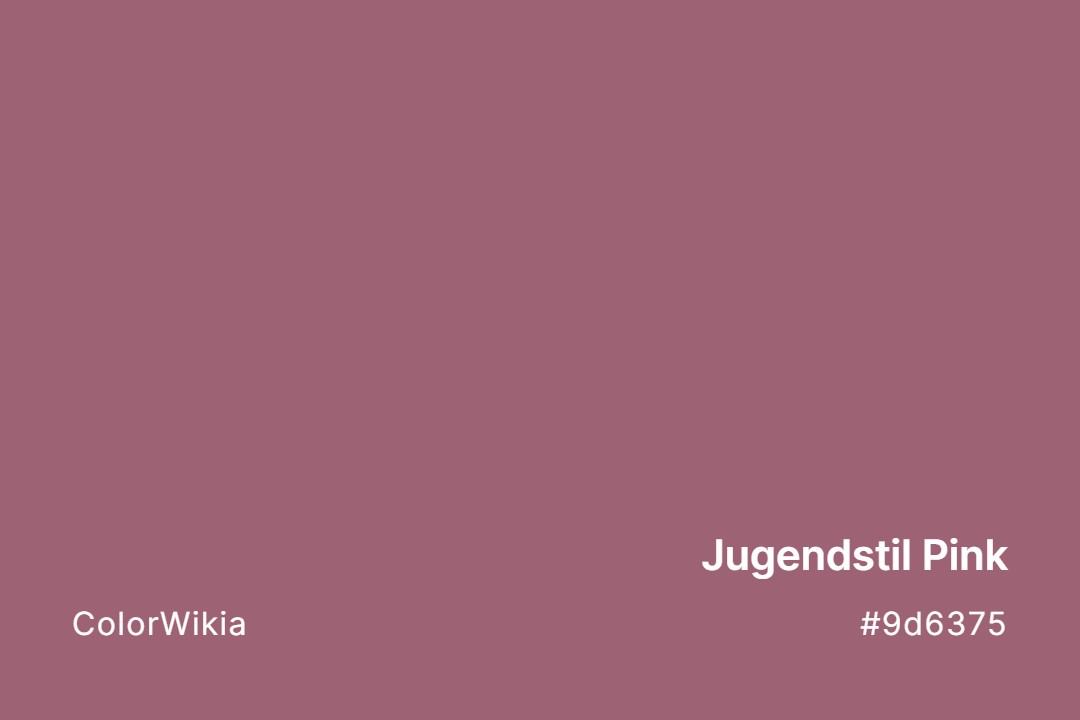
#9d6375
Jugendstil Pink
#55c6a9
Biscay Green
#58c6ab
Shoreline Green
#ed0a3f
Red Ribbon
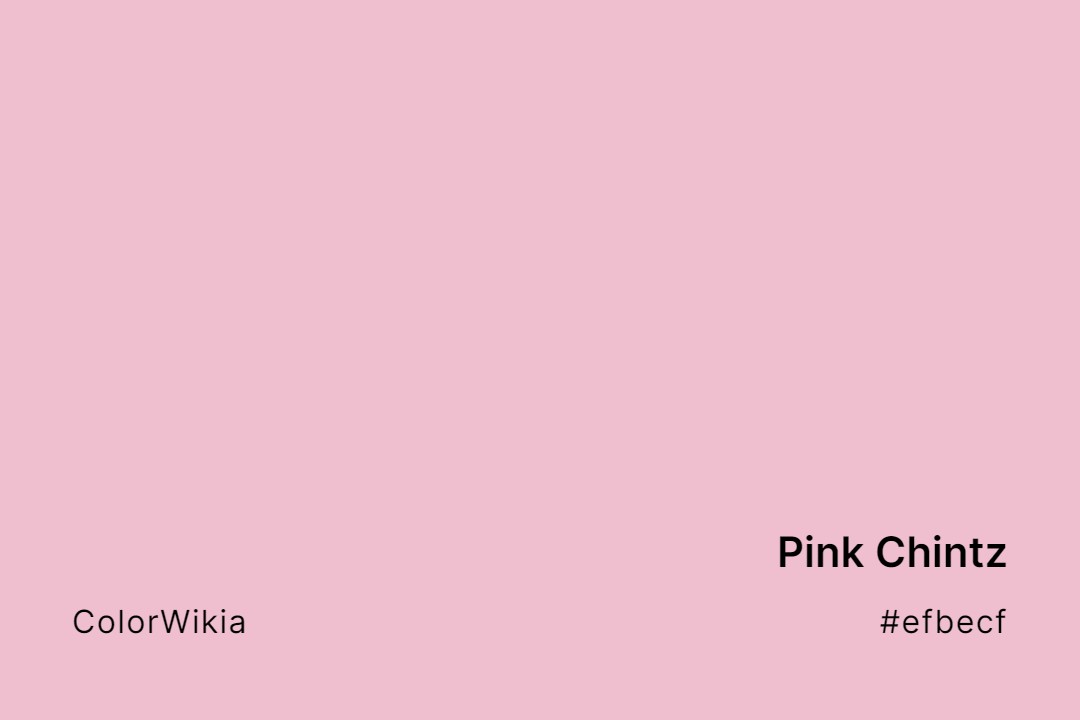
#efbecf
Pink Chintz
#95e3c0
Green Gum
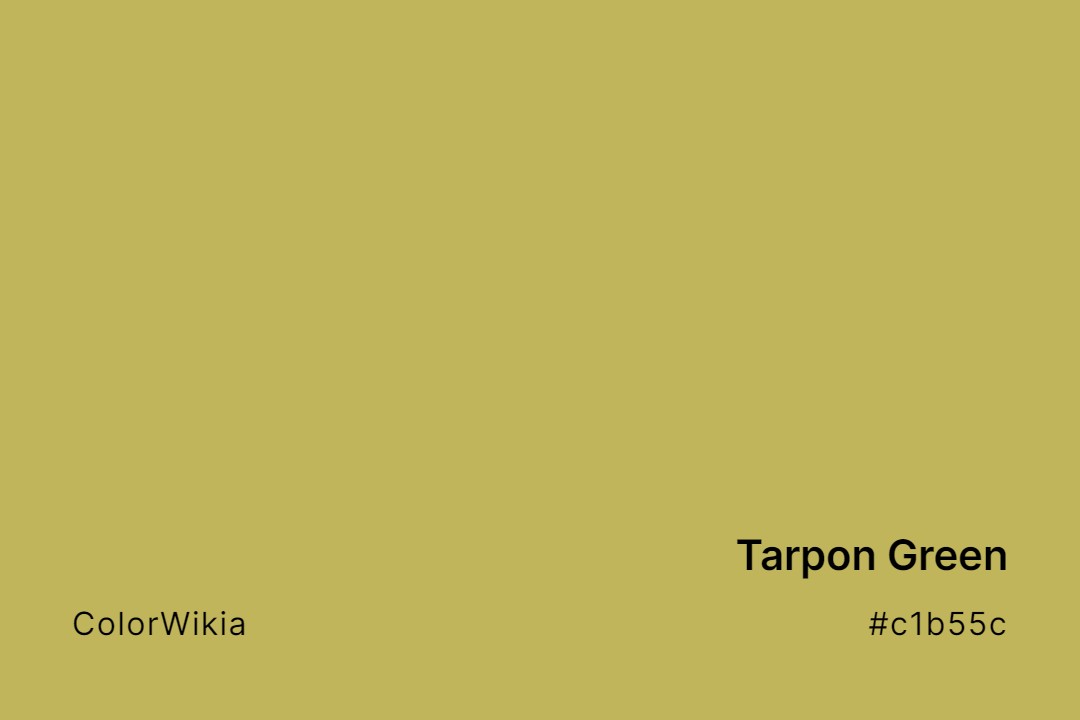
#c1b55c
Tarpon Green
#f0000d
Hungry Red
#34b334
American Green
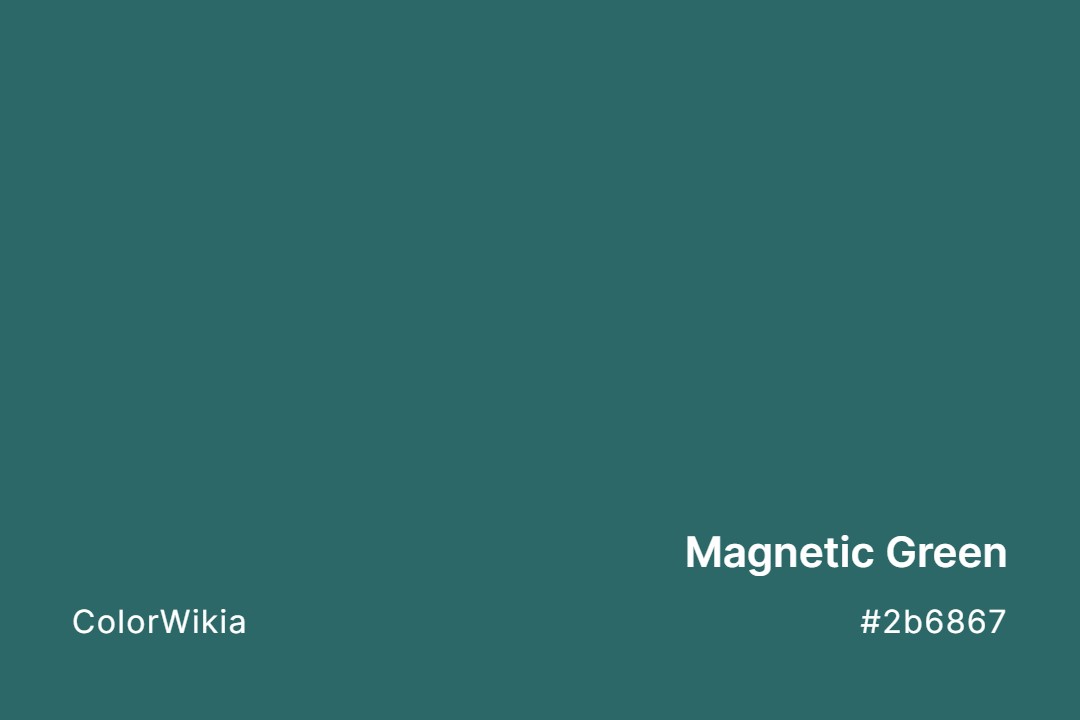
#2b6867
Magnetic Green
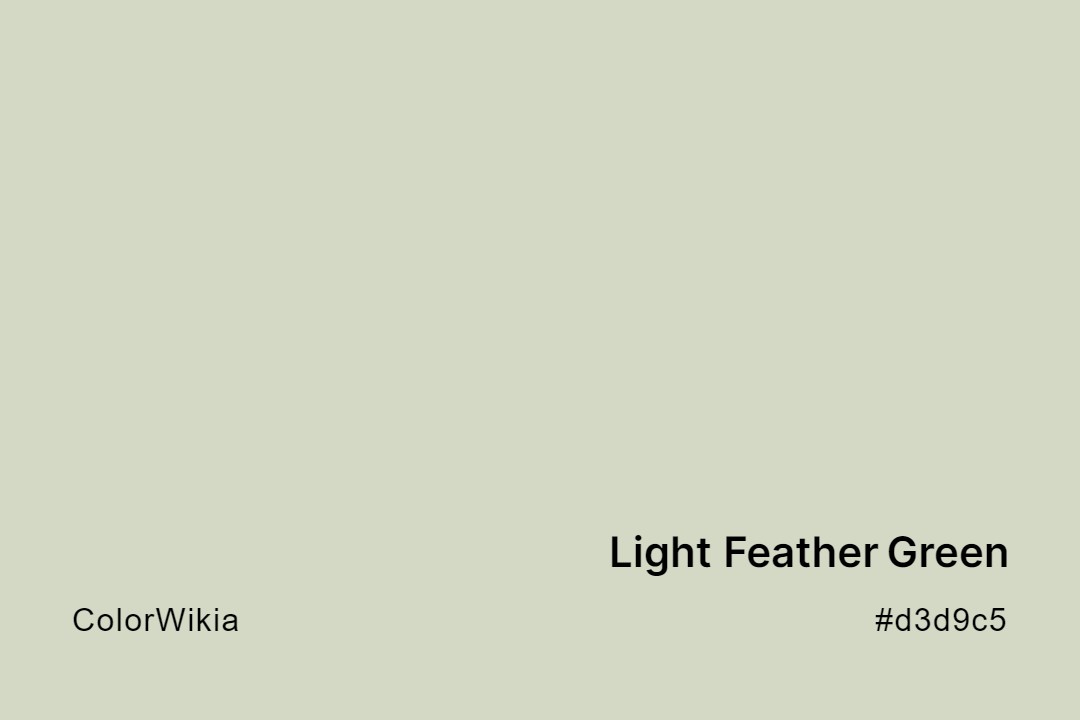
#d3d9c5
Light Feather Green
#917f84
Purple Dove
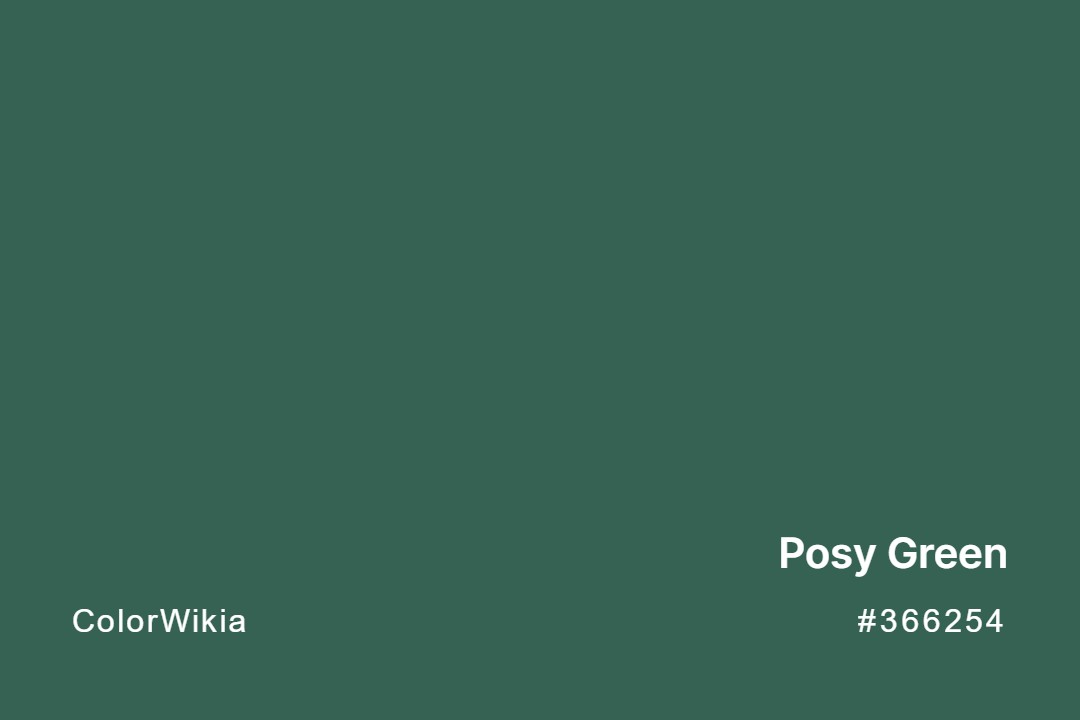
#366254
Posy Green
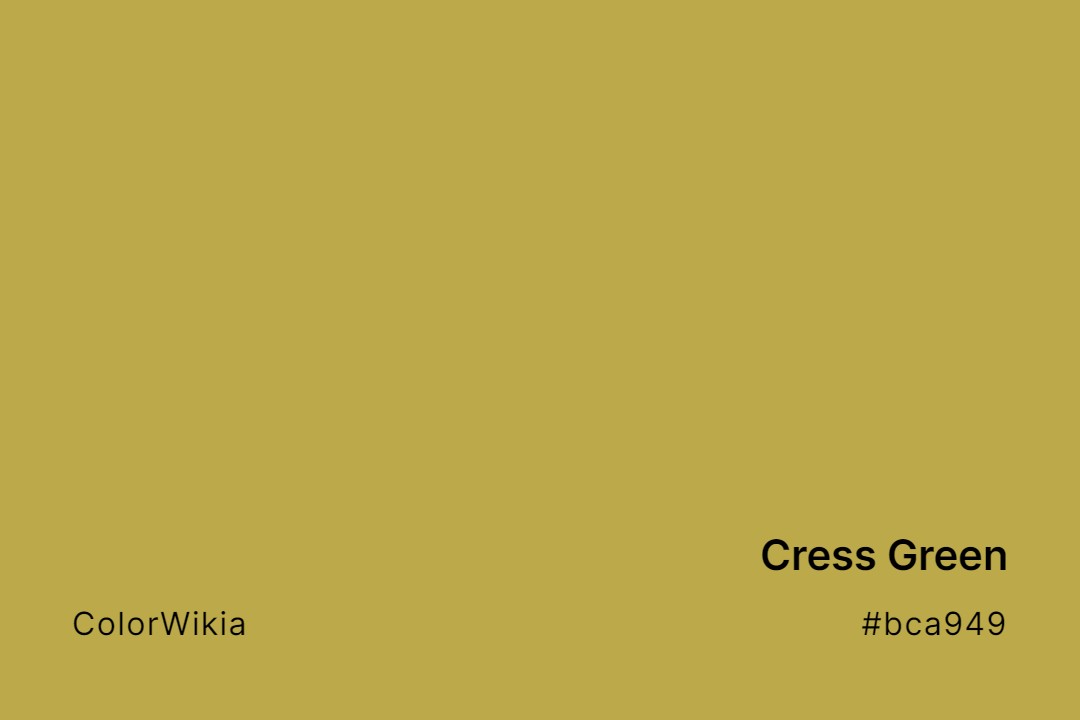
#bca949
Cress Green
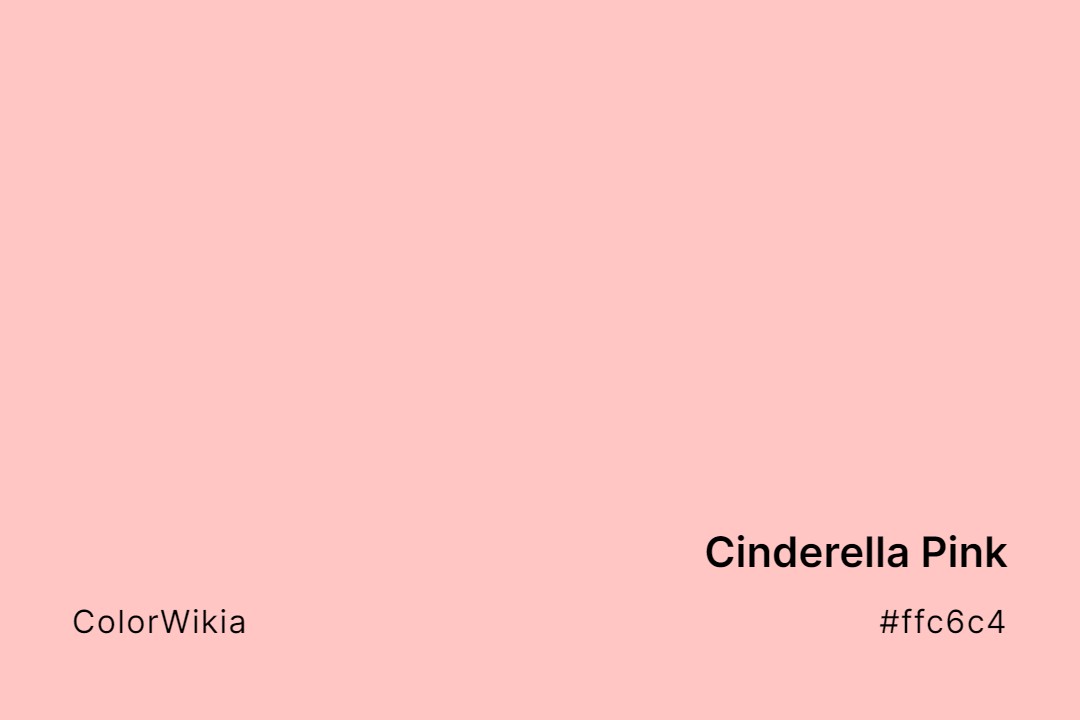
#ffc6c4
Cinderella Pink
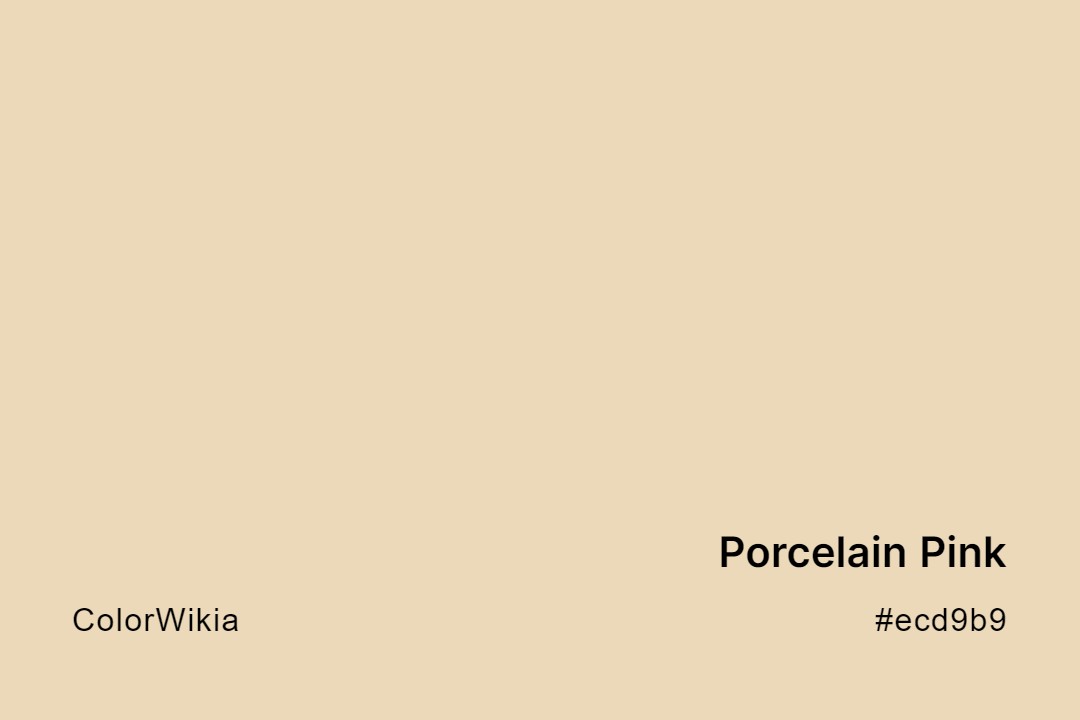
#ecd9b9
Porcelain Pink
#356554
Plantain Green
#a98981
Pink Moroccan
#4b5b40
Knarloc Green
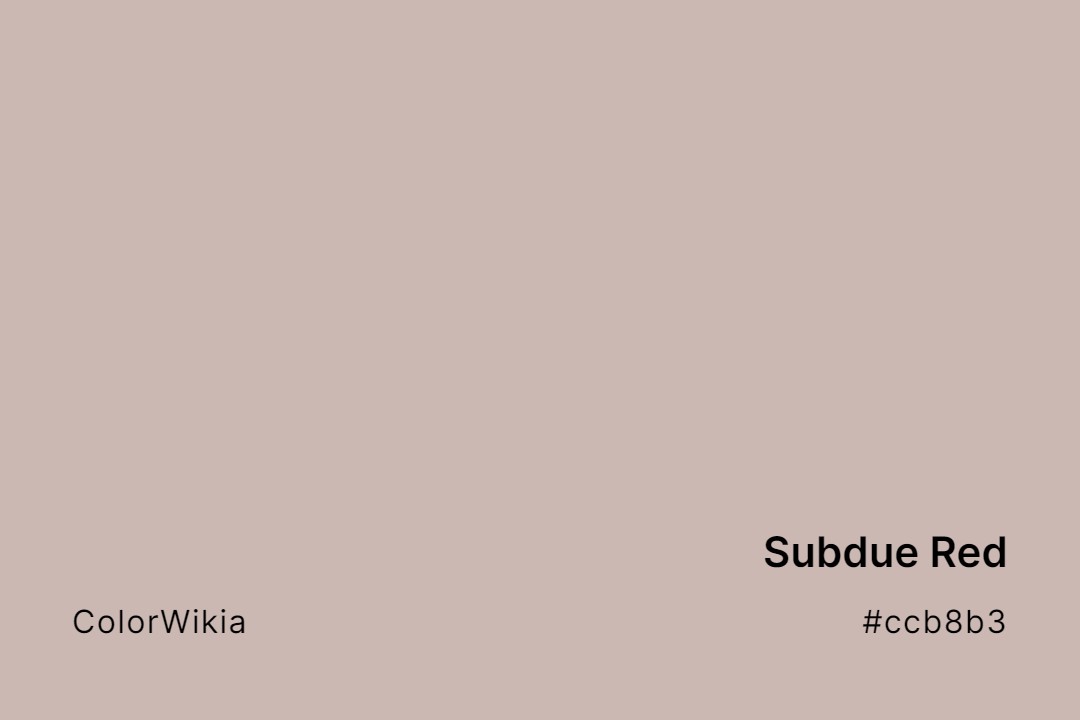
#ccb8b3
Subdue Red
#ab6953
Soho Red
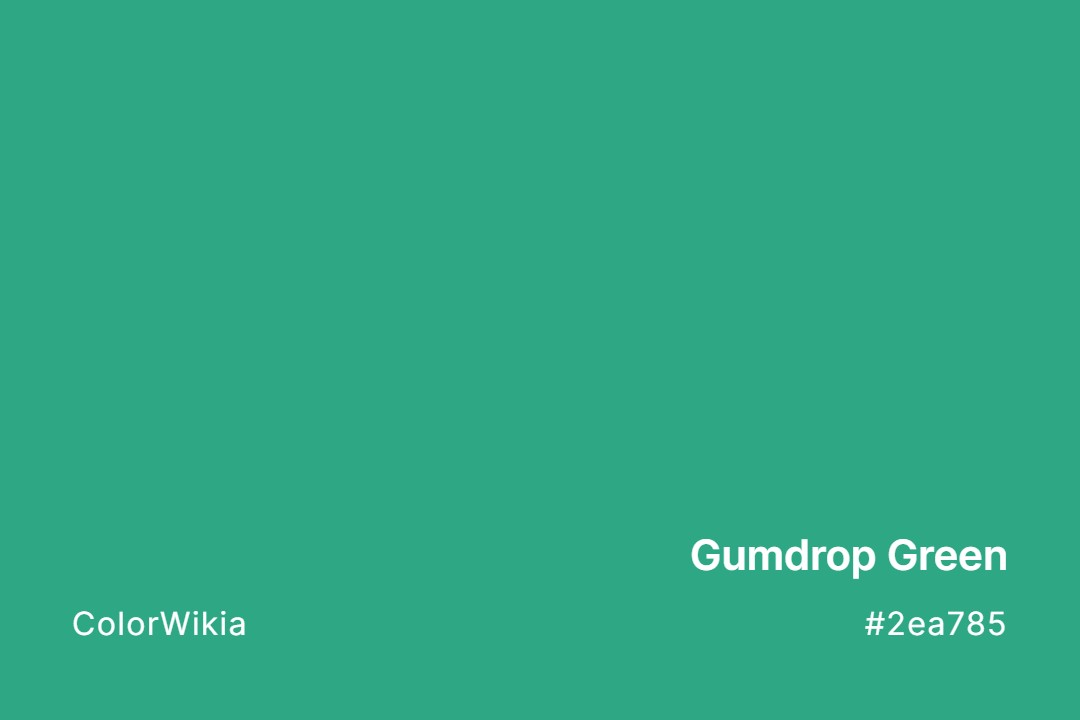
#2ea785
Gumdrop Green
#419c03
Grassy Green
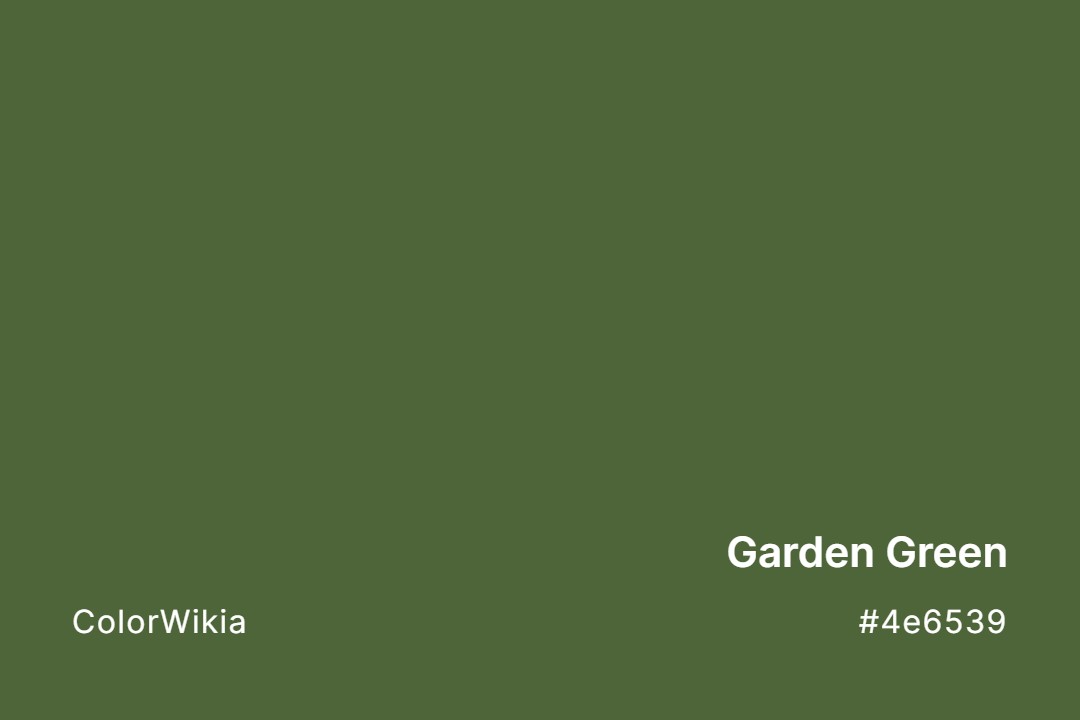
#4e6539
Garden Green
#a6aaa2
Silver Clouds
#b1635e
Sienna Red
#02ab2e
Kelley Green
#37b575
Buddha Green
#97d499
Young Green
#d8b8f8
Pink Illusion
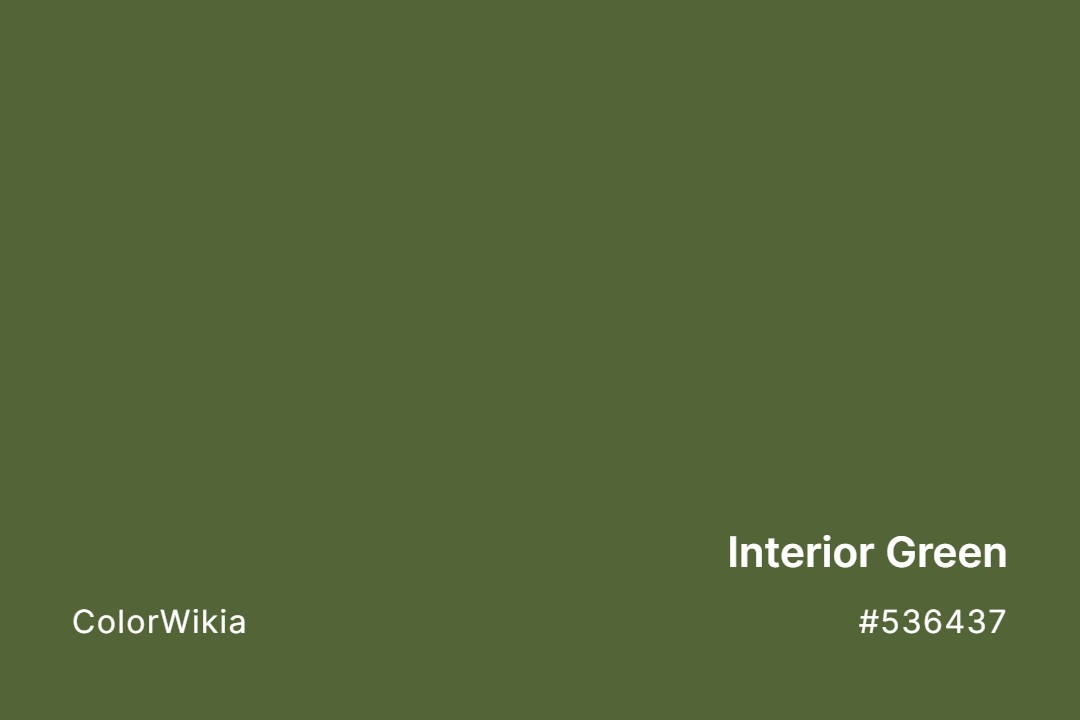
#536437
Interior Green
#9acda9
Heath Green
#fac8c3
Gossamer Pink
















































The language of color can become confusing because everyday speech and color theory do not always use the word shade in exactly the same way. A page about color shades may describe a whole group of related colors, while the technical definition of a shade refers specifically to a hue made darker with black.
That difference matters when you compare taupe color shades, rust shades, or any other color family. The names people use are practical labels, while color systems provide more precise ways to describe the underlying values.
Understanding the difference between shade, tint, tone, and hue makes it easier to talk about color accurately. It also explains why one named color can have several related variations.
What Is a Color Shade?
In strict color theory, a shade is a hue with black added. Adding black lowers the lightness and produces a darker version of the starting color. A red can move toward burgundy, for example, while a blue can move toward navy.
In everyday language, people use shade more broadly. A search for “different shades of blue” may include lighter, darker, muted, and named variations that are not technically shades under the narrow definition.
That broader usage is common in design, retail, fashion, and online color references. It is also why color shade pages usually cover a family of related colors rather than only mixtures created by adding black.
The distinction is useful because it separates technical color terminology from the way people normally describe color families.
Shade, Tint, Tone, and Hue
These four terms describe different relationships between colors.
- Hue refers to the pure color position itself, such as red, blue, green, or yellow.
- Tint is a hue with white added, producing a lighter version such as pink from red.
- Shade is a hue with black added, producing a darker version such as burgundy from red.
- Tone is a hue with gray added, reducing saturation and muting the color.
The distinctions become useful when you need to describe why two colors look different. A pale blue may be a tint, while a dusty blue may be a tone and a navy blue may be a shade.
These terms can also be used together when discussing a larger color family. A named color may be lighter than the base color, darker than it, or more muted without fitting neatly into one everyday category.
How Digital Color Systems Describe Shades
Digital color systems make these relationships easier to quantify. RGB describes a color by the amount of red, green, and blue light used to create it, while HSL separates the color into hue, saturation, and lightness.
Hex codes provide a compact representation of RGB values. A six-character code such as #DC143C can identify crimson in a digital interface, but the number does not tell you where the color name originally came from or whether a physical pigment uses the same formulation.
In HSL, reducing lightness while holding hue and saturation constant moves a color toward a darker digital version. Raising lightness moves it toward a lighter version, while reducing saturation creates a more muted result.
This distinction is important when working with digital color. A color name can provide a useful visual reference, but a hex code gives you a specific digital value.
How Color Shade Names Develop
Color names often come from things people recognize. Taupe refers to the mole, while rust takes its name from corroded iron. Other names come from materials or places, including copper, terracotta, mahogany, sienna, and umber.
Language can preserve those histories even after a color becomes a digital swatch. Khaki color shades provide another example because the word traces back to a Hindustani term connected with dust and earth.
Commercial color naming adds another layer. Paint makers, textile companies, standards groups, and digital platforms may assign different names to closely related colors, so one shade does not always have one universal label.
This is one reason color names can feel inconsistent. A name can describe a recognizable visual family without pointing to one universal digital value.
Color Standards and Shade Codes
Professional color systems exist because names alone are too vague for precise reproduction. The Pantone Matching System assigns numbered references to color formulations, while systems such as Munsell describe colors using hue, value, and chroma.
The Natural Color System uses a different framework based on color perception. These systems serve different purposes, but they share the same practical goal. A numeric reference can communicate more precisely than a word such as “blue” or “green.”
That is also why a page listing color codes should distinguish between a named color, a standardized reference, and an ordinary digital hex value.
A hex code is useful for digital work, but it should not automatically be treated as a universal definition of a named color. The context behind the color reference matters.
Major Color Families and Their Shades
Every broad color family branches into many named variations. The examples below show how familiar shade names sit within larger groups.
| Color Family | Popular Shade | Hex Code |
| Red | Crimson | #DC143C |
| Blue | Navy | #000080 |
| Green | Forest Green | #228B22 |
| Yellow | Gold | #FFD700 |
| Purple | Indigo | #4B0082 |
| Orange | Coral | #FF7F50 |
| Brown | Tan | #D2B48C |
Warm families such as orange and brown include earthy variations such as rust, terracotta, and chocolate. Blue and green branch into names such as navy, teal, forest, and olive.
Neutral families work differently because their boundaries are less obvious. Beige, gray, taupe, and related colors can overlap substantially depending on saturation, lightness, and undertone.
Why named colors can overlap
A useful color family is not always a strict technical category. Two colors can look very similar while carrying different names because the names come from different materials, places, industries, or traditions.
For practical design work, it is often more useful to compare the actual color values than to rely on the name alone.
Frequently Asked Questions
What is the difference between a shade and a tint?
A shade is a darker version created by adding black, while a tint is a lighter version created by adding white.
Is a tone the same as a shade?
No. A tone adds gray and reduces saturation, while a shade adds black and darkens the original hue.
Why does one color have so many shade names?
Different industries, standards groups, companies, and cultures develop names independently. Closely related colors can therefore receive several labels.
How many shades of a color are there?
There is no fixed limit. Digital systems can generate very large numbers of distinct values, while named shades depend on the terms that become widely recognized or useful.