
30,000+ Shades of Color with Names and HEX Code
Explore unique color shades for your website, brand or any project.
#ffd9bb

Thousand Needles Sand
#316745
Thousand Years Green
#02d8e9
Thousand Sons Blue
#d8cdc8
Thought
#44ccff
Thor’s Thunder
#4c4a41
Thorny Branch
#b5a197
Thorn Crown
#834d7c
Thistle Mauve
#9499bb
Thistle Down
#726e9b
Thirsty Thursday
#e5a5c1
Think Pink
#4d8871
Think Leaf
#d9dcdb
Thin Ice
#cae0df
Thin Heights
#d4dcda
Thin Cloud
#c6fcff
Thin Air
#e34b50
Thimbleberry
#afa97d
Thimbleberry Leaf
#69865b
Thicket
#f1d512
Thick Yellow
#b30d0d
Thick Red
#8833dd
Thick Purple
#cc55dd
Thick Pink
#88cc22
Thick Green
#dcd3ce
Thick Fog
#fbe4b3
They call it Mellow
#d2bb95
Thermos
#8fadbd
Thermocline
#eb3318
Thermic Orange
#3f5052
Thermal
#589489
Thermal Spring
#9ccebe
Thermal Aqua
#ad9569
There’s No Place Like Home
#002288
There Is Light
#ee7711

Therapeutic Toucan
#e2b13c
Themeda Japonica
#a76924
Theatre Gold
#274242
Theatre Dress
#e2d4d4
Theatre Powder Rose
#eef4db
Theatre District Lights
#db7093
The Sickener
#aaa651
The Goods
#585673
The Fang
#2a2a2a
The End
#837663
The Cottage
#145775
The Broadway
#d0a492
The Boulevard
#ffc8c2
The Bluff
#007883
The Real Teal
#f0e22c
The Fifth Sun
#ab9f89
The Blarney Stone
#e9d2af
The Golden State
#b0bf1a
The Killing Joke
#436174
The Fang Grey
#666420
The Devil’s Grass
#4466ee
The Rainbow Fish
#fff08c
The First Daffodil
#102030
The Count’s Black
#118844
The Wild Apothecary
#dd0088
The Art of Seduction
#110066
The Vast of Night
#f6f4ef
The Speed of Light
#a75455
The Ego Has Landed
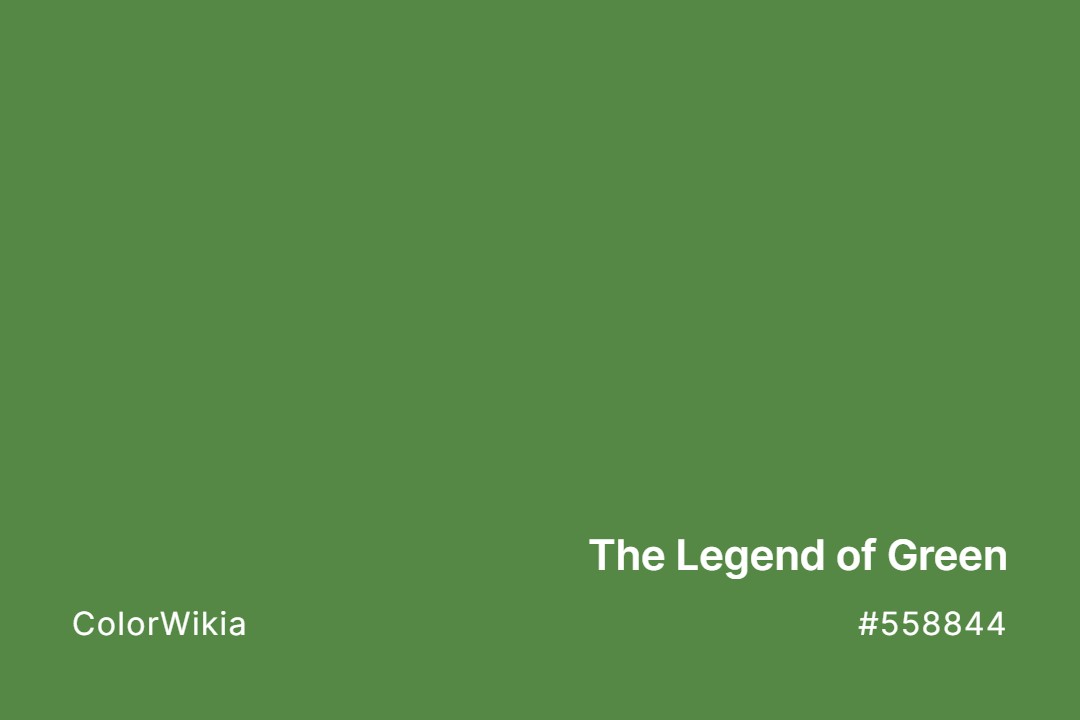
#558844
The Legend of Green
#eed508
The End Is Beer
#bb00ff
The Grape War of 97′
#e1eeec
Thawed Out
#b0b08e
That’s Atomic
#dcd290
That’s My Lime
#efe0c6
Thatched Roof
#d6c7a6
Thatched Cottage
#b1948f
Thatch
#867057
Thatch Brown
#b56e4a
Thanksgiving
#62676a
Thames Dusk
#58f898
Thallium Flame
#44aadd
Thalassophile
#53b1ba
Thalassa
#e7c630
Thai Temple
#624435
Thai Teak
#bb4455
Thai Spice
#e77200
Thai Mango
#fe1c06
Thai Hot
#bd6b1c
Thai Curry
#ce0001
Thai Chili
#7a7f3f
Thai Basil
#e0a878
Thai Ice Tea
#ece67e
Texas
#fc9625
Texas Sunset
#b9a77c
Texas Sage
#f1d2c9
Texas Rose
#e08d3c
Texas Longhorn
#c9926e
Texas Hills
#a54e37
Texas Heatwave
#8b6947
Texas Boots
#794840
Texas Sweet Tea
#a0522d
Texas Ranger Brown
#e2ddd1
Texan Angel
#17184b
Tetsu-Kon Blue
#281a14
Tetsu-Guro Black




The language of color can become confusing because everyday speech and color theory do not always use the word shade in exactly the same way. A page about color shades may describe a whole group of related colors, while the technical definition of a shade refers specifically to a hue made darker with black.
That difference matters when you compare taupe color shades, rust shades, or any other color family. The names people use are practical labels, while color systems provide more precise ways to describe the underlying values.
Understanding the difference between shade, tint, tone, and hue makes it easier to talk about color accurately. It also explains why one named color can have several related variations.
What Is a Color Shade?
In strict color theory, a shade is a hue with black added. Adding black lowers the lightness and produces a darker version of the starting color. A red can move toward burgundy, for example, while a blue can move toward navy.
In everyday language, people use shade more broadly. A search for “different shades of blue” may include lighter, darker, muted, and named variations that are not technically shades under the narrow definition.
That broader usage is common in design, retail, fashion, and online color references. It is also why color shade pages usually cover a family of related colors rather than only mixtures created by adding black.
The distinction is useful because it separates technical color terminology from the way people normally describe color families.
Shade, Tint, Tone, and Hue
These four terms describe different relationships between colors.
- Hue refers to the pure color position itself, such as red, blue, green, or yellow.
- Tint is a hue with white added, producing a lighter version such as pink from red.
- Shade is a hue with black added, producing a darker version such as burgundy from red.
- Tone is a hue with gray added, reducing saturation and muting the color.
The distinctions become useful when you need to describe why two colors look different. A pale blue may be a tint, while a dusty blue may be a tone and a navy blue may be a shade.
These terms can also be used together when discussing a larger color family. A named color may be lighter than the base color, darker than it, or more muted without fitting neatly into one everyday category.
How Digital Color Systems Describe Shades
Digital color systems make these relationships easier to quantify. RGB describes a color by the amount of red, green, and blue light used to create it, while HSL separates the color into hue, saturation, and lightness.
Hex codes provide a compact representation of RGB values. A six-character code such as #DC143C can identify crimson in a digital interface, but the number does not tell you where the color name originally came from or whether a physical pigment uses the same formulation.
In HSL, reducing lightness while holding hue and saturation constant moves a color toward a darker digital version. Raising lightness moves it toward a lighter version, while reducing saturation creates a more muted result.
This distinction is important when working with digital color. A color name can provide a useful visual reference, but a hex code gives you a specific digital value.
How Color Shade Names Develop
Color names often come from things people recognize. Taupe refers to the mole, while rust takes its name from corroded iron. Other names come from materials or places, including copper, terracotta, mahogany, sienna, and umber.
Language can preserve those histories even after a color becomes a digital swatch. Khaki color shades provide another example because the word traces back to a Hindustani term connected with dust and earth.
Commercial color naming adds another layer. Paint makers, textile companies, standards groups, and digital platforms may assign different names to closely related colors, so one shade does not always have one universal label.
This is one reason color names can feel inconsistent. A name can describe a recognizable visual family without pointing to one universal digital value.
Color Standards and Shade Codes
Professional color systems exist because names alone are too vague for precise reproduction. The Pantone Matching System assigns numbered references to color formulations, while systems such as Munsell describe colors using hue, value, and chroma.
The Natural Color System uses a different framework based on color perception. These systems serve different purposes, but they share the same practical goal. A numeric reference can communicate more precisely than a word such as “blue” or “green.”
That is also why a page listing color codes should distinguish between a named color, a standardized reference, and an ordinary digital hex value.
A hex code is useful for digital work, but it should not automatically be treated as a universal definition of a named color. The context behind the color reference matters.
Major Color Families and Their Shades
Every broad color family branches into many named variations. The examples below show how familiar shade names sit within larger groups.
| Color Family | Popular Shade | Hex Code |
| Red | Crimson | #DC143C |
| Blue | Navy | #000080 |
| Green | Forest Green | #228B22 |
| Yellow | Gold | #FFD700 |
| Purple | Indigo | #4B0082 |
| Orange | Coral | #FF7F50 |
| Brown | Tan | #D2B48C |
Warm families such as orange and brown include earthy variations such as rust, terracotta, and chocolate. Blue and green branch into names such as navy, teal, forest, and olive.
Neutral families work differently because their boundaries are less obvious. Beige, gray, taupe, and related colors can overlap substantially depending on saturation, lightness, and undertone.
Why named colors can overlap
A useful color family is not always a strict technical category. Two colors can look very similar while carrying different names because the names come from different materials, places, industries, or traditions.
For practical design work, it is often more useful to compare the actual color values than to rely on the name alone.
Frequently Asked Questions
What is the difference between a shade and a tint?
A shade is a darker version created by adding black, while a tint is a lighter version created by adding white.
Is a tone the same as a shade?
No. A tone adds gray and reduces saturation, while a shade adds black and darkens the original hue.
Why does one color have so many shade names?
Different industries, standards groups, companies, and cultures develop names independently. Closely related colors can therefore receive several labels.
How many shades of a color are there?
There is no fixed limit. Digital systems can generate very large numbers of distinct values, while named shades depend on the terms that become widely recognized or useful.