
Mauve Color Shades: The Dye That Changed Chemistry
Mauve is purple that went to the country. It lost the urban edge, picked up grey and pink undertones, and ended up romantic and vintage without being fussy about it.The collection spans pale dusty mauve to deeper purple-mauve. Sage and mauve together make a complete palette on their own. That is how well they play.
#e0b0ff

Mauve Color
William Perkin, 18 years old and chasing a synthetic malaria drug, accidentally stained silk purple in his London home lab and filed his mauveine patent on 26 August 1856. His coal-tar dye became the first mass-produced synthetic color, set off a Victorian purple craze, and made him rich by 21. Mauve color (#e0b0ff) still carries that whiff of accidental genius.
#af9690

Rose Mauve Color
What pink looks like when it has a mortgage. Rose Mauve color (#af9690) is a dusty pink-mauve with brown undertones, polished and slightly nostalgic without being too sweet. Sage green and brass keep it both current and timeless.
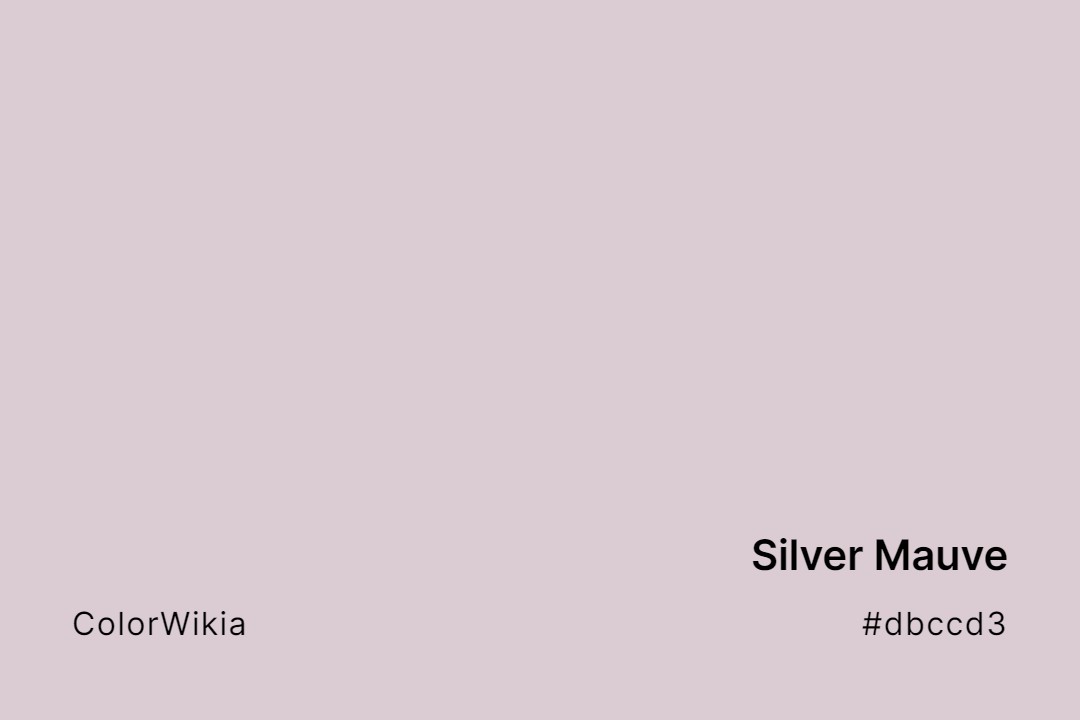
#dbccd3

Silver Mauve Color
Mauve traces to William Perkin’s 1856 synthetic dye, which launched the aniline dye industry. Silver Mauve color is a pale greyed version, the dusty pink-violet of dried lavender, and at #dbccd3 cool light pushes it almost to silver.
#4e4459
Dark Grey Mauve Color
Mix charcoal into a bruise purple and you get this. Dark Grey Mauve color is a smoky violet-gray dark enough to stand in for black text on pale paper, with just enough purple to show when light hits it at an angle.
#dee3e4
Mauve White Color
The palest mauve cools toward a soft grey with a hint of violet, echoing William Perkin’s 1856 aniline dye discovery in its faintest tint. Mauve White color (#dee3e4) holds that gentle historical tint. Bedrooms calm down under this shade.
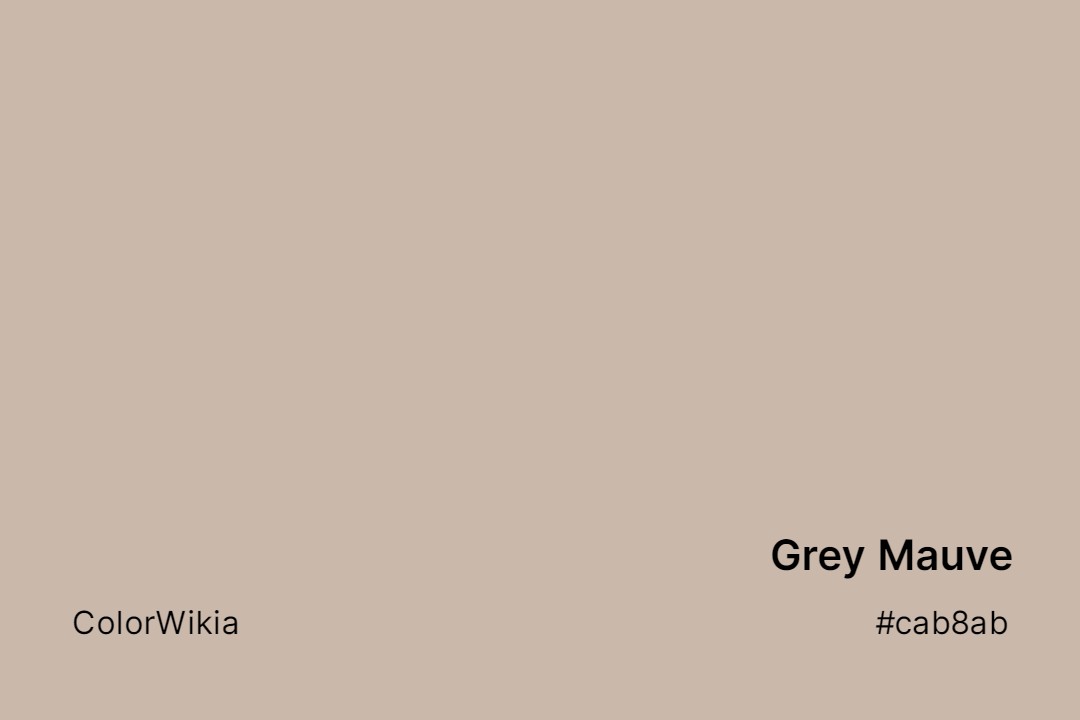
#cab8ab
Grey Mauve Color
Grey Mauve blends its two words into a warm dusty neutral, and in most light the taupe wins over the purple. There’s a faint pink-brown hush underneath.
#9a8891
Purple Mauve Color
Purple Mauve color is mostly grey. #9a8891 has a dusty violet-brown tint, about like dried lavender stems or a pigeon’s breast feathers. Use it as a moody neutral, because nobody will call it purple once it’s on a wall.



#4e4459
Dark Grey Mauve
#9a8891
Purple Mauve
#dbccd3
Silver Mauve
#cab8ab
Grey Mauve
#dee3e4
Mauve White
#e0b0ff
Mauve
#af9690
Rose Mauve
#eddde4
Wishy-Washy Mauve
#d9c7be
Wisp of Mauve
#c6aeaa
Wispy Mauve
#966f77
Wistful Mauve
#786daa
Wintertime Mauve
#eadee4
Weak Mauve
#baafac
Vintage Mauve
#b68b88
Victorian Mauve
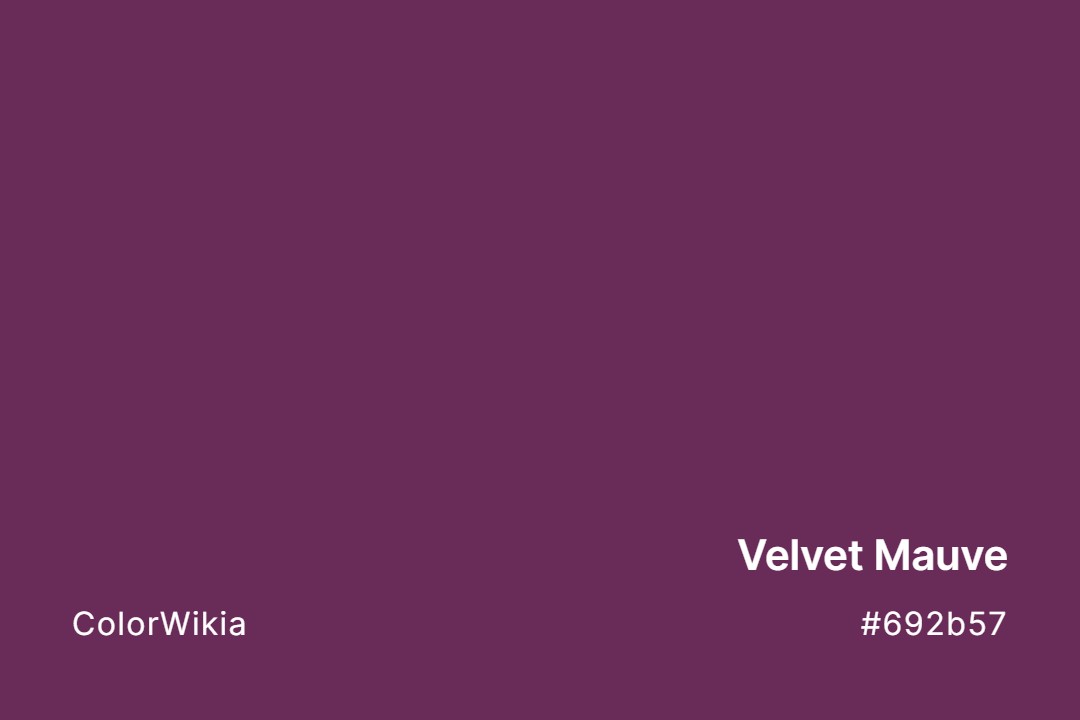
#692b57
Velvet Mauve
#d1c5c4
Vaguely Mauve
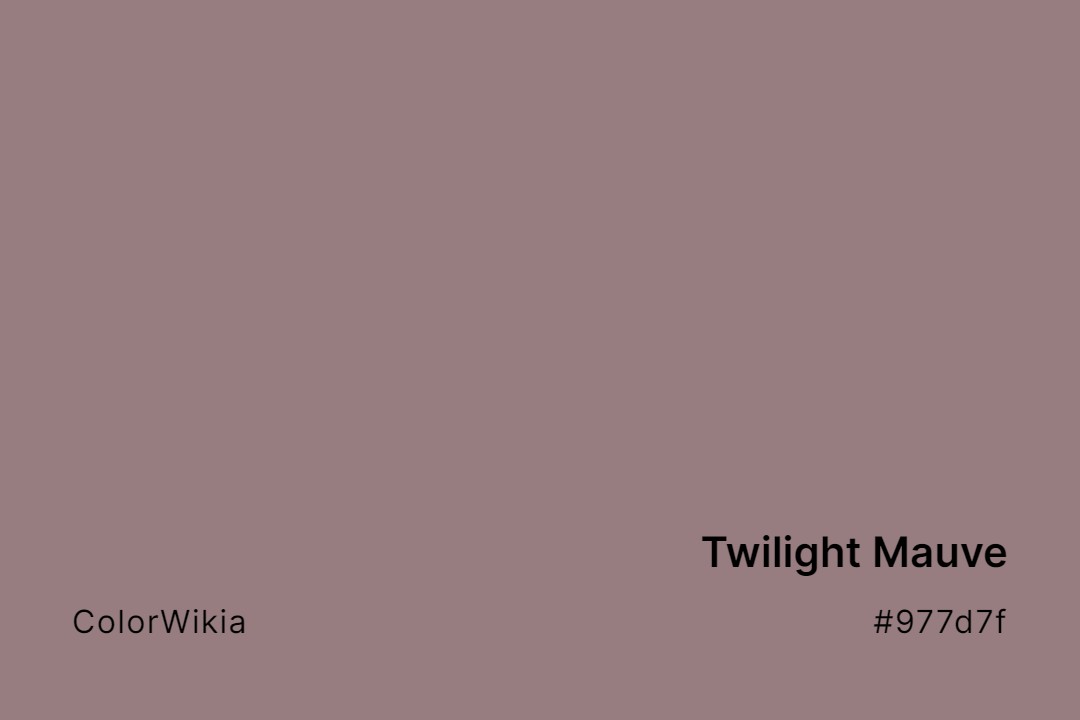
#977d7f
Twilight Mauve
#b4a6bf
Transparent Mauve
#776ea2
Toy Mauve
#bda3a5
Tourmaline Mauve
#d4c3cc
Tinge Of Mauve
#834d7c
Thistle Mauve
#c8a89e
Teatime Mauve
#c6b9b8
Studio Mauve
#71738c
Stormy Mauve
#b081aa
Stage Mauve
#a1a6d6
Sorbet Ice Mauve
#998ba5
Smoky Mauve
#a89c97
Smoked Mauve
#625c63
Slate Mauve
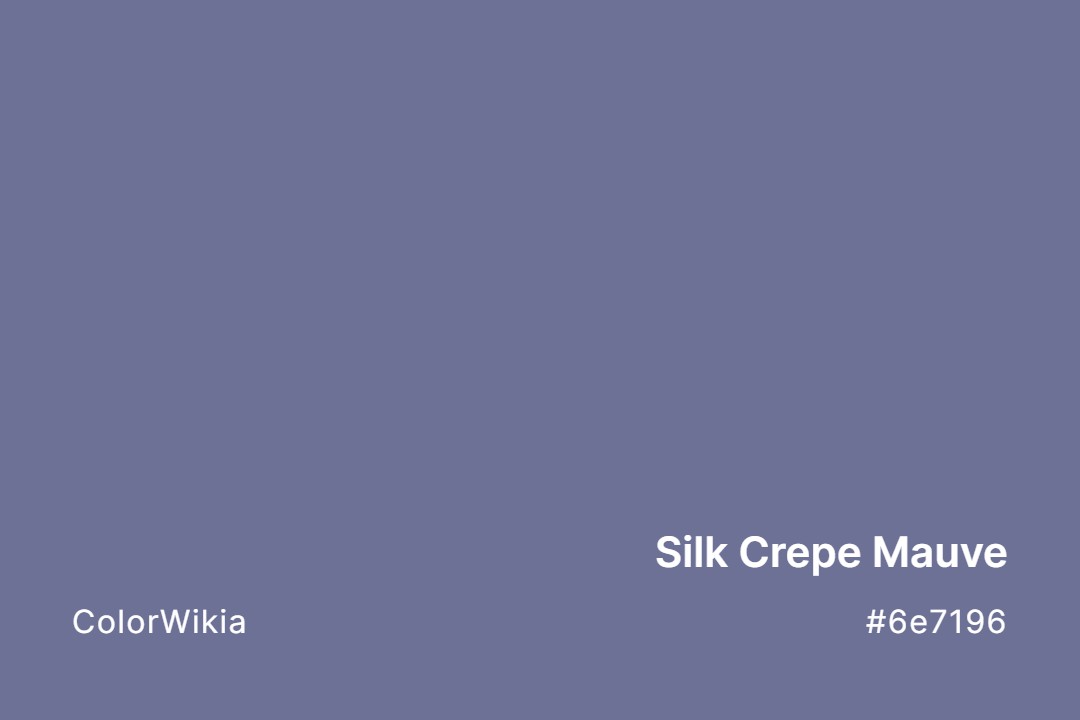
#6e7196
Silk Crepe Mauve
#ae7181
Shade of Mauve
#936a6d

San Francisco Mauve
#9c8aab
Saffron Blossom Mauve
#cab2c1
Runic Mauve
#6f5390
Pure Mauve
#40243d
Profound Mauve
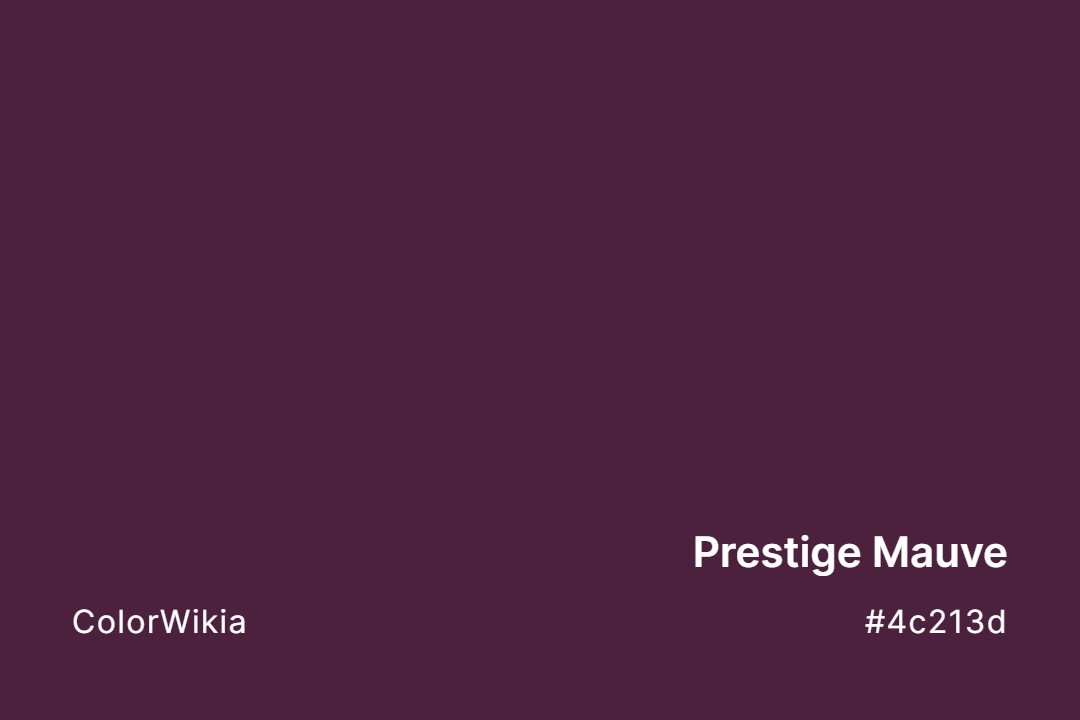
#4c213d
Prestige Mauve
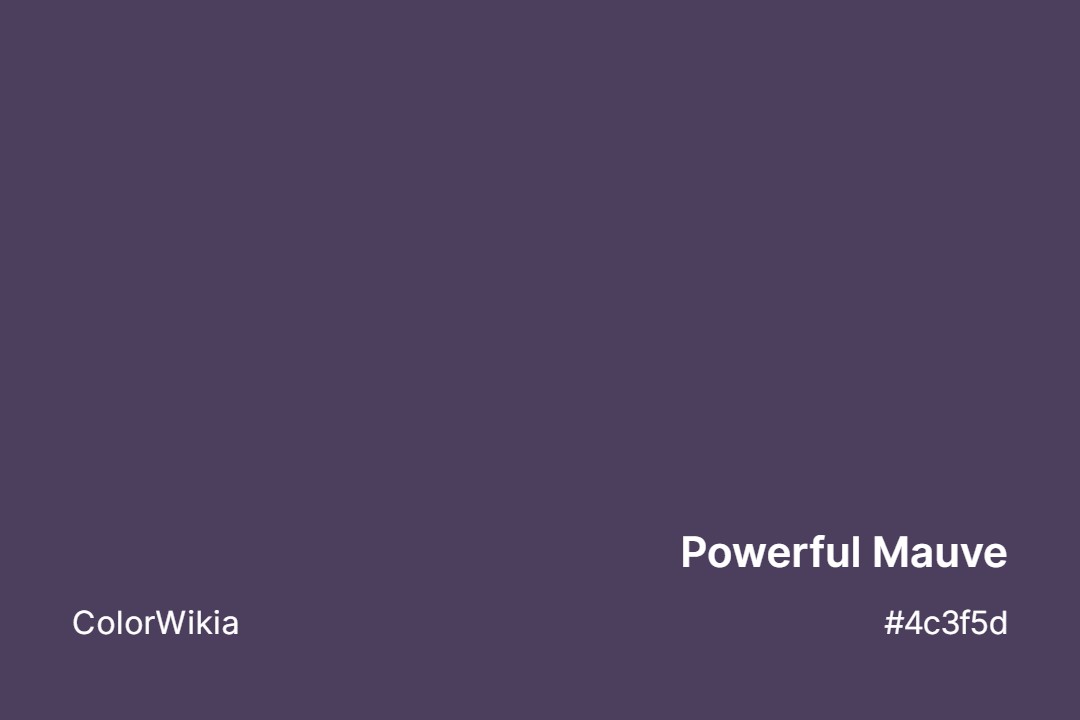
#4c3f5d
Powerful Mauve
#b39c8e
Postmodern Mauve
#886891
Poetry Mauve
#858bc2
Pleated Mauve
#9e8996
Piano Mauve
#9f86b7
Peony Mauve
#5f5680
Parma Mauve
#513e49
Passionfruit Mauve
#c6a4a4
Pale Mauve
#b784a7
Opera Mauve
#3a284c
Operetta Mauve
#735362
Opium Mauve
#462343
Opulent Mauve
#673147
Old Mauve
#5d3b41
Night Mauve
#e6d1dc
Nefarious Mauve
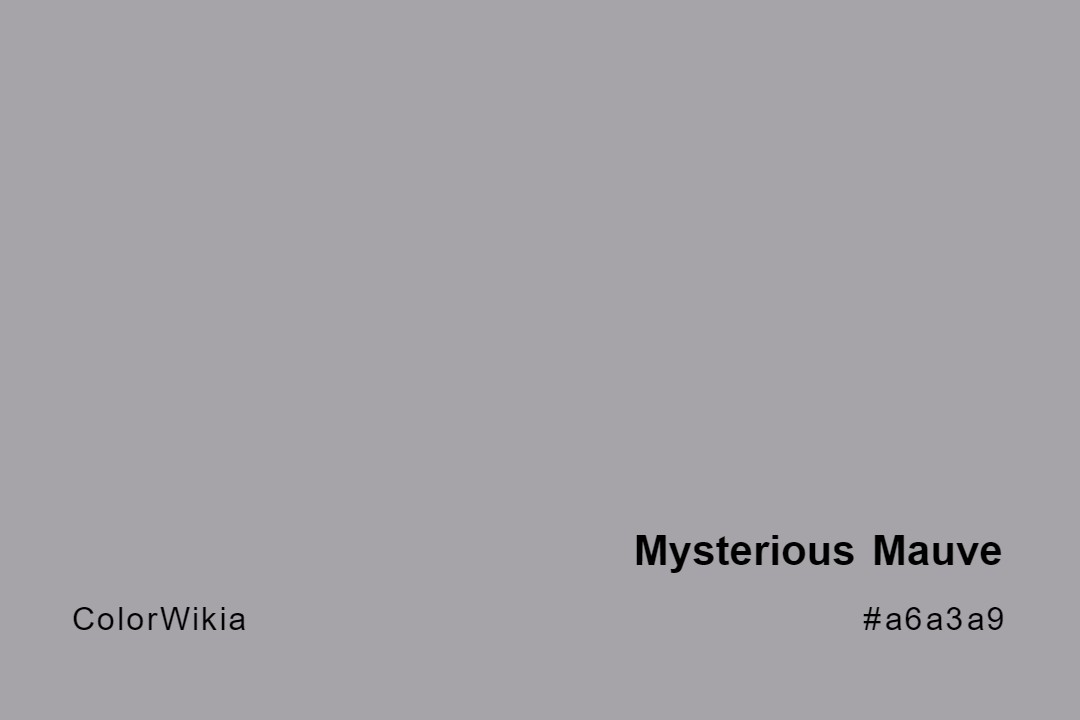
#a6a3a9
Mysterious Mauve
#dbb7ba
Mystic Mauve
#b3a9a3
Muted Mauve
#e4b3cc
Muddy Mauve
#463f60
Mulberry Mauve Black
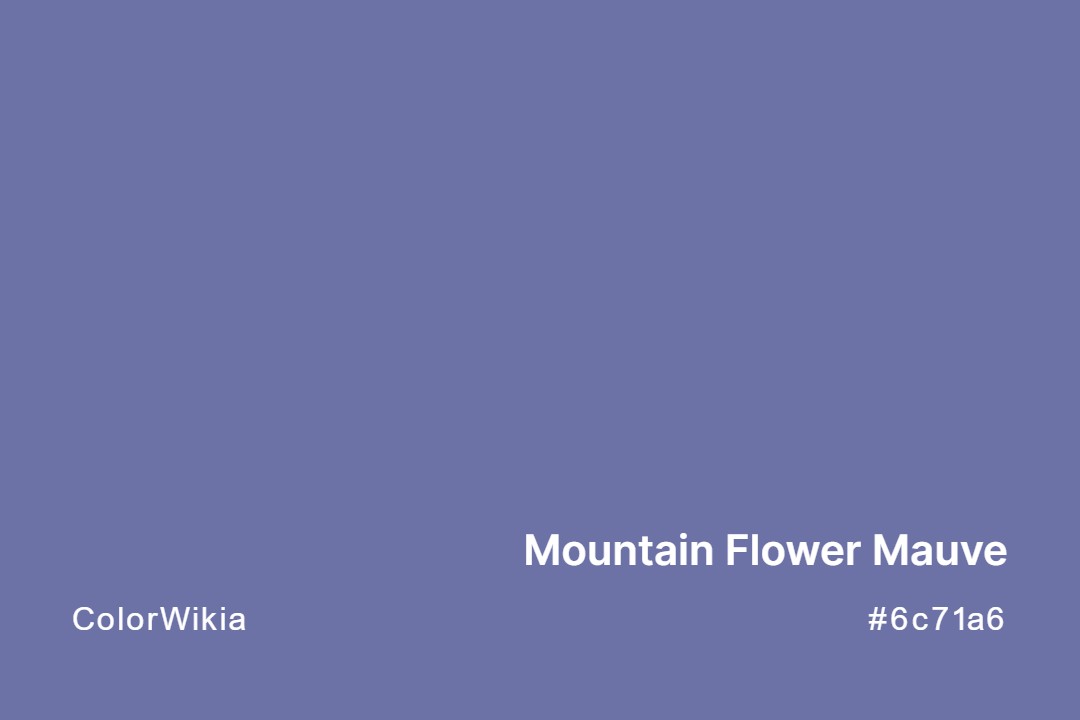
#6c71a6
Mountain Flower Mauve
#ca83a7
Moonlight Mauve
#d28fb0
Moonlit Mauve
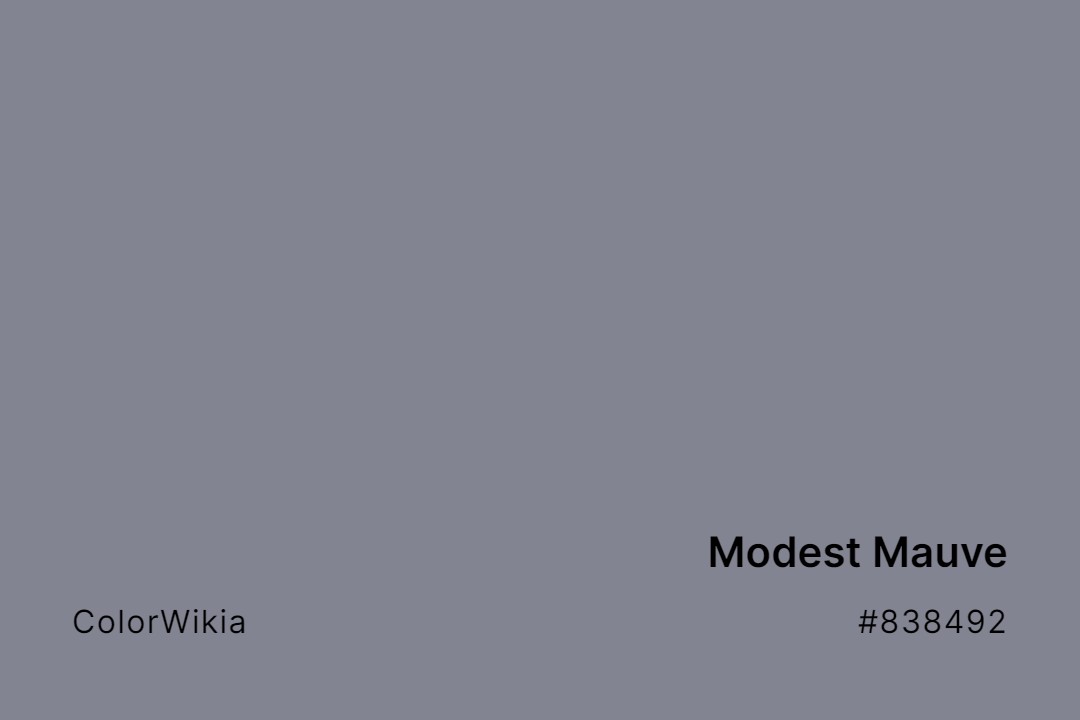
#838492
Modest Mauve
#bfa59e
Mohair Mauve
#f2e4f5
Minute Mauve
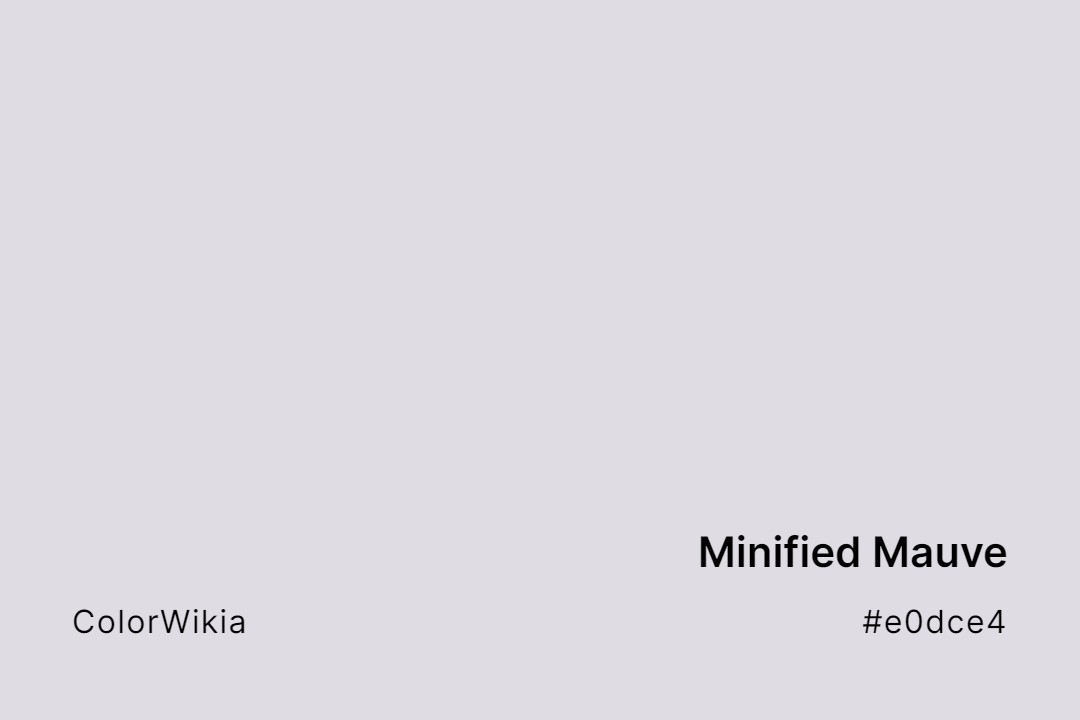
#e0dce4
Minified Mauve
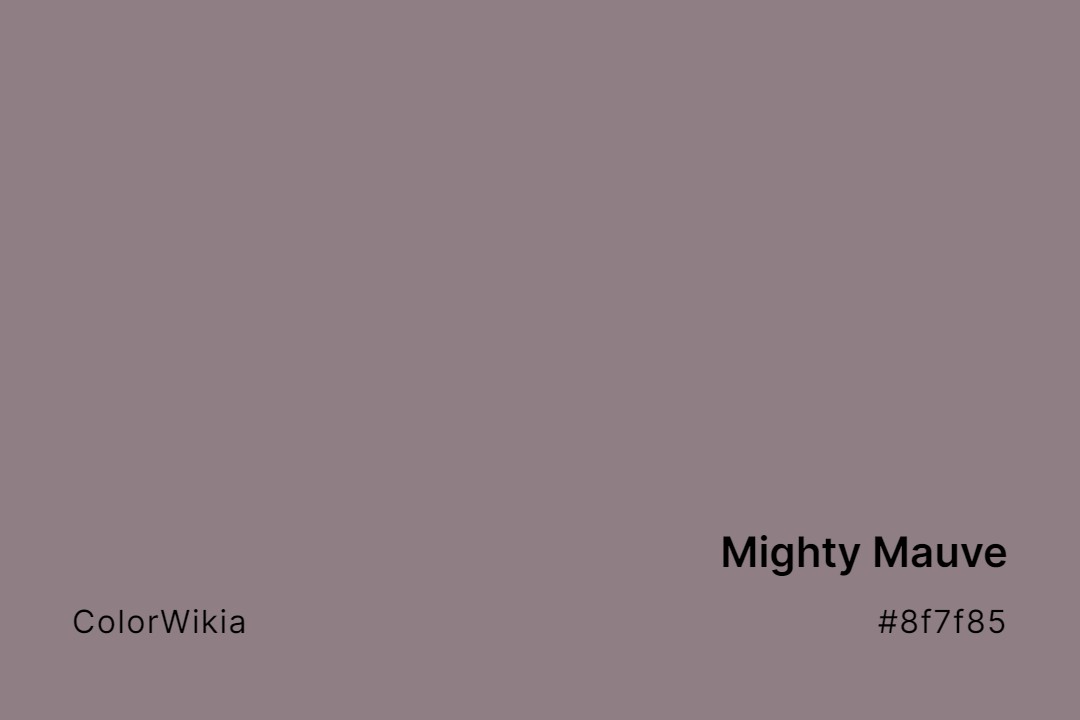
#8f7f85
Mighty Mauve
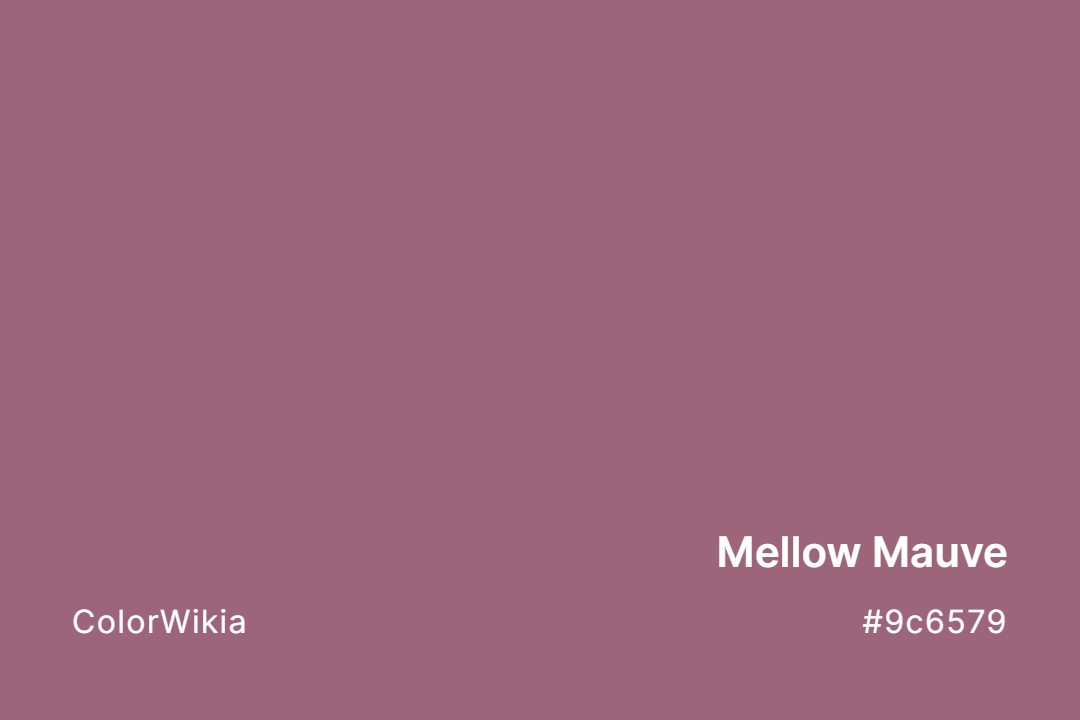
#9c6579
Mellow Mauve
#ac5d91
Meadow Mauve
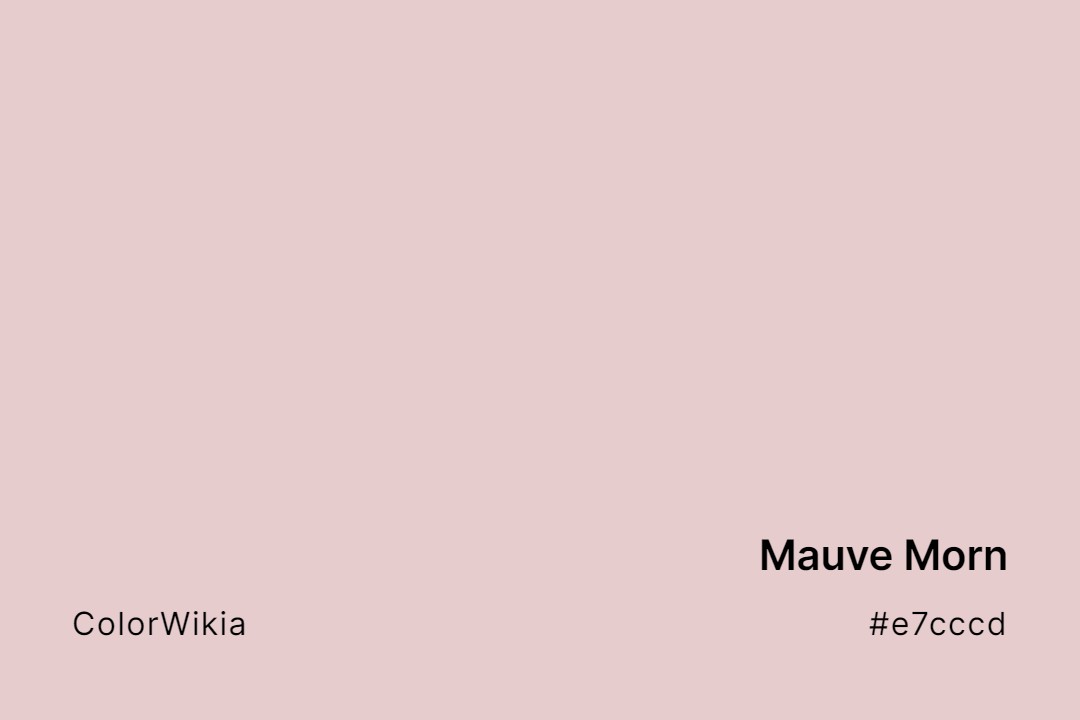
#e7cccd
Mauve Morn
#653c4a
Mauve Wine
#d9d0cf
Mauve Morning
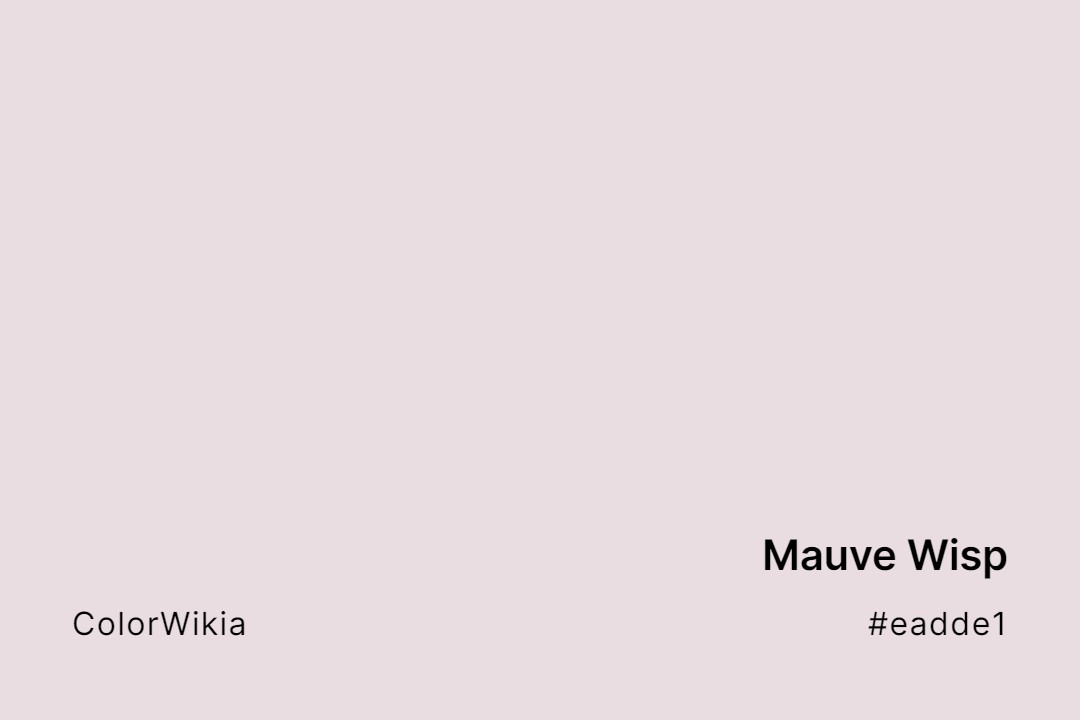
#eadde1
Mauve Wisp
#a98ca1
Mauve Musk
#b59ead
Mauve Muslin
#685c61
Mauve Mystery
#bb4477
Mauve Mystique
#c0ada6
Mauve Nymph
#ab728d
Mauve Orchid
#d9c4d0
Mauve Organdie
#bebbc0
Mauve Pansy
#bb7788
Mauve Seductress
#af8f9c
Mauve Shadows
#a69f9a
Mauve Melody
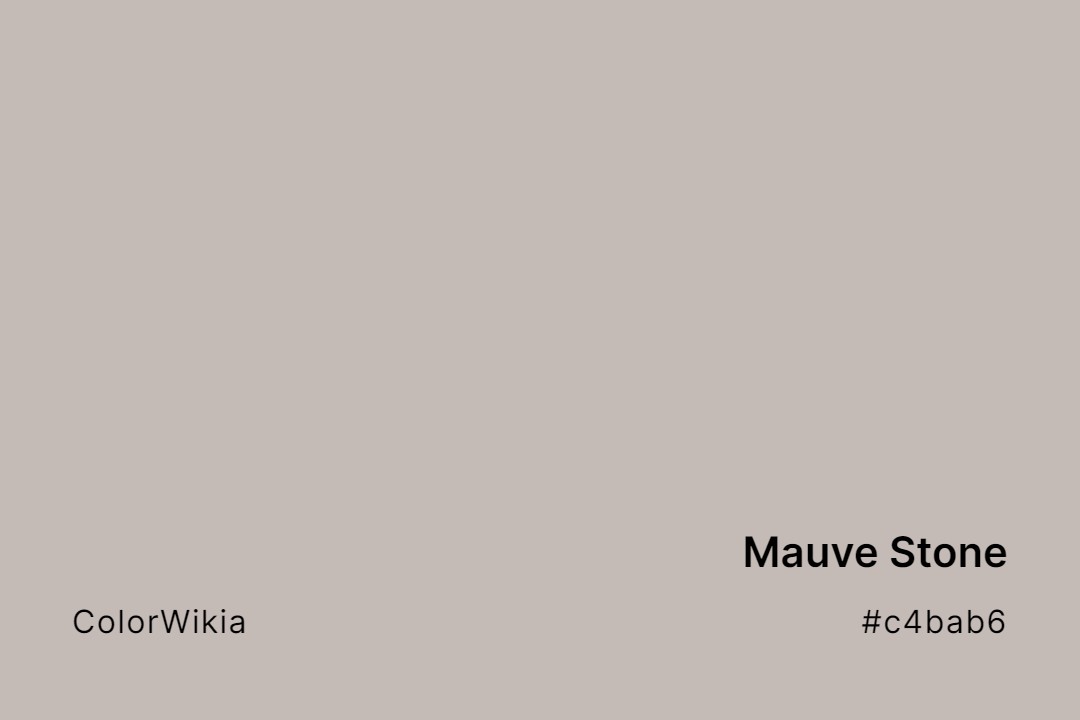
#c4bab6
Mauve Stone
#a46a95
Mauve Memento
#915f6d
Mauve Taupe
#c49bd4
Mauve Mist
#e7e1e1
Mauve Tinge
#7d716e
Mauve Mole
#c6b2be
Masked Mauve
#e3d2db
Mauve Aquarelle
#62595f
Mauve Brown
#e5d0cf
Mauve Chalk
#ac8c8c
Mauve Day
#cbb8c0
Mauve Finery
#d18489
Mauve Glow
#bb4466
Mauve It
#908186
Mauve Jazz






















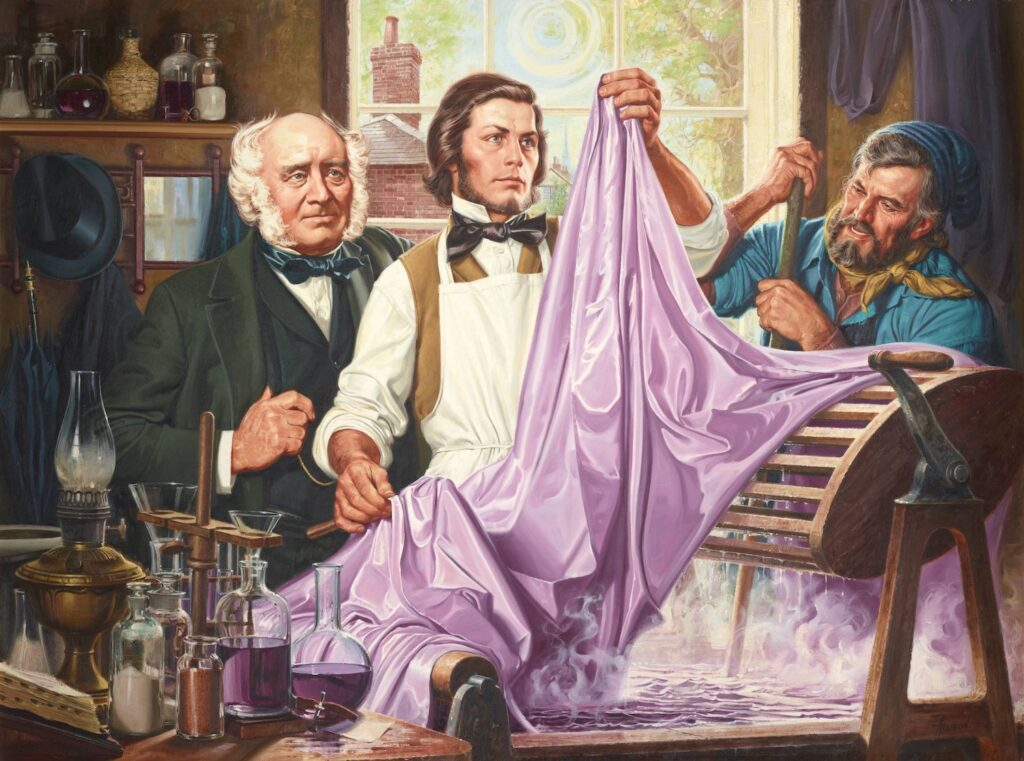
An 18-year-old chemistry student created the modern idea of mauve by accident.
During his Easter break from the Royal College of Chemistry in London in 1856, William Henry Perkin tried to synthesize quinine from coal tar. The experiment produced a dark sludge.
When dissolved in alcohol, that sludge turned a beaker of silk a vivid purple. Perkin named the dye mauveine, and mauve became the first synthetic dye produced for commercial use.
Where the Name Mauve Comes From
The word “mauve” is French for the mallow plant, whose flowers bloom in a similar soft purple.
According to the Oxford English Dictionary, “mauve” first appeared as a color word around 1796 to 1798, though it stayed rare until about 1859.
Perkin briefly marketed his dye as “aniline purple” and “Tyrian purple” before the shorter, flower-inspired name took hold.
Perkin patented his discovery on August 26, 1856, and built a factory at Greenford Green near London. Purple had long signaled wealth because natural purple dyes, such as Tyrian purple made from sea snails, were worth more than three times their weight in gold.
A Roman price edict issued by Diocletian in 301 CE set one pound of Tyrian purple dye at 150,000 denarii, roughly three pounds of gold.
A cheap, colorfast purple made from coal tar waste turned an aristocratic color into something ordinary people could buy. That single accident launched the synthetic dye industry and, later, the chemical and pharmaceutical industries built on the same coal tar chemistry.
Mauve Color Values and Hex Code
The most widely cited mauve color hex code is #E0B0FF, a pale purple with a clear blue lean. This is the version listed by Maerz and Paul and used across web color references.
| Format | Value |
| Hex | #E0B0FF |
| RGB | 224, 176, 255 |
| HSL | 276°, 100%, 85% |
| HSV | 276°, 31%, 100% |
| CMYK | 12%, 31%, 0%, 0% |
Note: A hex code names a point on a screen; it does not prove that Perkin’s original 1856 dye matched #E0B0FF.
Museum-tested samples of real mauveine skew deeper and pinker than the bright digital value, and printed mauves often look pinker than the screen version.
Shades of Mauve Color
The mauve color family stretches from near-pastel tints to deep, dusky purples. These are some of the most commonly named shades of mauve.
- French Mauve (#D473D4): a soft, powdery, brighter purple.
- Opera Mauve (#B784A7): warmer and pinker, close to dusty rose; first recorded as a color name in English in 1927.
- Dusty Mauve (around #B48B9C): grayed and muted, with a vintage feel.
- Mauve Taupe (#915F6D): a brownish, grayed mauve; first recorded in 1925.
- Old Mauve (#673147): a deep, wine-leaning purple.
How Mauve Color Differs From Lilac, Lavender, and Purple
People mix up the soft purples constantly, but each leans a different way.
Lavender (#E6E6FA) leans cool and blue and sits very pale, almost a tinted white.
Lilac (around #C8A2C8) leans warm and pink. Mauve is the grayest and dustiest of the group, a muted purple carrying a pink-brown undertone that reads as vintage rather than fresh.
Full purple is darker and far more saturated than any of the three.
Lavender is the bluest, lilac is the pinkest, and mauve is the most grayed-down and the most “aged.”
For more on related tones, see the ColorWikia pages for purple, lavender, and pink.