
30,000+ Shades of Color with Names and HEX Code
Explore unique color shades for your website, brand or any project.
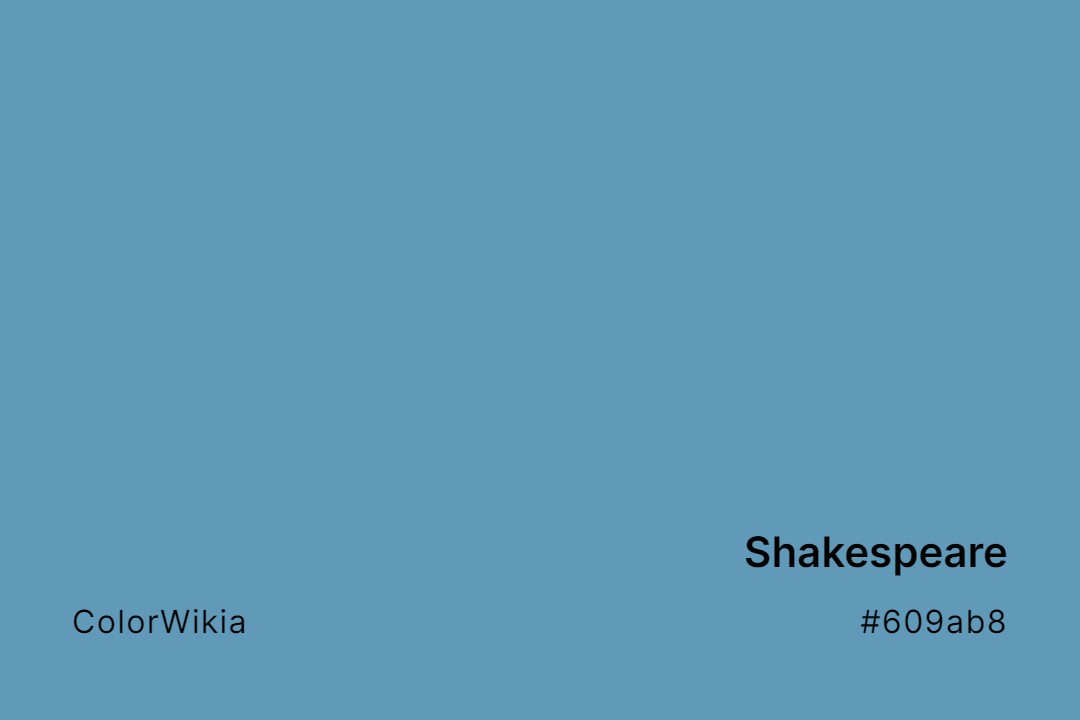
#609ab8

Shakespeare
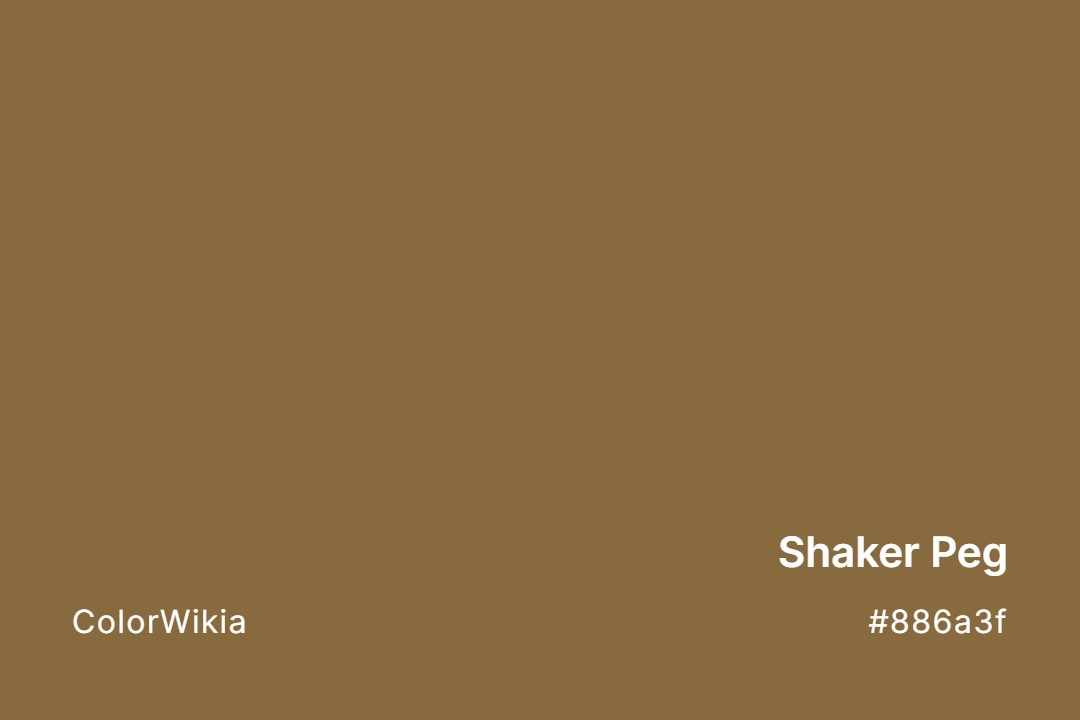
#886a3f
Shaker Peg
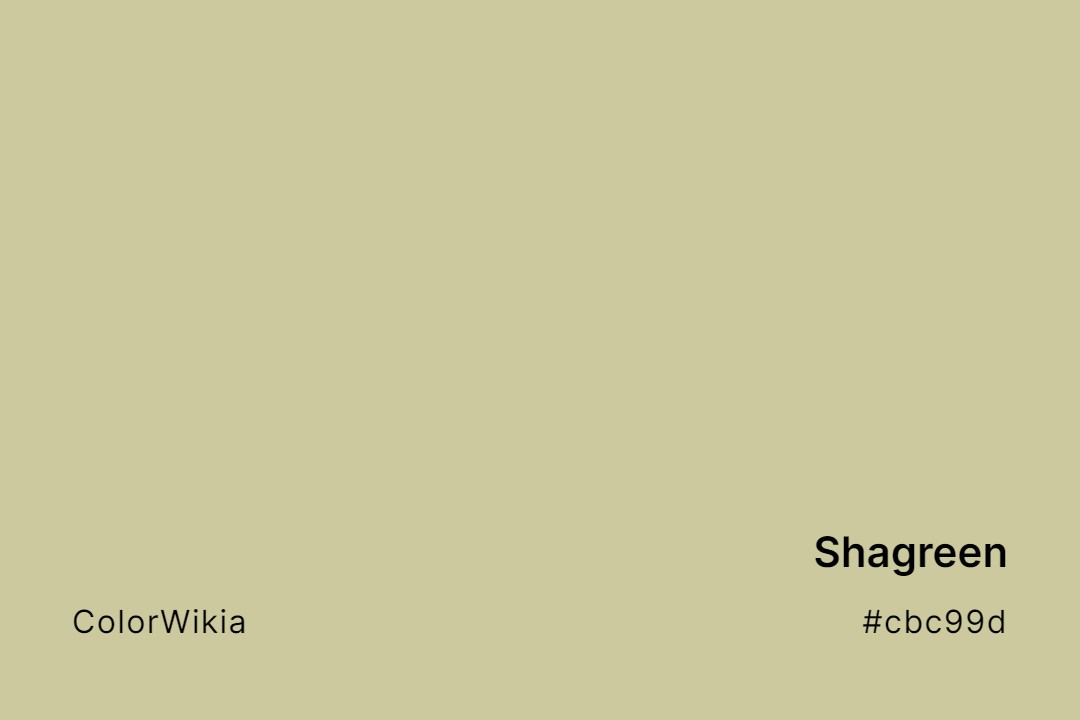
#cbc99d
Shagreen
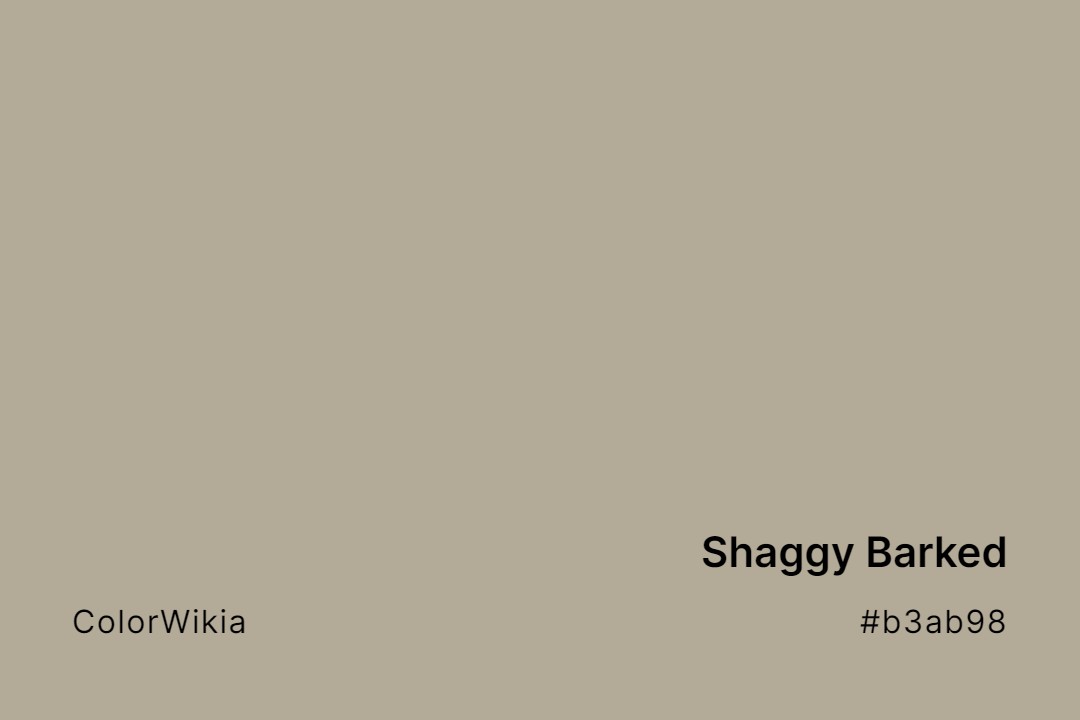
#b3ab98
Shaggy Barked
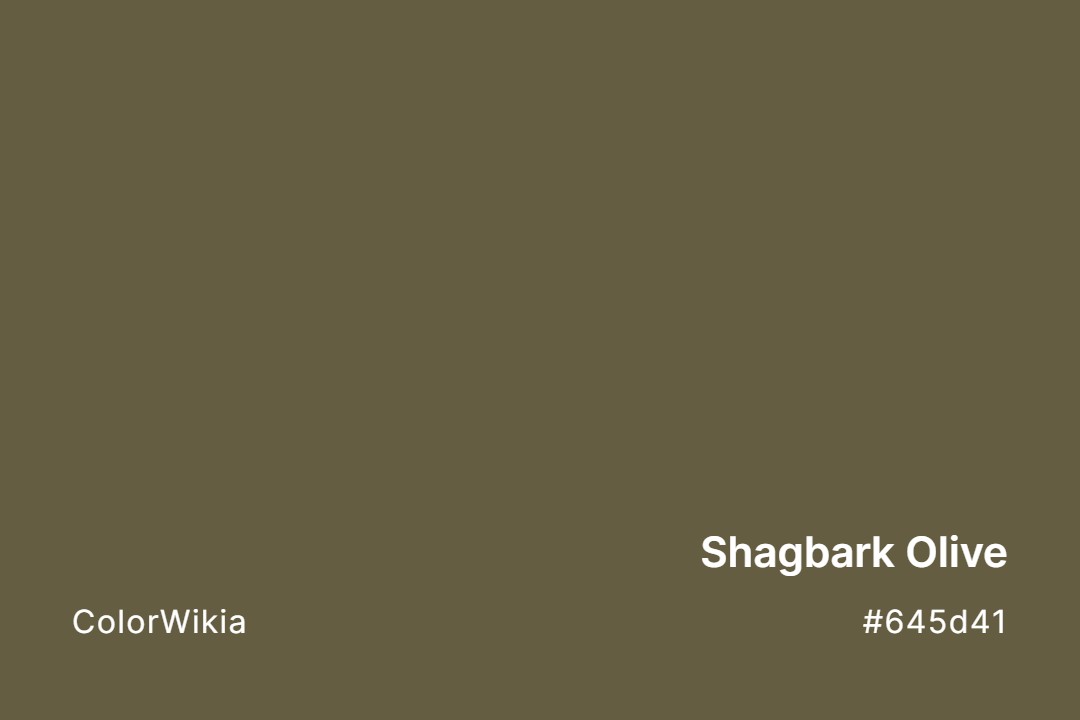
#645d41
Shagbark Olive
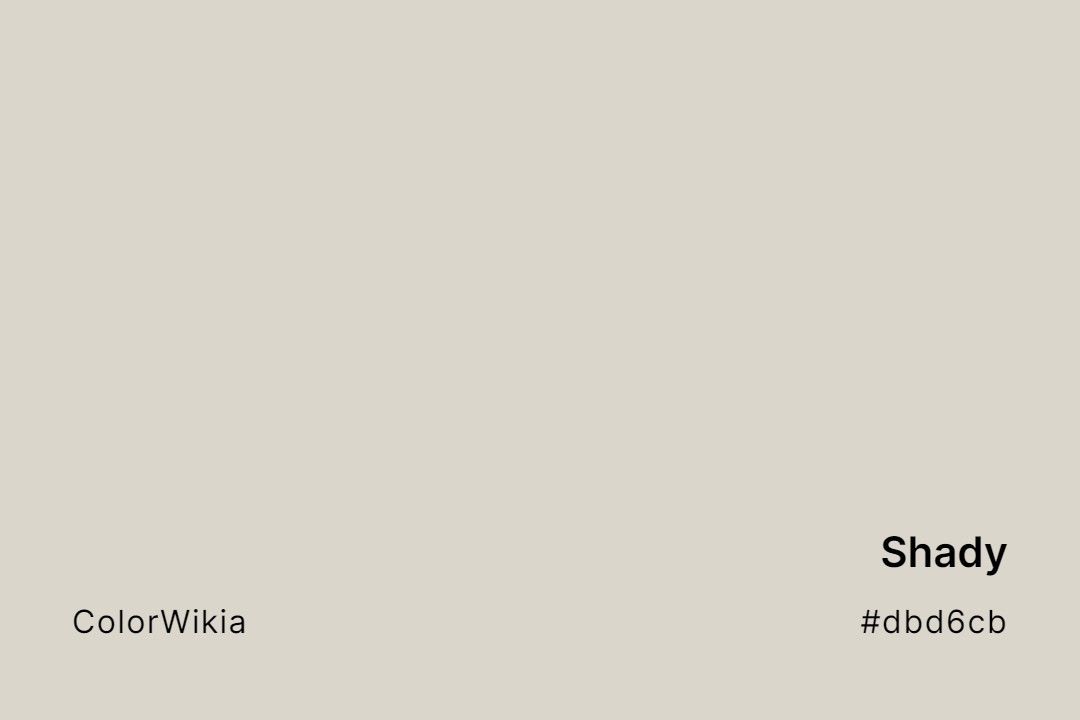
#dbd6cb
Shady
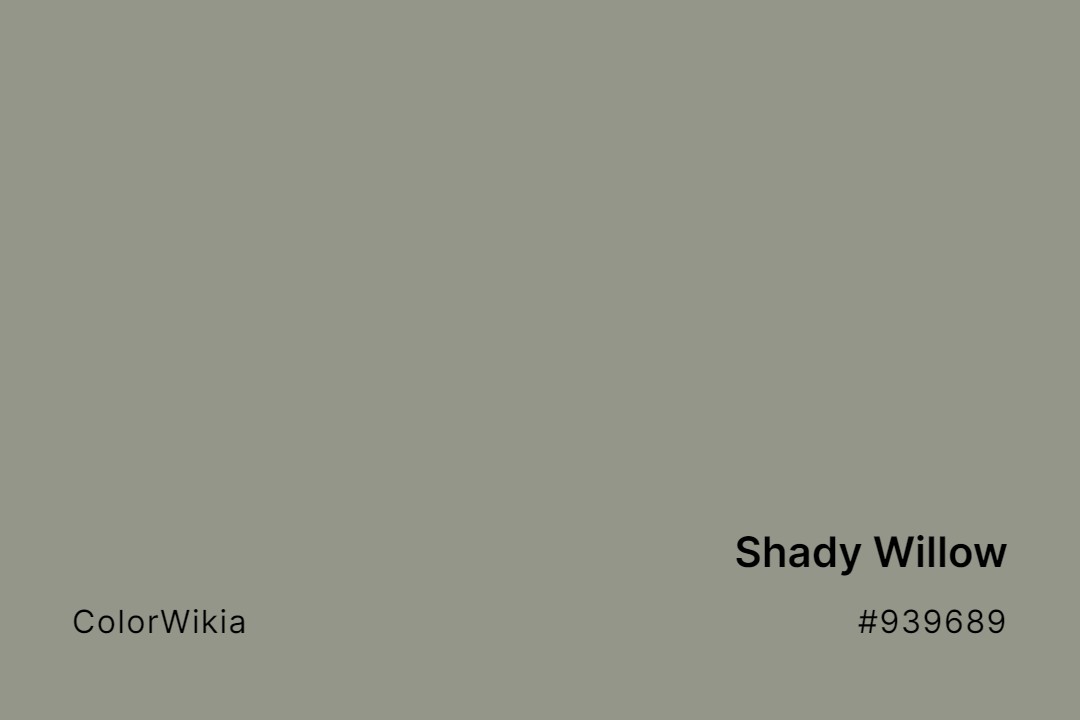
#939689
Shady Willow
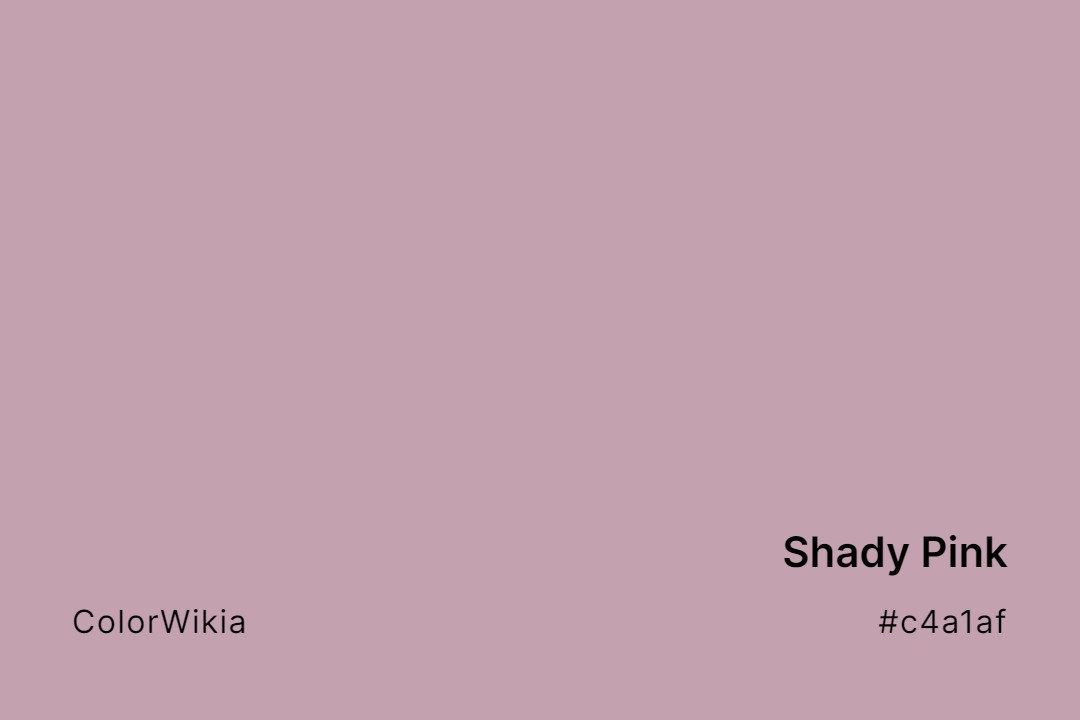
#c4a1af
Shady Pink
#73694b
Shady Oak
#9f9b9d
Shady Lady
#007865
Shady Glade
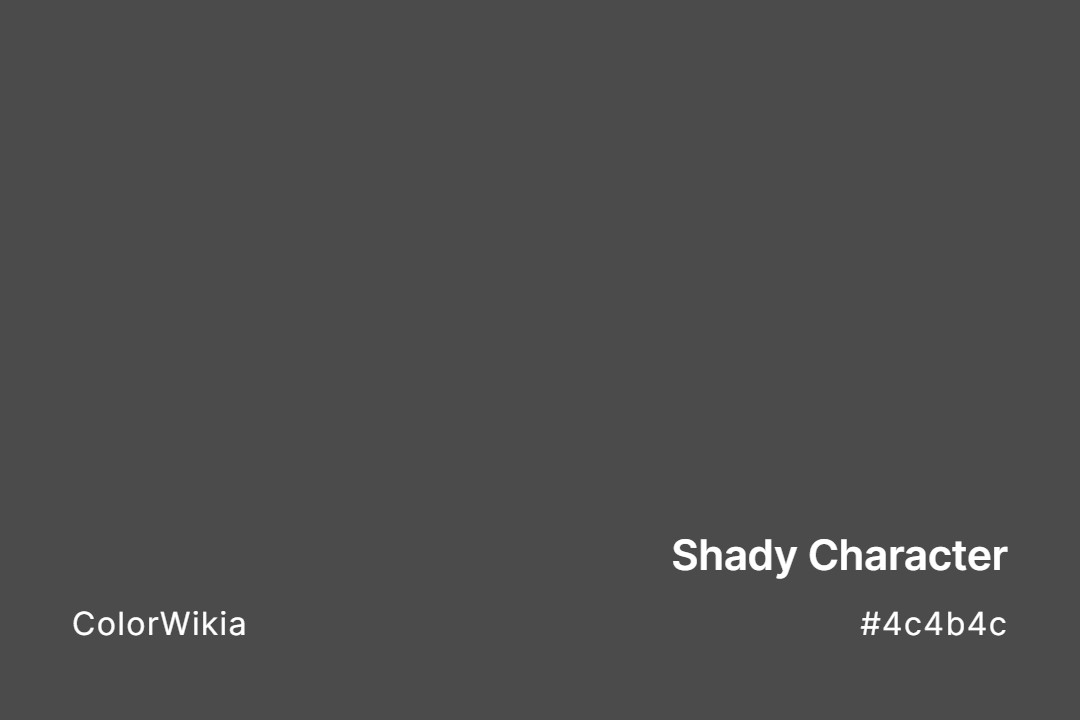
#4c4b4c
Shady Character
#6b6d6a
Shadows
#4b4b4b
Shadowed Steel
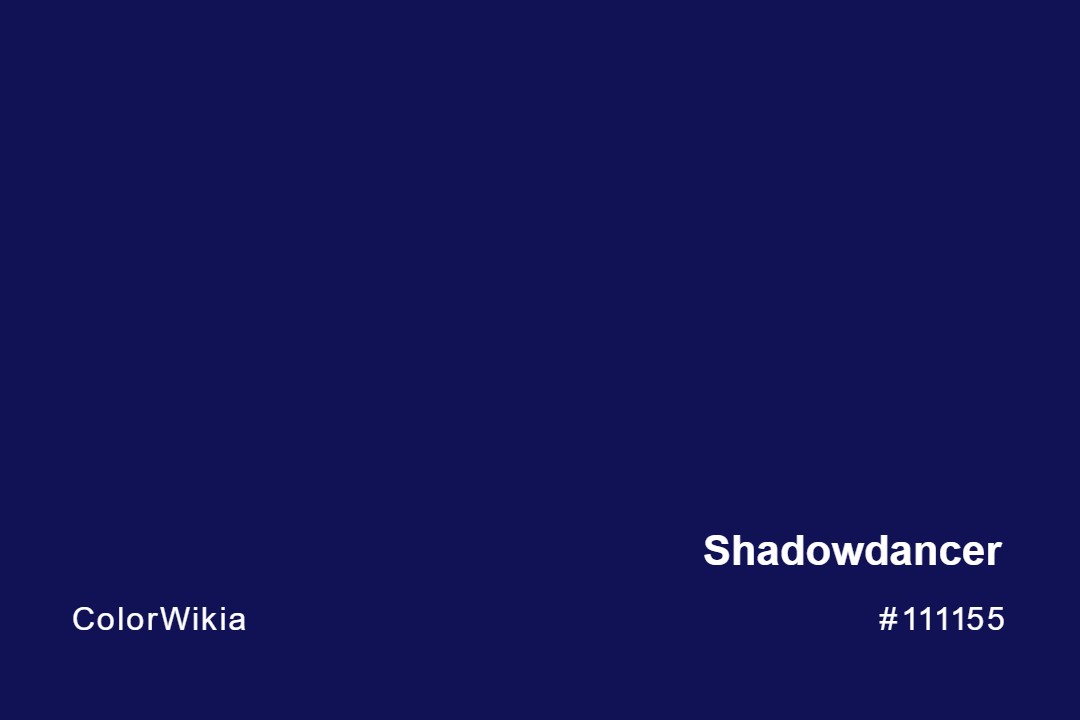
#111155
Shadowdancer
#837050
Shadow
#8a795d
Shadow Woods
#5e534a
Shadow Wood
#1a2421
Shadow Warrior
#9c917f
Shadow Taupe
#5b5343
Shadow Ridge
#4e334e
Shadow Purple
#221144
Shadow Planet
#585858
Shadow Mountain
#ccde95
Shadow Lime
#395648
Shadow Leaf
#686767
Shadow Gargoyle
#788788
Shadow Effect
#877d83
Shadow Dance
#7a6f66
Shadow Cliff
#e96a97
Shadow Azalea Pink
#2a4f61
Shadow of Night
#a3a2a1
Shadow of the Colossus
#605f5f
Shades On
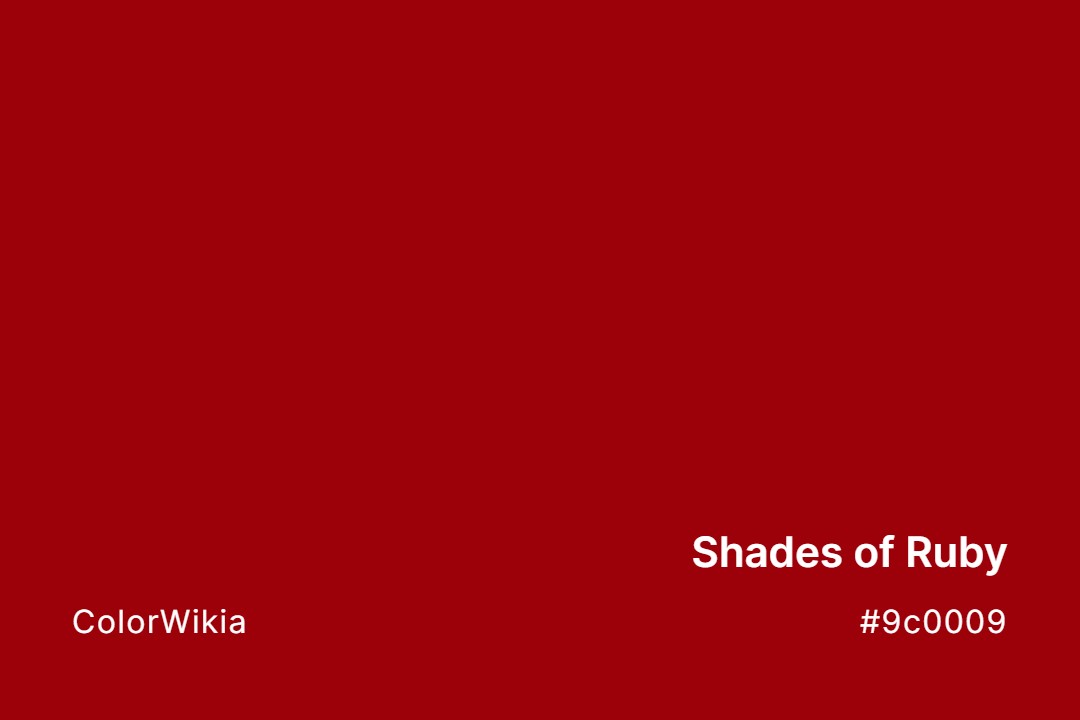
#9c0009
Shades of Ruby
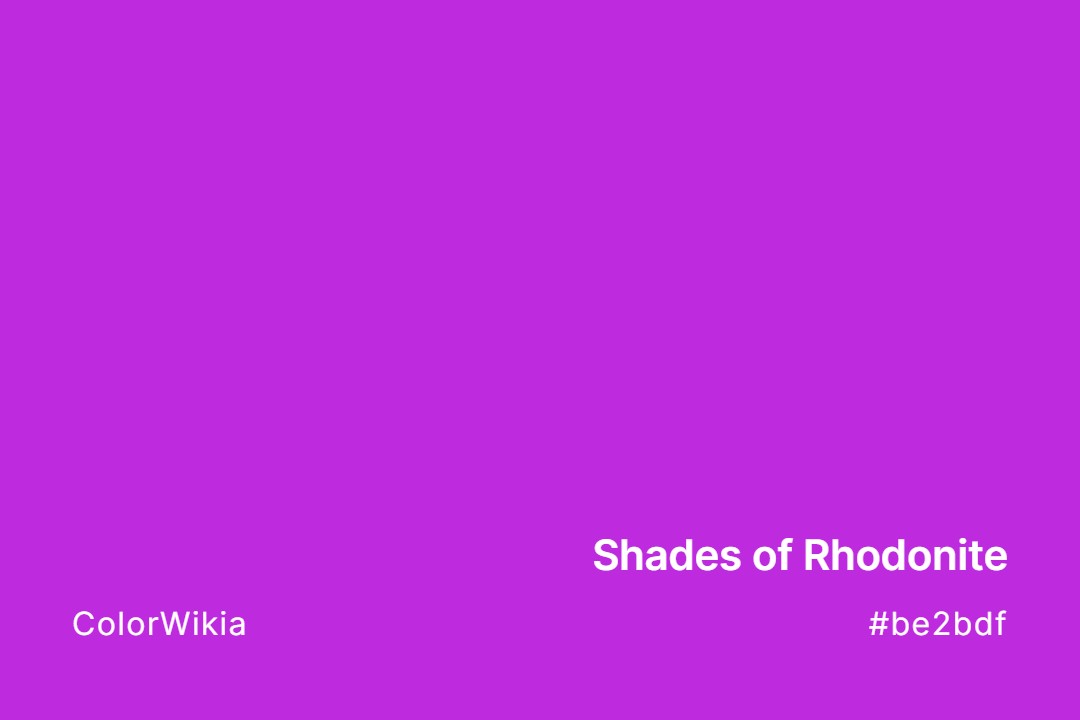
#be2bdf
Shades of Rhodonite
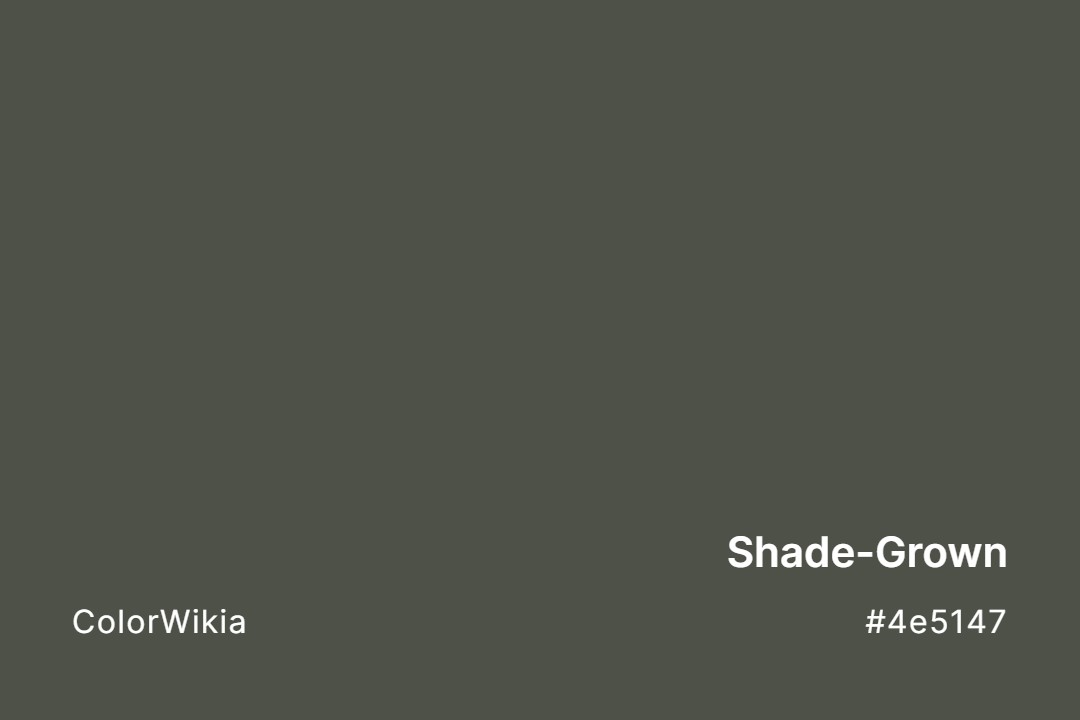
#4e5147
Shade-Grown
#8ab18a
Shaded Willow
#f3eba5
Shaded Sun
#005f6d
Shaded Spruce
#859c9b
Shaded Hammock
#8e824a
Shaded Glen
#664348
Shaded Fuchsia
#786947
Shaded Fern
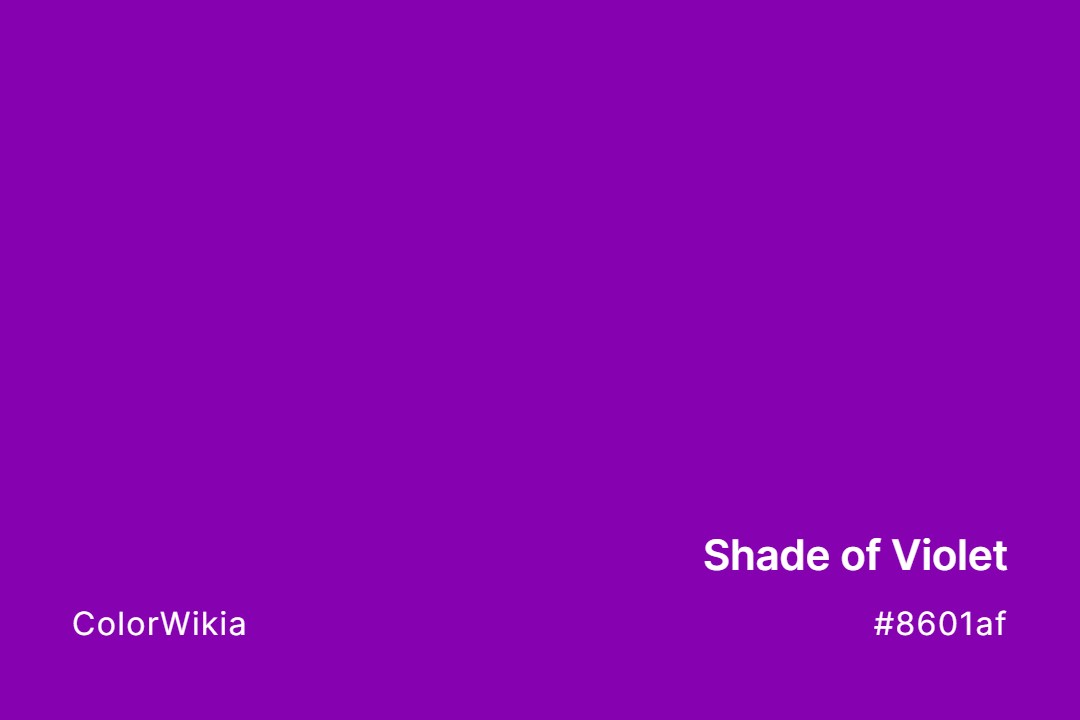
#8601af
Shade of Violet
#ae7181
Shade of Mauve
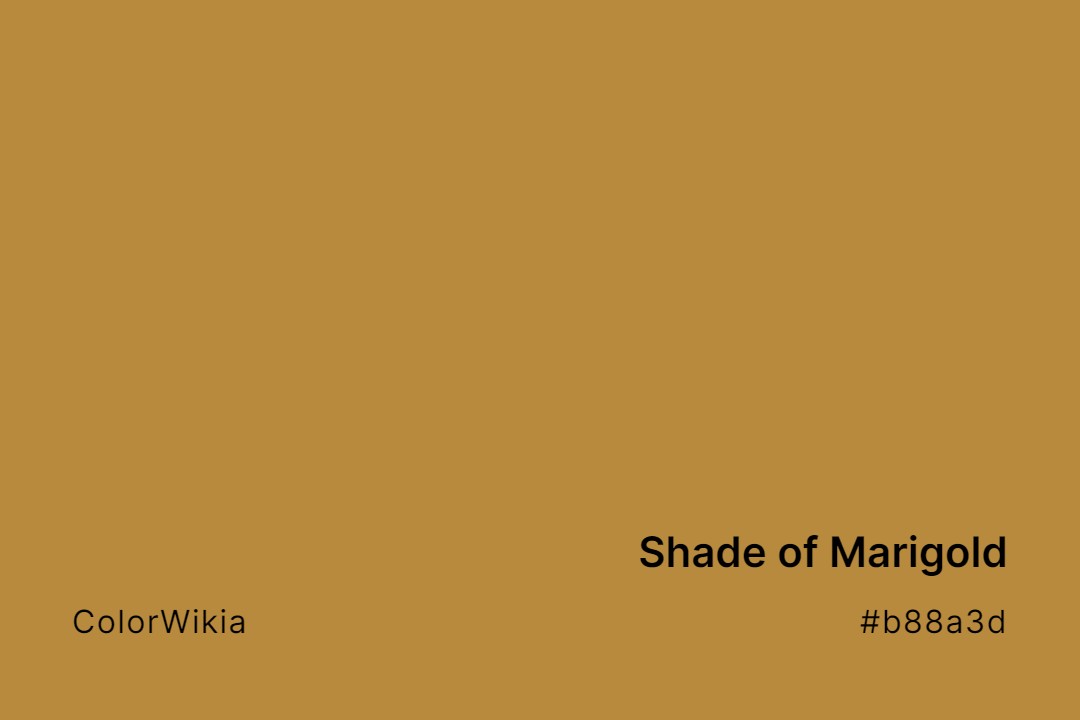
#b88a3d
Shade of Marigold
#ff7e00
Shade of Amber
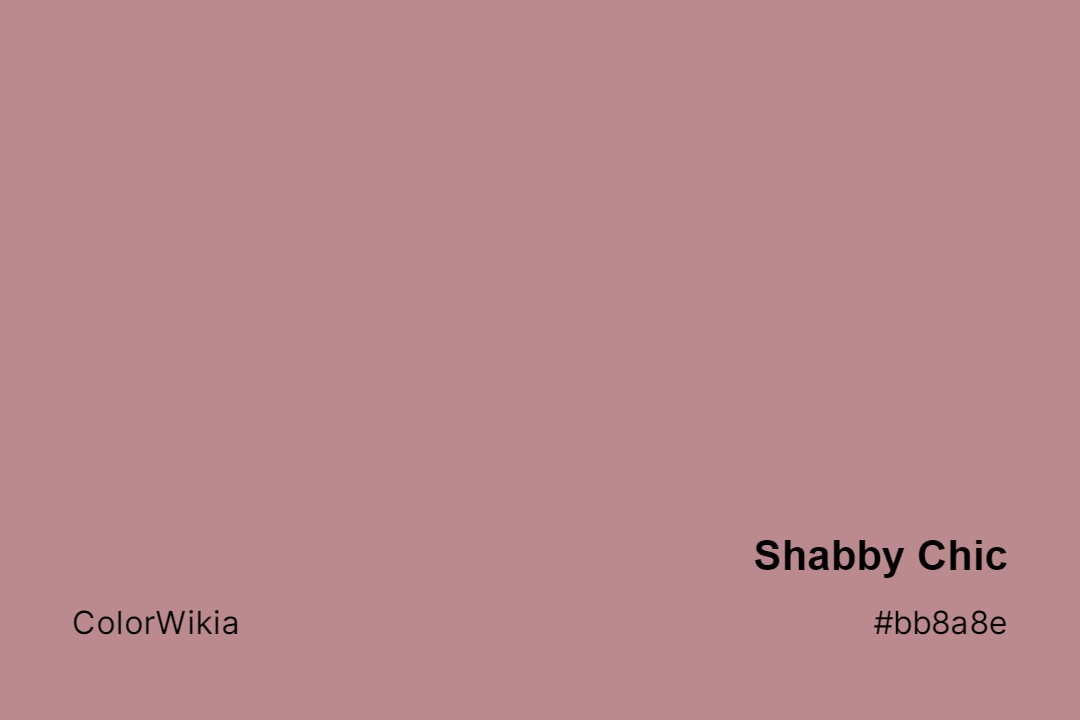
#bb8a8e
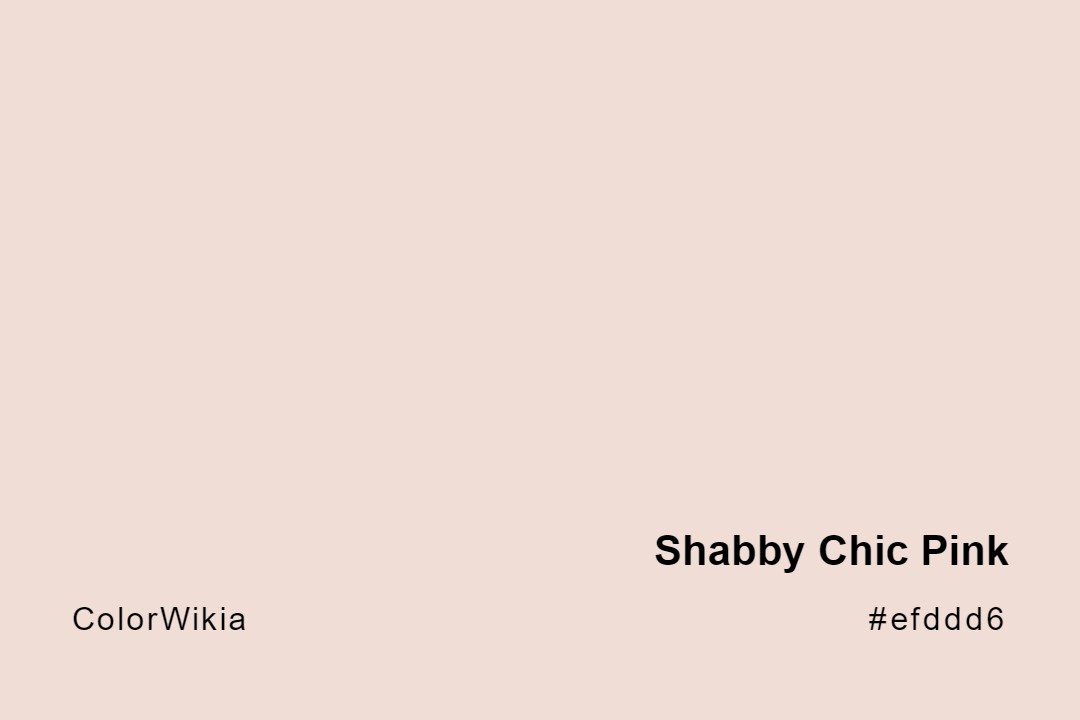
Shabby Chic
#efddd6
Shabby Chic Pink
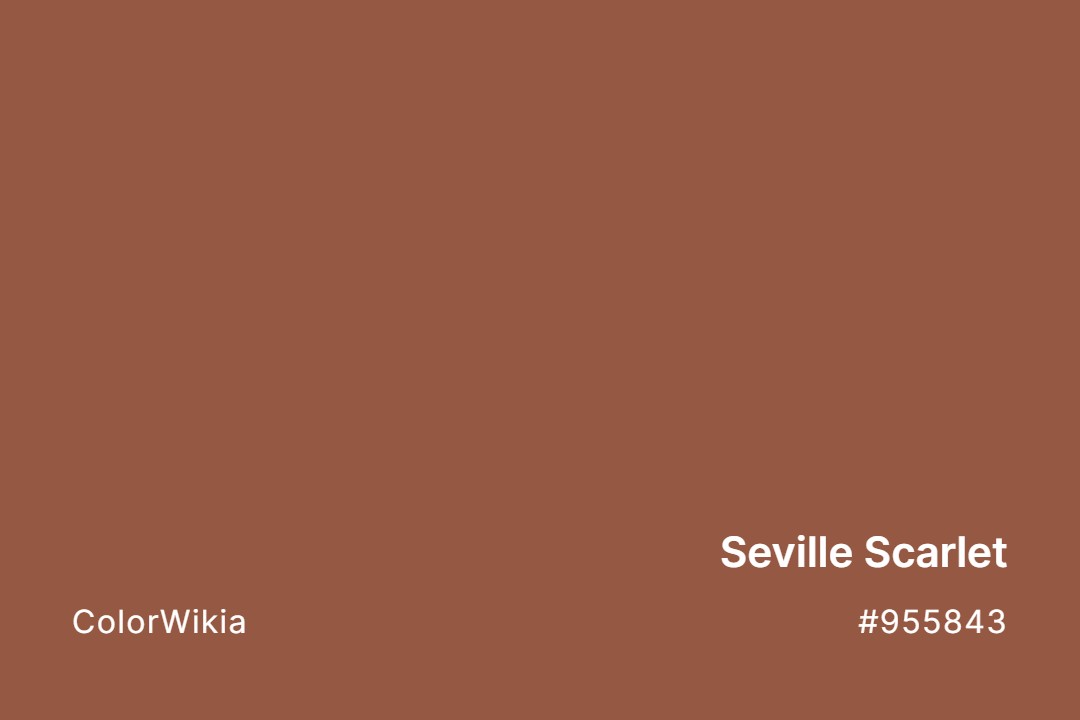
#955843
Seville Scarlet
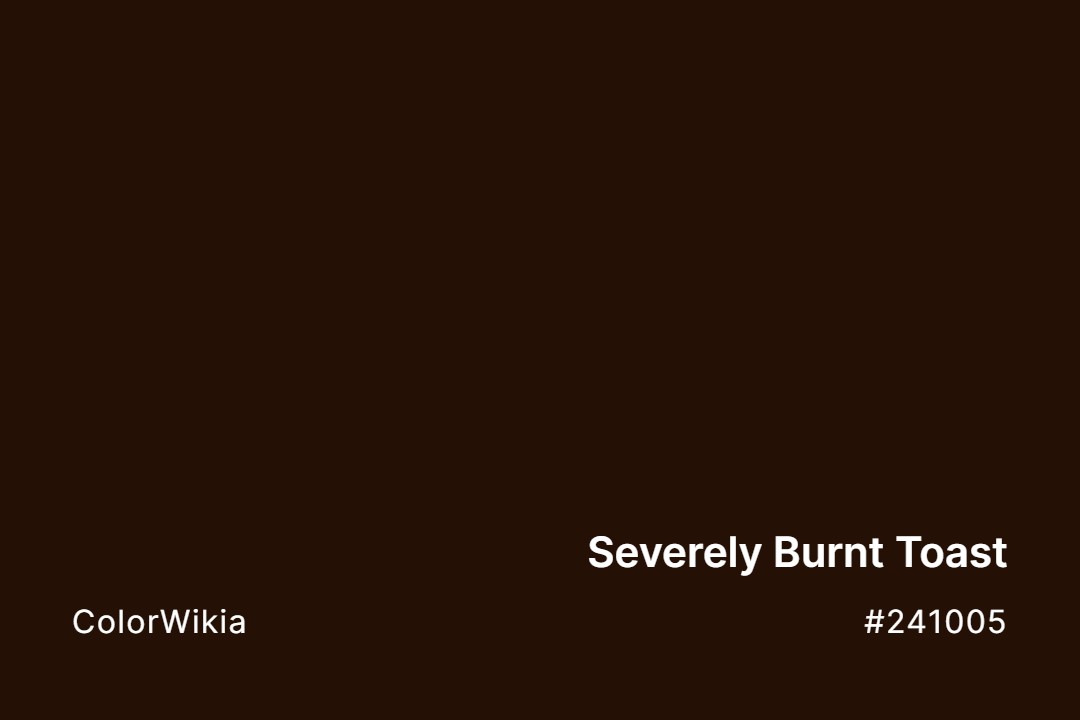
#241005
Severely Burnt Toast
#eee7de
Severe Seal
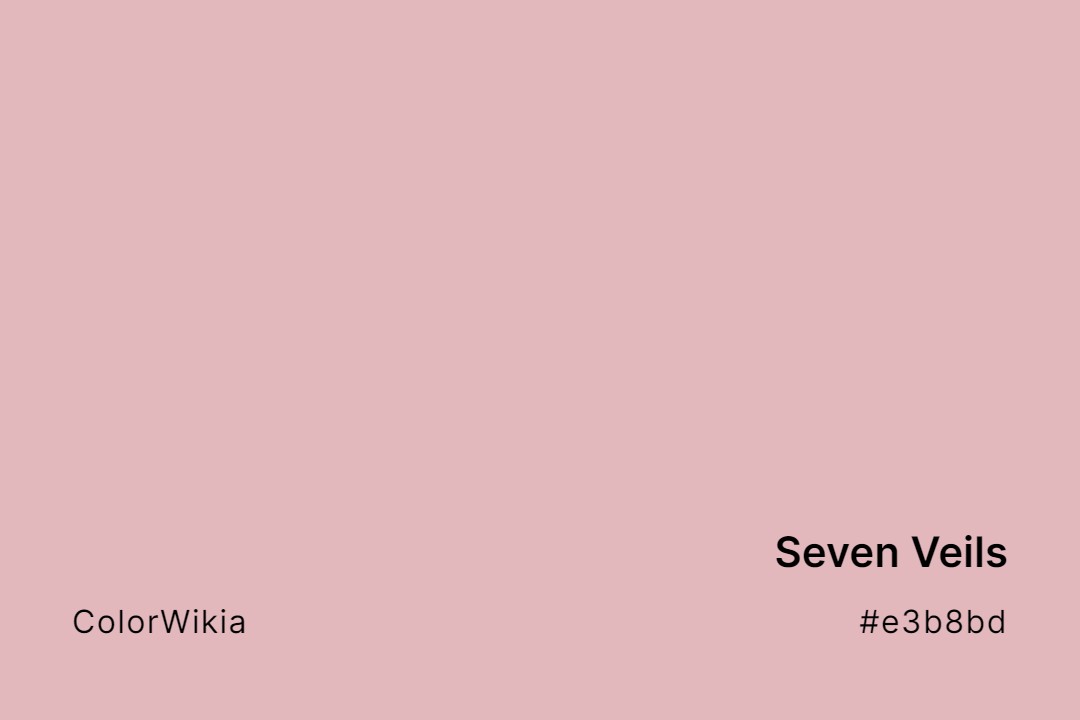
#e3b8bd
Seven Veils
#4a5c6a
Seven Seas
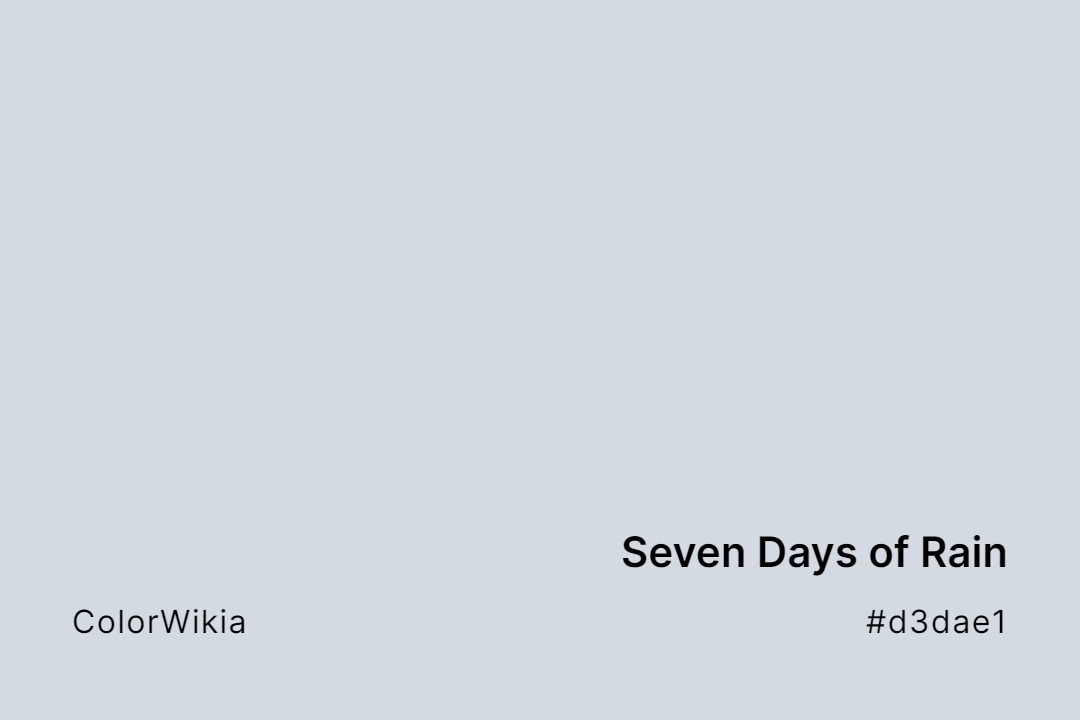
#d3dae1
Seven Days of Rain
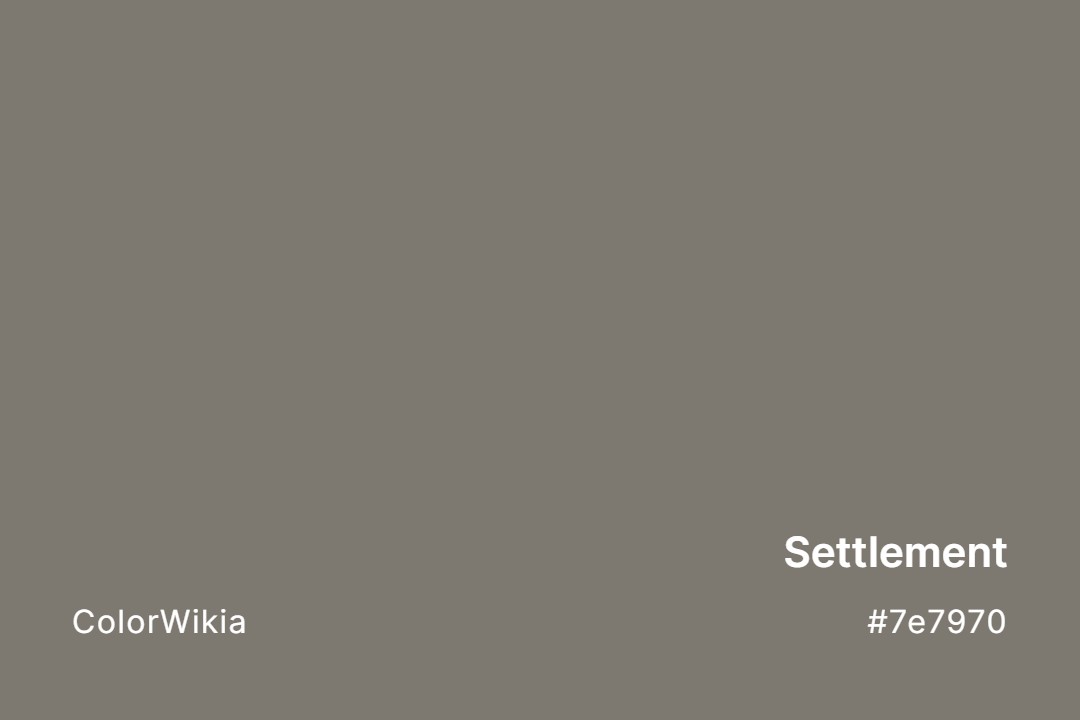
#7e7970
Settlement
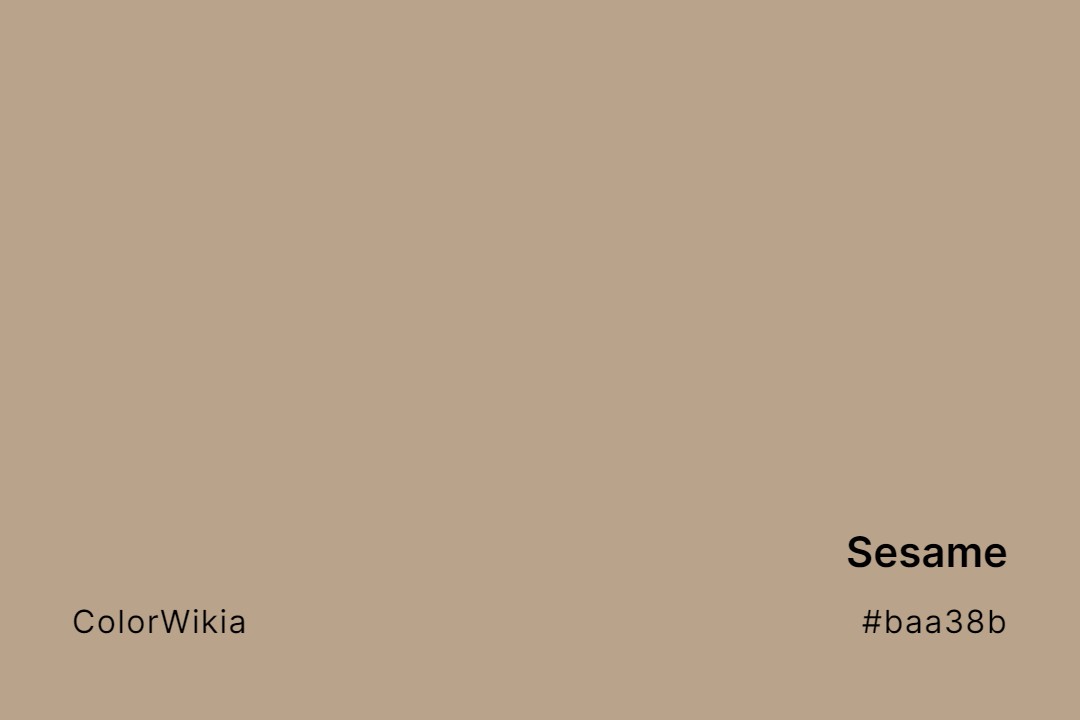
#baa38b
Sesame
#e1d9b8
Sesame Seed
#c26a35
Sesame Crunch
#00a870
Sesame Street Green
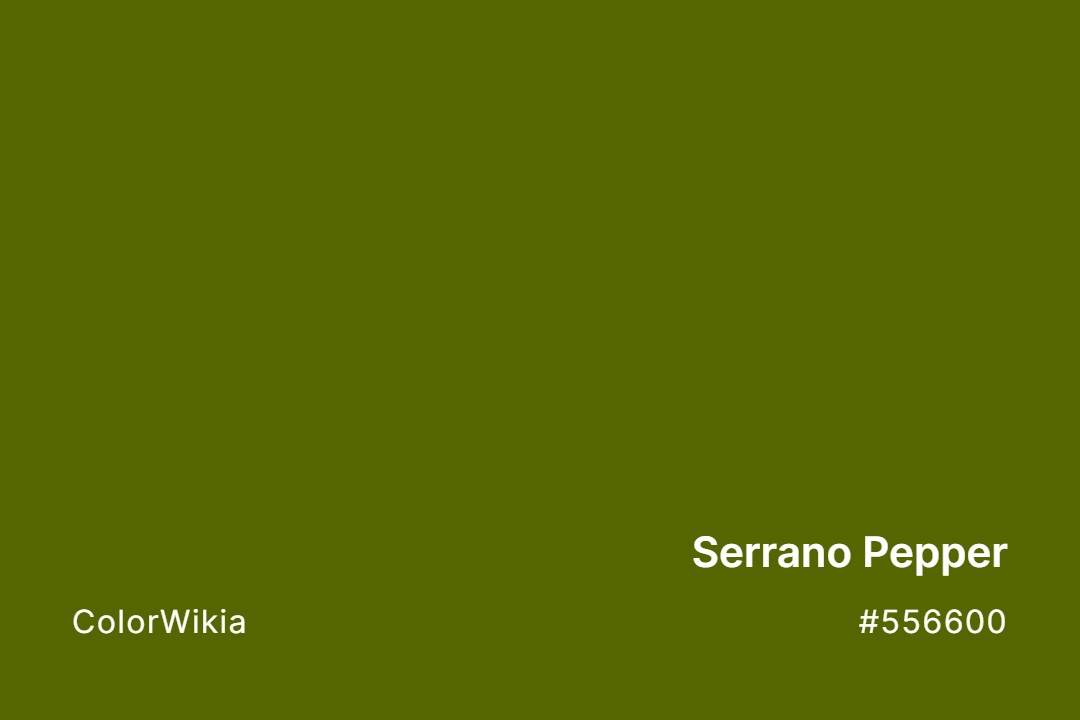
#556600
Serrano Pepper
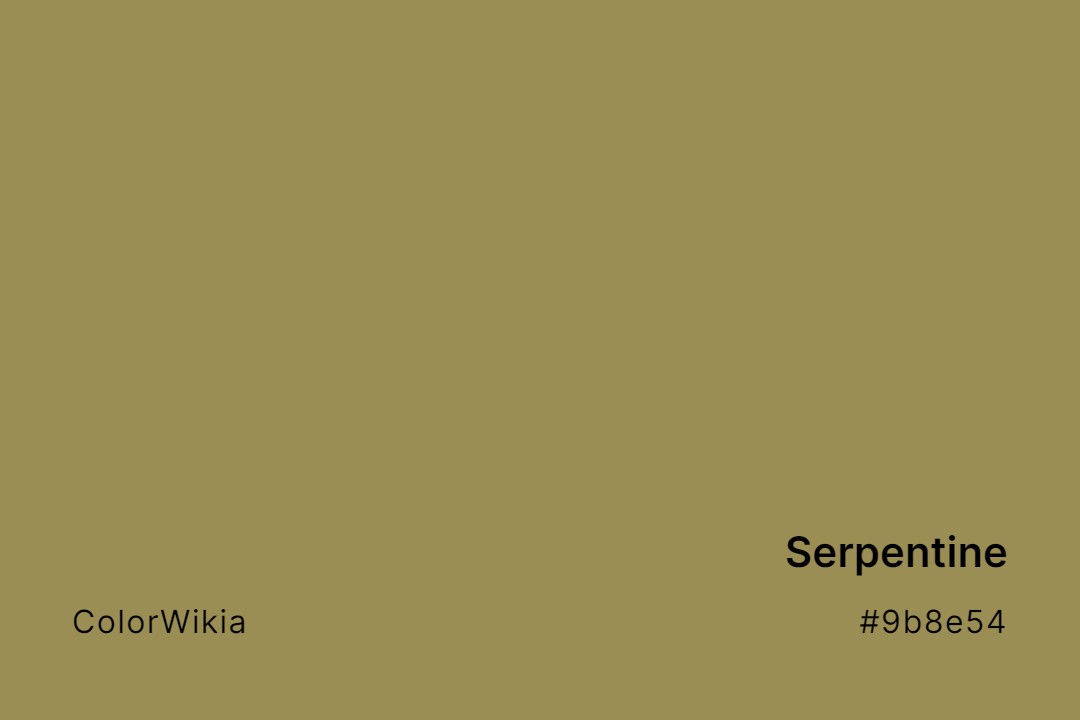
#9b8e54
Serpentine
#003300
Serpentine Shadow
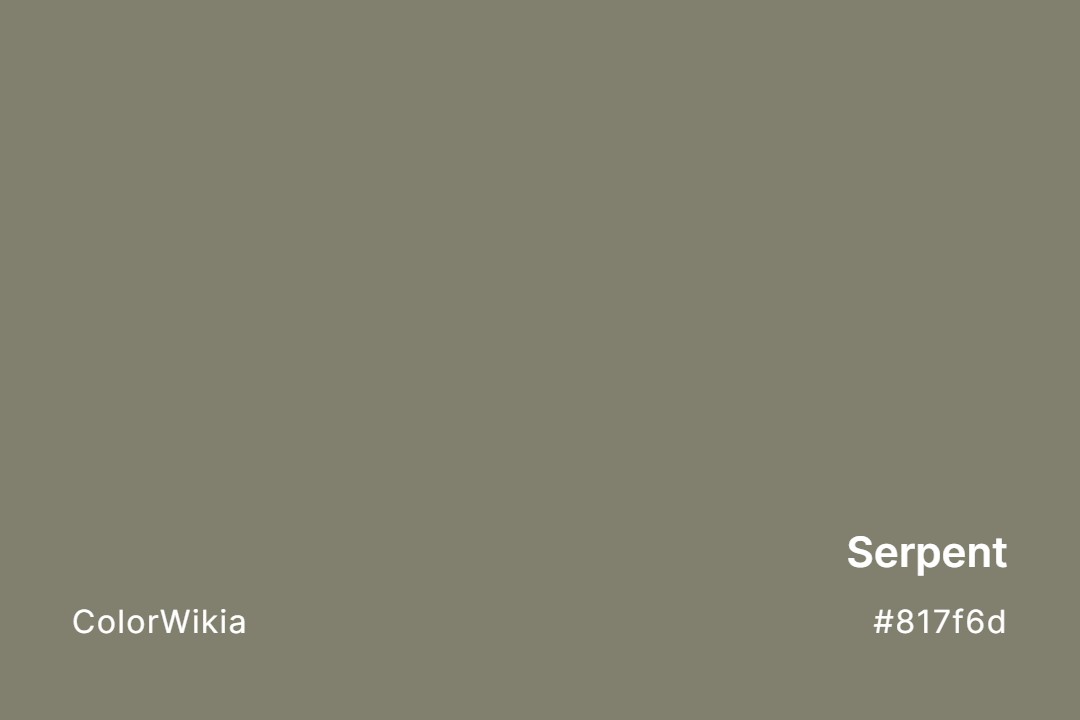
#817f6d
Serpent
#bbcc00
Serpent Scepter
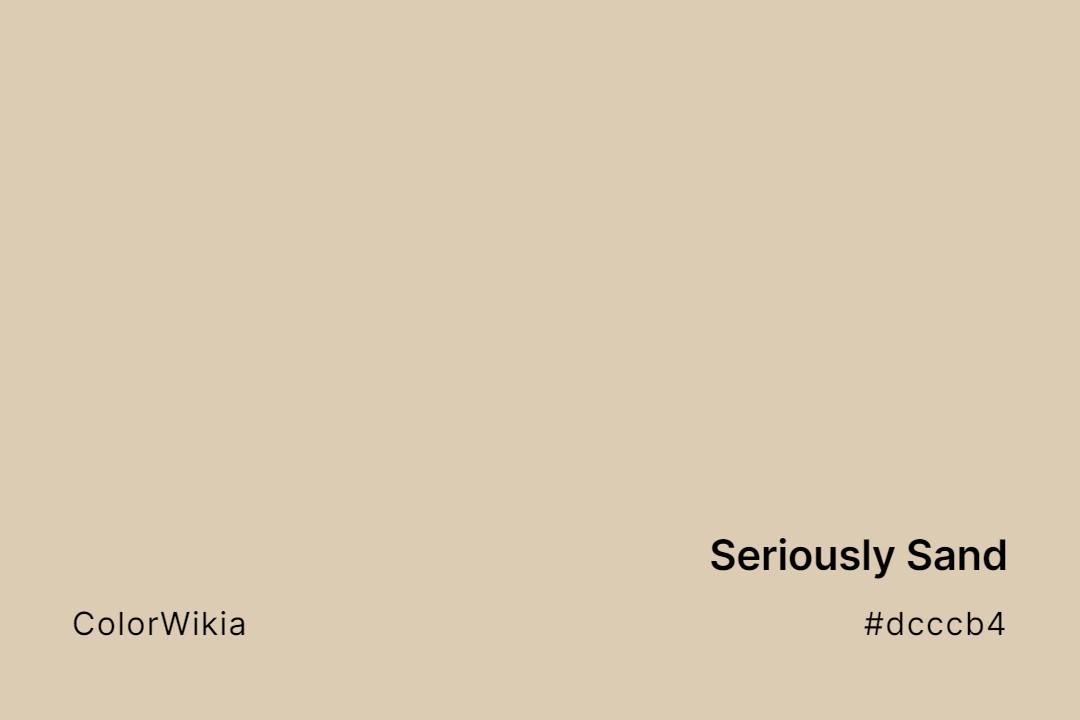
#dcccb4
Seriously Sand
#7d848b
Serious Cloud
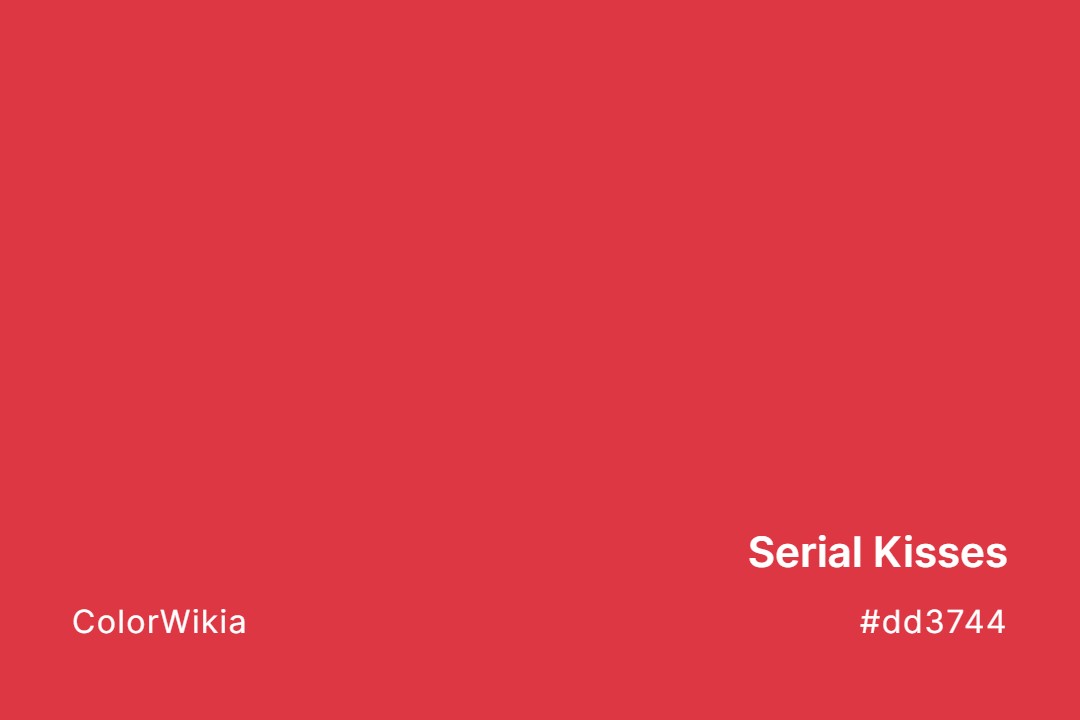
#dd3744
Serial Kisses
#507bce
Serenity’s Reign
#fce7d0
Serengeti Sand
#ab9579
Serengeti Grass
#e7dbc9
Serengeti Dust
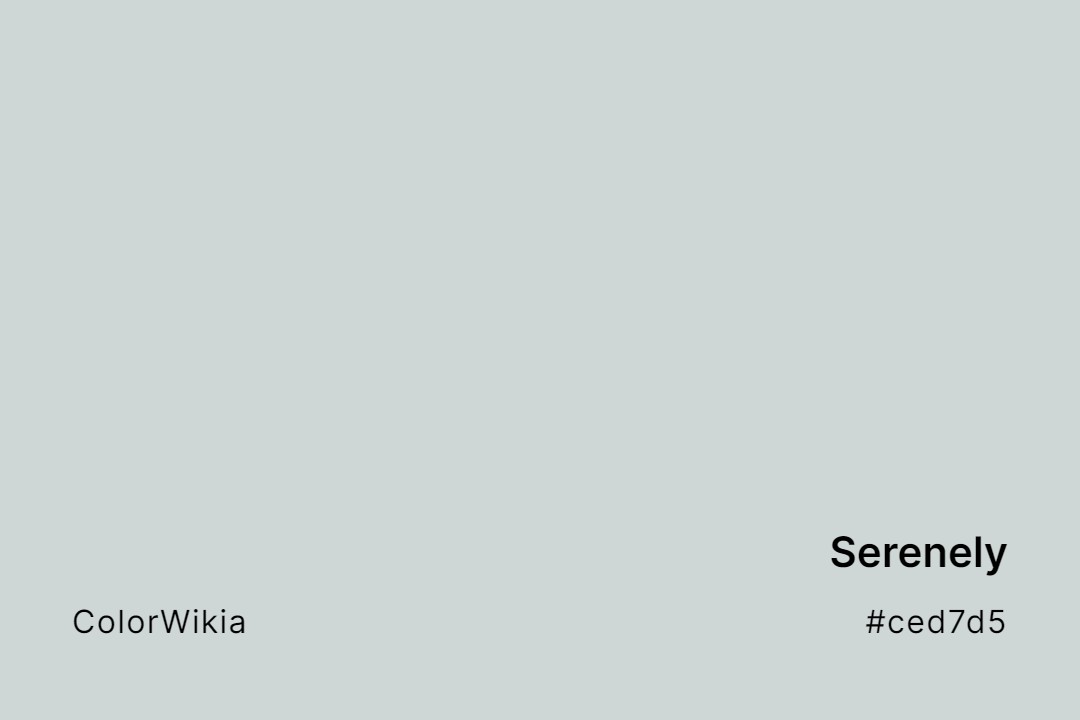
#ced7d5
Serenely
#dce3e4
Serene
#c5c0ac
Serene Thought
#819daa
Serene Stream
#c3e3eb
Serene Sky
#c5d2d9
Serene Setting
#78a7c3
Serene Sea
#d2c880

Serene Scene
#7b9f4b
Serene Sage
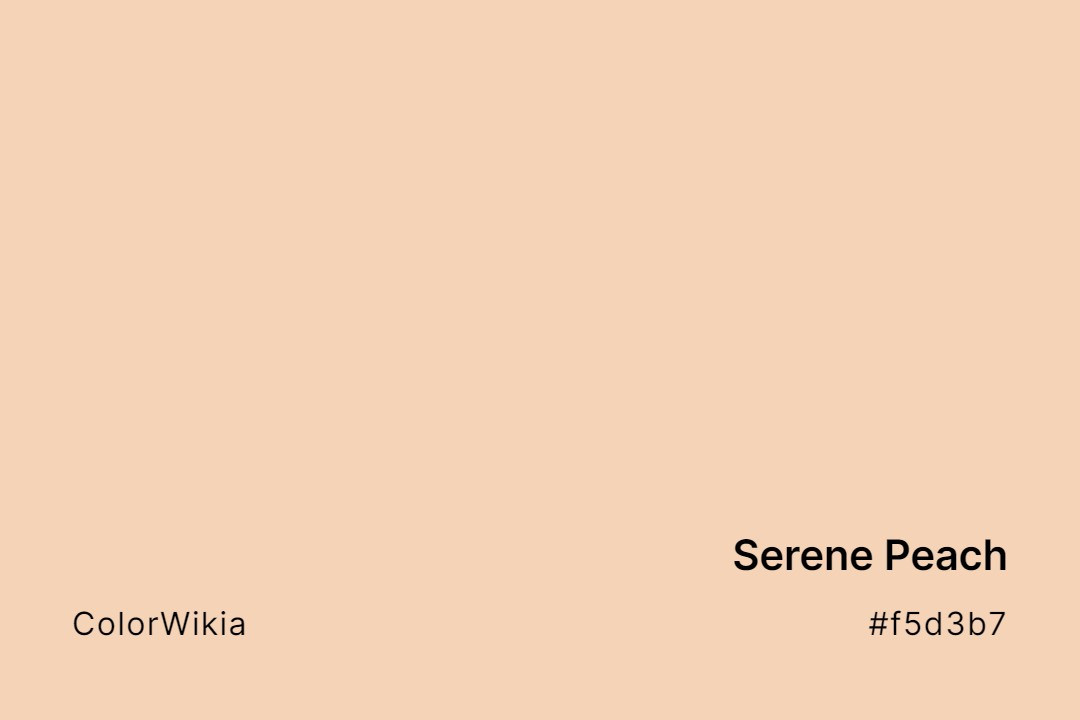
#f5d3b7
Serene Peach
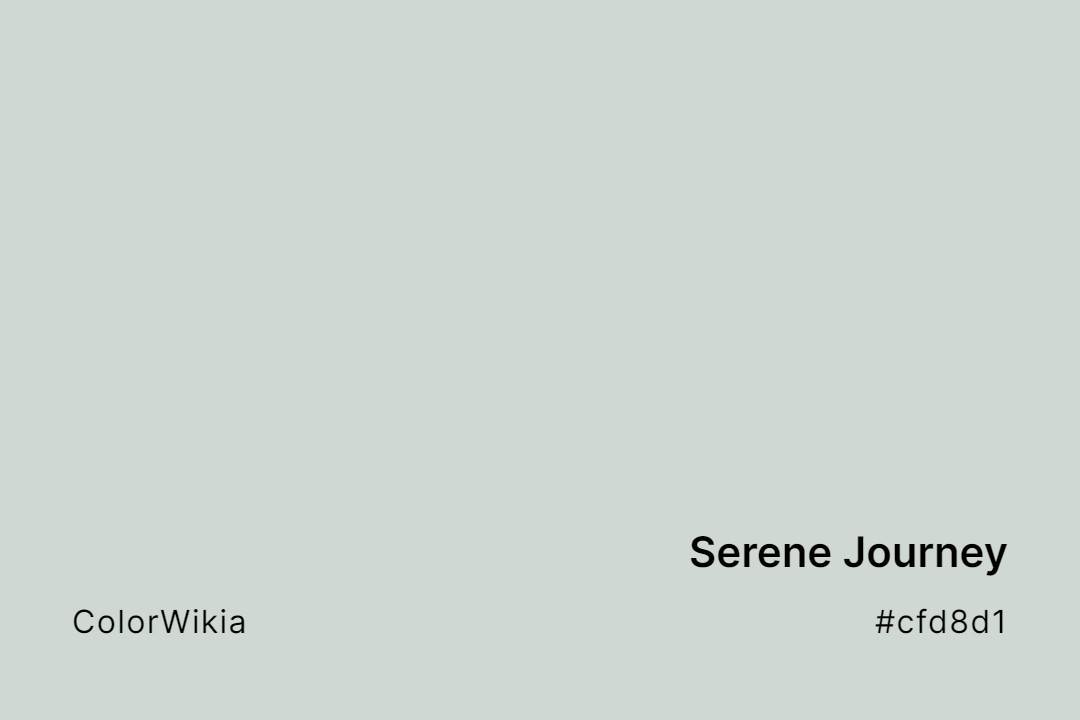
#cfd8d1
Serene Journey
#bdd9d0
Serene Breeze
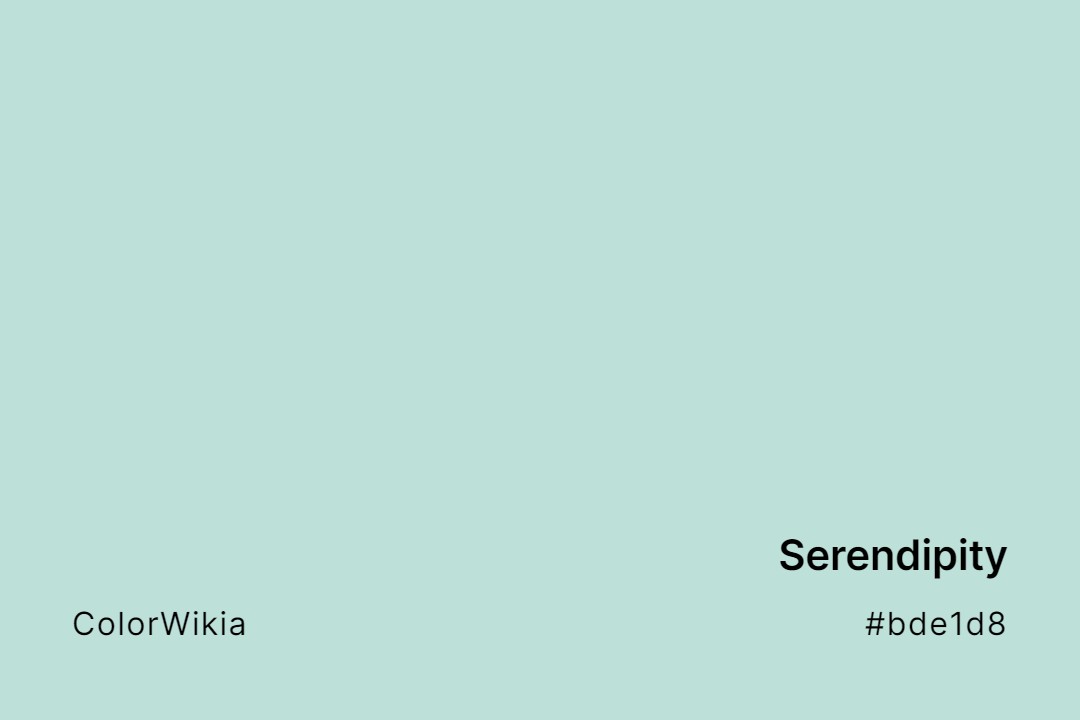
#bde1d8
Serendipity
#fce9d7
Serenade
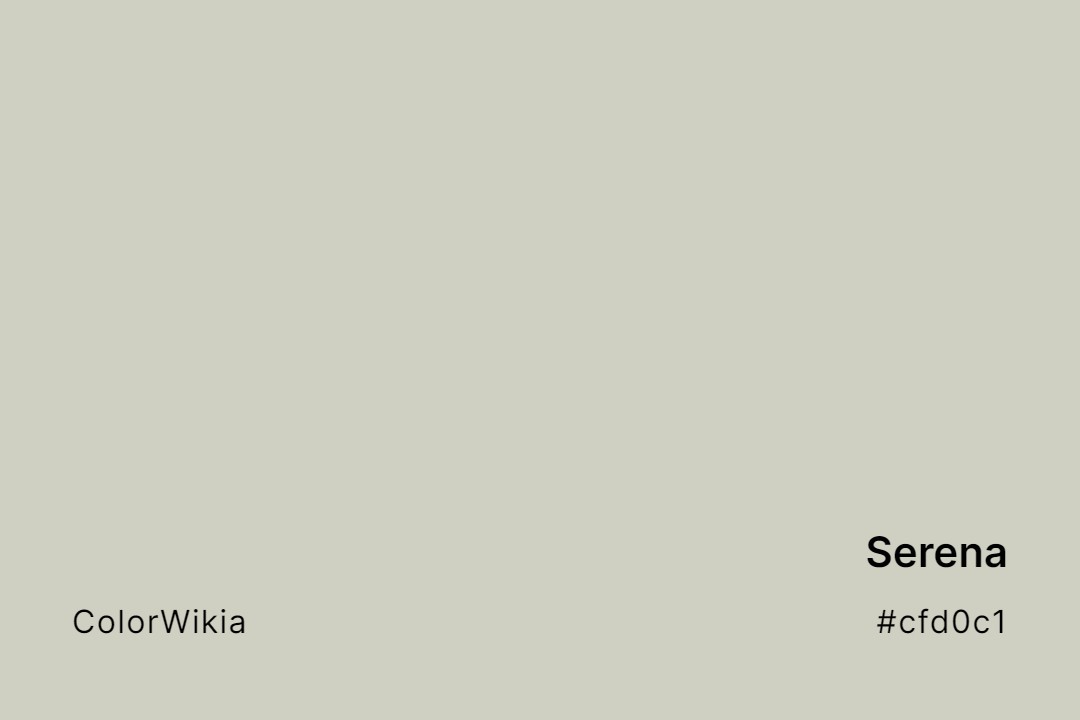
#cfd0c1
Serena
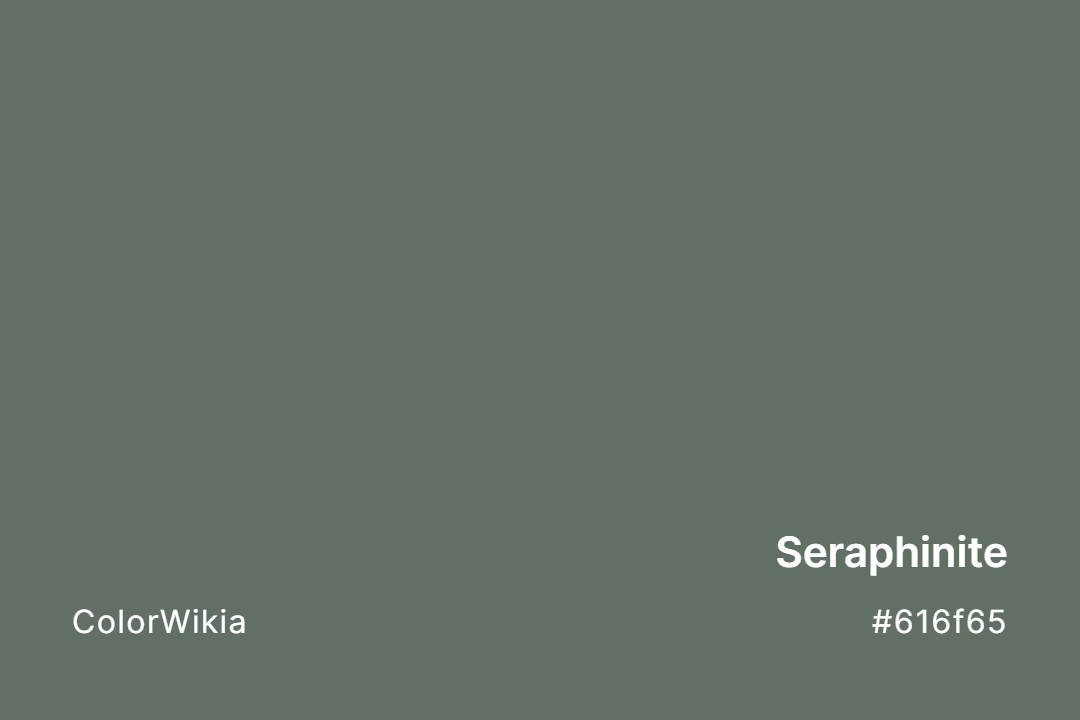
#616f65
Seraphinite
#d7824b
Seraphim Sepia
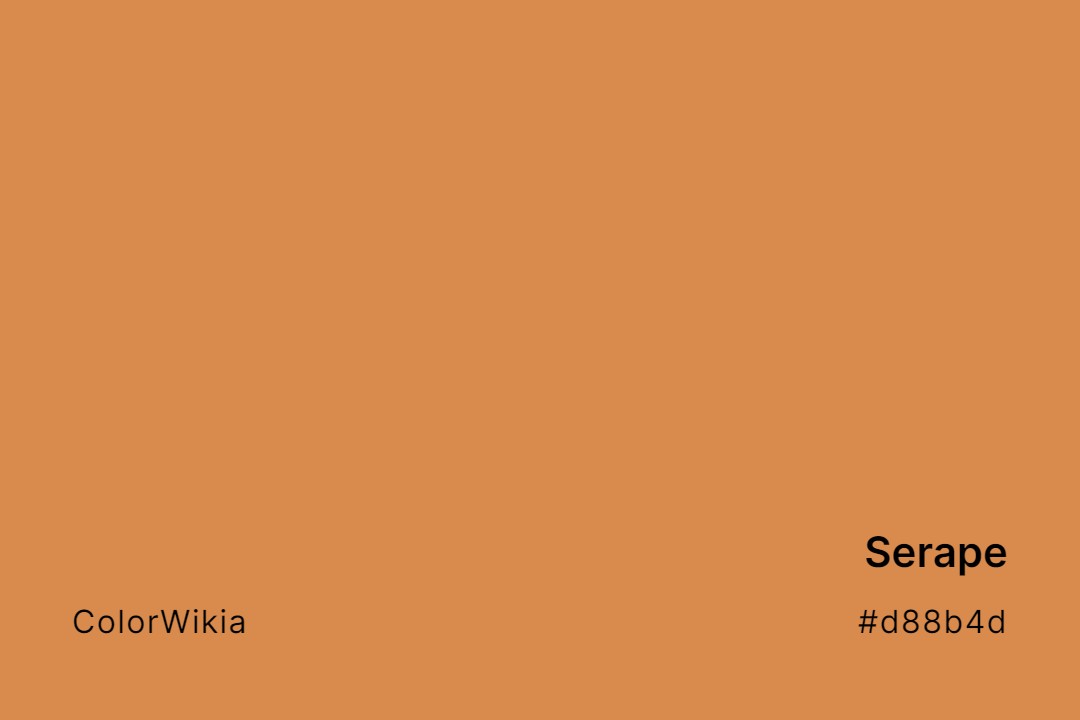
#d88b4d
Serape
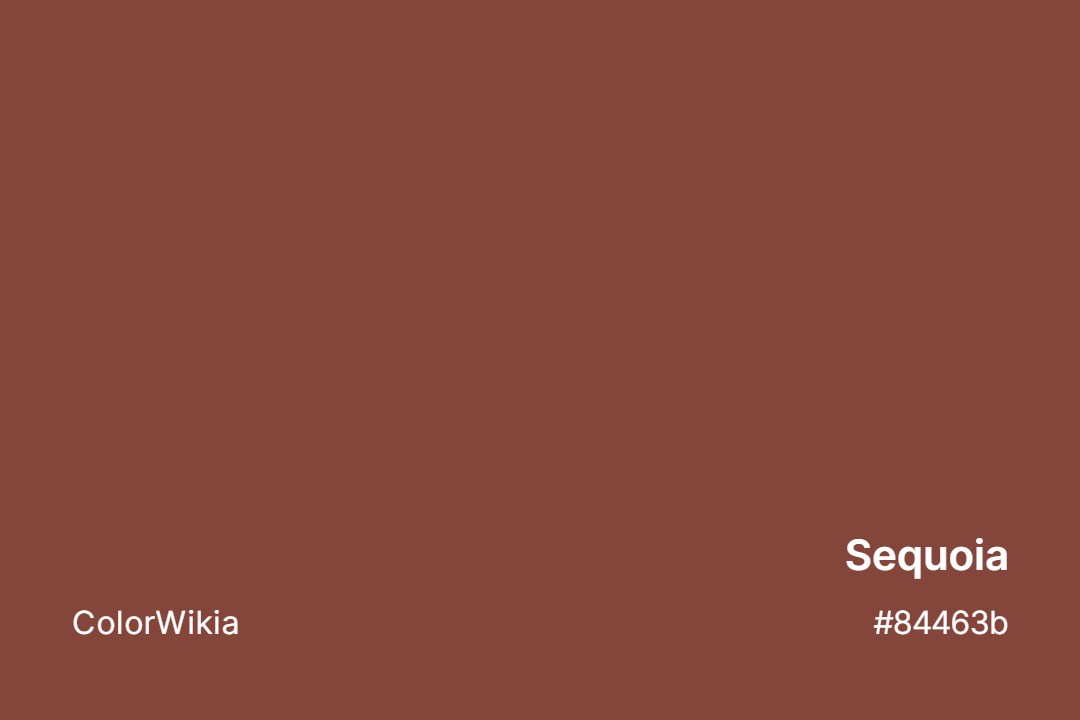
#84463b
Sequoia
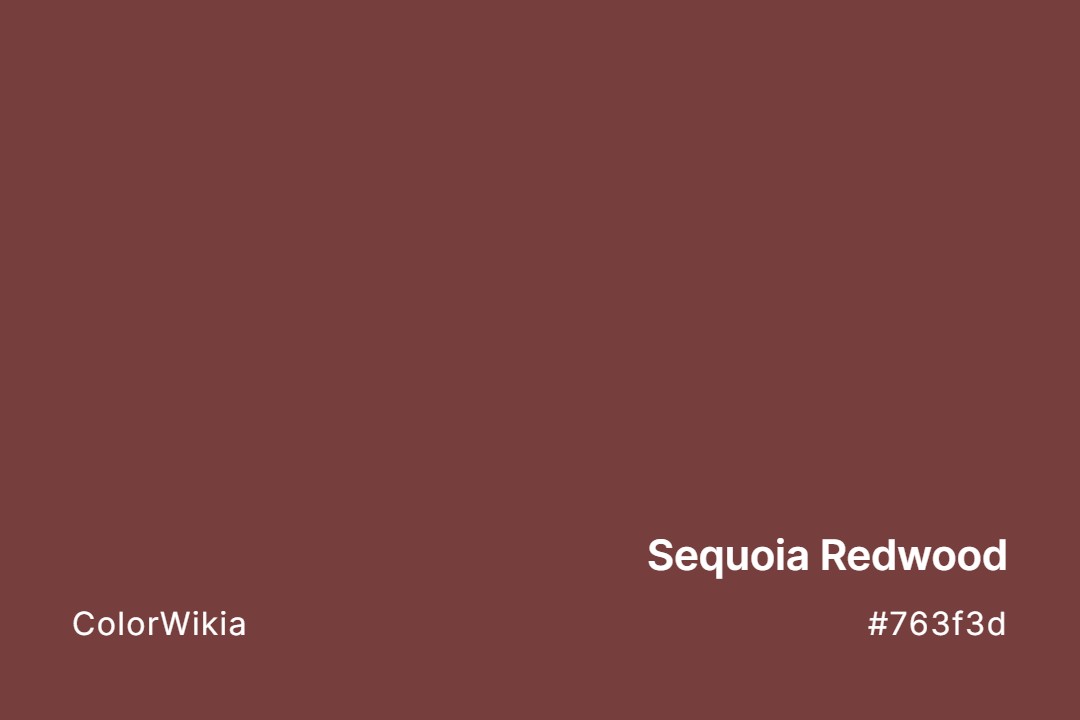
#763f3d
Sequoia Redwood
#506c6b
Sequoia Lake
#935e4e
Sequoia Grove
#c5bbaf
Sequoia Fog
#795953
Sequoia Dusk
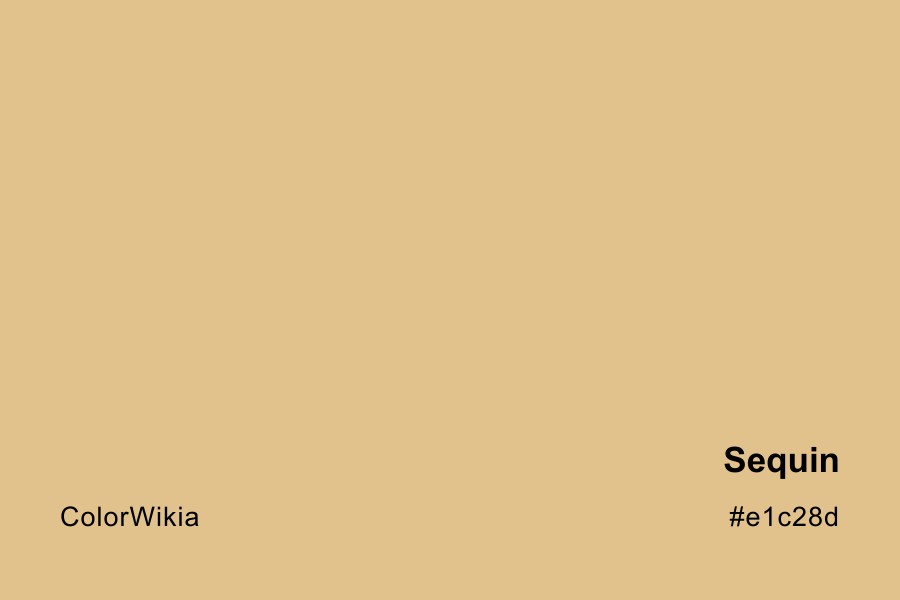
#e1c28d
Sequin
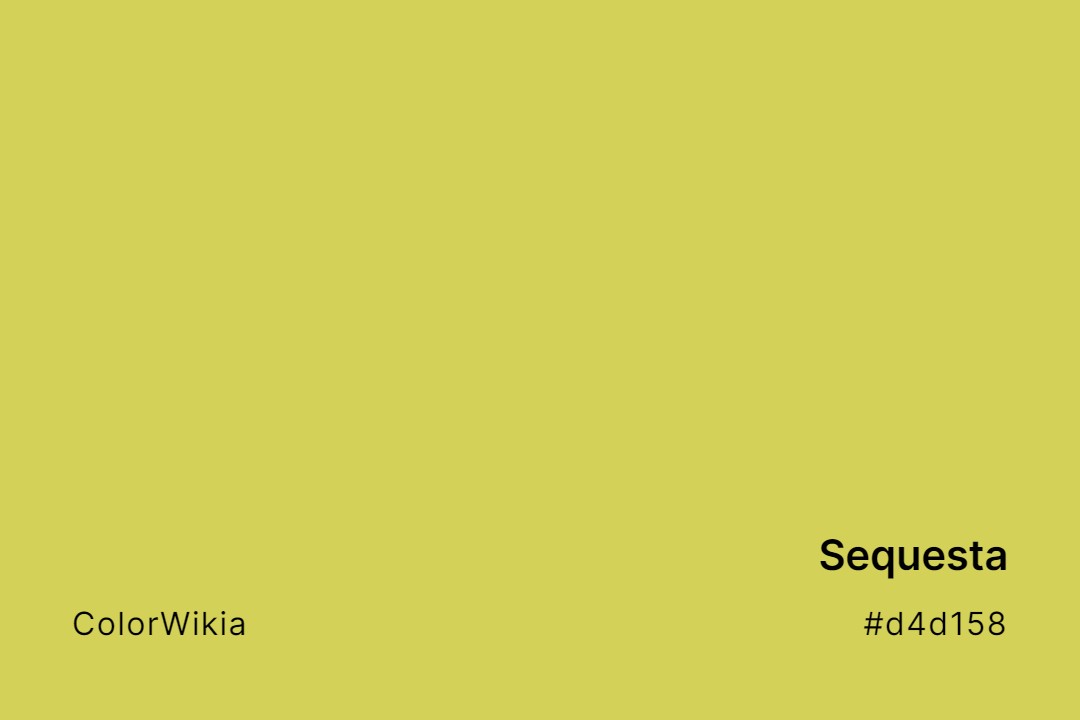
#d4d158
Sequesta
#fdd7a2
September Sun




























The language of color can become confusing because everyday speech and color theory do not always use the word shade in exactly the same way. A page about color shades may describe a whole group of related colors, while the technical definition of a shade refers specifically to a hue made darker with black.
That difference matters when you compare taupe color shades, rust shades, or any other color family. The names people use are practical labels, while color systems provide more precise ways to describe the underlying values.
Understanding the difference between shade, tint, tone, and hue makes it easier to talk about color accurately. It also explains why one named color can have several related variations.
What Is a Color Shade?
In strict color theory, a shade is a hue with black added. Adding black lowers the lightness and produces a darker version of the starting color. A red can move toward burgundy, for example, while a blue can move toward navy.
In everyday language, people use shade more broadly. A search for “different shades of blue” may include lighter, darker, muted, and named variations that are not technically shades under the narrow definition.
That broader usage is common in design, retail, fashion, and online color references. It is also why color shade pages usually cover a family of related colors rather than only mixtures created by adding black.
The distinction is useful because it separates technical color terminology from the way people normally describe color families.
Shade, Tint, Tone, and Hue
These four terms describe different relationships between colors.
- Hue refers to the pure color position itself, such as red, blue, green, or yellow.
- Tint is a hue with white added, producing a lighter version such as pink from red.
- Shade is a hue with black added, producing a darker version such as burgundy from red.
- Tone is a hue with gray added, reducing saturation and muting the color.
The distinctions become useful when you need to describe why two colors look different. A pale blue may be a tint, while a dusty blue may be a tone and a navy blue may be a shade.
These terms can also be used together when discussing a larger color family. A named color may be lighter than the base color, darker than it, or more muted without fitting neatly into one everyday category.
How Digital Color Systems Describe Shades
Digital color systems make these relationships easier to quantify. RGB describes a color by the amount of red, green, and blue light used to create it, while HSL separates the color into hue, saturation, and lightness.
Hex codes provide a compact representation of RGB values. A six-character code such as #DC143C can identify crimson in a digital interface, but the number does not tell you where the color name originally came from or whether a physical pigment uses the same formulation.
In HSL, reducing lightness while holding hue and saturation constant moves a color toward a darker digital version. Raising lightness moves it toward a lighter version, while reducing saturation creates a more muted result.
This distinction is important when working with digital color. A color name can provide a useful visual reference, but a hex code gives you a specific digital value.
How Color Shade Names Develop
Color names often come from things people recognize. Taupe refers to the mole, while rust takes its name from corroded iron. Other names come from materials or places, including copper, terracotta, mahogany, sienna, and umber.
Language can preserve those histories even after a color becomes a digital swatch. Khaki color shades provide another example because the word traces back to a Hindustani term connected with dust and earth.
Commercial color naming adds another layer. Paint makers, textile companies, standards groups, and digital platforms may assign different names to closely related colors, so one shade does not always have one universal label.
This is one reason color names can feel inconsistent. A name can describe a recognizable visual family without pointing to one universal digital value.
Color Standards and Shade Codes
Professional color systems exist because names alone are too vague for precise reproduction. The Pantone Matching System assigns numbered references to color formulations, while systems such as Munsell describe colors using hue, value, and chroma.
The Natural Color System uses a different framework based on color perception. These systems serve different purposes, but they share the same practical goal. A numeric reference can communicate more precisely than a word such as “blue” or “green.”
That is also why a page listing color codes should distinguish between a named color, a standardized reference, and an ordinary digital hex value.
A hex code is useful for digital work, but it should not automatically be treated as a universal definition of a named color. The context behind the color reference matters.
Major Color Families and Their Shades
Every broad color family branches into many named variations. The examples below show how familiar shade names sit within larger groups.
| Color Family | Popular Shade | Hex Code |
| Red | Crimson | #DC143C |
| Blue | Navy | #000080 |
| Green | Forest Green | #228B22 |
| Yellow | Gold | #FFD700 |
| Purple | Indigo | #4B0082 |
| Orange | Coral | #FF7F50 |
| Brown | Tan | #D2B48C |
Warm families such as orange and brown include earthy variations such as rust, terracotta, and chocolate. Blue and green branch into names such as navy, teal, forest, and olive.
Neutral families work differently because their boundaries are less obvious. Beige, gray, taupe, and related colors can overlap substantially depending on saturation, lightness, and undertone.
Why named colors can overlap
A useful color family is not always a strict technical category. Two colors can look very similar while carrying different names because the names come from different materials, places, industries, or traditions.
For practical design work, it is often more useful to compare the actual color values than to rely on the name alone.
Frequently Asked Questions
What is the difference between a shade and a tint?
A shade is a darker version created by adding black, while a tint is a lighter version created by adding white.
Is a tone the same as a shade?
No. A tone adds gray and reduces saturation, while a shade adds black and darkens the original hue.
Why does one color have so many shade names?
Different industries, standards groups, companies, and cultures develop names independently. Closely related colors can therefore receive several labels.
How many shades of a color are there?
There is no fixed limit. Digital systems can generate very large numbers of distinct values, while named shades depend on the terms that become widely recognized or useful.