
30,000+ Shades of Color with Names and HEX Code
Explore unique color shades for your website, brand or any project.
#bfac8b

Olive Gold
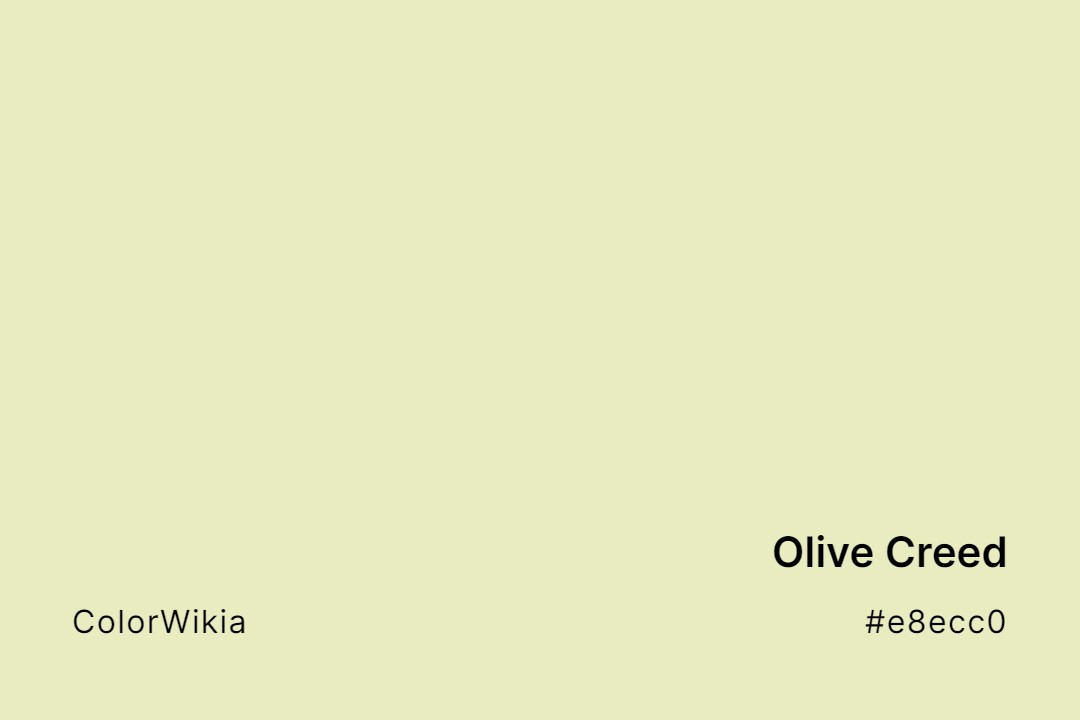
#e8ecc0
Olive Creed
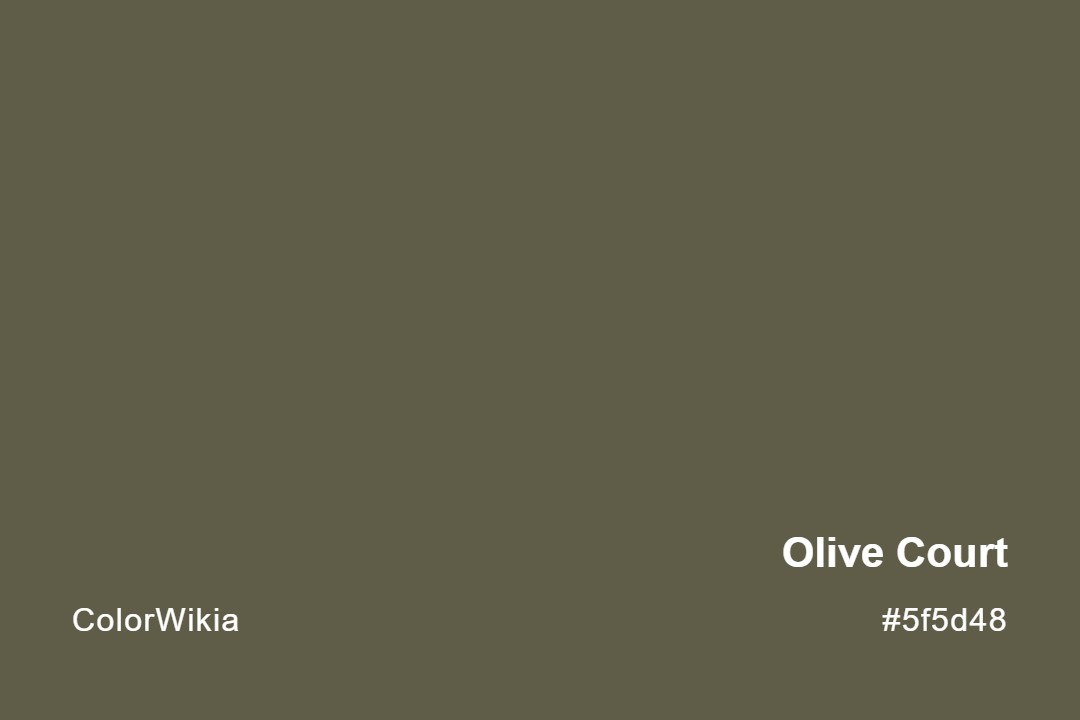
#5f5d48
Olive Court
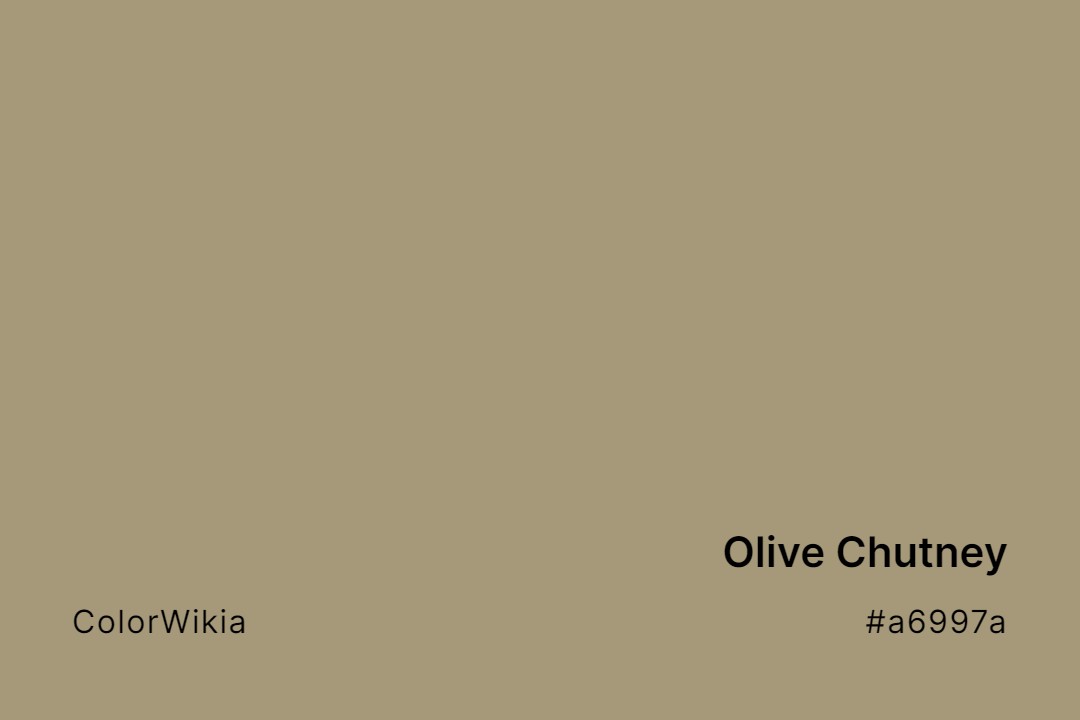
#a6997a
Olive Chutney
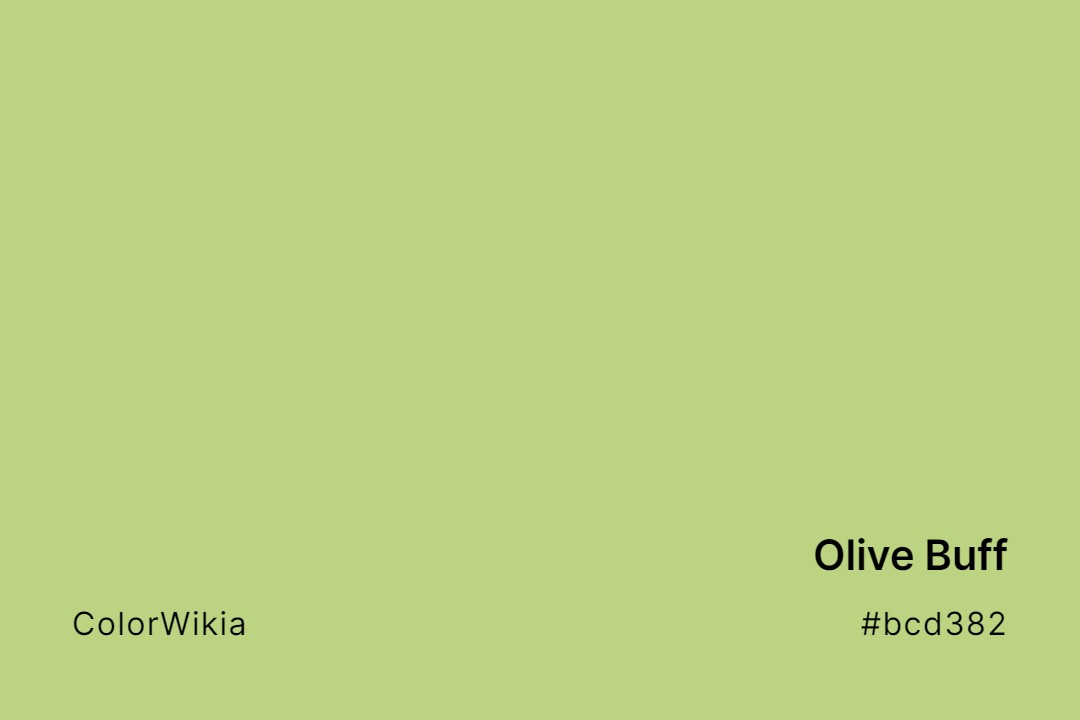
#bcd382
Olive Buff
#645403
Olive Brown
#c3bebb
Olive Bread
#646a45
Olive Branch
#5f5537

Olive Bark
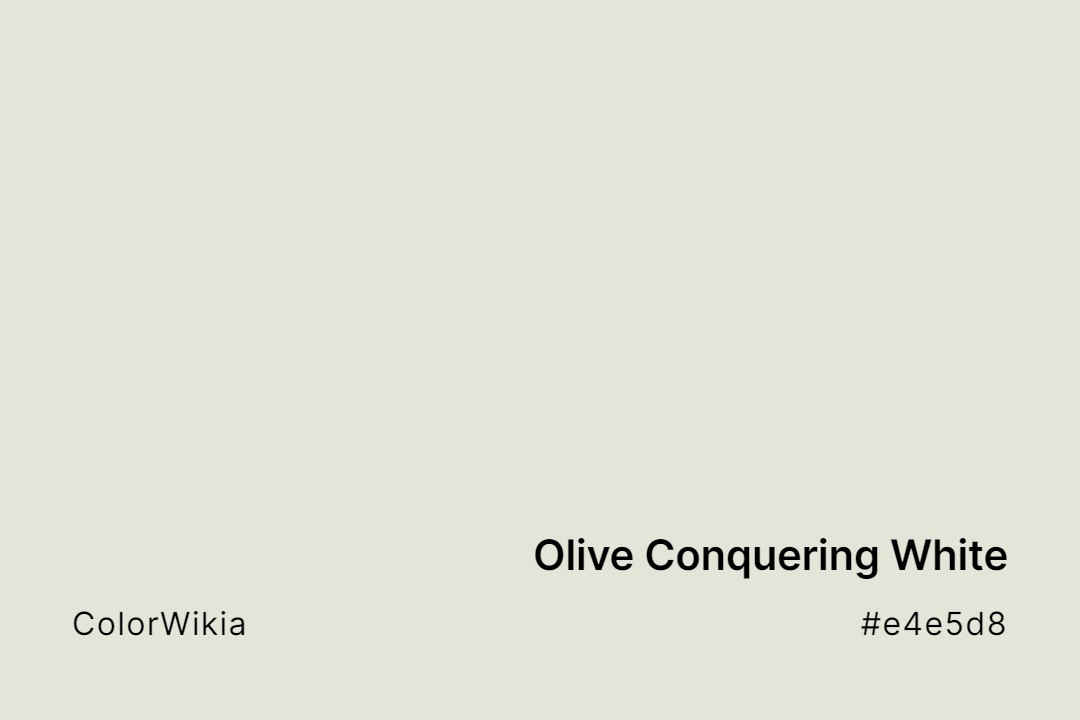
#e4e5d8
Olive Conquering White
#78866b
Olive Leaf Tea
#6e592c
Olivary
#665439
Oliva Oscuro
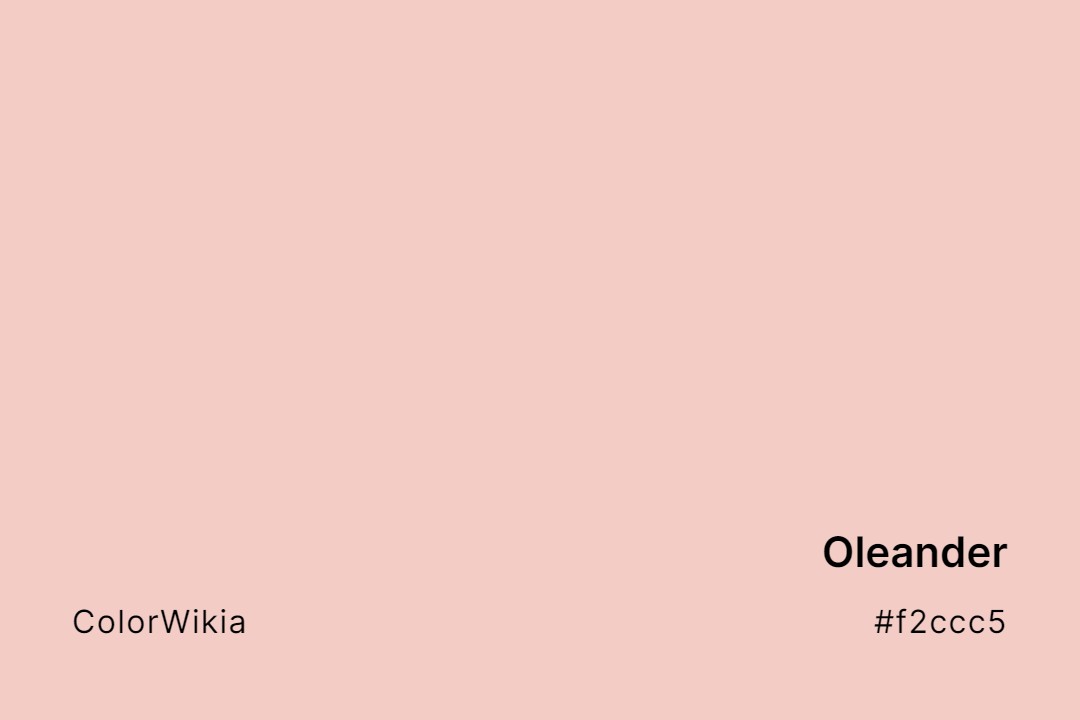
#f2ccc5
Oleander
#f85898
Oleander Pink
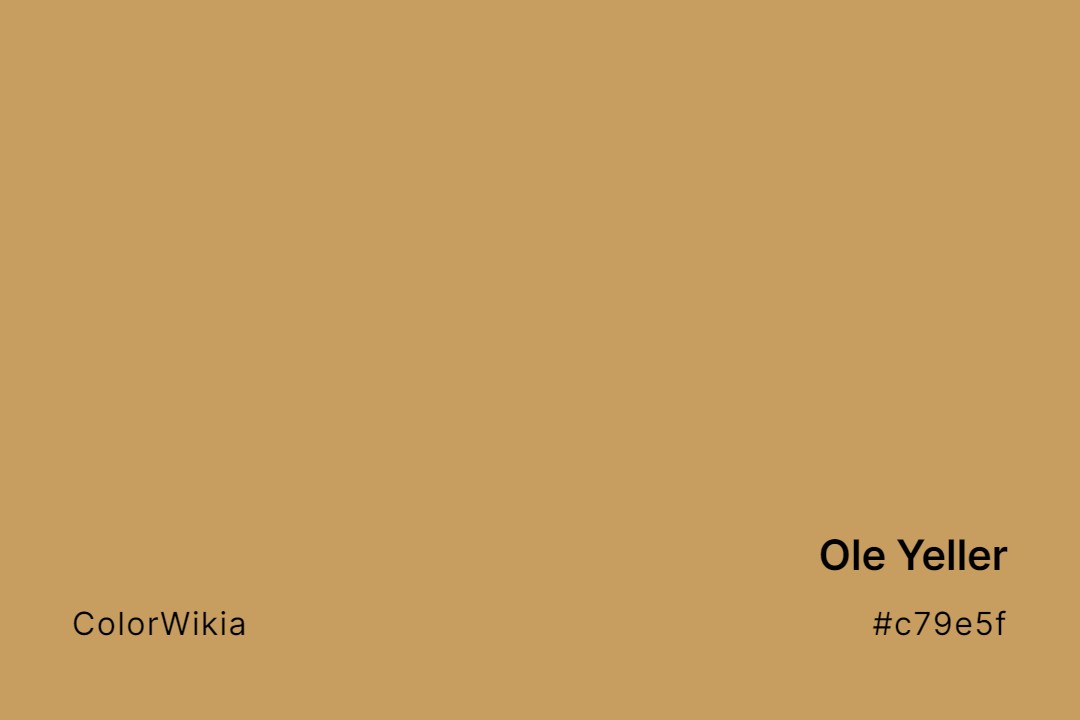
#c79e5f
Ole Yeller
#eeb76b
Olden Amber
#8f6c3e
Olde World Gold
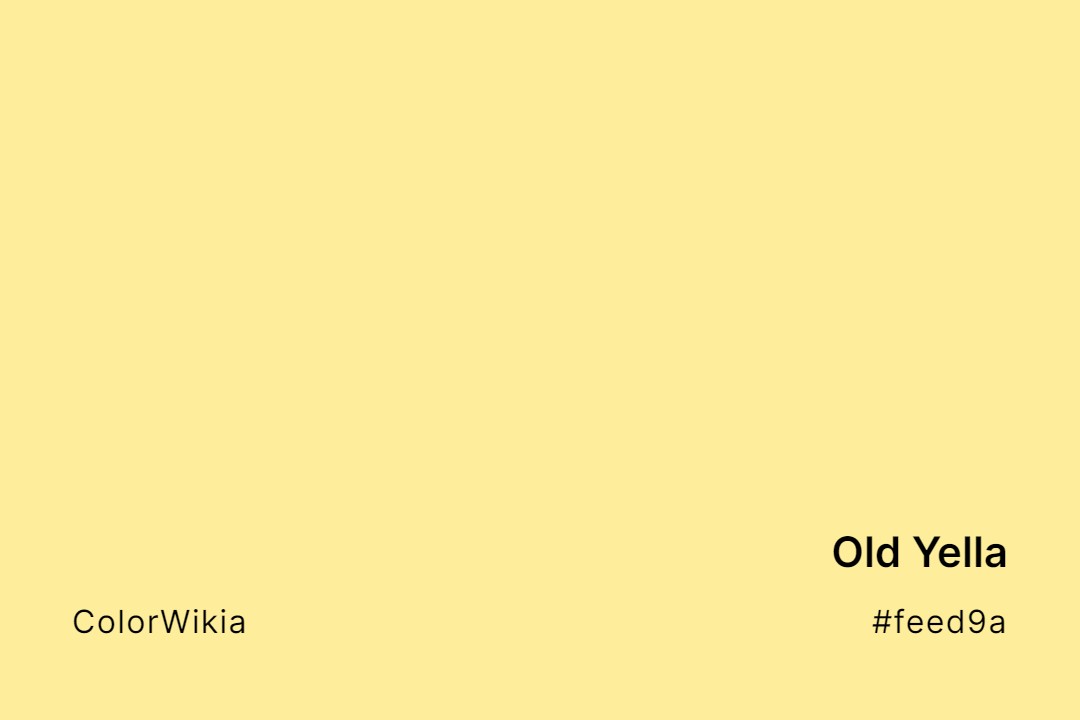
#feed9a
Old Yella
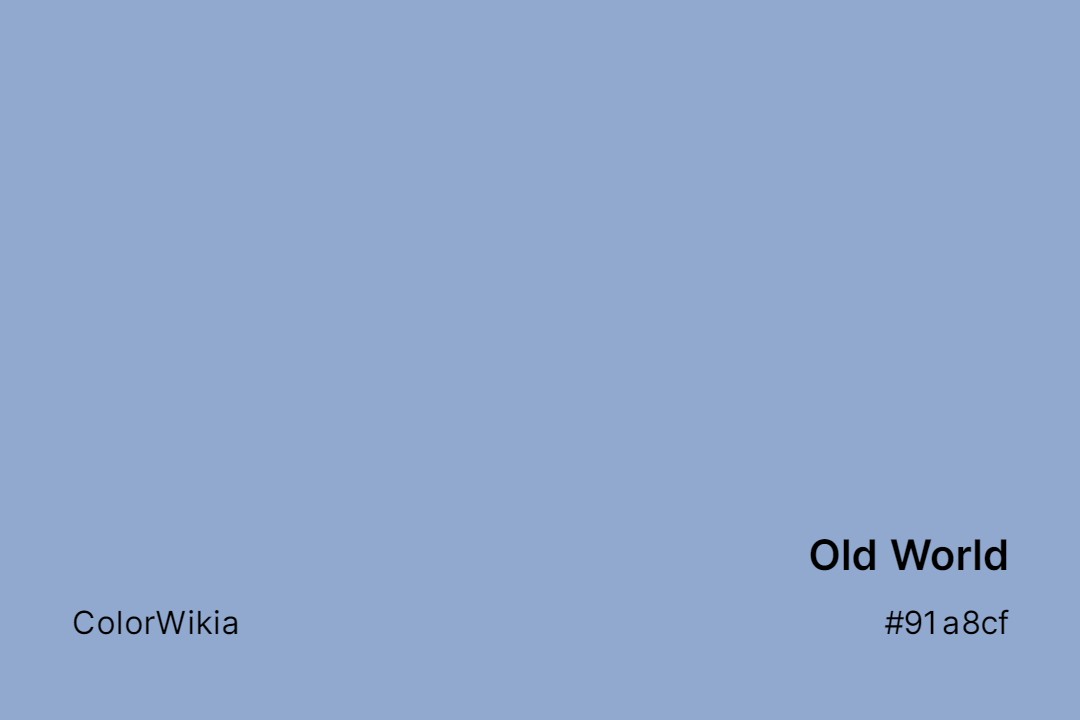
#91a8cf
Old World
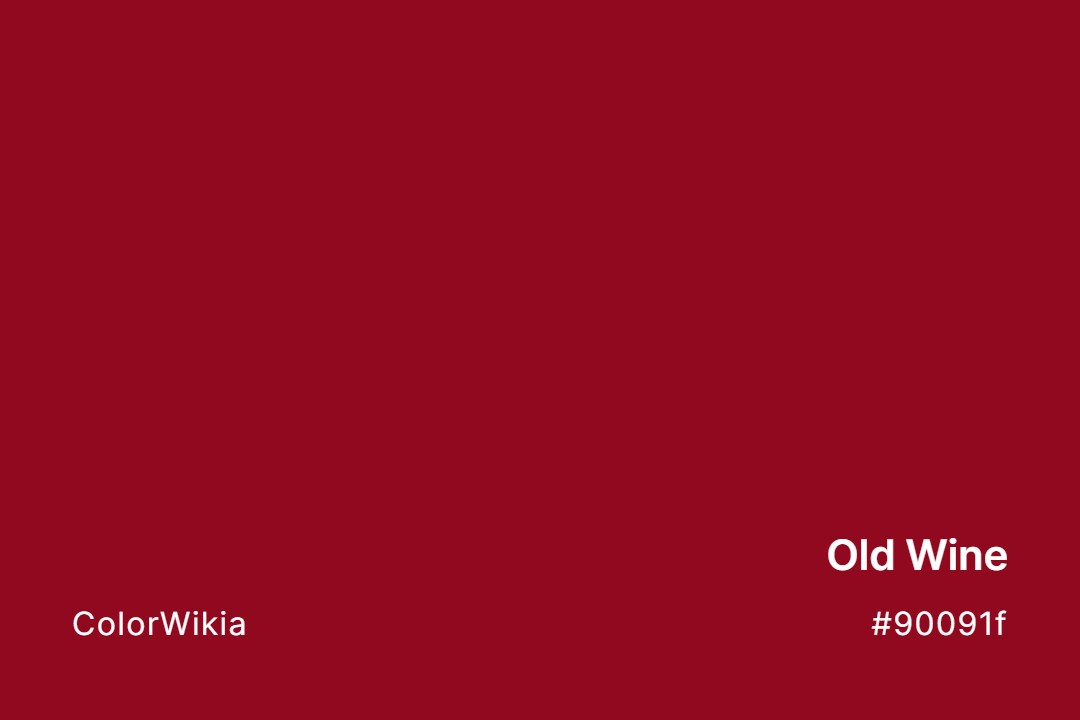
#90091f
Old Wine
#ddaa55
Old Whiskey
#687760
Old Vine
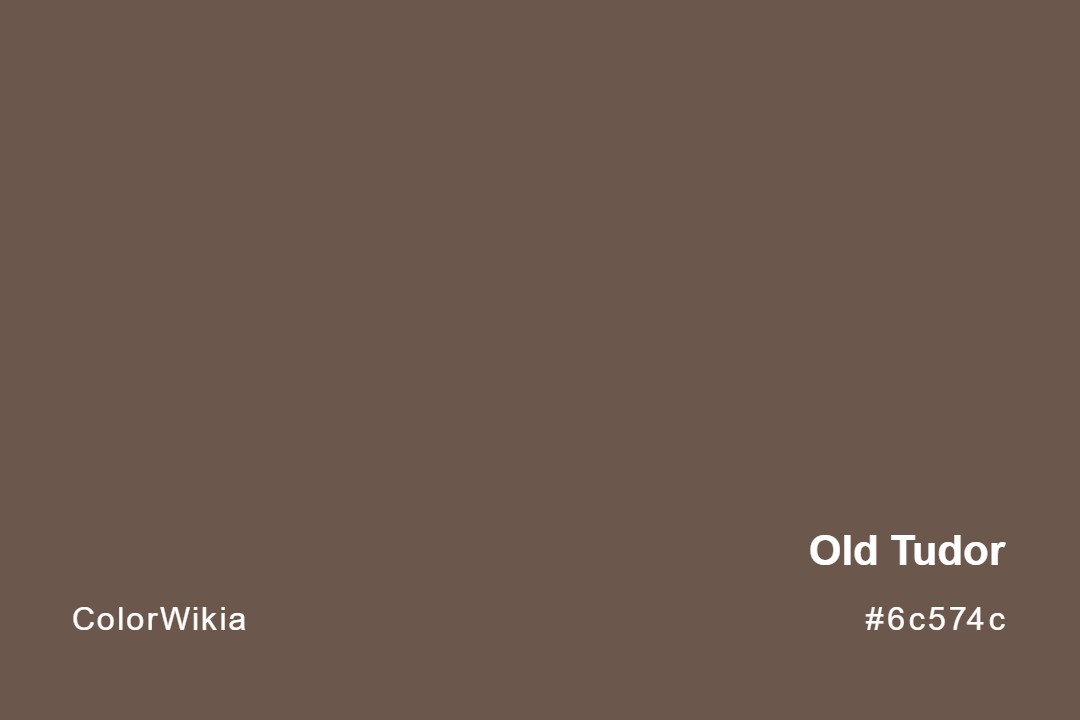
#6c574c
Old Tudor
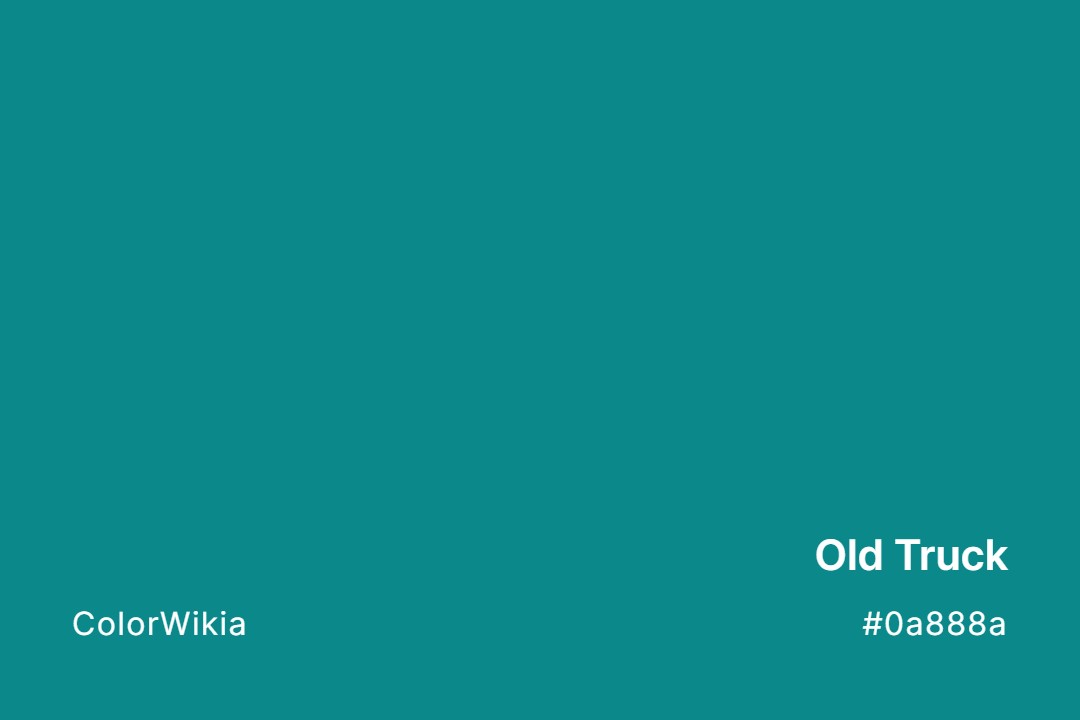
#0a888a
Old Truck
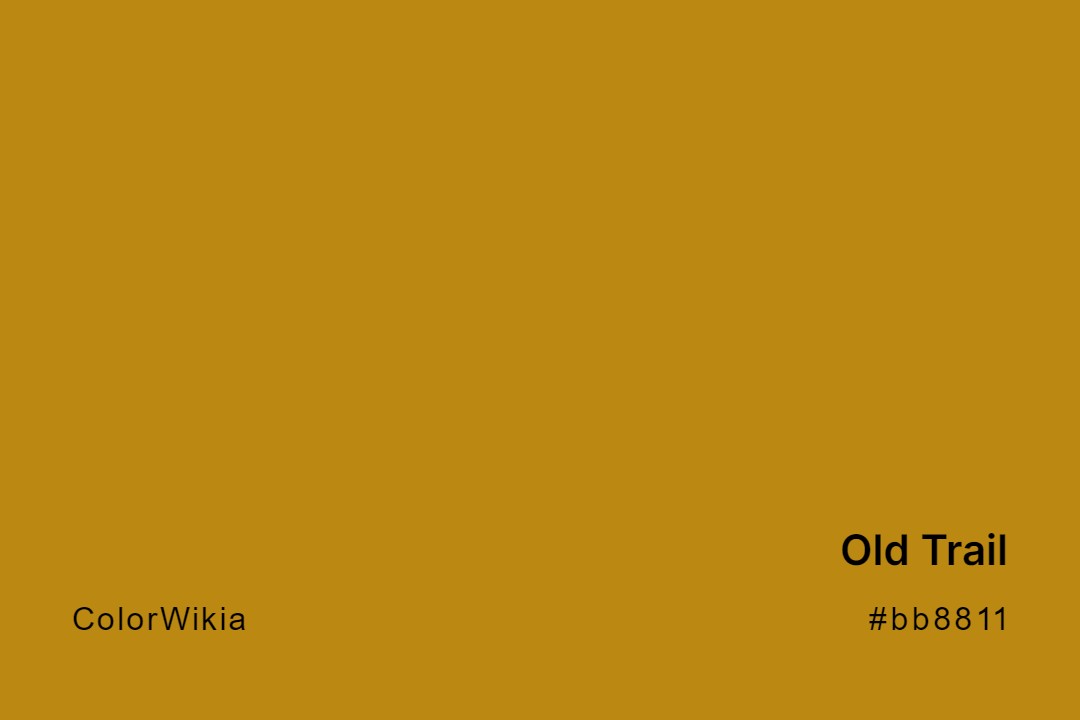
#bb8811
Old Trail
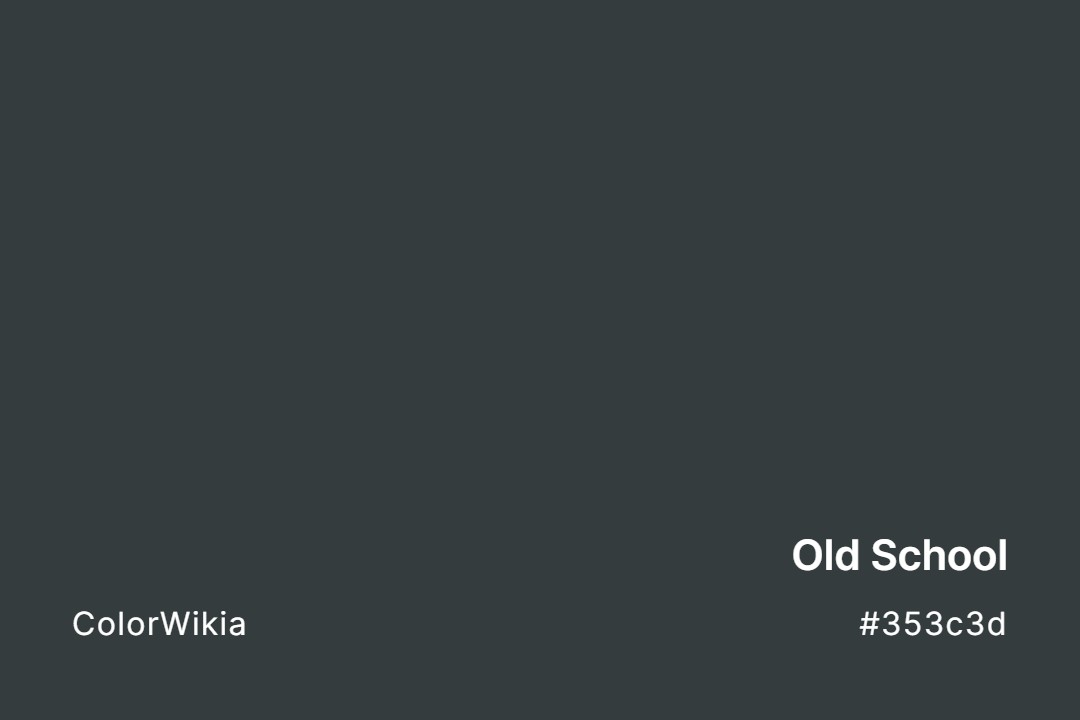
#353c3d
Old School
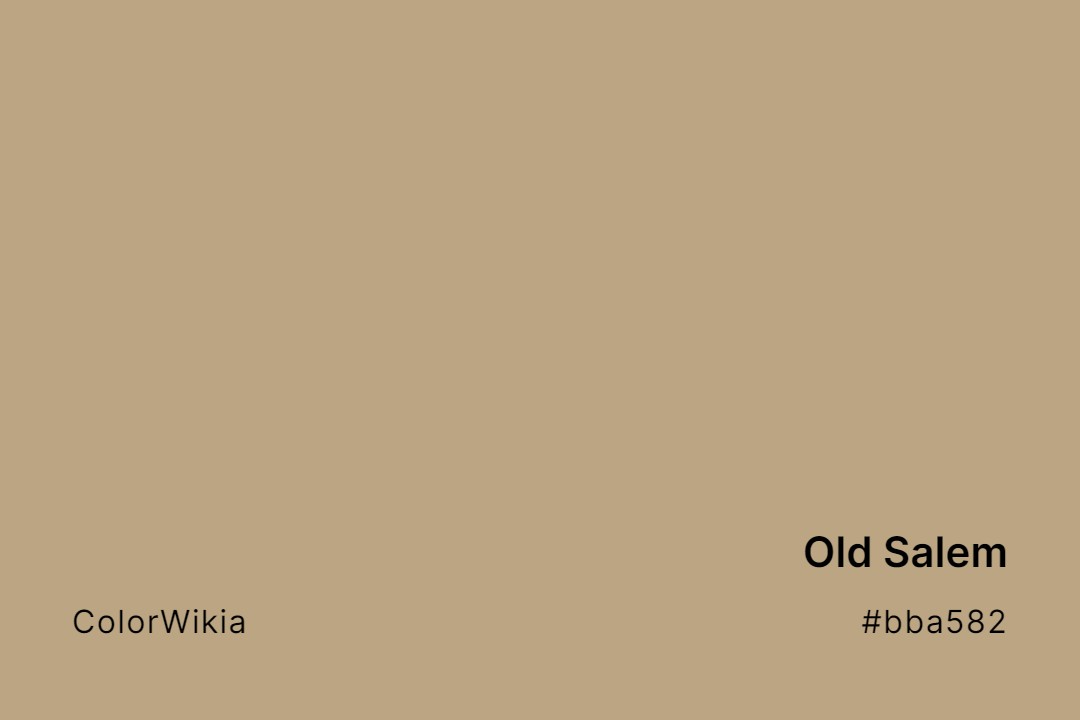
#bba582
Old Salem
#917b53
Old Ruin
#c08081
Old Rose
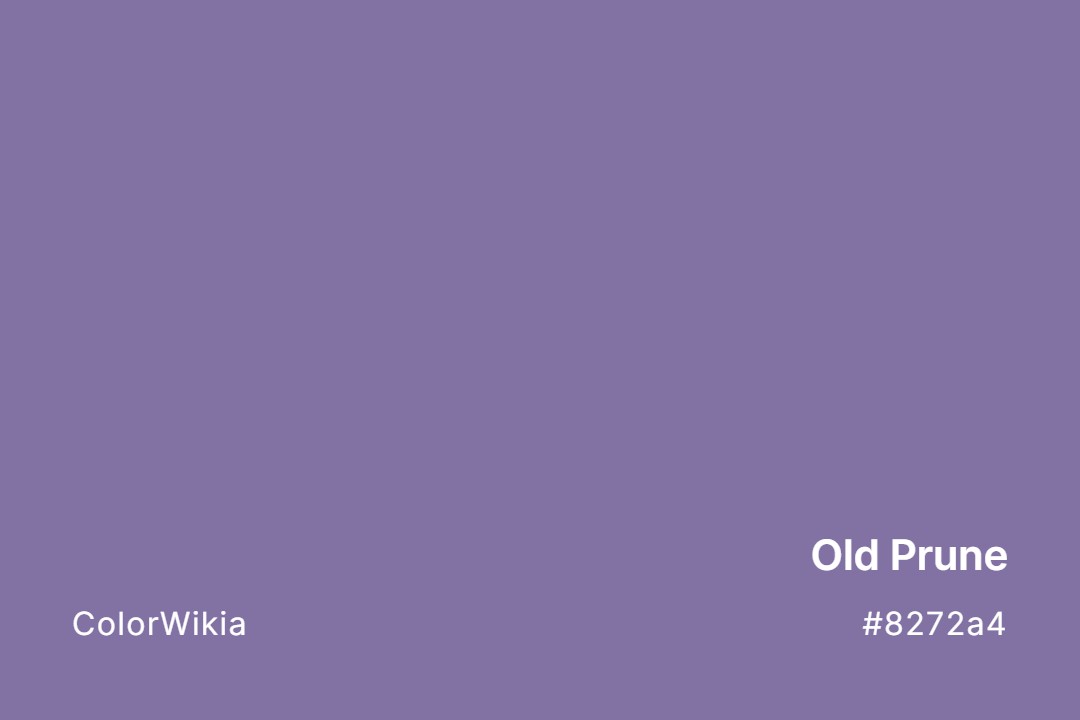
#8272a4
Old Prune
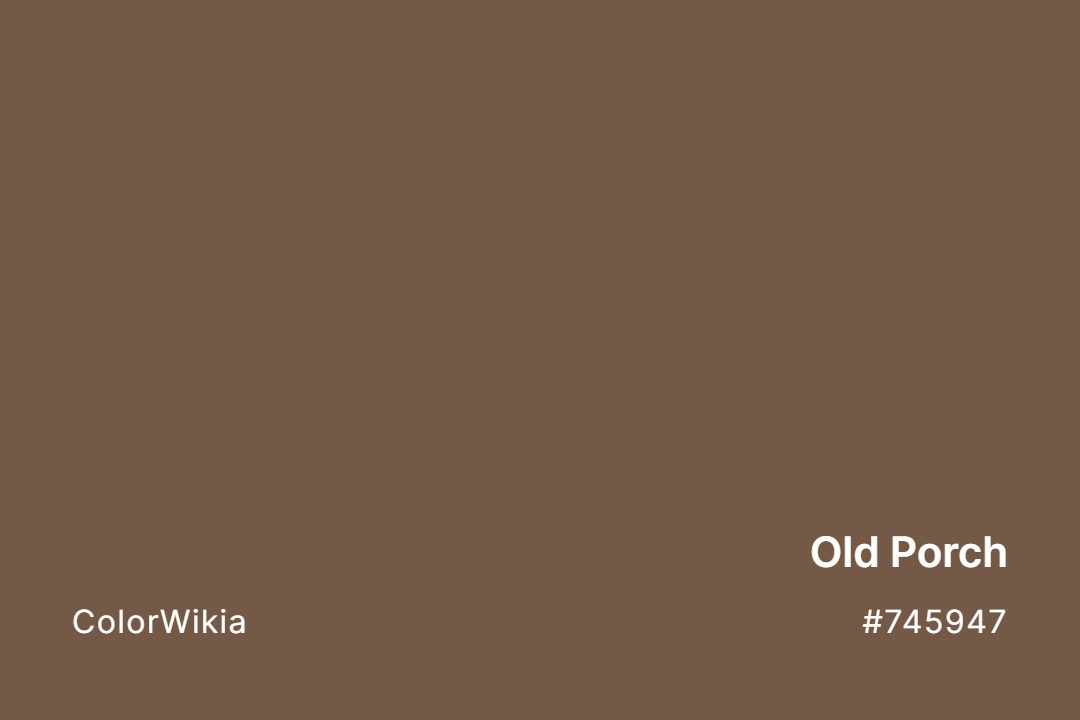
#745947
Old Porch
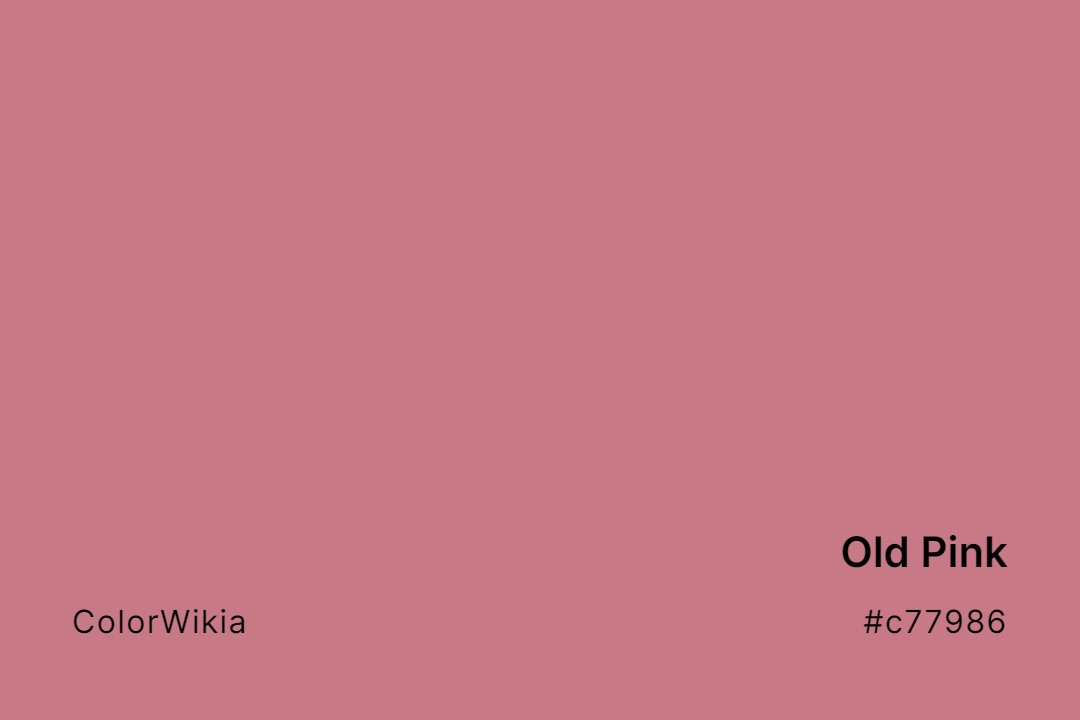
#c77986
Old Pink
#f6ebd7
Old Pearls
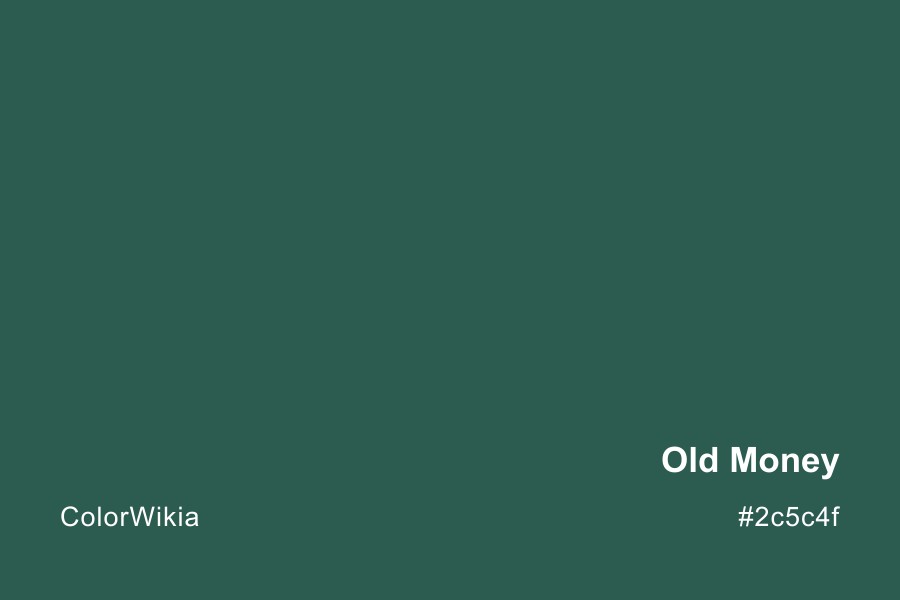
#2c5c4f
Old Money
#343b4e
Old Mill
#673147
Old Mauve
#d5c9bc
Old Map
#8e2323
Old Mandarin
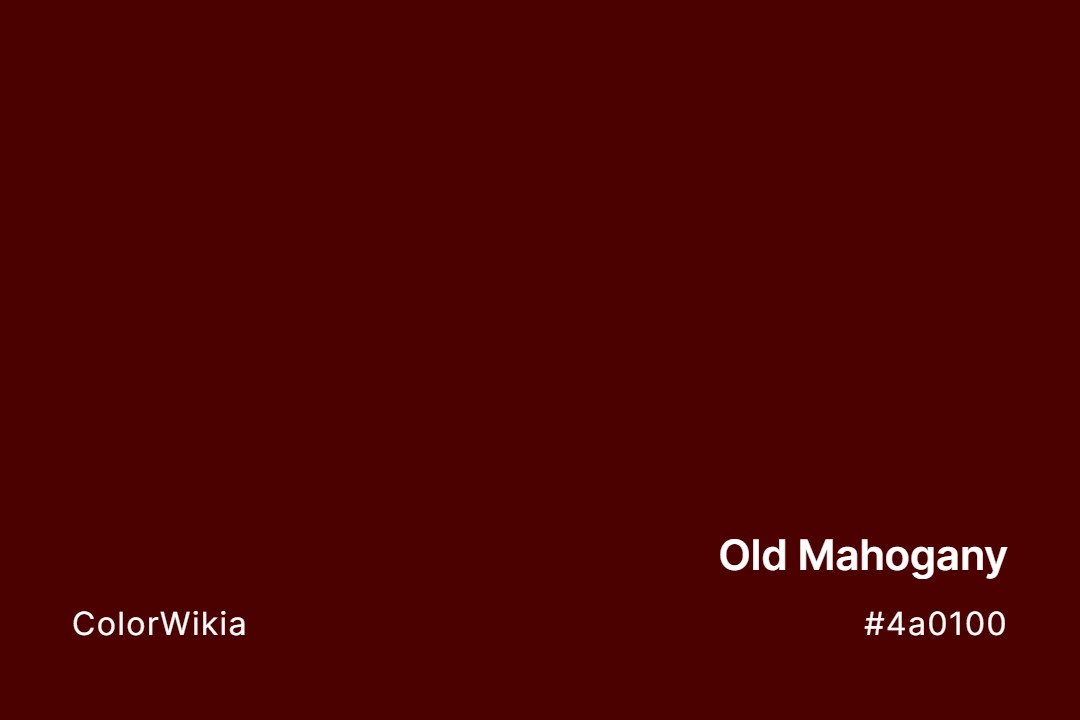
#4a0100
Old Mahogany
#aec571
Old Lime
#a88b66
Old Leather
#796878
Old Lavender
#ffffcb
Old Ivory
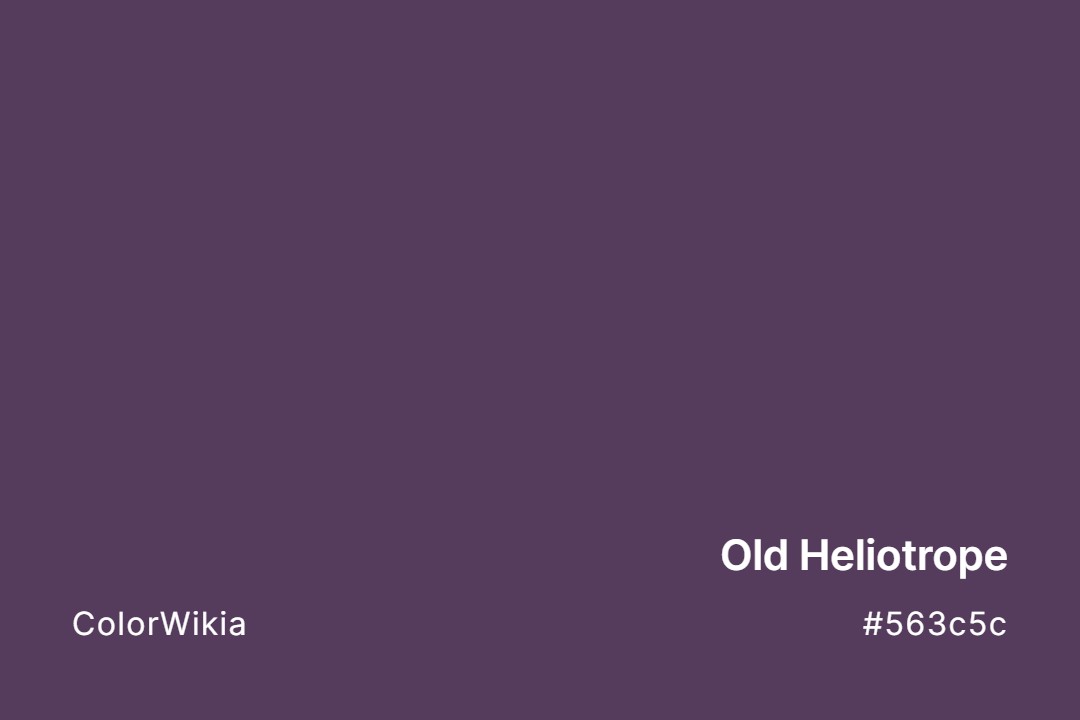
#563c5c
Old Heliotrope
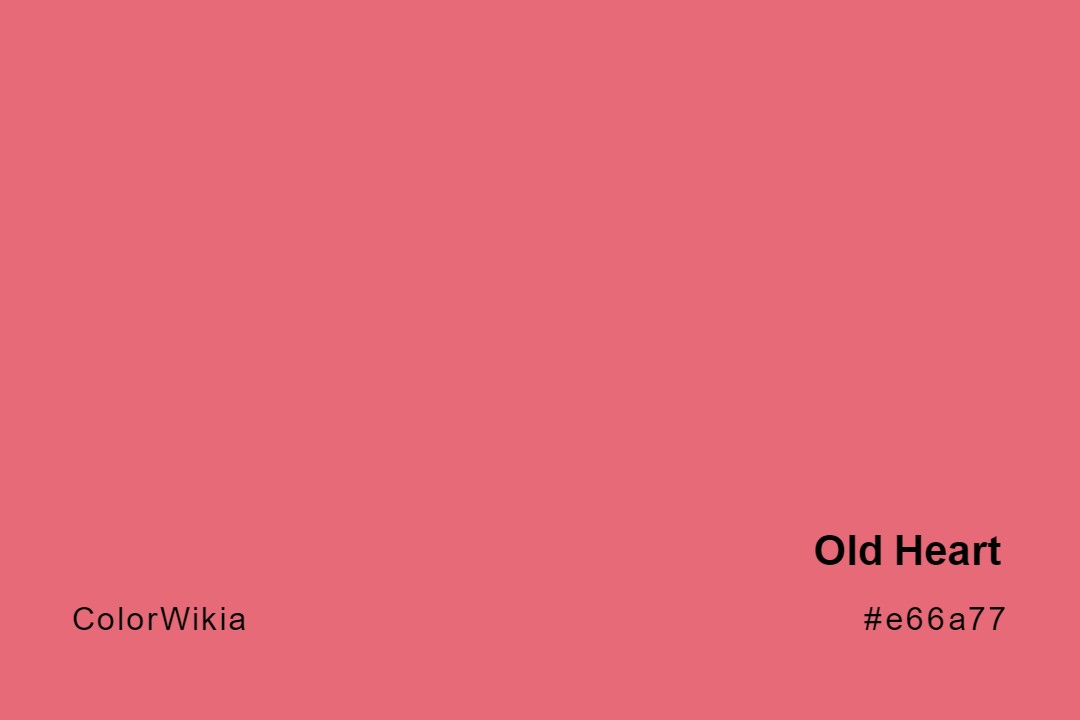
#e66a77
Old Heart
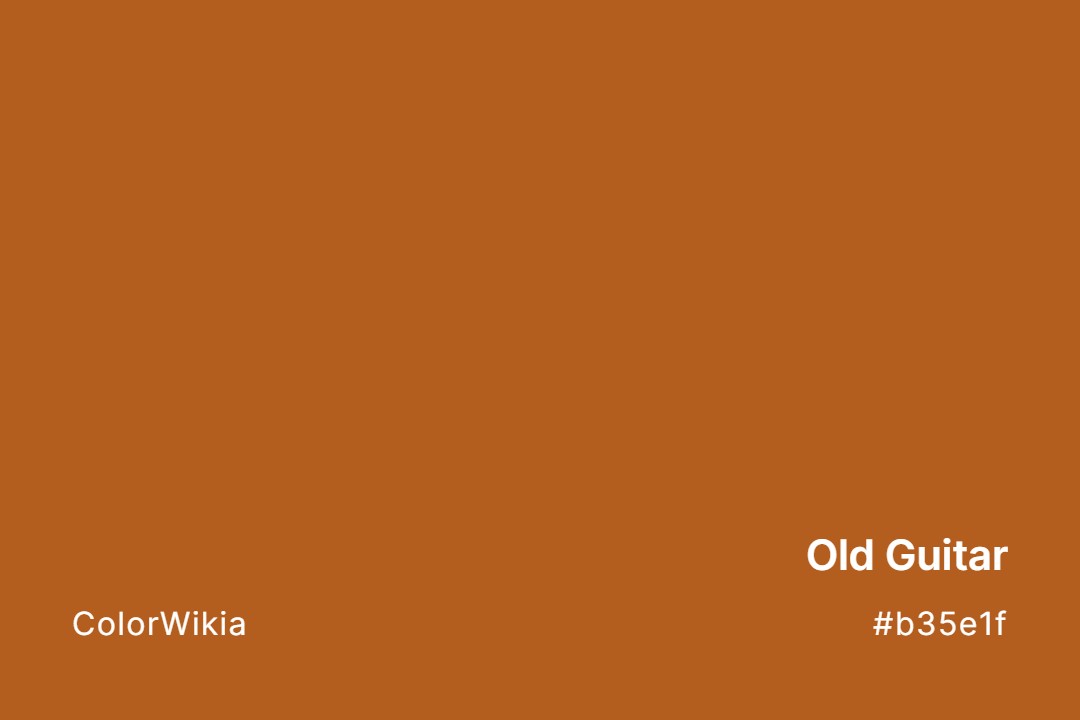
#b35e1f
Old Guitar
#cfb53b
Old Gold
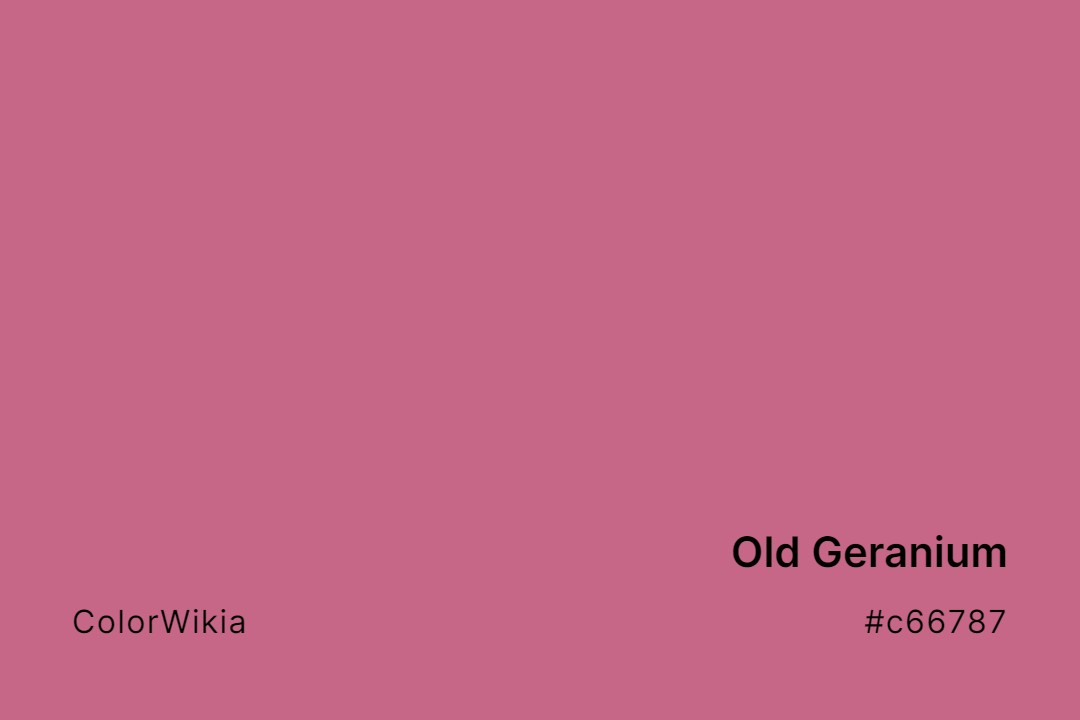
#c66787
Old Geranium
#f2b7b5
Old Flame
#82a2be
Old Faithful
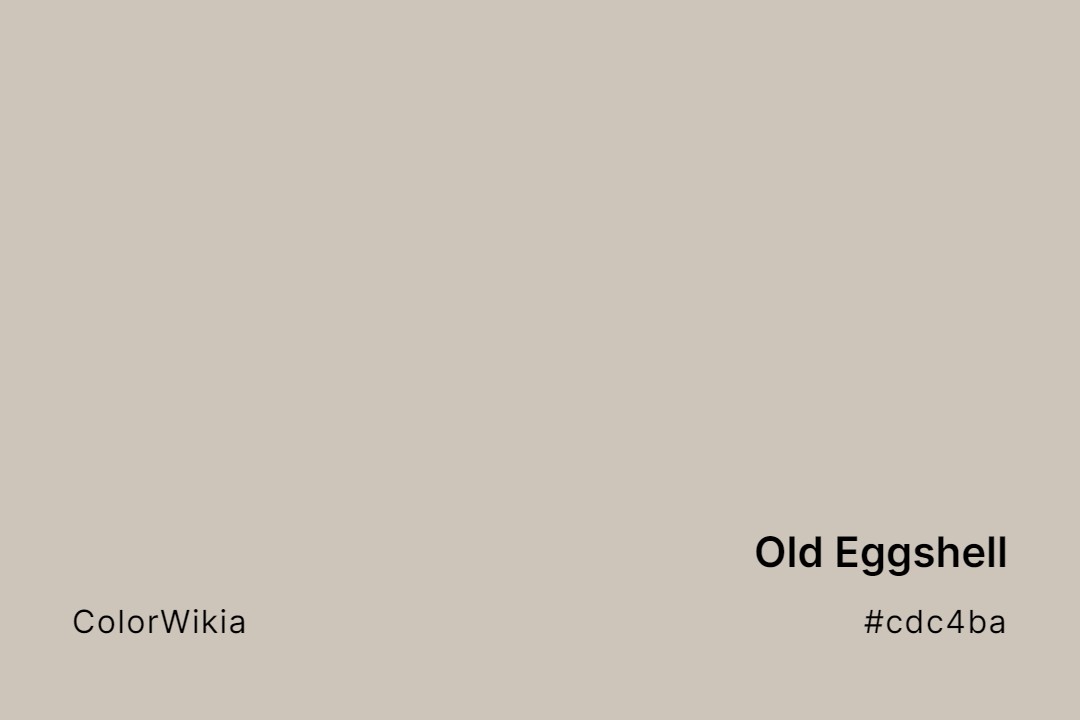
#cdc4ba
Old Eggshell
#614051
Old Eggplant
#97694f
Old Driftwood
#bdab9b
Old Doeskin
#784430
Old Cumin
#73503b
Old Copper
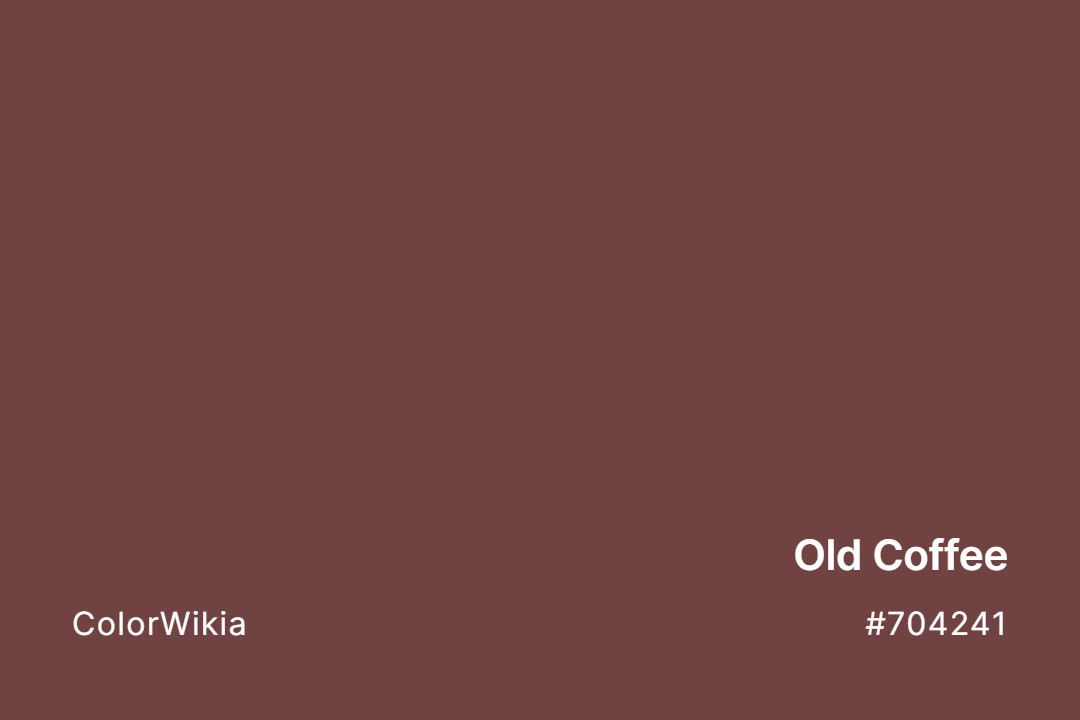
#704241
Old Coffee
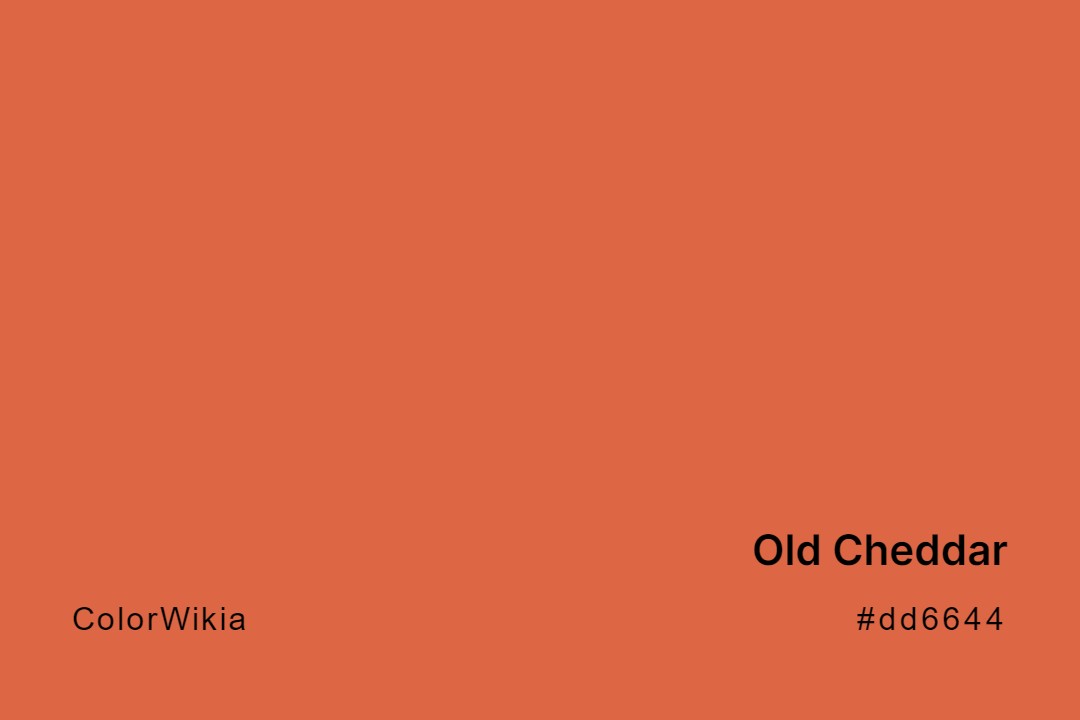
#dd6644
Old Cheddar
#e3d6e9
Old Chalk
#a8a89d
Old Celadon
#43302e
Old Burgundy
#8a3335
Old Brick
#7c644b
Old Boot
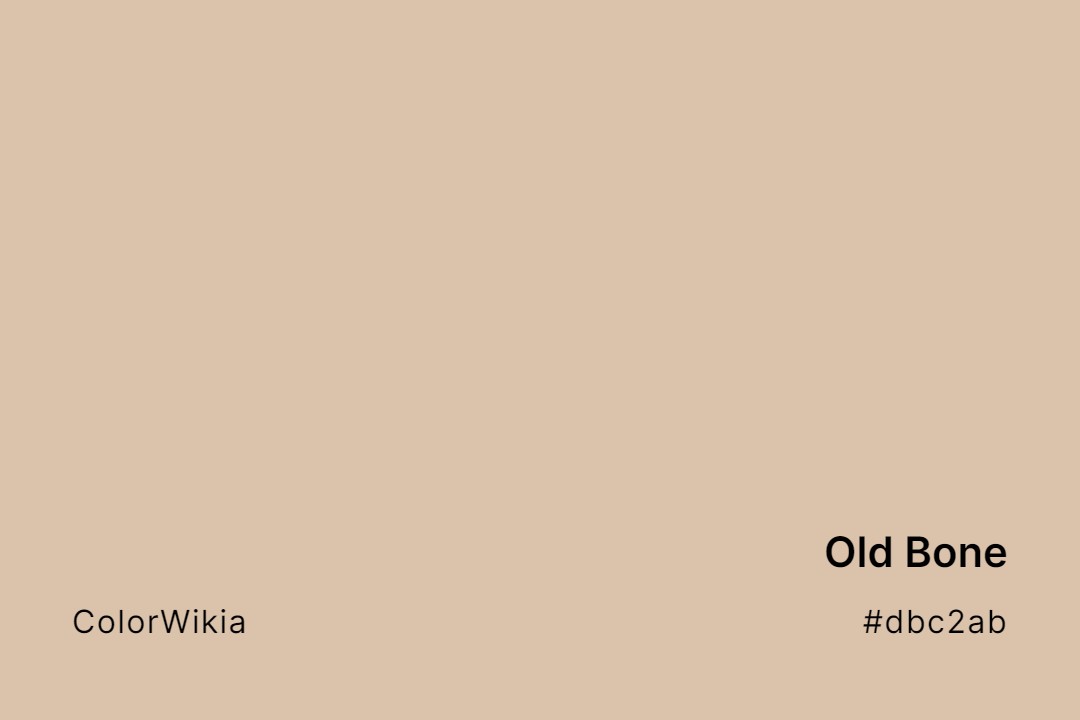
#dbc2ab
Old Bone
#029386
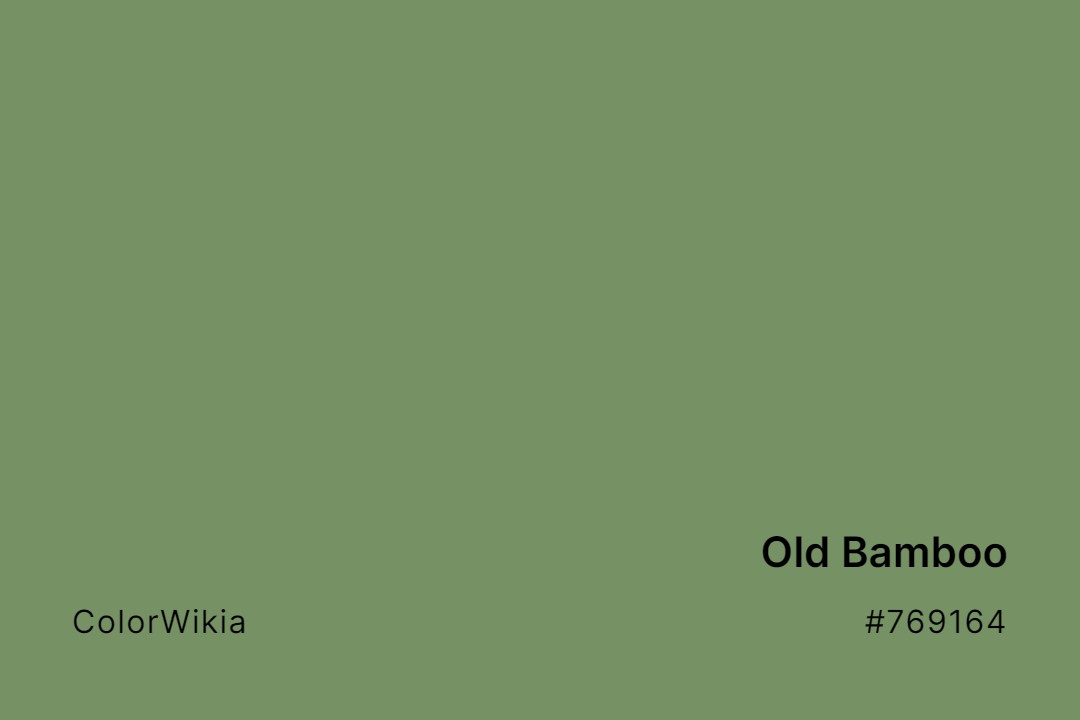
Old Benchmark
#769164
Old Bamboo
#929000
Old Asparagus
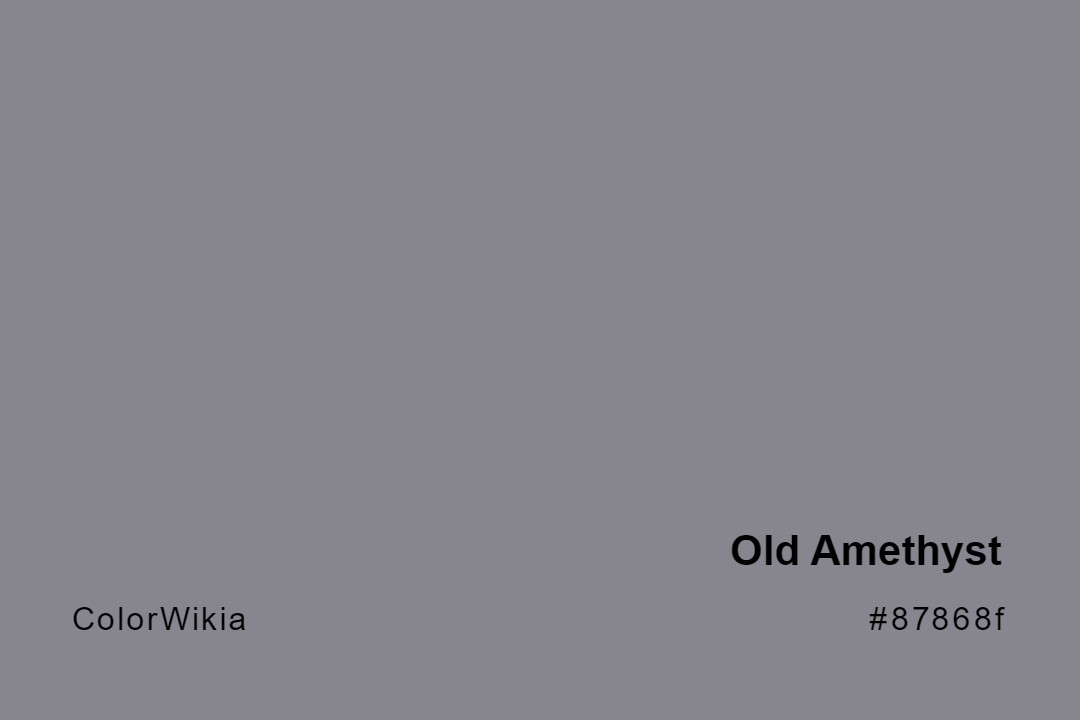
#87868f
Old Amethyst
#5e5896
Old Nan Yarn
#eff5dc
Old Kitchen White
#0063ec
Old Gungeon Red
#bf0a30
Old Glory Red
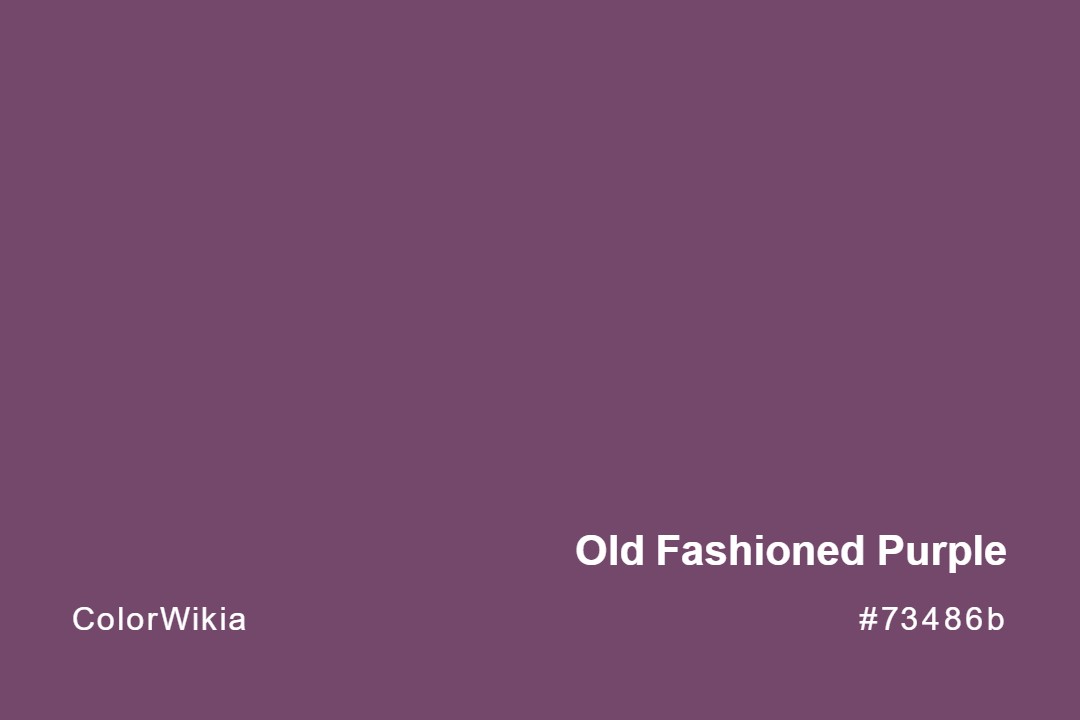
#73486b
Old Fashioned Purple
#d8c2ca
Old Mission Pink
#f4c6cc
Old Fashioned Pink
#b4b6ad
Old Grey Mare
#fdfc74
Old Laser Lemon
#756947
Old Willow Leaf
#616652
Old Army Helmet
#5e624a
Old Botanical Garden
#d8cbcf
Old Red Crest
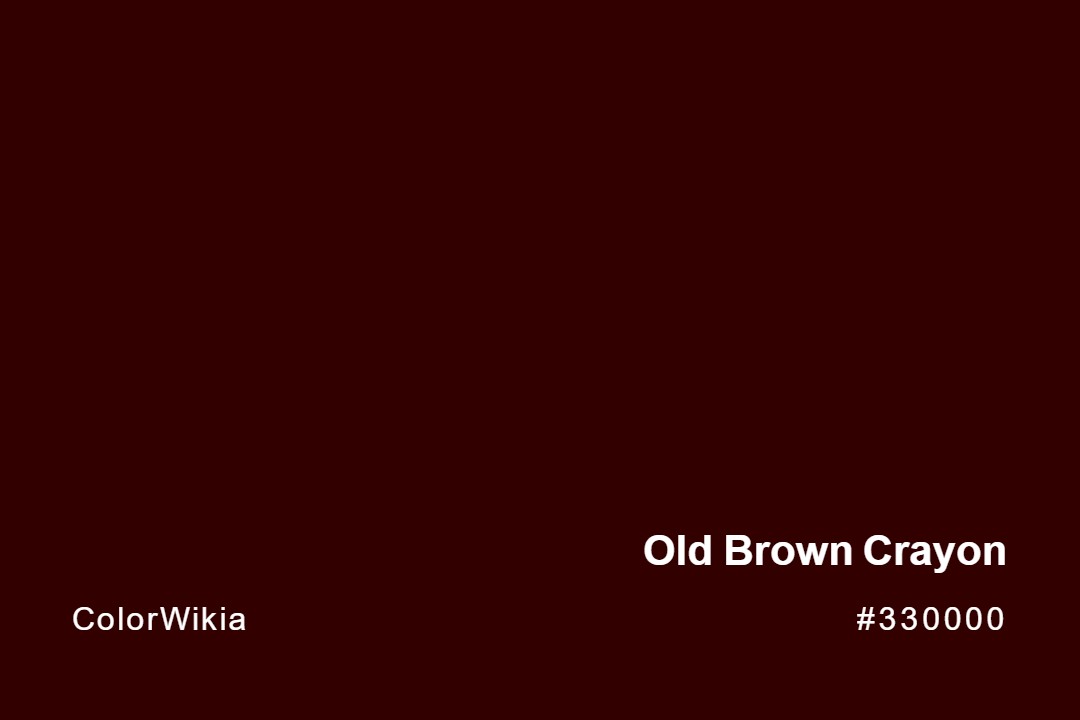
#330000
Old Brown Crayon
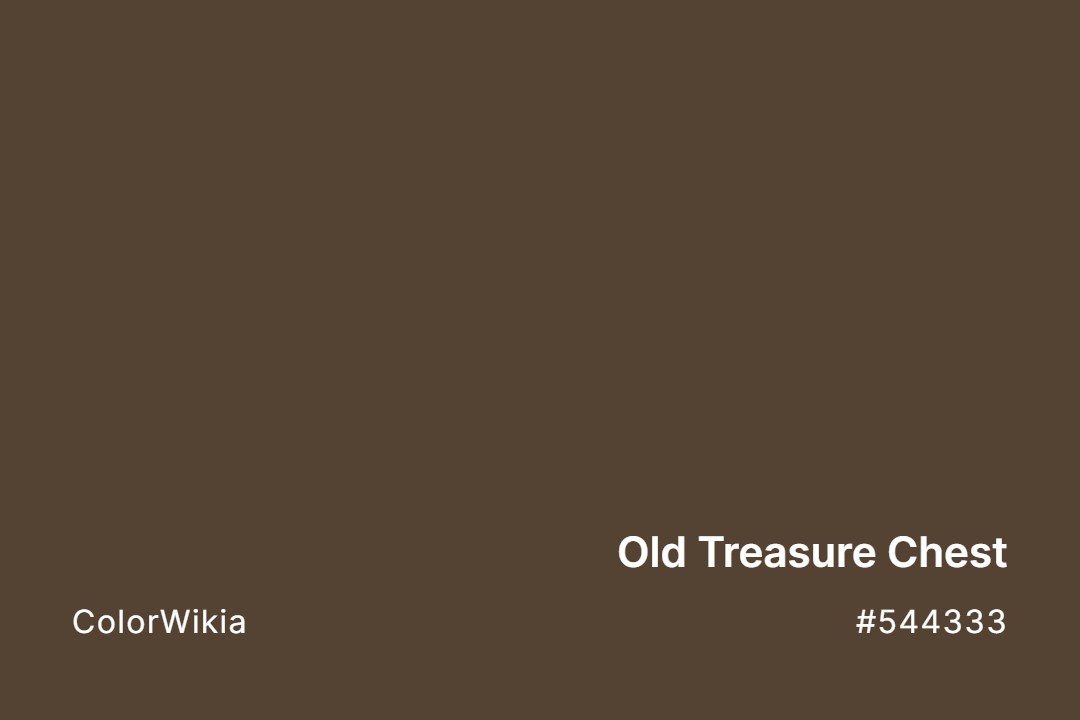
#544333
Old Treasure Chest
#ece6d7
Old Yellow Bricks
#6e6f82
Old Mill Blue
#002868
Old Glory Blue
#757d43
Old Four Leaf Clover
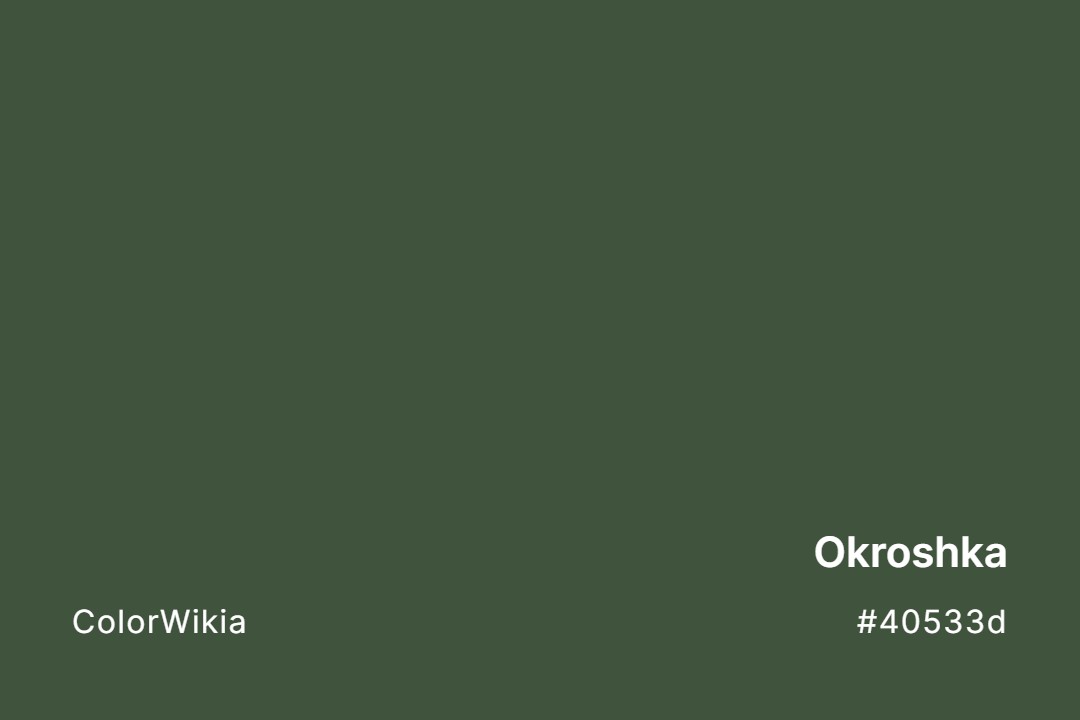
#40533d
Okroshka
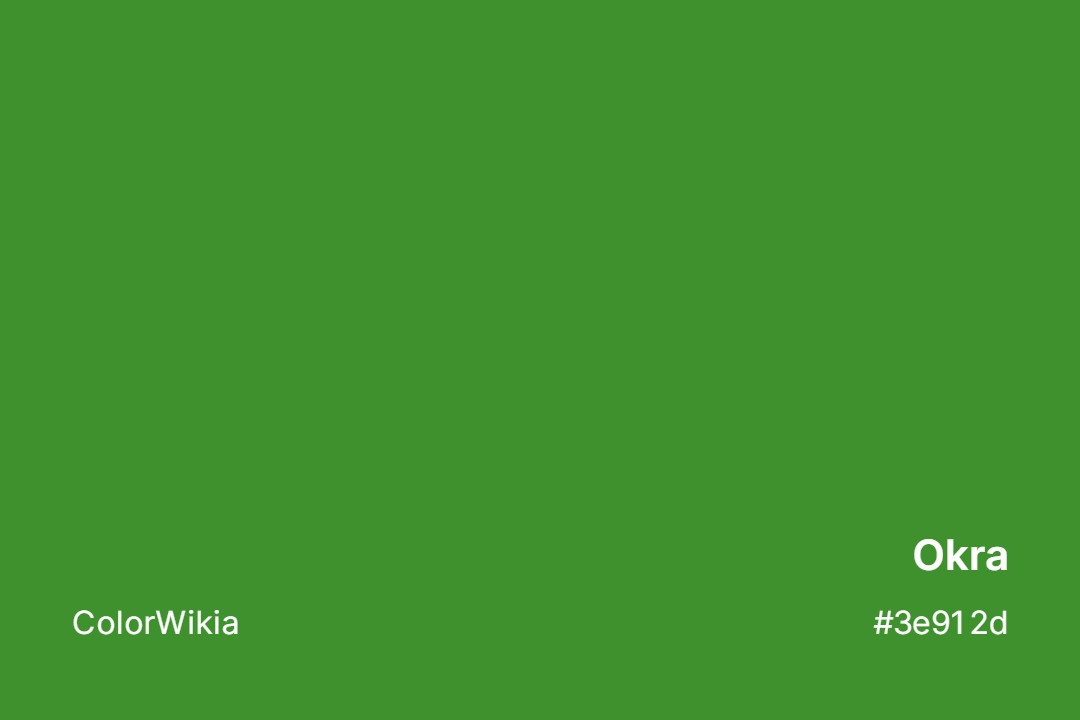
#3e912d
Okra
#f5e0ba
Oklahoma Wheat
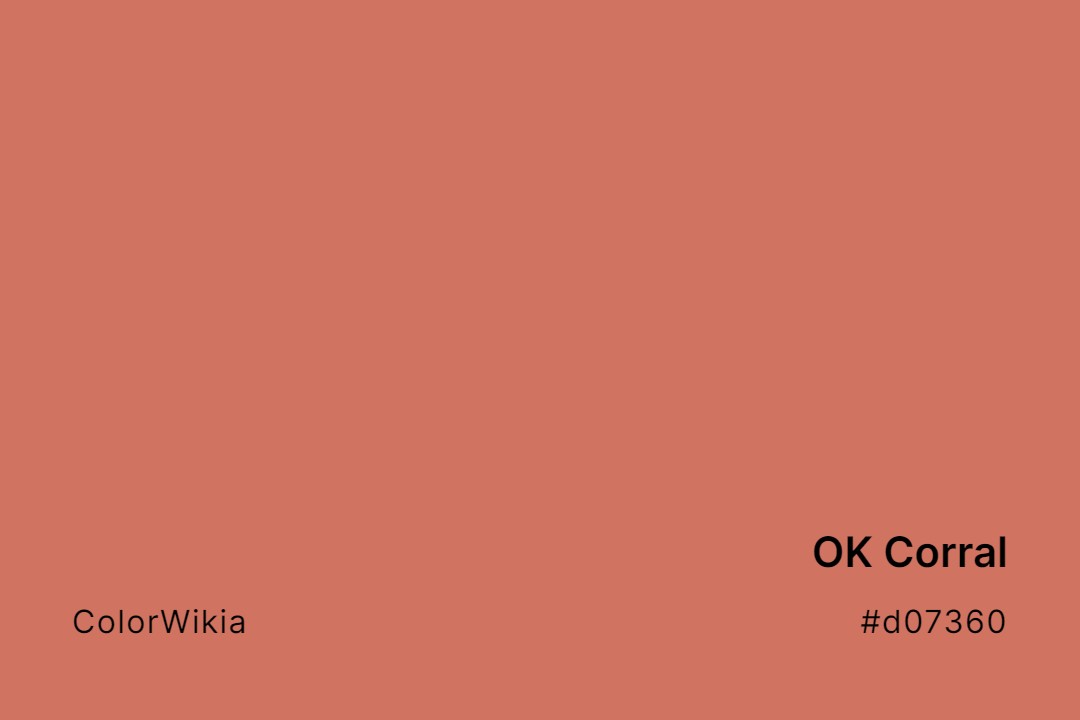
#d07360
OK Corral
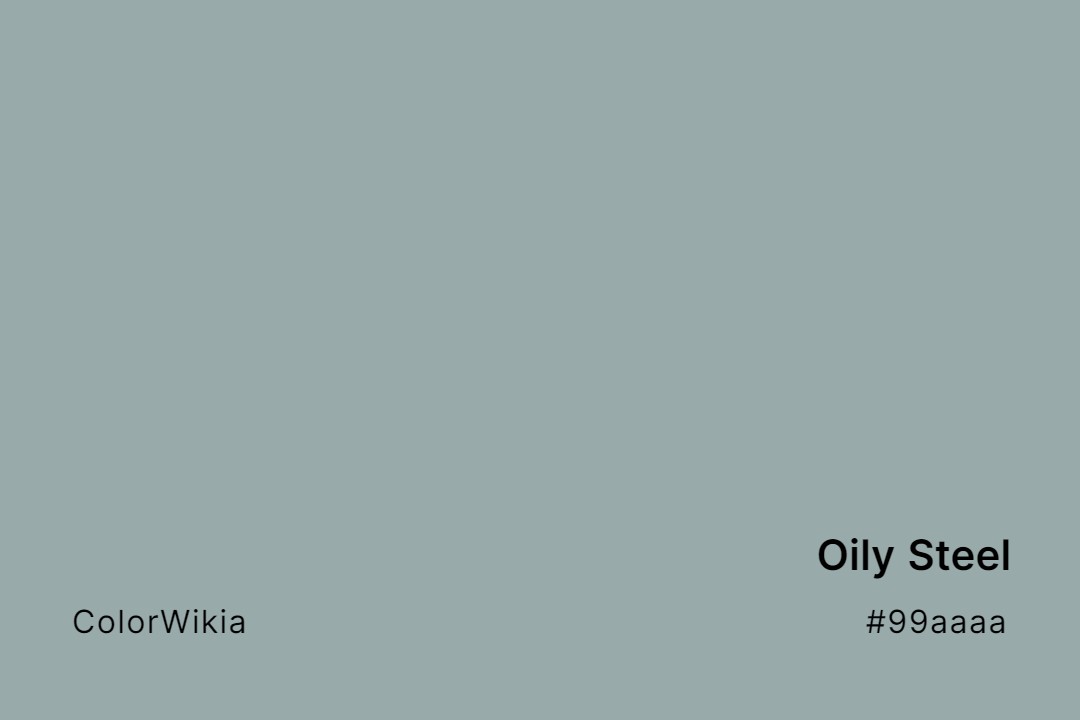
#99aaaa
Oily Steel
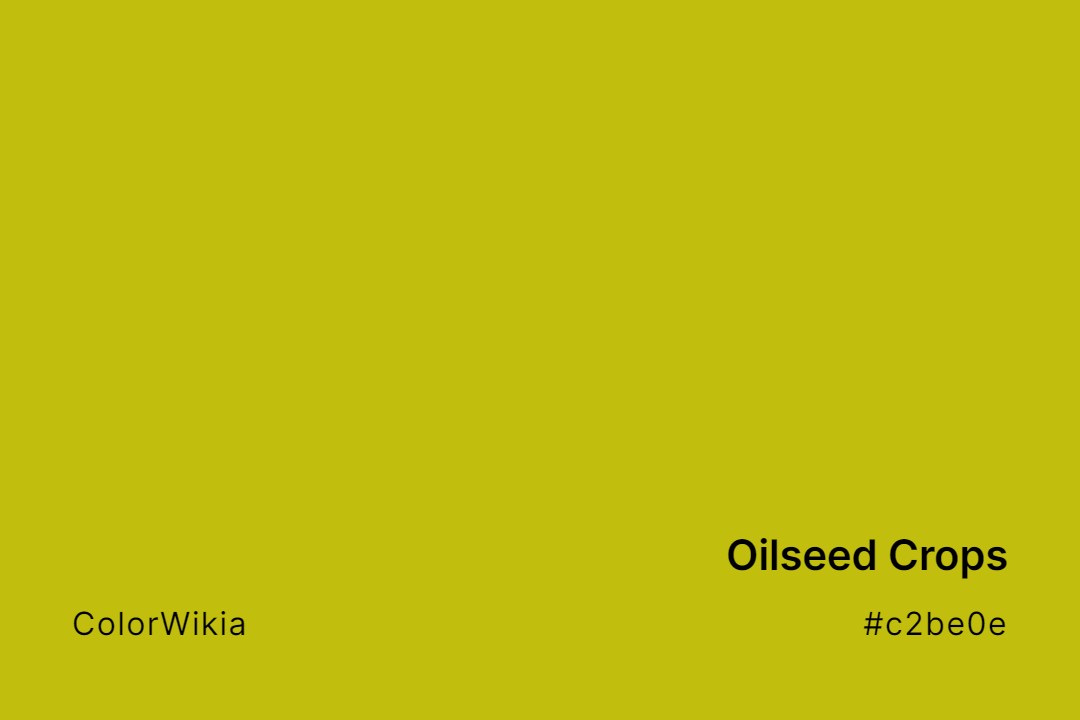
#c2be0e
Oilseed Crops
#6c5a51
Oiled Teak
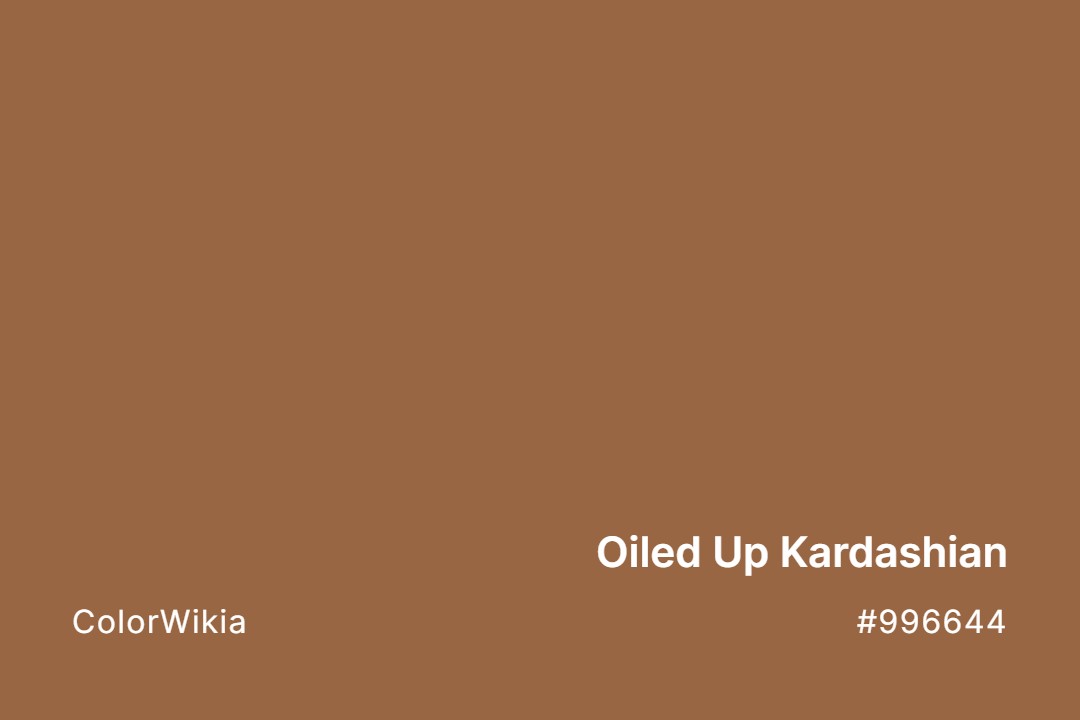
#996644
Oiled Up Kardashian
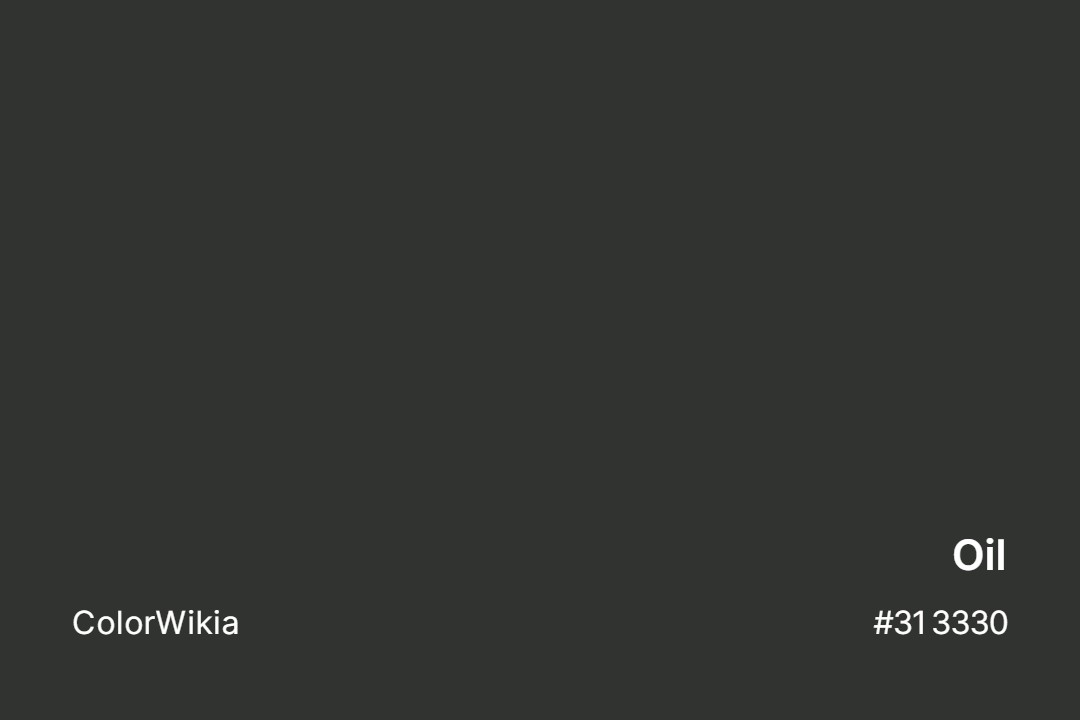
#313330
Oil
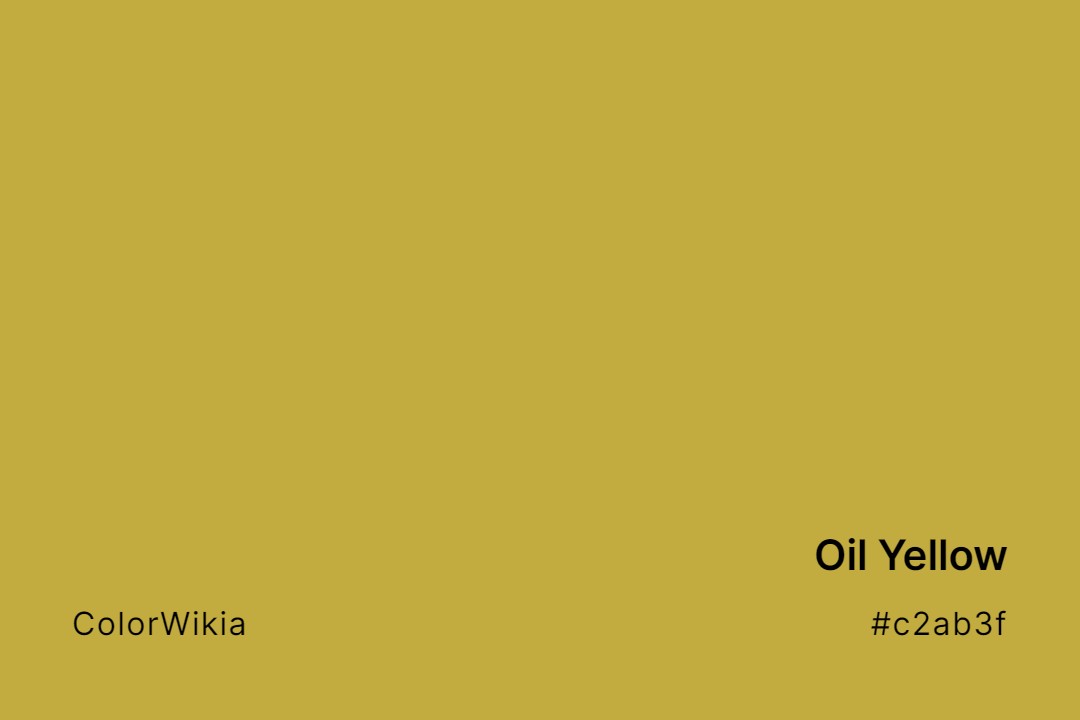
#c2ab3f
Oil Yellow
#031602
Oil Slick
#333144
Oil Rush




































The language of color can become confusing because everyday speech and color theory do not always use the word shade in exactly the same way. A page about color shades may describe a whole group of related colors, while the technical definition of a shade refers specifically to a hue made darker with black.
That difference matters when you compare taupe color shades, rust shades, or any other color family. The names people use are practical labels, while color systems provide more precise ways to describe the underlying values.
Understanding the difference between shade, tint, tone, and hue makes it easier to talk about color accurately. It also explains why one named color can have several related variations.
What Is a Color Shade?
In strict color theory, a shade is a hue with black added. Adding black lowers the lightness and produces a darker version of the starting color. A red can move toward burgundy, for example, while a blue can move toward navy.
In everyday language, people use shade more broadly. A search for “different shades of blue” may include lighter, darker, muted, and named variations that are not technically shades under the narrow definition.
That broader usage is common in design, retail, fashion, and online color references. It is also why color shade pages usually cover a family of related colors rather than only mixtures created by adding black.
The distinction is useful because it separates technical color terminology from the way people normally describe color families.
Shade, Tint, Tone, and Hue
These four terms describe different relationships between colors.
- Hue refers to the pure color position itself, such as red, blue, green, or yellow.
- Tint is a hue with white added, producing a lighter version such as pink from red.
- Shade is a hue with black added, producing a darker version such as burgundy from red.
- Tone is a hue with gray added, reducing saturation and muting the color.
The distinctions become useful when you need to describe why two colors look different. A pale blue may be a tint, while a dusty blue may be a tone and a navy blue may be a shade.
These terms can also be used together when discussing a larger color family. A named color may be lighter than the base color, darker than it, or more muted without fitting neatly into one everyday category.
How Digital Color Systems Describe Shades
Digital color systems make these relationships easier to quantify. RGB describes a color by the amount of red, green, and blue light used to create it, while HSL separates the color into hue, saturation, and lightness.
Hex codes provide a compact representation of RGB values. A six-character code such as #DC143C can identify crimson in a digital interface, but the number does not tell you where the color name originally came from or whether a physical pigment uses the same formulation.
In HSL, reducing lightness while holding hue and saturation constant moves a color toward a darker digital version. Raising lightness moves it toward a lighter version, while reducing saturation creates a more muted result.
This distinction is important when working with digital color. A color name can provide a useful visual reference, but a hex code gives you a specific digital value.
How Color Shade Names Develop
Color names often come from things people recognize. Taupe refers to the mole, while rust takes its name from corroded iron. Other names come from materials or places, including copper, terracotta, mahogany, sienna, and umber.
Language can preserve those histories even after a color becomes a digital swatch. Khaki color shades provide another example because the word traces back to a Hindustani term connected with dust and earth.
Commercial color naming adds another layer. Paint makers, textile companies, standards groups, and digital platforms may assign different names to closely related colors, so one shade does not always have one universal label.
This is one reason color names can feel inconsistent. A name can describe a recognizable visual family without pointing to one universal digital value.
Color Standards and Shade Codes
Professional color systems exist because names alone are too vague for precise reproduction. The Pantone Matching System assigns numbered references to color formulations, while systems such as Munsell describe colors using hue, value, and chroma.
The Natural Color System uses a different framework based on color perception. These systems serve different purposes, but they share the same practical goal. A numeric reference can communicate more precisely than a word such as “blue” or “green.”
That is also why a page listing color codes should distinguish between a named color, a standardized reference, and an ordinary digital hex value.
A hex code is useful for digital work, but it should not automatically be treated as a universal definition of a named color. The context behind the color reference matters.
Major Color Families and Their Shades
Every broad color family branches into many named variations. The examples below show how familiar shade names sit within larger groups.
| Color Family | Popular Shade | Hex Code |
| Red | Crimson | #DC143C |
| Blue | Navy | #000080 |
| Green | Forest Green | #228B22 |
| Yellow | Gold | #FFD700 |
| Purple | Indigo | #4B0082 |
| Orange | Coral | #FF7F50 |
| Brown | Tan | #D2B48C |
Warm families such as orange and brown include earthy variations such as rust, terracotta, and chocolate. Blue and green branch into names such as navy, teal, forest, and olive.
Neutral families work differently because their boundaries are less obvious. Beige, gray, taupe, and related colors can overlap substantially depending on saturation, lightness, and undertone.
Why named colors can overlap
A useful color family is not always a strict technical category. Two colors can look very similar while carrying different names because the names come from different materials, places, industries, or traditions.
For practical design work, it is often more useful to compare the actual color values than to rely on the name alone.
Frequently Asked Questions
What is the difference between a shade and a tint?
A shade is a darker version created by adding black, while a tint is a lighter version created by adding white.
Is a tone the same as a shade?
No. A tone adds gray and reduces saturation, while a shade adds black and darkens the original hue.
Why does one color have so many shade names?
Different industries, standards groups, companies, and cultures develop names independently. Closely related colors can therefore receive several labels.
How many shades of a color are there?
There is no fixed limit. Digital systems can generate very large numbers of distinct values, while named shades depend on the terms that become widely recognized or useful.