
30,000+ Shades of Color with Names and HEX Code
Explore unique color shades for your website, brand or any project.
#90bdbd

Blithe Blue
#9fae9e
Wormwood Green
#4a4354
Serendibite Black
#a2816e
Red Earth
#c8ccba
Green Alabaster
#bcdaec
Diamond Soft Blue
#c3c8b3
Jugendstil Green
#719f91
Greyish Teal
#afddcc
Brook Green
#414657
Blue Nights
#0055aa
Blue Lobster
#44ddee
Blue Dacnis
#9fb296
Smoke Green
#0079a9
Sixties Blue
#0056a8
Raiden Blue
#f0d3df
Portrait Pink
#4b3c8e
Blue Gem
#8fb69c
Summer Green
#e1ddbf
Silver Fern
#6cb4c3
Riverside Blue
#0074a8
Methyl Blue
#4fb3b3
Crystalsong Blue
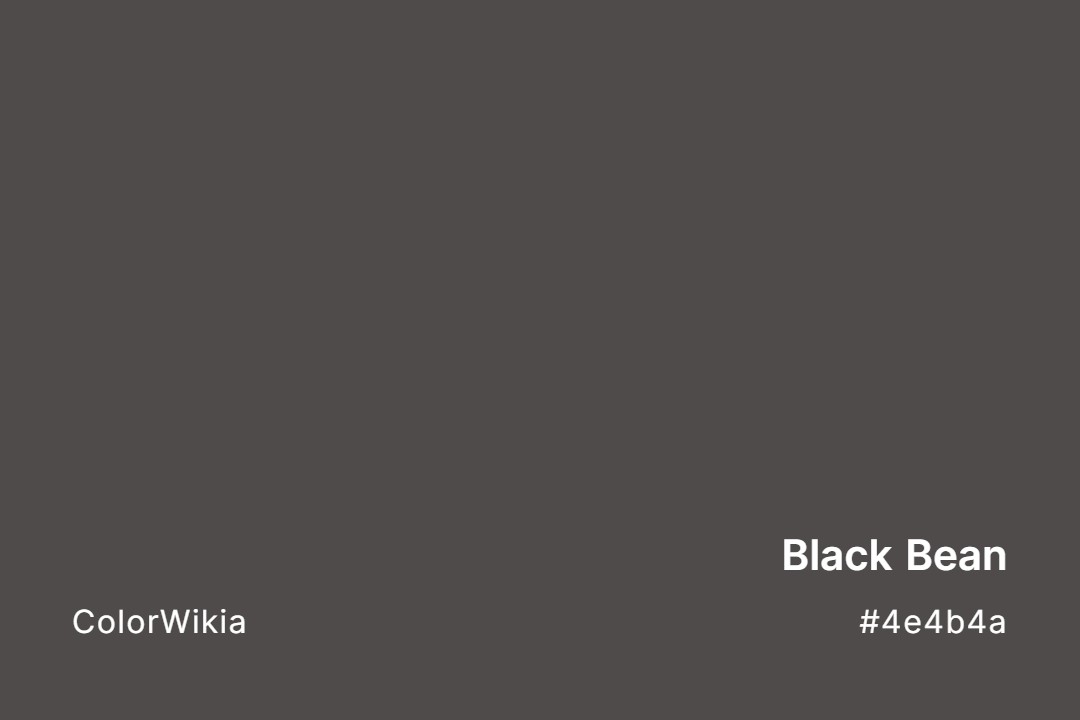
#4e4b4a
Black Bean
#0064a1
Prime Blue
#71bc77
Iguana Green
#343f5c
Gulf Blue
#62ae9e
Green Crush
#b9c3b3
Belize Green
#2a4041
Liquorice Green
#005437
Permanent Green
#00800f
Office Green
#f8e1d0
Pastry Pink
#50484a
Black Elegance
#0082ad
Tusche Blue
#384172
Lviv Blue
#73b7c2
Tropez Blue
#aea692
Spray Green
#0061a8
Directoire Blue
#414969
Nobility Blue
#8dbc8a
Green Masquerade
#a0ac9e
Green Balsam
#b3e8c2
Glaucous Green
#ffd9d6
Forgotten Pink
#5a804f
Rambling Green
#97a554
Overt Green
#009eaf
Lake Blue
#005239
Trapper Green
#8d6b64
Red Stone
#7aaae0
Jordy Blue
#424d60
Breakaway Blue
#ffc196
Wispy White
#6e7c45
Quartz Green
#404457
Manhattan Blue
#3a4032
Kombu Green
#8faaca
Bachelor Blue
#d0d8cf
Wind Fresh White
#81b89a
Water Green
#3a405a
Victory Blue
#f9cdc4
Peach Red
#4a4f52
Eshin Grey
#c1cec1
Green Lily
#3c3d8a
Clematis Blue
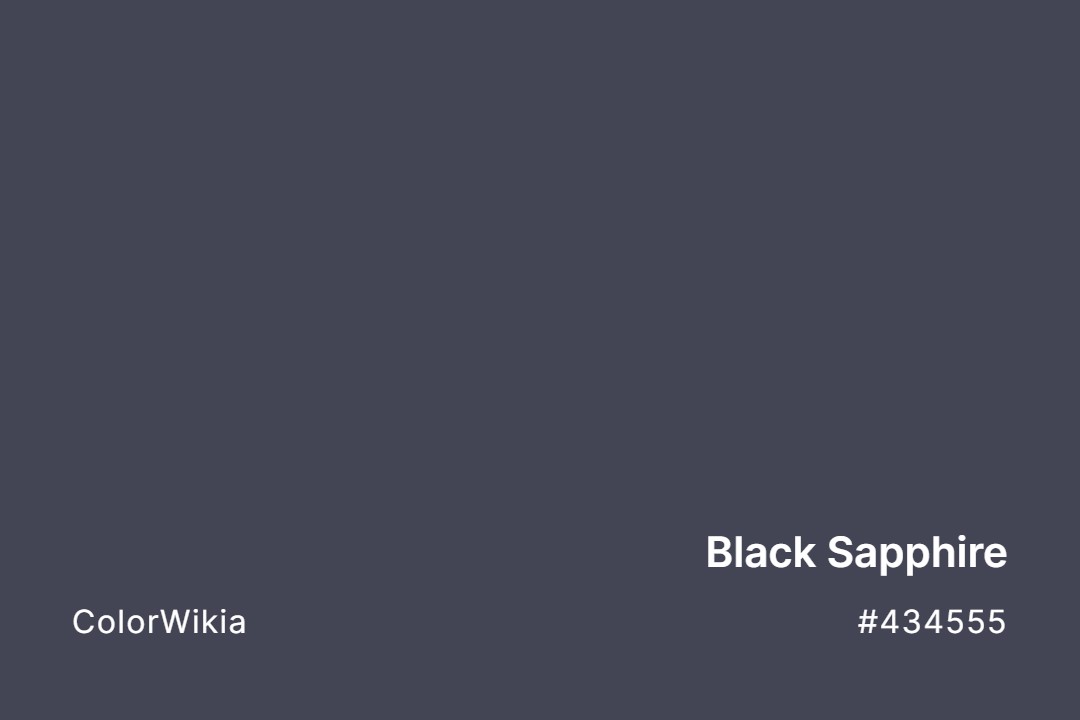
#434555
Black Sapphire
#11610f
Thuja Green
#a2b37a
Serpentine Green
#d7d7ad
Green Mesh
#c6d4e1

Light Cameo Blue
#4d4a4a
Bastion Grey
#324336
Timber Green
#8aa7cc
Polo Blue
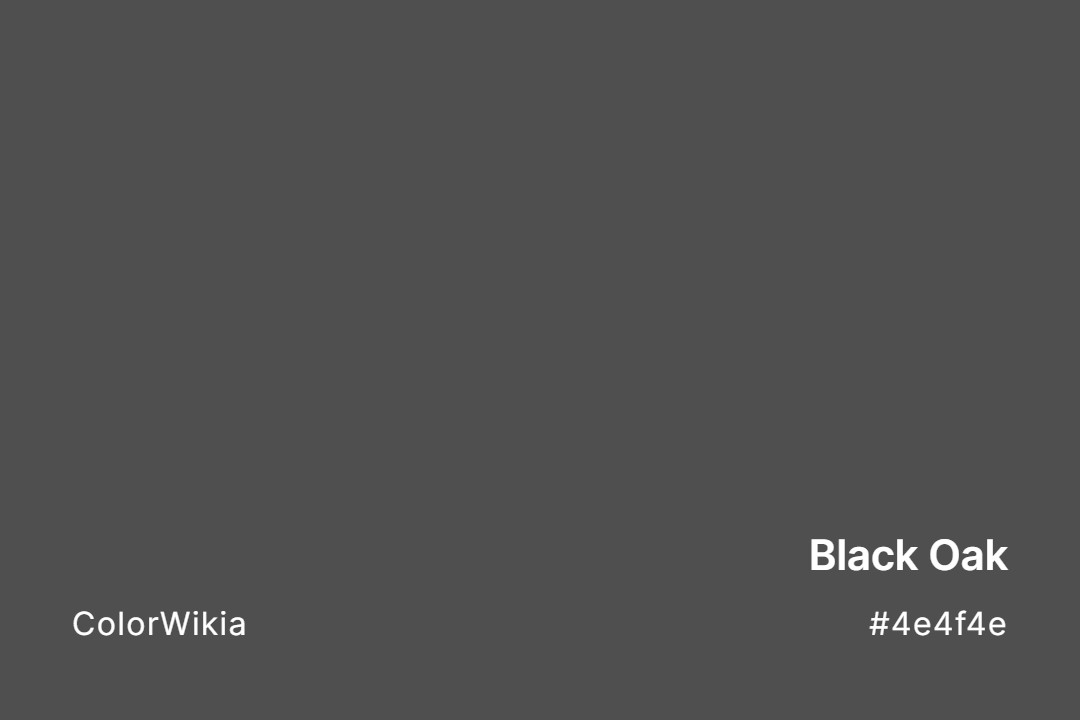
#4e4f4e
Black Oak
#33476d
Hydrogen Blue
#133337
Elite Teal
#566e57
Green Bayou
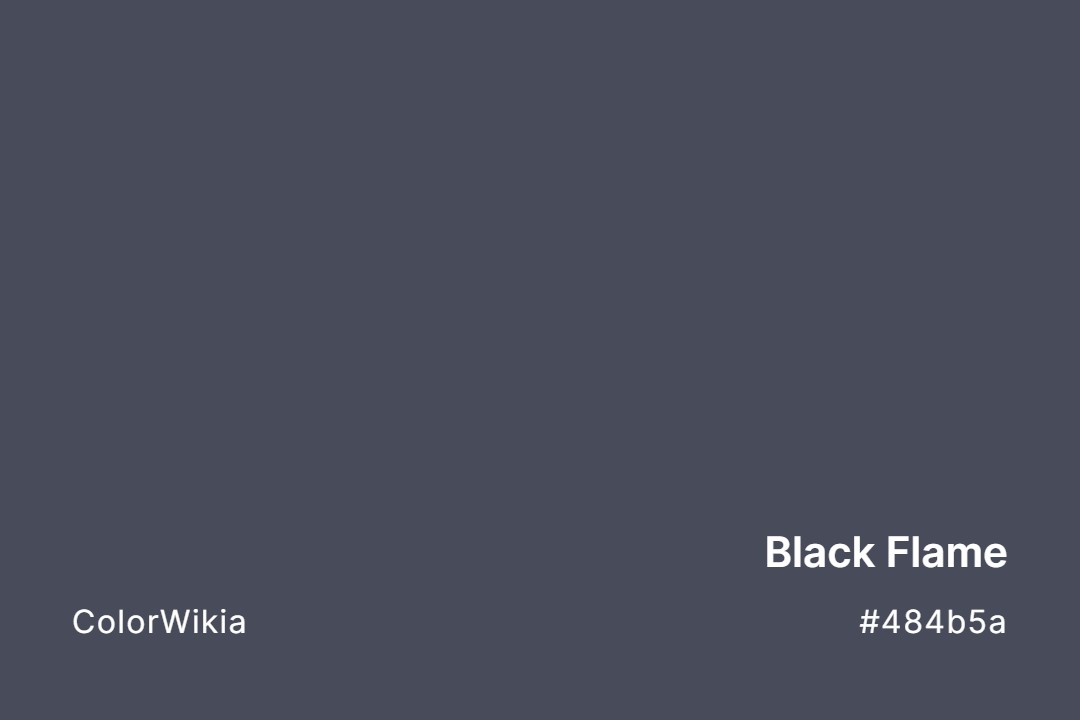
#484b5a
Black Flame
#00a4b1
Garish Blue
#3a4856
Bronze Blue
#0063a0
Brigadier Blue
#44448d
Spectrum Blue
#d9d7c9
Silver Moon
#9db682
Mesclun Green
#384883
Blue Estate
#474c4d
Black Lead
#3c4f6e
Ensign Blue
#3b506f
Blue Flag
#96d2d6
Aroma Blue
#ce9f6f
White Oak
#bbcc99
White Grape
#2d4b65
Majolica Blue
#35514f
Blue Dianne
#986971
Brickwork Red
#3d4457
Blue Vortex
#a0b28e
Soap Green
#3b3b6d
American Blue
#777a44
Plant Green
#bbccbd
Organza Green
#7ea3d2
Boudoir Blue
#6ab4e0
Xavier Blue
#0093af
Munsell Blue
#a28a88
Storm Red










The language of color can become confusing because everyday speech and color theory do not always use the word shade in exactly the same way. A page about color shades may describe a whole group of related colors, while the technical definition of a shade refers specifically to a hue made darker with black.
That difference matters when you compare taupe color shades, rust shades, or any other color family. The names people use are practical labels, while color systems provide more precise ways to describe the underlying values.
Understanding the difference between shade, tint, tone, and hue makes it easier to talk about color accurately. It also explains why one named color can have several related variations.
What Is a Color Shade?
In strict color theory, a shade is a hue with black added. Adding black lowers the lightness and produces a darker version of the starting color. A red can move toward burgundy, for example, while a blue can move toward navy.
In everyday language, people use shade more broadly. A search for “different shades of blue” may include lighter, darker, muted, and named variations that are not technically shades under the narrow definition.
That broader usage is common in design, retail, fashion, and online color references. It is also why color shade pages usually cover a family of related colors rather than only mixtures created by adding black.
The distinction is useful because it separates technical color terminology from the way people normally describe color families.
Shade, Tint, Tone, and Hue
These four terms describe different relationships between colors.
- Hue refers to the pure color position itself, such as red, blue, green, or yellow.
- Tint is a hue with white added, producing a lighter version such as pink from red.
- Shade is a hue with black added, producing a darker version such as burgundy from red.
- Tone is a hue with gray added, reducing saturation and muting the color.
The distinctions become useful when you need to describe why two colors look different. A pale blue may be a tint, while a dusty blue may be a tone and a navy blue may be a shade.
These terms can also be used together when discussing a larger color family. A named color may be lighter than the base color, darker than it, or more muted without fitting neatly into one everyday category.
How Digital Color Systems Describe Shades
Digital color systems make these relationships easier to quantify. RGB describes a color by the amount of red, green, and blue light used to create it, while HSL separates the color into hue, saturation, and lightness.
Hex codes provide a compact representation of RGB values. A six-character code such as #DC143C can identify crimson in a digital interface, but the number does not tell you where the color name originally came from or whether a physical pigment uses the same formulation.
In HSL, reducing lightness while holding hue and saturation constant moves a color toward a darker digital version. Raising lightness moves it toward a lighter version, while reducing saturation creates a more muted result.
This distinction is important when working with digital color. A color name can provide a useful visual reference, but a hex code gives you a specific digital value.
How Color Shade Names Develop
Color names often come from things people recognize. Taupe refers to the mole, while rust takes its name from corroded iron. Other names come from materials or places, including copper, terracotta, mahogany, sienna, and umber.
Language can preserve those histories even after a color becomes a digital swatch. Khaki color shades provide another example because the word traces back to a Hindustani term connected with dust and earth.
Commercial color naming adds another layer. Paint makers, textile companies, standards groups, and digital platforms may assign different names to closely related colors, so one shade does not always have one universal label.
This is one reason color names can feel inconsistent. A name can describe a recognizable visual family without pointing to one universal digital value.
Color Standards and Shade Codes
Professional color systems exist because names alone are too vague for precise reproduction. The Pantone Matching System assigns numbered references to color formulations, while systems such as Munsell describe colors using hue, value, and chroma.
The Natural Color System uses a different framework based on color perception. These systems serve different purposes, but they share the same practical goal. A numeric reference can communicate more precisely than a word such as “blue” or “green.”
That is also why a page listing color codes should distinguish between a named color, a standardized reference, and an ordinary digital hex value.
A hex code is useful for digital work, but it should not automatically be treated as a universal definition of a named color. The context behind the color reference matters.
Major Color Families and Their Shades
Every broad color family branches into many named variations. The examples below show how familiar shade names sit within larger groups.
| Color Family | Popular Shade | Hex Code |
| Red | Crimson | #DC143C |
| Blue | Navy | #000080 |
| Green | Forest Green | #228B22 |
| Yellow | Gold | #FFD700 |
| Purple | Indigo | #4B0082 |
| Orange | Coral | #FF7F50 |
| Brown | Tan | #D2B48C |
Warm families such as orange and brown include earthy variations such as rust, terracotta, and chocolate. Blue and green branch into names such as navy, teal, forest, and olive.
Neutral families work differently because their boundaries are less obvious. Beige, gray, taupe, and related colors can overlap substantially depending on saturation, lightness, and undertone.
Why named colors can overlap
A useful color family is not always a strict technical category. Two colors can look very similar while carrying different names because the names come from different materials, places, industries, or traditions.
For practical design work, it is often more useful to compare the actual color values than to rely on the name alone.
Frequently Asked Questions
What is the difference between a shade and a tint?
A shade is a darker version created by adding black, while a tint is a lighter version created by adding white.
Is a tone the same as a shade?
No. A tone adds gray and reduces saturation, while a shade adds black and darkens the original hue.
Why does one color have so many shade names?
Different industries, standards groups, companies, and cultures develop names independently. Closely related colors can therefore receive several labels.
How many shades of a color are there?
There is no fixed limit. Digital systems can generate very large numbers of distinct values, while named shades depend on the terms that become widely recognized or useful.