
30,000+ Shades of Color with Names and HEX Code
Explore unique color shades for your website, brand or any project.
#6c5389

Magenta Violet
#bb989f
Magenta Twilight
#fa5ff7
Magenta Stream
#762a54
Magenta Purple
#cc338b
Magenta Pink
#b4559b
Magenta Memoir
#513d3c
Magenta Ink
#a44775
Magenta Haze
#ed24ed
Magenta Fizz
#de0170
Magenta Elephant
#ca1f7b
Magenta Dye
#ff55a3
Magenta Crayon
#aa44dd
Magenta Affair
#62416d
Magenta Red Lips
#ecbf9f
Madrid Beige
#473e23
Madras
#3f4250
Madonna
#eee6db
Madonna Lily
#2d3c54

Madison
#3d3e3e
Madison Avenue
#eed09d
Madera
#f504c9
Mademoiselle Pink
#8f4826
Madeira Brown
#5b686f
Made of Steel
#6b717a
Made in the Shade
#754c50
Madder
#eebbcb
Madder Rose
#f1beb0
Madder Orange
#80496e
Madder Magenta
#cc3336
Madder Lake
#783738
Madder Brown
#b7e3a8
Madang
#b5adb4
Madame Mauve
#7ca7cb
Madam Butterfly
#9d8544
Madagascar
#d194a1
Madagascar Pink
#f8a200
Mad For Mango
#ada5a3
Maculata Bark
#007d82
Macquarie
#bfae5b
Mack Creek
#99bb33
Machu Picchu Gardens
#9999aa
Machinery
#f1e782
Machine Oil
#454545
Machine Gun Metal
#dd4400
Macharius Solar Orange
#928168
Macchiato
#ffbd24
Macaw
#46c299
Macau
#b38b71
Macaroon
#f75280
Macaroon Rose
#fee8d6
Macaroon Cream
#f3d085
Macaroni
#ffb97b
Macaroni and Cheese
#e1ccaf
Macadamia
#eee3dd
Macadamia Nut
#bba791
Macadamia Brown
#f7dfba
Macadamia Beige
#880033
Macabre
#e4b070
Mac N Cheese
#cbe8e8
Mabel
#b4023d
M. Bison
#72696f
Lythrum
#0087ad
Lyrebird
#604d47
Lynx
#2cb1eb
Lynx Screen Blue
#697d89
Lynch
#e5c7b9
Lyman Camellia
#9e9478
Lye
#7f6b5d
Lye Tinted
#cd0c41
Lychee
#f7f2da
Lychee Pulp
#adcf43
Lyceum (Was Lycra Strip)
#0182cc
Lvivian Rain
#818eb1
Luxury
#d4b75d
Luxurious
#863a42
Luxurious Red
#88ee22
Luxurious Lime
#ab8d3f
Luxor Gold
#a8a3b1
Luxe Lilac
#ffcccc
Lusty-Gallant
#efafa7
Lusty Salmon
#b1383d
Lusty Red
#e26d28
Lusty Orange
#00bb11
Lusty Lizard
#d5174e
Lusty Lips
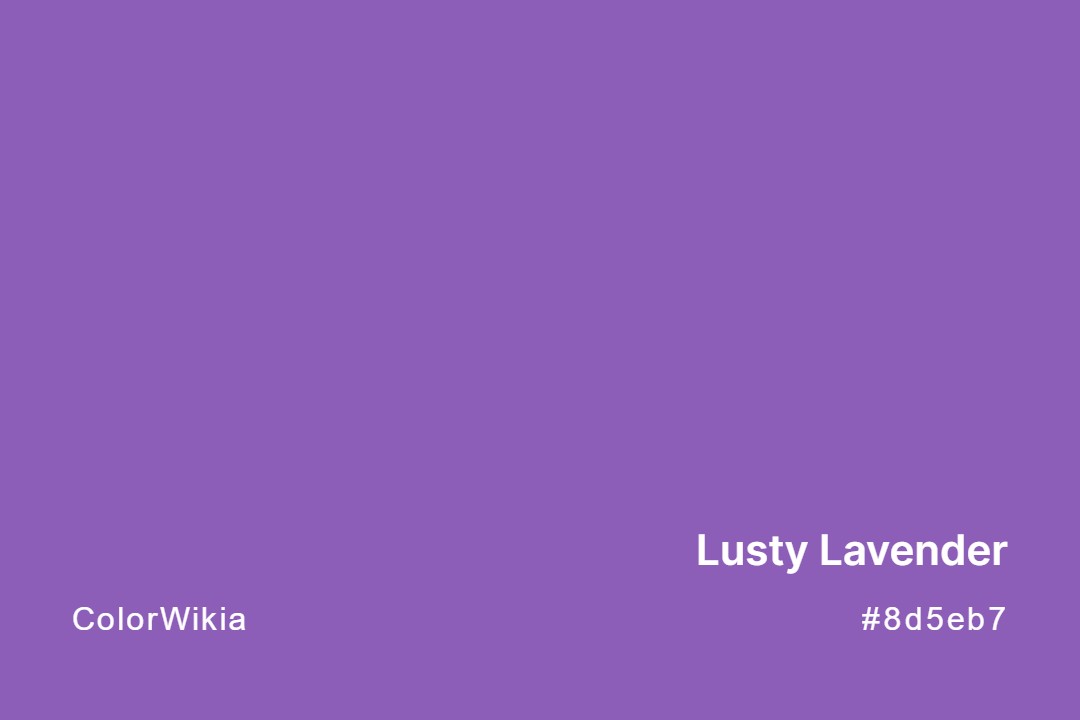
#8d5eb7
Lusty Lavender
#e6da78
Lustrous Yellow
#415a09
Lustrian Undergrowth
#cc4499
Lustful Wishes
#e62020
Lust
#bb3388
Lust Priestess
#c5bda0
Lush
#22bb22
Lush Plains
#2e7d32
Lush Paradise
#007351
Lush Meadow
#a091b7
Lush Mauve
#9d7eb7
Lush Lilac
#e9f6e0
Lush Life
#6c765c
Lush Hosta
#fca81b
Lush Honeycomb




The language of color can become confusing because everyday speech and color theory do not always use the word shade in exactly the same way. A page about color shades may describe a whole group of related colors, while the technical definition of a shade refers specifically to a hue made darker with black.
That difference matters when you compare taupe color shades, rust shades, or any other color family. The names people use are practical labels, while color systems provide more precise ways to describe the underlying values.
Understanding the difference between shade, tint, tone, and hue makes it easier to talk about color accurately. It also explains why one named color can have several related variations.
What Is a Color Shade?
In strict color theory, a shade is a hue with black added. Adding black lowers the lightness and produces a darker version of the starting color. A red can move toward burgundy, for example, while a blue can move toward navy.
In everyday language, people use shade more broadly. A search for “different shades of blue” may include lighter, darker, muted, and named variations that are not technically shades under the narrow definition.
That broader usage is common in design, retail, fashion, and online color references. It is also why color shade pages usually cover a family of related colors rather than only mixtures created by adding black.
The distinction is useful because it separates technical color terminology from the way people normally describe color families.
Shade, Tint, Tone, and Hue
These four terms describe different relationships between colors.
- Hue refers to the pure color position itself, such as red, blue, green, or yellow.
- Tint is a hue with white added, producing a lighter version such as pink from red.
- Shade is a hue with black added, producing a darker version such as burgundy from red.
- Tone is a hue with gray added, reducing saturation and muting the color.
The distinctions become useful when you need to describe why two colors look different. A pale blue may be a tint, while a dusty blue may be a tone and a navy blue may be a shade.
These terms can also be used together when discussing a larger color family. A named color may be lighter than the base color, darker than it, or more muted without fitting neatly into one everyday category.
How Digital Color Systems Describe Shades
Digital color systems make these relationships easier to quantify. RGB describes a color by the amount of red, green, and blue light used to create it, while HSL separates the color into hue, saturation, and lightness.
Hex codes provide a compact representation of RGB values. A six-character code such as #DC143C can identify crimson in a digital interface, but the number does not tell you where the color name originally came from or whether a physical pigment uses the same formulation.
In HSL, reducing lightness while holding hue and saturation constant moves a color toward a darker digital version. Raising lightness moves it toward a lighter version, while reducing saturation creates a more muted result.
This distinction is important when working with digital color. A color name can provide a useful visual reference, but a hex code gives you a specific digital value.
How Color Shade Names Develop
Color names often come from things people recognize. Taupe refers to the mole, while rust takes its name from corroded iron. Other names come from materials or places, including copper, terracotta, mahogany, sienna, and umber.
Language can preserve those histories even after a color becomes a digital swatch. Khaki color shades provide another example because the word traces back to a Hindustani term connected with dust and earth.
Commercial color naming adds another layer. Paint makers, textile companies, standards groups, and digital platforms may assign different names to closely related colors, so one shade does not always have one universal label.
This is one reason color names can feel inconsistent. A name can describe a recognizable visual family without pointing to one universal digital value.
Color Standards and Shade Codes
Professional color systems exist because names alone are too vague for precise reproduction. The Pantone Matching System assigns numbered references to color formulations, while systems such as Munsell describe colors using hue, value, and chroma.
The Natural Color System uses a different framework based on color perception. These systems serve different purposes, but they share the same practical goal. A numeric reference can communicate more precisely than a word such as “blue” or “green.”
That is also why a page listing color codes should distinguish between a named color, a standardized reference, and an ordinary digital hex value.
A hex code is useful for digital work, but it should not automatically be treated as a universal definition of a named color. The context behind the color reference matters.
Major Color Families and Their Shades
Every broad color family branches into many named variations. The examples below show how familiar shade names sit within larger groups.
| Color Family | Popular Shade | Hex Code |
| Red | Crimson | #DC143C |
| Blue | Navy | #000080 |
| Green | Forest Green | #228B22 |
| Yellow | Gold | #FFD700 |
| Purple | Indigo | #4B0082 |
| Orange | Coral | #FF7F50 |
| Brown | Tan | #D2B48C |
Warm families such as orange and brown include earthy variations such as rust, terracotta, and chocolate. Blue and green branch into names such as navy, teal, forest, and olive.
Neutral families work differently because their boundaries are less obvious. Beige, gray, taupe, and related colors can overlap substantially depending on saturation, lightness, and undertone.
Why named colors can overlap
A useful color family is not always a strict technical category. Two colors can look very similar while carrying different names because the names come from different materials, places, industries, or traditions.
For practical design work, it is often more useful to compare the actual color values than to rely on the name alone.
Frequently Asked Questions
What is the difference between a shade and a tint?
A shade is a darker version created by adding black, while a tint is a lighter version created by adding white.
Is a tone the same as a shade?
No. A tone adds gray and reduces saturation, while a shade adds black and darkens the original hue.
Why does one color have so many shade names?
Different industries, standards groups, companies, and cultures develop names independently. Closely related colors can therefore receive several labels.
How many shades of a color are there?
There is no fixed limit. Digital systems can generate very large numbers of distinct values, while named shades depend on the terms that become widely recognized or useful.