
30,000+ Shades of Color with Names and HEX Code
Explore unique color shades for your website, brand or any project.
#eeee99

Golden Fragrance
#bdd043
Golden Foliage
#cccc00
Golden Foil
#f0ead2
Golden Fog
#ebde31
Golden Fizz
#c39e44
Golden Field
#bdd5b1
Golden Elm
#b29155
Golden Egg
#d8c39f
Golden Ecru
#f1cc2b
Golden Dream
#d2d88f
Golden Delicious
#d7b056
Golden Cricket
#f6ca69
Golden Crest
#ecc909
Golden Crescent
#f7b768
Golden Cream
#f0b672
Golden Corn
#fcd975
Golden Coin
#f4ce74
Golden Churro
#eeb574
Golden Chime
#dddd11
Golden Chandelier
#e7c068
Golden Chalice
#bdb76b
Golden Cartridge
#ac864b
Golden Cadillac
#f8e6c8
Golden Buff
#b27a01
Golden Brown
#ffdd44
Golden Boy
#ff1155
Golden Blood
#efe17e
Golden Blonde
#ccaa55
Golden Blond
#ca8136
Golden Bell
#cea277
Golden Beige
#ba985f
Golden Bear
#fcc62a
Golden Banner
#ffee77
Golden Aurelia
#d29e68
Golden Aura
#dba950
Golden Apricot
#f3d74f
Golden Apples
#e6be59
Golden Appeal
#ceab77
Golden Age
#caa375
Golden Thistle Yellow
#ffb657
Golden Rain Yellow
#d9a400
Golden Beryl Yellow
#ccddbb
Golden Crested Wren
#ca602a
Golden Lion Tamarin
#ffdb29
Golden Honey Suckle
#ead771
Golden Glitter Storm
#aa8a58
Golden Quartz Ochre
#ecc799
Golden City Moon
#cea644
Golden Age Gilt
#ffcf60
Golden Moray Eel
#ecbe91
Golden Oat Coloured
#c0362d
Golden Gate Bridge
#ffcc22

Golden Buddha Belly
#9c8a53
Goldbrown
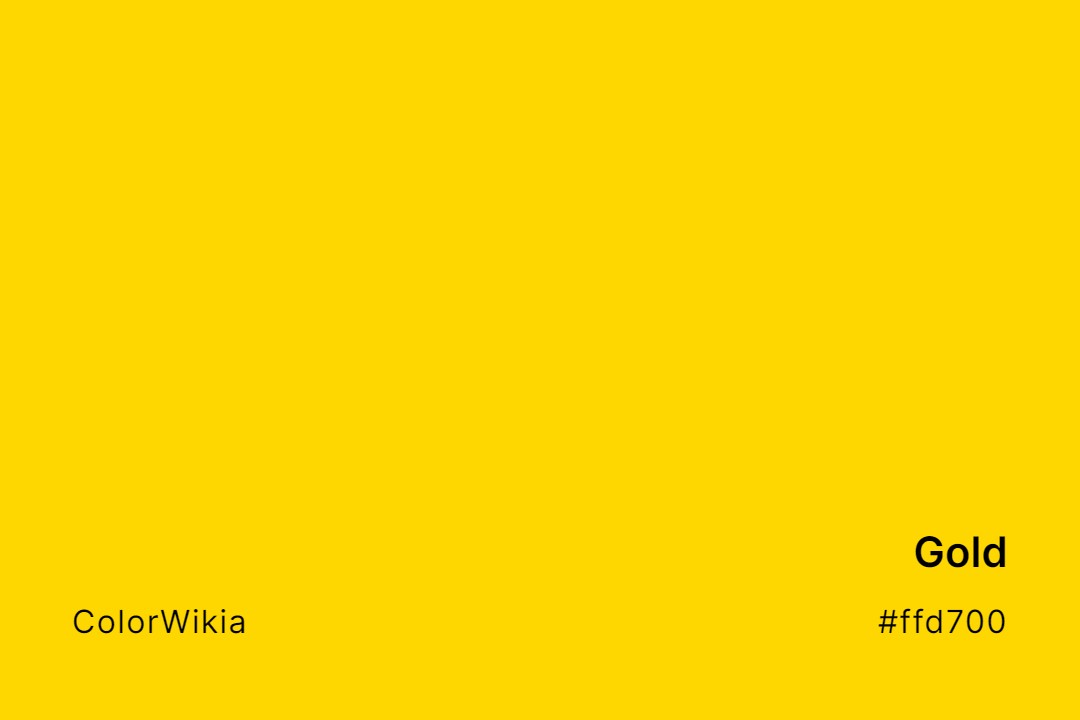
#ffd700
Gold
#e6d682
Gold Winged
#d4c19e
Gold Wash
#eaba8a
Gold Vessel
#d6b956
Gold Vein
#c9ab73
Gold Tweed
#bd955e
Gold Torch
#dbb40c
Gold Tooth
#e2b227
Gold Tips
#dec283
Gold Tint
#9e865e
Gold Tangiers
#bb9a39
Gold Taffeta
#f3dfa6
Gold Strand
#907047
Gold Spike
#c19d61
Gold Spell
#786b3d
Gold Sparkle
#b19971
Gold Season
#f7e5a9
Gold Sand
#c4a777
Gold Rush
#eb5406
Gold Red
#b39260
Gold Ransom
#b0834f
Gold Plated
#e6bd8f
Gold Plate
#c6795f
Gold Pheasant
#ecbc14
Gold Ore
#db7210
Gold Orange
#b17743
Gold Metal
#edbb26
Gold Leaf
#e6c28c
Gold Hearted
#ece086
Gold Grillz
#cfb352
Gold Gleam
#eb9600
Gold Fusion
#d99f4d
Gold Foil
#b44f22
Gold Flame
#bc9f60
Gold Finch
#977a41
Gold Estate
#db9663
Gold Earth
#a4803f
Gold Dust
#d56c30
Gold Drop
#d1b075
Gold Digger
#e0ce57
Gold Deposit
#df9938
Gold Crest
#c78538
Gold Coast
#ae9769
Gold Canyon
#eedd99
Gold Bullion
#ecc481
Gold Buff




The language of color can become confusing because everyday speech and color theory do not always use the word shade in exactly the same way. A page about color shades may describe a whole group of related colors, while the technical definition of a shade refers specifically to a hue made darker with black.
That difference matters when you compare taupe color shades, rust shades, or any other color family. The names people use are practical labels, while color systems provide more precise ways to describe the underlying values.
Understanding the difference between shade, tint, tone, and hue makes it easier to talk about color accurately. It also explains why one named color can have several related variations.
What Is a Color Shade?
In strict color theory, a shade is a hue with black added. Adding black lowers the lightness and produces a darker version of the starting color. A red can move toward burgundy, for example, while a blue can move toward navy.
In everyday language, people use shade more broadly. A search for “different shades of blue” may include lighter, darker, muted, and named variations that are not technically shades under the narrow definition.
That broader usage is common in design, retail, fashion, and online color references. It is also why color shade pages usually cover a family of related colors rather than only mixtures created by adding black.
The distinction is useful because it separates technical color terminology from the way people normally describe color families.
Shade, Tint, Tone, and Hue
These four terms describe different relationships between colors.
- Hue refers to the pure color position itself, such as red, blue, green, or yellow.
- Tint is a hue with white added, producing a lighter version such as pink from red.
- Shade is a hue with black added, producing a darker version such as burgundy from red.
- Tone is a hue with gray added, reducing saturation and muting the color.
The distinctions become useful when you need to describe why two colors look different. A pale blue may be a tint, while a dusty blue may be a tone and a navy blue may be a shade.
These terms can also be used together when discussing a larger color family. A named color may be lighter than the base color, darker than it, or more muted without fitting neatly into one everyday category.
How Digital Color Systems Describe Shades
Digital color systems make these relationships easier to quantify. RGB describes a color by the amount of red, green, and blue light used to create it, while HSL separates the color into hue, saturation, and lightness.
Hex codes provide a compact representation of RGB values. A six-character code such as #DC143C can identify crimson in a digital interface, but the number does not tell you where the color name originally came from or whether a physical pigment uses the same formulation.
In HSL, reducing lightness while holding hue and saturation constant moves a color toward a darker digital version. Raising lightness moves it toward a lighter version, while reducing saturation creates a more muted result.
This distinction is important when working with digital color. A color name can provide a useful visual reference, but a hex code gives you a specific digital value.
How Color Shade Names Develop
Color names often come from things people recognize. Taupe refers to the mole, while rust takes its name from corroded iron. Other names come from materials or places, including copper, terracotta, mahogany, sienna, and umber.
Language can preserve those histories even after a color becomes a digital swatch. Khaki color shades provide another example because the word traces back to a Hindustani term connected with dust and earth.
Commercial color naming adds another layer. Paint makers, textile companies, standards groups, and digital platforms may assign different names to closely related colors, so one shade does not always have one universal label.
This is one reason color names can feel inconsistent. A name can describe a recognizable visual family without pointing to one universal digital value.
Color Standards and Shade Codes
Professional color systems exist because names alone are too vague for precise reproduction. The Pantone Matching System assigns numbered references to color formulations, while systems such as Munsell describe colors using hue, value, and chroma.
The Natural Color System uses a different framework based on color perception. These systems serve different purposes, but they share the same practical goal. A numeric reference can communicate more precisely than a word such as “blue” or “green.”
That is also why a page listing color codes should distinguish between a named color, a standardized reference, and an ordinary digital hex value.
A hex code is useful for digital work, but it should not automatically be treated as a universal definition of a named color. The context behind the color reference matters.
Major Color Families and Their Shades
Every broad color family branches into many named variations. The examples below show how familiar shade names sit within larger groups.
| Color Family | Popular Shade | Hex Code |
| Red | Crimson | #DC143C |
| Blue | Navy | #000080 |
| Green | Forest Green | #228B22 |
| Yellow | Gold | #FFD700 |
| Purple | Indigo | #4B0082 |
| Orange | Coral | #FF7F50 |
| Brown | Tan | #D2B48C |
Warm families such as orange and brown include earthy variations such as rust, terracotta, and chocolate. Blue and green branch into names such as navy, teal, forest, and olive.
Neutral families work differently because their boundaries are less obvious. Beige, gray, taupe, and related colors can overlap substantially depending on saturation, lightness, and undertone.
Why named colors can overlap
A useful color family is not always a strict technical category. Two colors can look very similar while carrying different names because the names come from different materials, places, industries, or traditions.
For practical design work, it is often more useful to compare the actual color values than to rely on the name alone.
Frequently Asked Questions
What is the difference between a shade and a tint?
A shade is a darker version created by adding black, while a tint is a lighter version created by adding white.
Is a tone the same as a shade?
No. A tone adds gray and reduces saturation, while a shade adds black and darkens the original hue.
Why does one color have so many shade names?
Different industries, standards groups, companies, and cultures develop names independently. Closely related colors can therefore receive several labels.
How many shades of a color are there?
There is no fixed limit. Digital systems can generate very large numbers of distinct values, while named shades depend on the terms that become widely recognized or useful.