
30,000+ Shades of Color with Names and HEX Code
Explore unique color shades for your website, brand or any project.
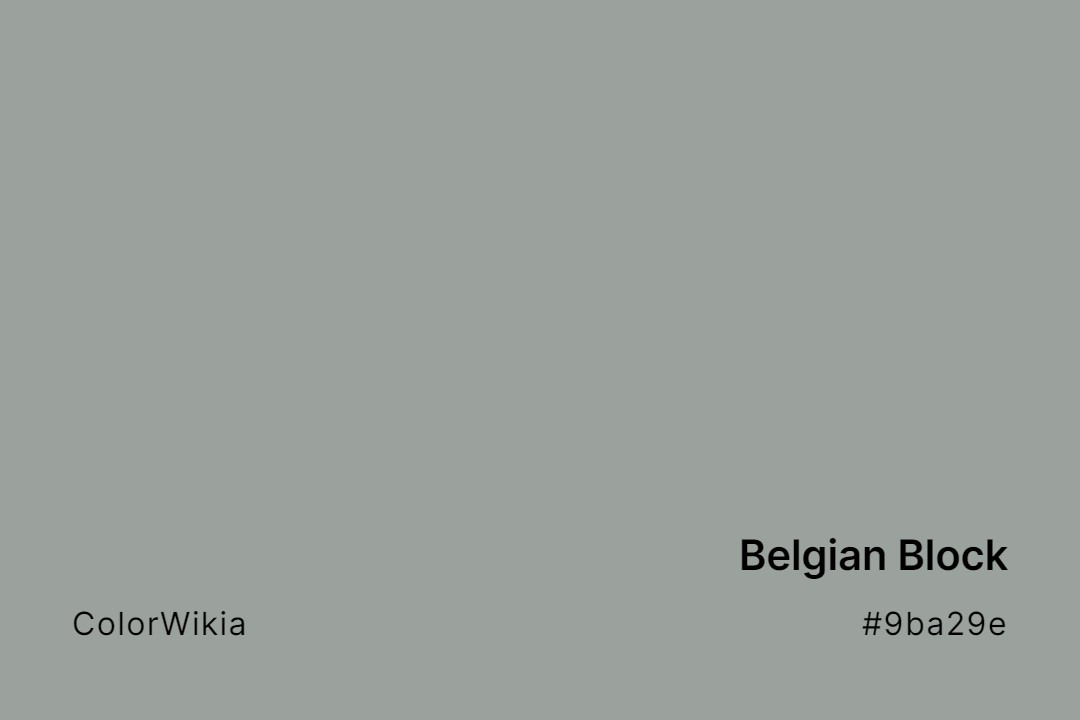
#9ba29e

Belgian Block
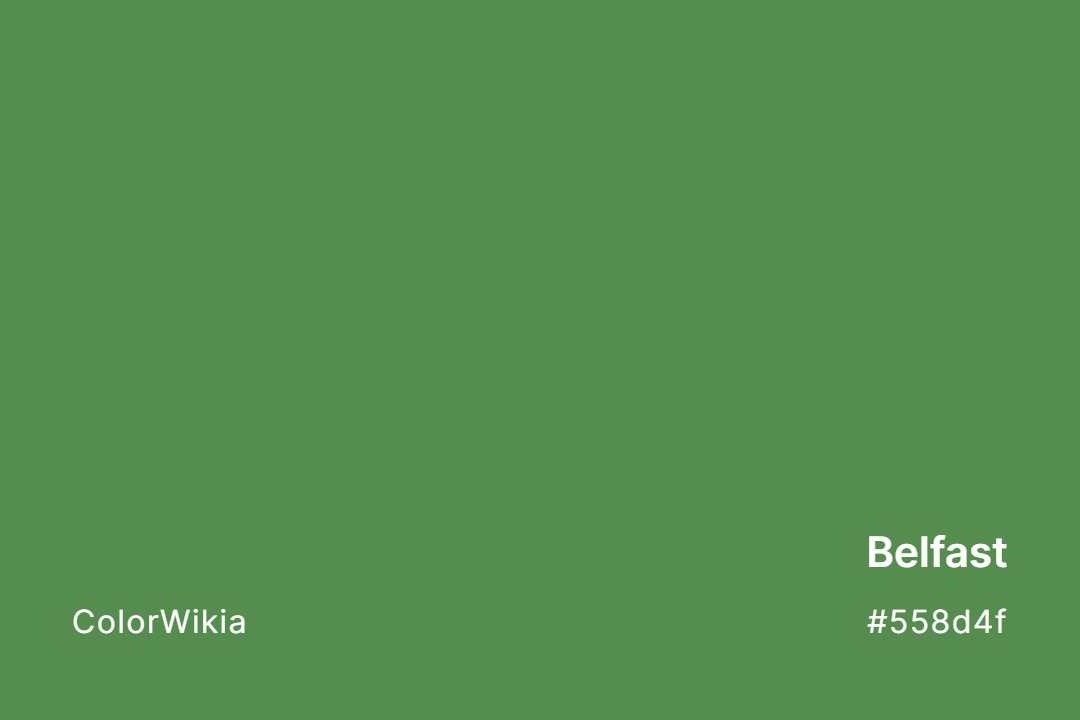
#558d4f
Belfast
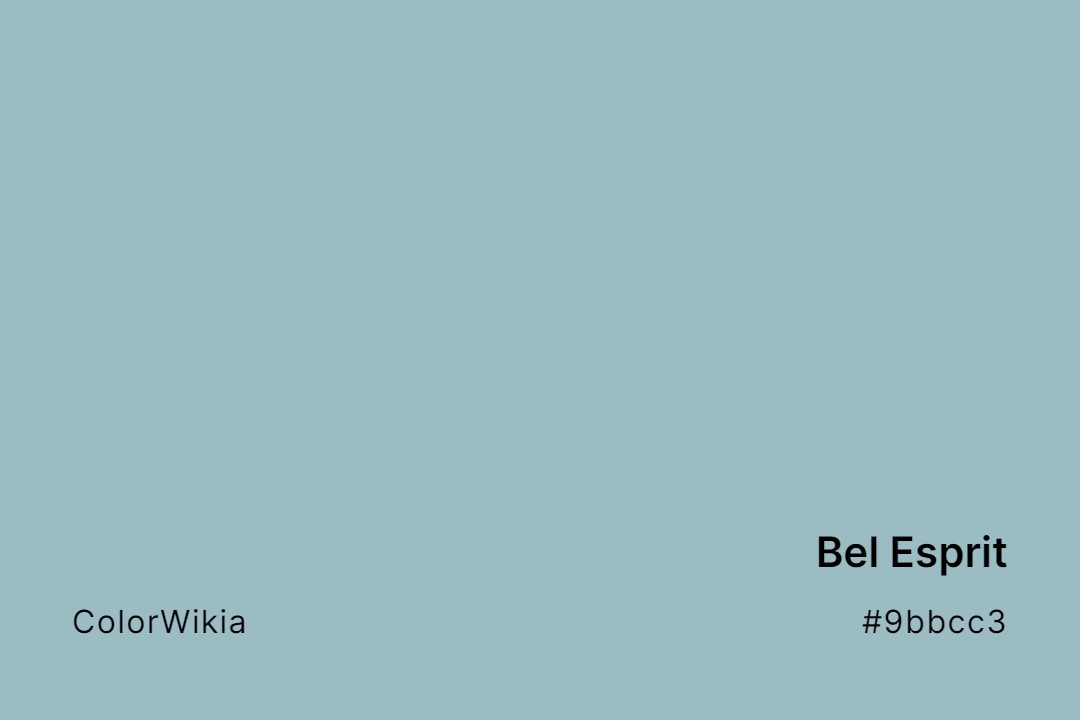
#9bbcc3
Bel Esprit
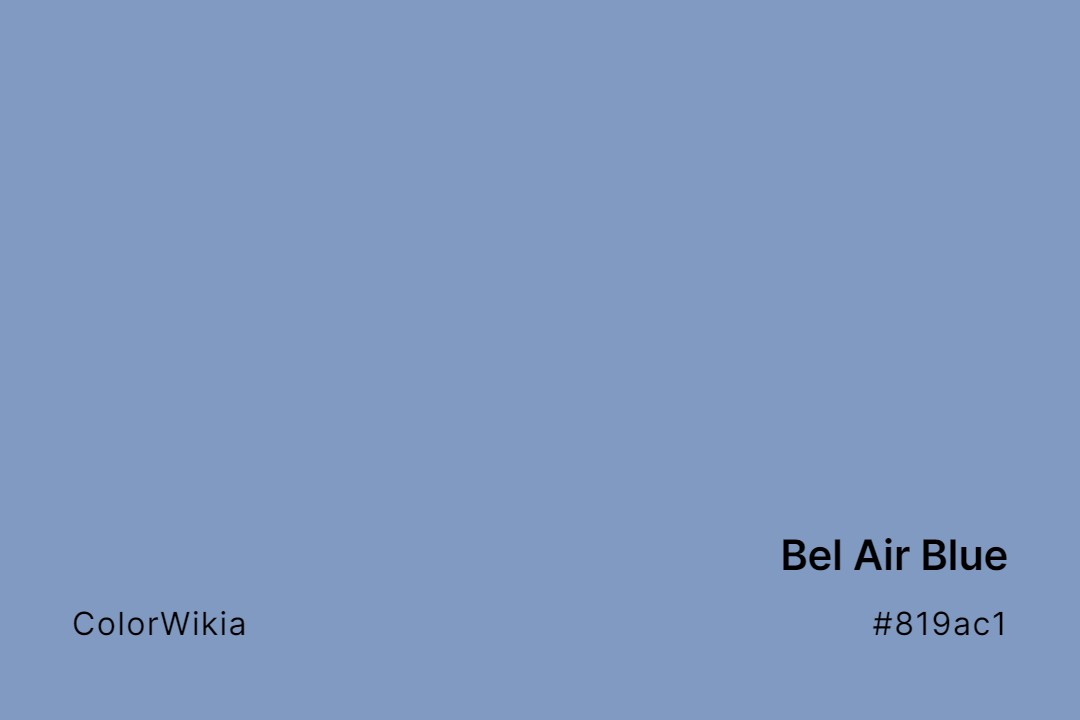
#819ac1
Bel Air Blue
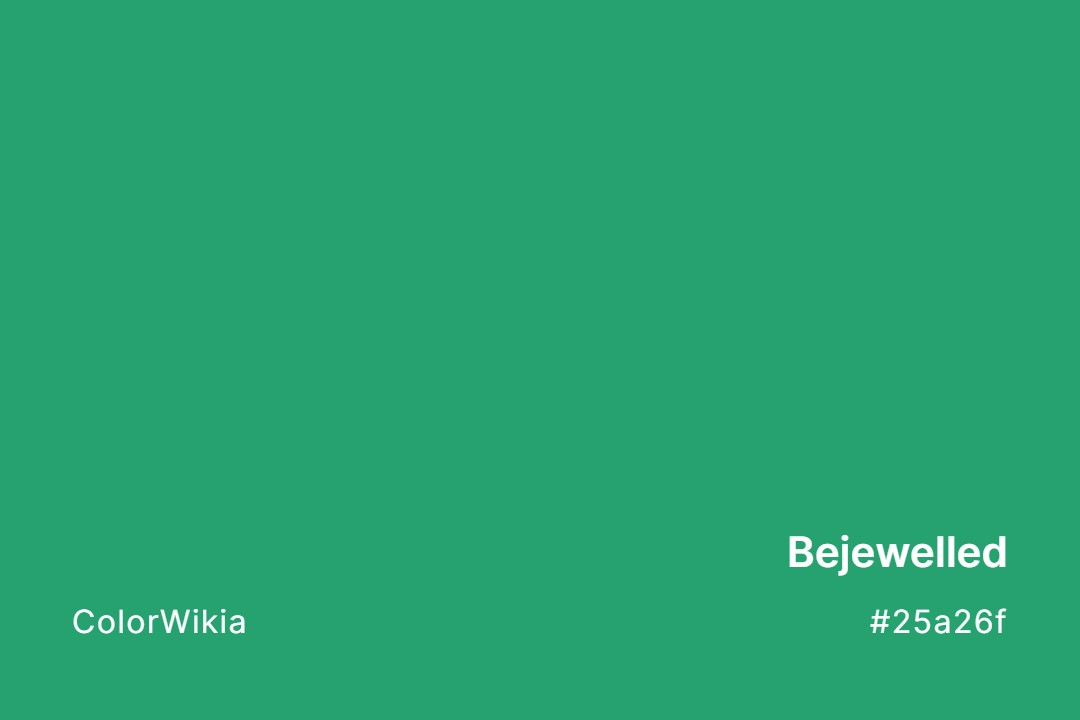
#25a26f
Bejewelled
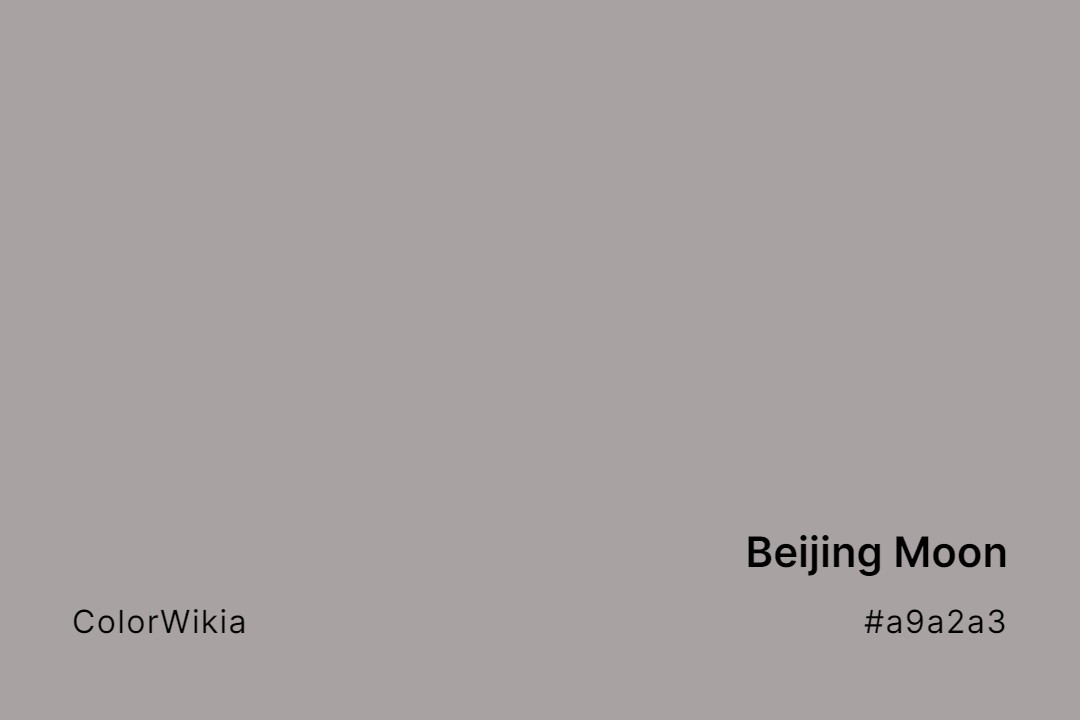
#a9a2a3
Beijing Moon
#e6daa6
Beige
#ffc87c
Beige Topaz
#cfc8b8
Beige Royal
#de9408
Beige Red
#e2dac6
Beige Linen
#987a5b
Beige Intuition
#c5a88d
Beige Intenso
#cfb095
Beige Ganesh
#afa7ac
Beguiling Mauve
#fa6e79
Begonia
#c3797f
Begonia Rose
#ec9abe
Begonia Pink
#5a4d39
Beggar
#bd6f56
Before Winter
#4d6a77
Before the Storm
#96496d
Befitting
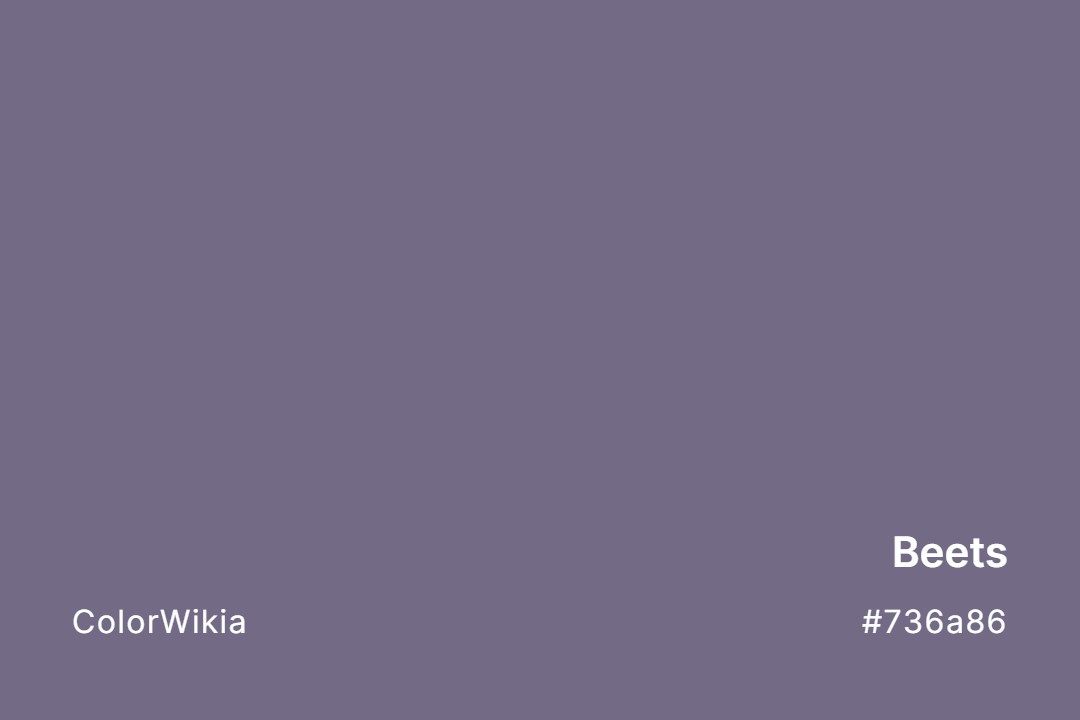
#736a86
Beets
#663f44
Beetroot
#c58f9d
Beetroot Rice
#d33376
Beetroot Purple
#55584c
Beetle
#7e203f
Beet Red
#f5d297
Beeswing
#e9d7ab
Beeswax
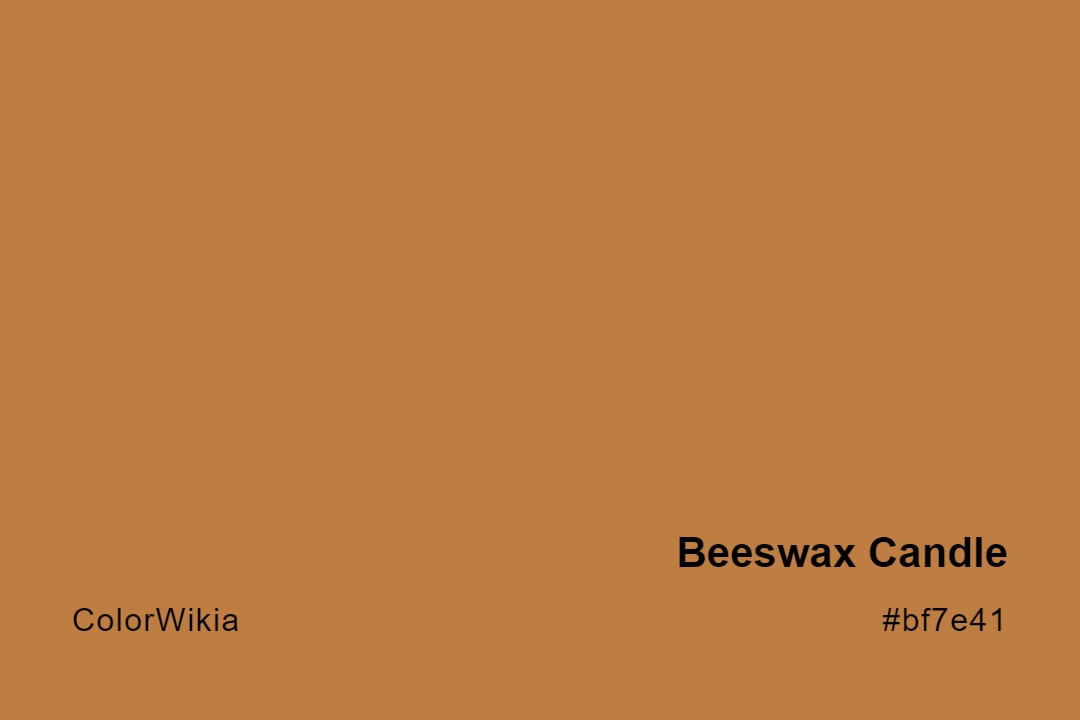
#bf7e41
Beeswax Candle
#eabf86
Bee’s Wax
#e8d9d2
Bee’s Knees
#fcaa12
Beer
#449933
Beer Garden
#773311
Beer Glazed Bacon
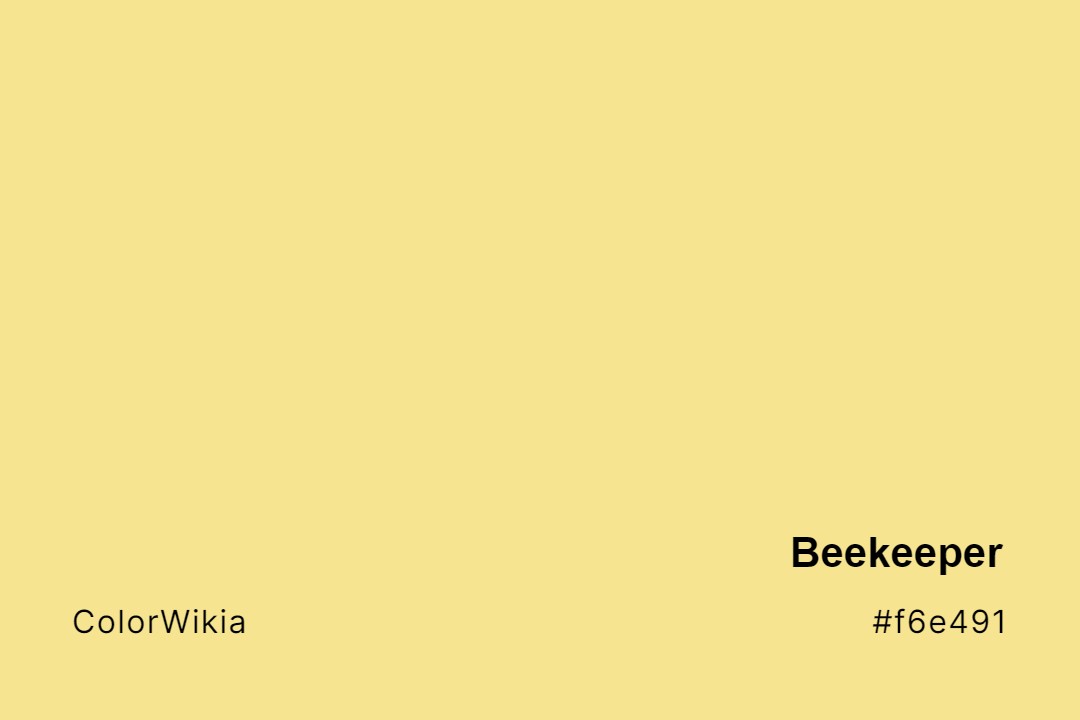
#f6e491
Beekeeper
#e1b781
Beehive
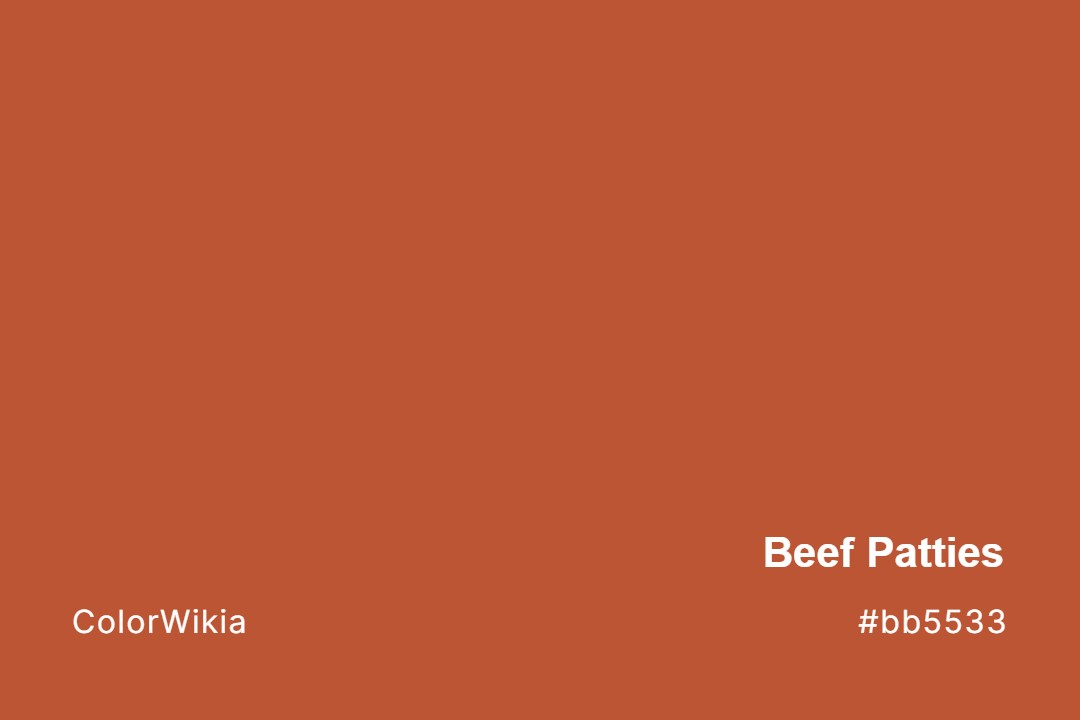
#bb5533
Beef Patties
#a25768
Beef Jerky
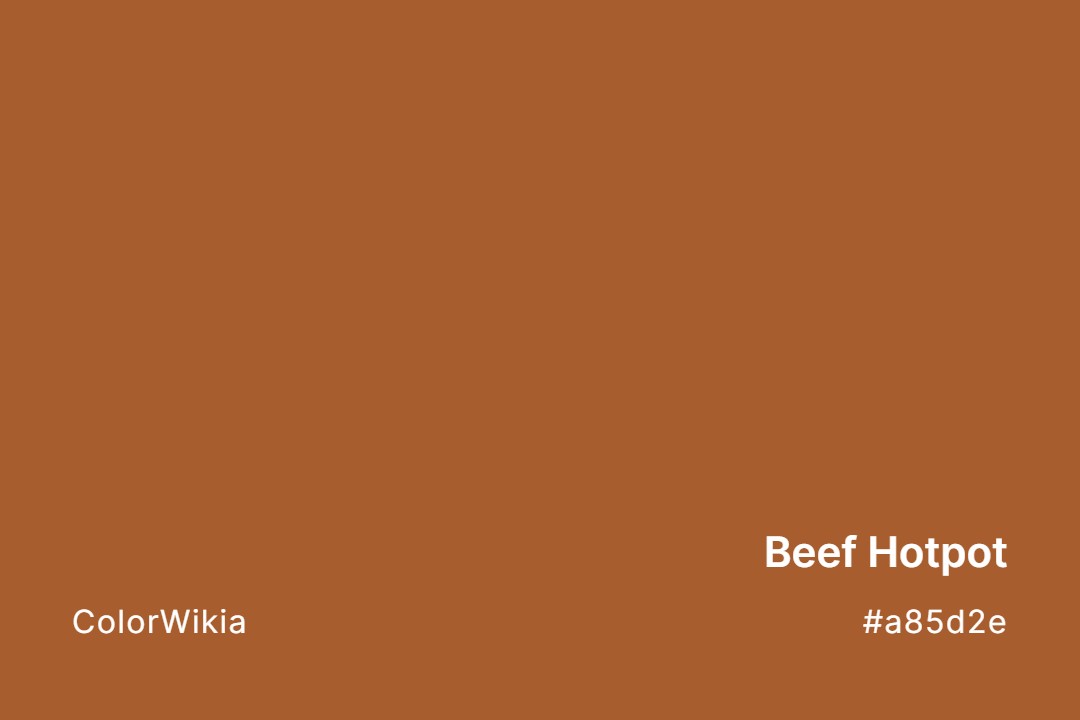
#a85d2e
Beef Hotpot
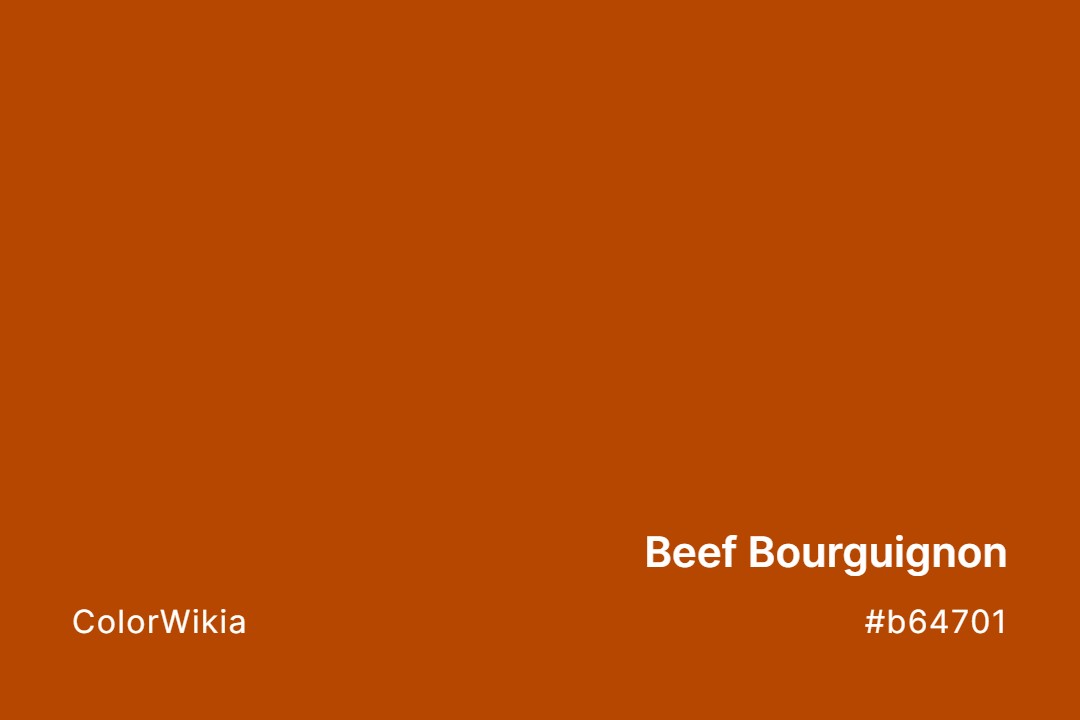
#b64701
Beef Bourguignon
#6e5955
Beechwood
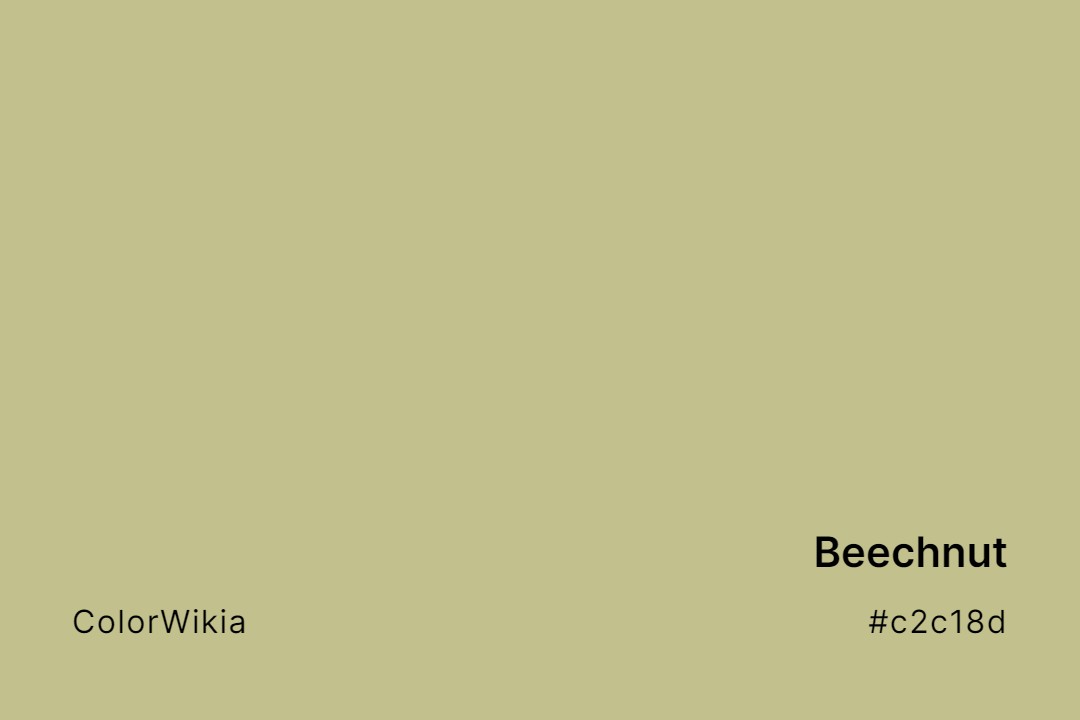
#c2c18d
Beechnut
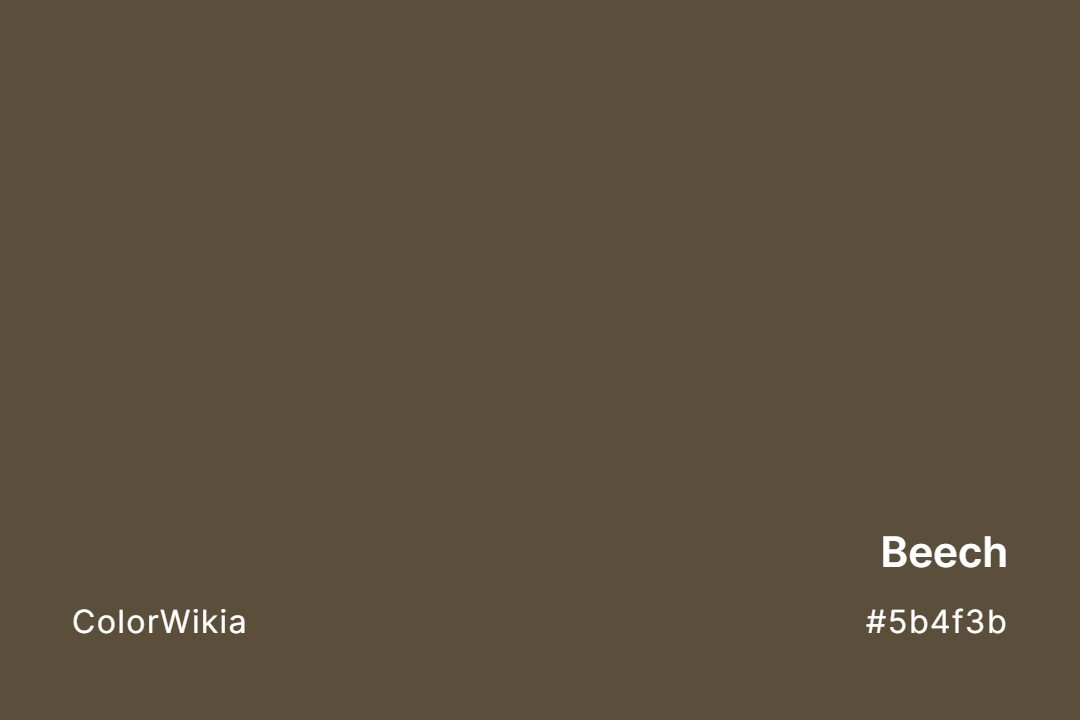
#5b4f3b
Beech
#d7b59a
Beech Nut
#758067
Beech Fern
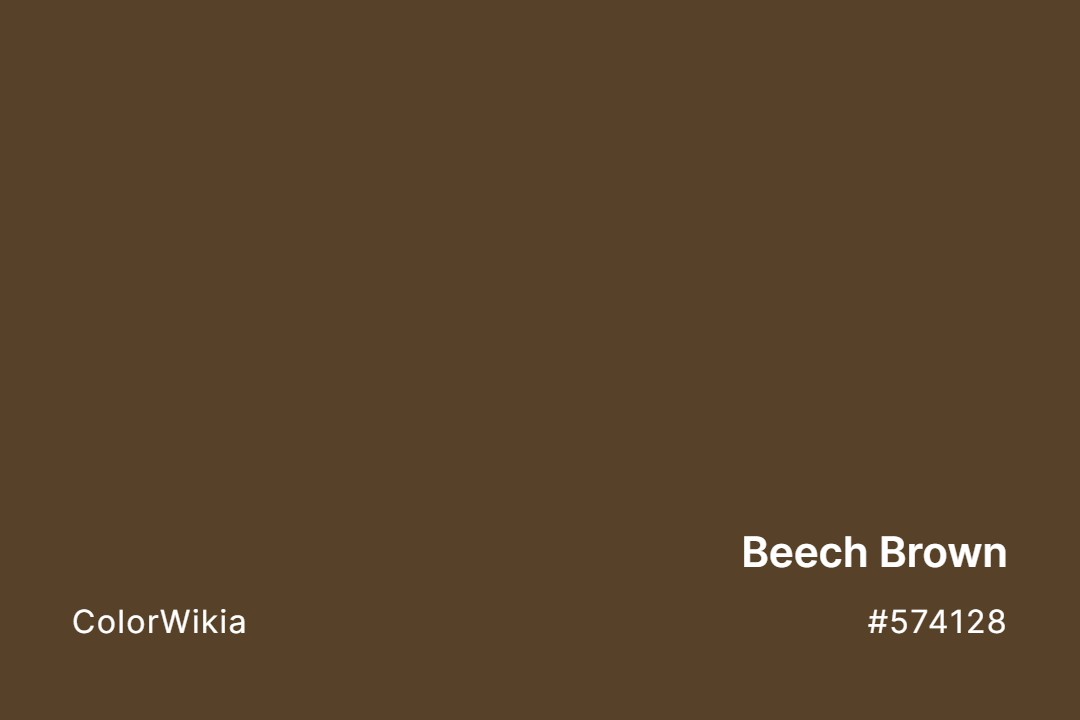
#574128
Beech Brown
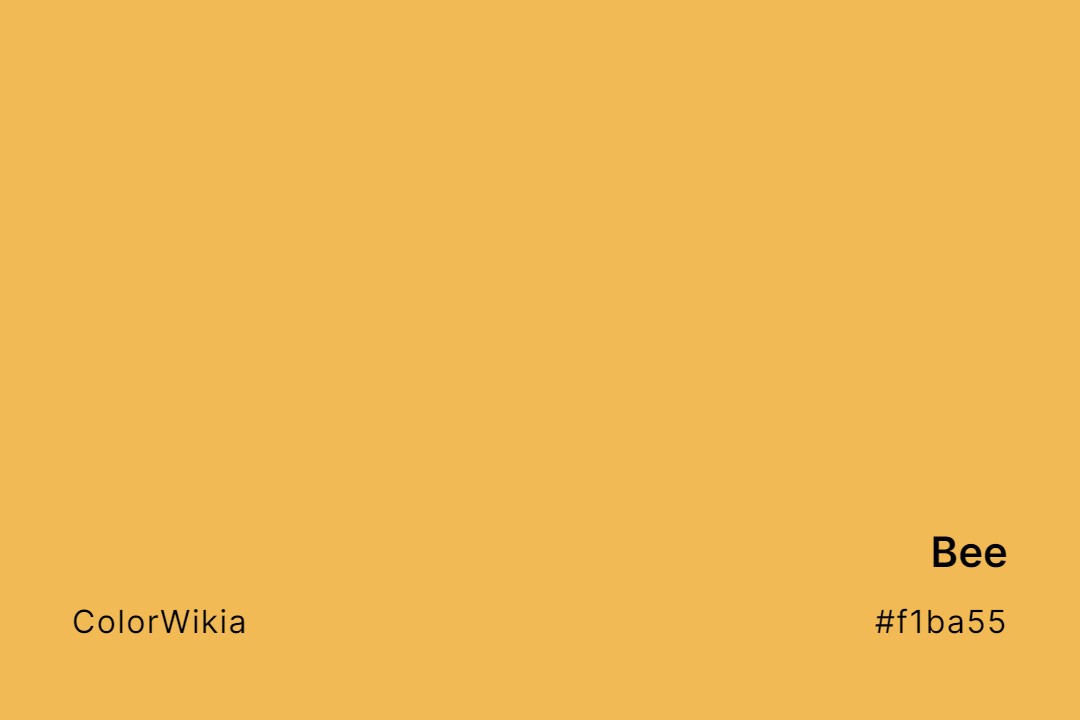
#f1ba55
Bee
#feff32
Bee Yellow
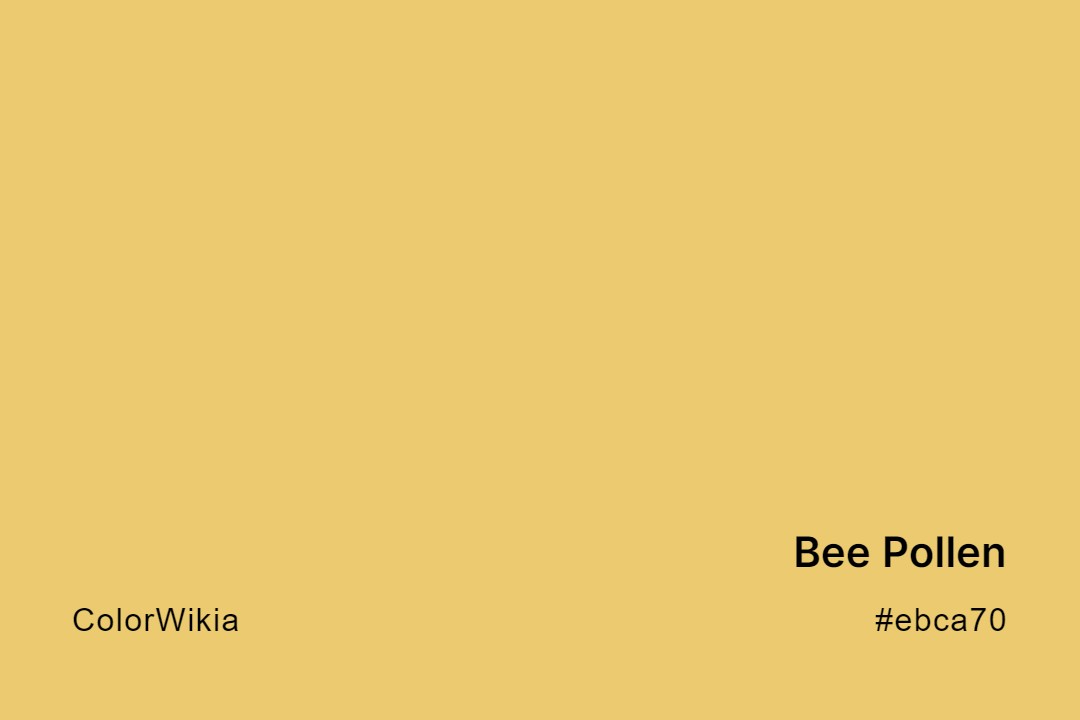
#ebca70
Bee Pollen
#735b3b
Bee Master
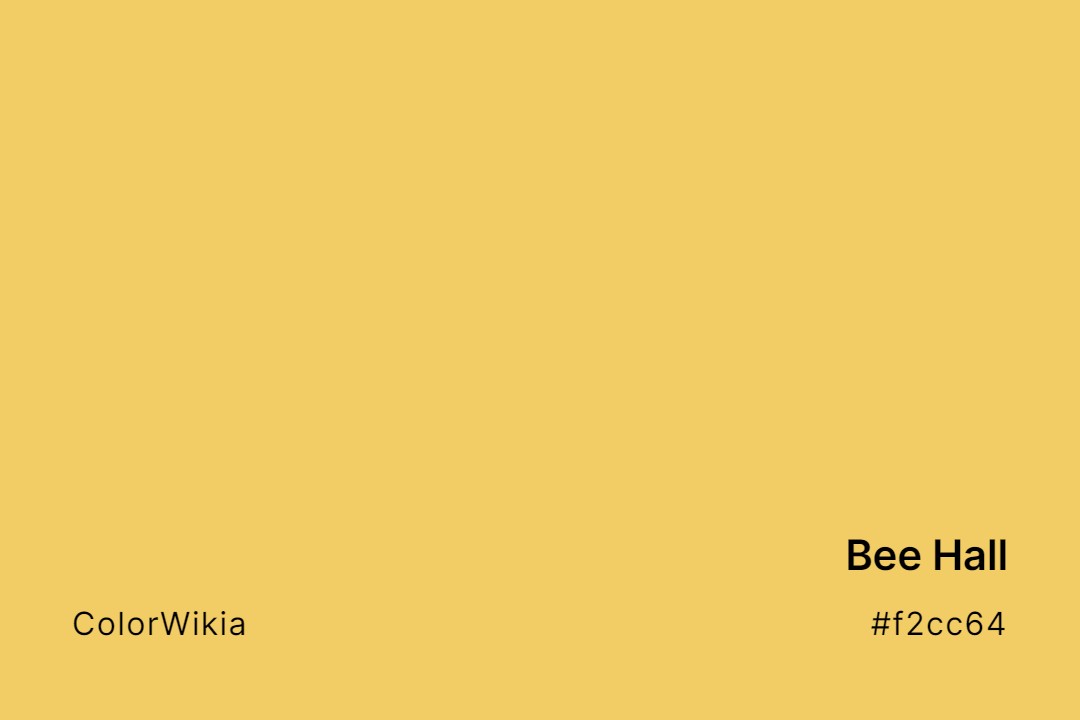
#f2cc64
Bee Hall
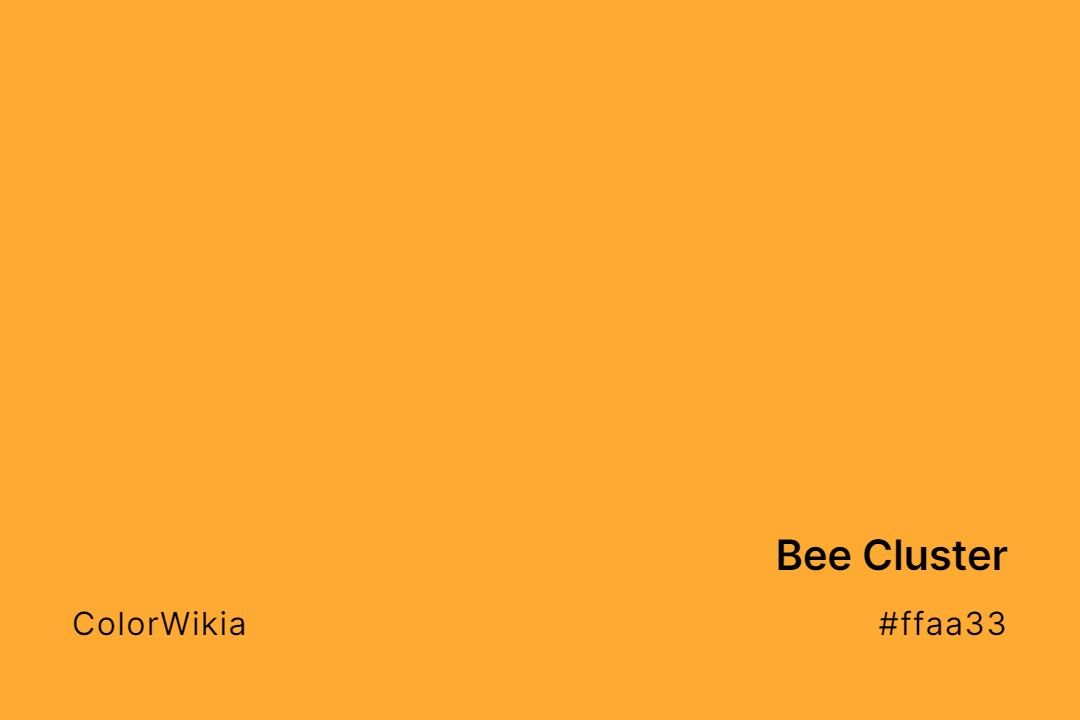
#ffaa33
Bee Cluster
#e1b090
Bedtime Story
#9e9d99
Bedrock
#aa8880
Bedford Brown
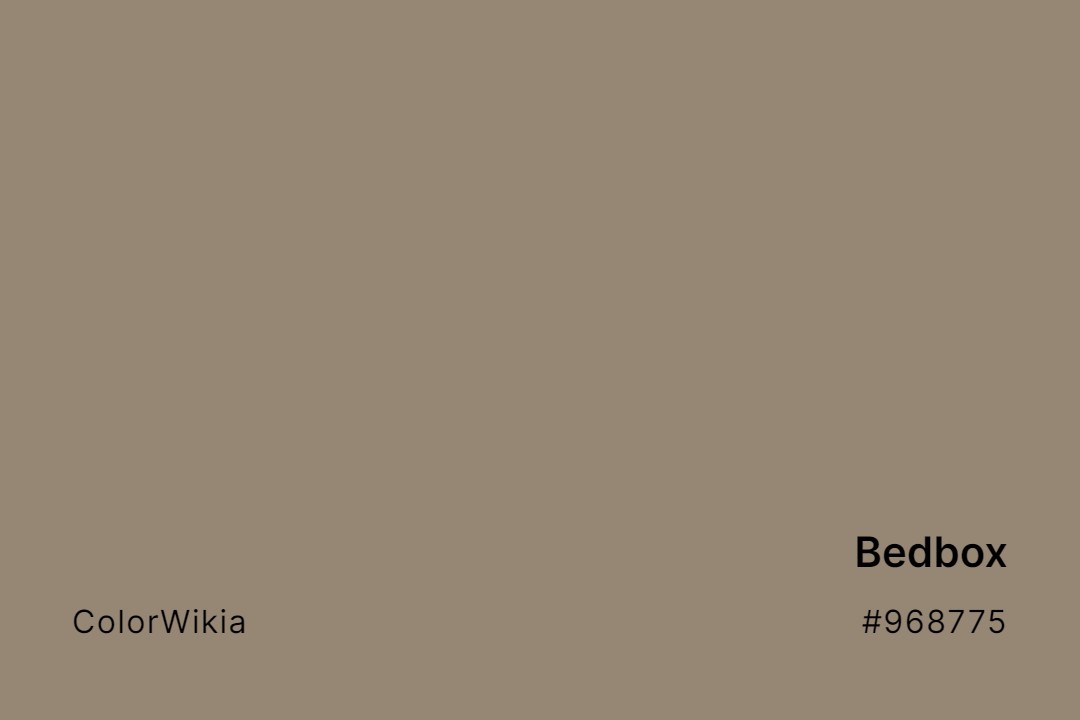
#968775
Bedbox
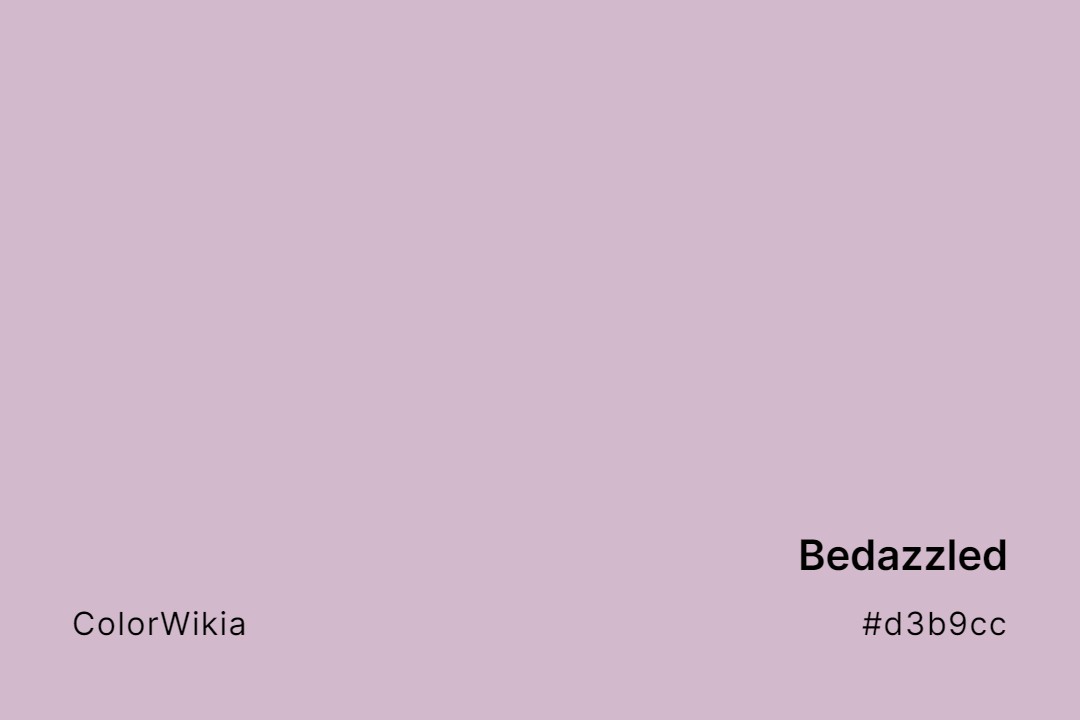
#d3b9cc
Bedazzled
#b893ab
Bed of Roses
#4bec13
Becquerel
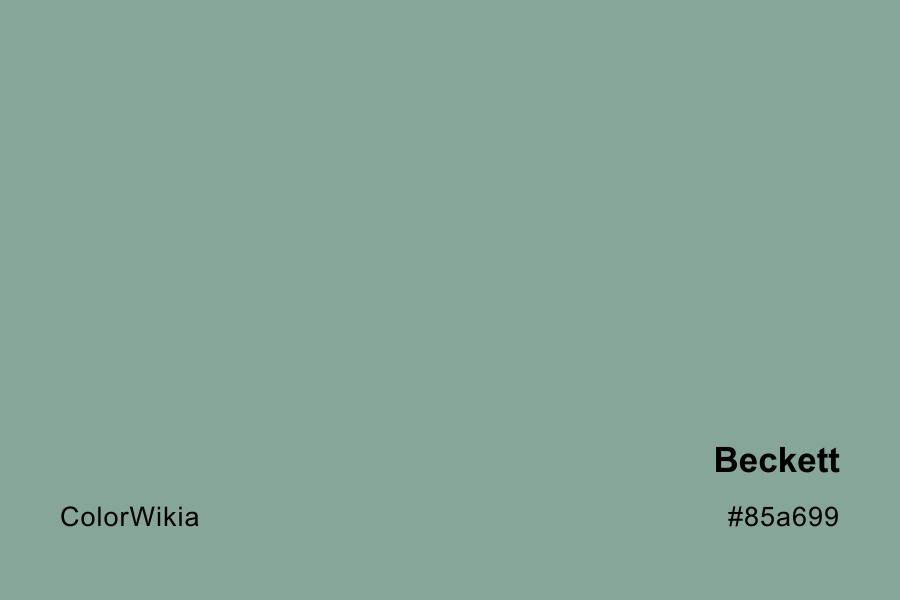
#85a699

Beckett
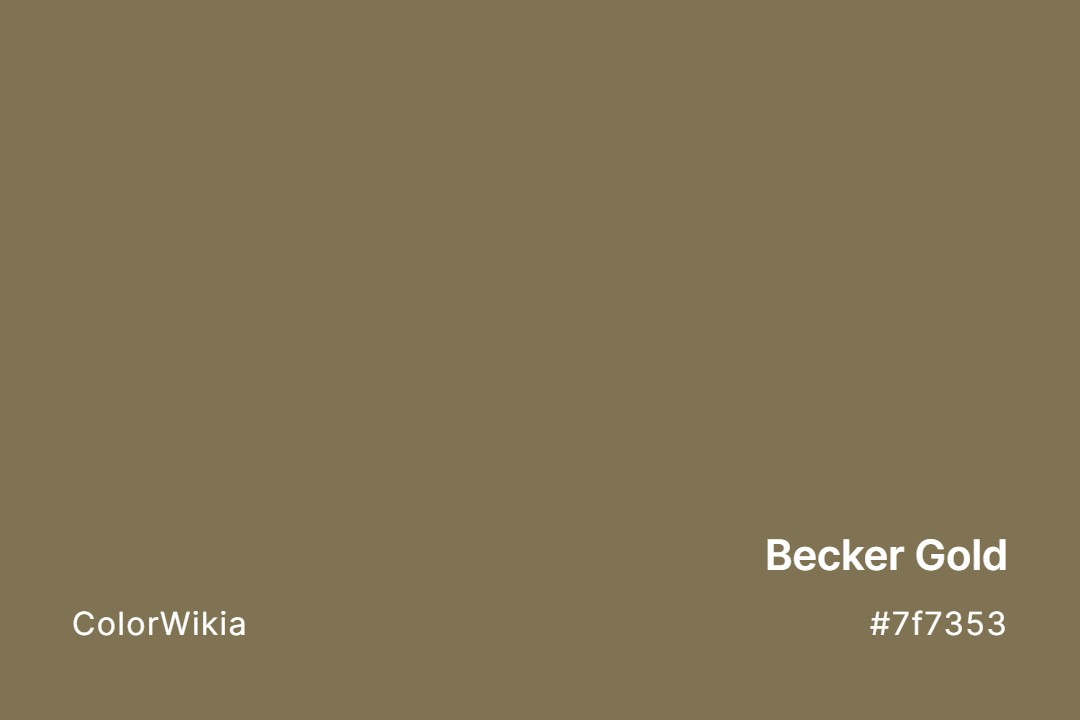
#7f7353
Becker Gold
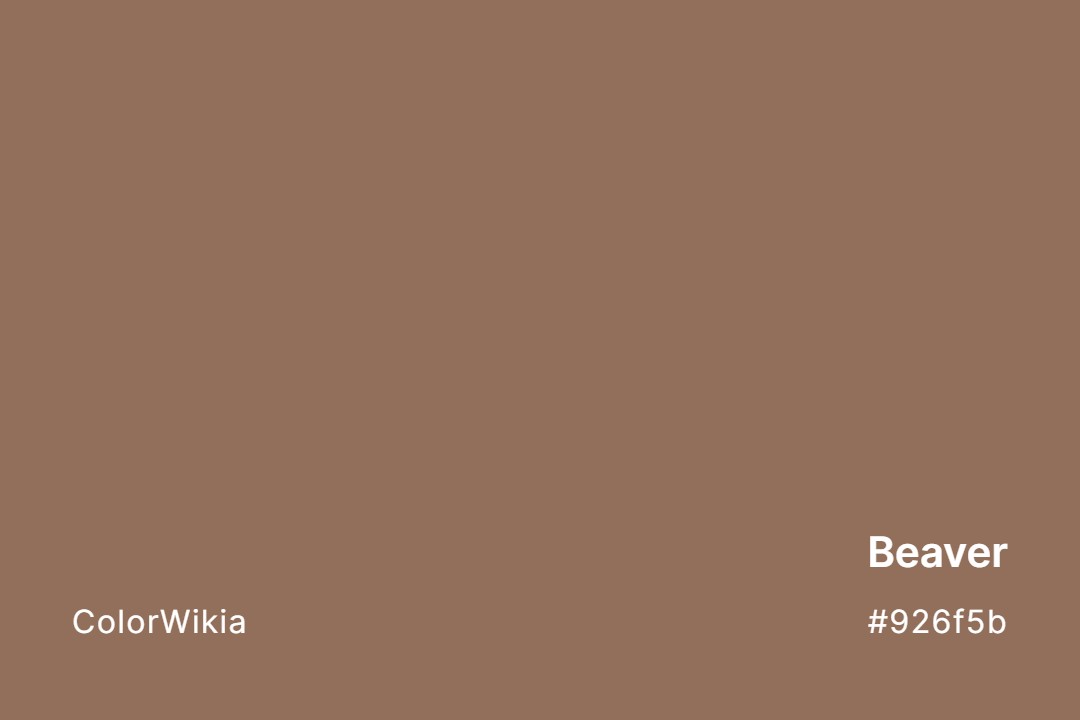
#926f5b
Beaver
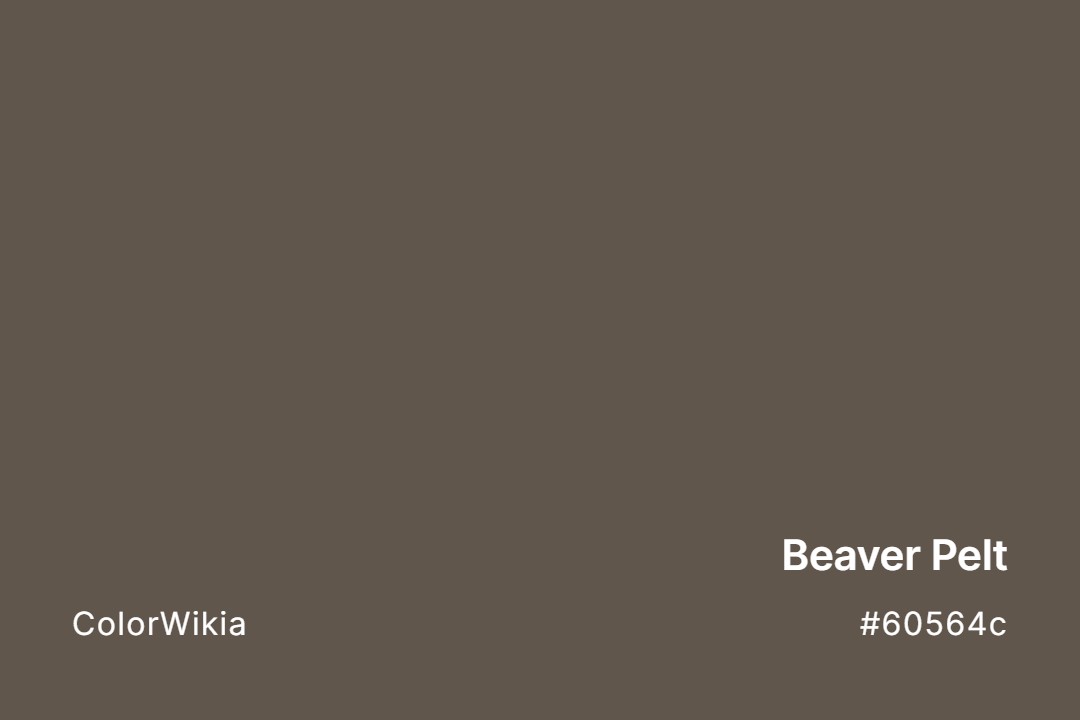
#60564c
Beaver Pelt
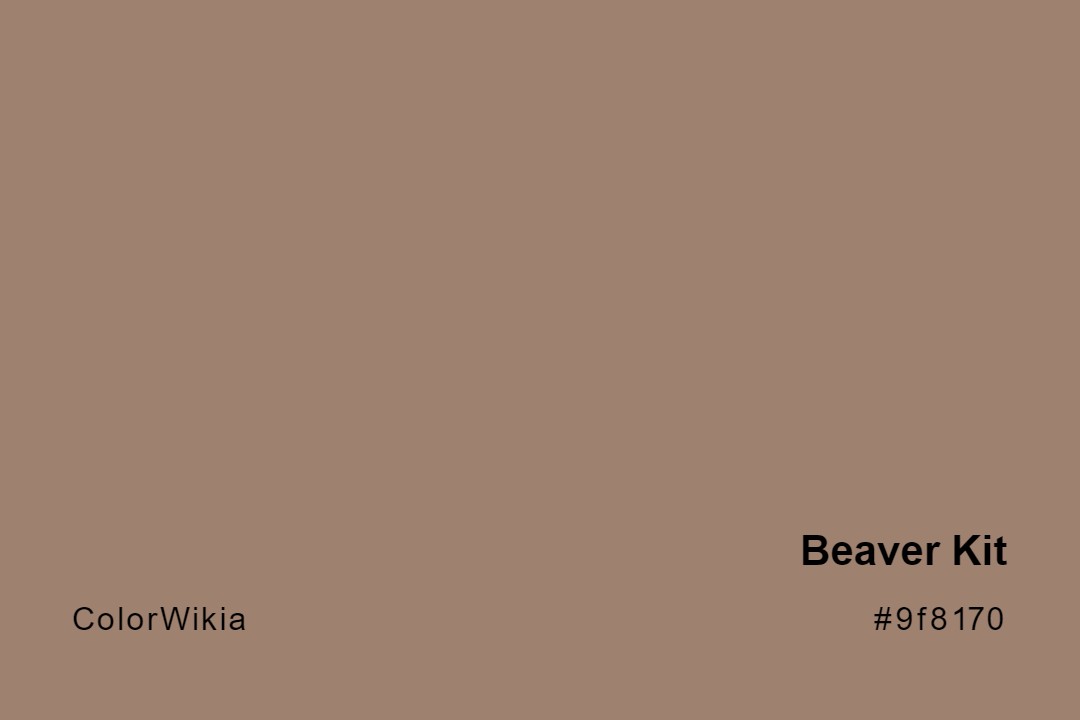
#9f8170
Beaver Kit
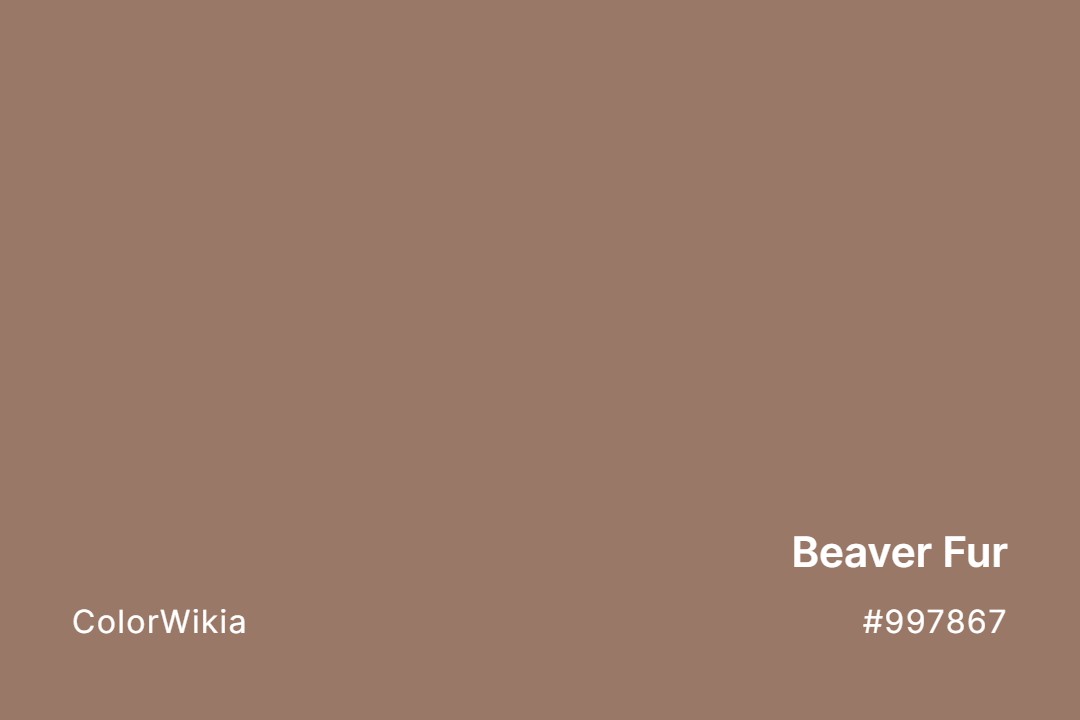
#997867
Beaver Fur
#866b8d
Beauty
#604938
Beauty Spot
#c79ea2
Beauty Secret
#be5c87
Beauty Queen
#834f44
Beauty Patch
#ebb9b3
Beauty Bush
#c99680
Beauty and the Beach
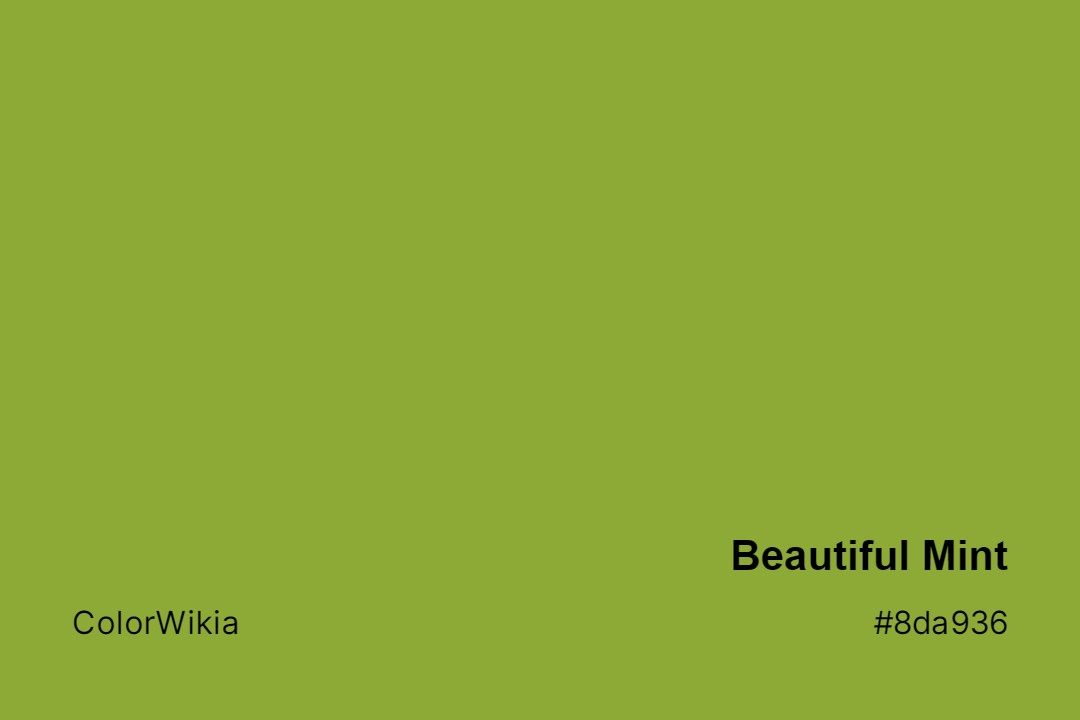
#8da936
Beautiful Mint
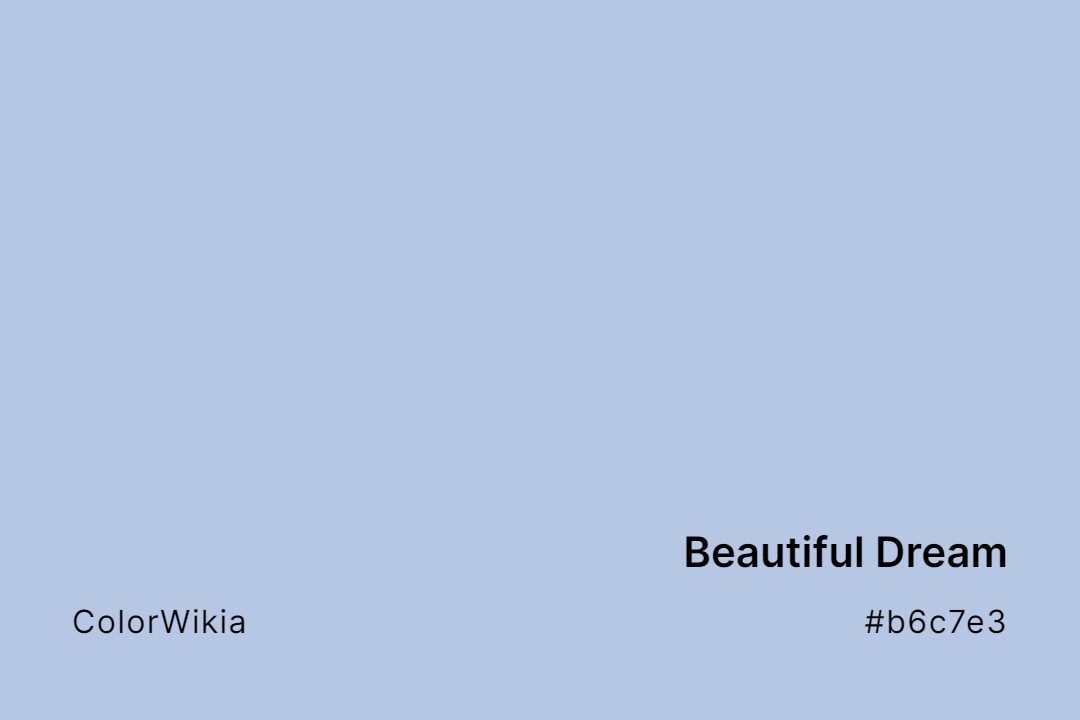
#b6c7e3
Beautiful Dream
#686d70
Beautiful Darkness
#553f44
Beauport Aubergine
#92774c
Beaumont Brown
#80304c
Beaujolais
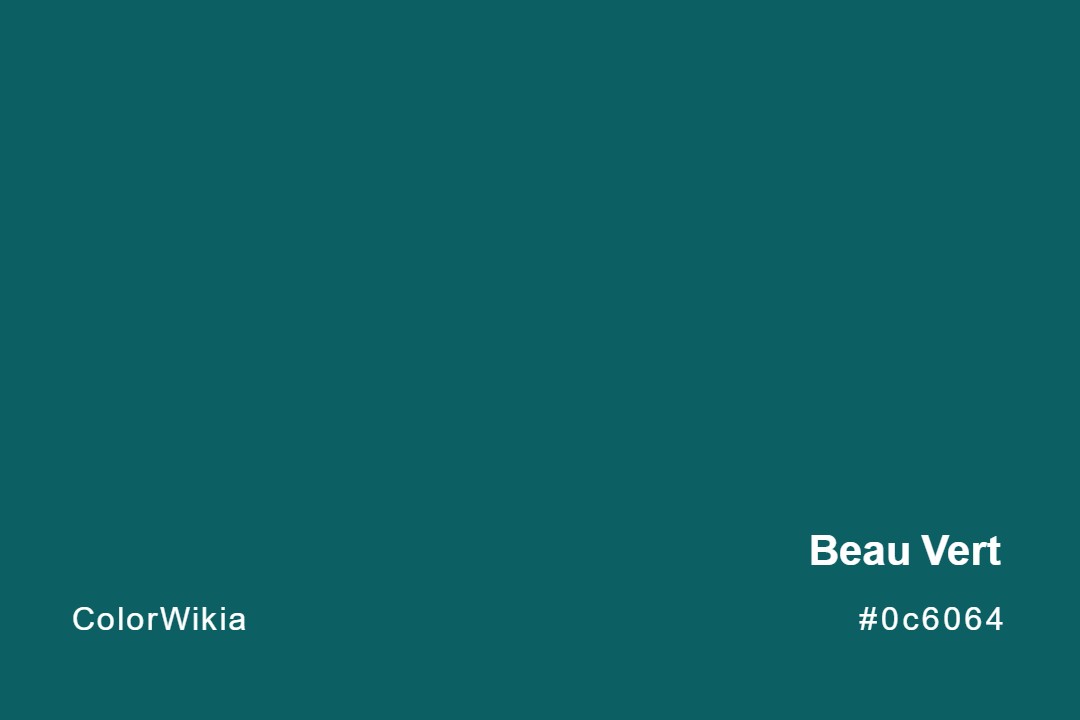
#0c6064
Beau Vert
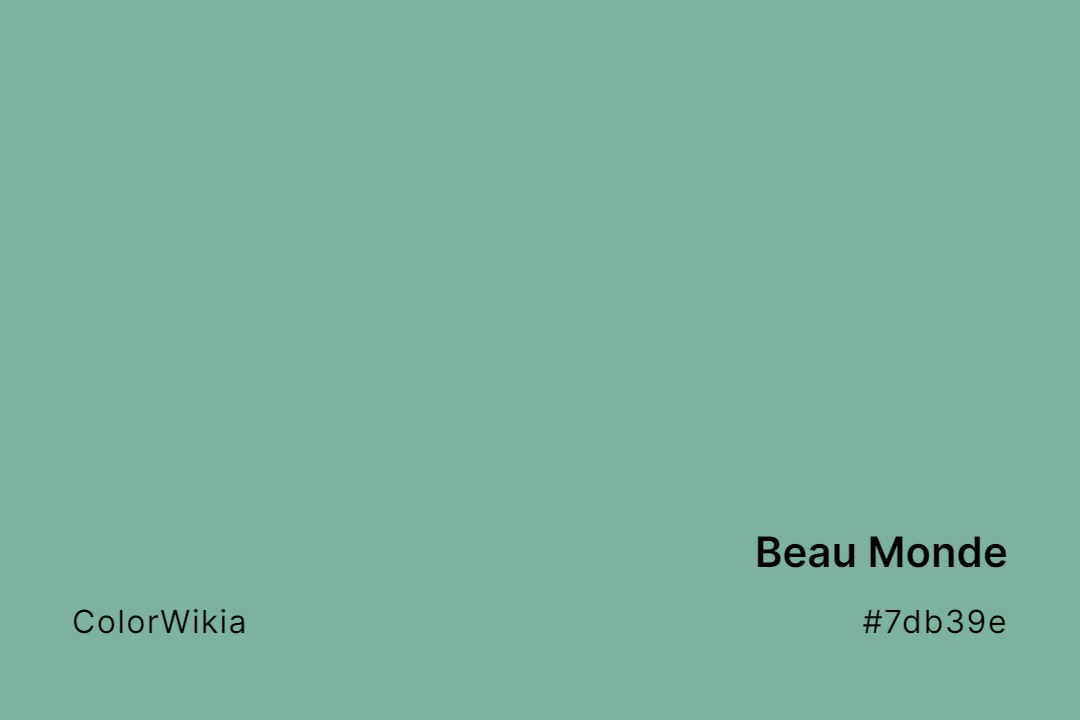
#7db39e
Beau Monde
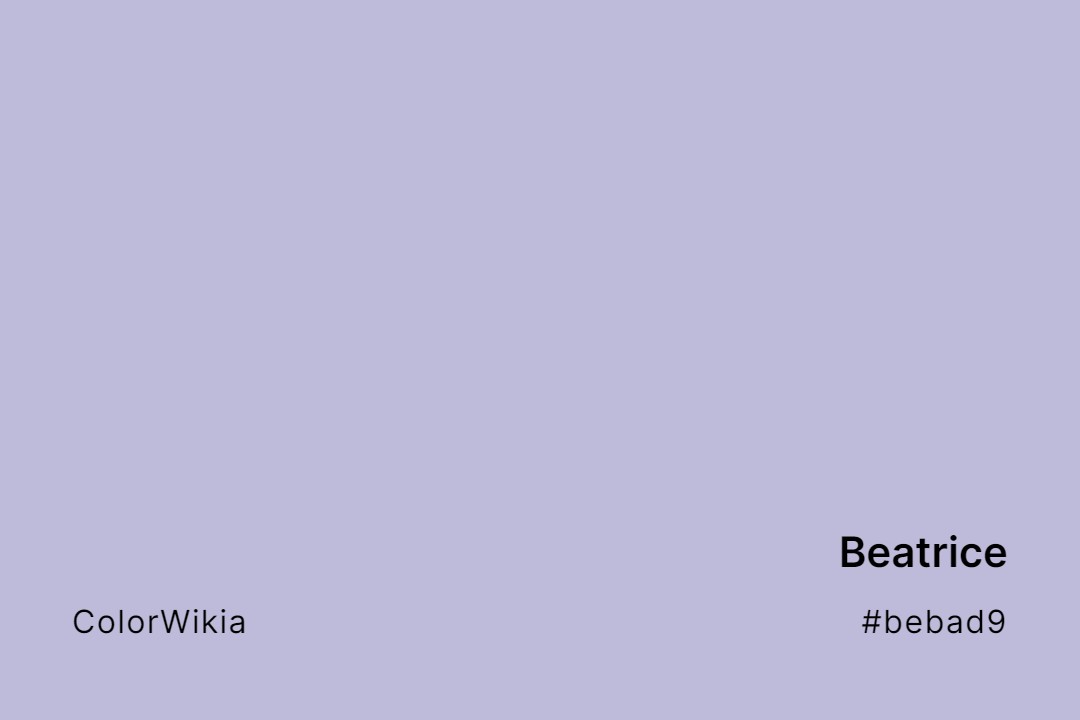
#bebad9
Beatrice
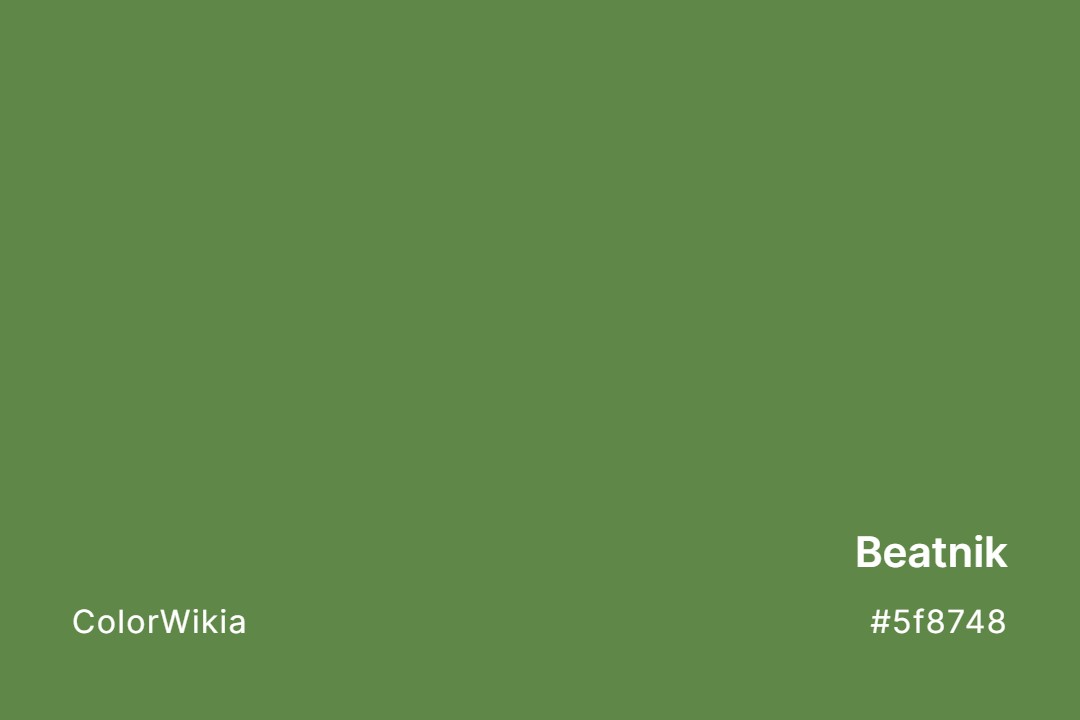
#5f8748
Beatnik
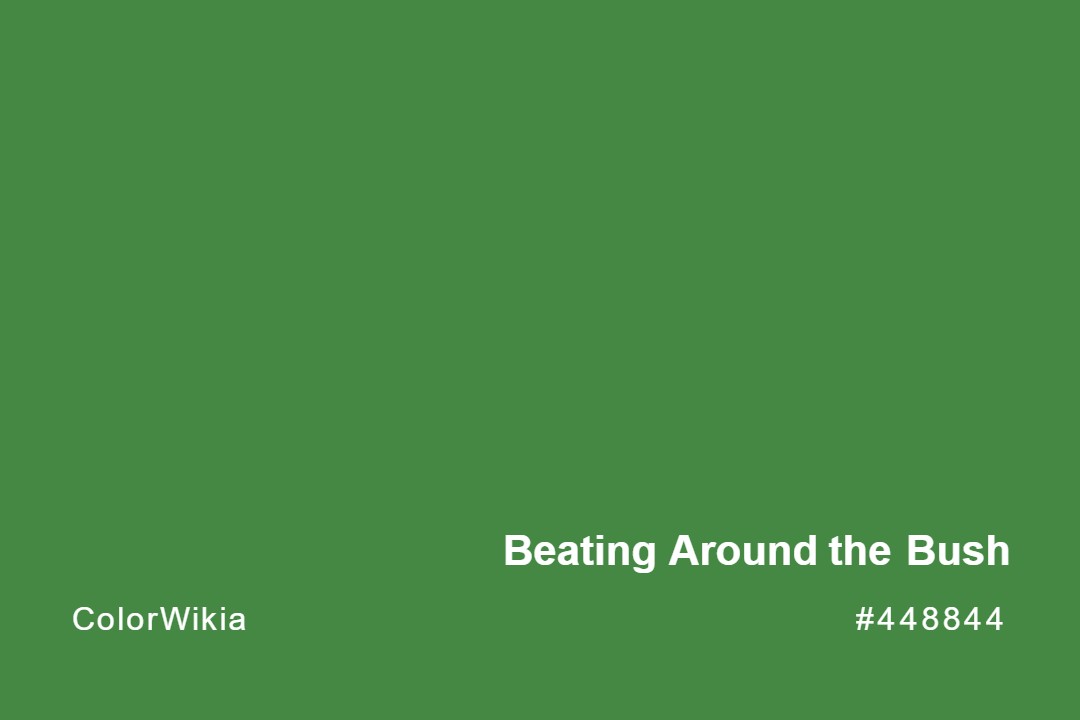
#448844
Beating Around the Bush
#d1be92
Beaten Track
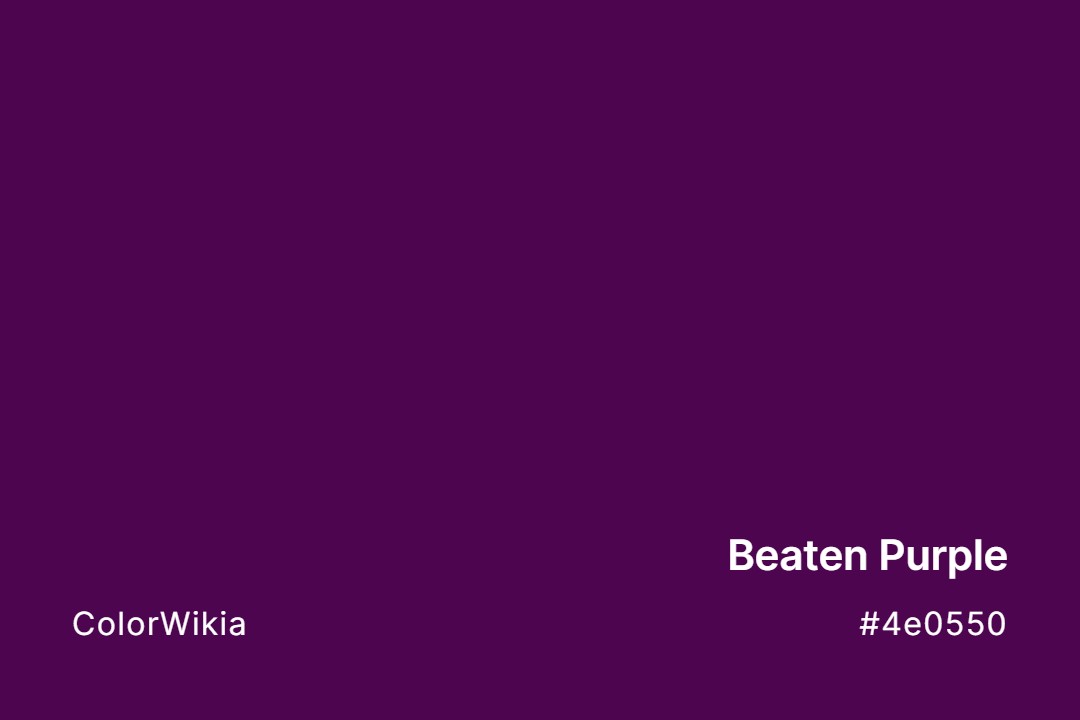
#4e0550
Beaten Purple
#73372d
Beaten Copper
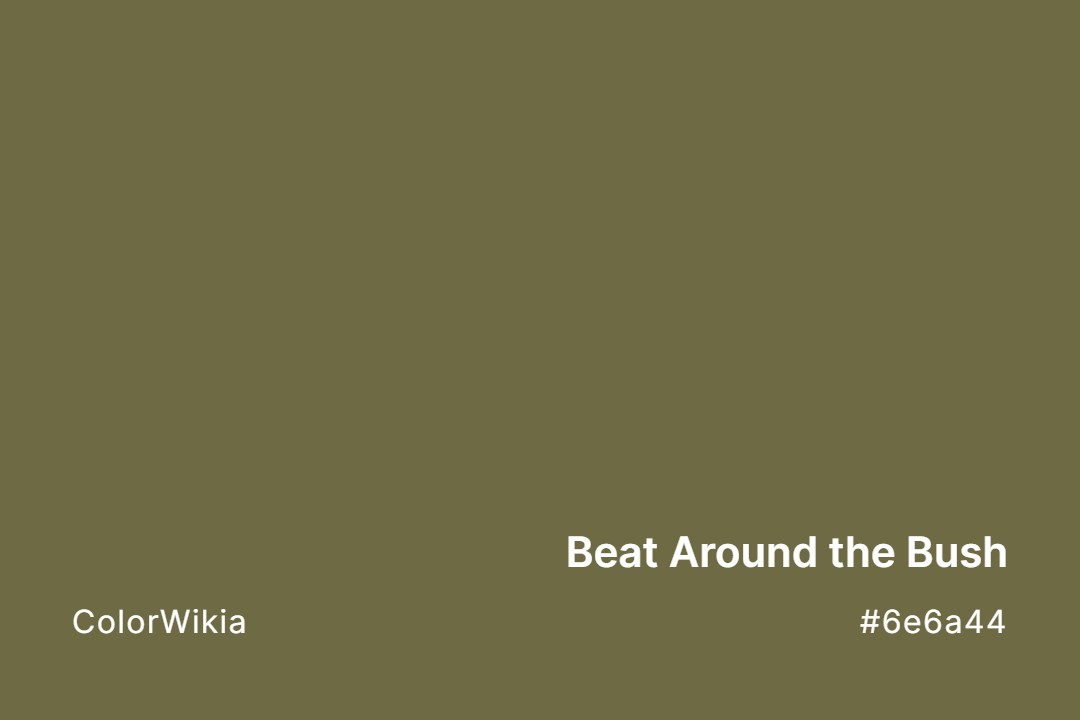
#6e6a44
Beat Around the Bush
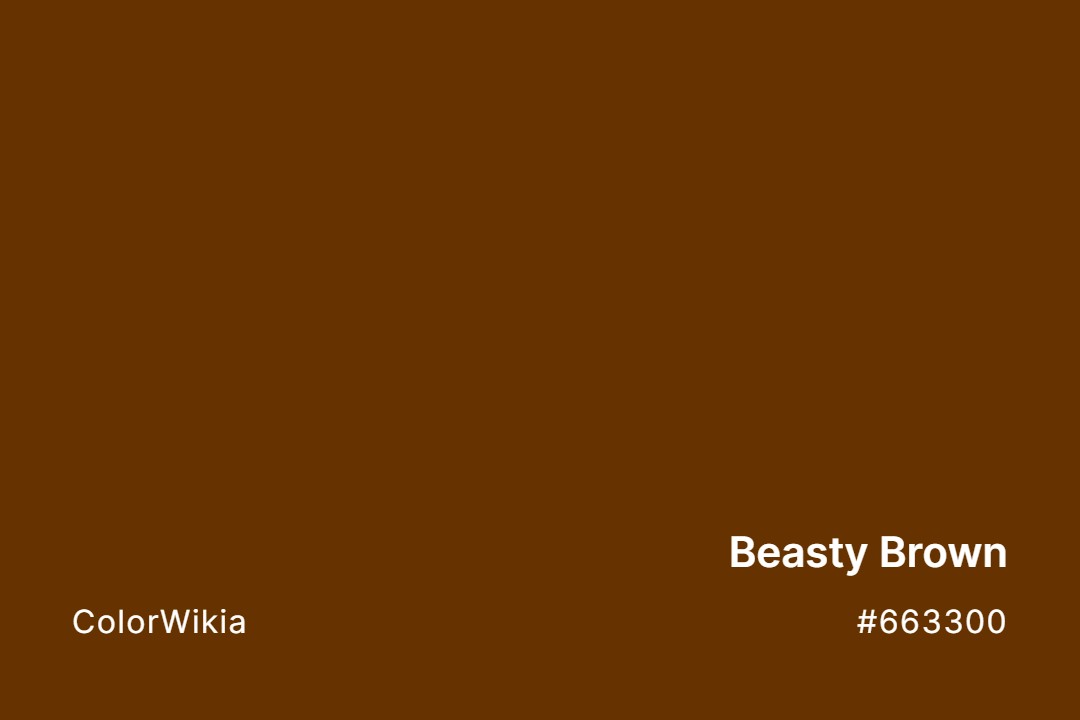
#663300
Beasty Brown
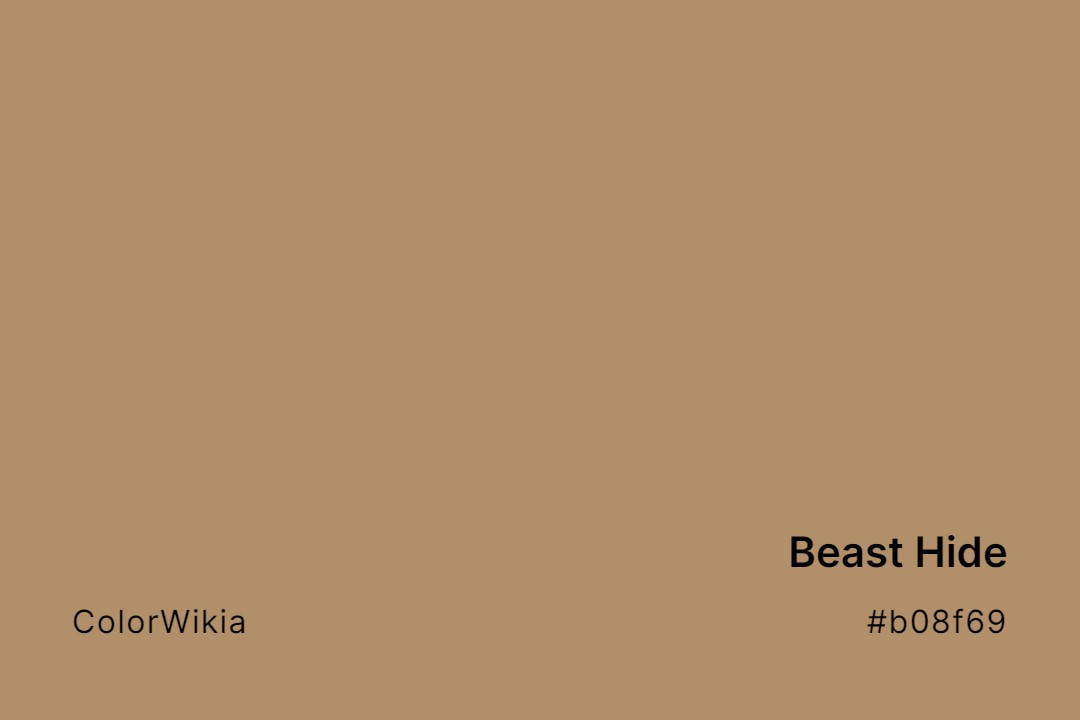
#b08f69
Beast Hide
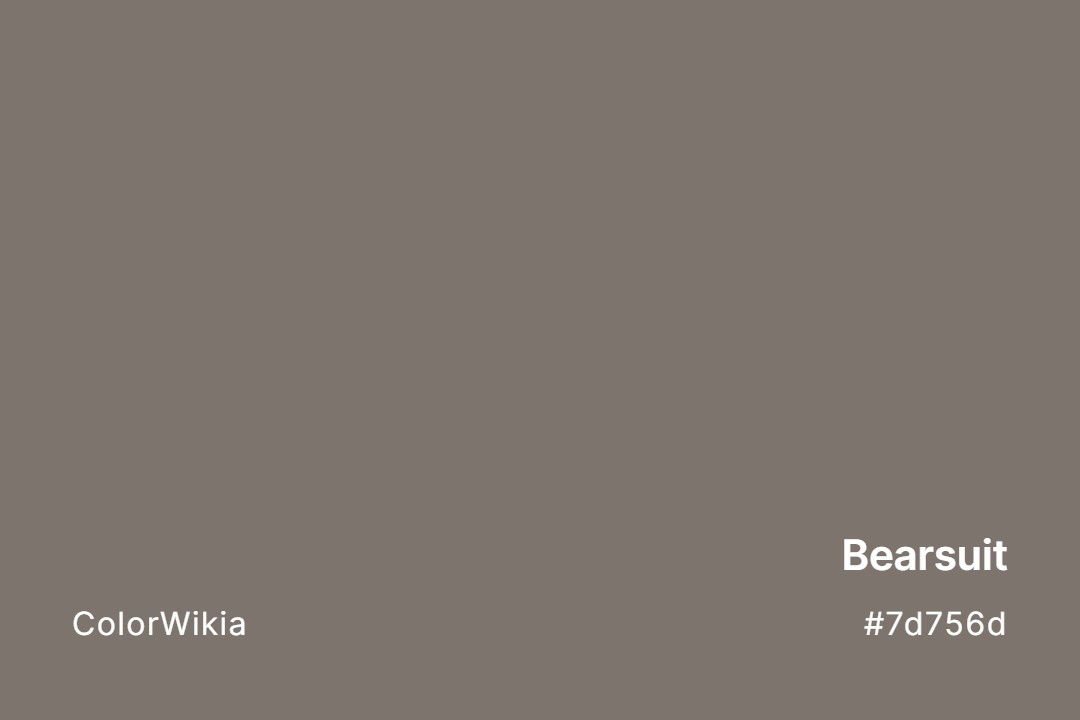
#7d756d
Bearsuit
#766e65
Bear
#5a4943
Bear Rug
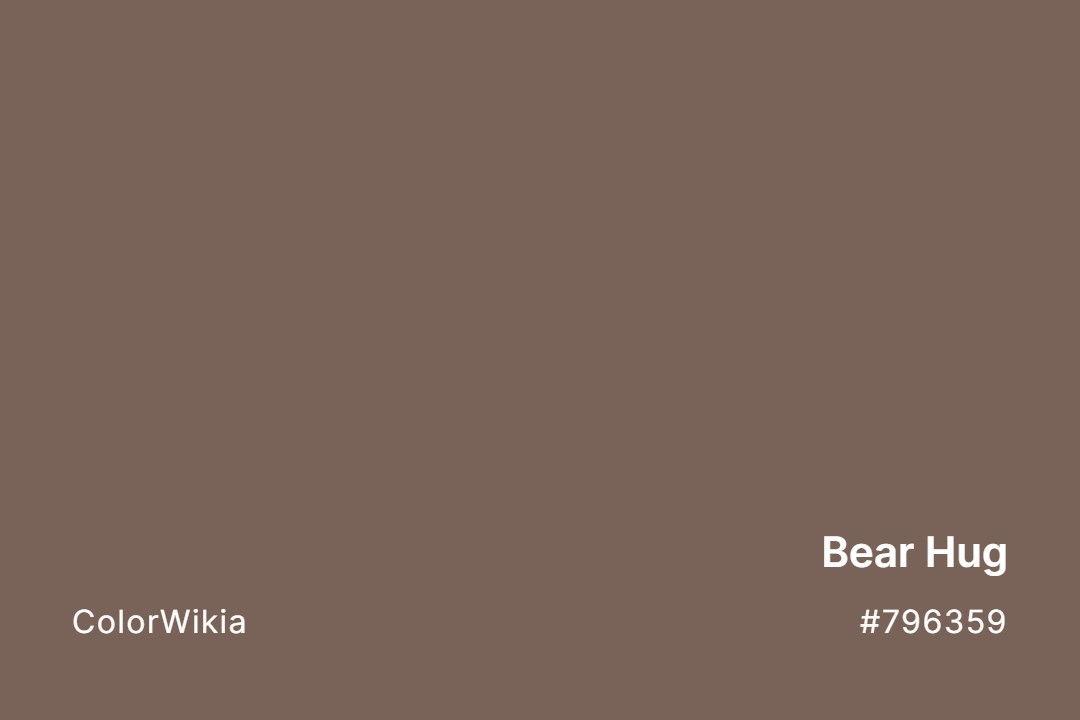
#796359
Bear Hug
#836452
Bear Creek
#ae6b52
Bear Claw
#44382b
Bear Brown
#5b4a44
Bear in Mind
#31aa74
Beanstalk



























The language of color can become confusing because everyday speech and color theory do not always use the word shade in exactly the same way. A page about color shades may describe a whole group of related colors, while the technical definition of a shade refers specifically to a hue made darker with black.
That difference matters when you compare taupe color shades, rust shades, or any other color family. The names people use are practical labels, while color systems provide more precise ways to describe the underlying values.
Understanding the difference between shade, tint, tone, and hue makes it easier to talk about color accurately. It also explains why one named color can have several related variations.
What Is a Color Shade?
In strict color theory, a shade is a hue with black added. Adding black lowers the lightness and produces a darker version of the starting color. A red can move toward burgundy, for example, while a blue can move toward navy.
In everyday language, people use shade more broadly. A search for “different shades of blue” may include lighter, darker, muted, and named variations that are not technically shades under the narrow definition.
That broader usage is common in design, retail, fashion, and online color references. It is also why color shade pages usually cover a family of related colors rather than only mixtures created by adding black.
The distinction is useful because it separates technical color terminology from the way people normally describe color families.
Shade, Tint, Tone, and Hue
These four terms describe different relationships between colors.
- Hue refers to the pure color position itself, such as red, blue, green, or yellow.
- Tint is a hue with white added, producing a lighter version such as pink from red.
- Shade is a hue with black added, producing a darker version such as burgundy from red.
- Tone is a hue with gray added, reducing saturation and muting the color.
The distinctions become useful when you need to describe why two colors look different. A pale blue may be a tint, while a dusty blue may be a tone and a navy blue may be a shade.
These terms can also be used together when discussing a larger color family. A named color may be lighter than the base color, darker than it, or more muted without fitting neatly into one everyday category.
How Digital Color Systems Describe Shades
Digital color systems make these relationships easier to quantify. RGB describes a color by the amount of red, green, and blue light used to create it, while HSL separates the color into hue, saturation, and lightness.
Hex codes provide a compact representation of RGB values. A six-character code such as #DC143C can identify crimson in a digital interface, but the number does not tell you where the color name originally came from or whether a physical pigment uses the same formulation.
In HSL, reducing lightness while holding hue and saturation constant moves a color toward a darker digital version. Raising lightness moves it toward a lighter version, while reducing saturation creates a more muted result.
This distinction is important when working with digital color. A color name can provide a useful visual reference, but a hex code gives you a specific digital value.
How Color Shade Names Develop
Color names often come from things people recognize. Taupe refers to the mole, while rust takes its name from corroded iron. Other names come from materials or places, including copper, terracotta, mahogany, sienna, and umber.
Language can preserve those histories even after a color becomes a digital swatch. Khaki color shades provide another example because the word traces back to a Hindustani term connected with dust and earth.
Commercial color naming adds another layer. Paint makers, textile companies, standards groups, and digital platforms may assign different names to closely related colors, so one shade does not always have one universal label.
This is one reason color names can feel inconsistent. A name can describe a recognizable visual family without pointing to one universal digital value.
Color Standards and Shade Codes
Professional color systems exist because names alone are too vague for precise reproduction. The Pantone Matching System assigns numbered references to color formulations, while systems such as Munsell describe colors using hue, value, and chroma.
The Natural Color System uses a different framework based on color perception. These systems serve different purposes, but they share the same practical goal. A numeric reference can communicate more precisely than a word such as “blue” or “green.”
That is also why a page listing color codes should distinguish between a named color, a standardized reference, and an ordinary digital hex value.
A hex code is useful for digital work, but it should not automatically be treated as a universal definition of a named color. The context behind the color reference matters.
Major Color Families and Their Shades
Every broad color family branches into many named variations. The examples below show how familiar shade names sit within larger groups.
| Color Family | Popular Shade | Hex Code |
| Red | Crimson | #DC143C |
| Blue | Navy | #000080 |
| Green | Forest Green | #228B22 |
| Yellow | Gold | #FFD700 |
| Purple | Indigo | #4B0082 |
| Orange | Coral | #FF7F50 |
| Brown | Tan | #D2B48C |
Warm families such as orange and brown include earthy variations such as rust, terracotta, and chocolate. Blue and green branch into names such as navy, teal, forest, and olive.
Neutral families work differently because their boundaries are less obvious. Beige, gray, taupe, and related colors can overlap substantially depending on saturation, lightness, and undertone.
Why named colors can overlap
A useful color family is not always a strict technical category. Two colors can look very similar while carrying different names because the names come from different materials, places, industries, or traditions.
For practical design work, it is often more useful to compare the actual color values than to rely on the name alone.
Frequently Asked Questions
What is the difference between a shade and a tint?
A shade is a darker version created by adding black, while a tint is a lighter version created by adding white.
Is a tone the same as a shade?
No. A tone adds gray and reduces saturation, while a shade adds black and darkens the original hue.
Why does one color have so many shade names?
Different industries, standards groups, companies, and cultures develop names independently. Closely related colors can therefore receive several labels.
How many shades of a color are there?
There is no fixed limit. Digital systems can generate very large numbers of distinct values, while named shades depend on the terms that become widely recognized or useful.