
30,000+ Shades of Color with Names and HEX Code
Explore unique color shades for your website, brand or any project.
#886600

Alligator
#646048

Alligator Scales
#444411
Alligator Gladiator
#eaeed7
Alligator Egg
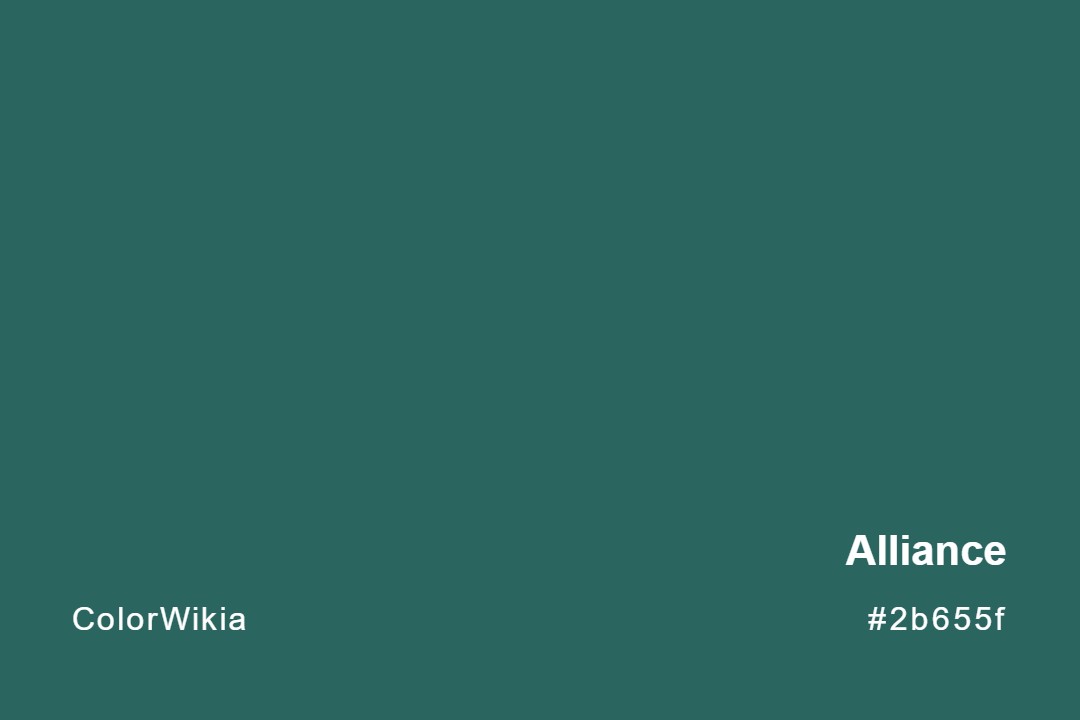
#2b655f
Alliance
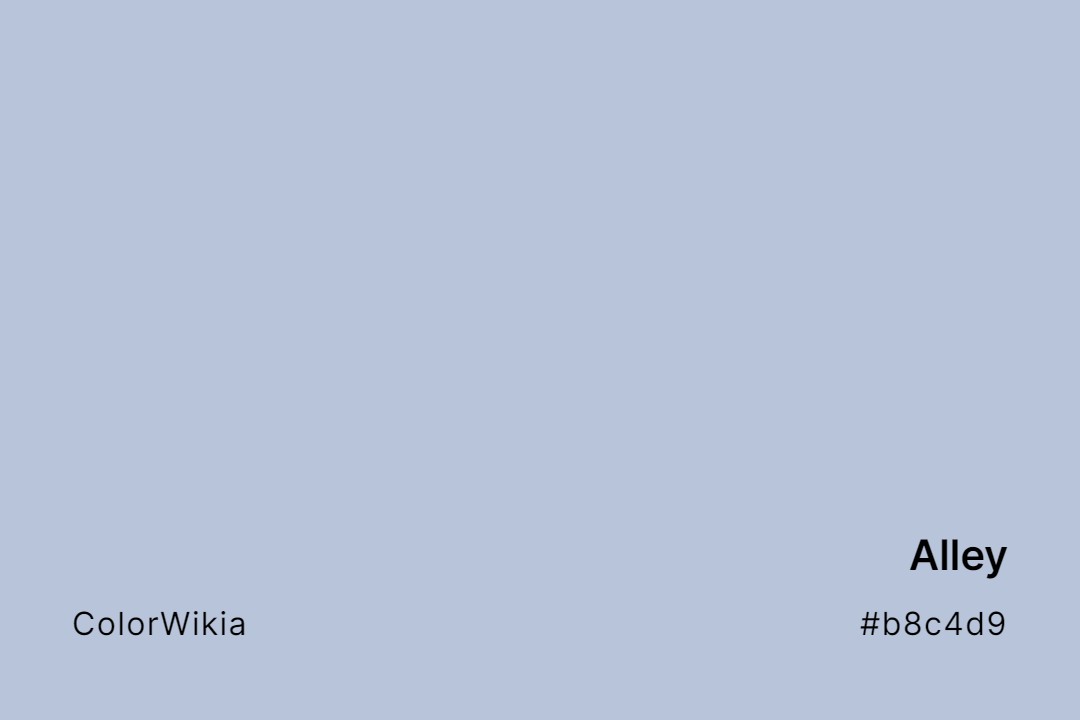
#b8c4d9
Alley
#656874
Alley Cat
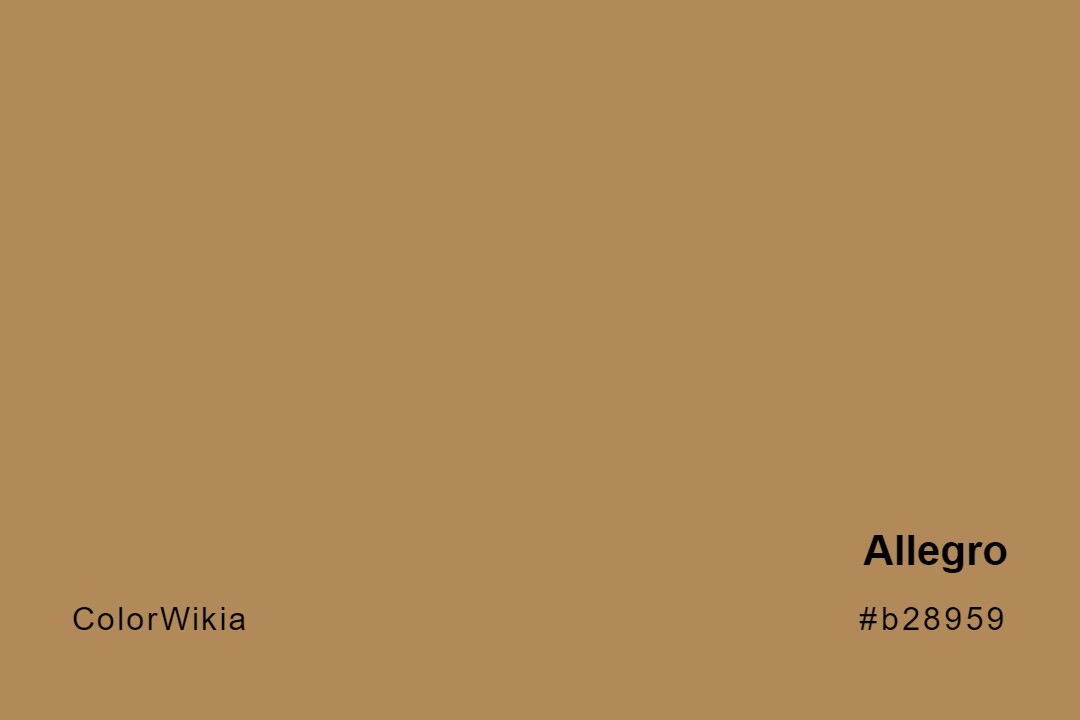
#b28959
Allegro
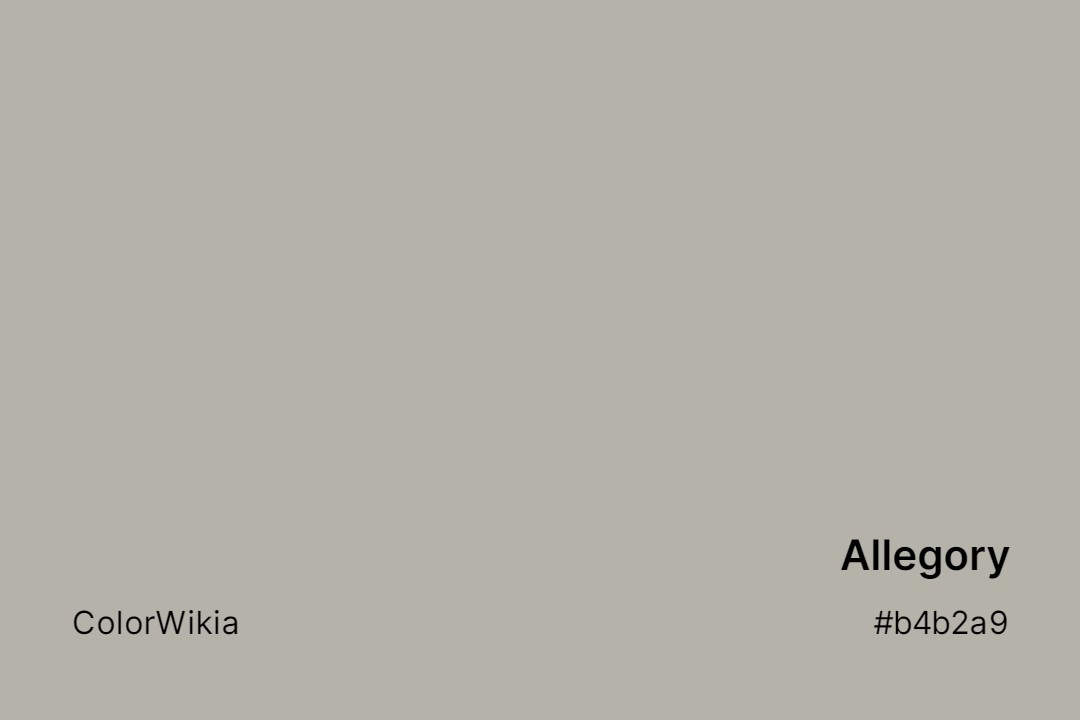
#b4b2a9
Allegory
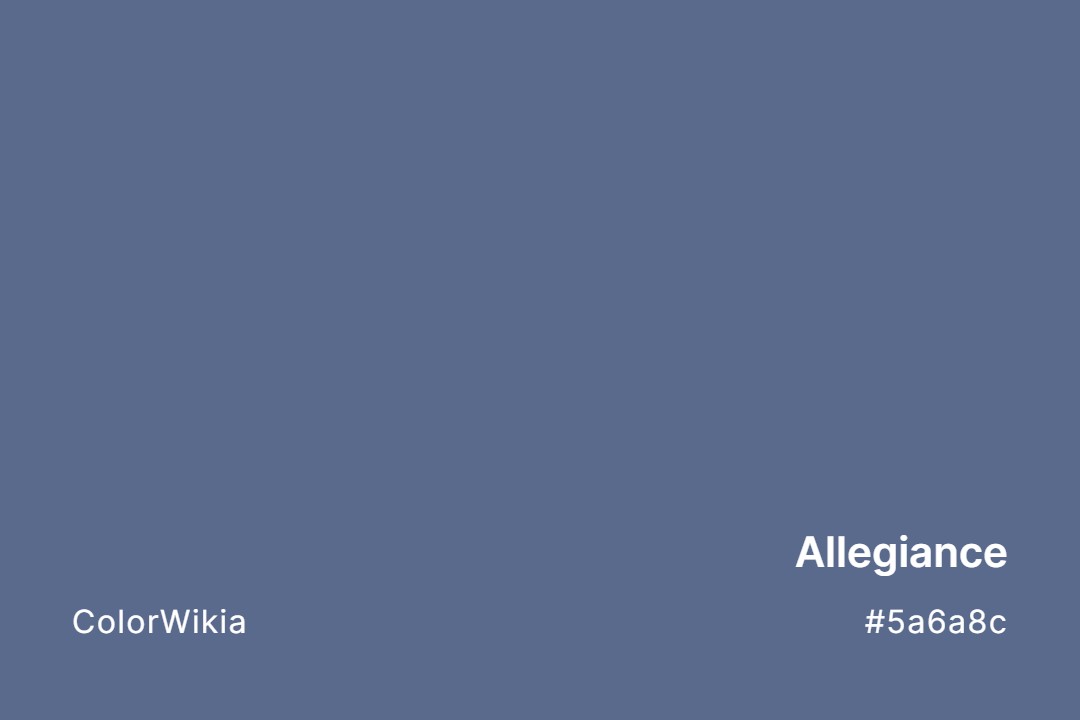
#5a6a8c
Allegiance
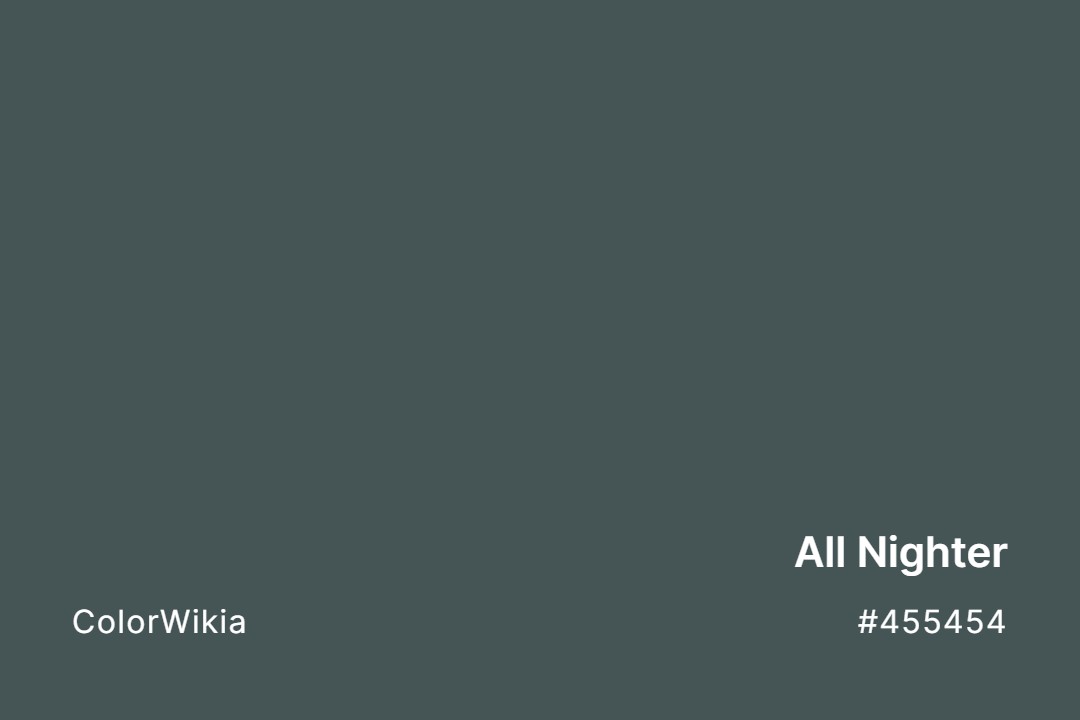
#455454
All Nighter
#efd7e7
All Made Up
#e6999d
All Dressed Up
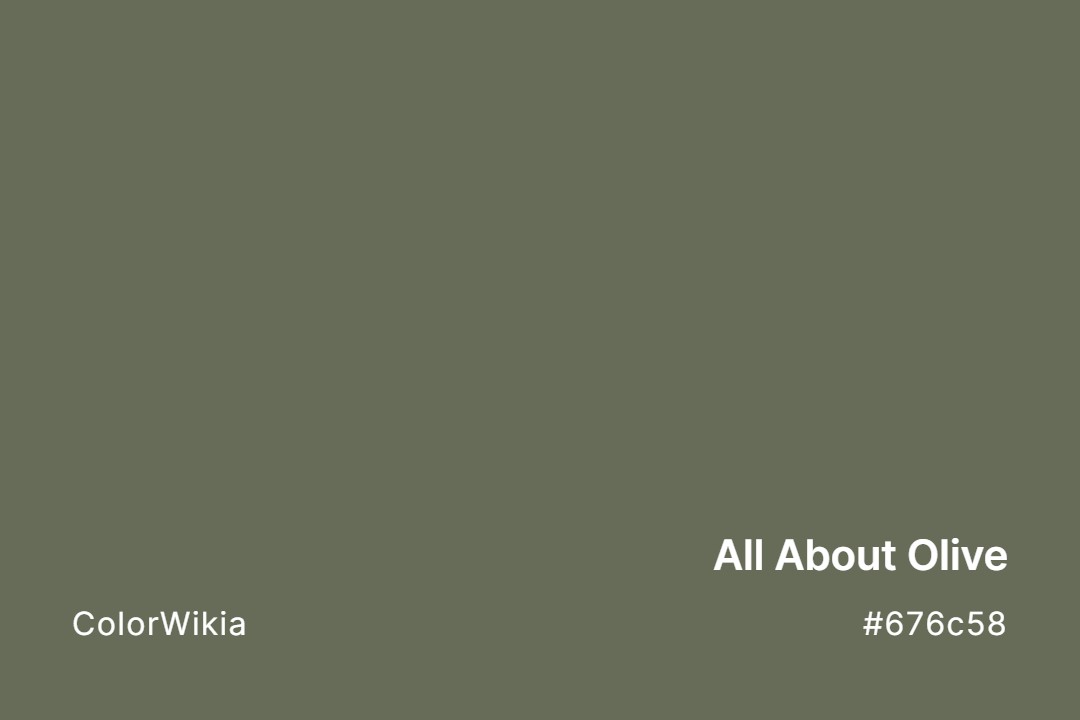
#676c58
All About Olive
#994411
All the Leaves Are Brown
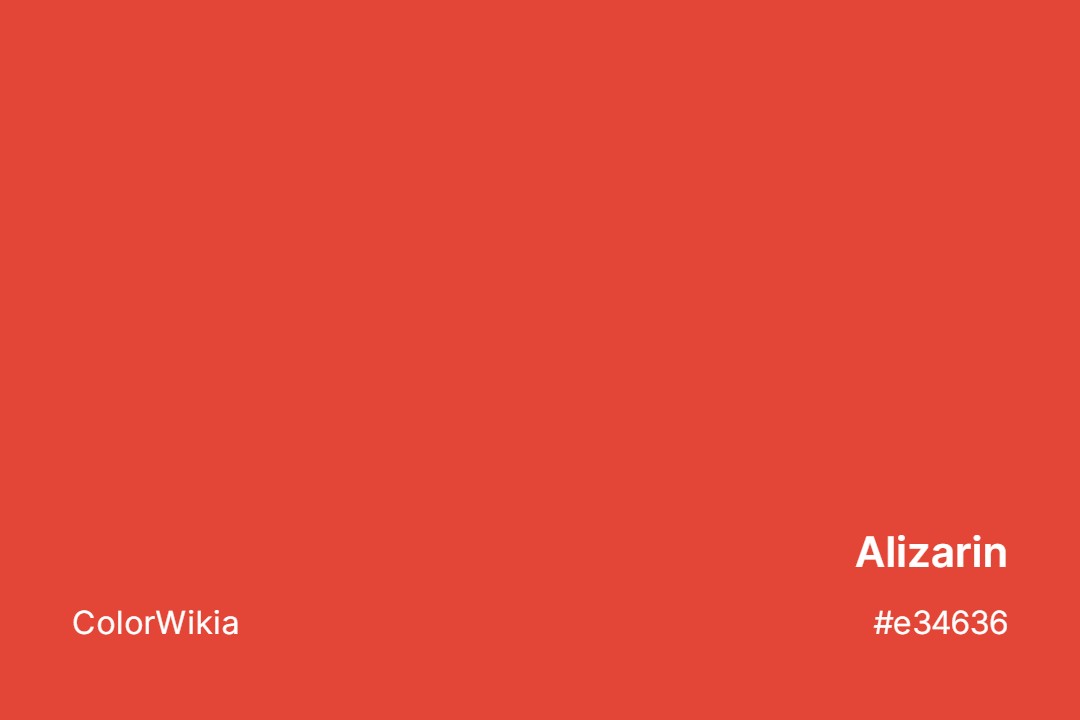
#e34636
Alizarin
#e32636
Alizarin Crimson
#00728d
Align
#00cc55
Alienated
#415764
Alien
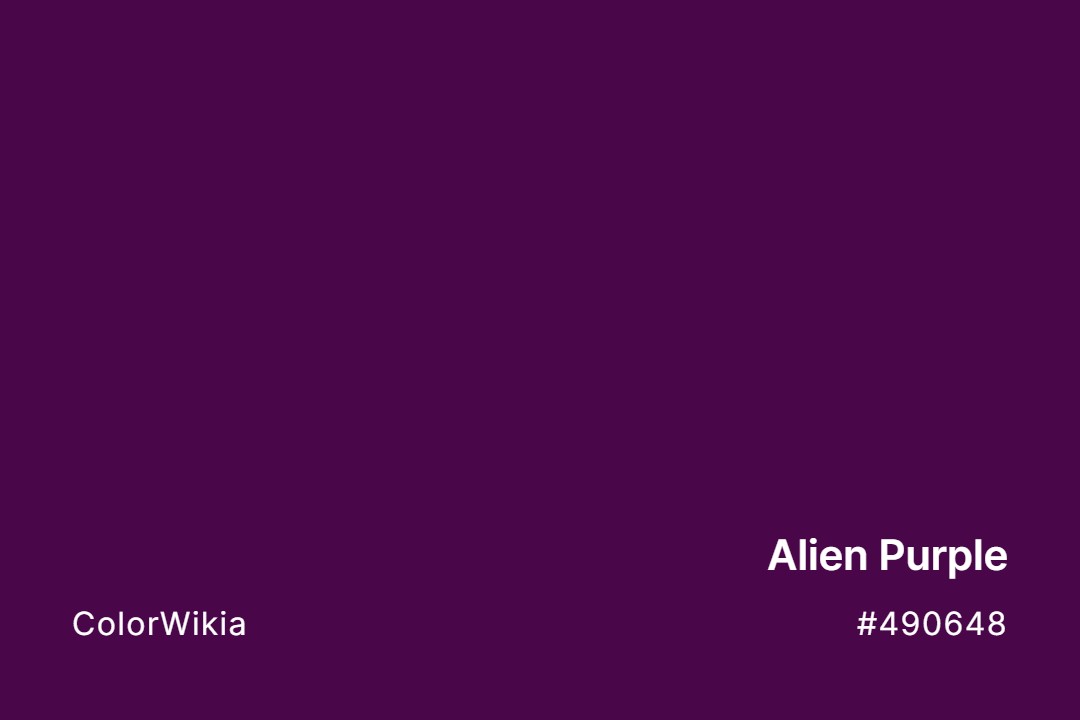
#490648
Alien Purple
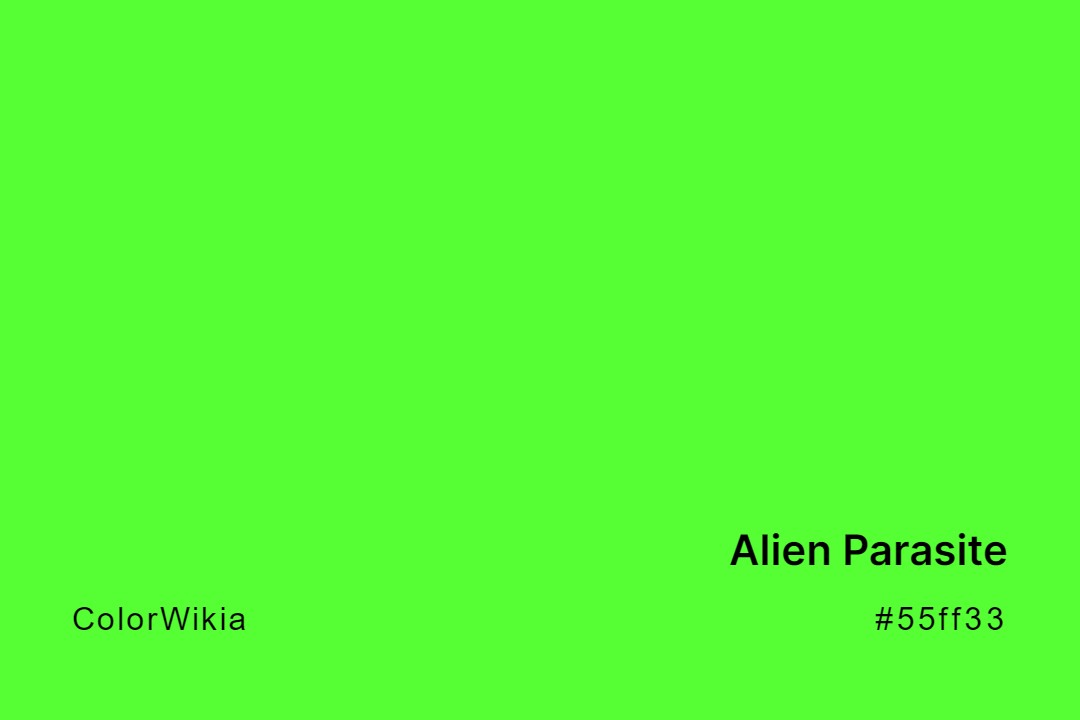
#55ff33
Alien Parasite
#b9cc81
Alien Breed
#84de02
Alien Armpit
#0cff0c
Alien Abduction
#f0f8ff
Alice Blue
#d4cbc4
Alibi
#00a094
Alhambra
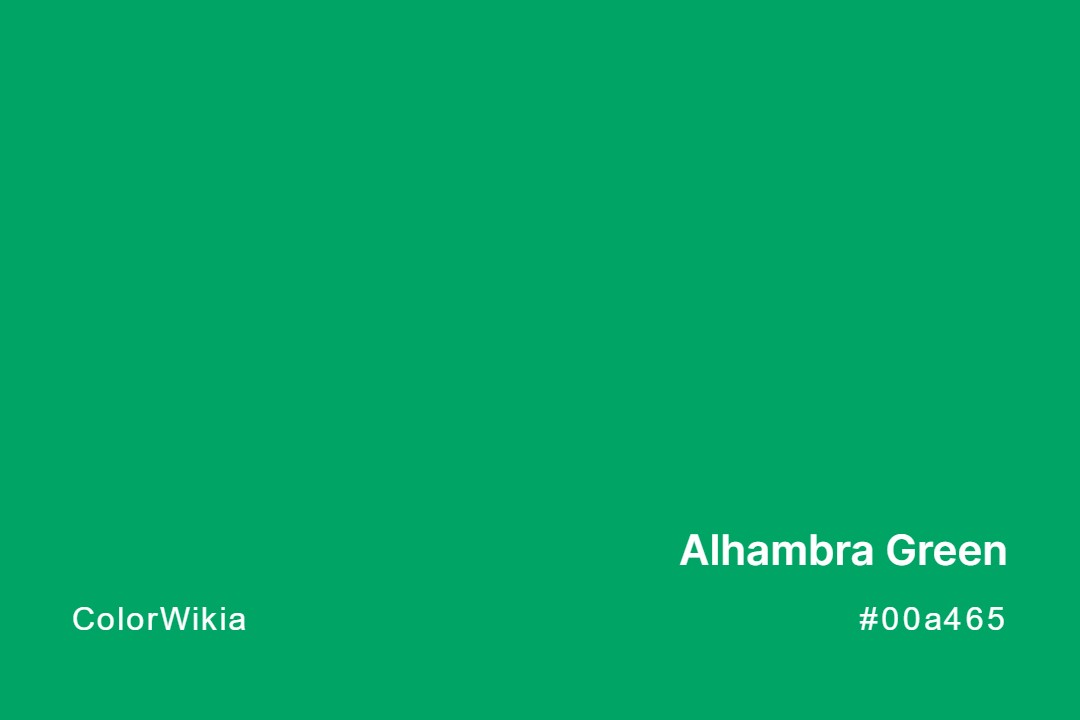
#00a465
Alhambra Green
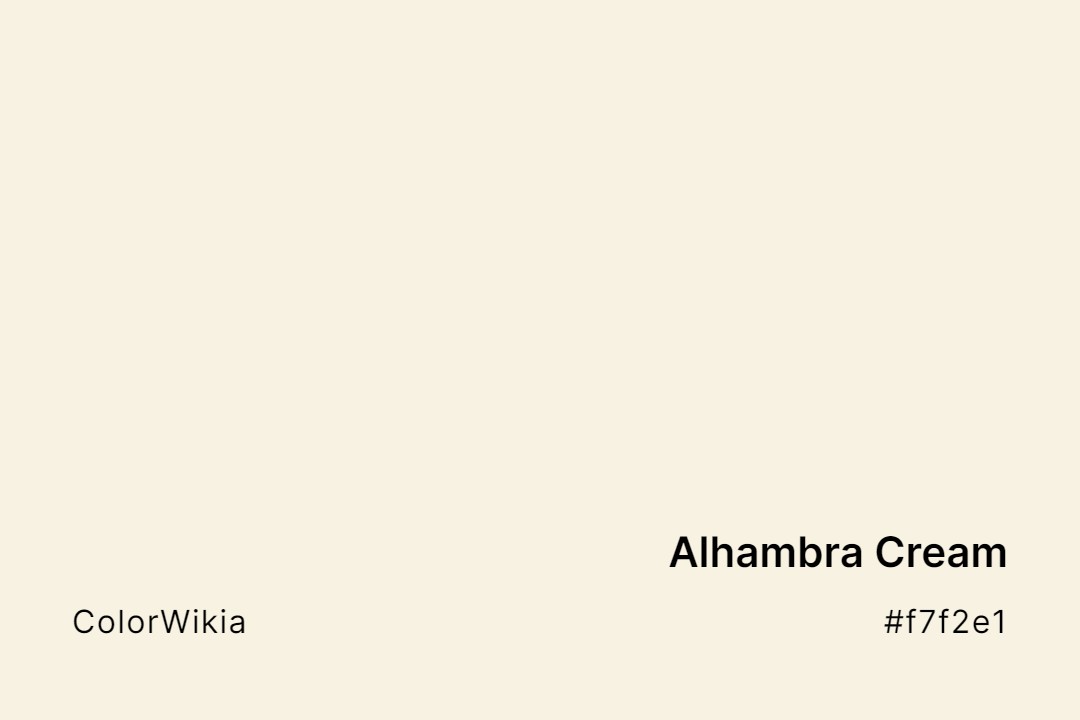
#f7f2e1
Alhambra Cream
#c1dbec
Algodon Azul
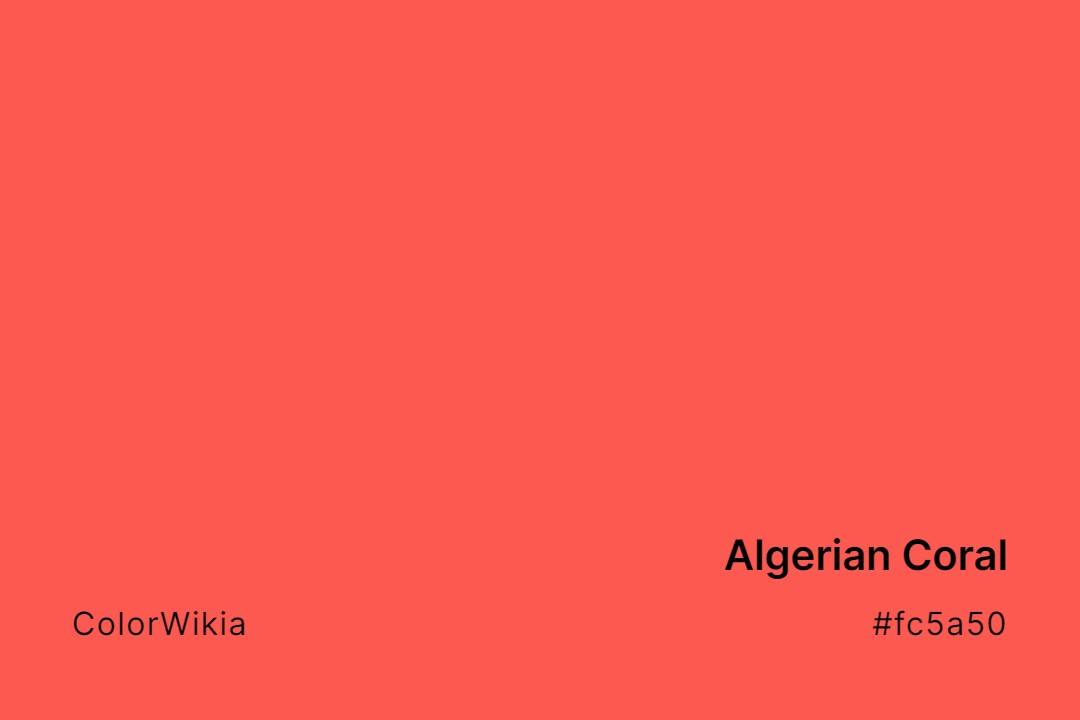
#fc5a50
Algerian Coral
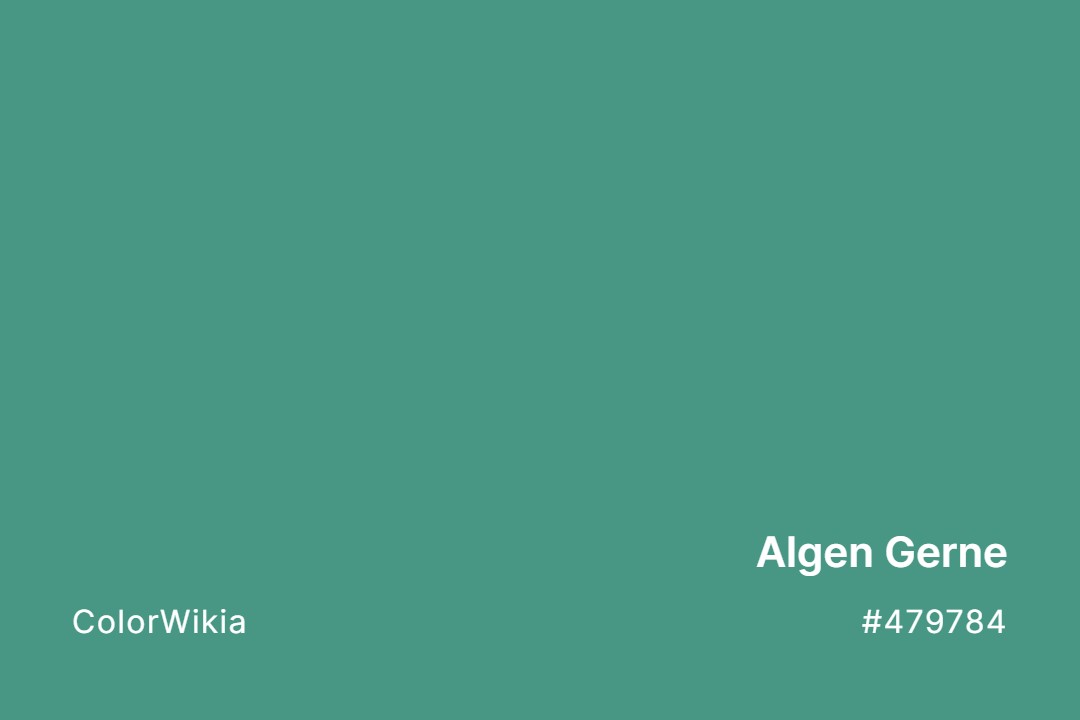
#479784
Algen Gerne
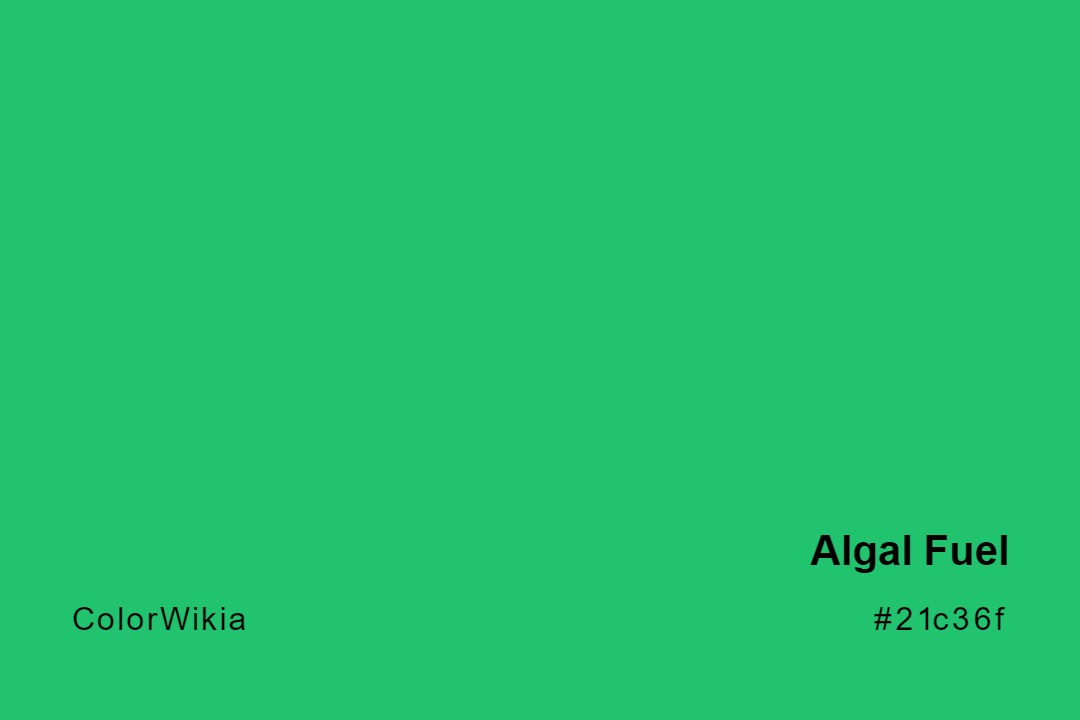
#21c36f
Algal Fuel
#54ac68
Algae
#8da98d
Alga Moss
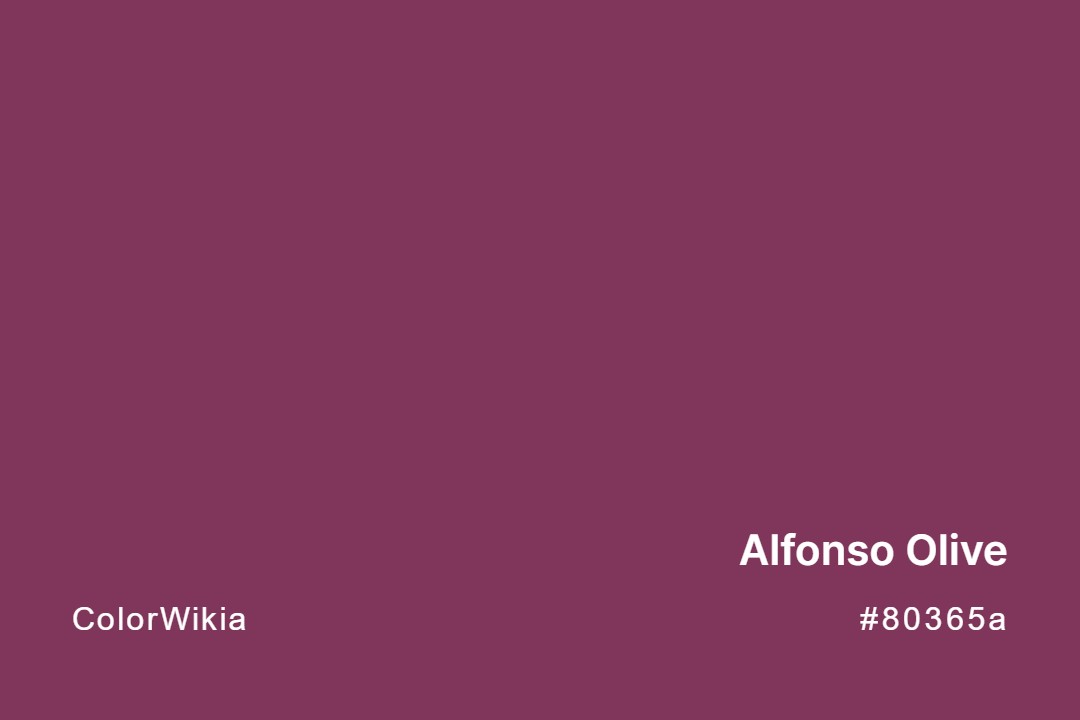
#80365a
Alfonso Olive
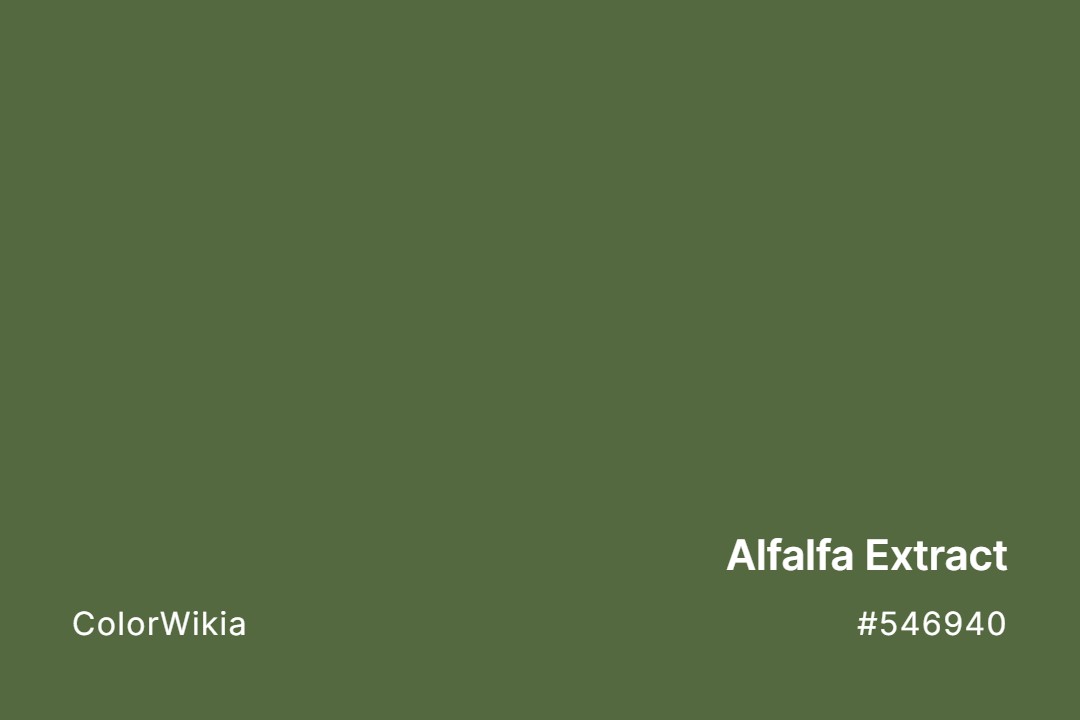
#546940
Alfalfa Extract
#78ad6d
Alfalfa Bug
#a55232
Alfajor Brown
#598c74
Alexandrite
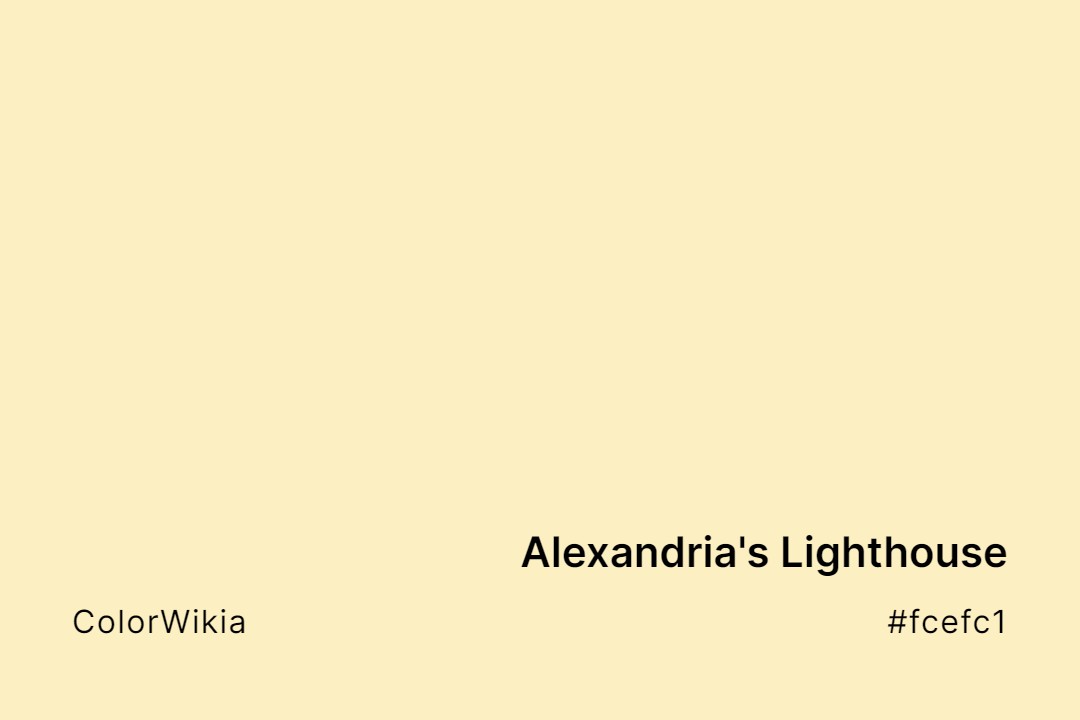
#fcefc1
Alexandria’s Lighthouse
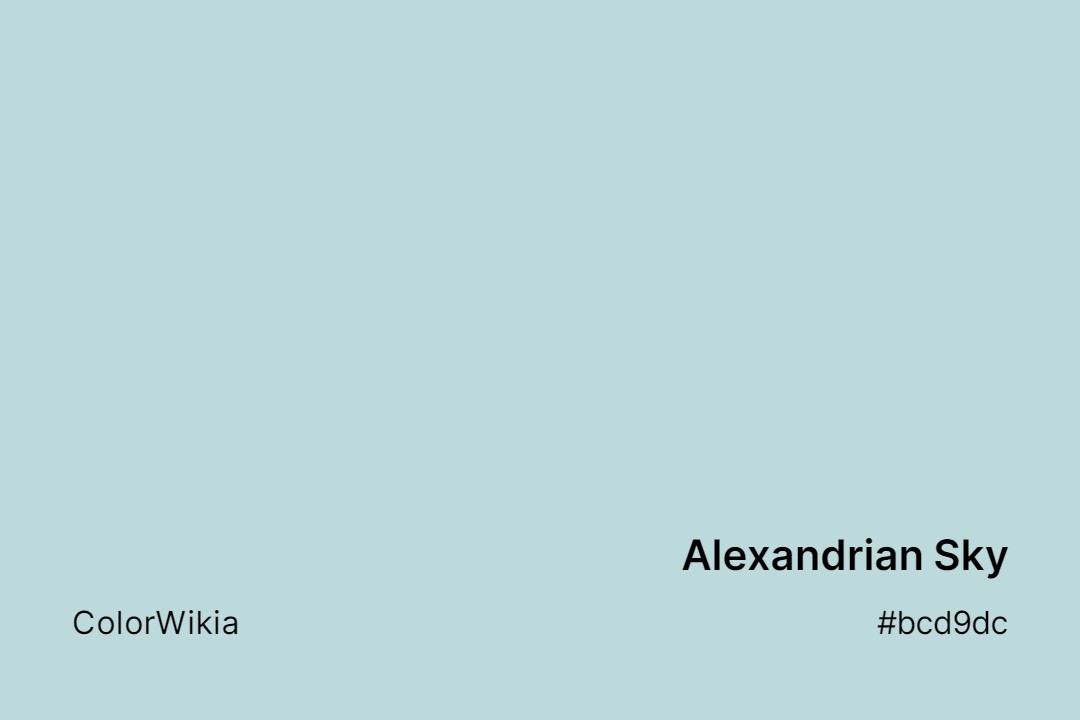
#bcd9dc
Alexandrian Sky
#ff8f73
Alexandria
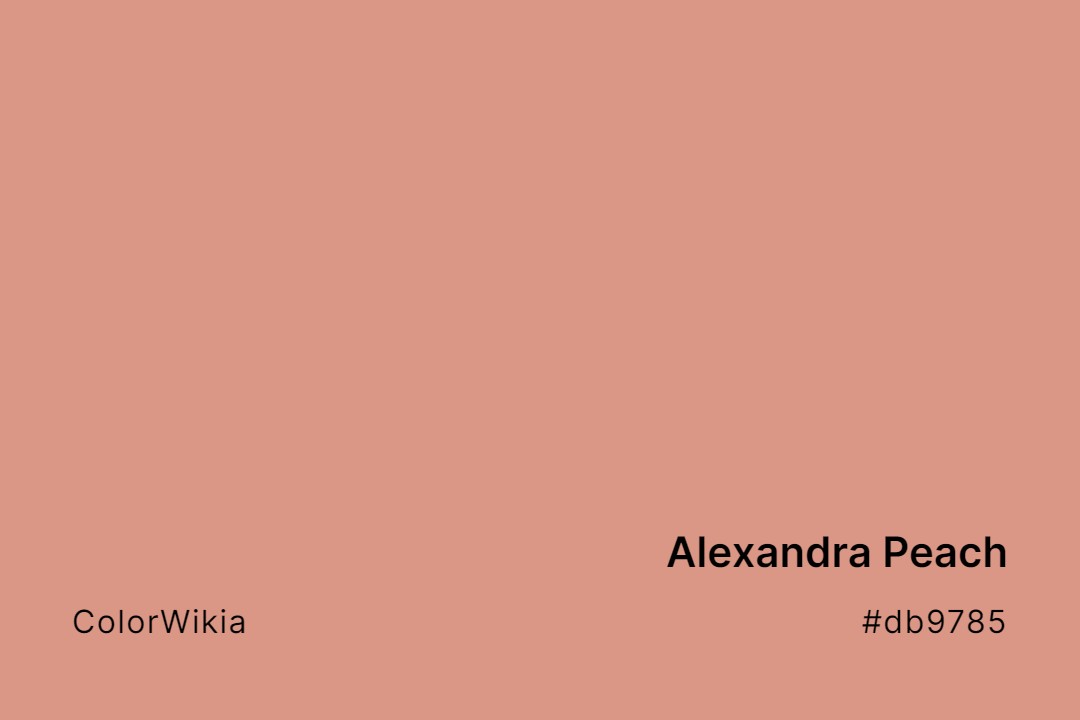
#db9785
Alexandra Peach
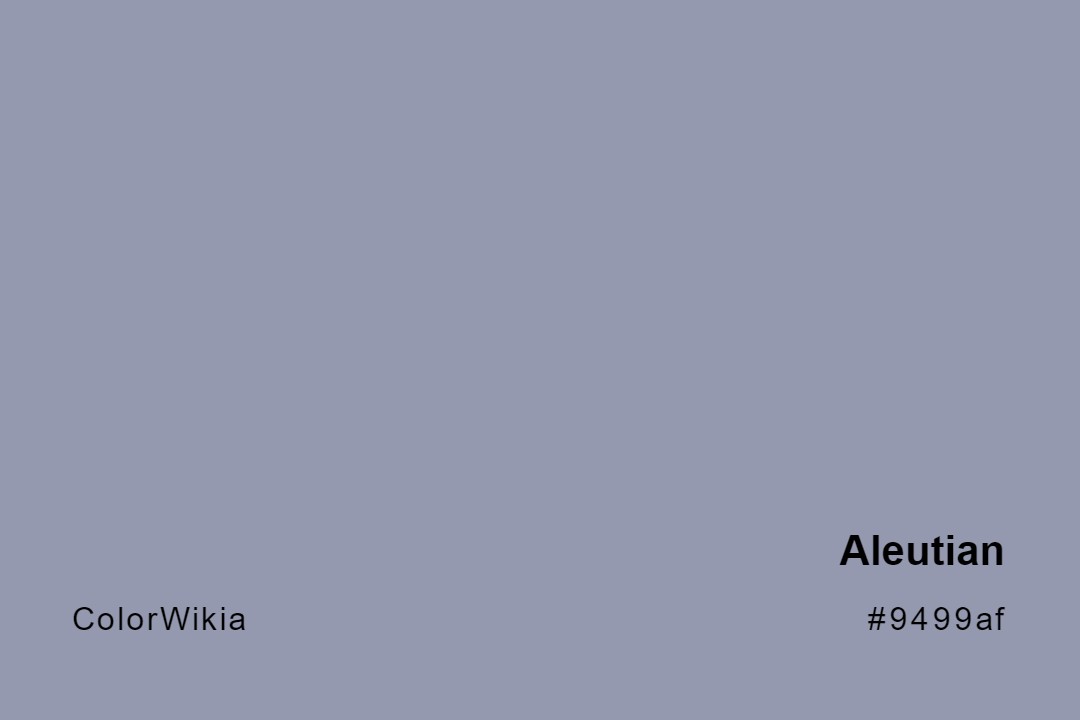
#9499af
Aleutian
#4d7eaa
Aleutian Isle
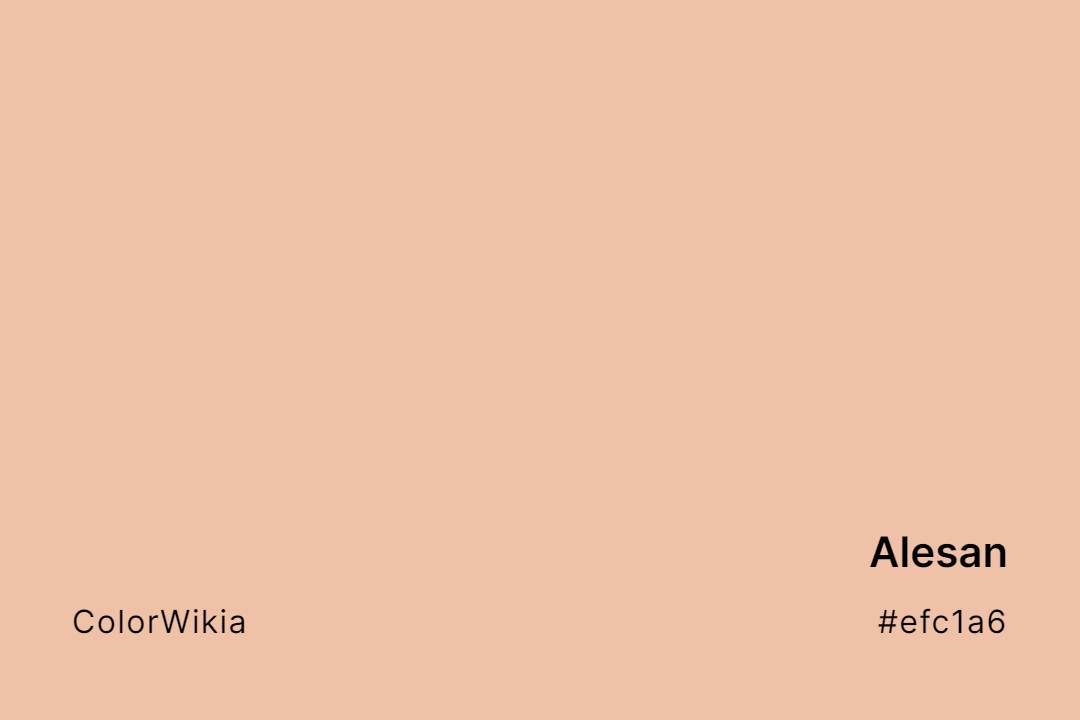
#efc1a6
Alesan
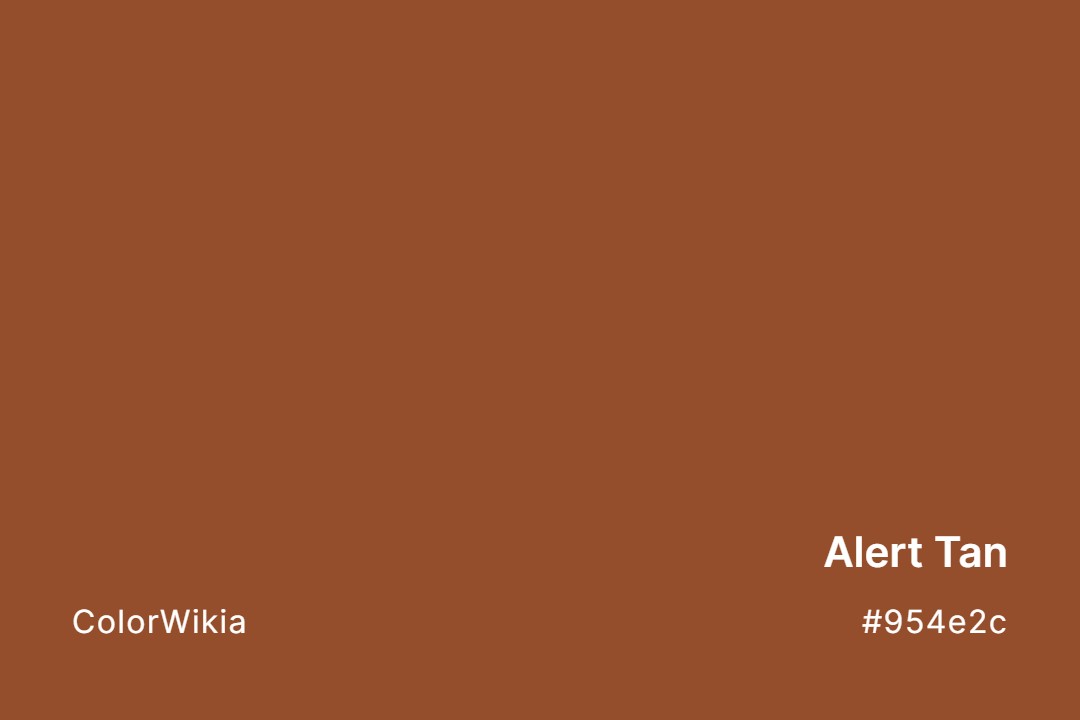
#954e2c
Alert Tan
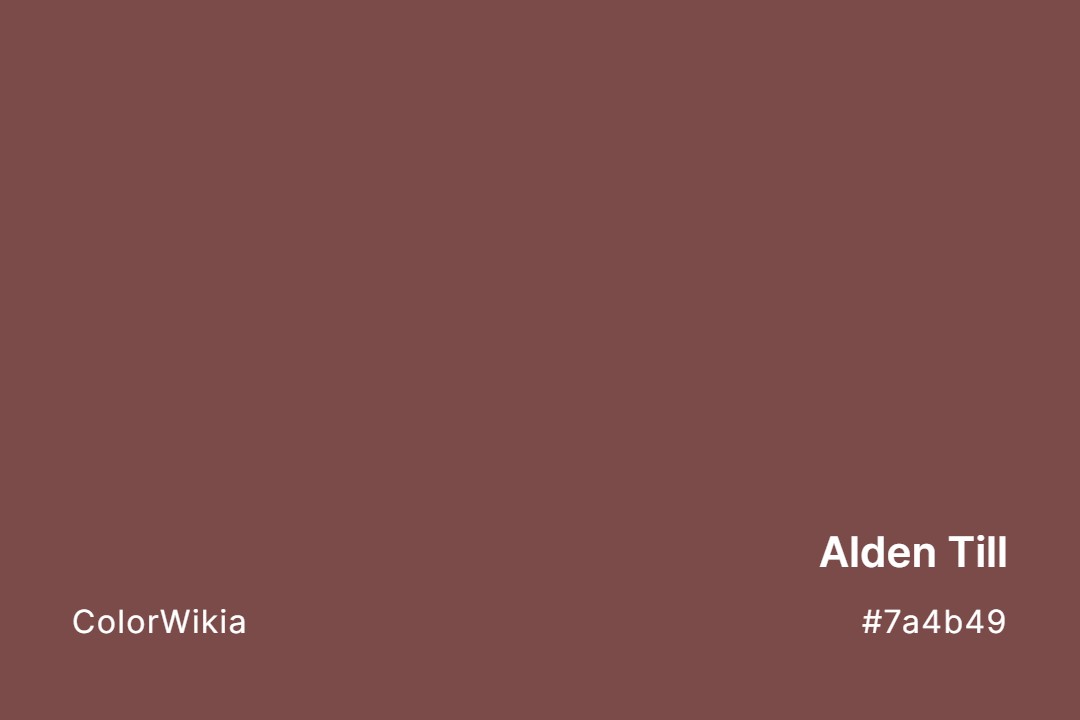
#7a4b49
Alden Till
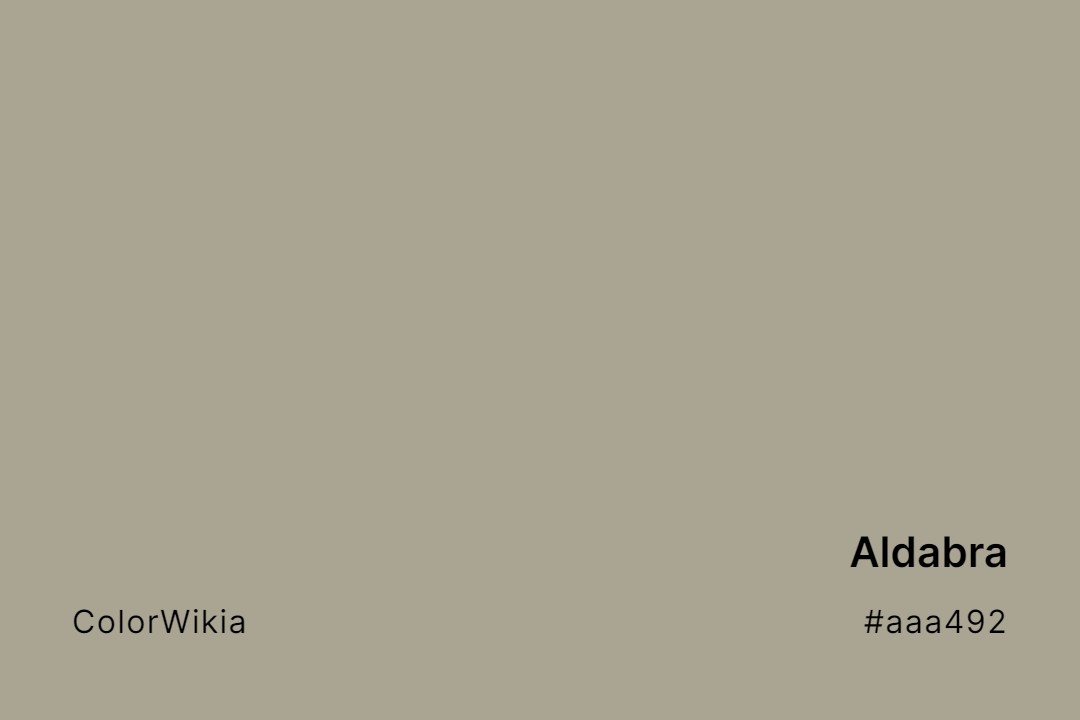
#aaa492
Aldabra
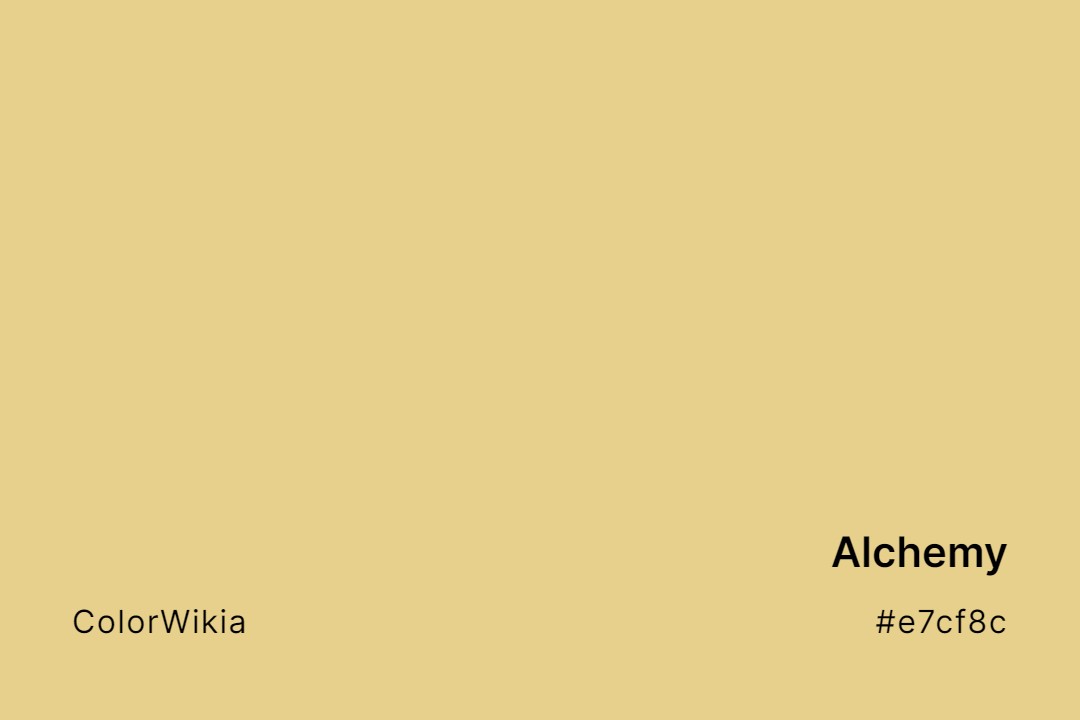
#e7cf8c
Alchemy
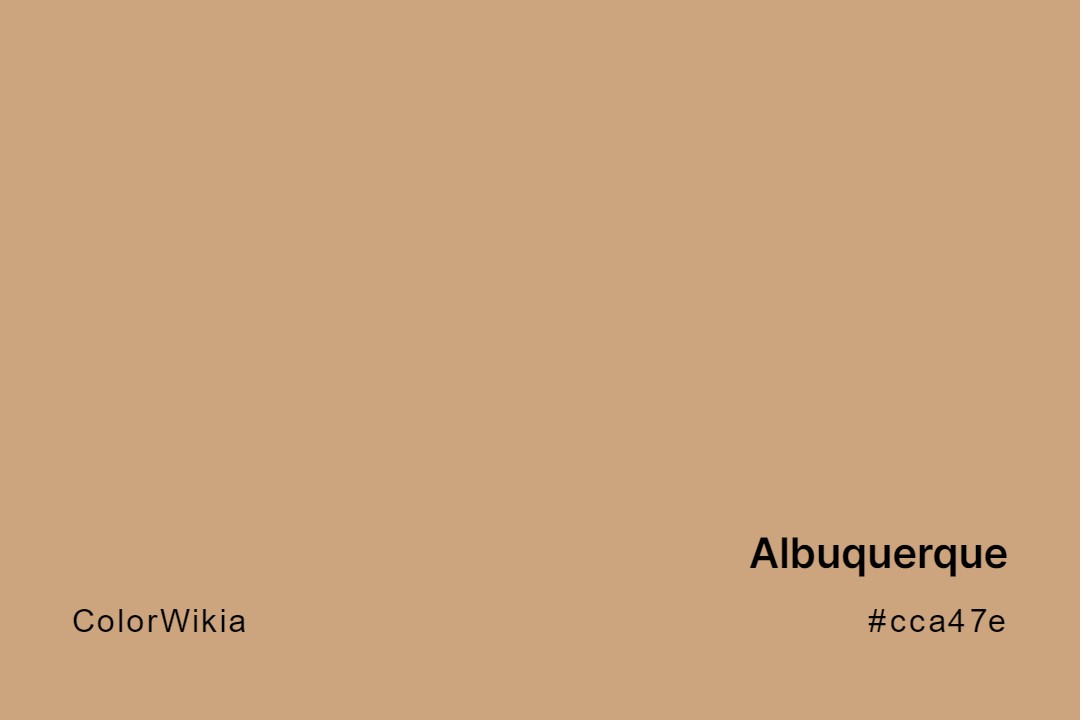
#cca47e
Albuquerque
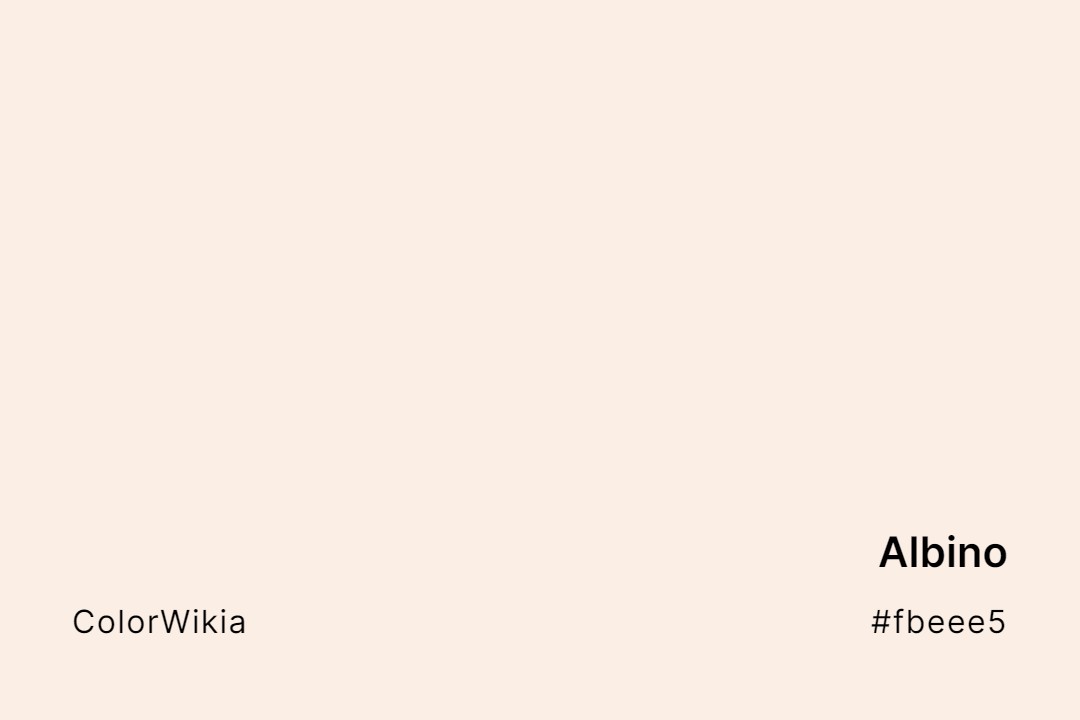
#fbeee5
Albino
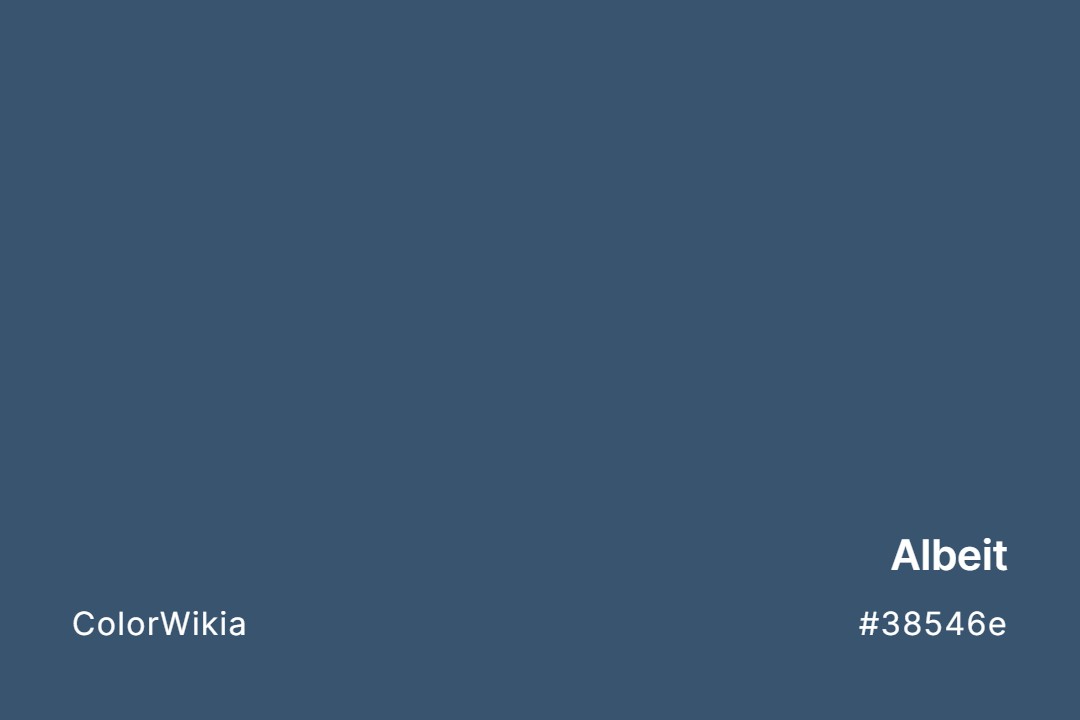
#38546e
Albeit
#cc0001
Albanian Red
#bae3eb
Alaskan Wind
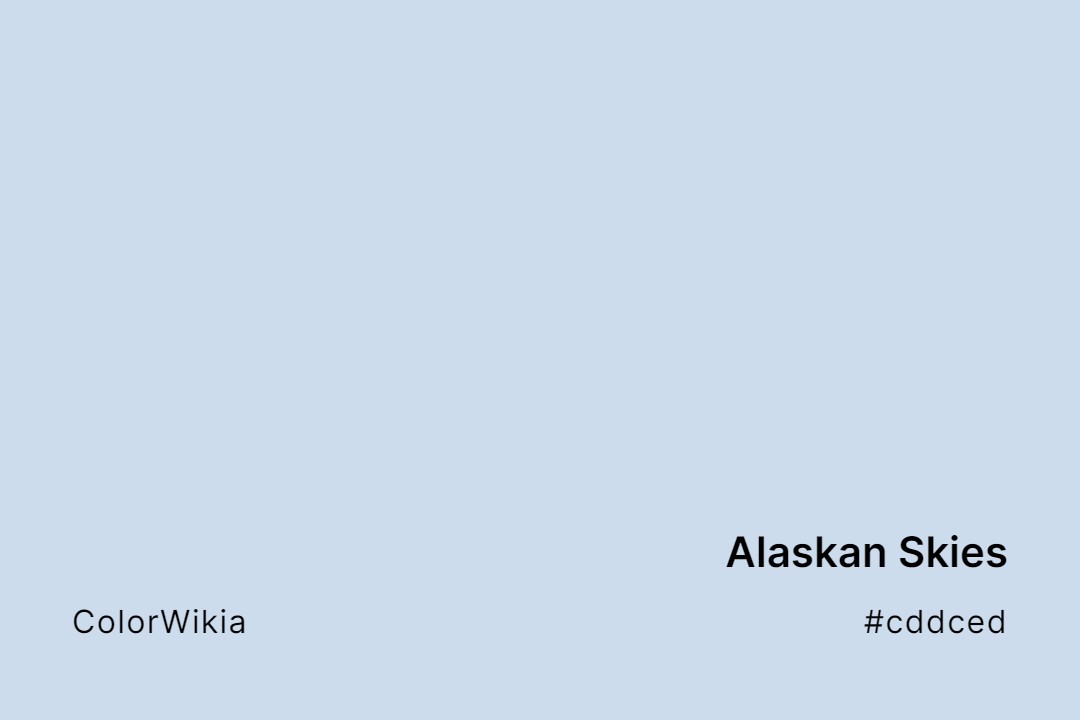
#cddced
Alaskan Skies
#05472a
Alaskan Moss
#ecf0e5
Alaskan Mist
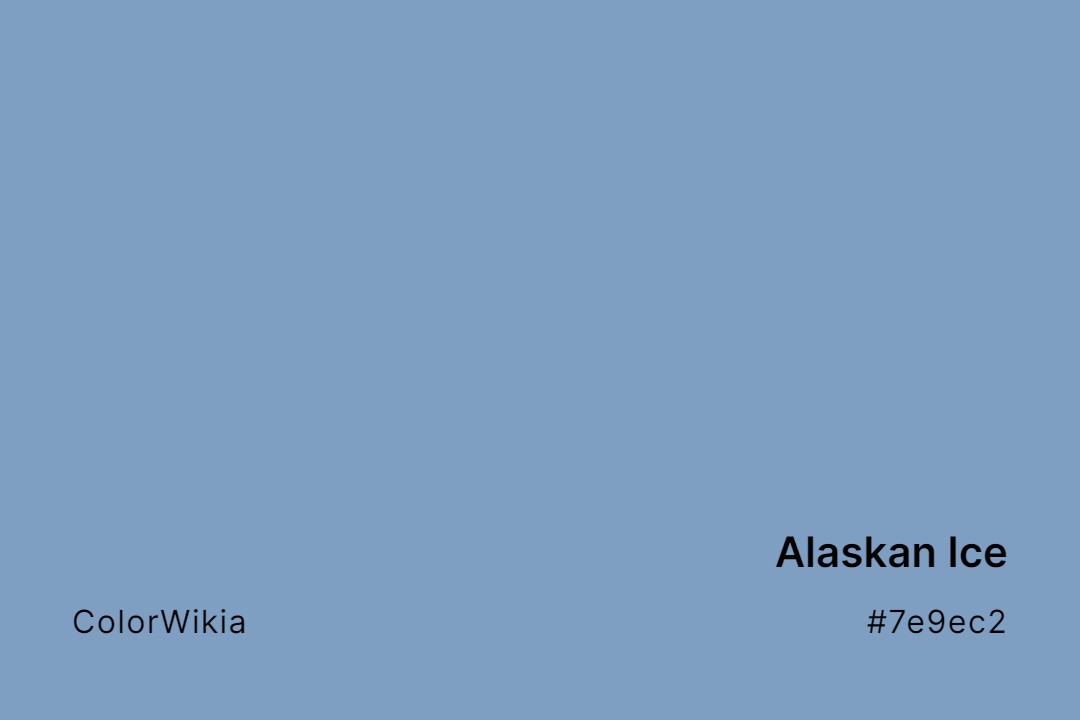
#7e9ec2
Alaskan Ice
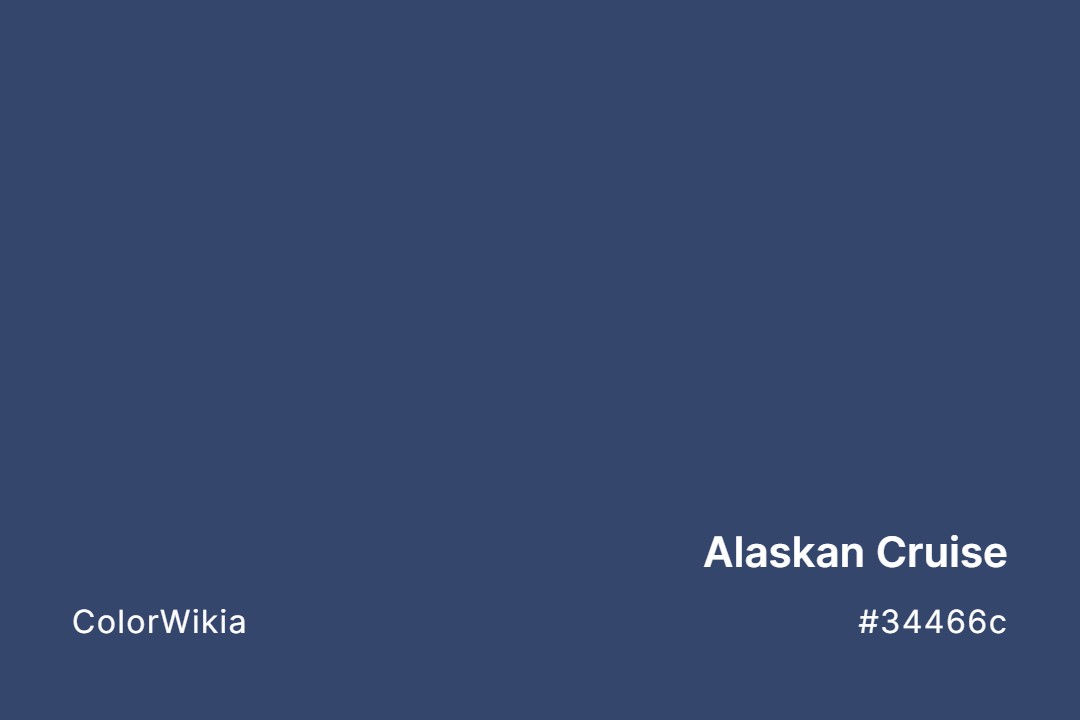
#34466c
Alaskan Cruise
#dadad1
Alaska
#2ce335
Alarming Slime
#ec0003
Alarm
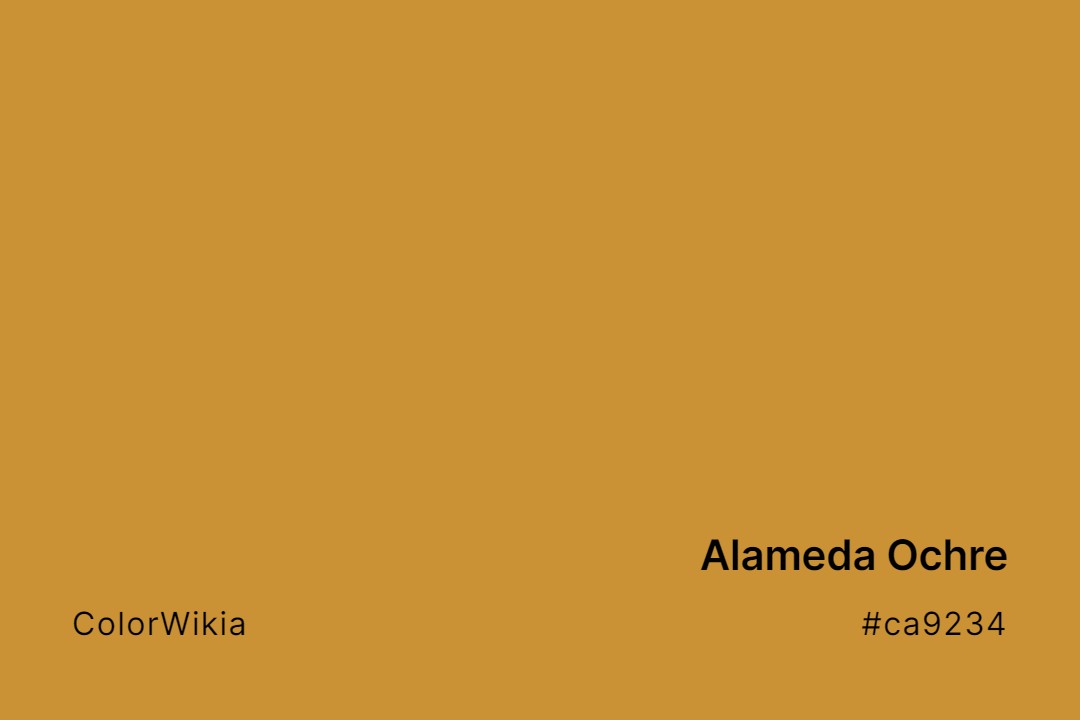
#ca9234
Alameda Ochre
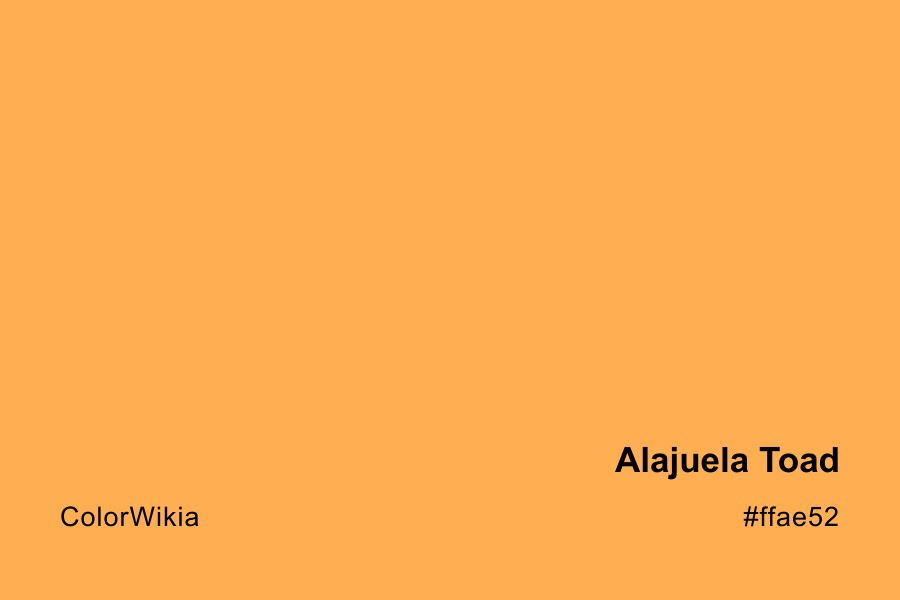
#ffae52
Alajuela Toad
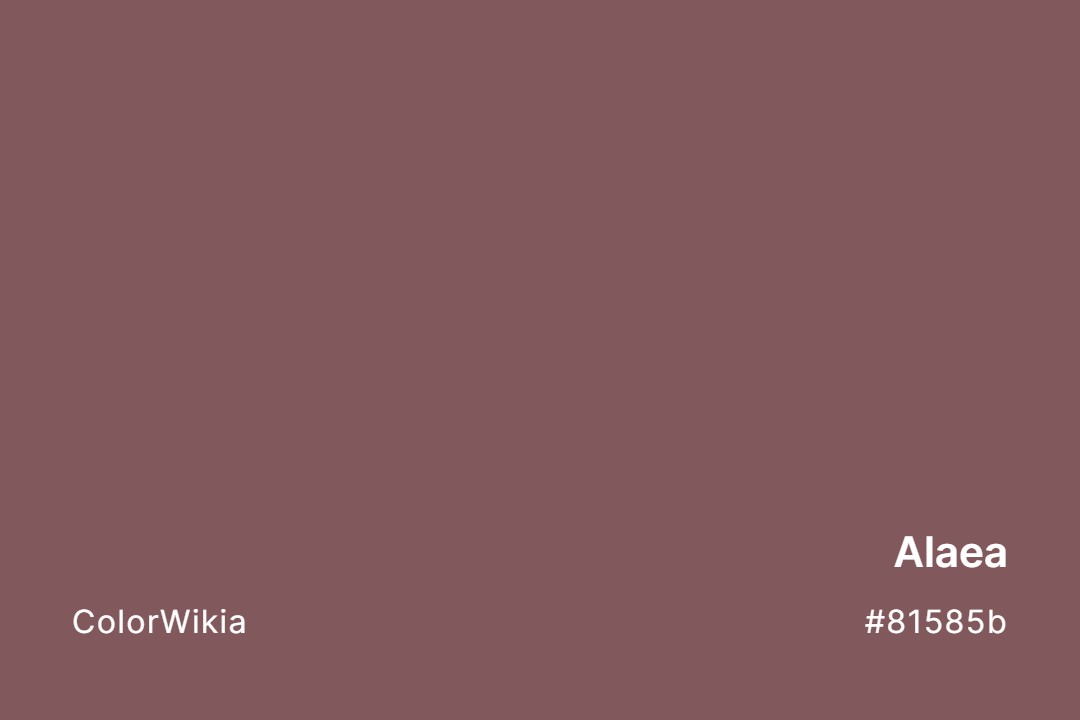
#81585b
Alaea
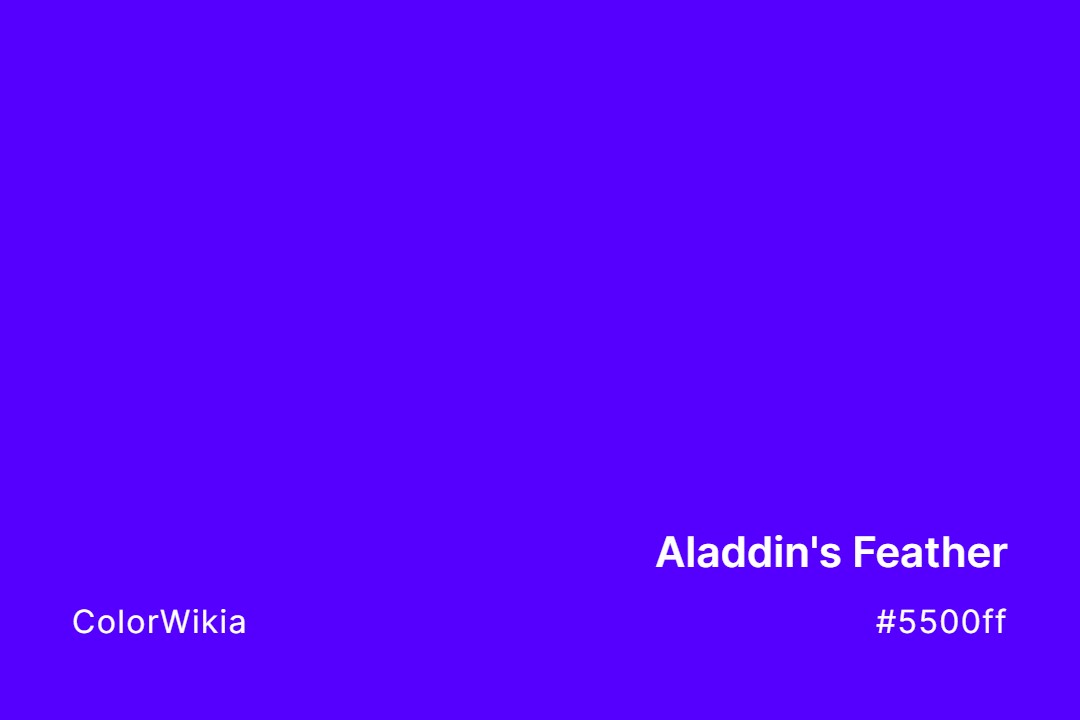
#5500ff
Aladdin’s Feather
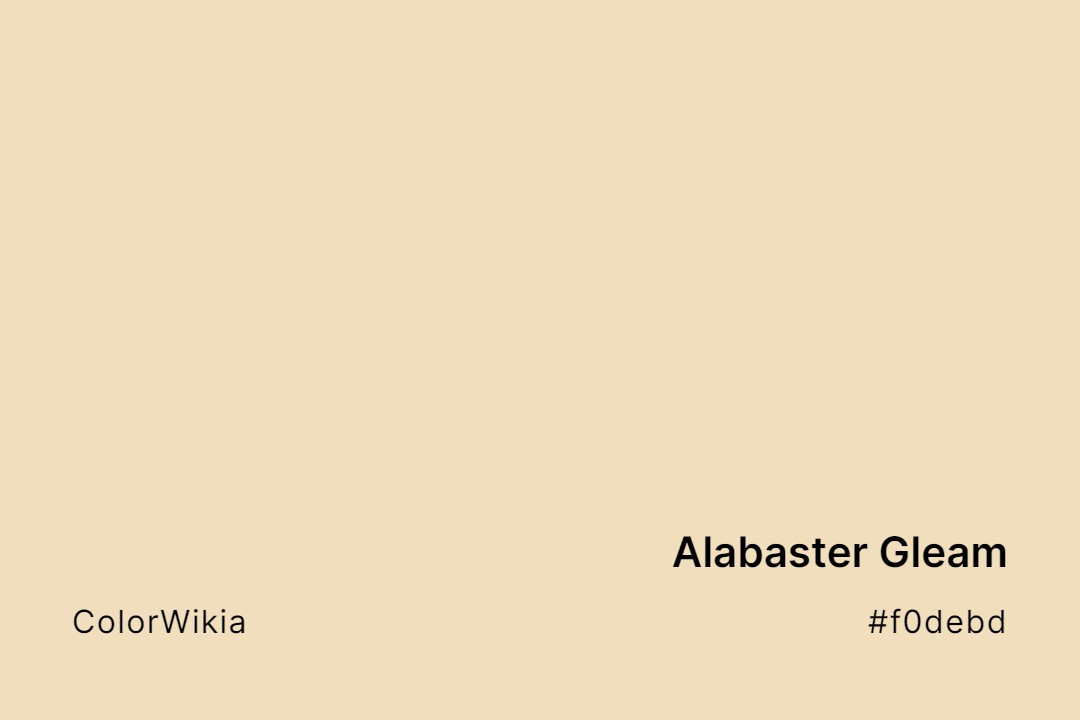
#f0debd
Alabaster Gleam
#e9e3d2
Alabaster Beauty
#a32638
Alabama Crimson
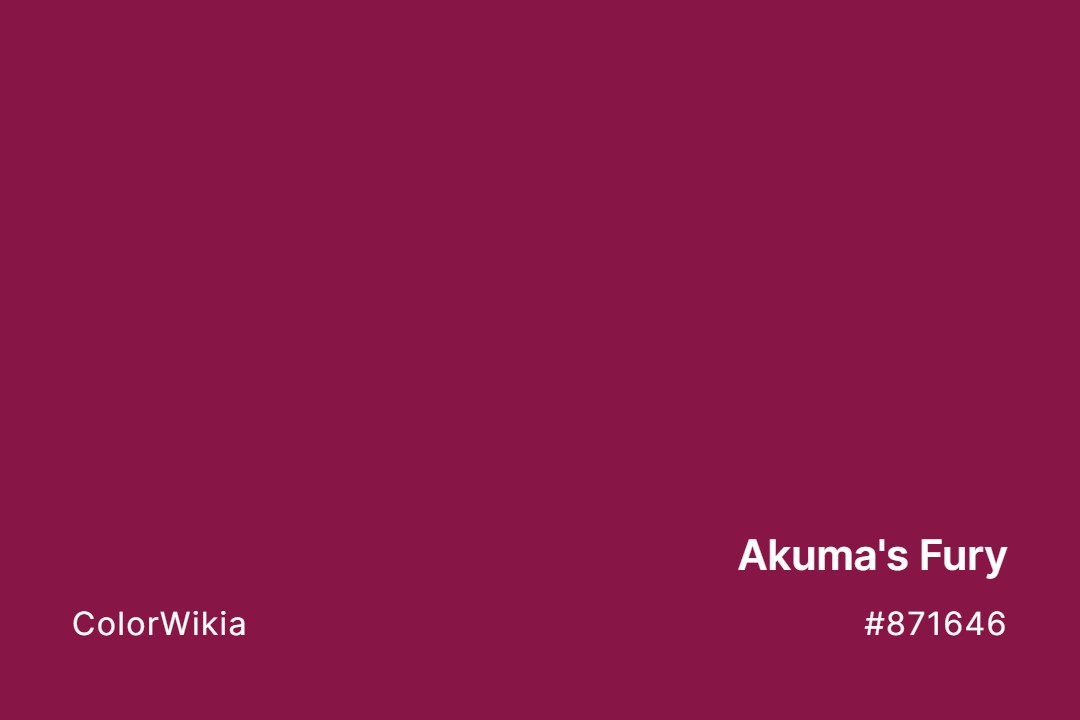
#871646
Akuma’s Fury
#601ef9
Akihabara Arcade
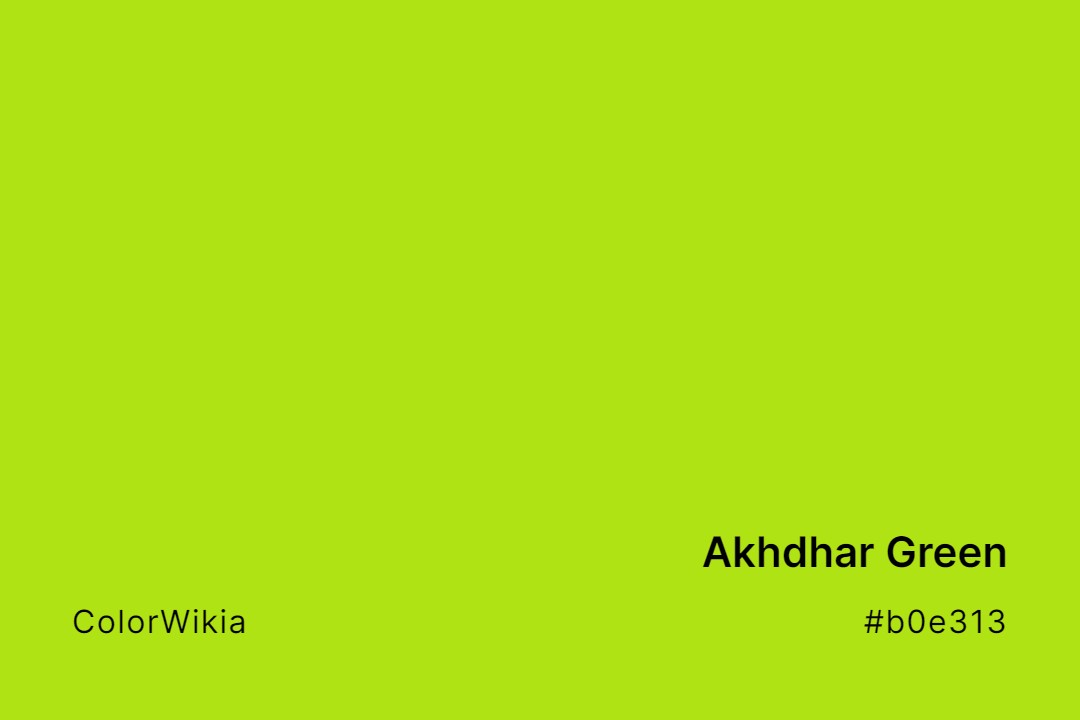
#b0e313
Akhdhar Green
#fa7b62
Akebono Dawn
#983fb2
Akebi Purple
#cf3a24
Ake Blood
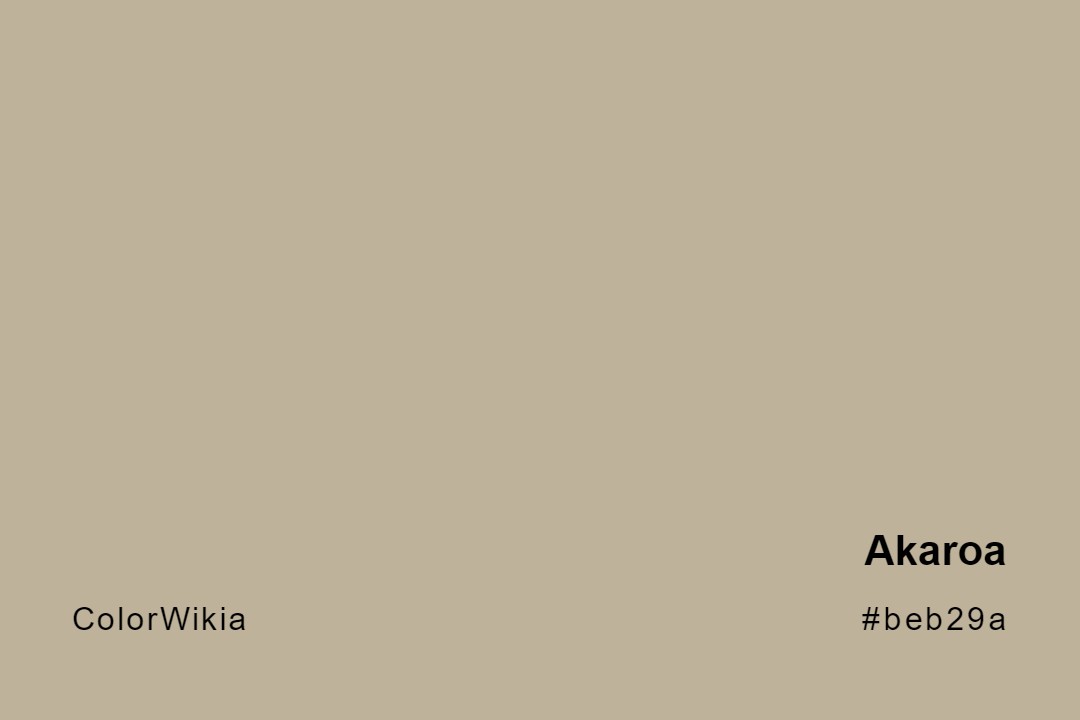
#beb29a
Akaroa
#c3272b
Akabeni
#faecd9
Ajo Lily
#dae6e9
Airy
#aec1d4
Airway
#f6dcd2
Air-Kiss
#364d70
Airforce
#d9e5e4
Airflow
#939498
Aircraft Exterior Grey
#aa6c51
Airbrushed Copper
#a2c2d0
Airborne
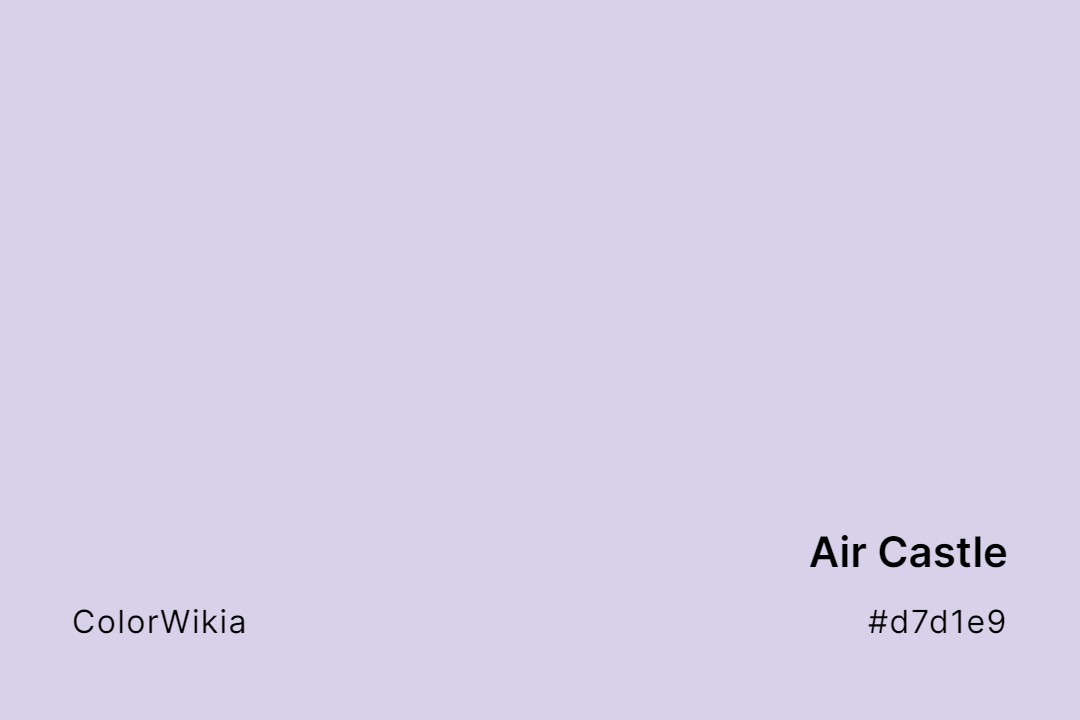
#d7d1e9
Air Castle
#d8f2ee
Air of Mint
#72a0c1
Air Superiority Blue
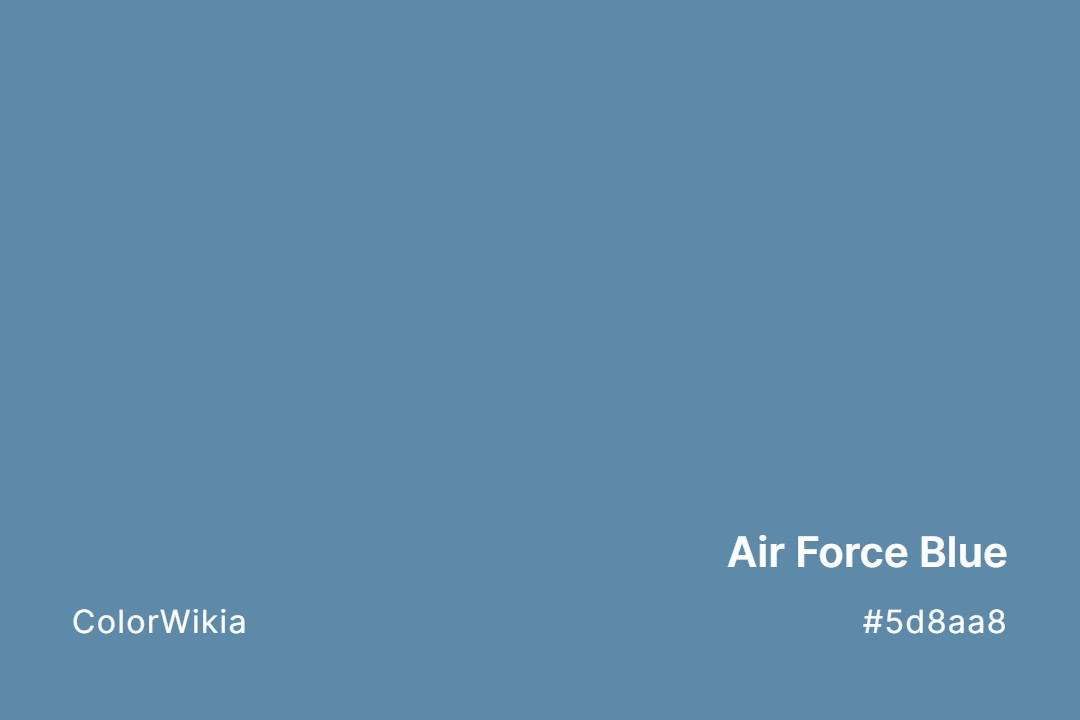
#5d8aa8
Air Force Blue
#2e372e
Aimiru Brown
#eee5e1
Aimee
#b4c8b6
Aida
#274447
Ai Indigo
#2a3149
Ahoy
#00fa92
Ahaetulla Prasina
#f0e2d3
Agrodolce






































The language of color can become confusing because everyday speech and color theory do not always use the word shade in exactly the same way. A page about color shades may describe a whole group of related colors, while the technical definition of a shade refers specifically to a hue made darker with black.
That difference matters when you compare taupe color shades, rust shades, or any other color family. The names people use are practical labels, while color systems provide more precise ways to describe the underlying values.
Understanding the difference between shade, tint, tone, and hue makes it easier to talk about color accurately. It also explains why one named color can have several related variations.
What Is a Color Shade?
In strict color theory, a shade is a hue with black added. Adding black lowers the lightness and produces a darker version of the starting color. A red can move toward burgundy, for example, while a blue can move toward navy.
In everyday language, people use shade more broadly. A search for “different shades of blue” may include lighter, darker, muted, and named variations that are not technically shades under the narrow definition.
That broader usage is common in design, retail, fashion, and online color references. It is also why color shade pages usually cover a family of related colors rather than only mixtures created by adding black.
The distinction is useful because it separates technical color terminology from the way people normally describe color families.
Shade, Tint, Tone, and Hue
These four terms describe different relationships between colors.
- Hue refers to the pure color position itself, such as red, blue, green, or yellow.
- Tint is a hue with white added, producing a lighter version such as pink from red.
- Shade is a hue with black added, producing a darker version such as burgundy from red.
- Tone is a hue with gray added, reducing saturation and muting the color.
The distinctions become useful when you need to describe why two colors look different. A pale blue may be a tint, while a dusty blue may be a tone and a navy blue may be a shade.
These terms can also be used together when discussing a larger color family. A named color may be lighter than the base color, darker than it, or more muted without fitting neatly into one everyday category.
How Digital Color Systems Describe Shades
Digital color systems make these relationships easier to quantify. RGB describes a color by the amount of red, green, and blue light used to create it, while HSL separates the color into hue, saturation, and lightness.
Hex codes provide a compact representation of RGB values. A six-character code such as #DC143C can identify crimson in a digital interface, but the number does not tell you where the color name originally came from or whether a physical pigment uses the same formulation.
In HSL, reducing lightness while holding hue and saturation constant moves a color toward a darker digital version. Raising lightness moves it toward a lighter version, while reducing saturation creates a more muted result.
This distinction is important when working with digital color. A color name can provide a useful visual reference, but a hex code gives you a specific digital value.
How Color Shade Names Develop
Color names often come from things people recognize. Taupe refers to the mole, while rust takes its name from corroded iron. Other names come from materials or places, including copper, terracotta, mahogany, sienna, and umber.
Language can preserve those histories even after a color becomes a digital swatch. Khaki color shades provide another example because the word traces back to a Hindustani term connected with dust and earth.
Commercial color naming adds another layer. Paint makers, textile companies, standards groups, and digital platforms may assign different names to closely related colors, so one shade does not always have one universal label.
This is one reason color names can feel inconsistent. A name can describe a recognizable visual family without pointing to one universal digital value.
Color Standards and Shade Codes
Professional color systems exist because names alone are too vague for precise reproduction. The Pantone Matching System assigns numbered references to color formulations, while systems such as Munsell describe colors using hue, value, and chroma.
The Natural Color System uses a different framework based on color perception. These systems serve different purposes, but they share the same practical goal. A numeric reference can communicate more precisely than a word such as “blue” or “green.”
That is also why a page listing color codes should distinguish between a named color, a standardized reference, and an ordinary digital hex value.
A hex code is useful for digital work, but it should not automatically be treated as a universal definition of a named color. The context behind the color reference matters.
Major Color Families and Their Shades
Every broad color family branches into many named variations. The examples below show how familiar shade names sit within larger groups.
| Color Family | Popular Shade | Hex Code |
| Red | Crimson | #DC143C |
| Blue | Navy | #000080 |
| Green | Forest Green | #228B22 |
| Yellow | Gold | #FFD700 |
| Purple | Indigo | #4B0082 |
| Orange | Coral | #FF7F50 |
| Brown | Tan | #D2B48C |
Warm families such as orange and brown include earthy variations such as rust, terracotta, and chocolate. Blue and green branch into names such as navy, teal, forest, and olive.
Neutral families work differently because their boundaries are less obvious. Beige, gray, taupe, and related colors can overlap substantially depending on saturation, lightness, and undertone.
Why named colors can overlap
A useful color family is not always a strict technical category. Two colors can look very similar while carrying different names because the names come from different materials, places, industries, or traditions.
For practical design work, it is often more useful to compare the actual color values than to rely on the name alone.
Frequently Asked Questions
What is the difference between a shade and a tint?
A shade is a darker version created by adding black, while a tint is a lighter version created by adding white.
Is a tone the same as a shade?
No. A tone adds gray and reduces saturation, while a shade adds black and darkens the original hue.
Why does one color have so many shade names?
Different industries, standards groups, companies, and cultures develop names independently. Closely related colors can therefore receive several labels.
How many shades of a color are there?
There is no fixed limit. Digital systems can generate very large numbers of distinct values, while named shades depend on the terms that become widely recognized or useful.