
30,000+ Shades of Color with Names and HEX Code
Explore unique color shades for your website, brand or any project.
#d0e429

Sickly Yellow
#c1c6ad
Sicily Sea
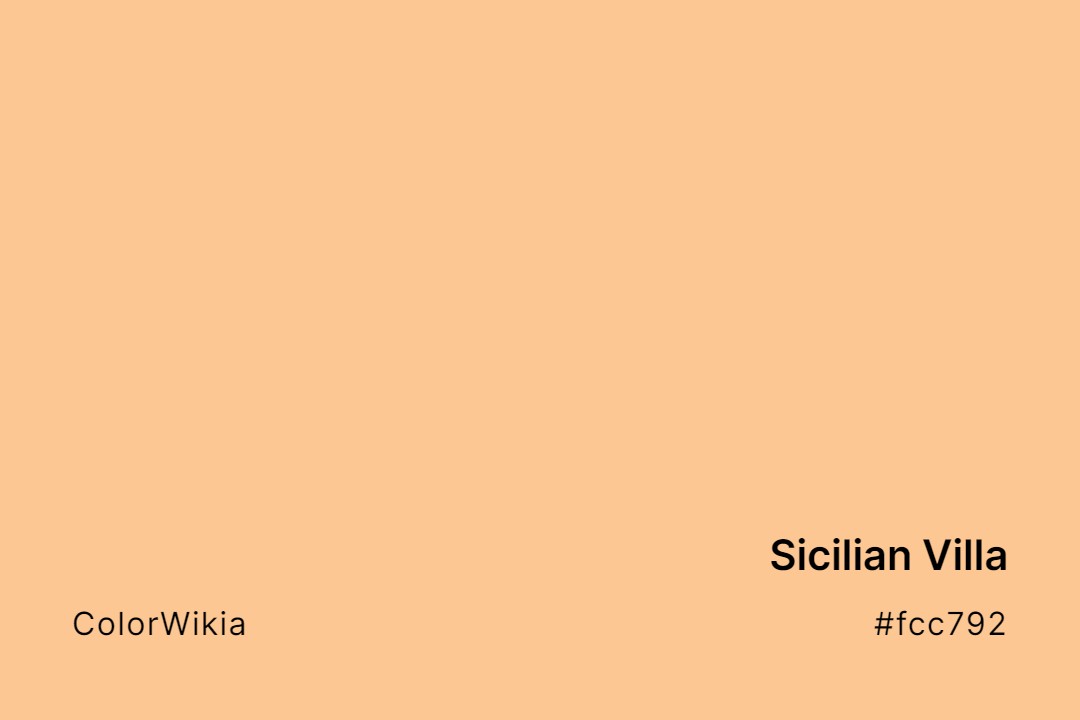
#fcc792
Sicilian Villa
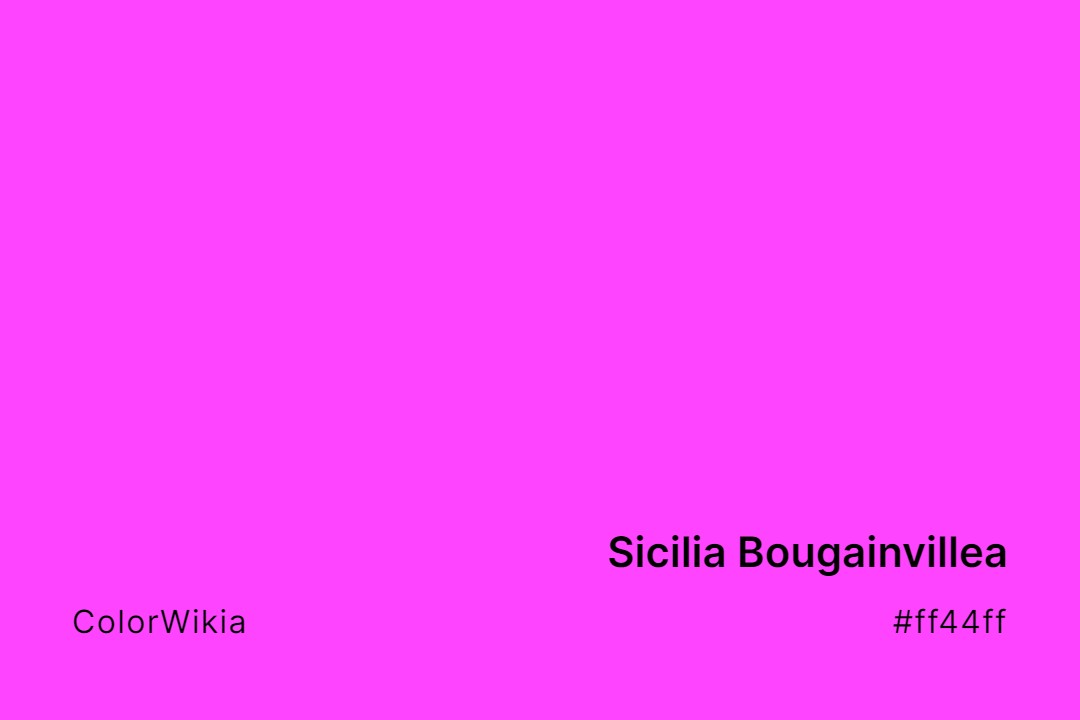
#ff44ff
Sicilia Bougainvillea
#c1ccd6
Siberian Ice
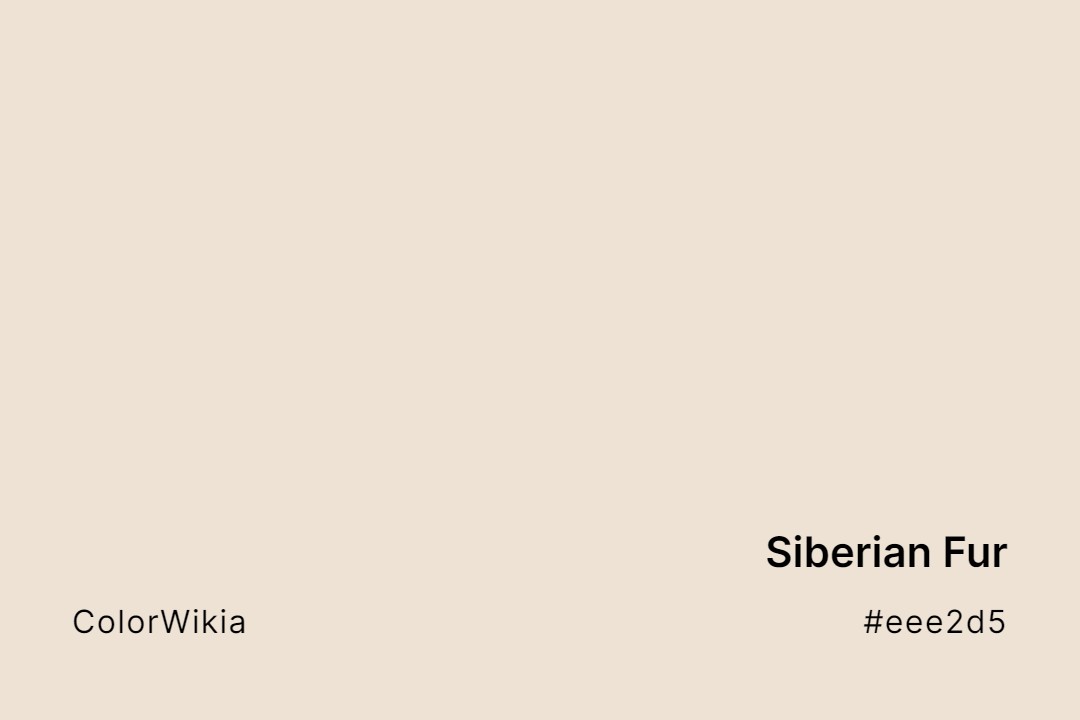
#eee2d5
Siberian Fur
#efe1d5
Siamese Kitten
#686b50
Siam
#896f40
Siam Gold
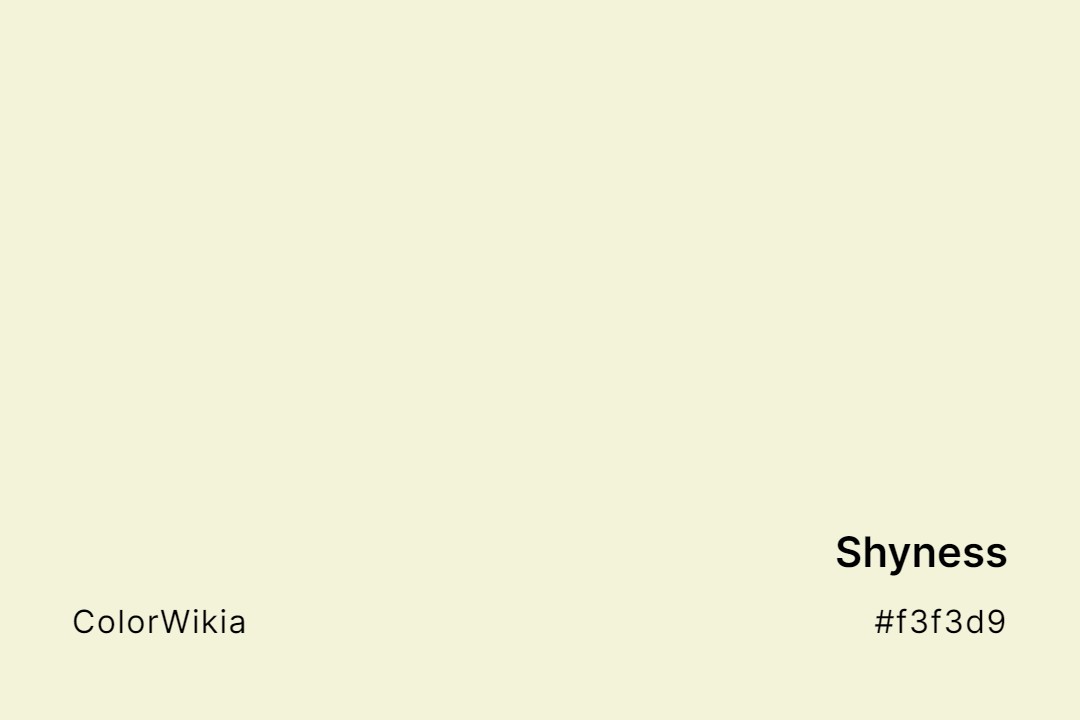
#f3f3d9
Shyness
#5ab9a4
Shylock
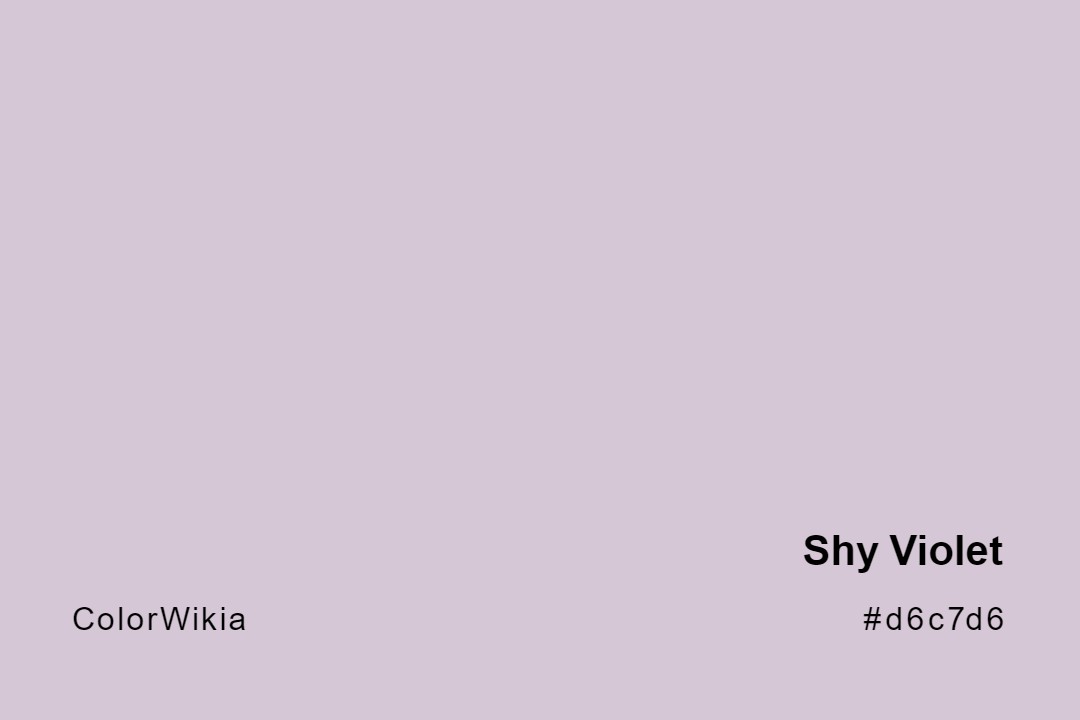
#d6c7d6
Shy Violet
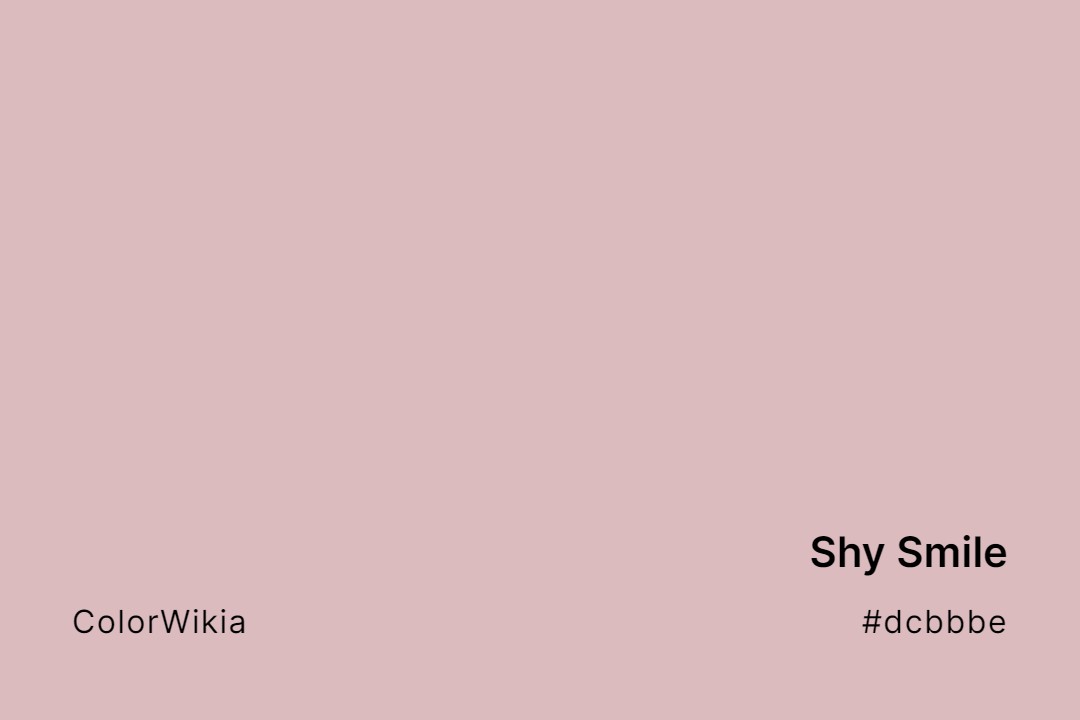
#dcbbbe
Shy Smile
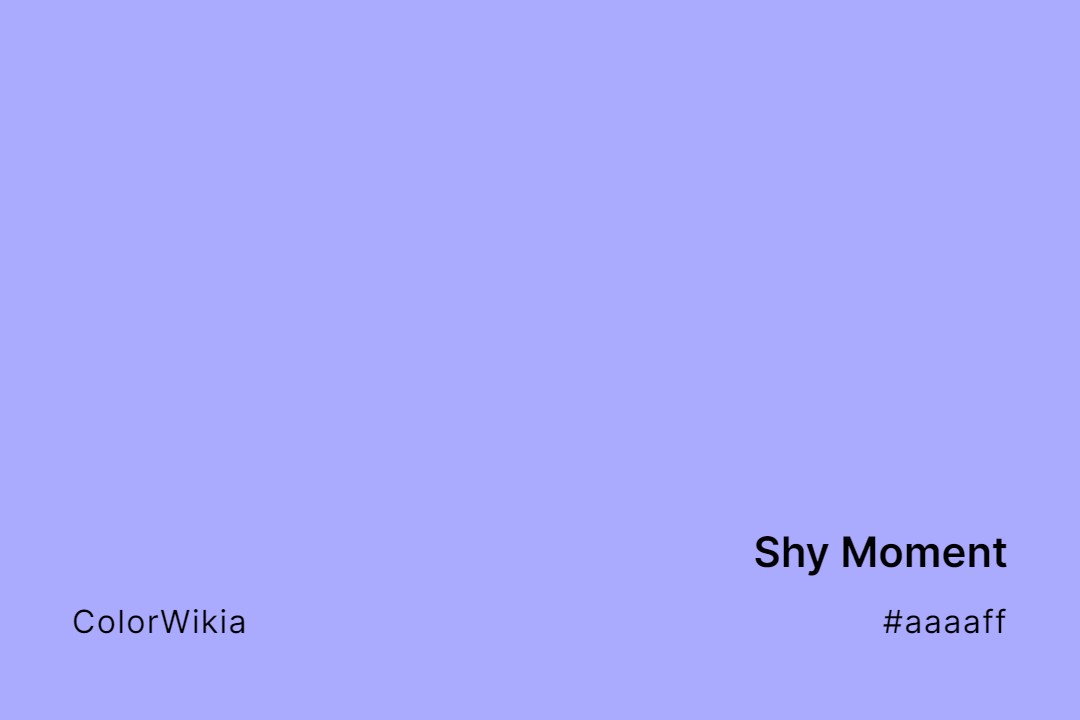
#aaaaff
Shy Moment
#e0e4db
Shy Mint
#ffd7cf
Shy Girl
#d7dadd
Shy Denim
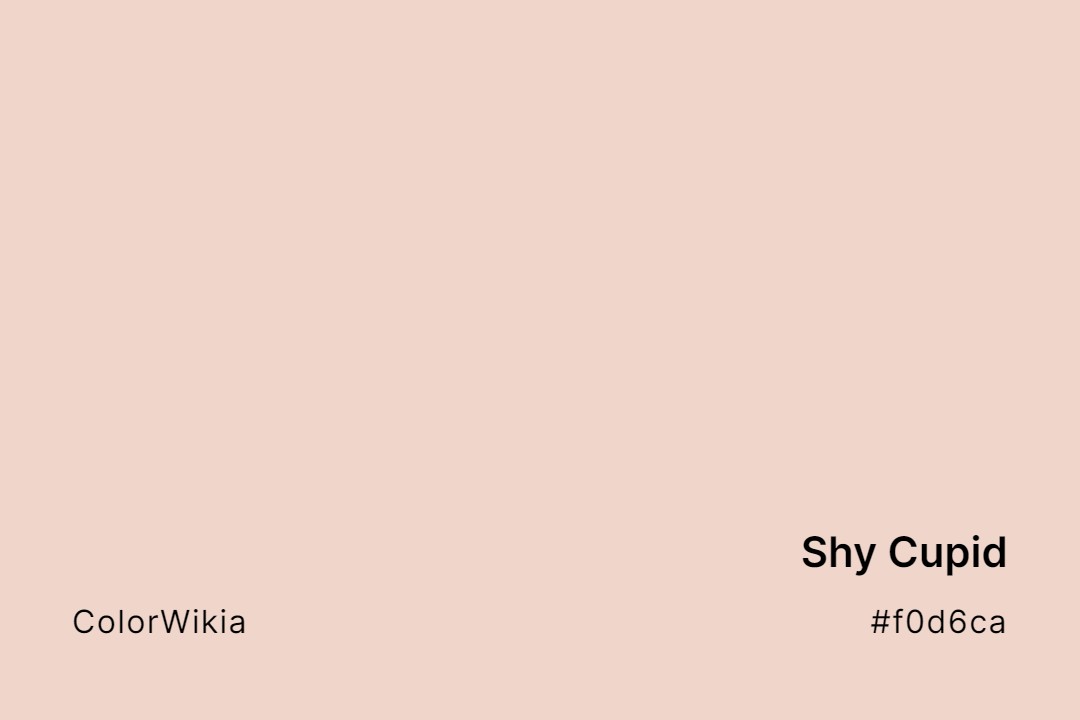
#f0d6ca
Shy Cupid
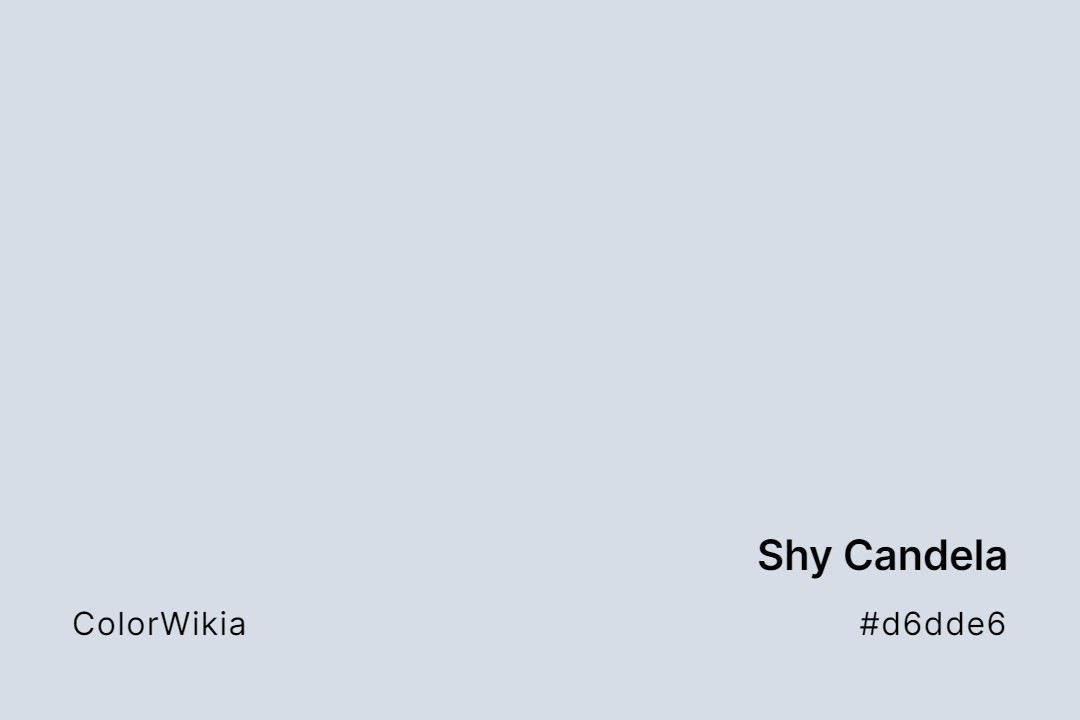
#d6dde6
Shy Candela
#d3d8de
Shy Blunt
#e2ded6
Shy Beige
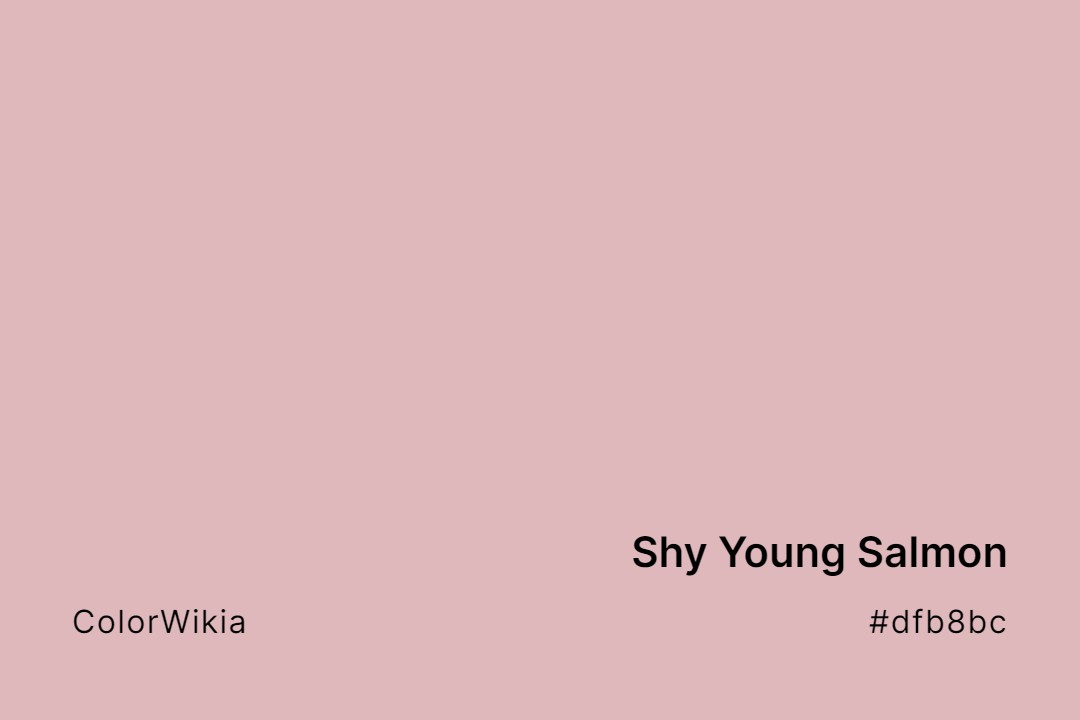
#dfb8bc
Shy Young Salmon
#aa0055
Shy Guy Red
#dea392
Shy Champagne Blush
#6c705e
Shutters
#bba262
Shutterbug
#bb6622
Shutter Copper
#333344
Shuriken
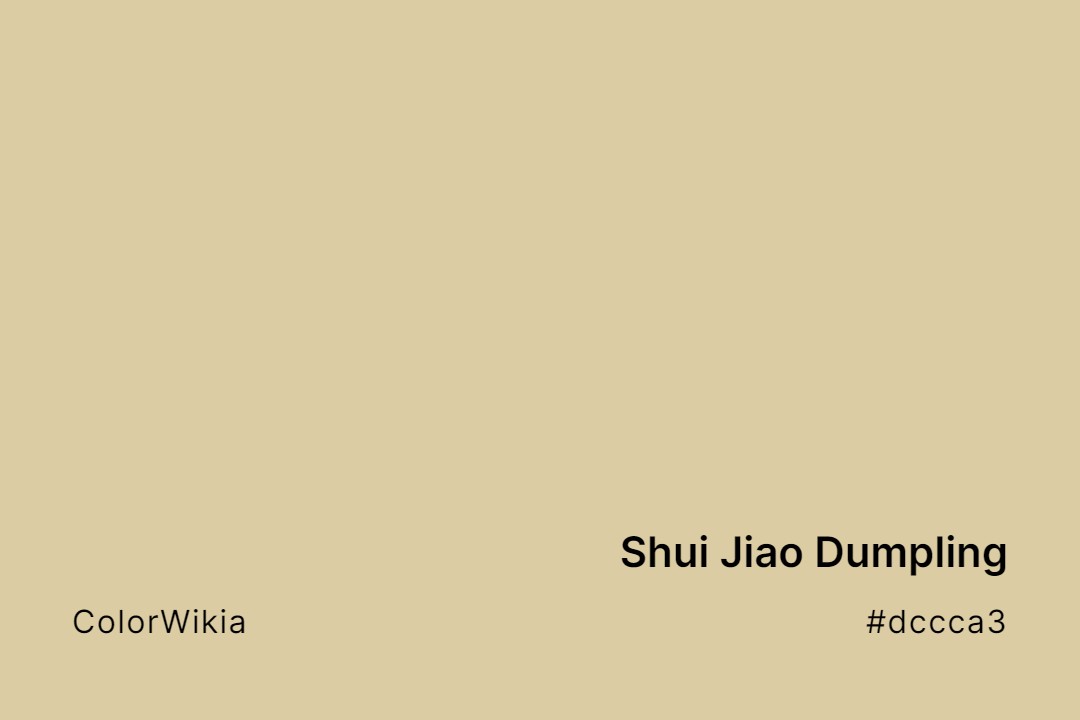
#dccca3
Shui Jiao Dumpling
#eb6101
Shu Red
#b5d1db
Shrubby Lichen
#a9c08a
Shrubbery
#5d84b1
Shrinking Violet
#cc3388
Shrine of Pleasures
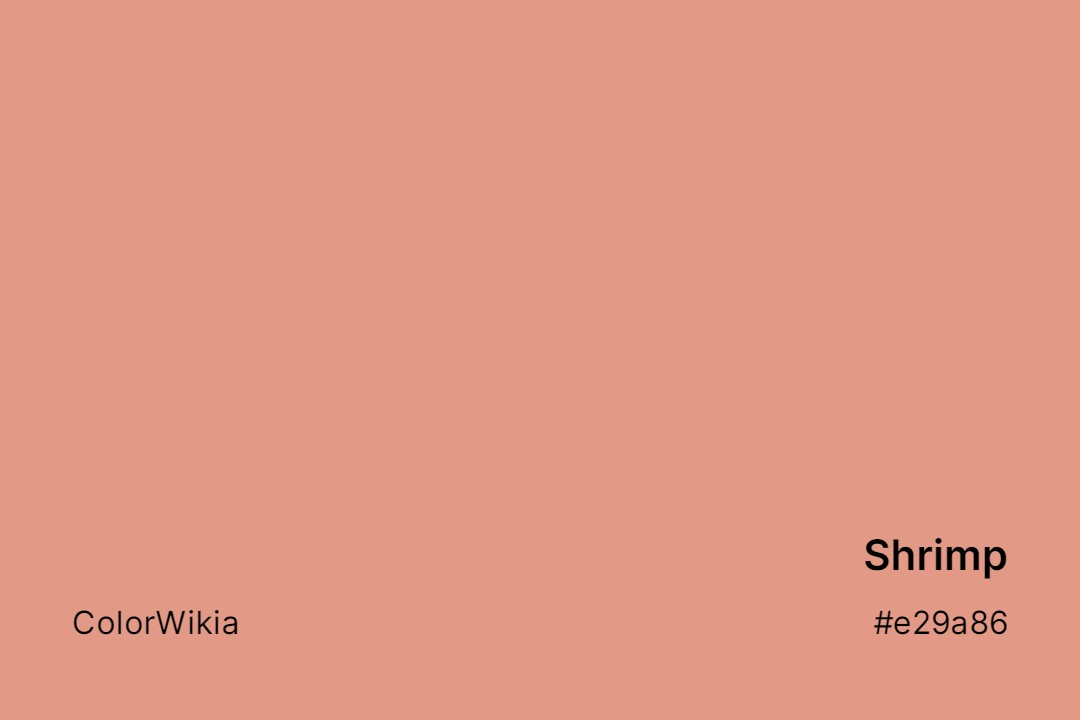
#e29a86
Shrimp
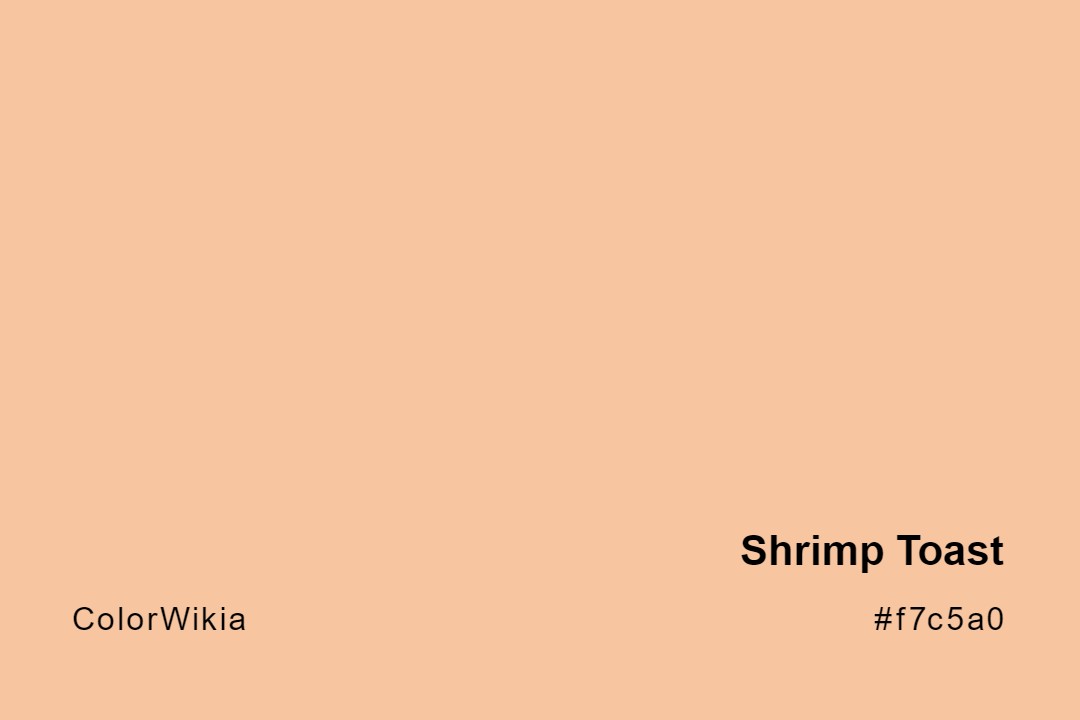
#f7c5a0
Shrimp Toast
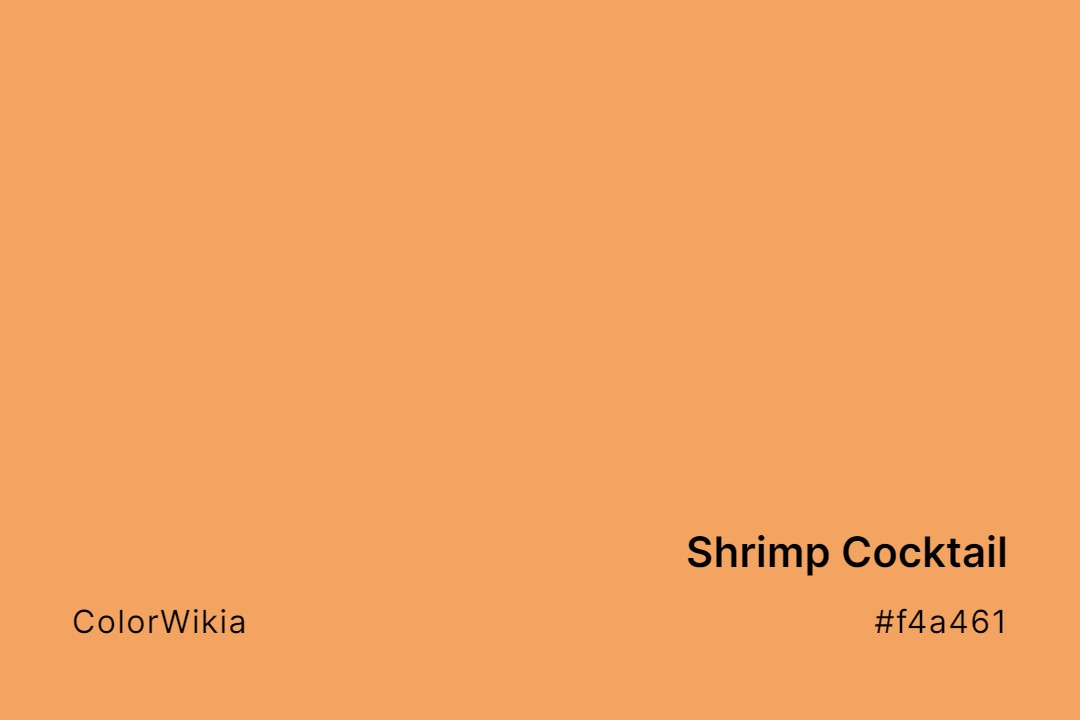
#f4a461
Shrimp Cocktail
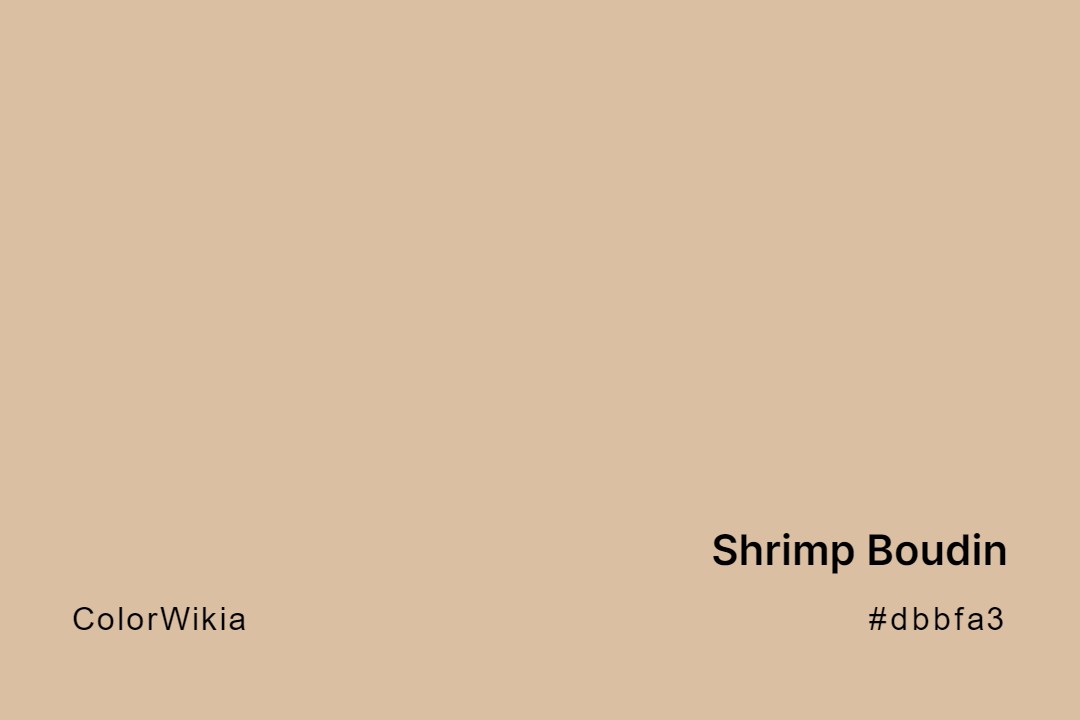
#dbbfa3
Shrimp Boudin
#f5be9d
Shrimp Boat
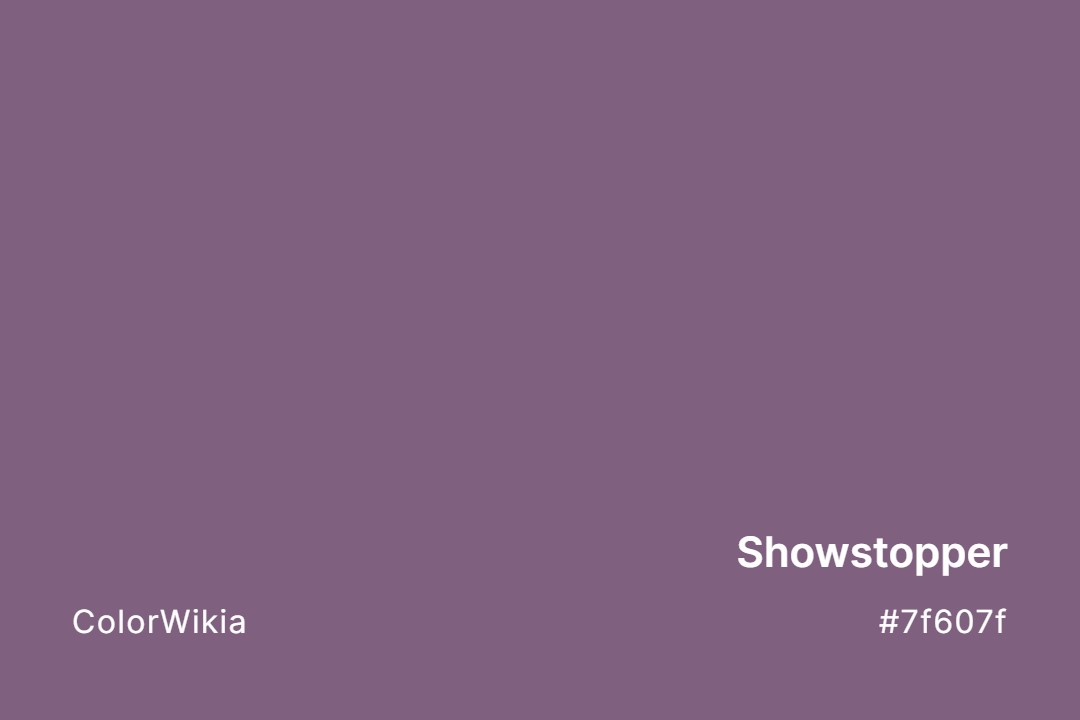
#7f607f
Showstopper
#9fadb7
Shower
#a42e37
Show Stopper
#dd835b
Show Business
#37c4fa
Shovel Knight
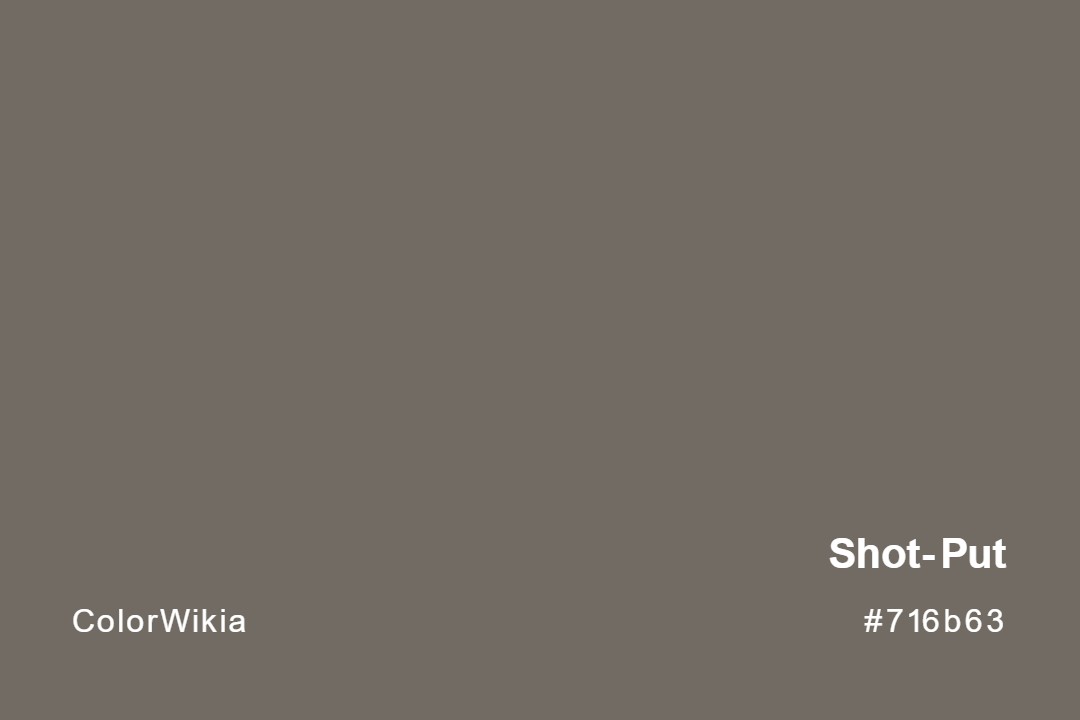
#716b63
Shot-Put
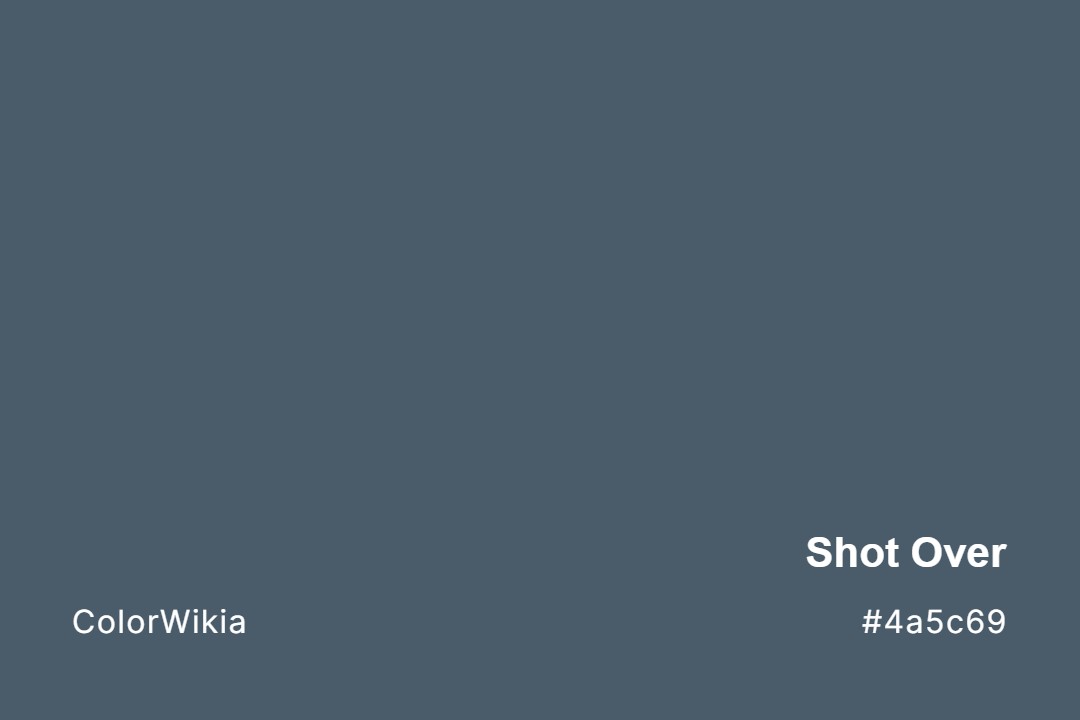
#4a5c69
Shot Over
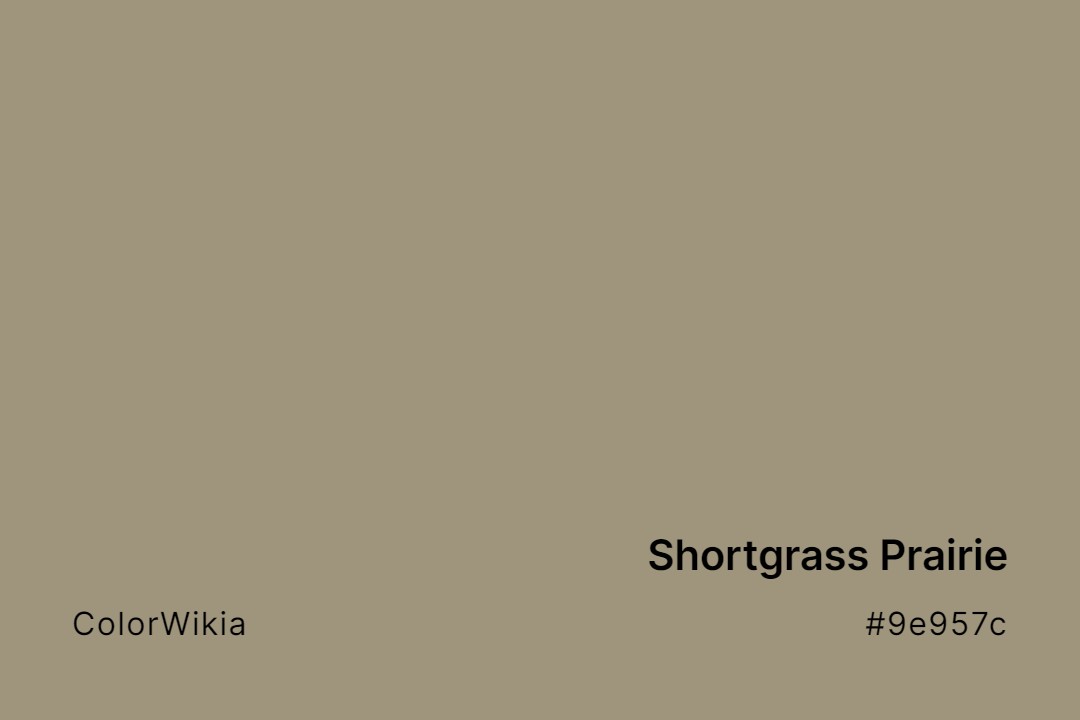
#9e957c
Shortgrass Prairie
#eedaac
Shortcake
#f5e6d3
Shortbread
#eaceb0
Shortbread Cookie
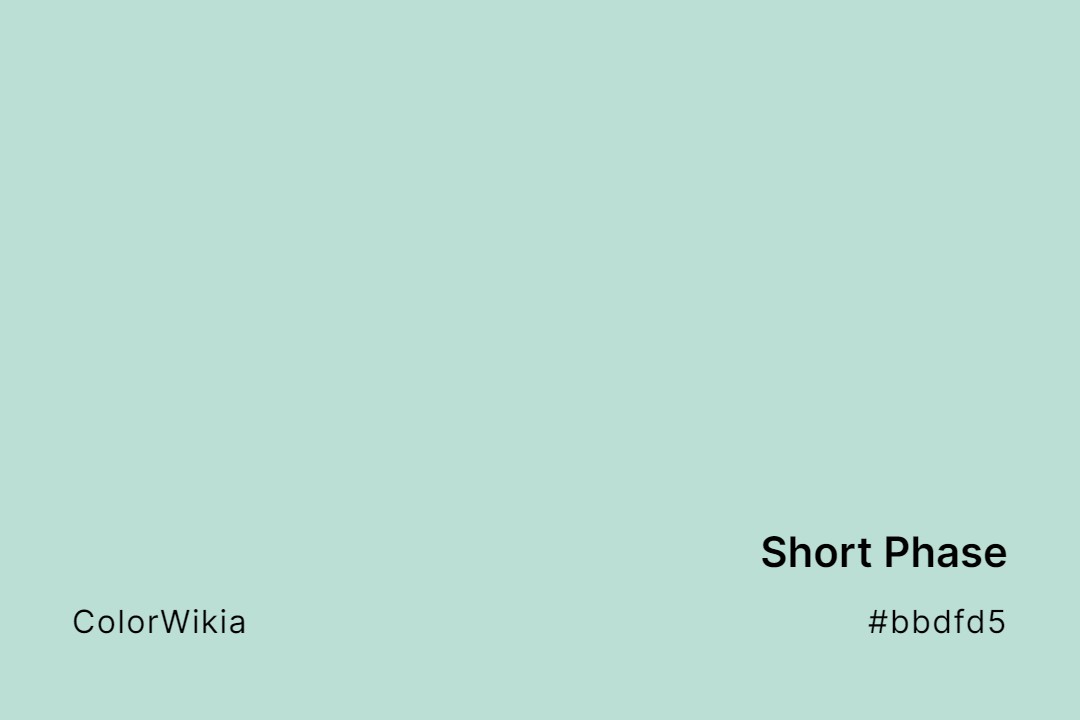
#bbdfd5
Short Phase
#edd1d3
Short and Sweet
#6c8791
Shoreline
#d2cbbc
Shoreline Haze
#ead9cb
Shoreland
#6797a2
Shore Water
#5a4743
Shopping Bag
#ecf0eb
Shooting Star
#e2041b
Shojo’s Blood
#e6dfd3
Shoji White
#eae4d9
Shoelace
#f6ebd3
Shoelace Beige
#2b2b2b
Shoe Wax
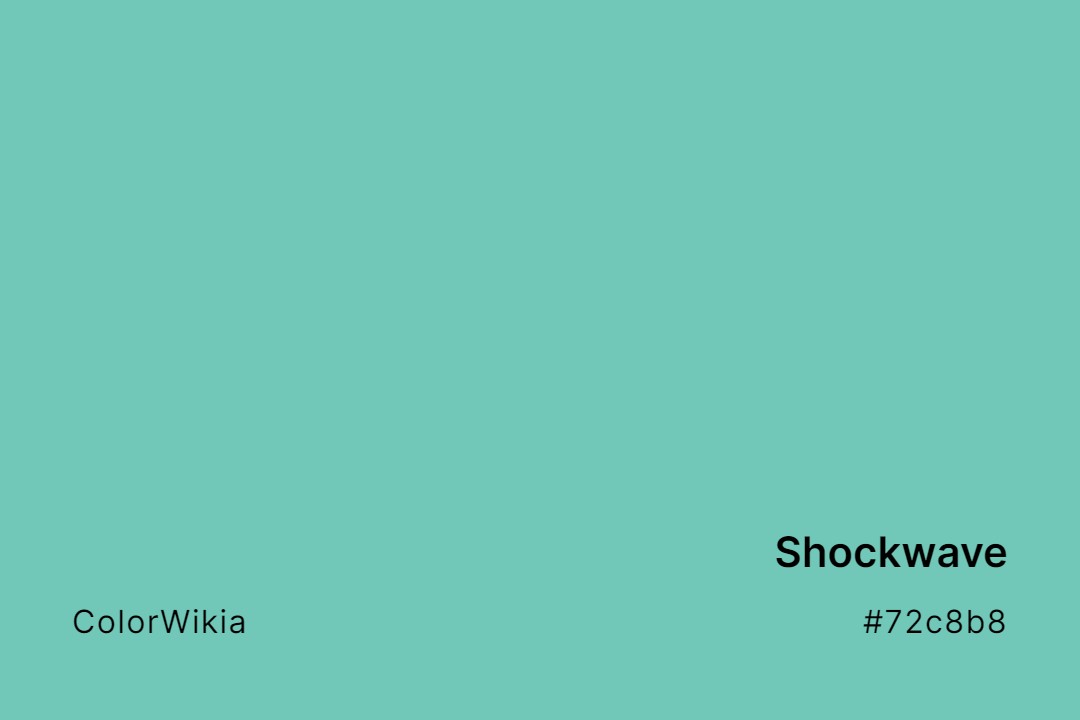
#72c8b8
Shockwave
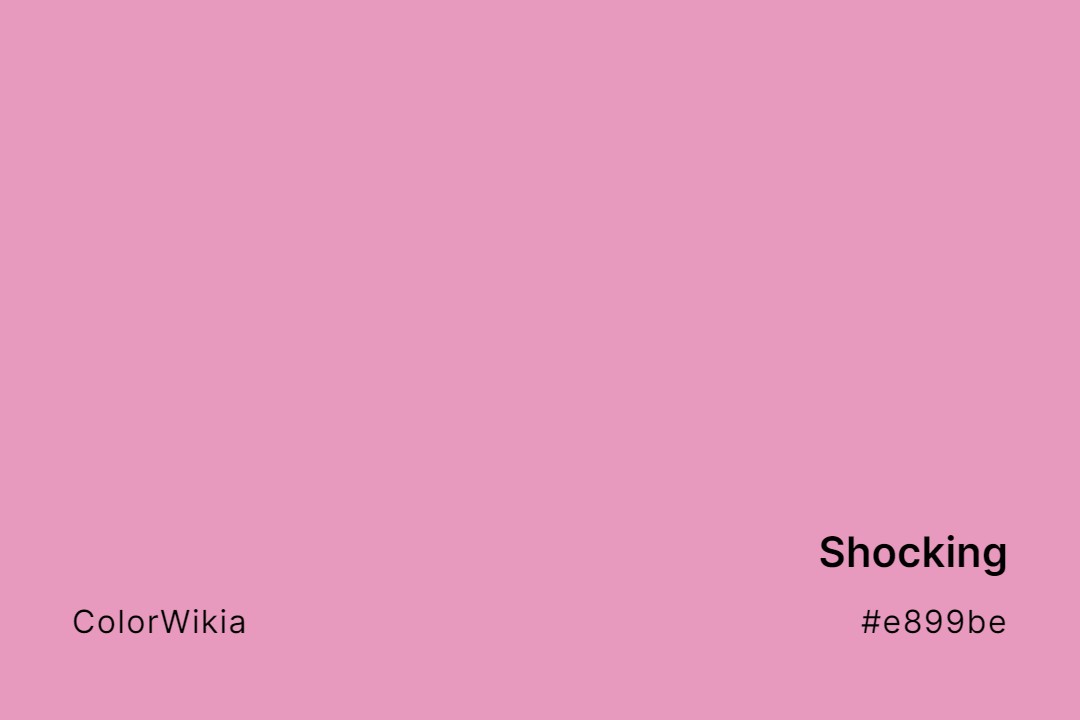
#e899be
Shocking
#fe02a2
Shocking Pink
#ff6e1c
Shocking Orange
#ff0d04
Shocking Crimson
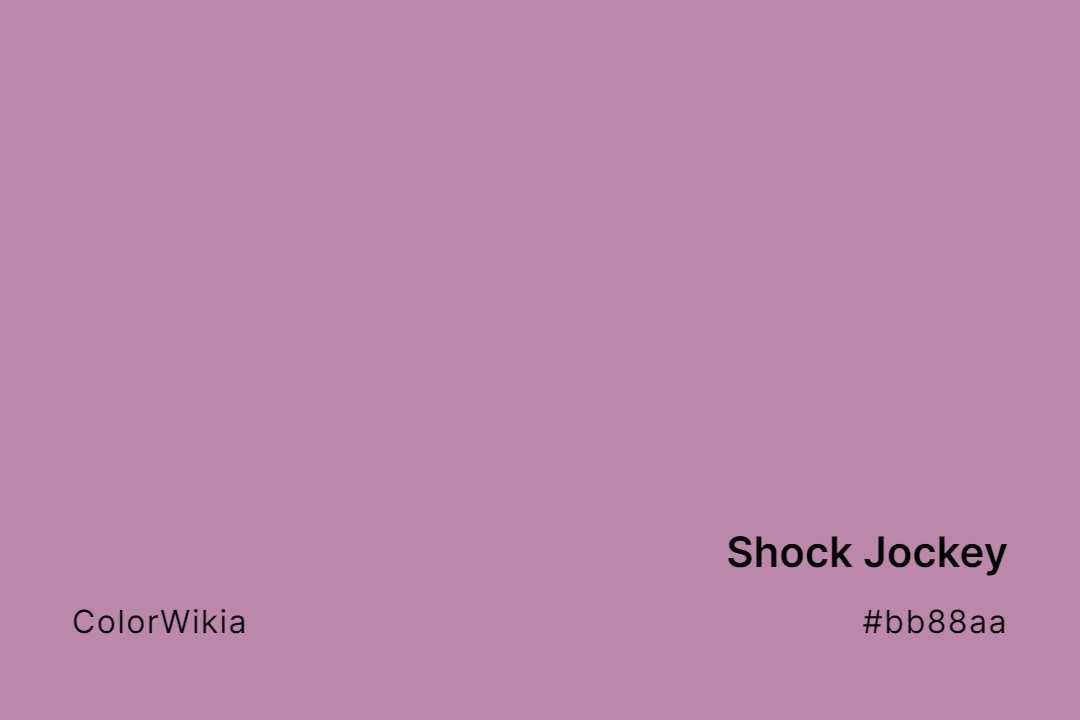
#bb88aa
Shock Jockey
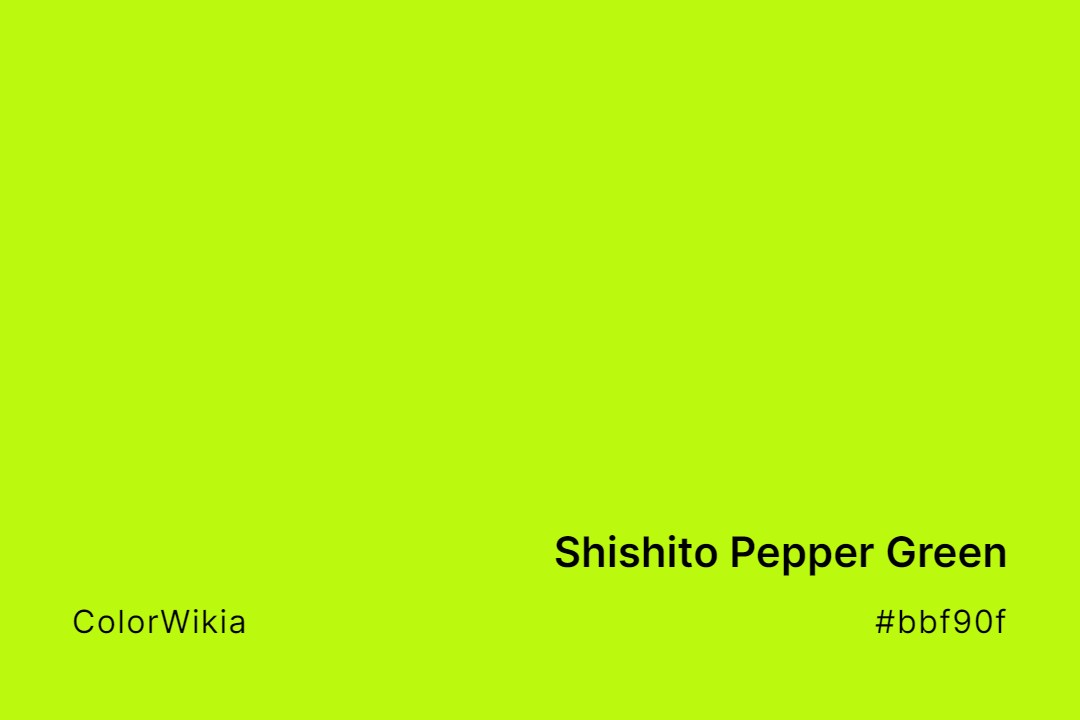
#bbf90f
Shishito Pepper Green
#efab93
Shishi Pink
#3c3b3c
Shisha Coal
#feddcb

Shironeri Silk
#646b59
Shire
#68e52f
Shire Green
#842833
Shiraz
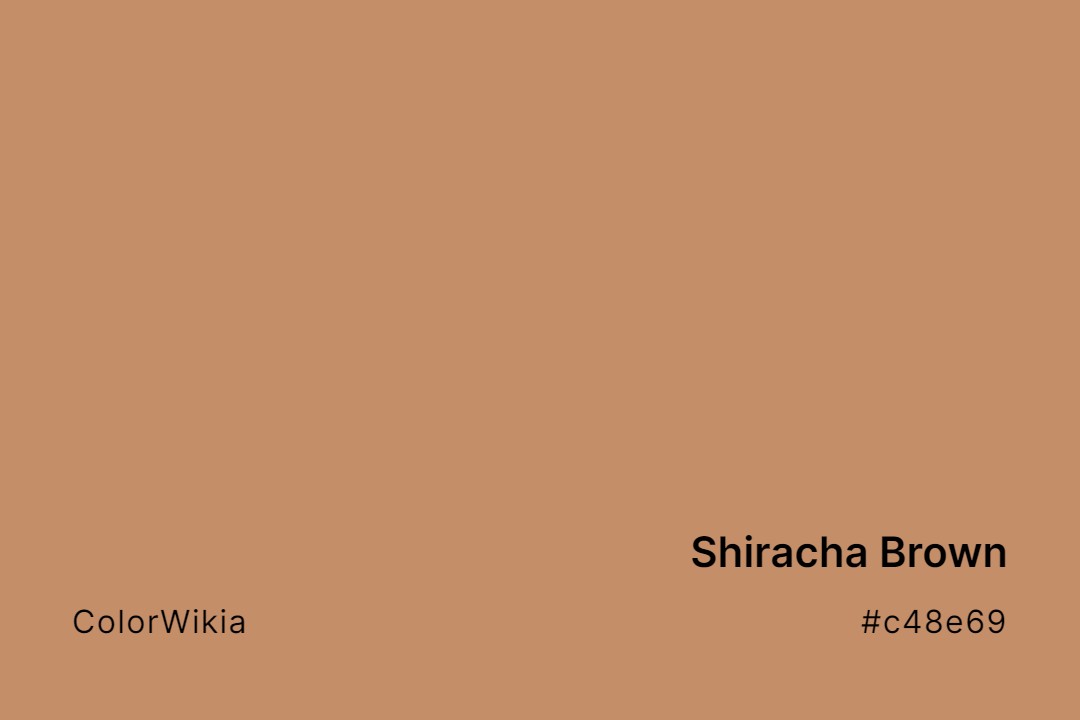
#c48e69
Shiracha Brown
#4f6f85
Shipyard
#968772
Shipwreck
#2d3a49
Ship’s Officer
#4f84af
Ship’s Harbour
#7aa3cc
Shipmate
#7988ab
Ship Cove
#62493b
Ship Steering Wheel
#ecae58
Shiny Trumpet
#f7ecca
Shiny Silk
#5fa778
Shiny Shamrock
#3a363b
Shiny Rubber
#ccd3d8
Shiny Nickel
#dbdddb
Shiny Luster
#cea190
Shiny Kettle
#a1a9a8
Shiny Armor
#8f1d21
Shinshu
#989ea7
Shining Knight
#ffd200
Shining Gold
#908b8e
Shining Armor
#745937
Shingle Fawn
#773ca7
Shiner
#a85e6e
Shine Baby Shine
#00a990
Shindig




























The language of color can become confusing because everyday speech and color theory do not always use the word shade in exactly the same way. A page about color shades may describe a whole group of related colors, while the technical definition of a shade refers specifically to a hue made darker with black.
That difference matters when you compare taupe color shades, rust shades, or any other color family. The names people use are practical labels, while color systems provide more precise ways to describe the underlying values.
Understanding the difference between shade, tint, tone, and hue makes it easier to talk about color accurately. It also explains why one named color can have several related variations.
What Is a Color Shade?
In strict color theory, a shade is a hue with black added. Adding black lowers the lightness and produces a darker version of the starting color. A red can move toward burgundy, for example, while a blue can move toward navy.
In everyday language, people use shade more broadly. A search for “different shades of blue” may include lighter, darker, muted, and named variations that are not technically shades under the narrow definition.
That broader usage is common in design, retail, fashion, and online color references. It is also why color shade pages usually cover a family of related colors rather than only mixtures created by adding black.
The distinction is useful because it separates technical color terminology from the way people normally describe color families.
Shade, Tint, Tone, and Hue
These four terms describe different relationships between colors.
- Hue refers to the pure color position itself, such as red, blue, green, or yellow.
- Tint is a hue with white added, producing a lighter version such as pink from red.
- Shade is a hue with black added, producing a darker version such as burgundy from red.
- Tone is a hue with gray added, reducing saturation and muting the color.
The distinctions become useful when you need to describe why two colors look different. A pale blue may be a tint, while a dusty blue may be a tone and a navy blue may be a shade.
These terms can also be used together when discussing a larger color family. A named color may be lighter than the base color, darker than it, or more muted without fitting neatly into one everyday category.
How Digital Color Systems Describe Shades
Digital color systems make these relationships easier to quantify. RGB describes a color by the amount of red, green, and blue light used to create it, while HSL separates the color into hue, saturation, and lightness.
Hex codes provide a compact representation of RGB values. A six-character code such as #DC143C can identify crimson in a digital interface, but the number does not tell you where the color name originally came from or whether a physical pigment uses the same formulation.
In HSL, reducing lightness while holding hue and saturation constant moves a color toward a darker digital version. Raising lightness moves it toward a lighter version, while reducing saturation creates a more muted result.
This distinction is important when working with digital color. A color name can provide a useful visual reference, but a hex code gives you a specific digital value.
How Color Shade Names Develop
Color names often come from things people recognize. Taupe refers to the mole, while rust takes its name from corroded iron. Other names come from materials or places, including copper, terracotta, mahogany, sienna, and umber.
Language can preserve those histories even after a color becomes a digital swatch. Khaki color shades provide another example because the word traces back to a Hindustani term connected with dust and earth.
Commercial color naming adds another layer. Paint makers, textile companies, standards groups, and digital platforms may assign different names to closely related colors, so one shade does not always have one universal label.
This is one reason color names can feel inconsistent. A name can describe a recognizable visual family without pointing to one universal digital value.
Color Standards and Shade Codes
Professional color systems exist because names alone are too vague for precise reproduction. The Pantone Matching System assigns numbered references to color formulations, while systems such as Munsell describe colors using hue, value, and chroma.
The Natural Color System uses a different framework based on color perception. These systems serve different purposes, but they share the same practical goal. A numeric reference can communicate more precisely than a word such as “blue” or “green.”
That is also why a page listing color codes should distinguish between a named color, a standardized reference, and an ordinary digital hex value.
A hex code is useful for digital work, but it should not automatically be treated as a universal definition of a named color. The context behind the color reference matters.
Major Color Families and Their Shades
Every broad color family branches into many named variations. The examples below show how familiar shade names sit within larger groups.
| Color Family | Popular Shade | Hex Code |
| Red | Crimson | #DC143C |
| Blue | Navy | #000080 |
| Green | Forest Green | #228B22 |
| Yellow | Gold | #FFD700 |
| Purple | Indigo | #4B0082 |
| Orange | Coral | #FF7F50 |
| Brown | Tan | #D2B48C |
Warm families such as orange and brown include earthy variations such as rust, terracotta, and chocolate. Blue and green branch into names such as navy, teal, forest, and olive.
Neutral families work differently because their boundaries are less obvious. Beige, gray, taupe, and related colors can overlap substantially depending on saturation, lightness, and undertone.
Why named colors can overlap
A useful color family is not always a strict technical category. Two colors can look very similar while carrying different names because the names come from different materials, places, industries, or traditions.
For practical design work, it is often more useful to compare the actual color values than to rely on the name alone.
Frequently Asked Questions
What is the difference between a shade and a tint?
A shade is a darker version created by adding black, while a tint is a lighter version created by adding white.
Is a tone the same as a shade?
No. A tone adds gray and reduces saturation, while a shade adds black and darkens the original hue.
Why does one color have so many shade names?
Different industries, standards groups, companies, and cultures develop names independently. Closely related colors can therefore receive several labels.
How many shades of a color are there?
There is no fixed limit. Digital systems can generate very large numbers of distinct values, while named shades depend on the terms that become widely recognized or useful.