
30,000+ Shades of Color with Names and HEX Code
Explore unique color shades for your website, brand or any project.
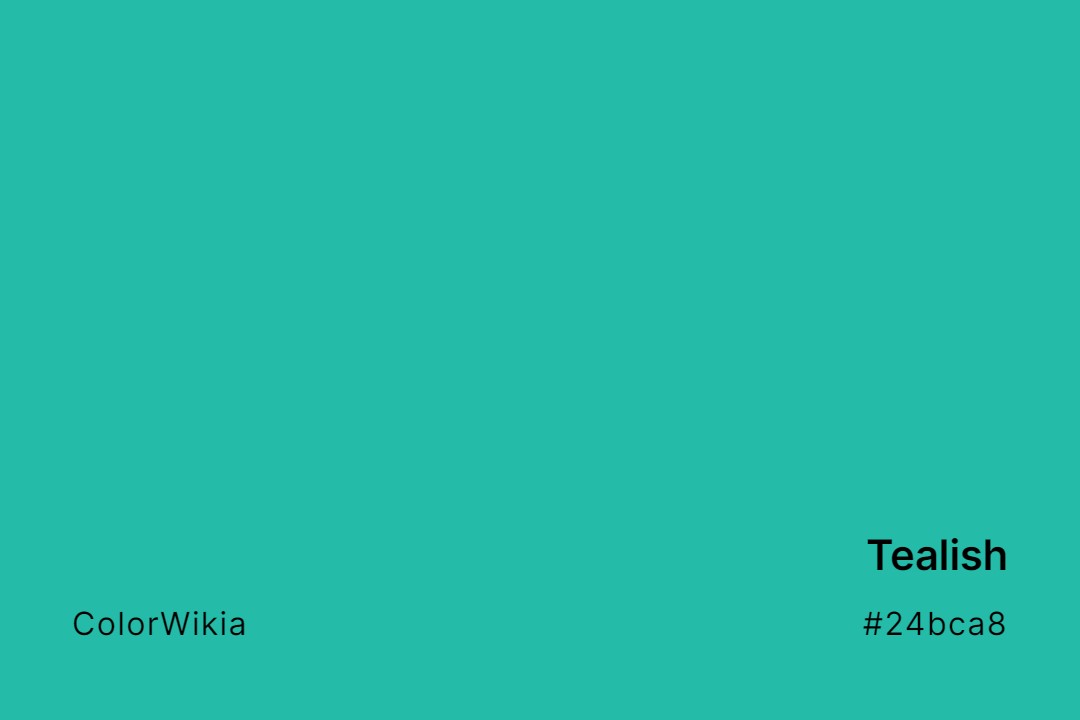
#24bca8

Tealish
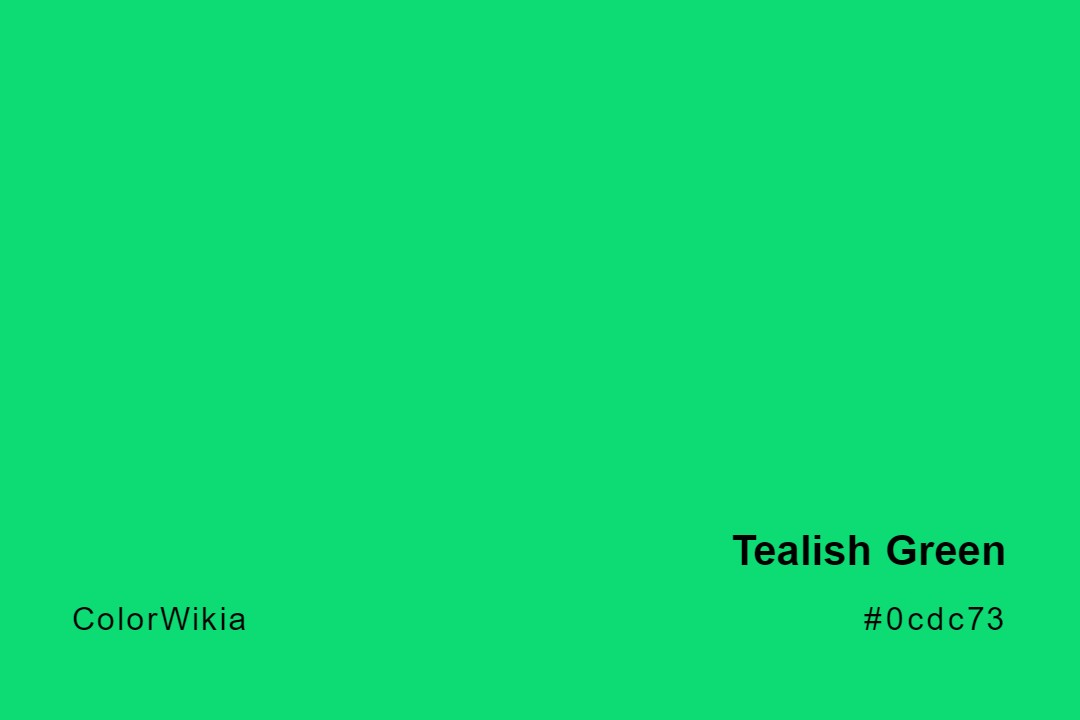
#0cdc73
Tealish Green
#008080
Teal
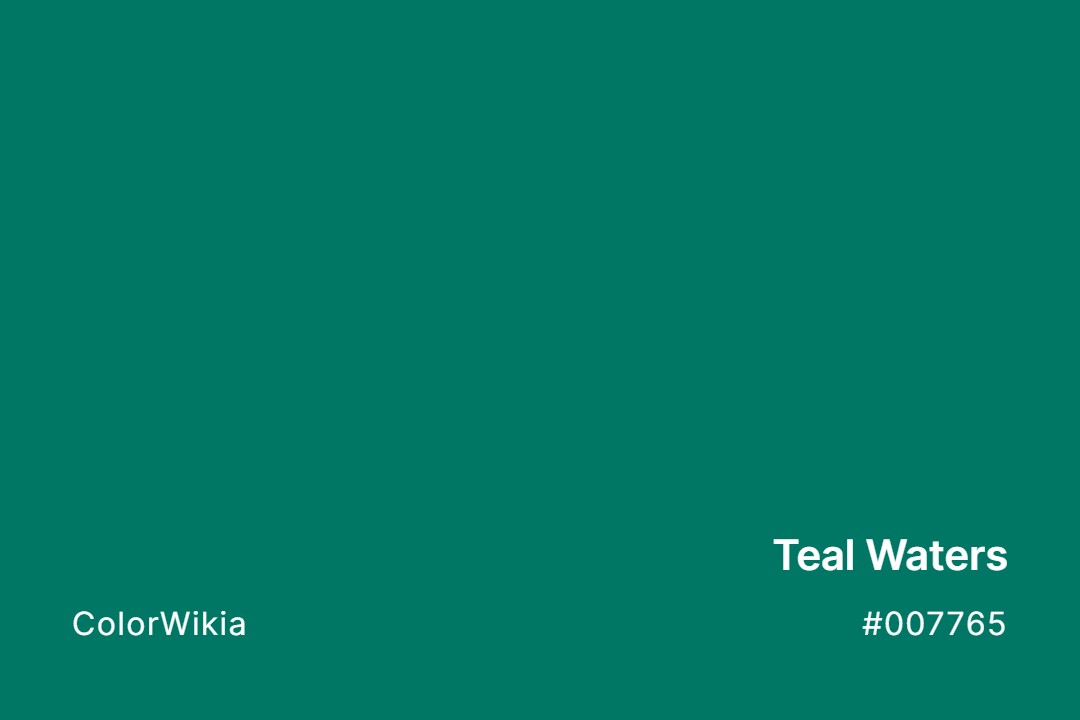
#007765
Teal Waters
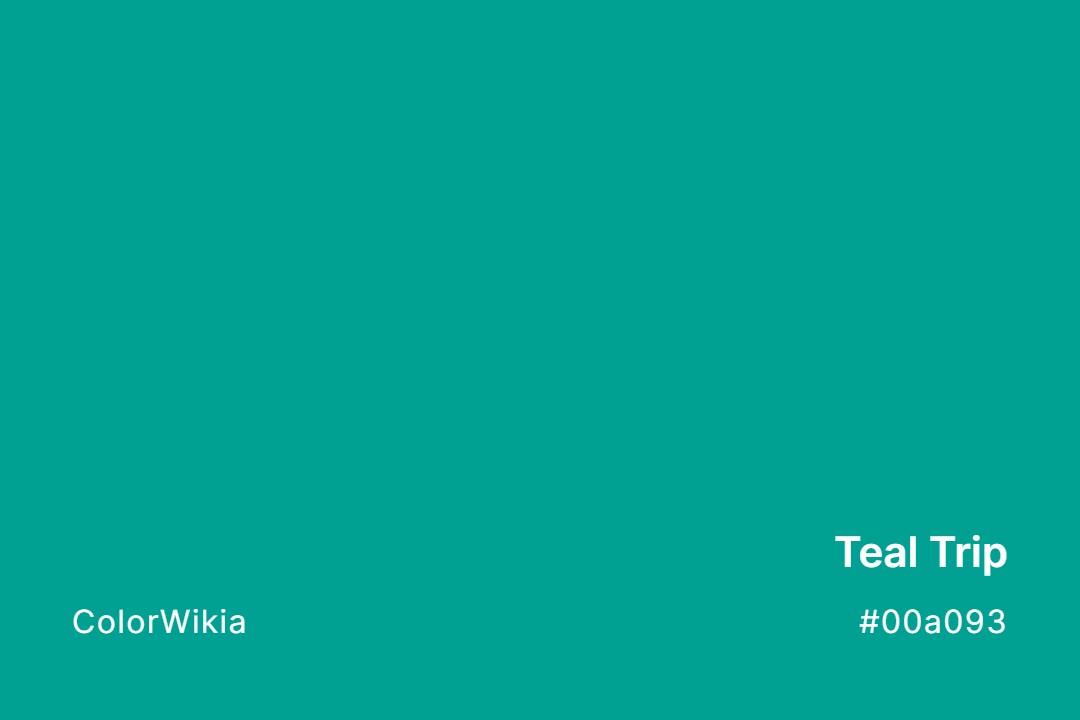
#00a093
Teal Trip
#24604f
Teal Drama
#99e6b3
Teal Deer
#01697a
Teal With It
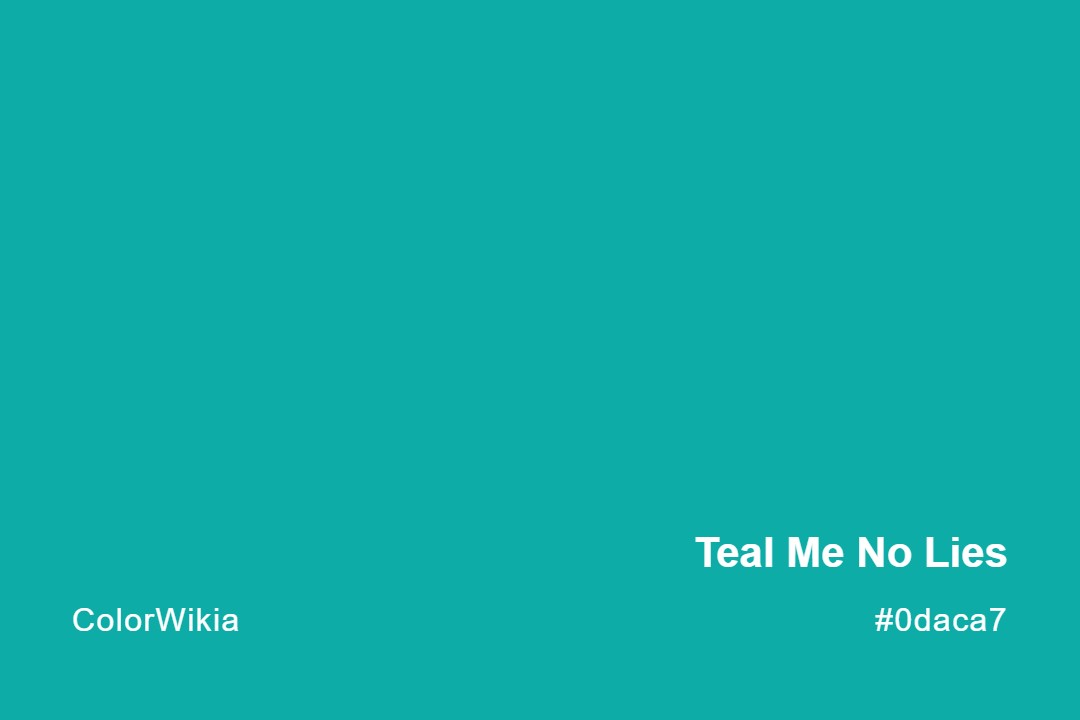
#0daca7
Teal Me No Lies
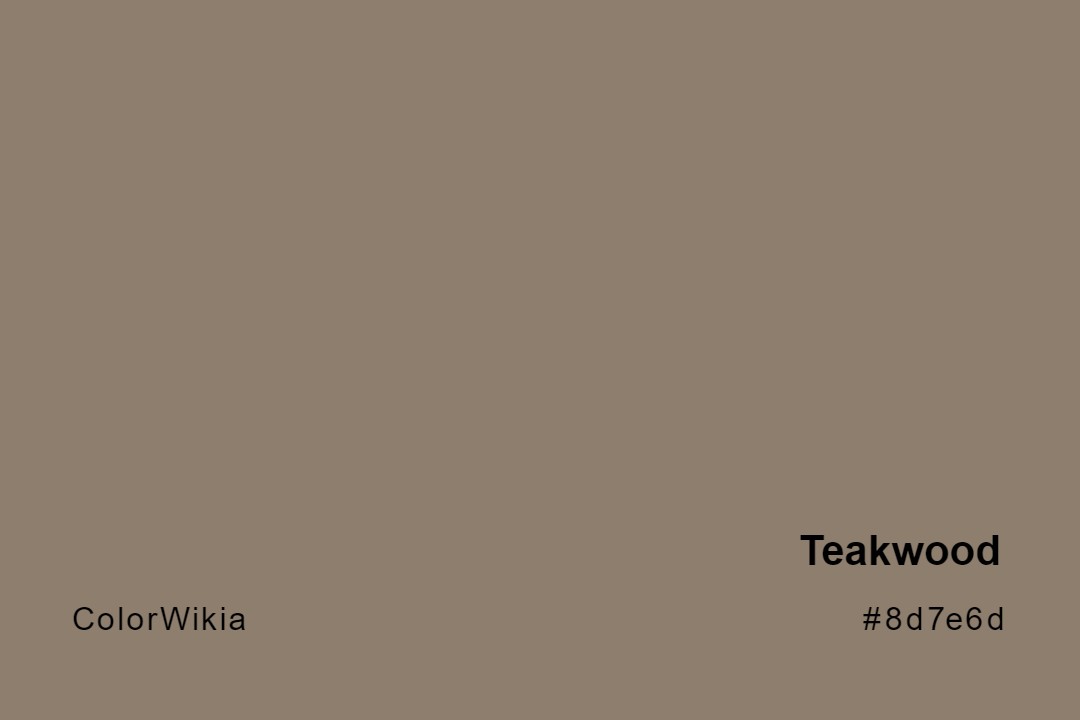
#8d7e6d
Teakwood
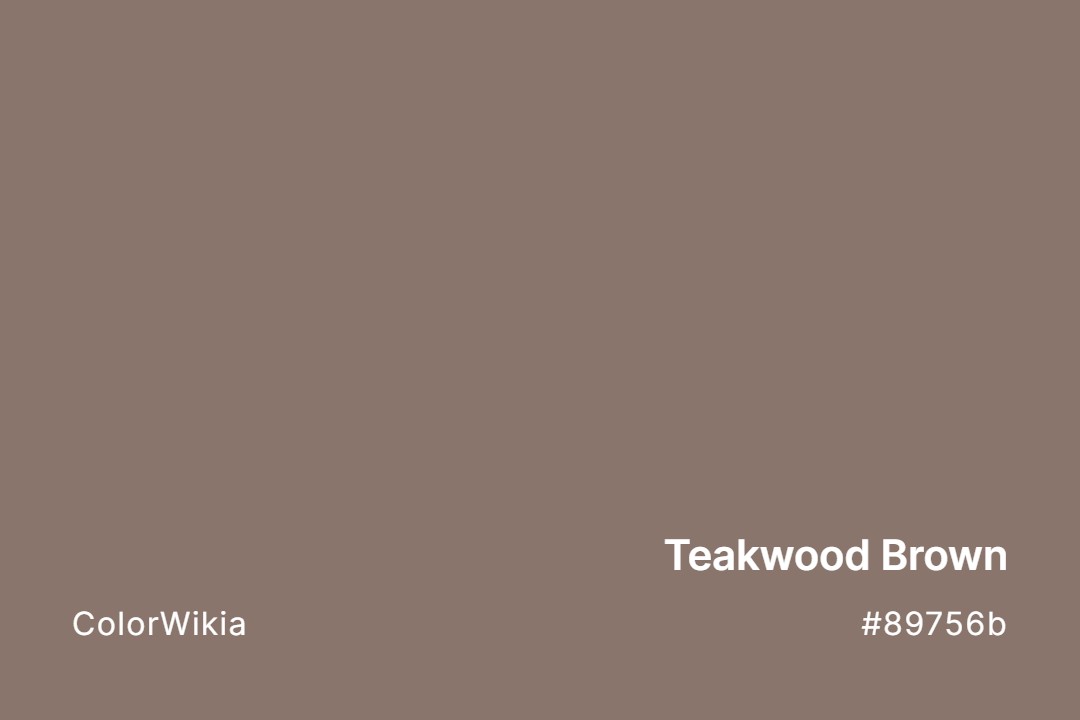
#89756b
Teakwood Brown
#ab8953
Teak
#624133
Teak Wood
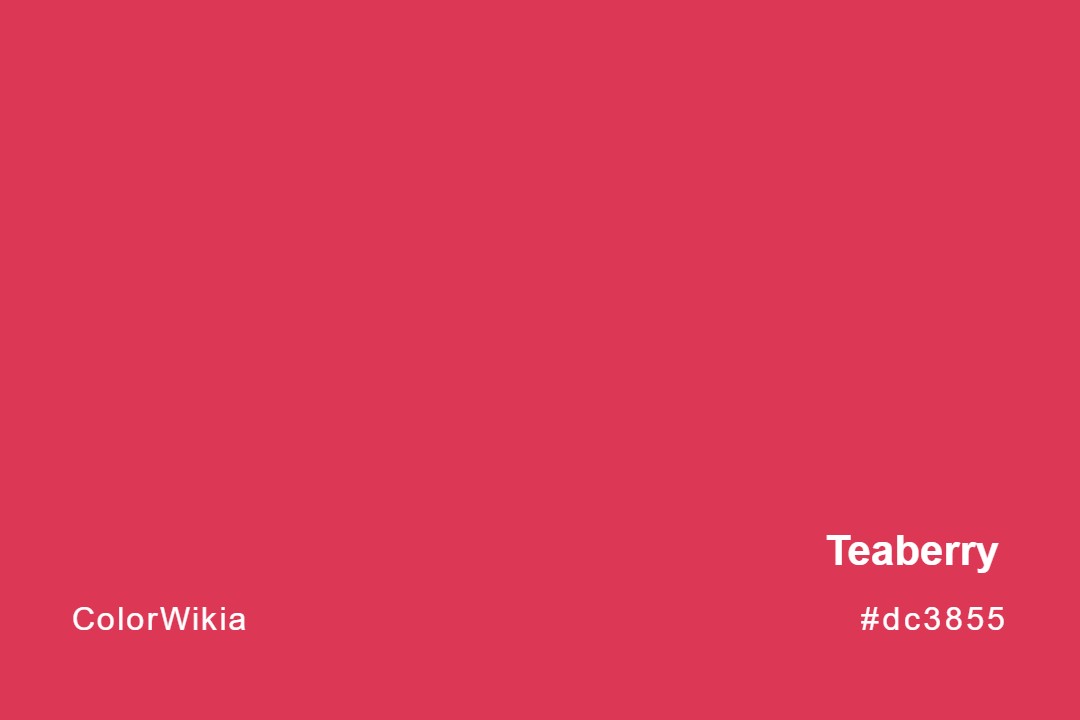
#dc3855
Teaberry
#b44940
Teaberry Blossom
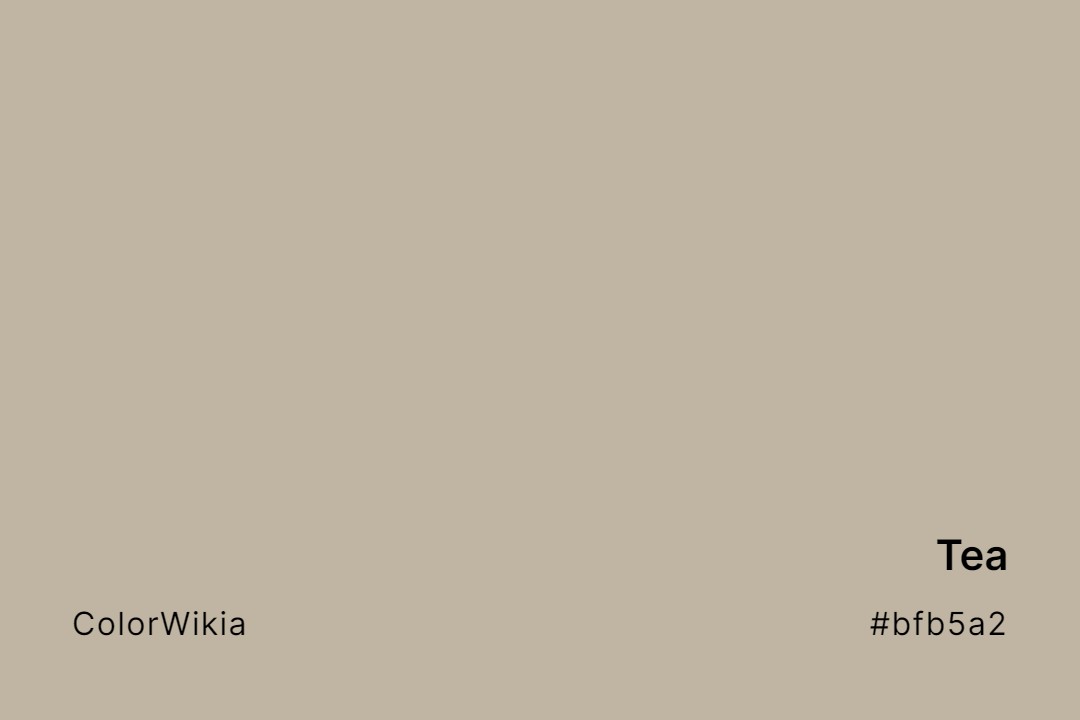
#bfb5a2
Tea
#c5a5c7
Tea Towel
#d9bebc
Tea Time
#f883c2
Tea Rose
#dcb5b0
Tea Room
#ffd7d0
Tea Party
#f8e4c2
Tea Light
#8f8667
Tea Leaf
#f4e1c0
Tea Cookie
#605547
Tea Chest
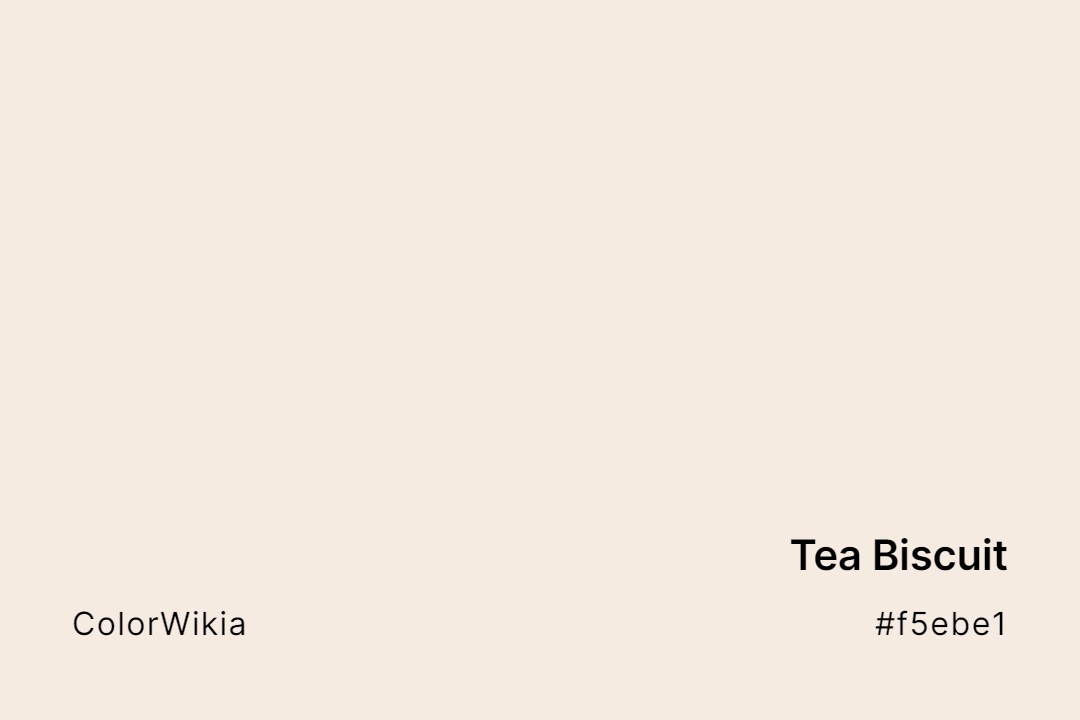
#f5ebe1
Tea Biscuit
#726259
Tea Bag
#b5a9ac
Tea Blossom Pink
#888e7e
Tea Leaf Mouse
#a59564
Tea Leaf Brown
#2b4b40
Te Papa Green
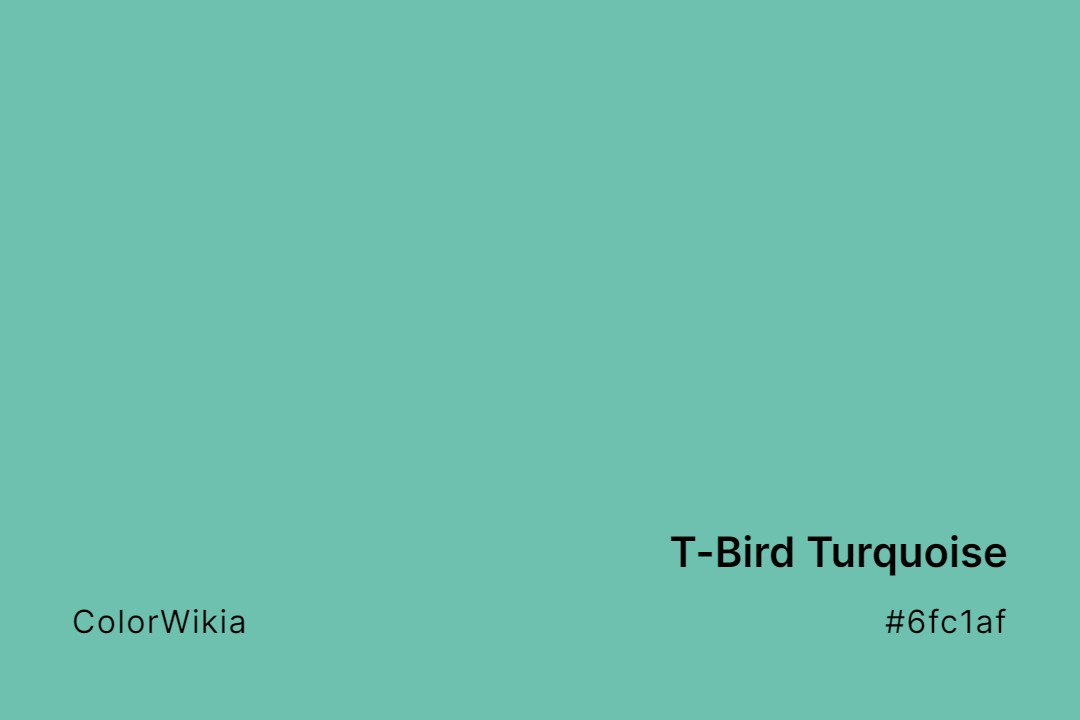
#6fc1af
T-Bird Turquoise
#5f5879
Taylor
#5c3937
Taxite
#496569
Tax Break
#ccb299
Tawny Tan
#643a48
Tawny Port
#978b71
Tawny Owl
#d37f6f
Tawny Orange
#c4962c
Tawny Olive
#b39997
Tawny Mushroom
#a7947c
Tawny Ember
#eee4d1
Tawny Daylily
#ab856f
Tawny Brown
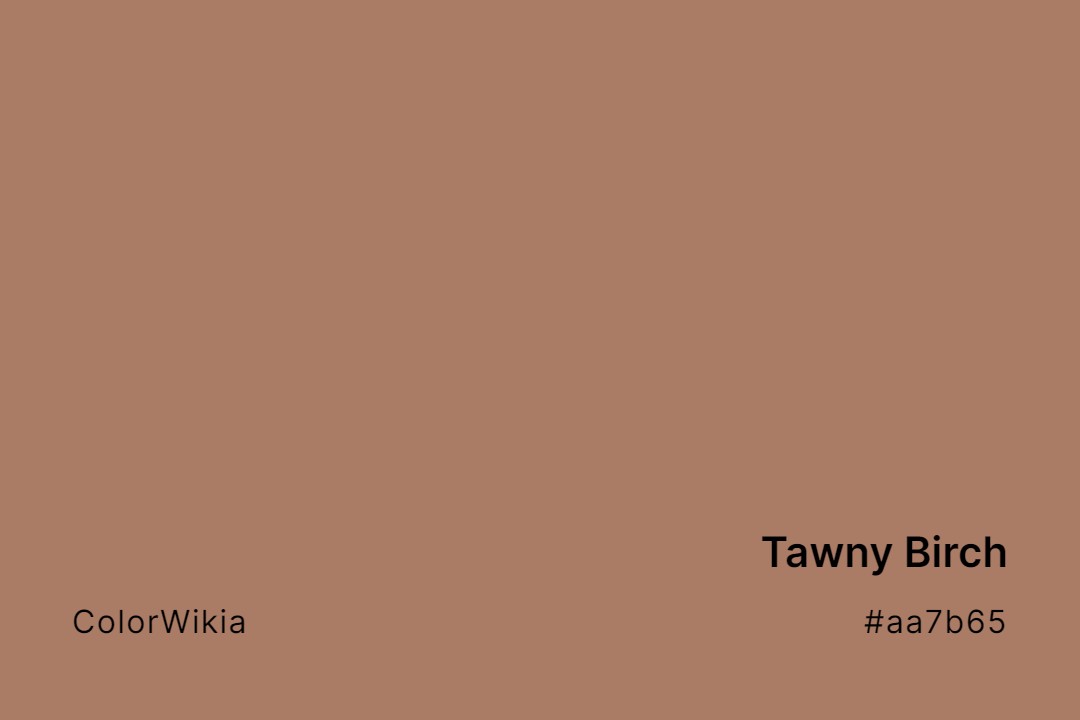
#aa7b65
Tawny Birch
#d19776
Tawny Amber
#b7a594
Tavern
#9e938f
Tavern Taupe
#957046
Tavern Creek
#77be52
Taurus Forest Fern
#ada090
Taupe Tone
#e0d9cf
Taupe Tease
#c3a79a
Taupe Tapestry
#705a56
Taupe Night
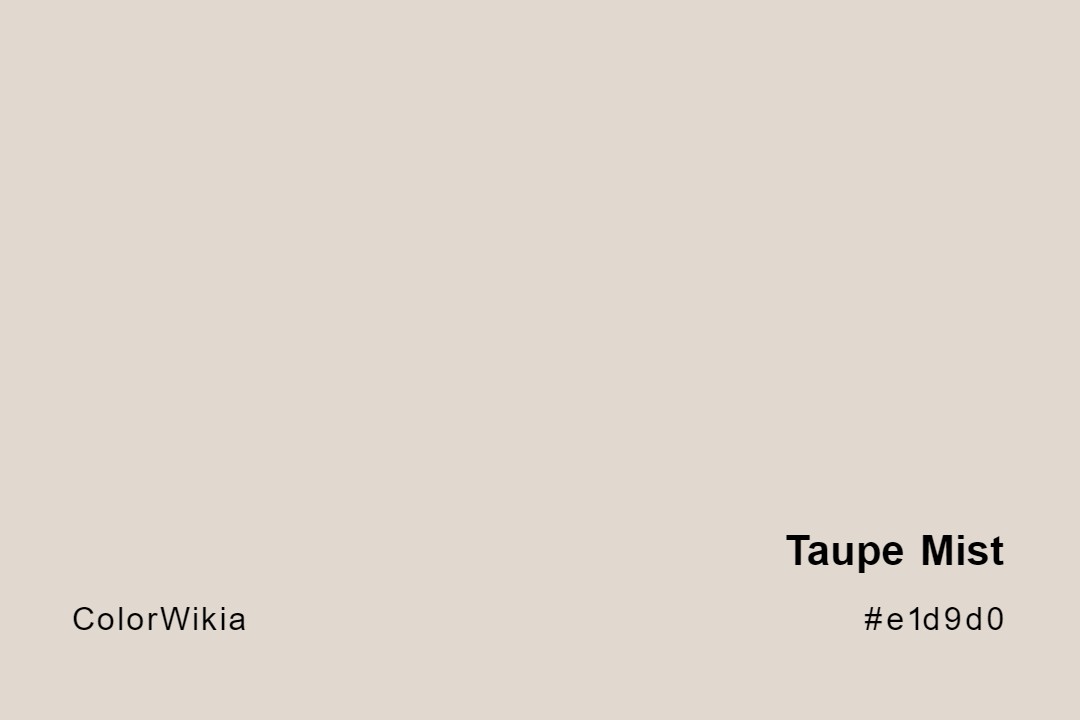
#e1d9d0
Taupe Mist
#483c30
Taupe Brown
#dad2c6
Taupe of the Morning
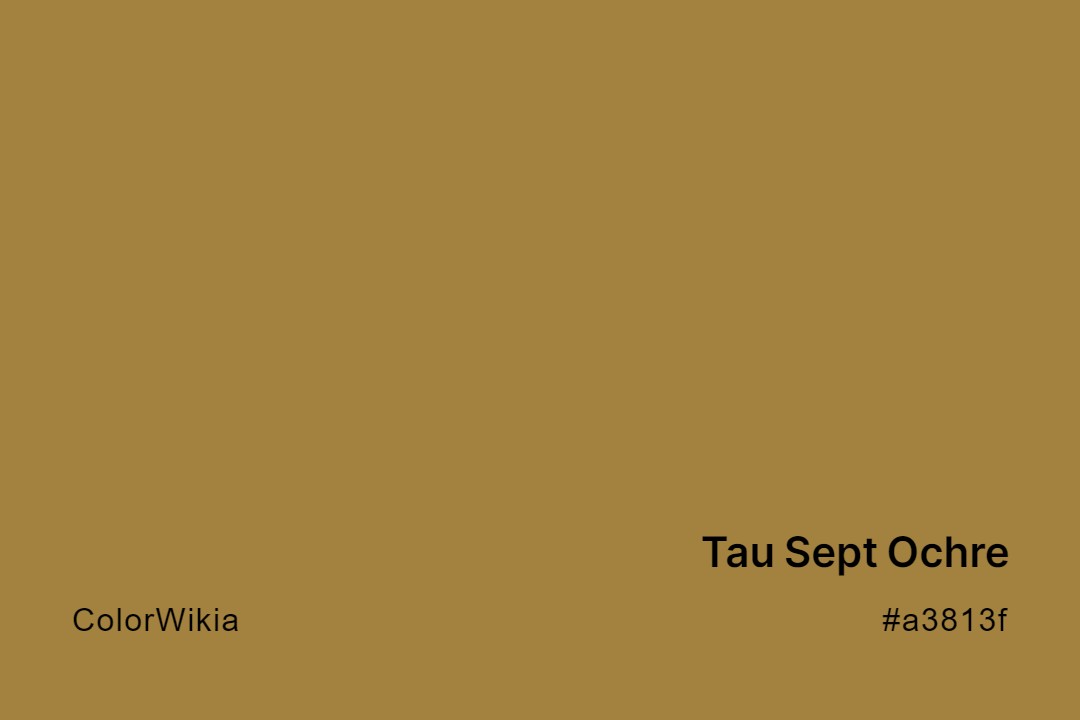
#a3813f
Tau Sept Ochre
#f7d60d
Tau Light Ochre
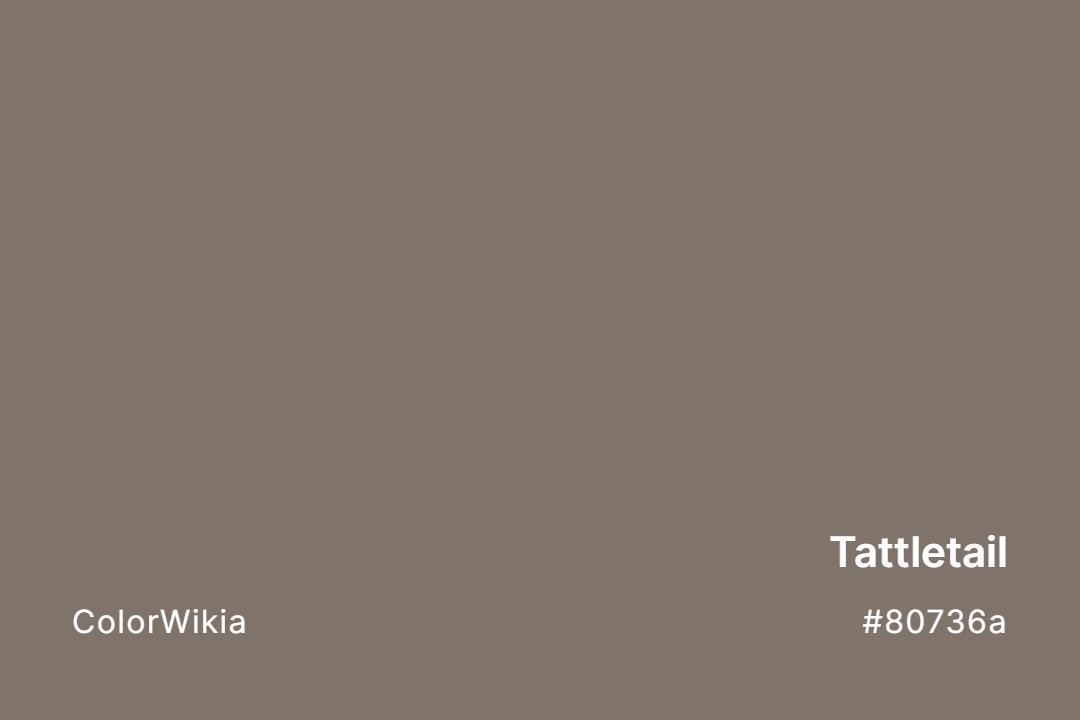
#80736a
Tattletail
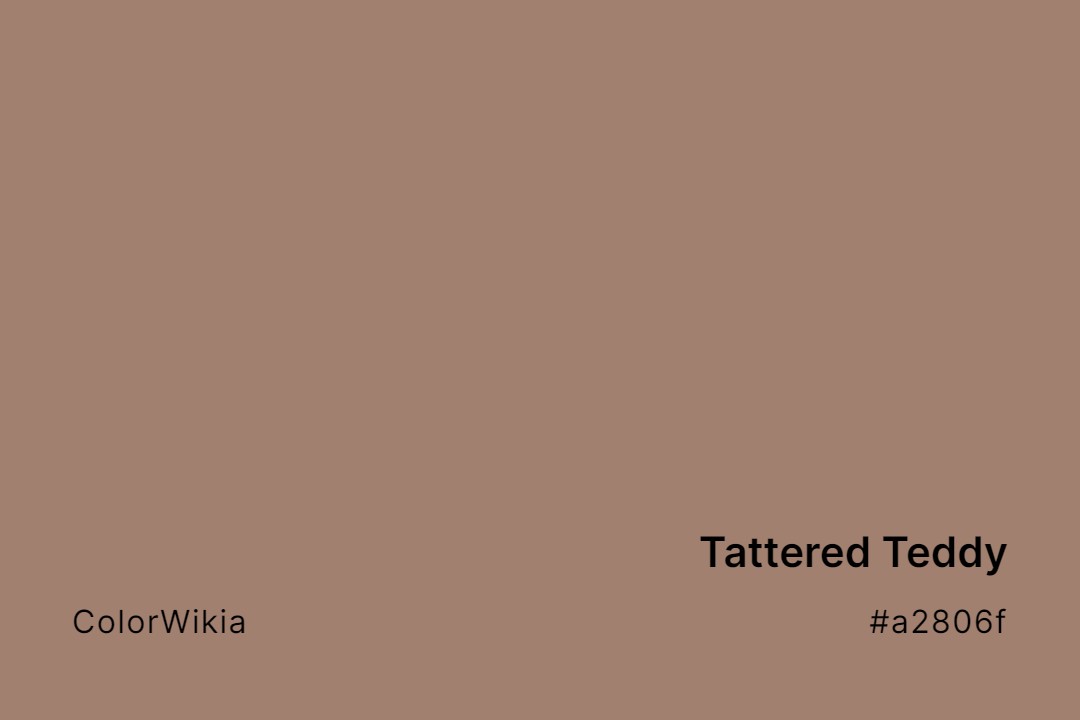
#a2806f
Tattered Teddy
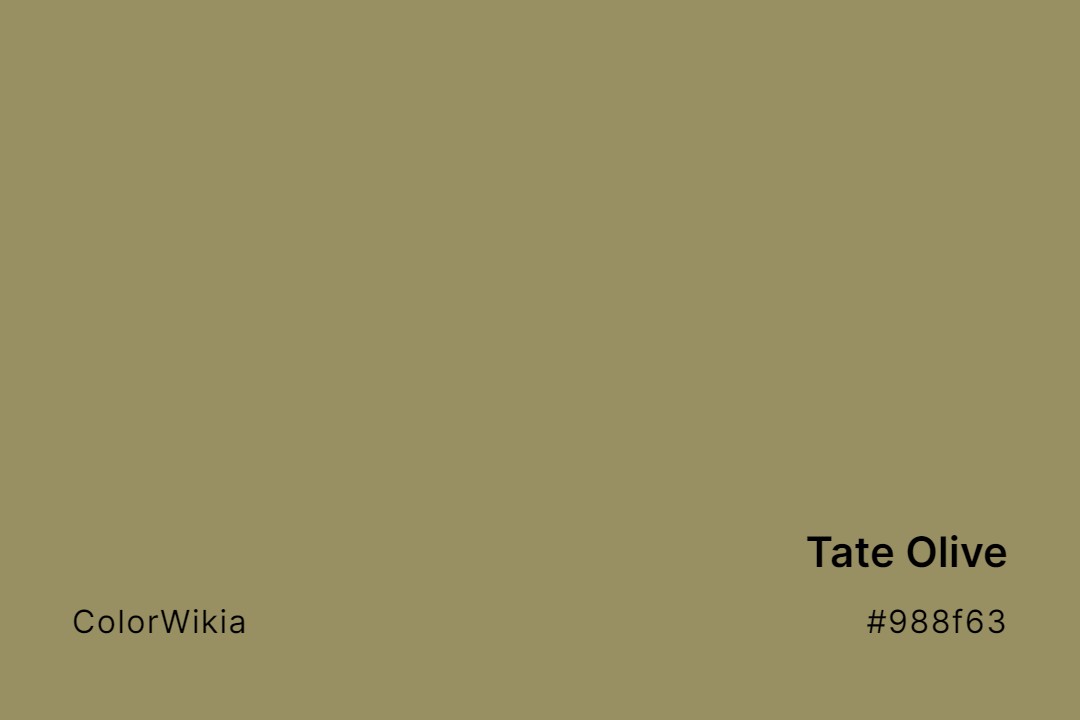
#988f63
Tate Olive
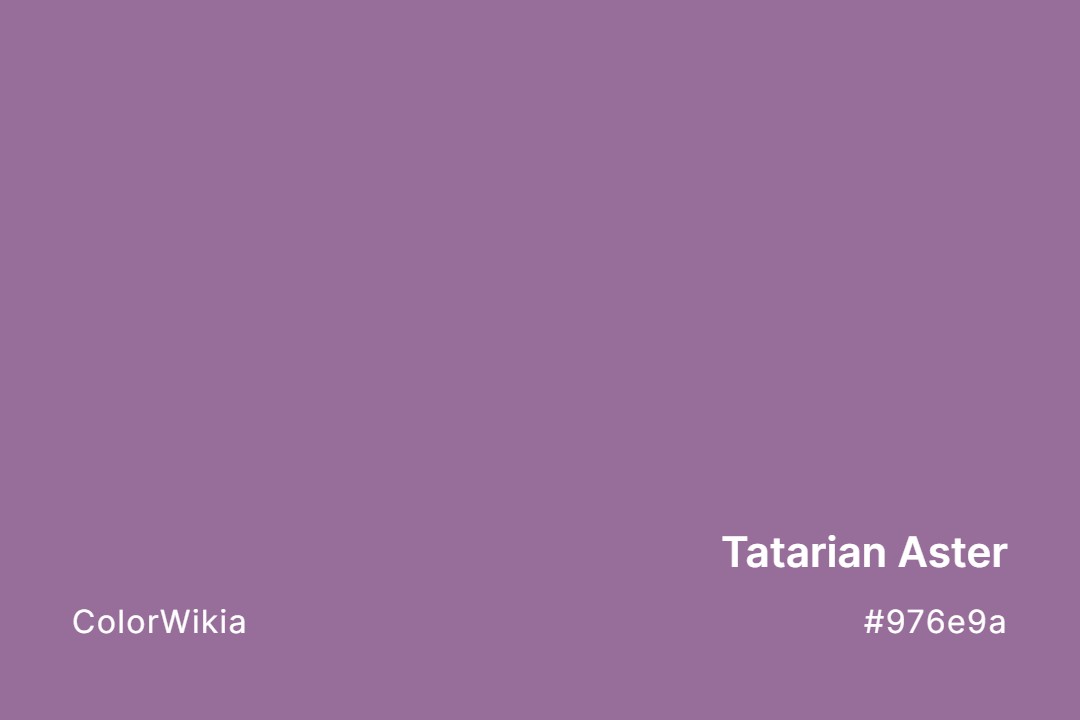
#976e9a
Tatarian Aster
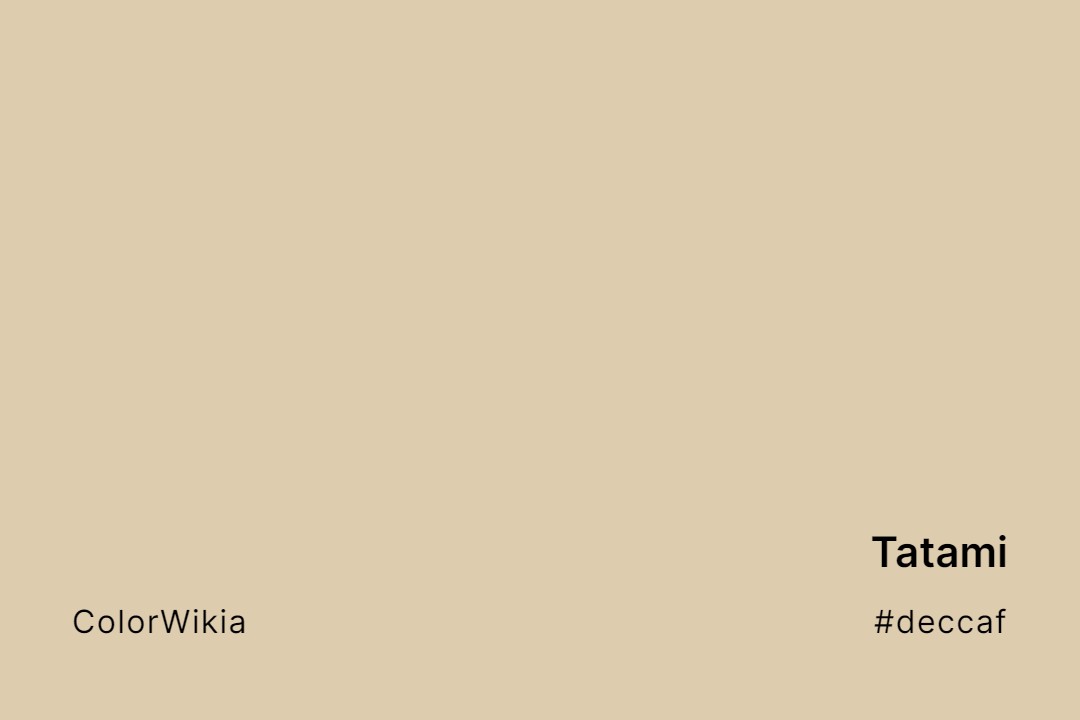
#deccaf
Tatami
#ba8c64
Tatami Tan
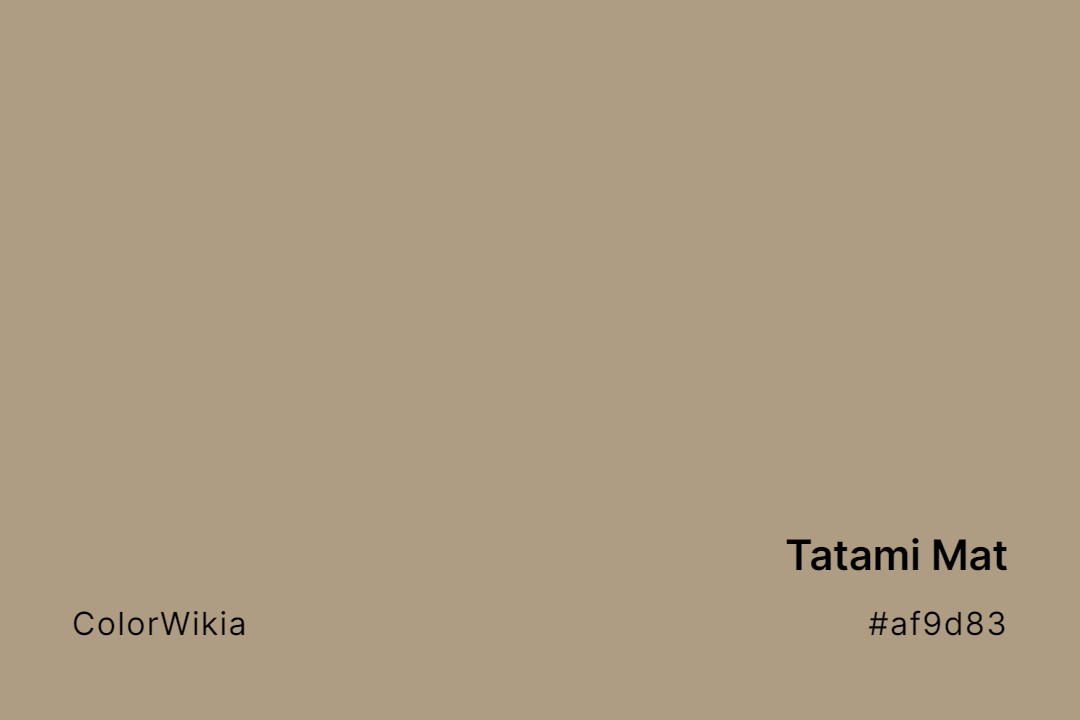
#af9d83
Tatami Mat
#9b6d54
Tasty Toffee
#f2ae73
Taste of Summer
#c8a3b8
Taste of Berry
#c6884a
Tassel
#9f9291
Tassel Taupe
#f9c0ce
Tassel Flower
#658a8a
Tasmanian Sea
#bac0b3
Tasman
#e6c562
Tasman Honey Yellow
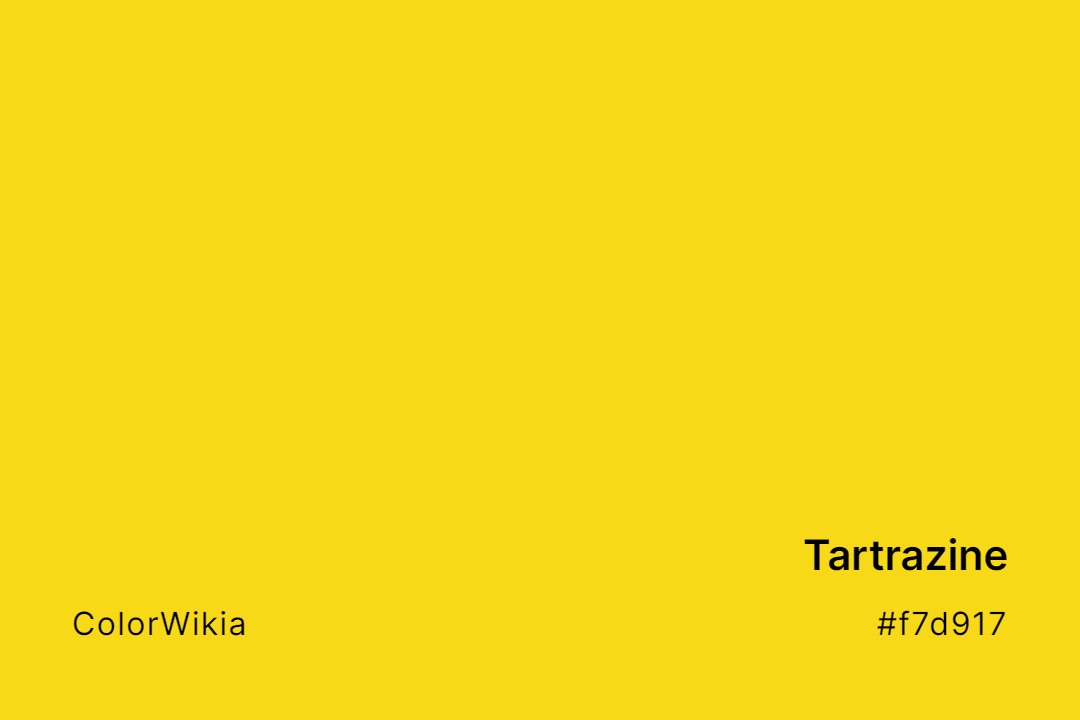
#f7d917
Tartrazine
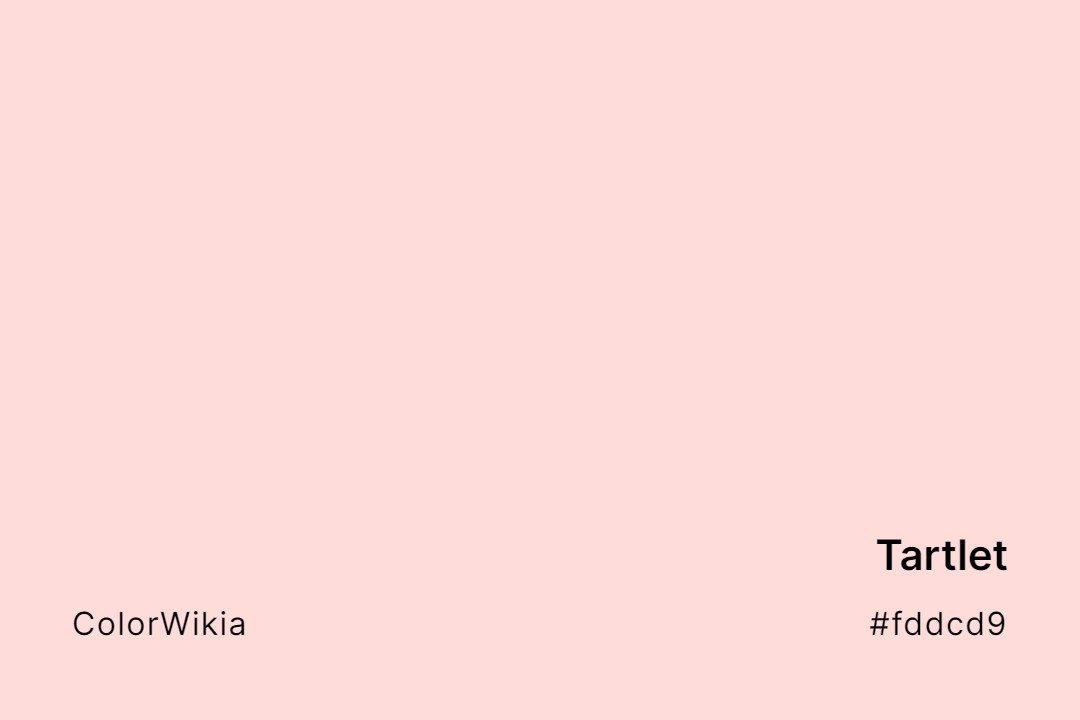
#fddcd9
Tartlet
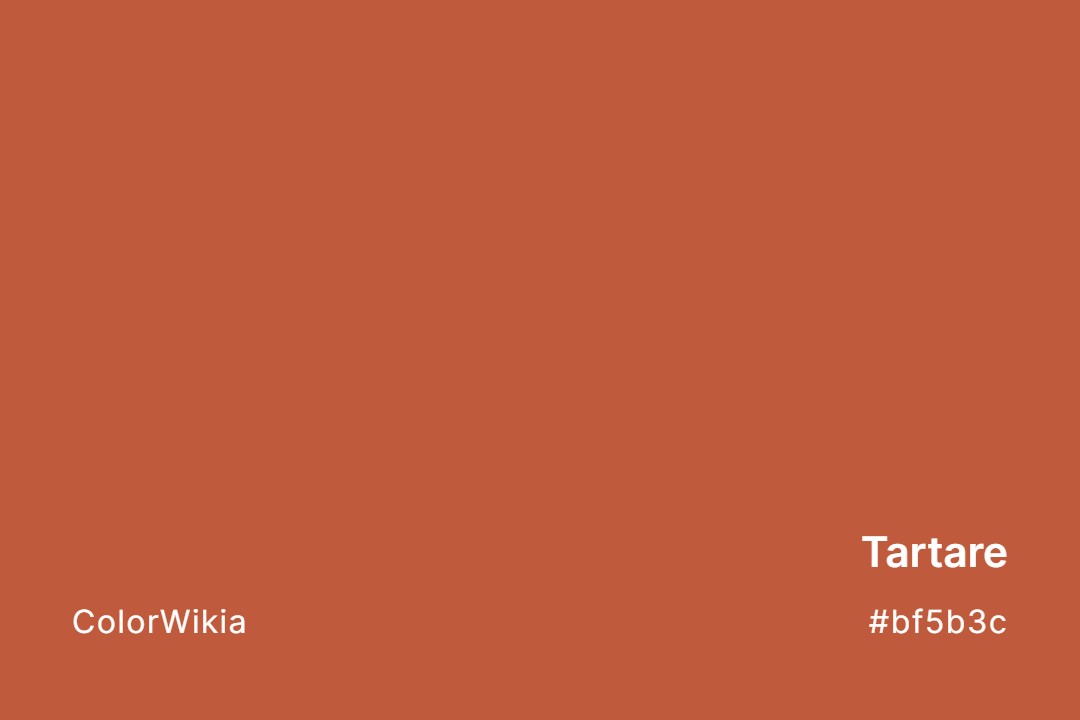
#bf5b3c
Tartare
#b1282a
Tartan Red
#fb4d46
Tart Orange
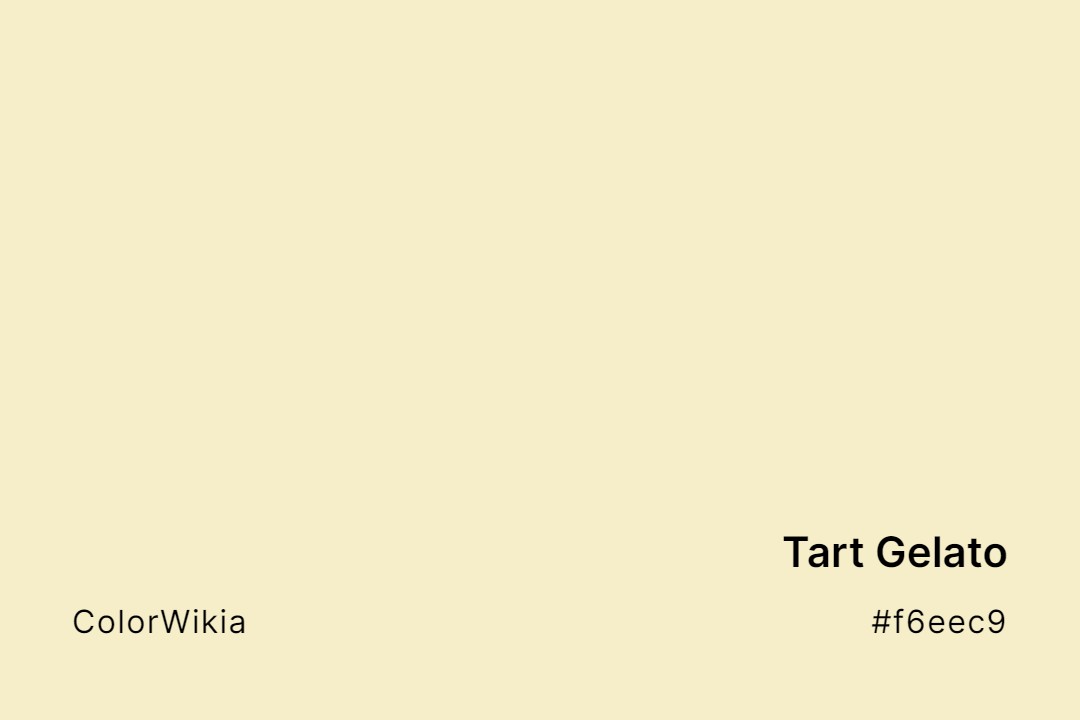
#f6eec9
Tart Gelato
#b6d27e
Tart Apple
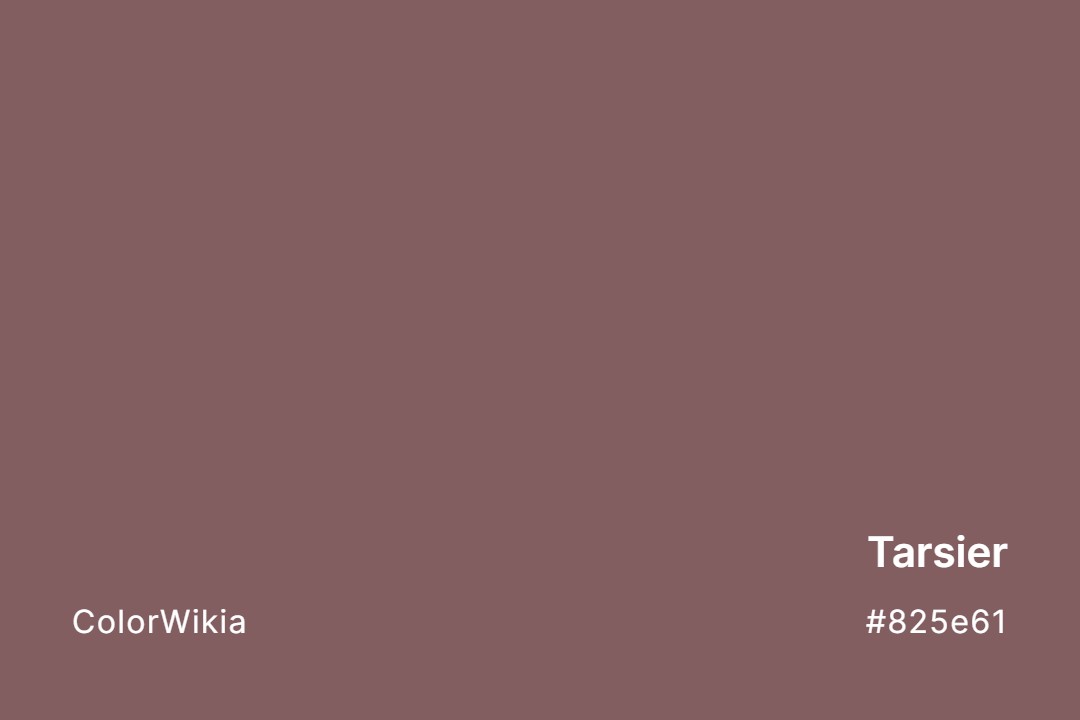
#825e61
Tarsier
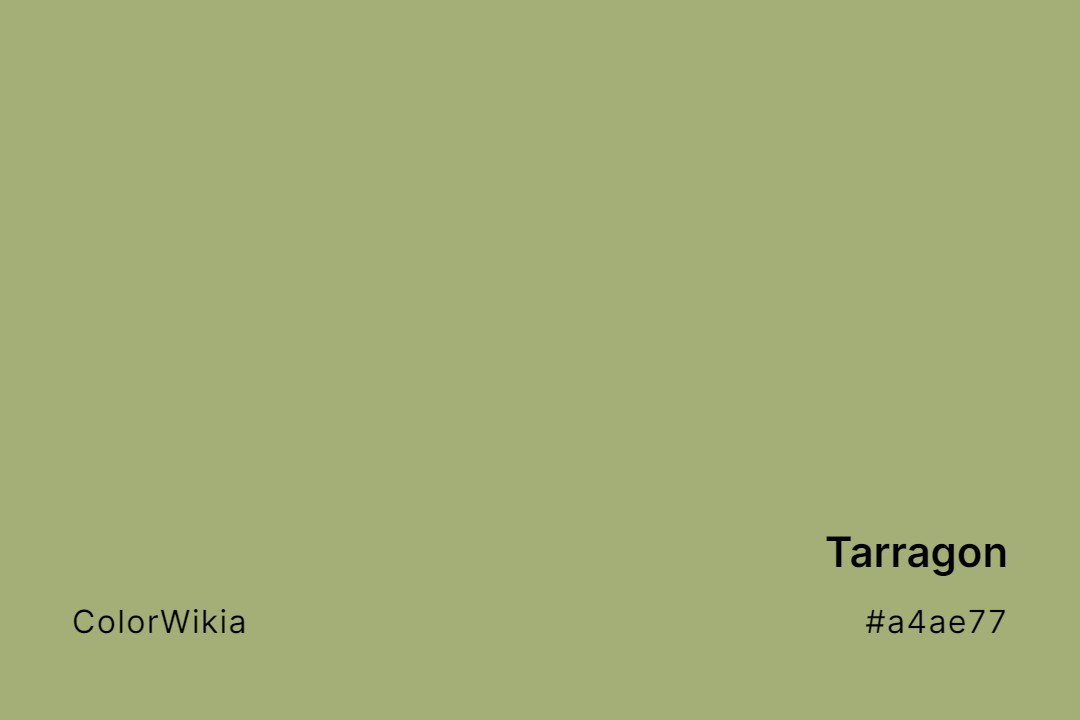
#a4ae77
Tarragon
#b4ac84
Tarragon Tease
#d5b176
Tarnished Trumpet
#b9a47e
Tarnished Treasure
#7f6c24
Tarnished Brass
#5a5348
Tarmac
#a1cdbf
Tareyton
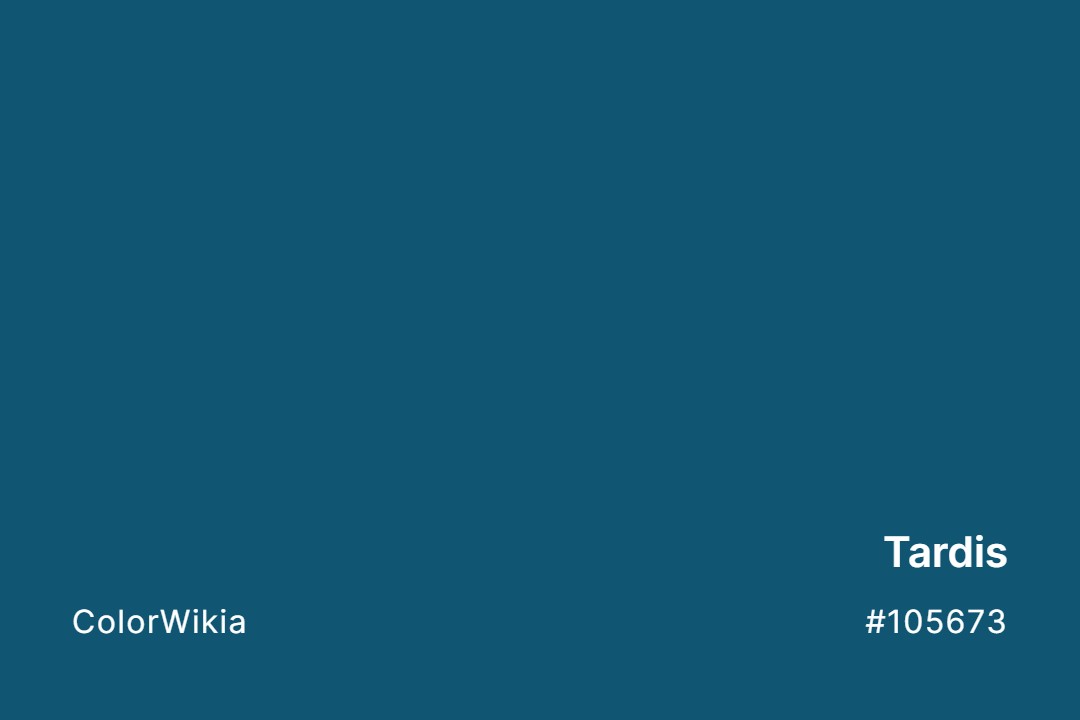
#105673
Tardis
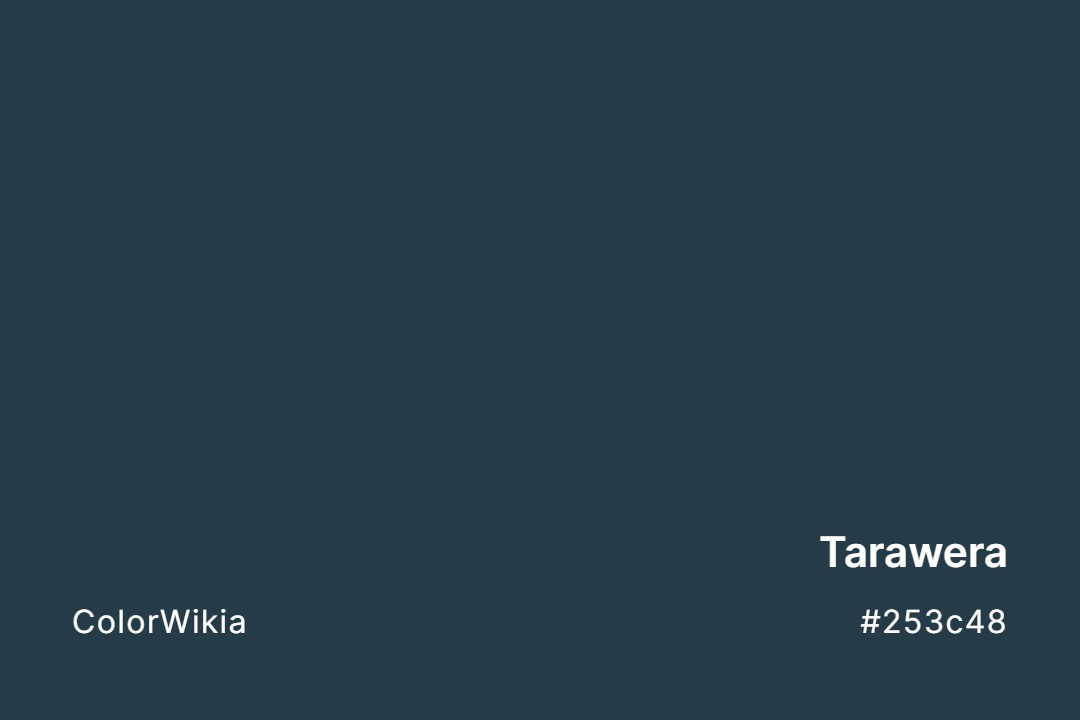
#253c48
Tarawera
#767a49
Tara’s Drapes
#def1dd
Tara
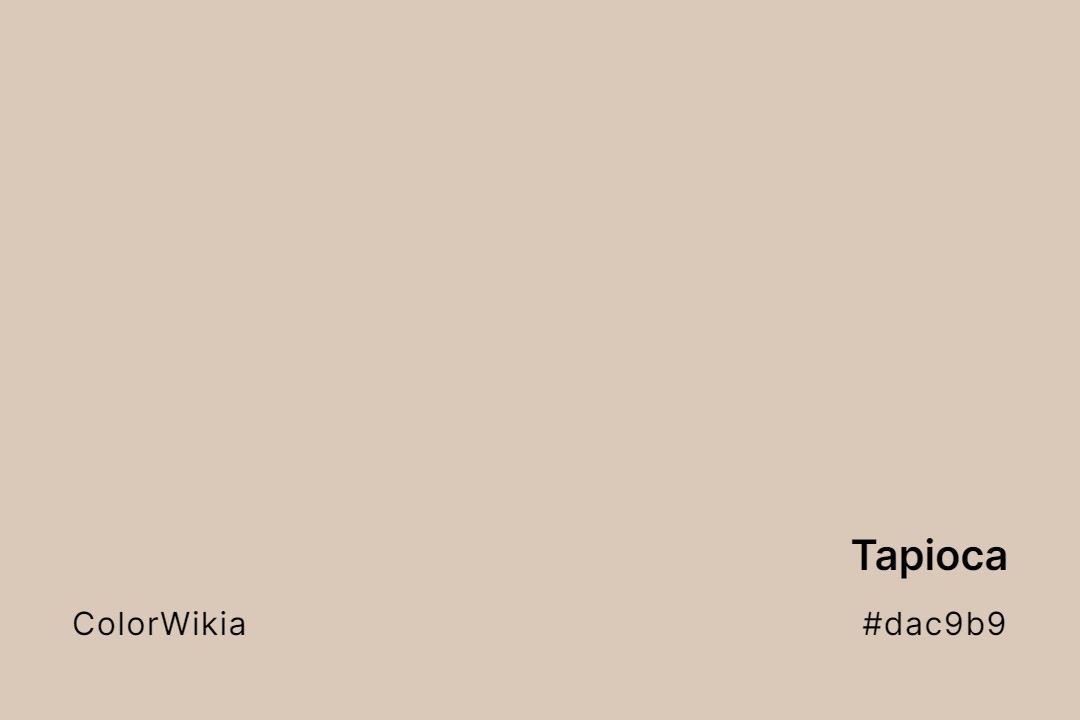
#dac9b9
Tapioca
#b37084
Tapestry
#b4966b
Tapestry Gold
#b8ac9e
Tapestry Beige
#f7f2dd
Tapering Light
#906528
Tapenade




























The language of color can become confusing because everyday speech and color theory do not always use the word shade in exactly the same way. A page about color shades may describe a whole group of related colors, while the technical definition of a shade refers specifically to a hue made darker with black.
That difference matters when you compare taupe color shades, rust shades, or any other color family. The names people use are practical labels, while color systems provide more precise ways to describe the underlying values.
Understanding the difference between shade, tint, tone, and hue makes it easier to talk about color accurately. It also explains why one named color can have several related variations.
What Is a Color Shade?
In strict color theory, a shade is a hue with black added. Adding black lowers the lightness and produces a darker version of the starting color. A red can move toward burgundy, for example, while a blue can move toward navy.
In everyday language, people use shade more broadly. A search for “different shades of blue” may include lighter, darker, muted, and named variations that are not technically shades under the narrow definition.
That broader usage is common in design, retail, fashion, and online color references. It is also why color shade pages usually cover a family of related colors rather than only mixtures created by adding black.
The distinction is useful because it separates technical color terminology from the way people normally describe color families.
Shade, Tint, Tone, and Hue
These four terms describe different relationships between colors.
- Hue refers to the pure color position itself, such as red, blue, green, or yellow.
- Tint is a hue with white added, producing a lighter version such as pink from red.
- Shade is a hue with black added, producing a darker version such as burgundy from red.
- Tone is a hue with gray added, reducing saturation and muting the color.
The distinctions become useful when you need to describe why two colors look different. A pale blue may be a tint, while a dusty blue may be a tone and a navy blue may be a shade.
These terms can also be used together when discussing a larger color family. A named color may be lighter than the base color, darker than it, or more muted without fitting neatly into one everyday category.
How Digital Color Systems Describe Shades
Digital color systems make these relationships easier to quantify. RGB describes a color by the amount of red, green, and blue light used to create it, while HSL separates the color into hue, saturation, and lightness.
Hex codes provide a compact representation of RGB values. A six-character code such as #DC143C can identify crimson in a digital interface, but the number does not tell you where the color name originally came from or whether a physical pigment uses the same formulation.
In HSL, reducing lightness while holding hue and saturation constant moves a color toward a darker digital version. Raising lightness moves it toward a lighter version, while reducing saturation creates a more muted result.
This distinction is important when working with digital color. A color name can provide a useful visual reference, but a hex code gives you a specific digital value.
How Color Shade Names Develop
Color names often come from things people recognize. Taupe refers to the mole, while rust takes its name from corroded iron. Other names come from materials or places, including copper, terracotta, mahogany, sienna, and umber.
Language can preserve those histories even after a color becomes a digital swatch. Khaki color shades provide another example because the word traces back to a Hindustani term connected with dust and earth.
Commercial color naming adds another layer. Paint makers, textile companies, standards groups, and digital platforms may assign different names to closely related colors, so one shade does not always have one universal label.
This is one reason color names can feel inconsistent. A name can describe a recognizable visual family without pointing to one universal digital value.
Color Standards and Shade Codes
Professional color systems exist because names alone are too vague for precise reproduction. The Pantone Matching System assigns numbered references to color formulations, while systems such as Munsell describe colors using hue, value, and chroma.
The Natural Color System uses a different framework based on color perception. These systems serve different purposes, but they share the same practical goal. A numeric reference can communicate more precisely than a word such as “blue” or “green.”
That is also why a page listing color codes should distinguish between a named color, a standardized reference, and an ordinary digital hex value.
A hex code is useful for digital work, but it should not automatically be treated as a universal definition of a named color. The context behind the color reference matters.
Major Color Families and Their Shades
Every broad color family branches into many named variations. The examples below show how familiar shade names sit within larger groups.
| Color Family | Popular Shade | Hex Code |
| Red | Crimson | #DC143C |
| Blue | Navy | #000080 |
| Green | Forest Green | #228B22 |
| Yellow | Gold | #FFD700 |
| Purple | Indigo | #4B0082 |
| Orange | Coral | #FF7F50 |
| Brown | Tan | #D2B48C |
Warm families such as orange and brown include earthy variations such as rust, terracotta, and chocolate. Blue and green branch into names such as navy, teal, forest, and olive.
Neutral families work differently because their boundaries are less obvious. Beige, gray, taupe, and related colors can overlap substantially depending on saturation, lightness, and undertone.
Why named colors can overlap
A useful color family is not always a strict technical category. Two colors can look very similar while carrying different names because the names come from different materials, places, industries, or traditions.
For practical design work, it is often more useful to compare the actual color values than to rely on the name alone.
Frequently Asked Questions
What is the difference between a shade and a tint?
A shade is a darker version created by adding black, while a tint is a lighter version created by adding white.
Is a tone the same as a shade?
No. A tone adds gray and reduces saturation, while a shade adds black and darkens the original hue.
Why does one color have so many shade names?
Different industries, standards groups, companies, and cultures develop names independently. Closely related colors can therefore receive several labels.
How many shades of a color are there?
There is no fixed limit. Digital systems can generate very large numbers of distinct values, while named shades depend on the terms that become widely recognized or useful.