
30,000+ Shades of Color with Names and HEX Code
Explore unique color shades for your website, brand or any project.
#00ccbb

Pristine Oceanic
#fdaa48
Prison Jumpsuit
#005c77
Prismatic Springs
#eae8dd
Prismatic Pearl
#117777
Prismarine
#aadccd
Prism
#53357d
Prism Violet
#f0a1bf
Prism Pink
#f1d3da
Priscilla
#756f54
Priory
#ff8f00
Princeton Orange
#f0a8b5
Princess
#dfb5b0
Princess Pink
#ff85cf
Princess Perfume
#f878f8
Princess Peach
#faead5
Princess Ivory
#f6e9ea
Princess Elle
#f4c1c1
Princess Bride
#e5dbeb
Princess Fairy Tale
#cceeee
Princess Blue Feather
#7d4961
Princely
#6d5c7b
Princely Violet
#4b384c
Prince
#60606f
Prince Royal
#9d7957
Prince Paris
#cc2277
Prince Charming
#ca9fa5
Primula
#d6859f
Primrose
#f6d155
Primrose Yellow
#ffe262
Primrose Path
#f3949b
Primrose Garden
#7cbc6c
Primo
#685e4e
Primitive
#663c55
Primitive Plum
#656293
Prime Purple
#ff8d86

Prime Pink
#92b979
Prime Merchandise
#6fa77a
Primavera
#cba792
Primal
#a92b4f
Primal Red
#f4301c
Primal Rage
#e2cdd5
Prim
#a264ba
Prickly Purple
#f42c93
Prickly Pink
#a89942
Prickly Pear
#69916e
Prickly Pear Cactus
#46373f
Priceless Purple
#e5a68d
Priceless Coral
#c4bbd6
Pretty Purple
#7b6065
Pretty Puce
#f5a994
Pretty Primrose
#bcbde4
Pretty Posie
#ffccc8
Pretty Please
#ebb3b2
Pretty Pink
#d6b7e2
Pretty Petunia
#dfcdb2
Pretty Pastry
#ac5d3e
Pretty Parasol
#e3c6d6
Pretty Pale
#849457
Pretty Maiden
#c3a1b6
Pretty Lady
#6b295a
Pretty in Prune
#cc5588
Pretty in Plum
#fabfe4
Pretty in Pink
#eeaadd
Pretty Pink Piggy
#254770
Pretty Twilight Night
#e5a3c5
Prettiest Pink
#4444ff
Pretentious Peacock
#5e6277
Presumption
#b8a7a0
Prestige
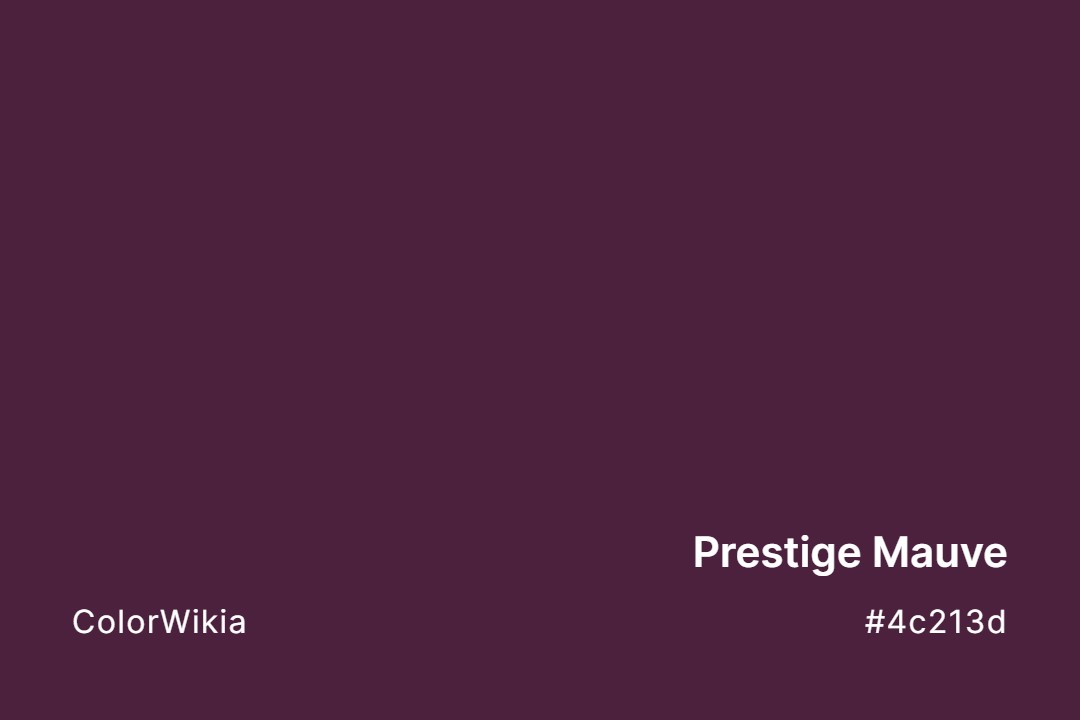
#4c213d
Prestige Mauve
#00cc11
Pressing my Luck
#efaba6
Pressed Rose
#d492bd
Pressed Flower
#c2968b
Pressed Blossoms
#fefe22
Pressed Laser Lemon
#606b77
Press Agent
#634875
Presley Purple
#bb9174
Presidio Plaza
#ec9580
Presidio Peach
#3e4d59
Presidential
#b0655a
Preserved Petals
#4a3c50
Preserve
#665864
Preservation Plum
#8b7f7a
Pre-Raphaelite
#d1668f
Preppy Rose
#dfebee
Prelude
#e1deda
Prelude to Pink
#d0a700
Prehnite Yellow
#5e5239
Prehistoric Wood
#9aa0a3
Prehistoric Stone
#c3738d
Prehistoric Pink
#ee2211
Prehistoric Meteor
#5772b0
Prefect
#6d6e7b
Prediction
#e5dbcb
Predictable
#2c3944
Precision
#f1dab2
Precious
#328696
Precious Stone
#e16233
Precious Pumpkin
#ff7744
Precious Persimmon




The language of color can become confusing because everyday speech and color theory do not always use the word shade in exactly the same way. A page about color shades may describe a whole group of related colors, while the technical definition of a shade refers specifically to a hue made darker with black.
That difference matters when you compare taupe color shades, rust shades, or any other color family. The names people use are practical labels, while color systems provide more precise ways to describe the underlying values.
Understanding the difference between shade, tint, tone, and hue makes it easier to talk about color accurately. It also explains why one named color can have several related variations.
What Is a Color Shade?
In strict color theory, a shade is a hue with black added. Adding black lowers the lightness and produces a darker version of the starting color. A red can move toward burgundy, for example, while a blue can move toward navy.
In everyday language, people use shade more broadly. A search for “different shades of blue” may include lighter, darker, muted, and named variations that are not technically shades under the narrow definition.
That broader usage is common in design, retail, fashion, and online color references. It is also why color shade pages usually cover a family of related colors rather than only mixtures created by adding black.
The distinction is useful because it separates technical color terminology from the way people normally describe color families.
Shade, Tint, Tone, and Hue
These four terms describe different relationships between colors.
- Hue refers to the pure color position itself, such as red, blue, green, or yellow.
- Tint is a hue with white added, producing a lighter version such as pink from red.
- Shade is a hue with black added, producing a darker version such as burgundy from red.
- Tone is a hue with gray added, reducing saturation and muting the color.
The distinctions become useful when you need to describe why two colors look different. A pale blue may be a tint, while a dusty blue may be a tone and a navy blue may be a shade.
These terms can also be used together when discussing a larger color family. A named color may be lighter than the base color, darker than it, or more muted without fitting neatly into one everyday category.
How Digital Color Systems Describe Shades
Digital color systems make these relationships easier to quantify. RGB describes a color by the amount of red, green, and blue light used to create it, while HSL separates the color into hue, saturation, and lightness.
Hex codes provide a compact representation of RGB values. A six-character code such as #DC143C can identify crimson in a digital interface, but the number does not tell you where the color name originally came from or whether a physical pigment uses the same formulation.
In HSL, reducing lightness while holding hue and saturation constant moves a color toward a darker digital version. Raising lightness moves it toward a lighter version, while reducing saturation creates a more muted result.
This distinction is important when working with digital color. A color name can provide a useful visual reference, but a hex code gives you a specific digital value.
How Color Shade Names Develop
Color names often come from things people recognize. Taupe refers to the mole, while rust takes its name from corroded iron. Other names come from materials or places, including copper, terracotta, mahogany, sienna, and umber.
Language can preserve those histories even after a color becomes a digital swatch. Khaki color shades provide another example because the word traces back to a Hindustani term connected with dust and earth.
Commercial color naming adds another layer. Paint makers, textile companies, standards groups, and digital platforms may assign different names to closely related colors, so one shade does not always have one universal label.
This is one reason color names can feel inconsistent. A name can describe a recognizable visual family without pointing to one universal digital value.
Color Standards and Shade Codes
Professional color systems exist because names alone are too vague for precise reproduction. The Pantone Matching System assigns numbered references to color formulations, while systems such as Munsell describe colors using hue, value, and chroma.
The Natural Color System uses a different framework based on color perception. These systems serve different purposes, but they share the same practical goal. A numeric reference can communicate more precisely than a word such as “blue” or “green.”
That is also why a page listing color codes should distinguish between a named color, a standardized reference, and an ordinary digital hex value.
A hex code is useful for digital work, but it should not automatically be treated as a universal definition of a named color. The context behind the color reference matters.
Major Color Families and Their Shades
Every broad color family branches into many named variations. The examples below show how familiar shade names sit within larger groups.
| Color Family | Popular Shade | Hex Code |
| Red | Crimson | #DC143C |
| Blue | Navy | #000080 |
| Green | Forest Green | #228B22 |
| Yellow | Gold | #FFD700 |
| Purple | Indigo | #4B0082 |
| Orange | Coral | #FF7F50 |
| Brown | Tan | #D2B48C |
Warm families such as orange and brown include earthy variations such as rust, terracotta, and chocolate. Blue and green branch into names such as navy, teal, forest, and olive.
Neutral families work differently because their boundaries are less obvious. Beige, gray, taupe, and related colors can overlap substantially depending on saturation, lightness, and undertone.
Why named colors can overlap
A useful color family is not always a strict technical category. Two colors can look very similar while carrying different names because the names come from different materials, places, industries, or traditions.
For practical design work, it is often more useful to compare the actual color values than to rely on the name alone.
Frequently Asked Questions
What is the difference between a shade and a tint?
A shade is a darker version created by adding black, while a tint is a lighter version created by adding white.
Is a tone the same as a shade?
No. A tone adds gray and reduces saturation, while a shade adds black and darkens the original hue.
Why does one color have so many shade names?
Different industries, standards groups, companies, and cultures develop names independently. Closely related colors can therefore receive several labels.
How many shades of a color are there?
There is no fixed limit. Digital systems can generate very large numbers of distinct values, while named shades depend on the terms that become widely recognized or useful.