
30,000+ Shades of Color with Names and HEX Code
Explore unique color shades for your website, brand or any project.
#32586e

Endless Sea
#567aad
Endless River
#e0413a
Endless Possibilities
#b1dbf5
Endless Horizon
#000044
Endless Galaxy
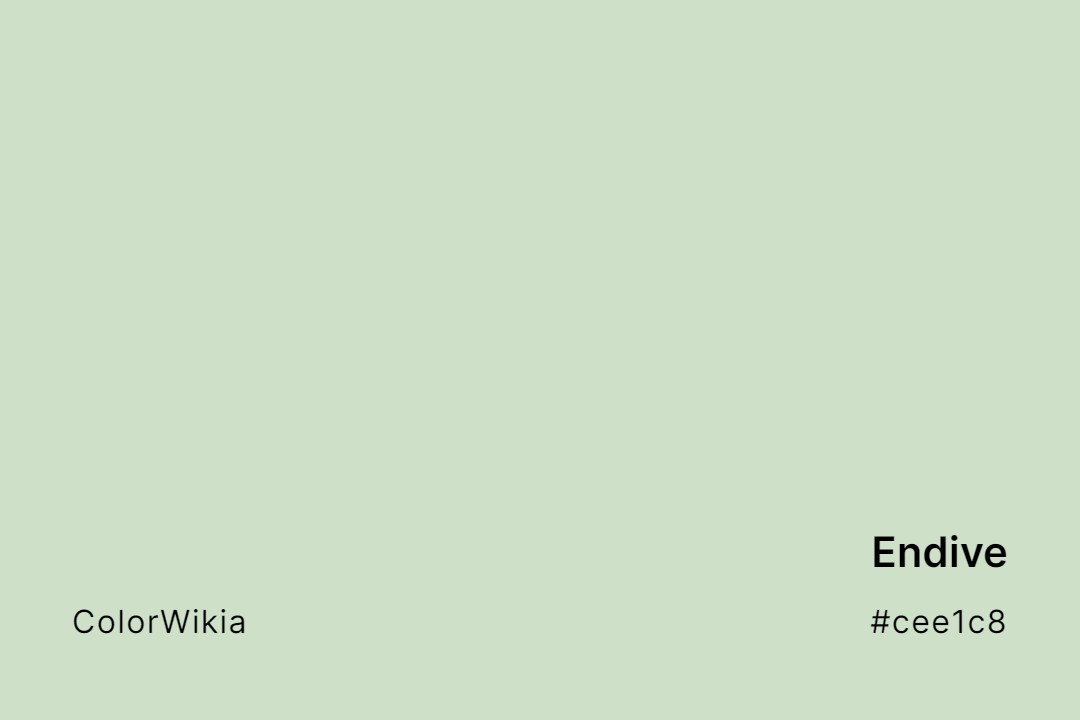
#cee1c8
Endive
#fcc9b9
Ending Dawn
#8b6f64
Ending Autumn
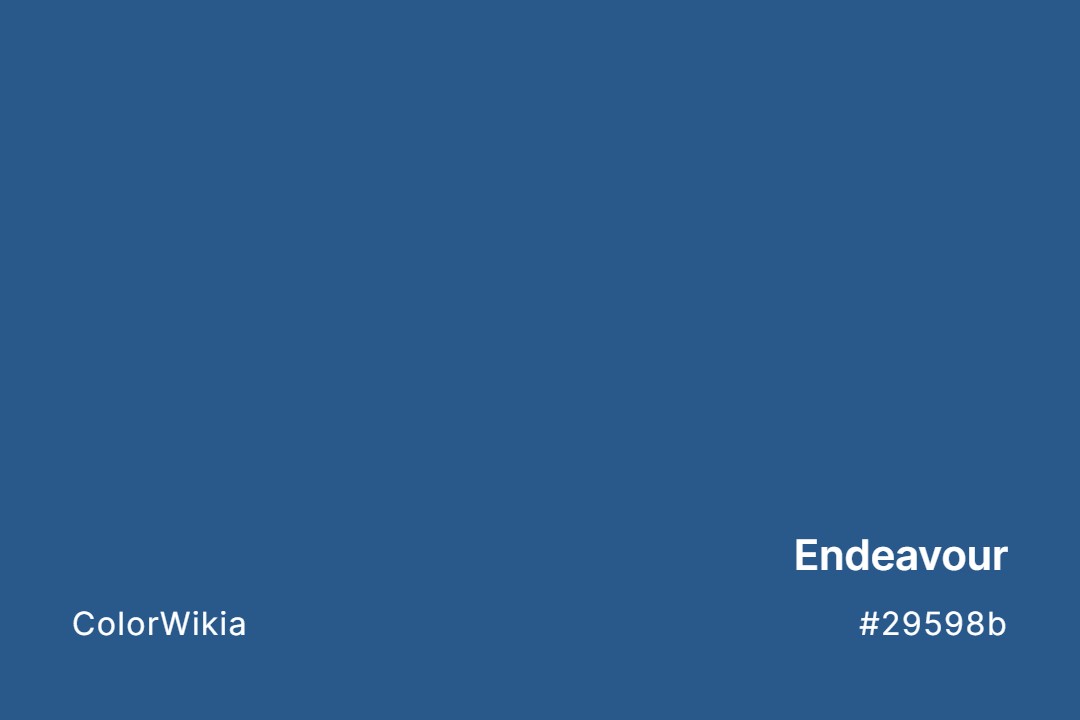
#29598b
Endeavour
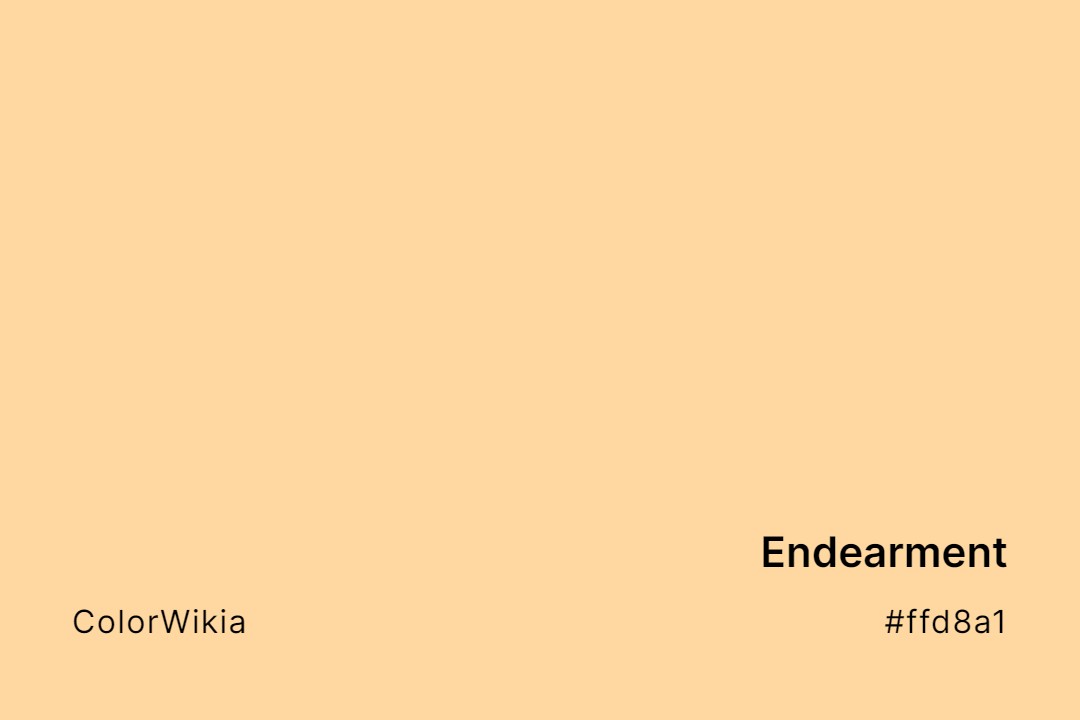
#ffd8a1
Endearment
#cc8f15

End of Summer
#d2eed6
End of the Rainbow
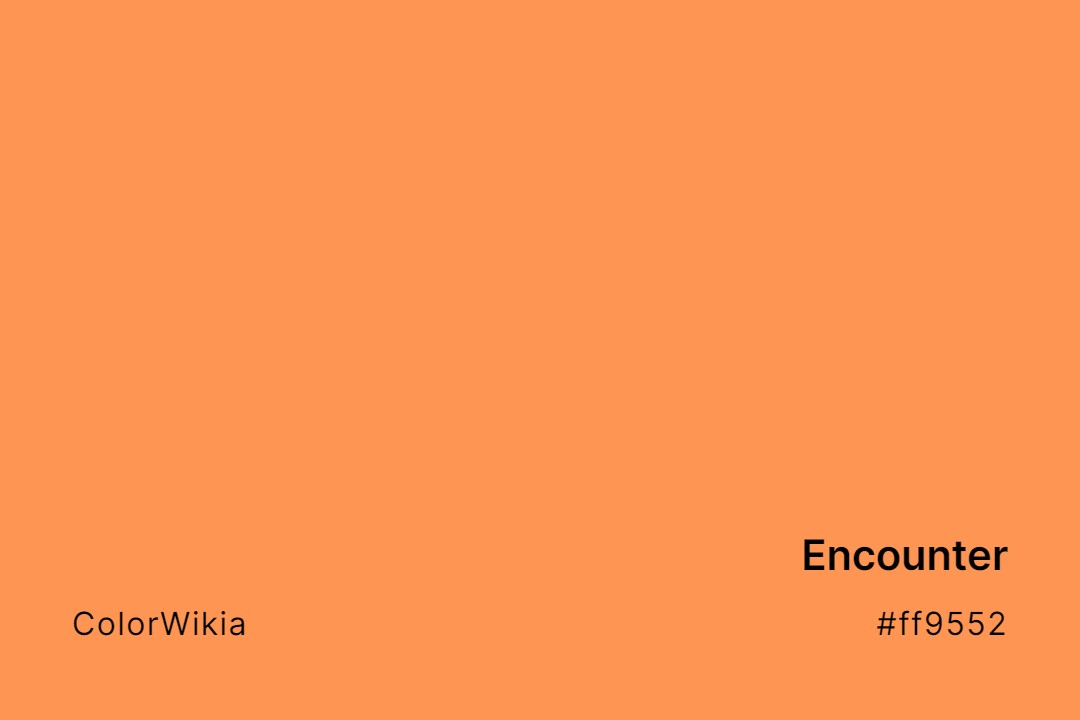
#ff9552
Encounter
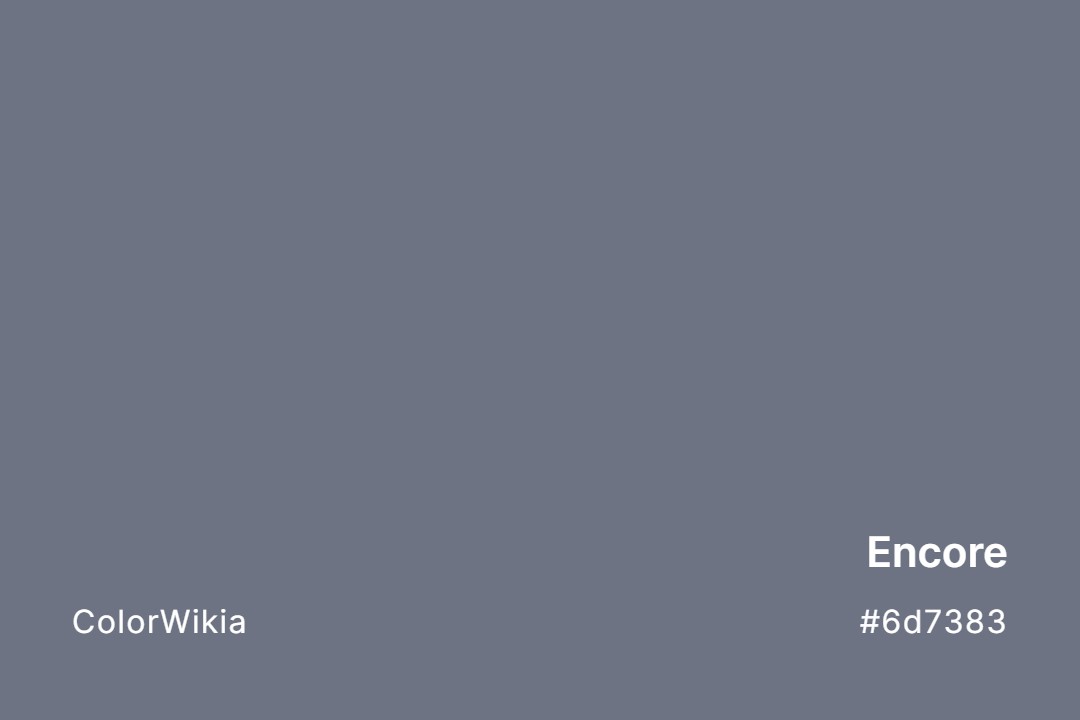
#6d7383
Encore
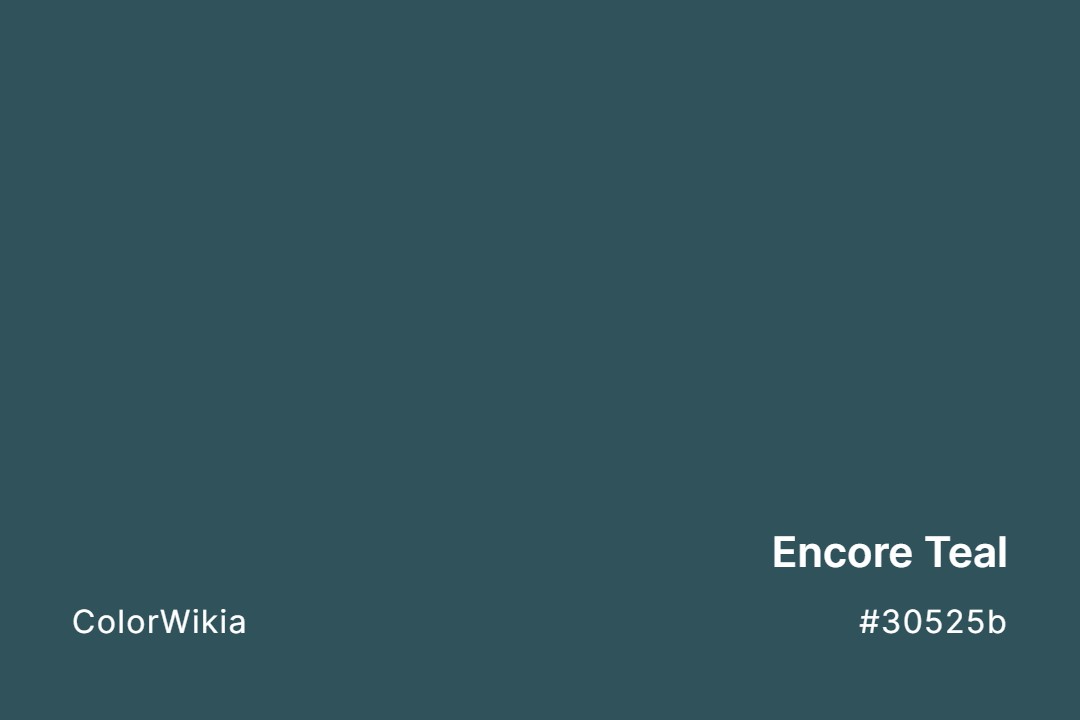
#30525b
Encore Teal
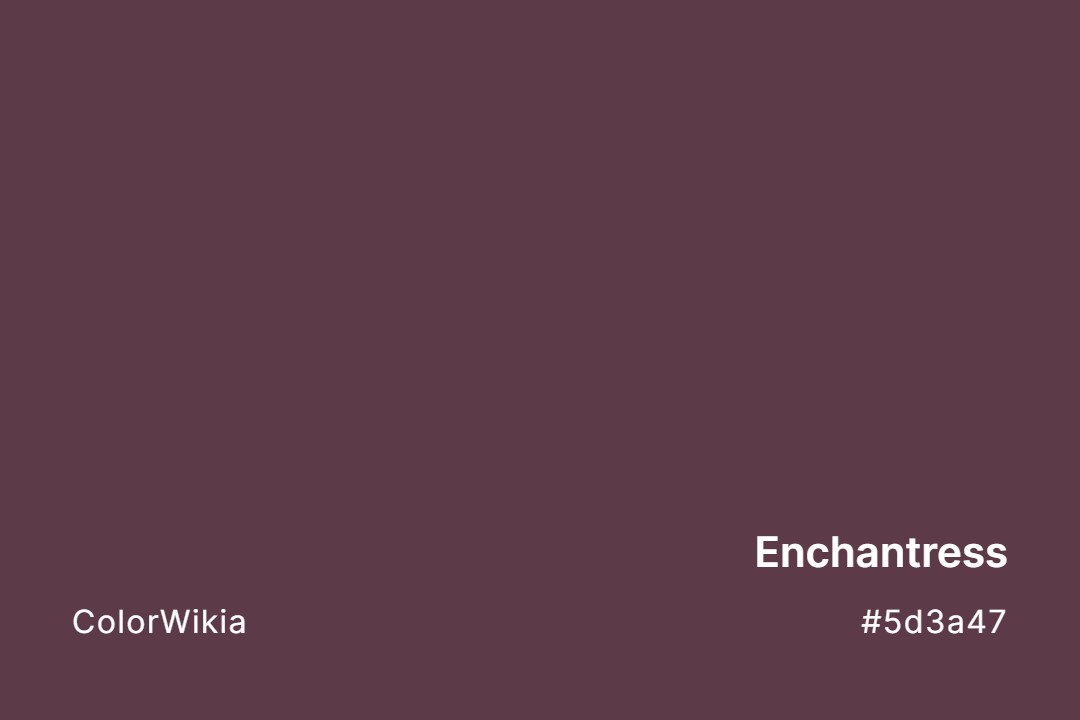
#5d3a47
Enchantress
#82badf
Enchanting
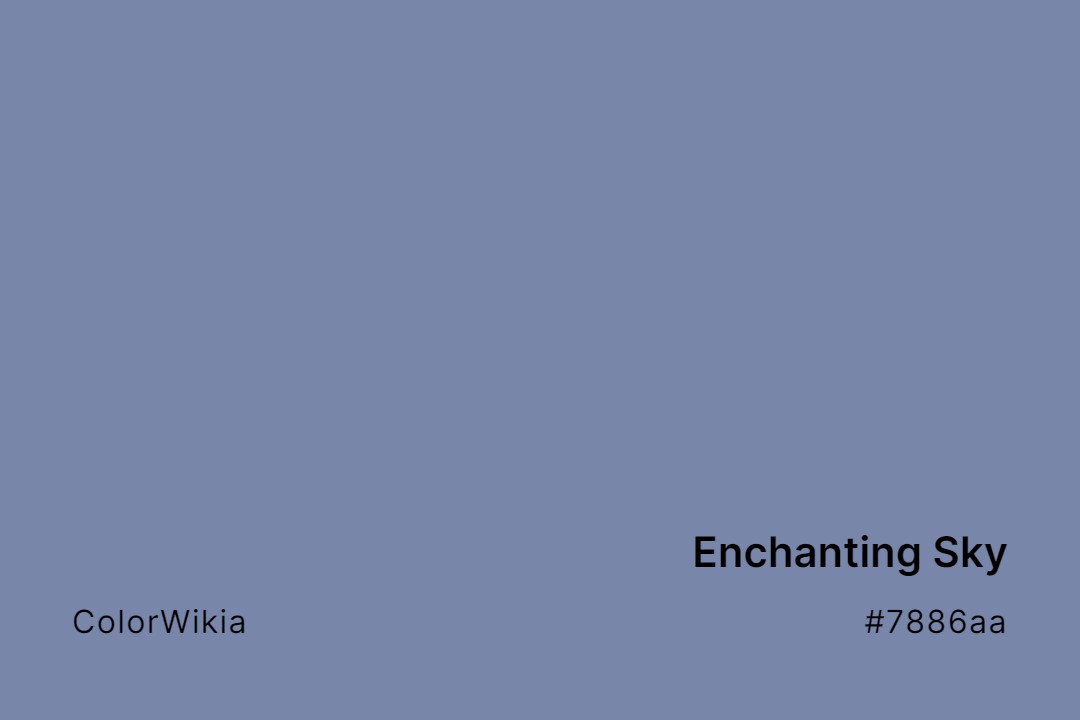
#7886aa
Enchanting Sky
#276dd6
Enchanting Sapphire
#315955
Enchanting Ivy
#ac7435
Enchanting Ginger
#c9e2cf
Enchanted
#94895f
Enchanted Wood
#26ad8d
Enchanted Wells
#b1d4b7
Enchanted Meadow
#bfa3d9
Enchanted Lavender
#166d29
Enchanted Glen
#5c821a
Enchanted Forest
#d3e9ec
Enchanted Evening
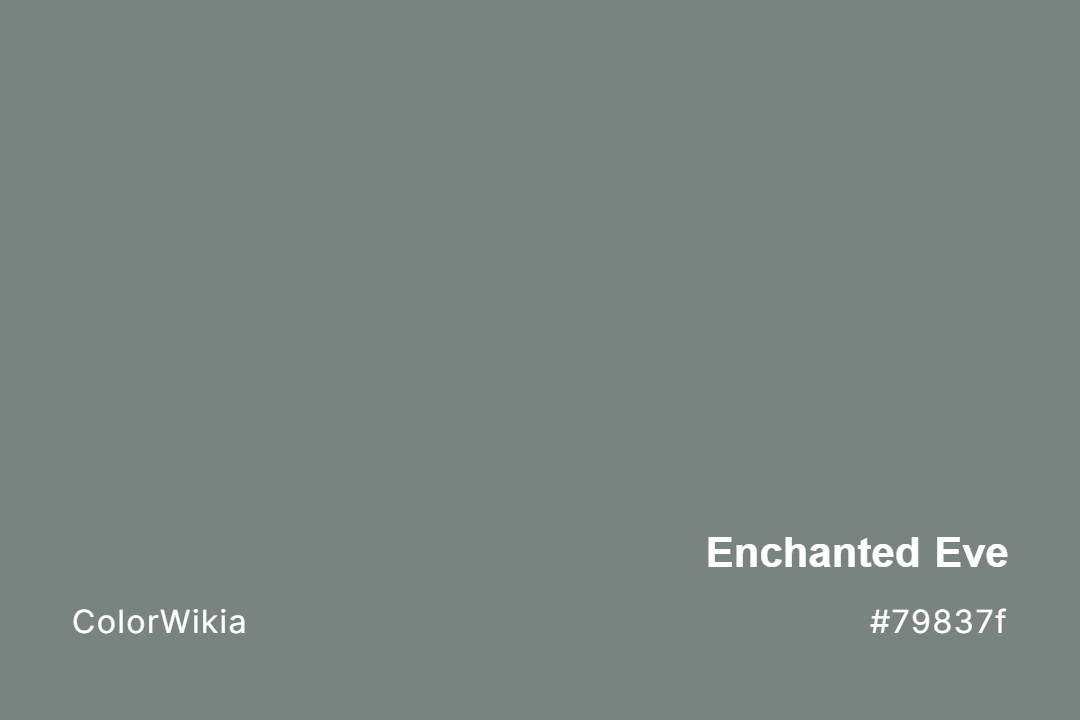
#79837f
Enchanted Eve
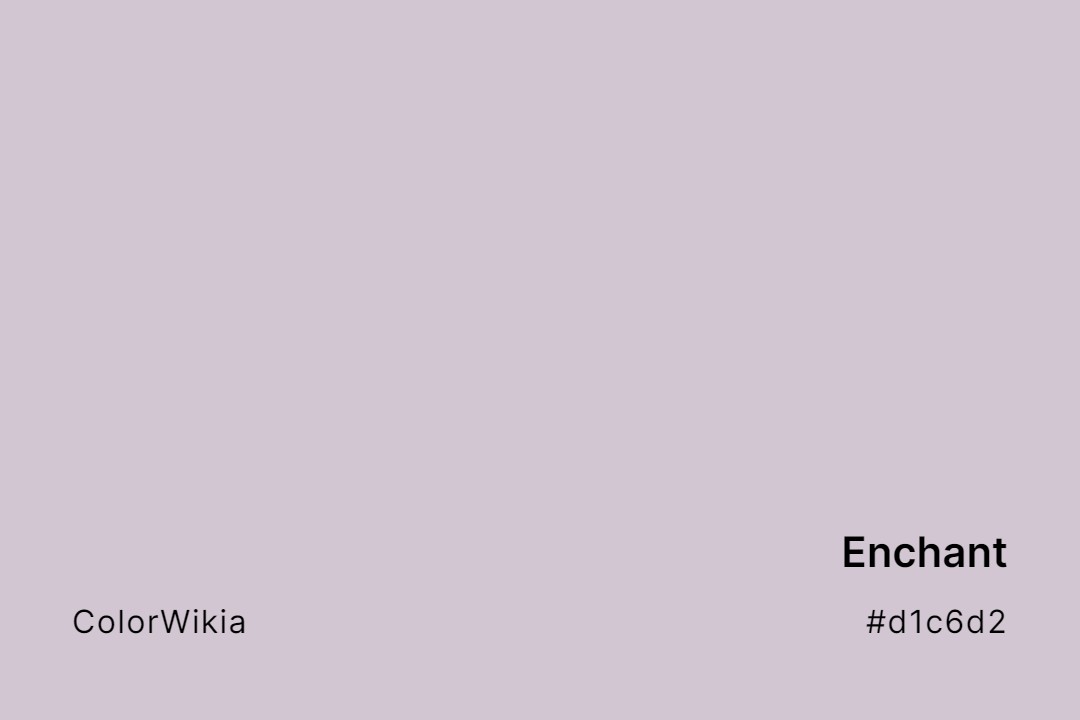
#d1c6d2
Enchant
#fd0202
Encarnado
#f7ebd6
Encaje Aperlado
#c67d84
Enamored
#045c61
Enamelled Jewel
#54c589
Enamelled Dragon
#d0c5be
En Plein Air
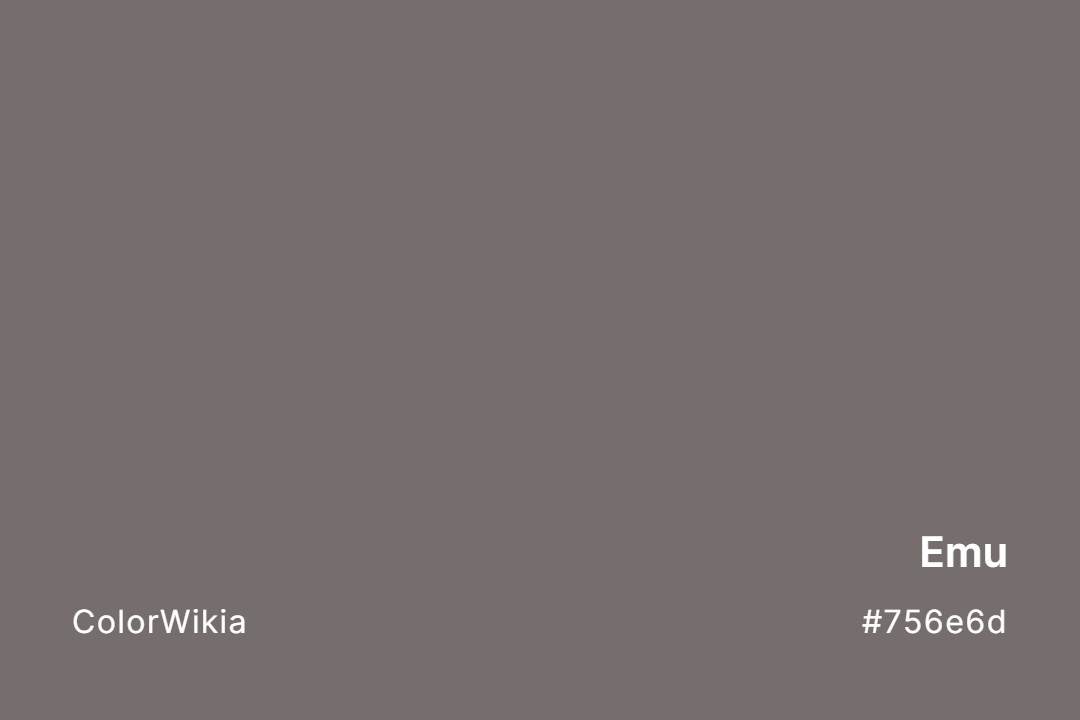
#756e6d
Emu
#3d8481
Emu Egg
#fcfdfc
Emptiness
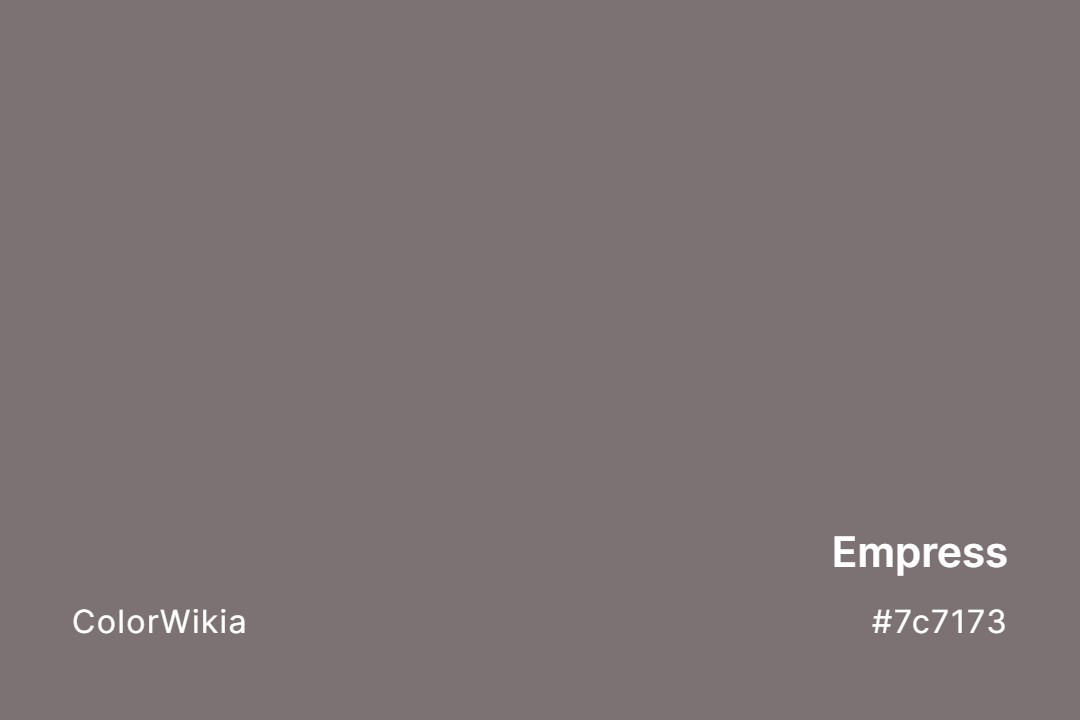
#7c7173
Empress
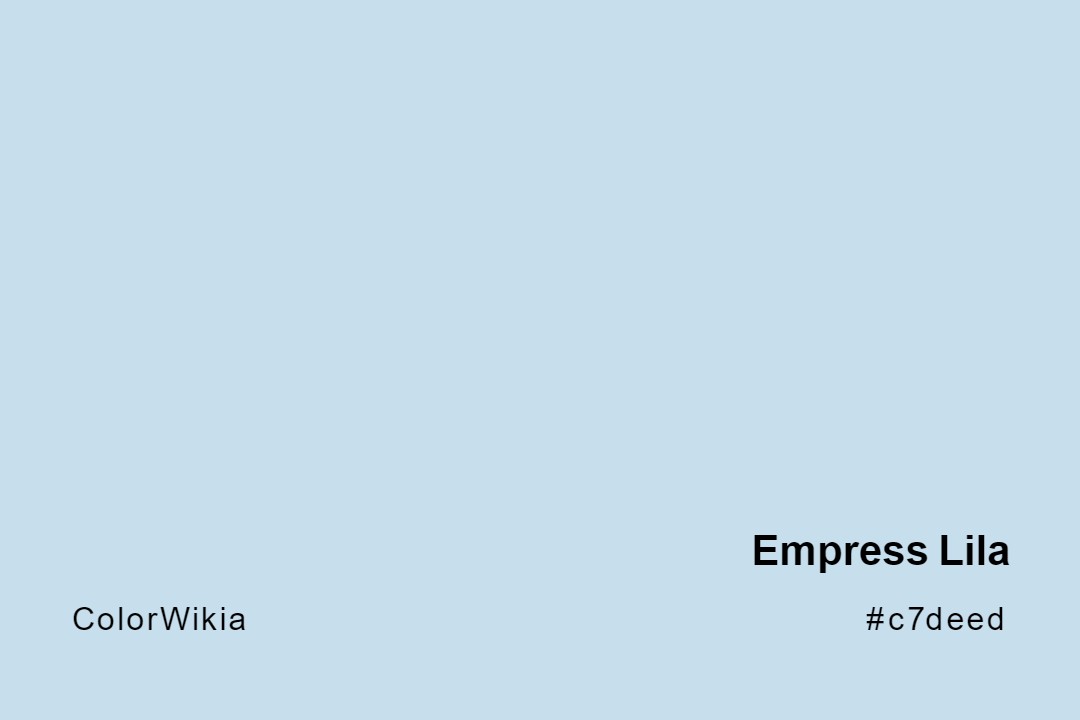
#c7deed
Empress Lila
#2a9ca0
Empress Envy
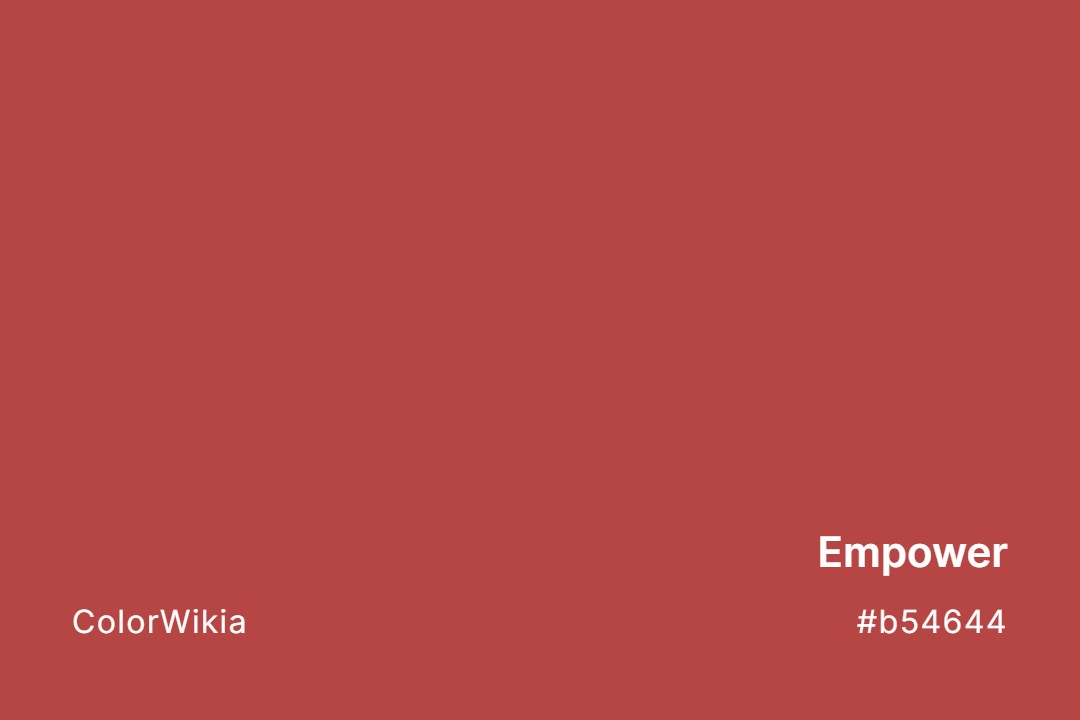
#b54644
Empower
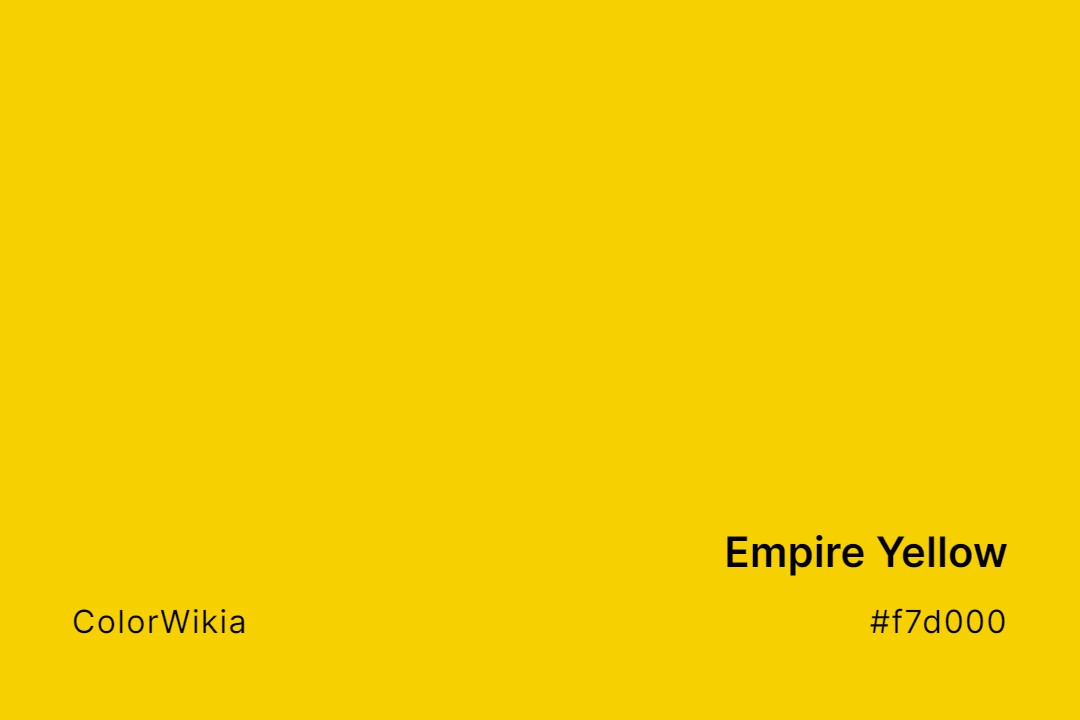
#f7d000
Empire Yellow
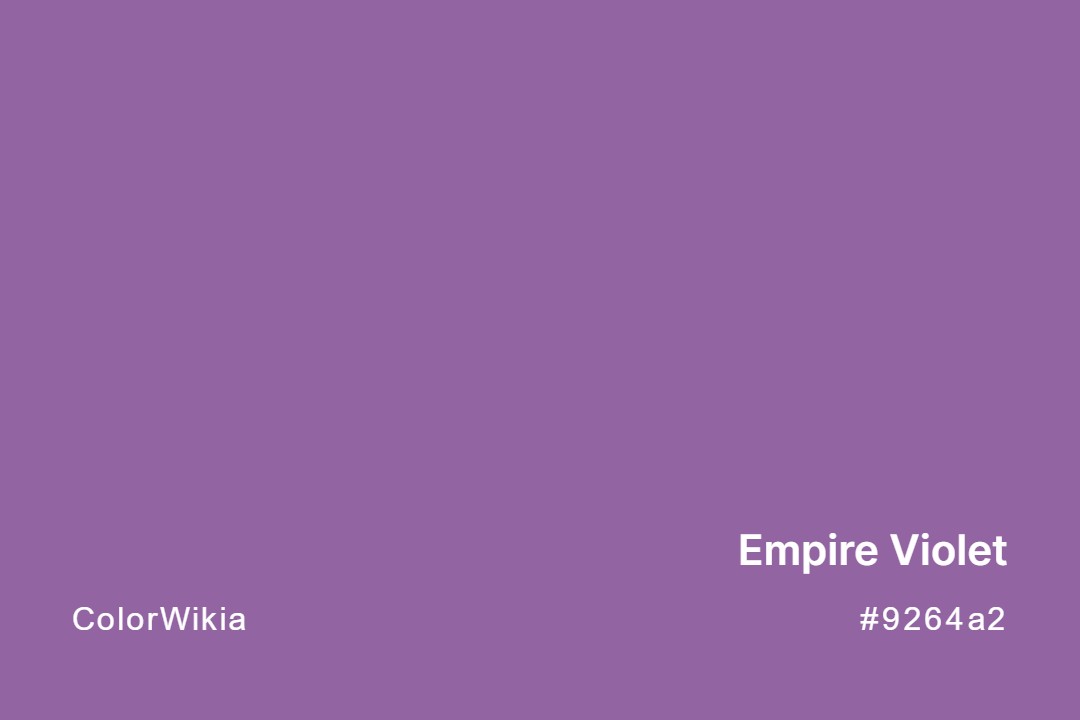
#9264a2
Empire Violet
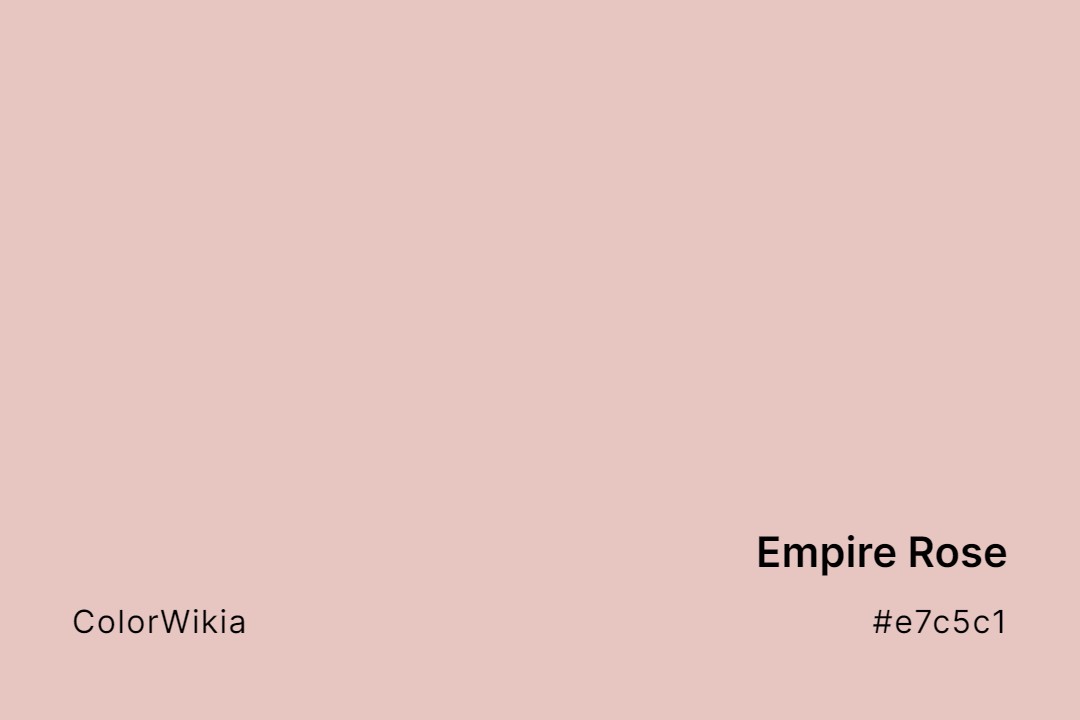
#e7c5c1
Empire Rose
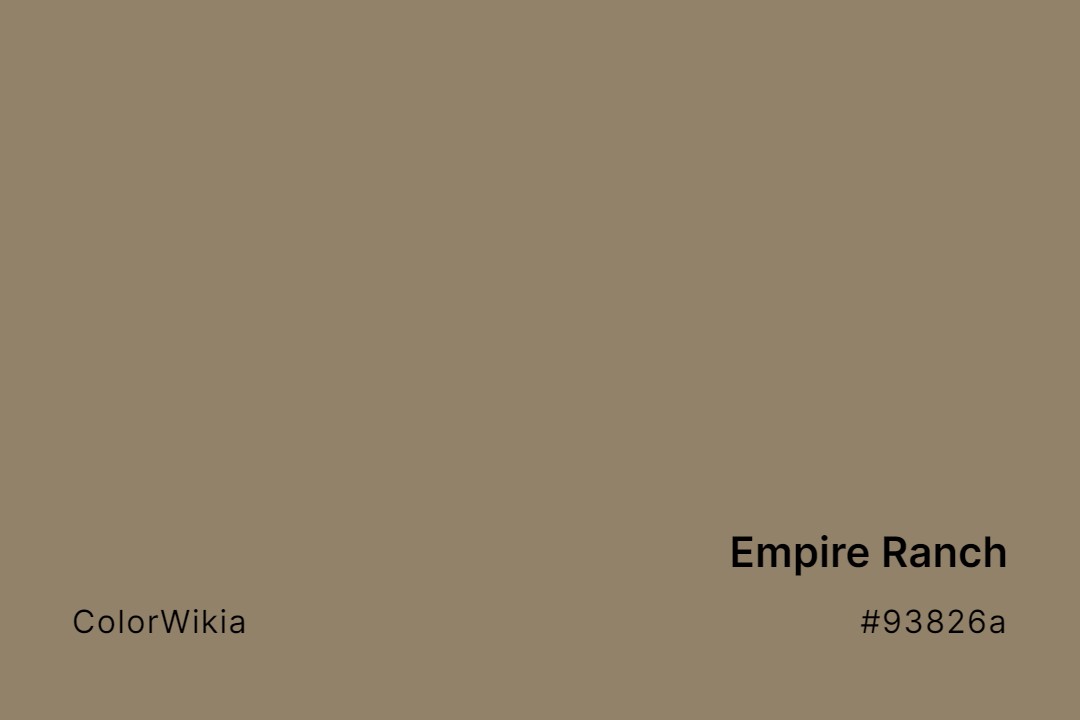
#93826a
Empire Ranch
#e0dbd3
Empire Porcelain
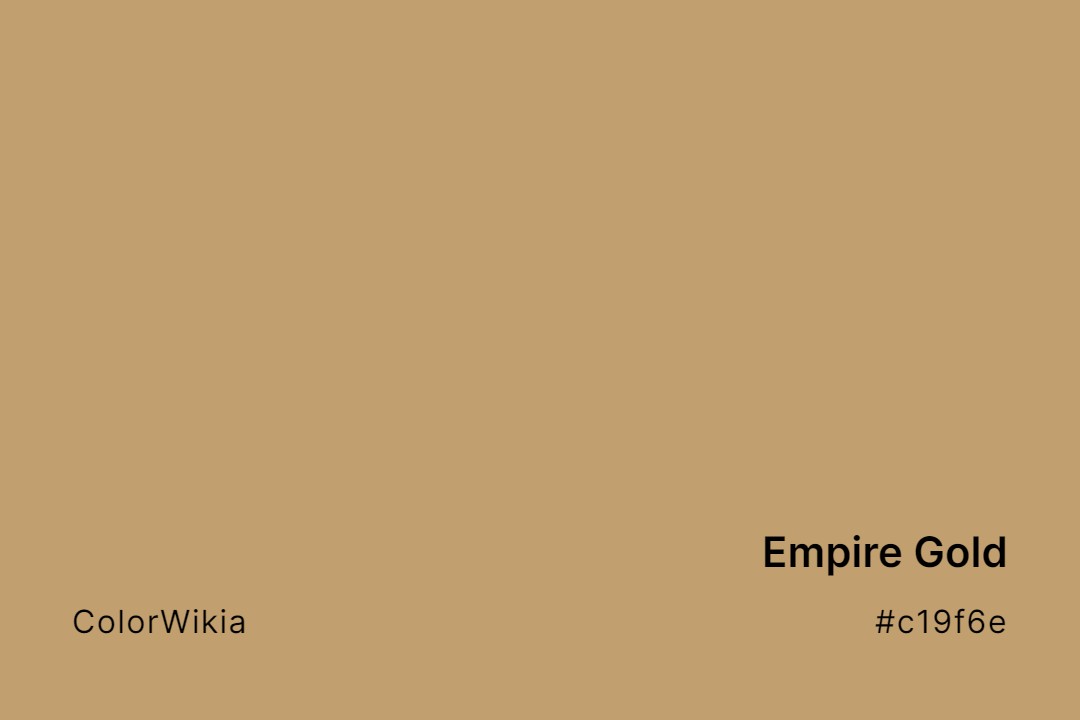
#c19f6e
Empire Gold
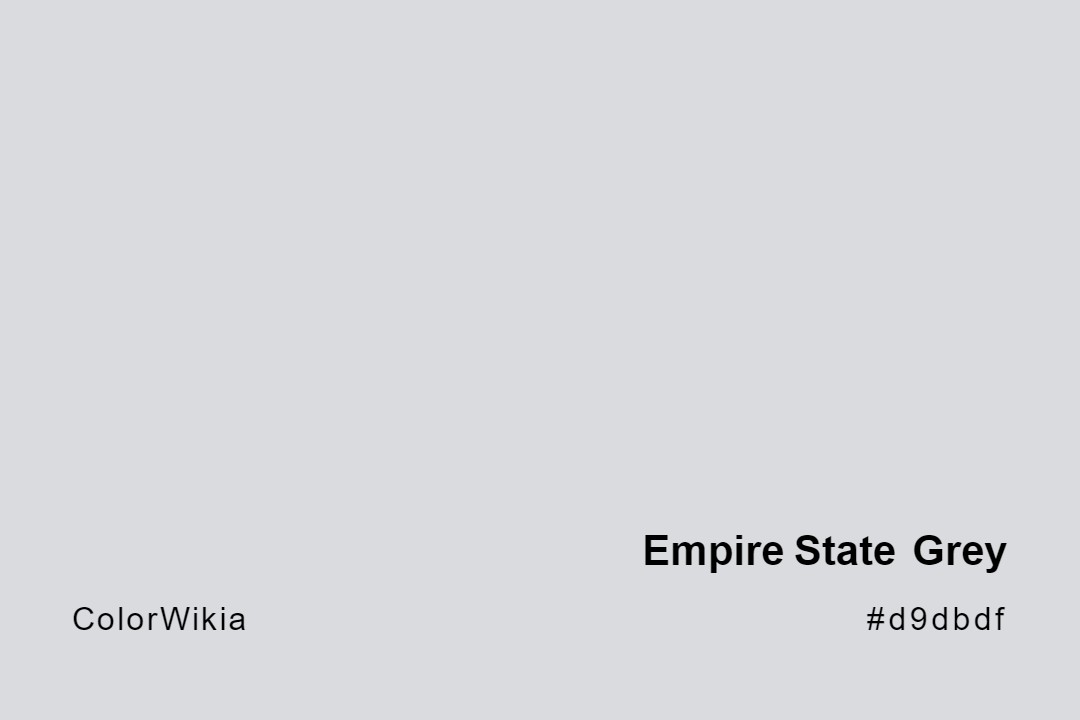
#d9dbdf
Empire State Grey
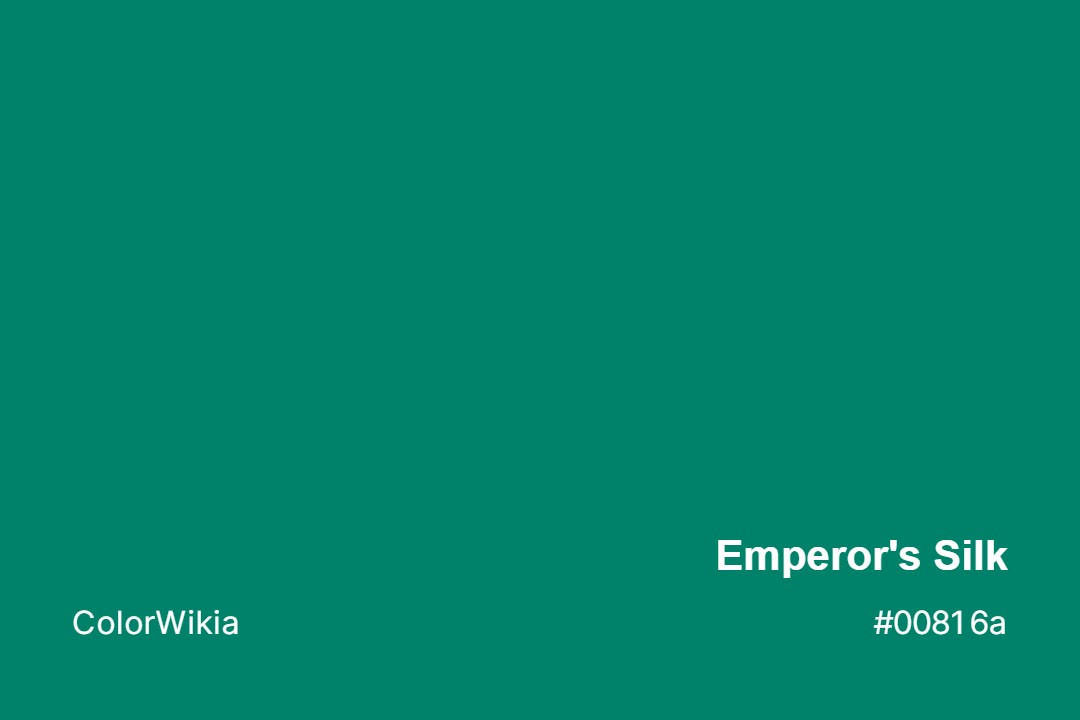
#00816a
Emperor’s Silk
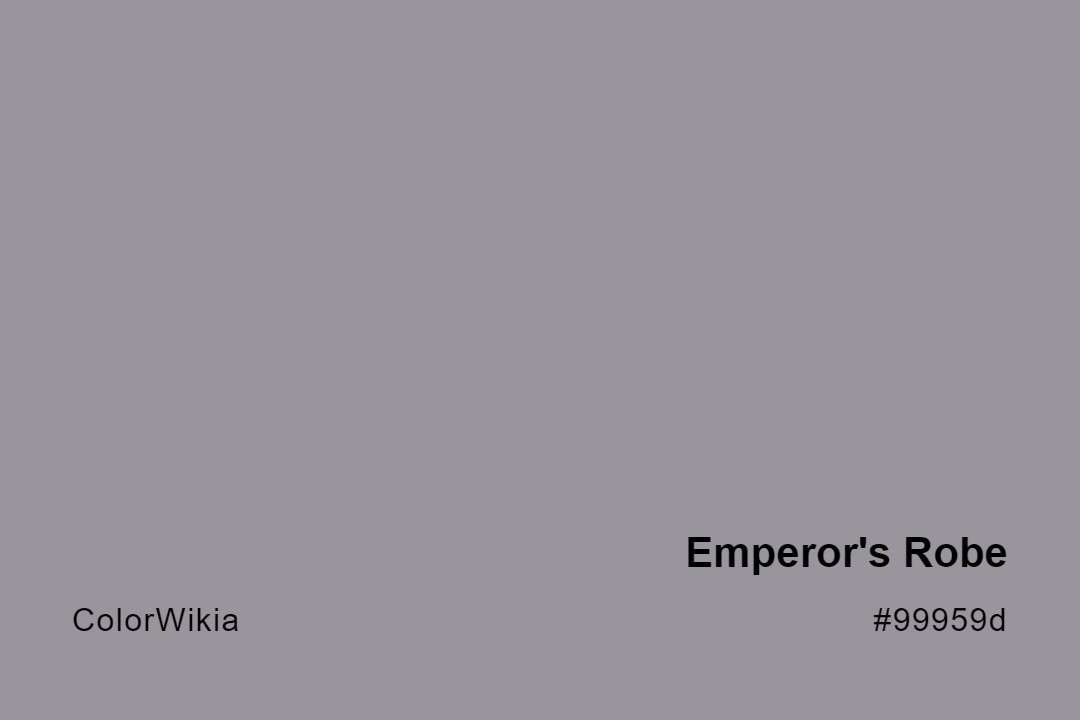
#99959d
Emperor’s Robe
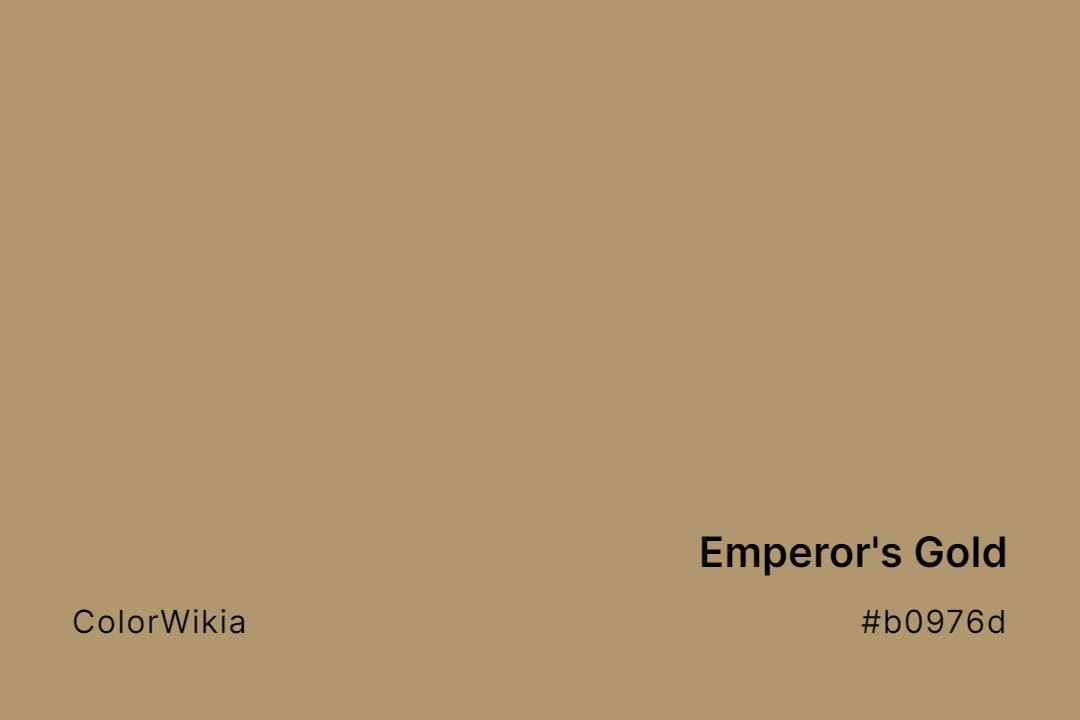
#b0976d
Emperor’s Gold
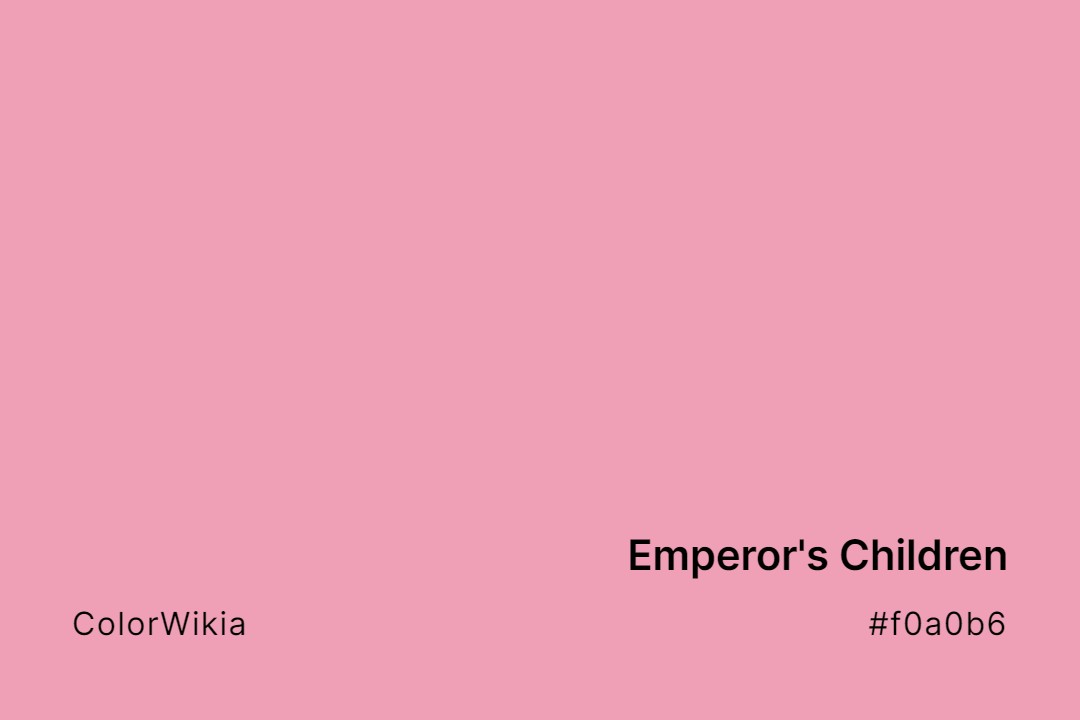
#f0a0b6
Emperor’s Children
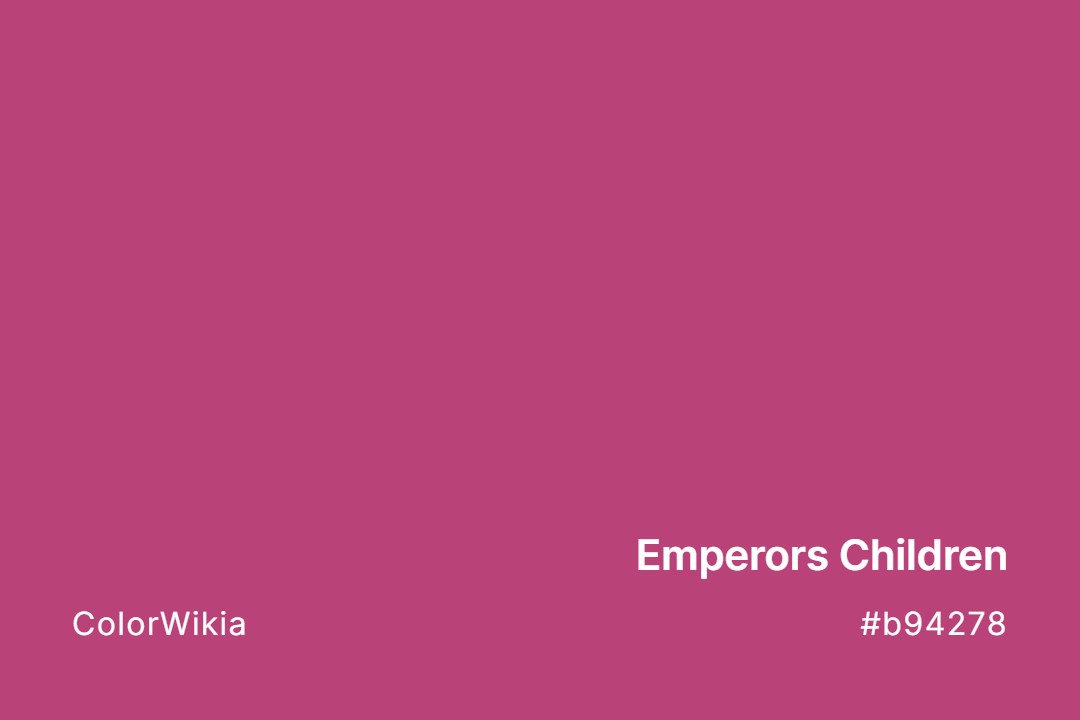
#b94278
Emperors Children
#50494a
Emperor
#715a8d
Emperor Jewel
#007b75
Emperor Jade
#ac2c32
Emperor Cherry Red
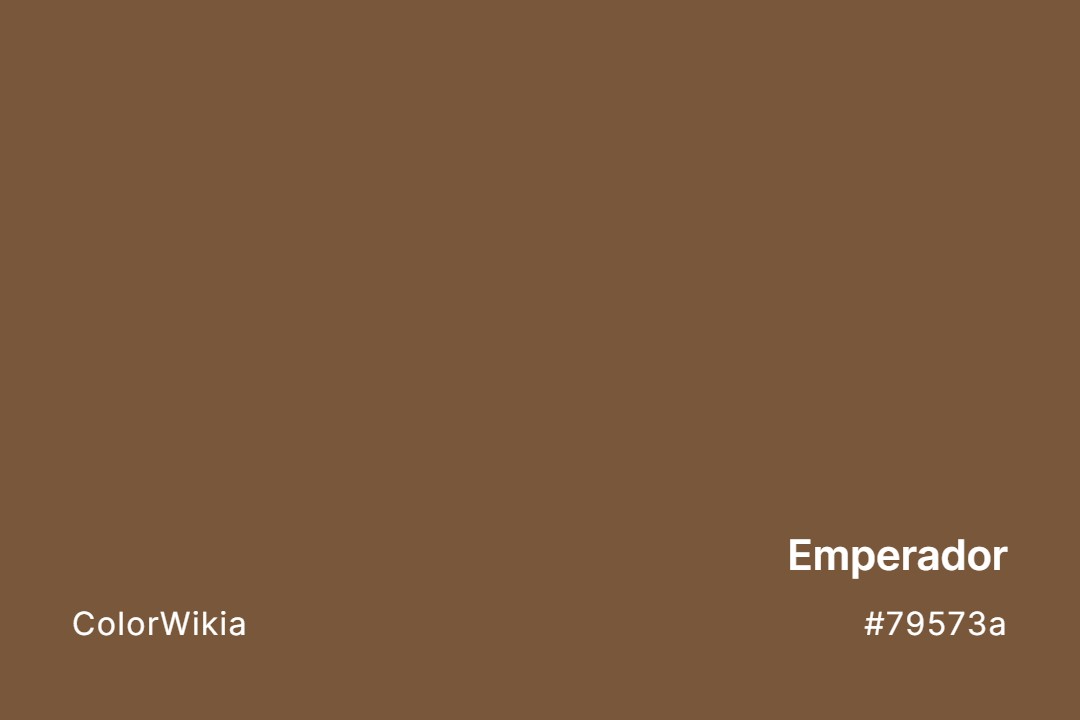
#79573a
Emperador
#856d70
Emotive Ring
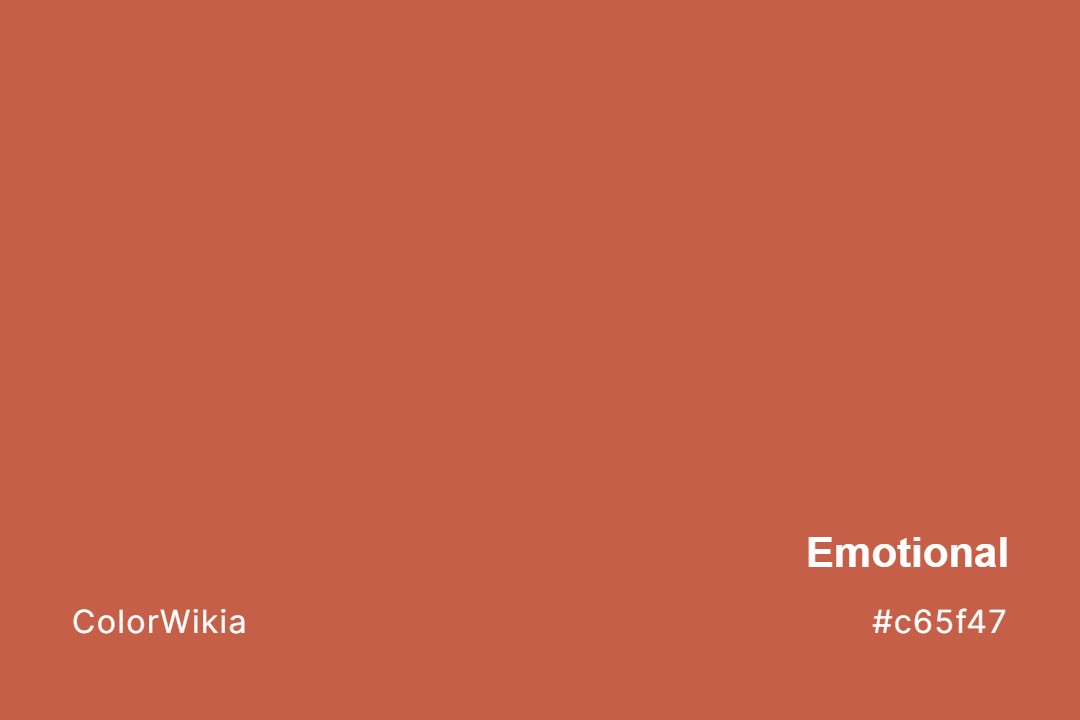
#c65f47
Emotional
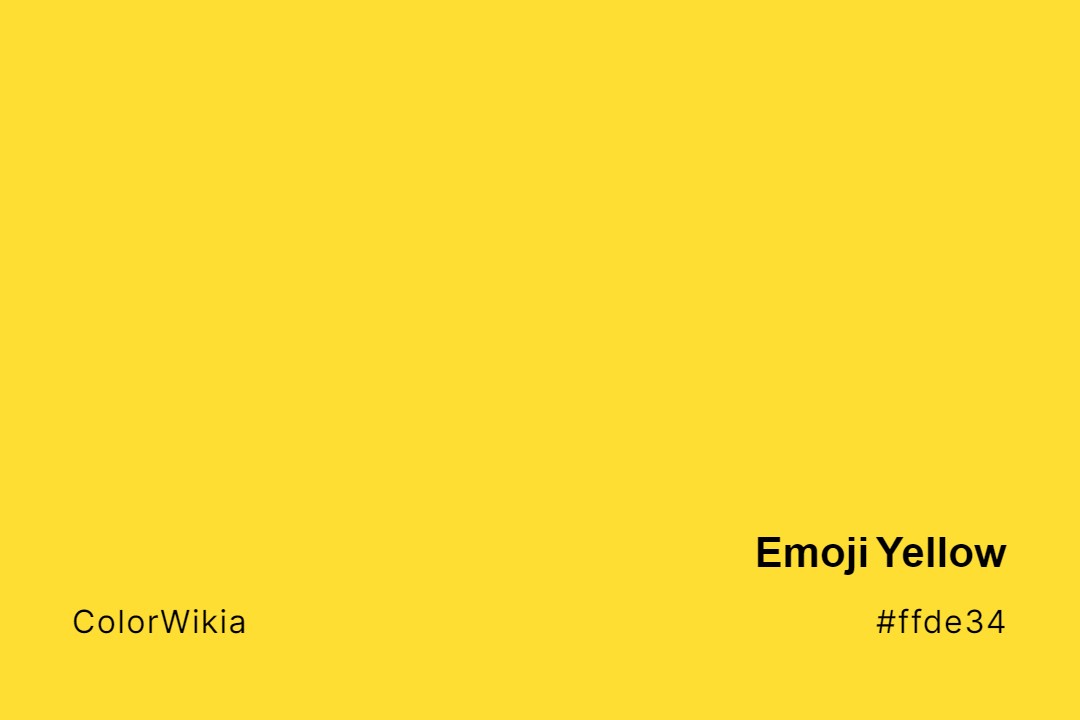
#ffde34
Emoji Yellow
#7a6841
Eminent Bronze
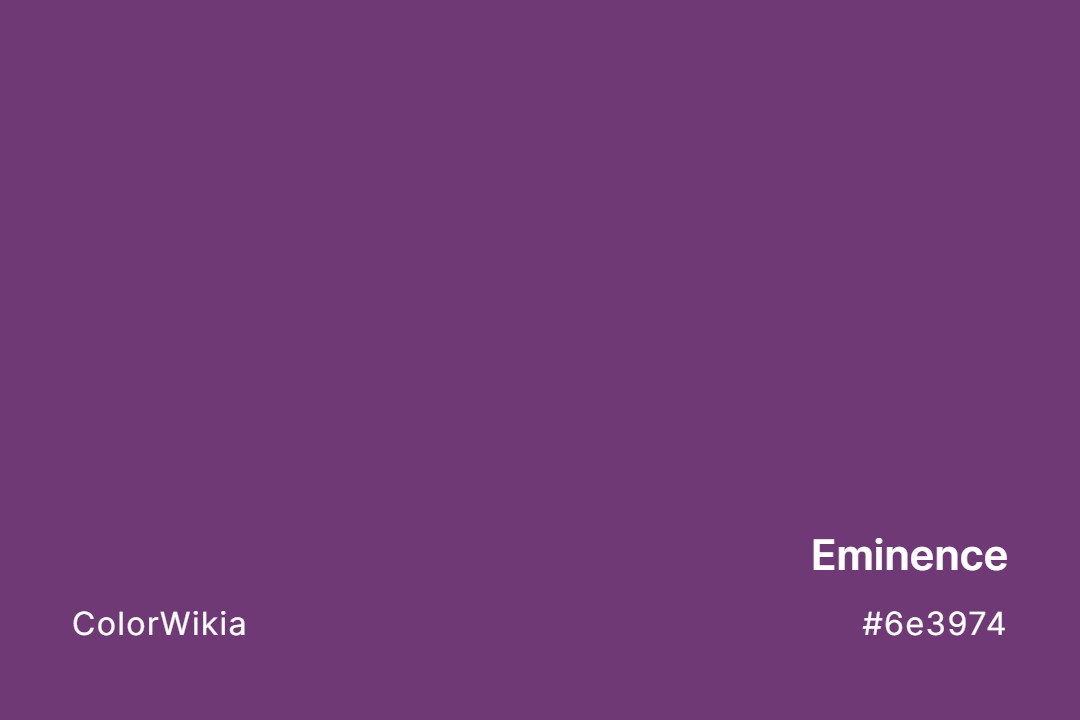
#6e3974
Eminence
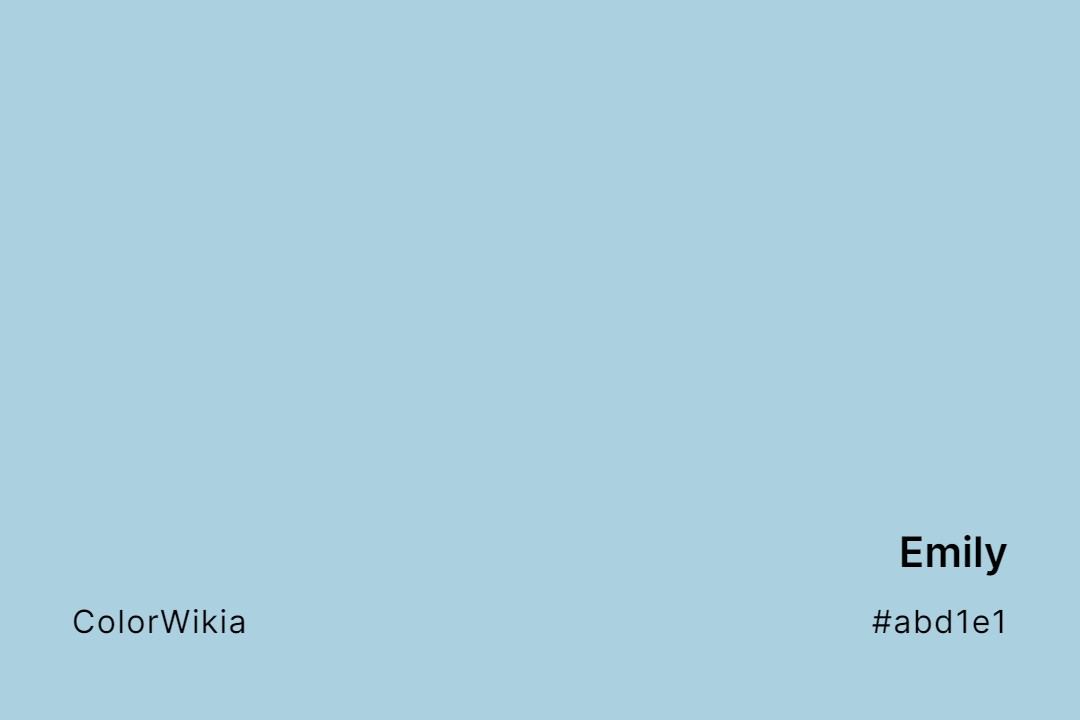
#abd1e1
Emily
#d5c7b6
Emily Ann Tan
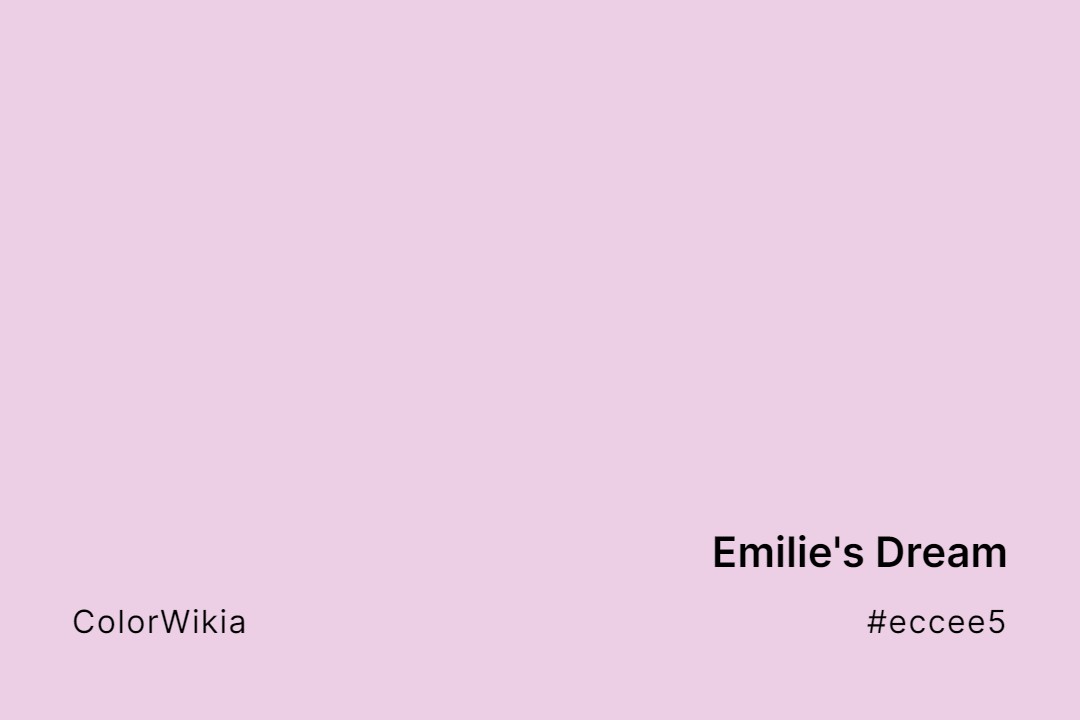
#eccee5
Emilie’s Dream
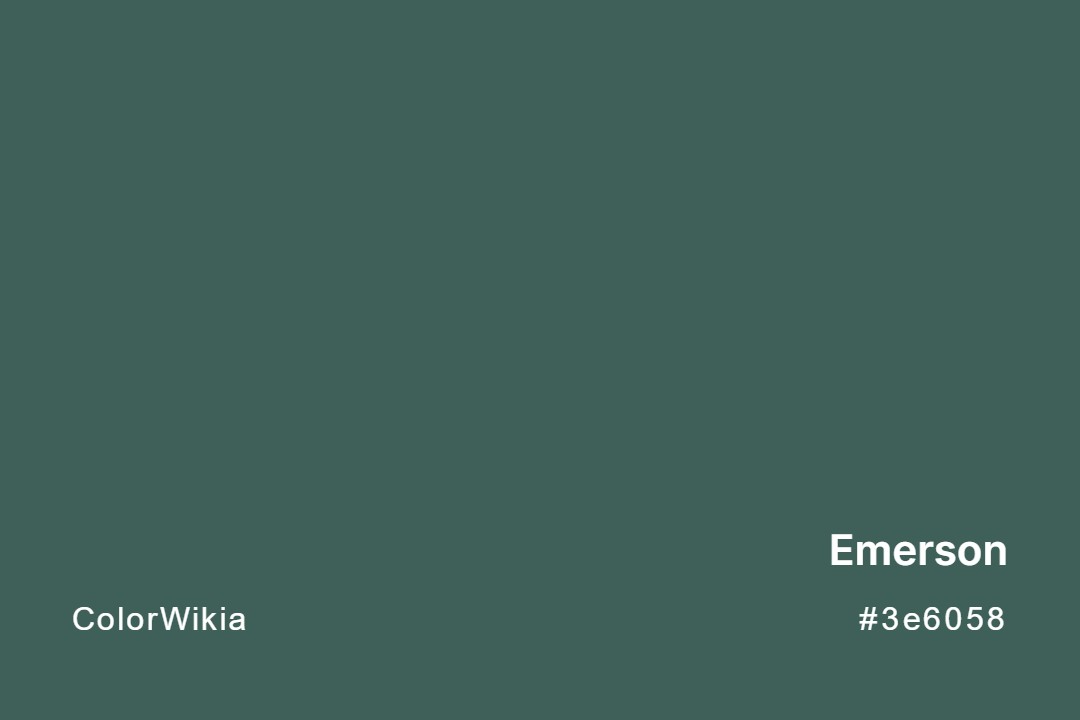
#3e6058
Emerson
#b8a196
Emerging Taupe
#e1e1cf
Emerging Leaf
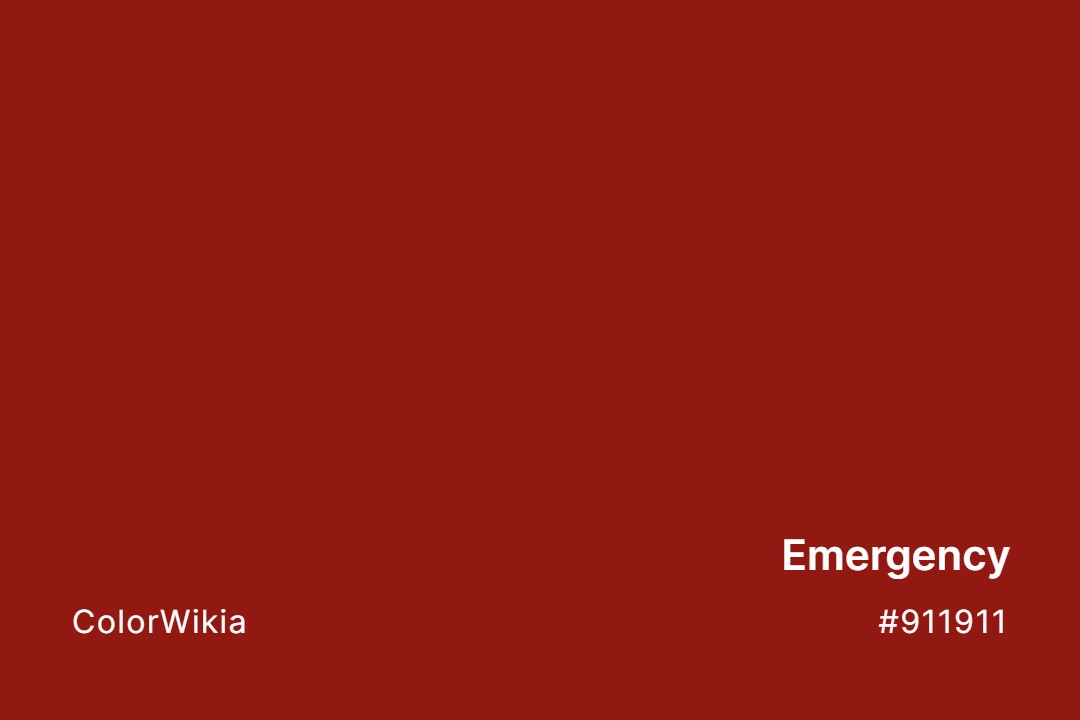
#911911
Emergency
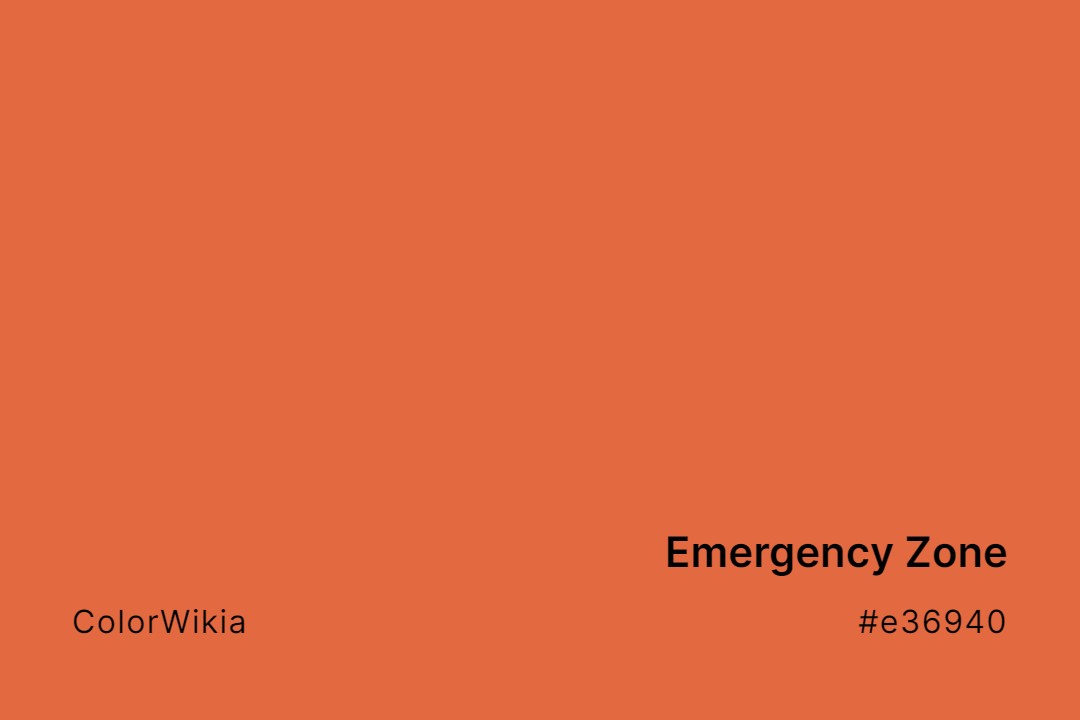
#e36940
Emergency Zone
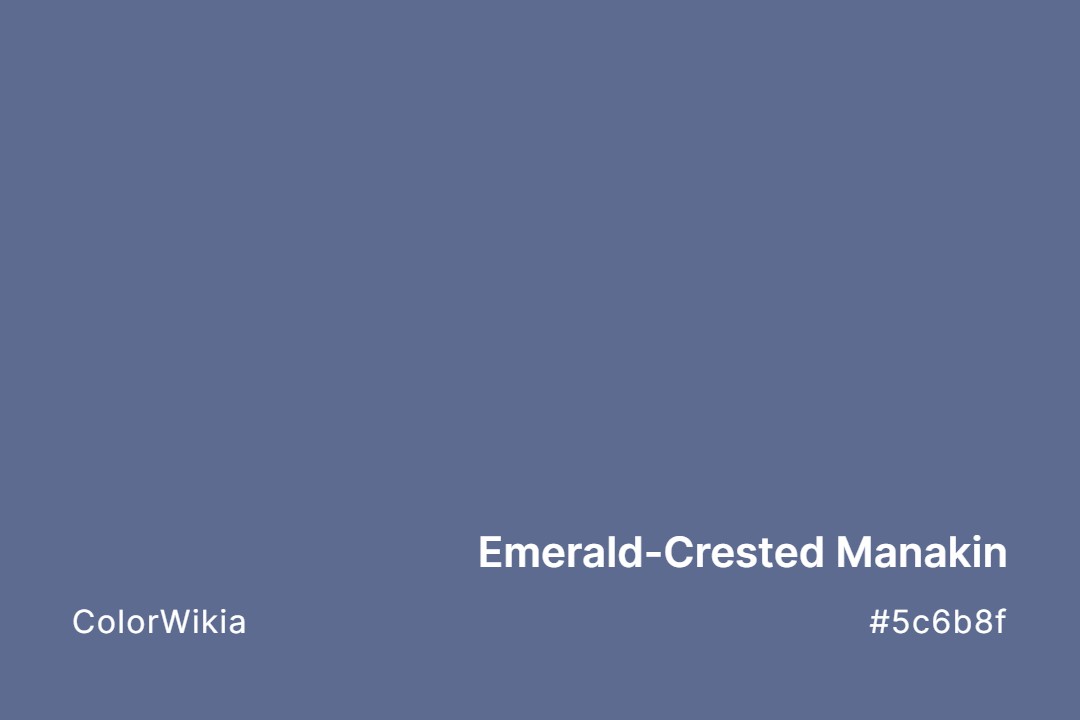
#5c6b8f
Emerald-Crested Manakin
#4fb3a9
Emerald Wave
#55aaaa
Emerald Succulent
#016360
Emerald Stone
#11bb11
Emerald Starling
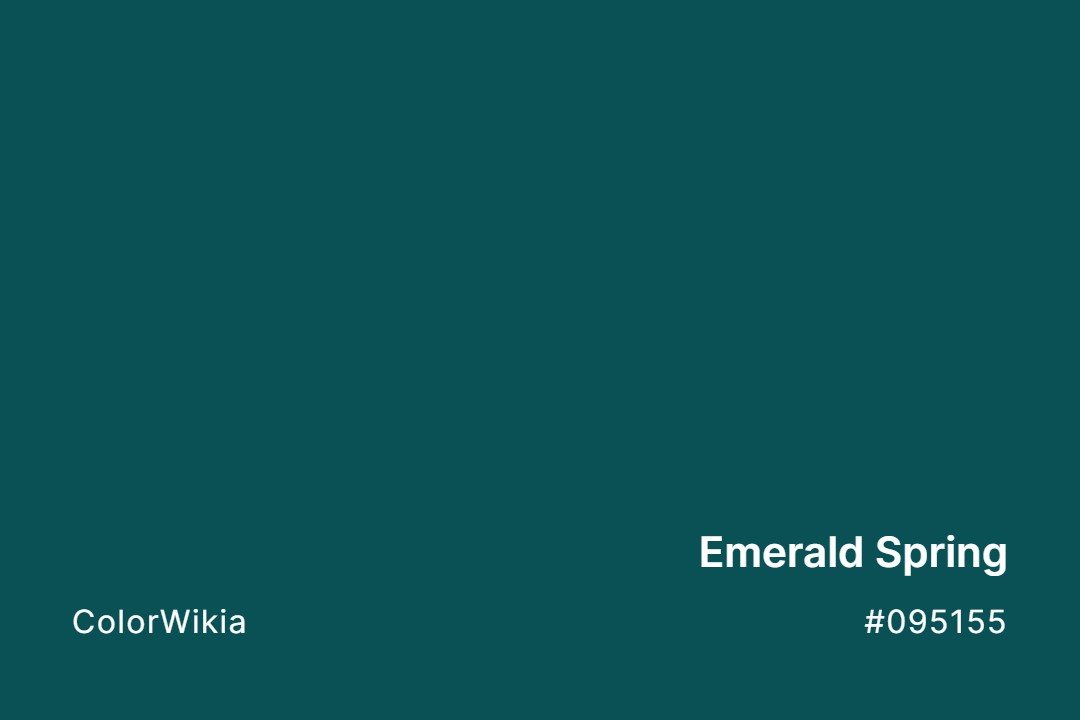
#095155
Emerald Spring
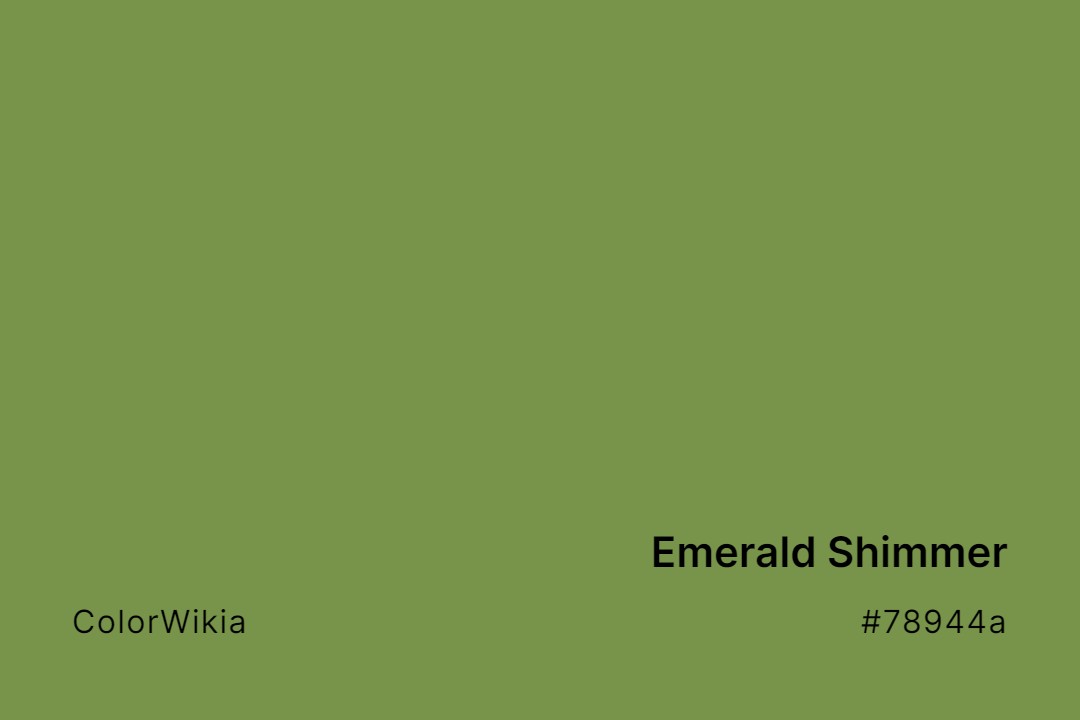
#78944a
Emerald Shimmer
#50c777
Emerald Rush
#578758
Emerald Ring
#50c878
Emerald Reflection
#80c872
Emerald Rain
#155e60
Emerald Pool
#67a195
Emerald Oasis
#069261
Emerald Lake
#019157
Emerald Isle
#66bb00
Emerald Glitter
#224347
Emerald Forest
#007a5e
Emerald Dream
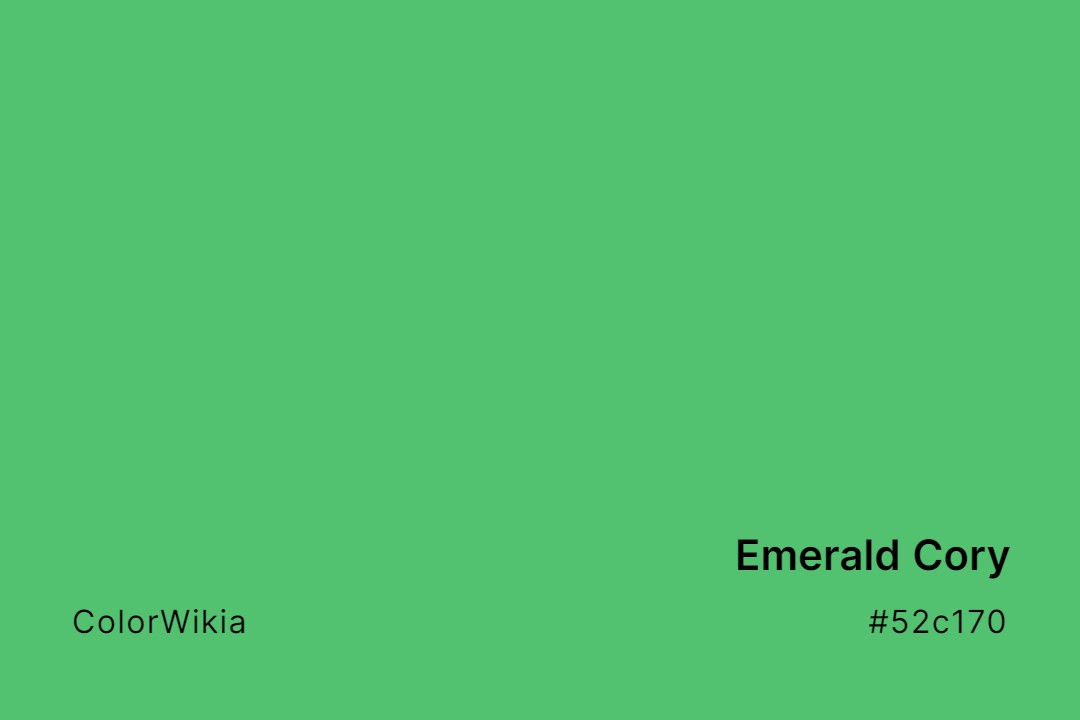
#52c170
Emerald Cory
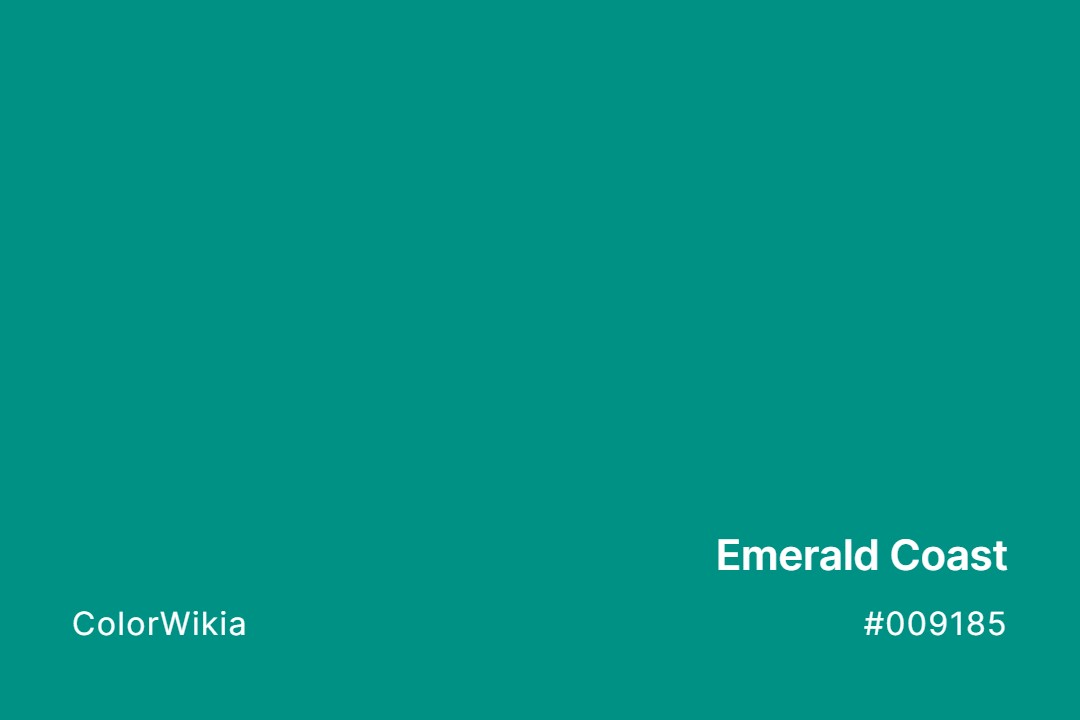
#009185
Emerald Coast
#6a7e5f
Emerald City
#4cbdac
Emerald Bliss
#2af589
Emerald Ice Palace
#4f8129
Emerald Clear Green
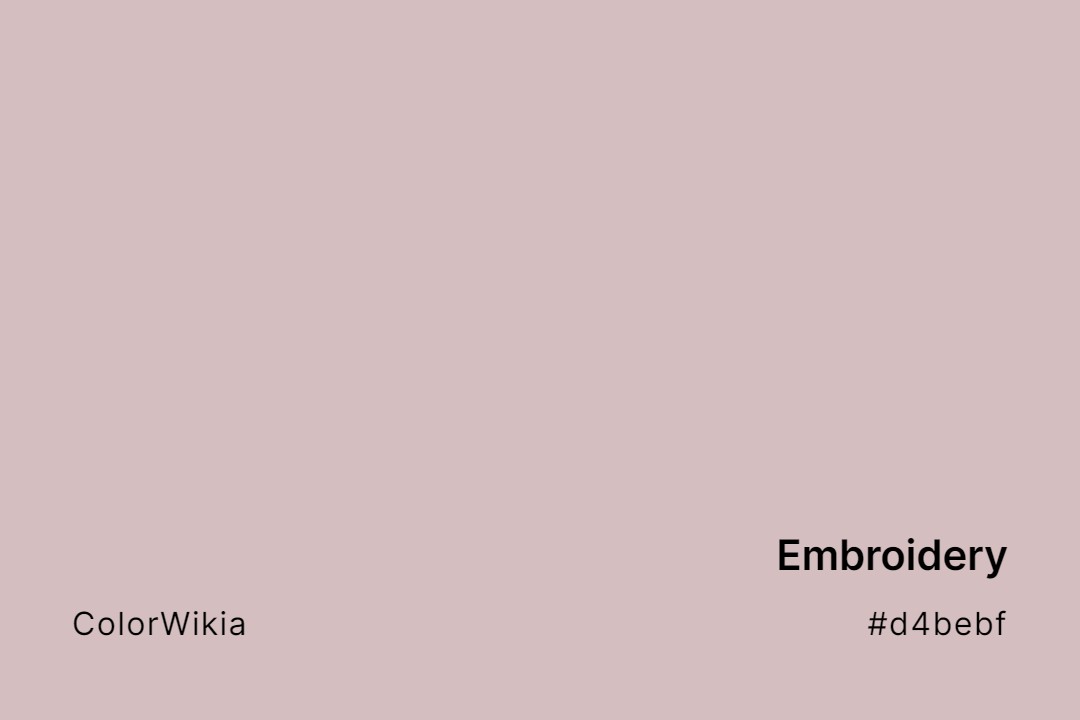
#d4bebf
Embroidery
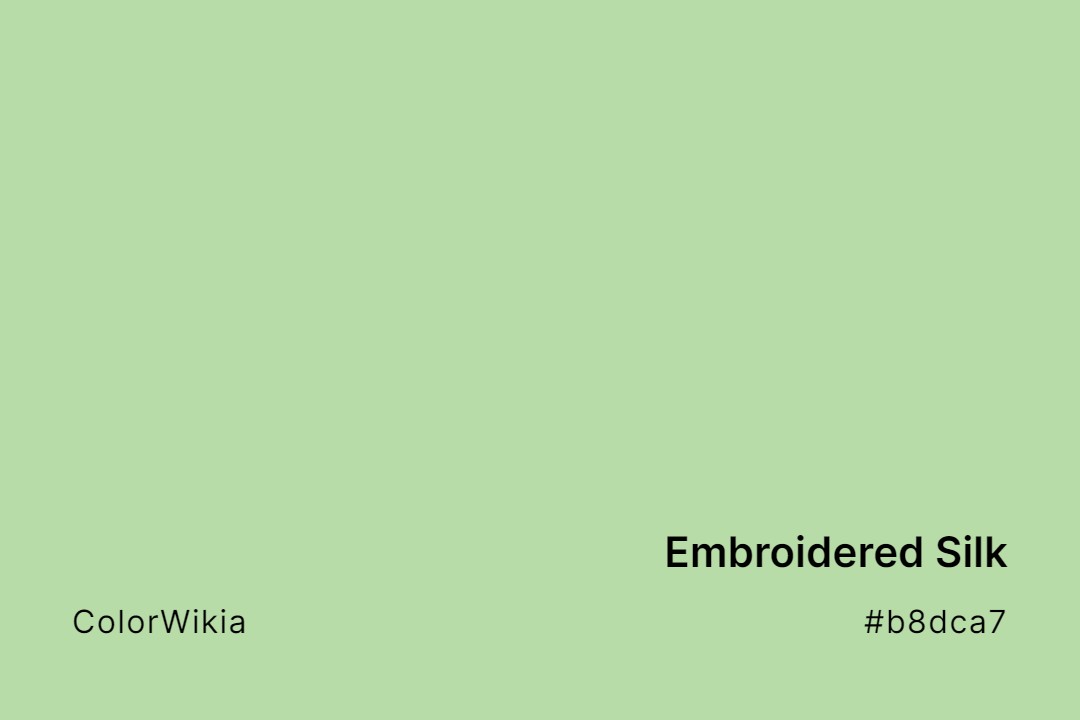
#b8dca7
Embroidered Silk





























The language of color can become confusing because everyday speech and color theory do not always use the word shade in exactly the same way. A page about color shades may describe a whole group of related colors, while the technical definition of a shade refers specifically to a hue made darker with black.
That difference matters when you compare taupe color shades, rust shades, or any other color family. The names people use are practical labels, while color systems provide more precise ways to describe the underlying values.
Understanding the difference between shade, tint, tone, and hue makes it easier to talk about color accurately. It also explains why one named color can have several related variations.
What Is a Color Shade?
In strict color theory, a shade is a hue with black added. Adding black lowers the lightness and produces a darker version of the starting color. A red can move toward burgundy, for example, while a blue can move toward navy.
In everyday language, people use shade more broadly. A search for “different shades of blue” may include lighter, darker, muted, and named variations that are not technically shades under the narrow definition.
That broader usage is common in design, retail, fashion, and online color references. It is also why color shade pages usually cover a family of related colors rather than only mixtures created by adding black.
The distinction is useful because it separates technical color terminology from the way people normally describe color families.
Shade, Tint, Tone, and Hue
These four terms describe different relationships between colors.
- Hue refers to the pure color position itself, such as red, blue, green, or yellow.
- Tint is a hue with white added, producing a lighter version such as pink from red.
- Shade is a hue with black added, producing a darker version such as burgundy from red.
- Tone is a hue with gray added, reducing saturation and muting the color.
The distinctions become useful when you need to describe why two colors look different. A pale blue may be a tint, while a dusty blue may be a tone and a navy blue may be a shade.
These terms can also be used together when discussing a larger color family. A named color may be lighter than the base color, darker than it, or more muted without fitting neatly into one everyday category.
How Digital Color Systems Describe Shades
Digital color systems make these relationships easier to quantify. RGB describes a color by the amount of red, green, and blue light used to create it, while HSL separates the color into hue, saturation, and lightness.
Hex codes provide a compact representation of RGB values. A six-character code such as #DC143C can identify crimson in a digital interface, but the number does not tell you where the color name originally came from or whether a physical pigment uses the same formulation.
In HSL, reducing lightness while holding hue and saturation constant moves a color toward a darker digital version. Raising lightness moves it toward a lighter version, while reducing saturation creates a more muted result.
This distinction is important when working with digital color. A color name can provide a useful visual reference, but a hex code gives you a specific digital value.
How Color Shade Names Develop
Color names often come from things people recognize. Taupe refers to the mole, while rust takes its name from corroded iron. Other names come from materials or places, including copper, terracotta, mahogany, sienna, and umber.
Language can preserve those histories even after a color becomes a digital swatch. Khaki color shades provide another example because the word traces back to a Hindustani term connected with dust and earth.
Commercial color naming adds another layer. Paint makers, textile companies, standards groups, and digital platforms may assign different names to closely related colors, so one shade does not always have one universal label.
This is one reason color names can feel inconsistent. A name can describe a recognizable visual family without pointing to one universal digital value.
Color Standards and Shade Codes
Professional color systems exist because names alone are too vague for precise reproduction. The Pantone Matching System assigns numbered references to color formulations, while systems such as Munsell describe colors using hue, value, and chroma.
The Natural Color System uses a different framework based on color perception. These systems serve different purposes, but they share the same practical goal. A numeric reference can communicate more precisely than a word such as “blue” or “green.”
That is also why a page listing color codes should distinguish between a named color, a standardized reference, and an ordinary digital hex value.
A hex code is useful for digital work, but it should not automatically be treated as a universal definition of a named color. The context behind the color reference matters.
Major Color Families and Their Shades
Every broad color family branches into many named variations. The examples below show how familiar shade names sit within larger groups.
| Color Family | Popular Shade | Hex Code |
| Red | Crimson | #DC143C |
| Blue | Navy | #000080 |
| Green | Forest Green | #228B22 |
| Yellow | Gold | #FFD700 |
| Purple | Indigo | #4B0082 |
| Orange | Coral | #FF7F50 |
| Brown | Tan | #D2B48C |
Warm families such as orange and brown include earthy variations such as rust, terracotta, and chocolate. Blue and green branch into names such as navy, teal, forest, and olive.
Neutral families work differently because their boundaries are less obvious. Beige, gray, taupe, and related colors can overlap substantially depending on saturation, lightness, and undertone.
Why named colors can overlap
A useful color family is not always a strict technical category. Two colors can look very similar while carrying different names because the names come from different materials, places, industries, or traditions.
For practical design work, it is often more useful to compare the actual color values than to rely on the name alone.
Frequently Asked Questions
What is the difference between a shade and a tint?
A shade is a darker version created by adding black, while a tint is a lighter version created by adding white.
Is a tone the same as a shade?
No. A tone adds gray and reduces saturation, while a shade adds black and darkens the original hue.
Why does one color have so many shade names?
Different industries, standards groups, companies, and cultures develop names independently. Closely related colors can therefore receive several labels.
How many shades of a color are there?
There is no fixed limit. Digital systems can generate very large numbers of distinct values, while named shades depend on the terms that become widely recognized or useful.