
30,000+ Shades of Color with Names and HEX Code
Explore unique color shades for your website, brand or any project.
#999ba8

Dame Dignity
#fcf2df

Damask
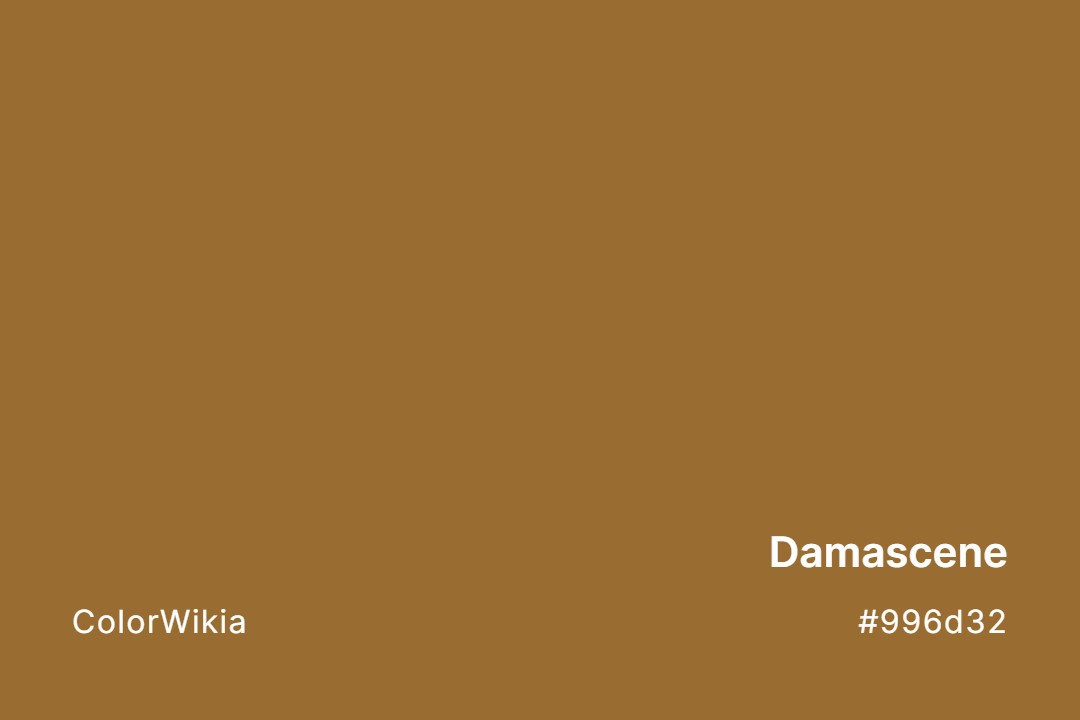
#996d32
Damascene
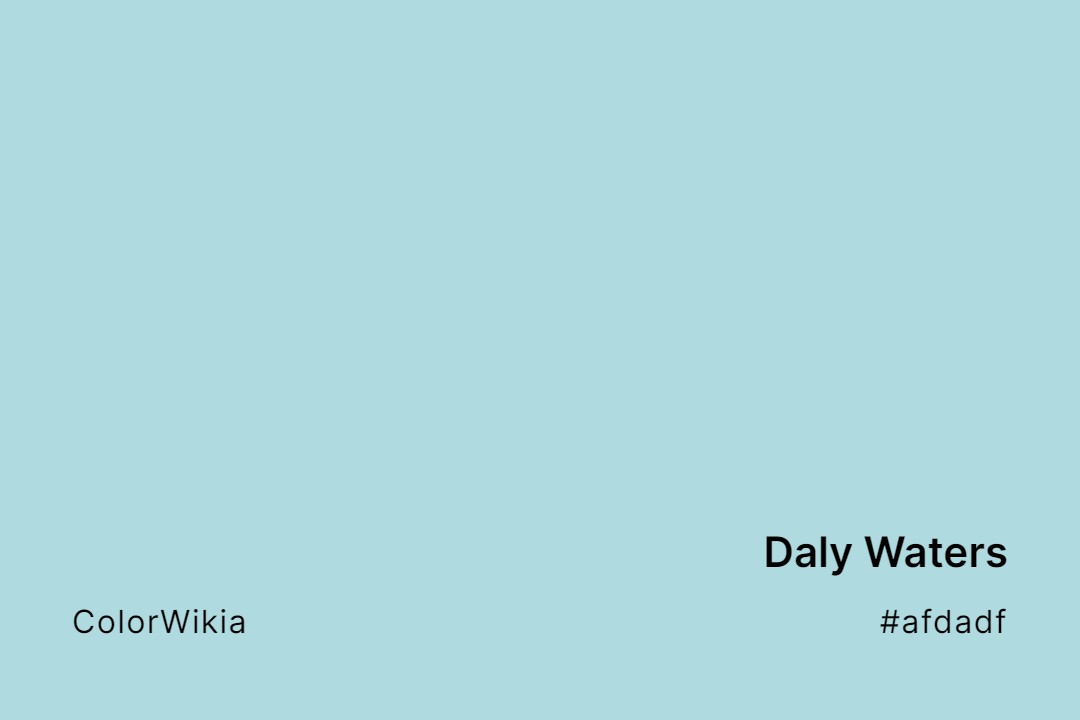
#afdadf
Daly Waters
#97a3da
Dalmatian Sage
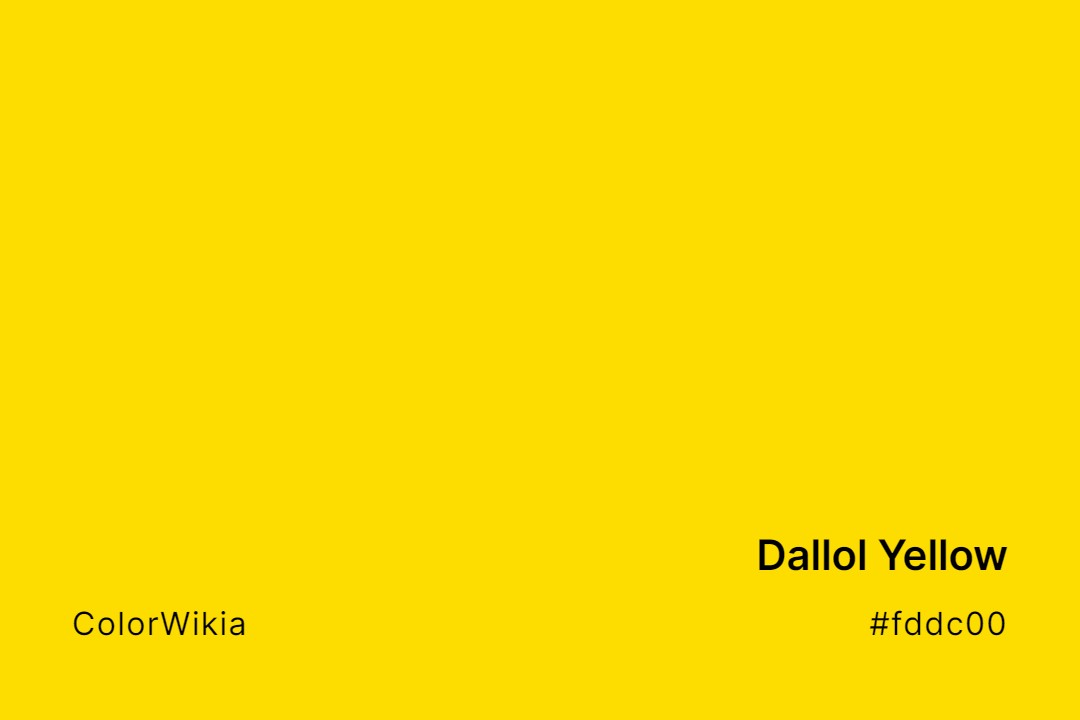
#fddc00
Dallol Yellow
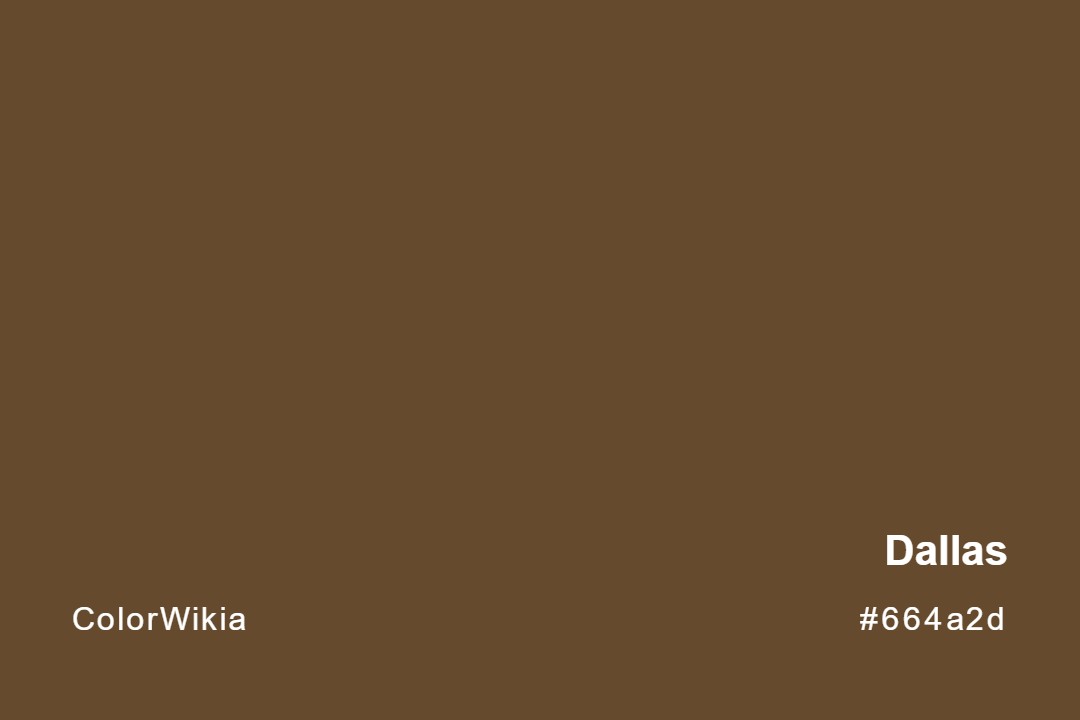
#664a2d
Dallas
#ece0d6
Dallas Dust
#e1bd8e
Dakota Wheat
#fed340
Daisy
#55643b
Daisy Leaf
#f4f3e8
Daisy Field
#fcdf8a
Daisy Desi
#fff09b
Daisy Chain
#5b3e90
Daisy Bush
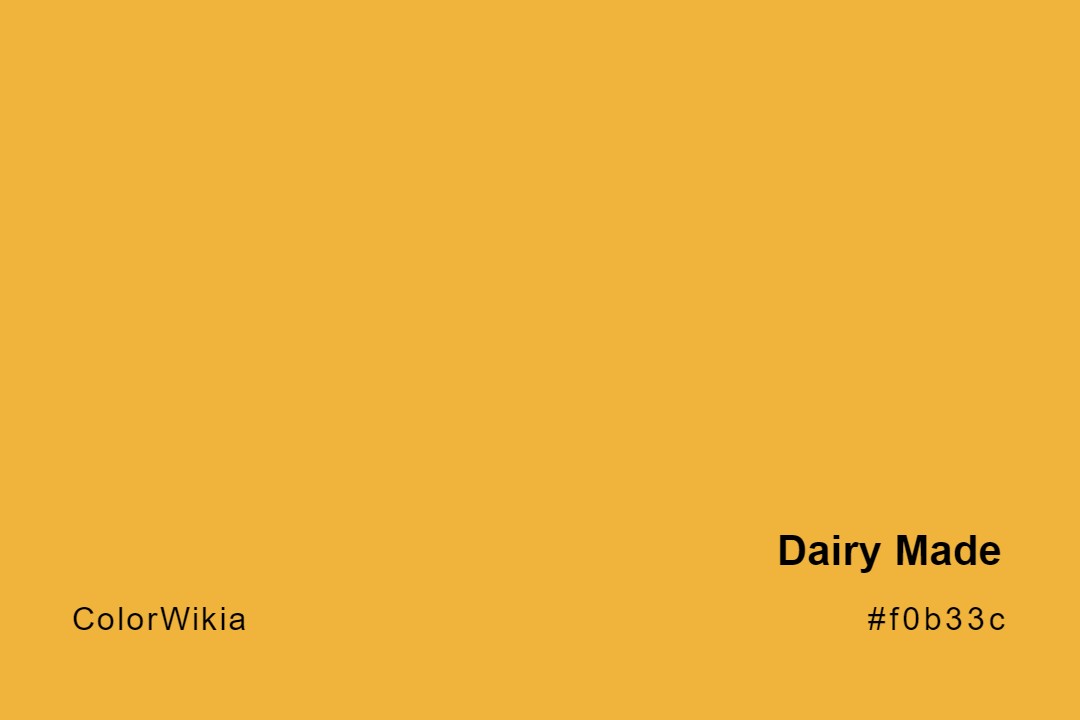
#f0b33c
Dairy Made
#edd2a4
Dairy Cream
#ffcdb9
Dainty Peach
#decfbb
Dainty Lace
#e9dfe5
Dainty Flower
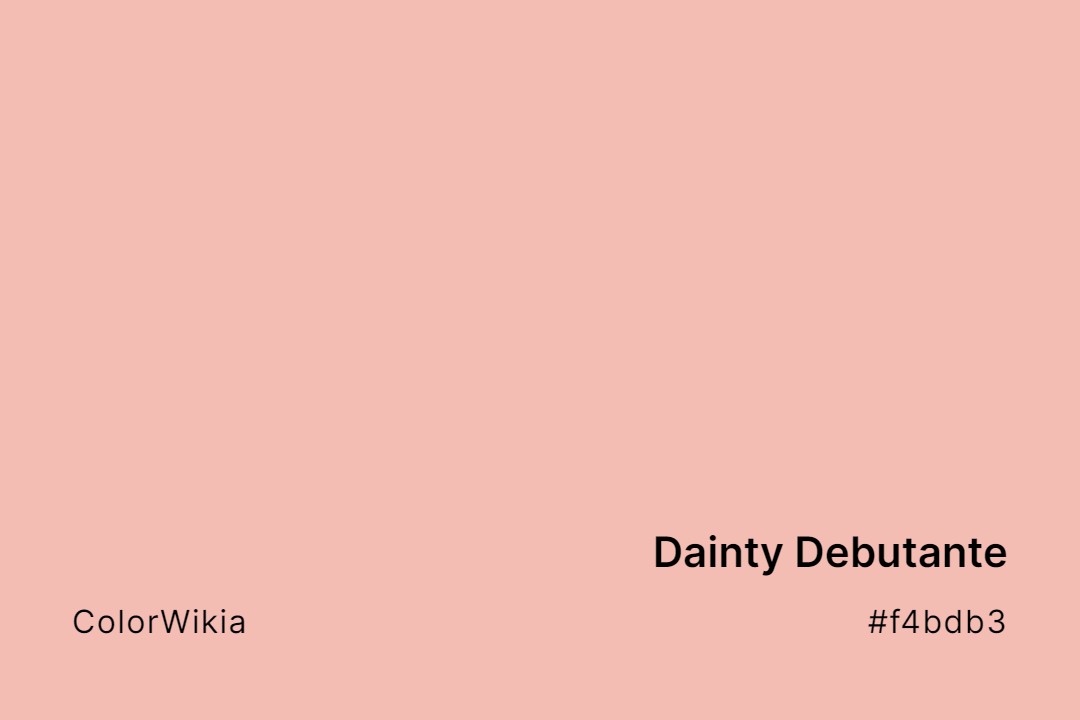
#f4bdb3
Dainty Debutante
#fdc592
Dainty Apricot
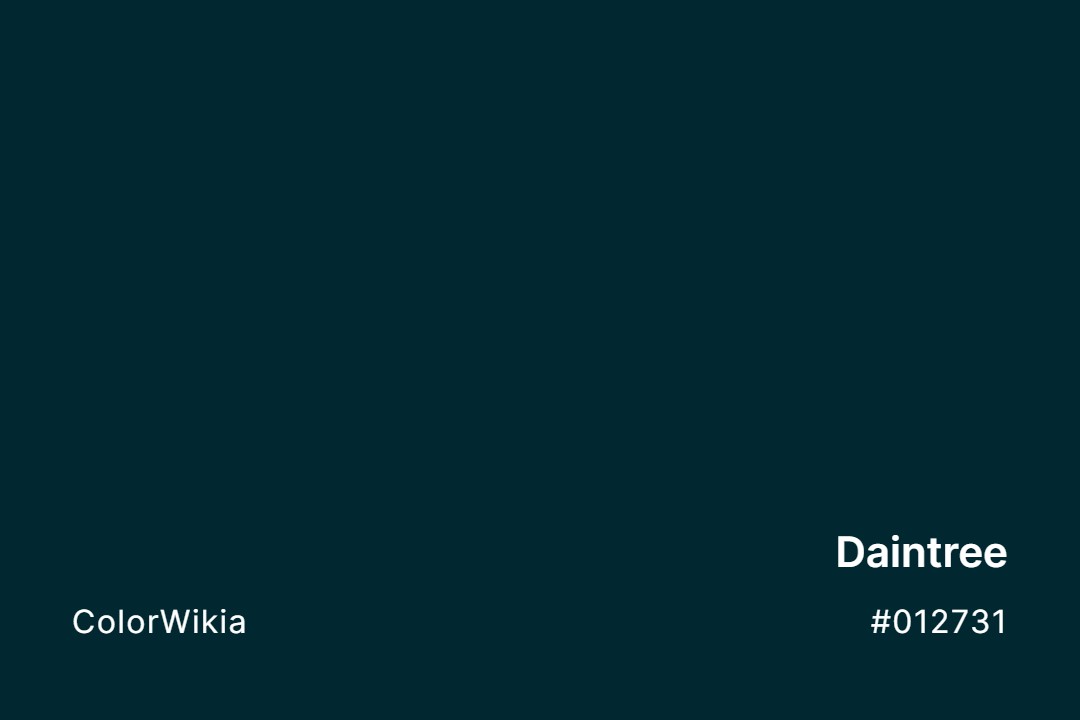
#012731
Daintree
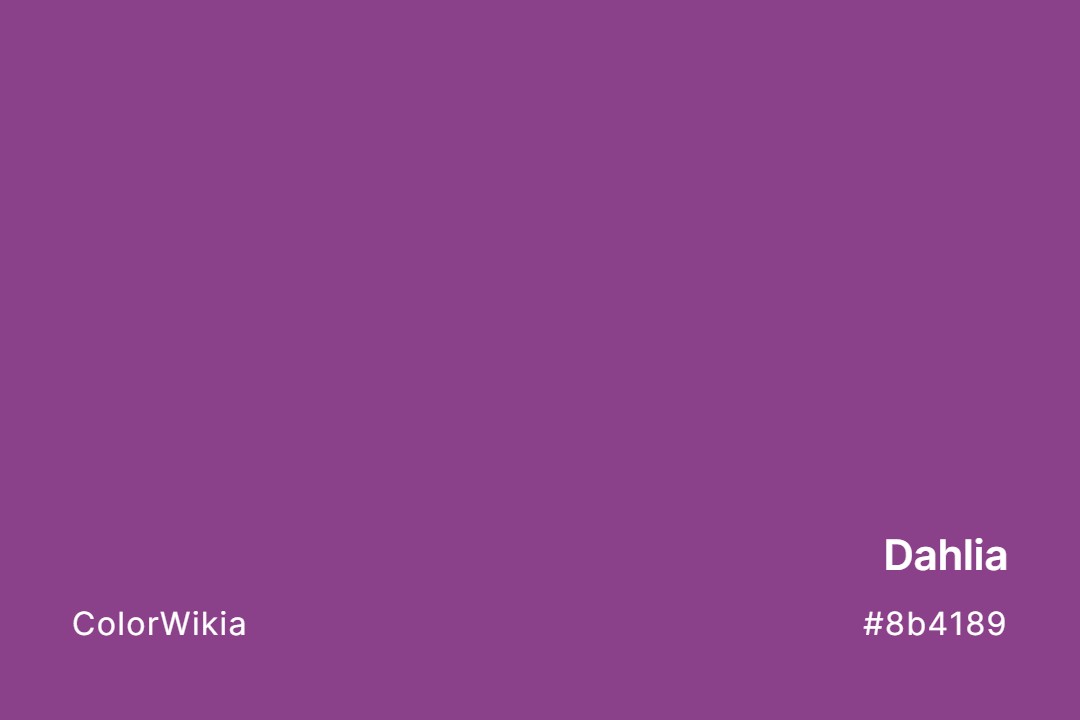
#8b4189
Dahlia
#8774b0
Dahlia Purple
#b05988
Dahlia Mauve
#f8bbd3
Dahlia Delight
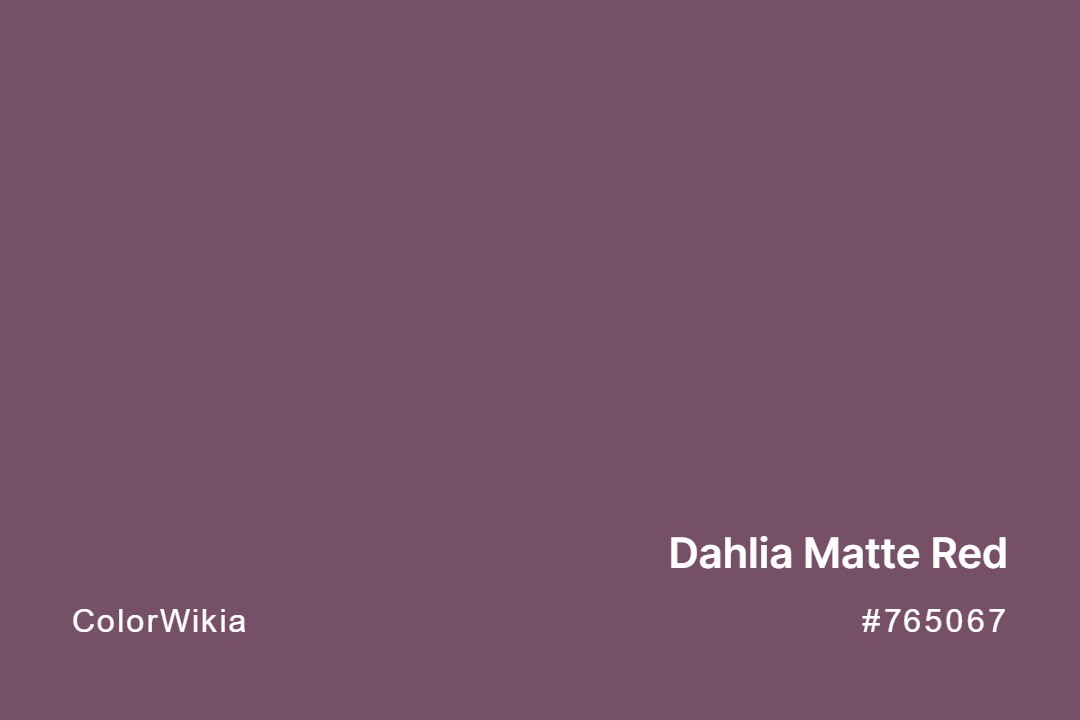
#765067
Dahlia Matte Red
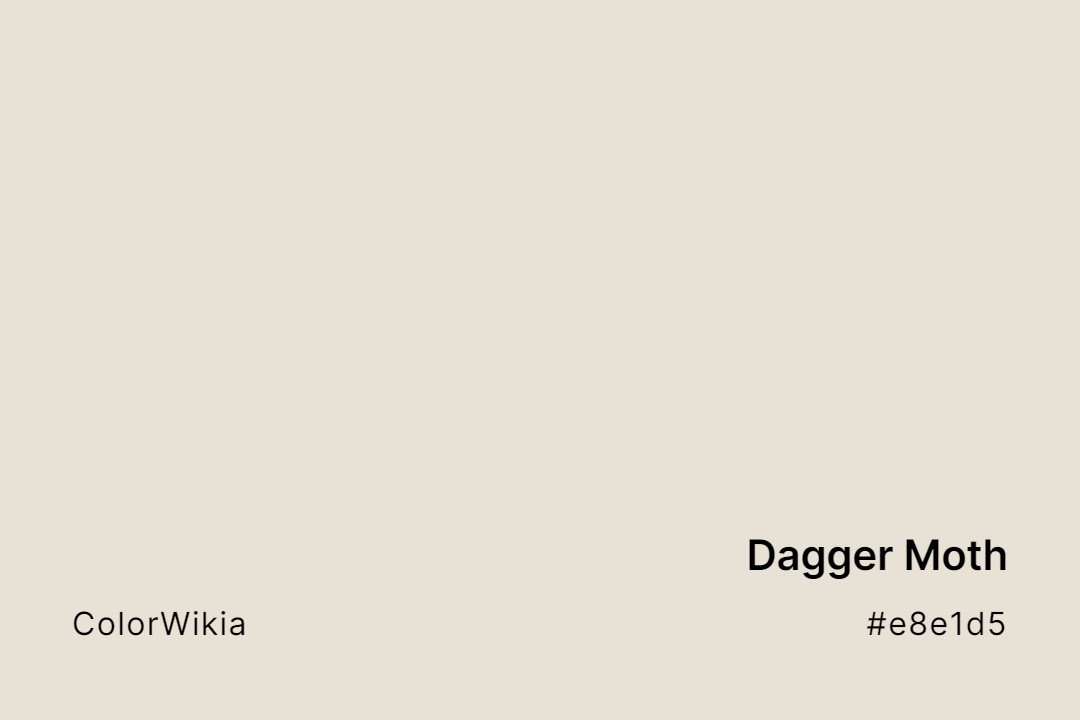
#e8e1d5
Dagger Moth
#ffff31
Daffodil
#ffe285
Daffodil Yellow
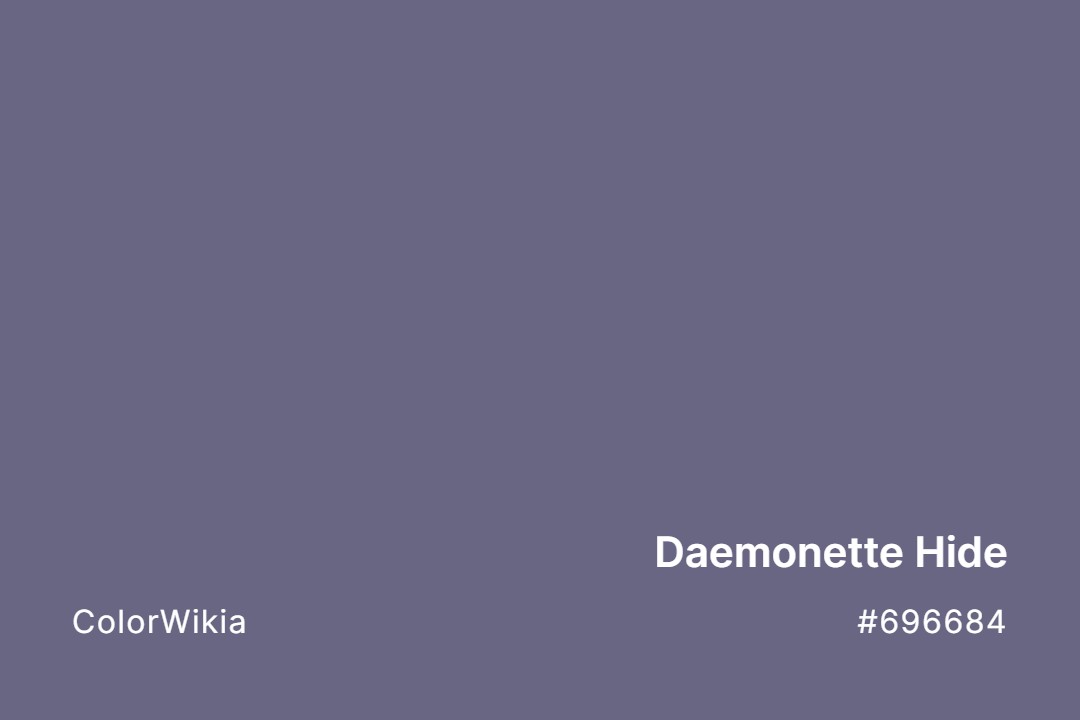
#696684
Daemonette Hide
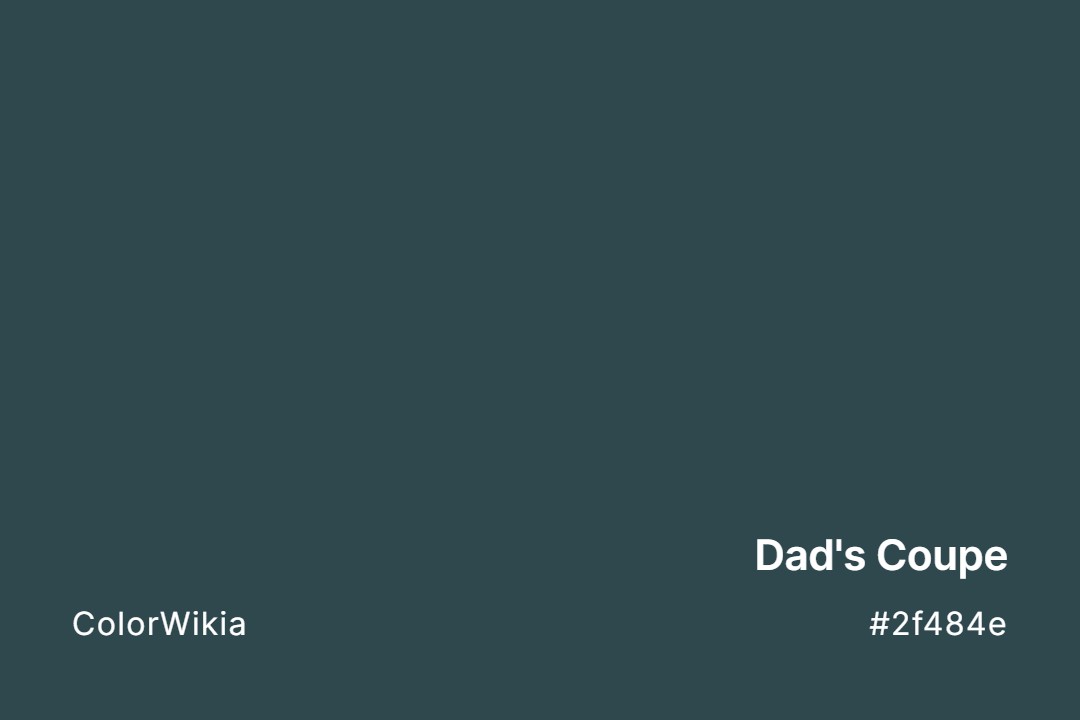
#2f484e
Dad’s Coupe
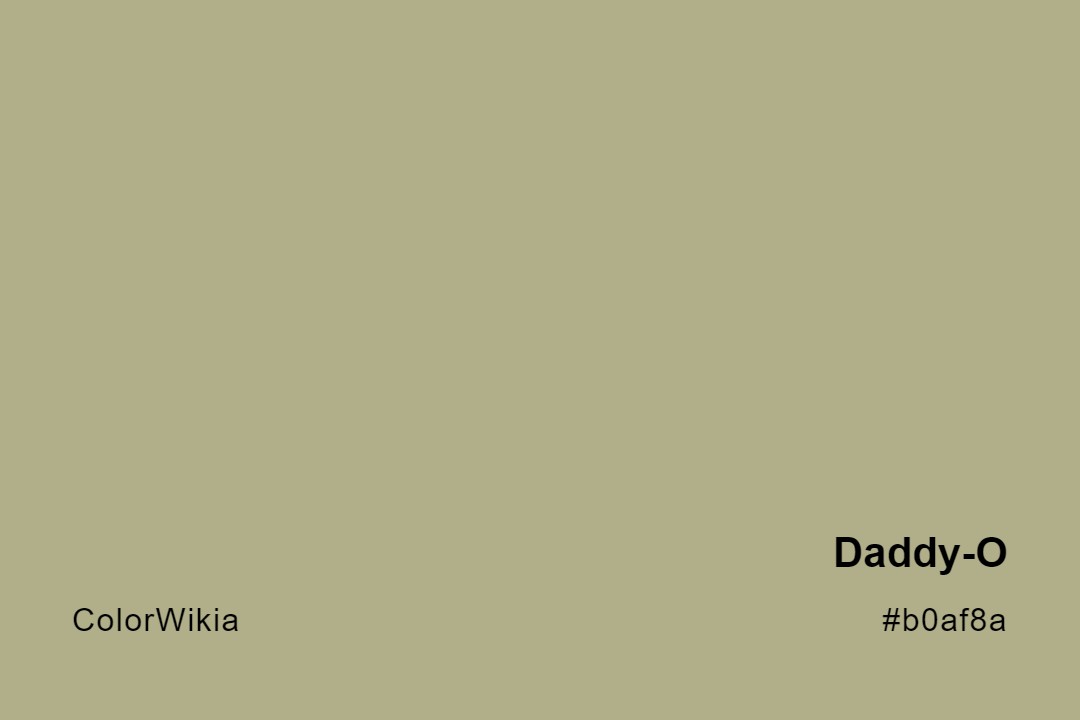
#b0af8a
Daddy-O
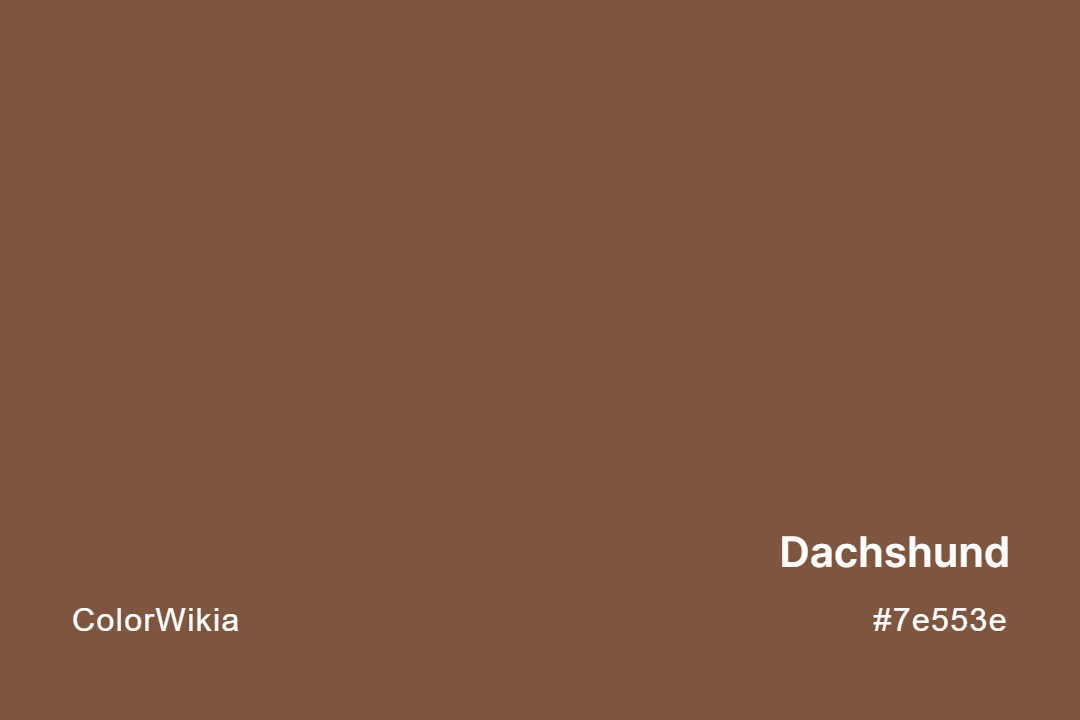
#7e553e
Dachshund
#aa6179
Daah-Ling
#516172
Da Blues
#030764
D. Darx Blue
#dec9a9
Czech Bakery
#775859
Czarina
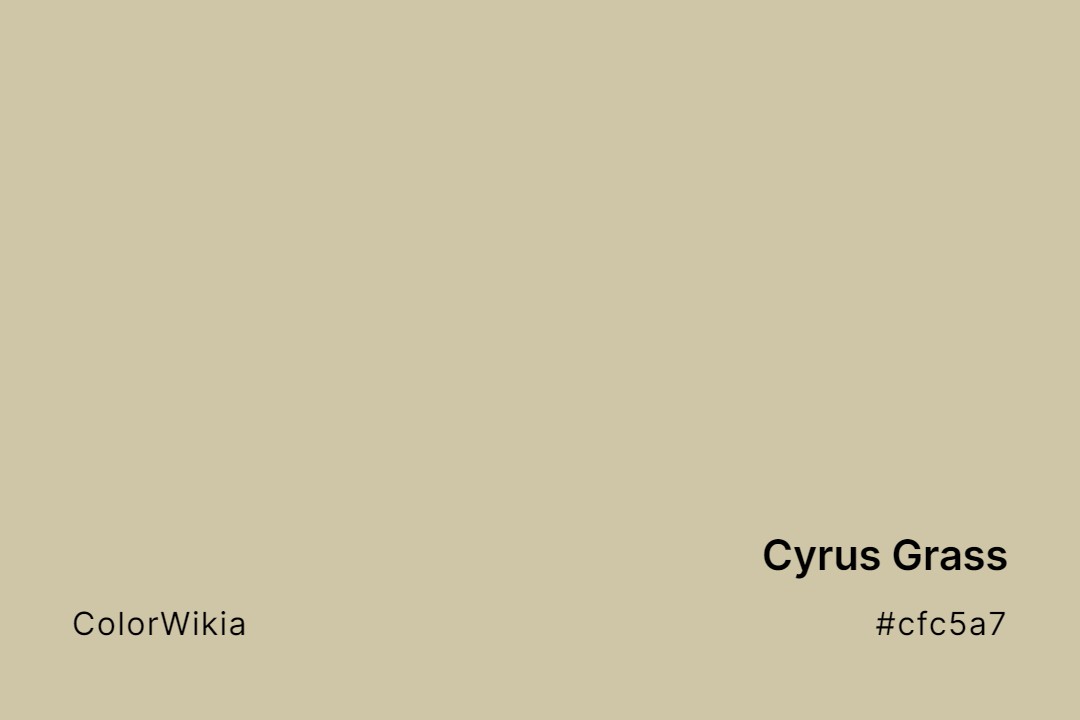
#cfc5a7
Cyrus Grass
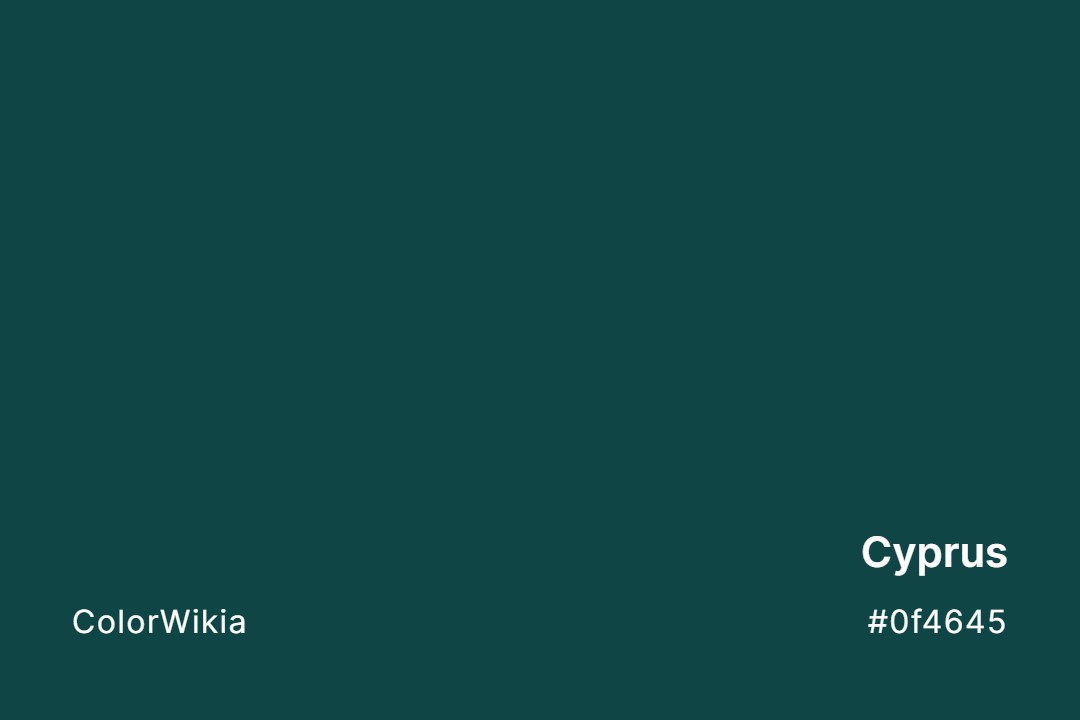
#0f4645
Cyprus
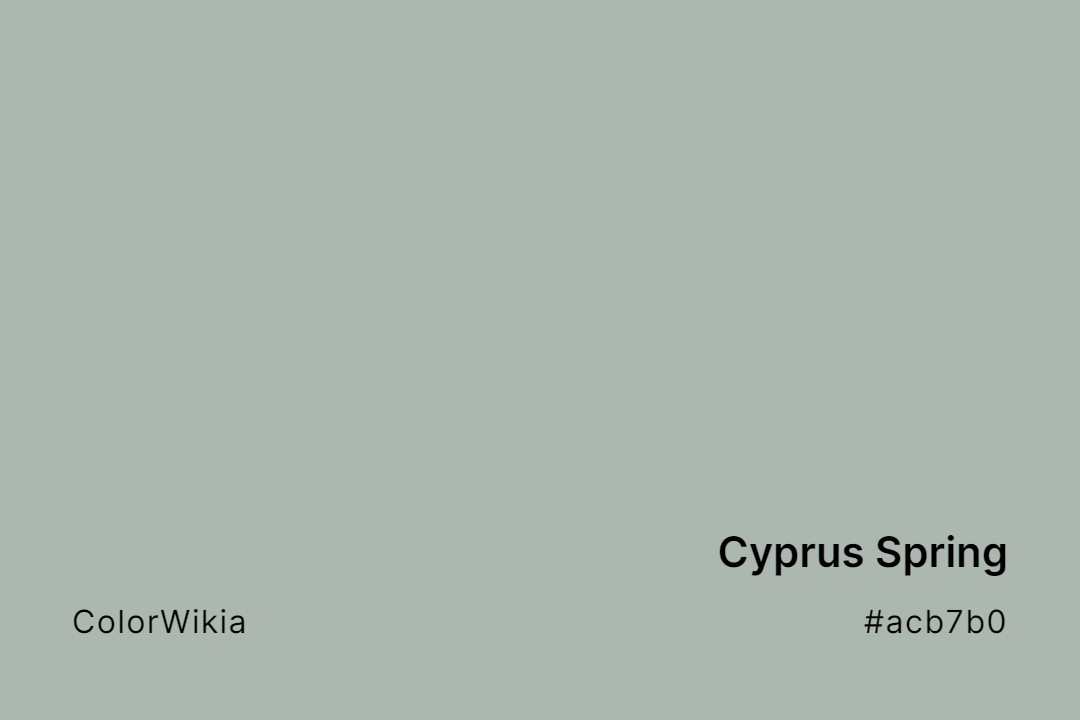
#acb7b0
Cyprus Spring
#585d40
Cypress
#5e6552
Cypress Vine
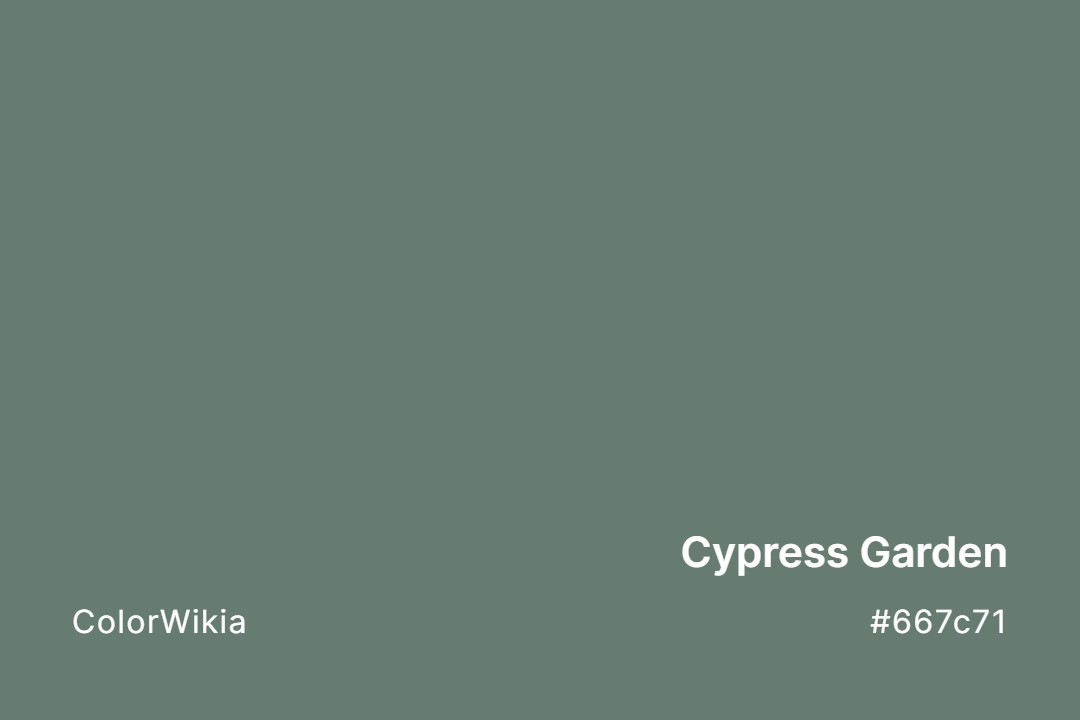
#667c71
Cypress Garden
#6f3028
Cypress Bark Red
#6a7786
Cypress Grey Blue
#f3e4a7
Cymophane Yellow
#d687ba
Cyclamen
#44484d
Cyberspace
#ff2077
Cyberpink
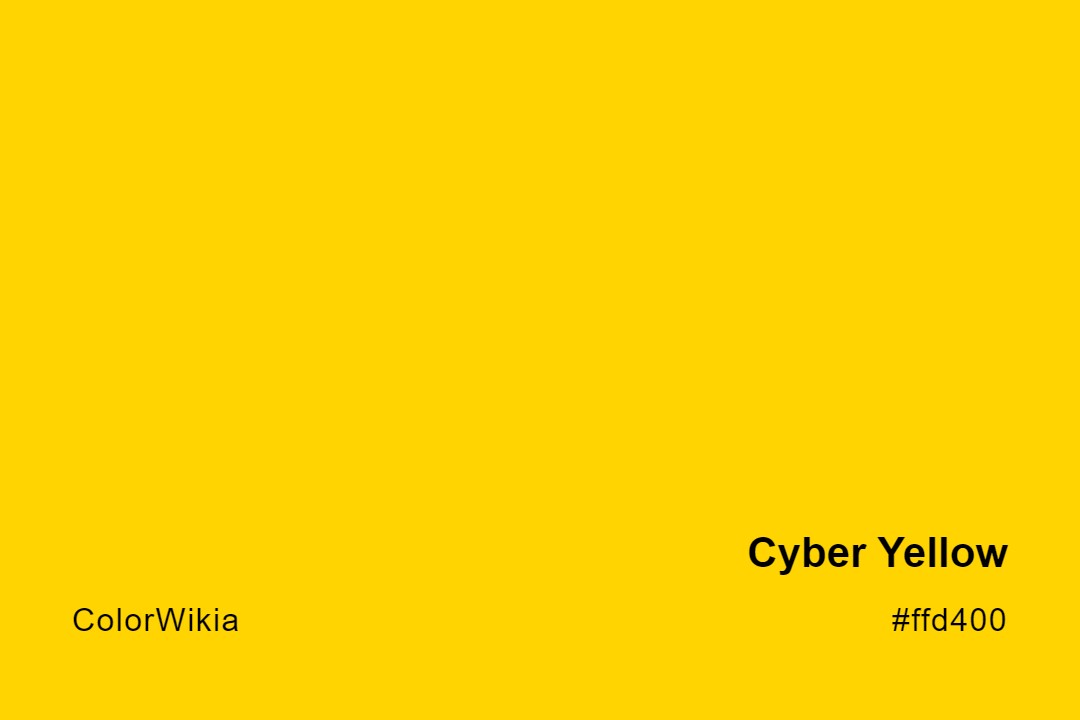
#ffd400
Cyber Yellow
#e6e6fa
Cyber Lavender
#58427c
Cyber Grape
#00b7eb
Cyanite
#779080
Cyanara
#0ff0fe
Cyan
#4e82b4
Cyan Azure
#188bc2
Cyan Cornflower Blue
#5c8173
Cutty Sark
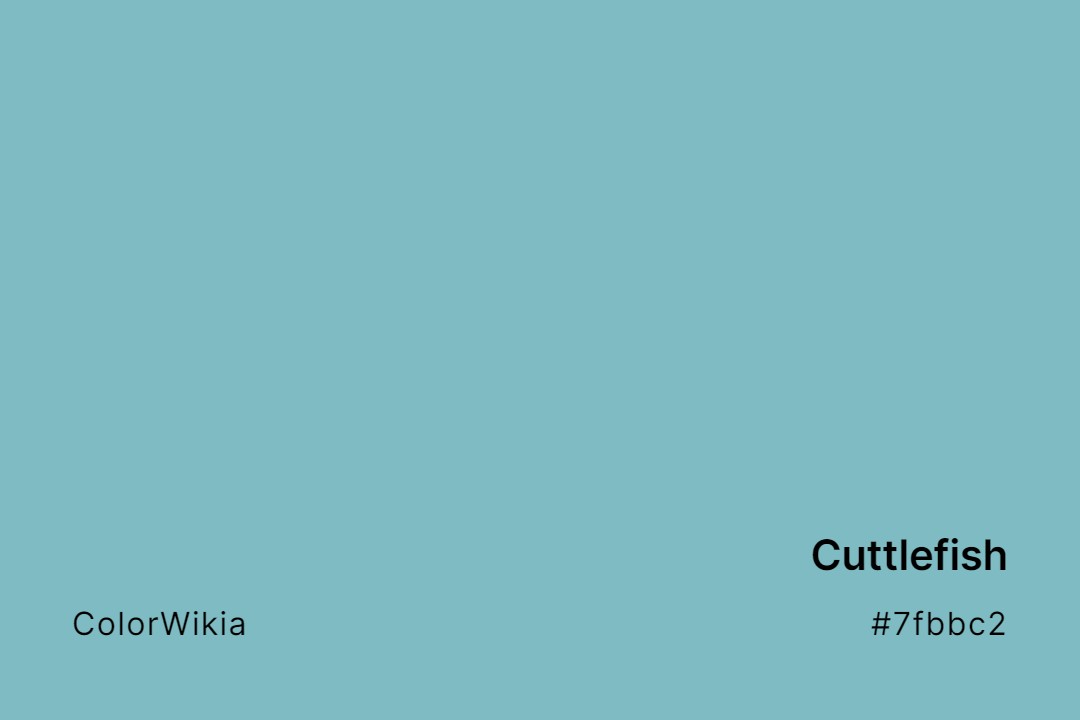
#7fbbc2
Cuttlefish
#f4dda5
Cutlery Polish
#e3a49a
Cuticle Pink
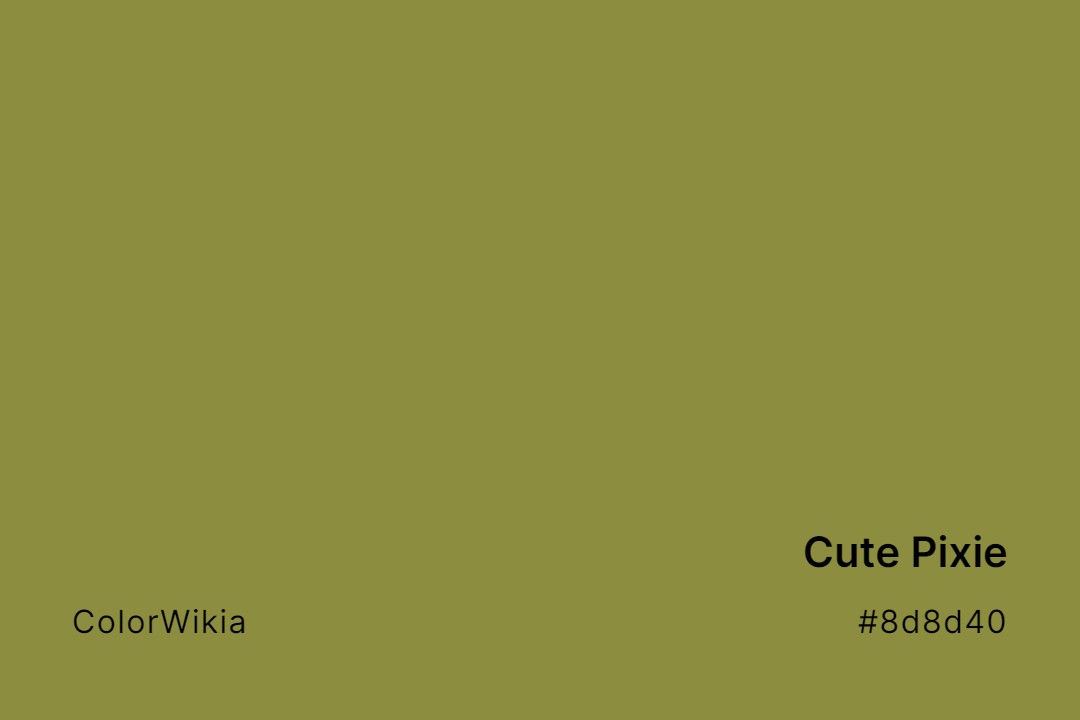
#8d8d40
Cute Pixie
#dd4444
Cute Crab
#f4e2e1
Cute Little Pink
#b391c8
Cut Velvet
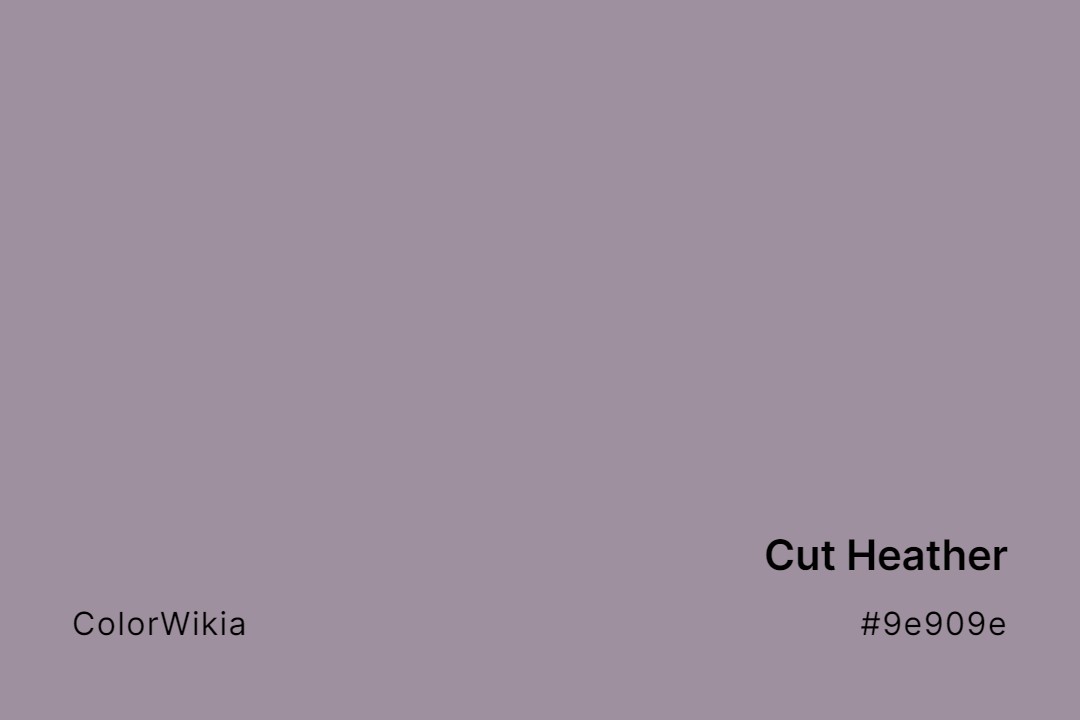
#9e909e
Cut Heather
#ba7f38
Cut the Mustard
#bc914d
Cut of Mustard
#fffd78
Custard
#fceeae
Custard Puff
#f8dcaa
Custard Powder
#fbefd0
Custard Cream
#c1c8af
Cushion Bush
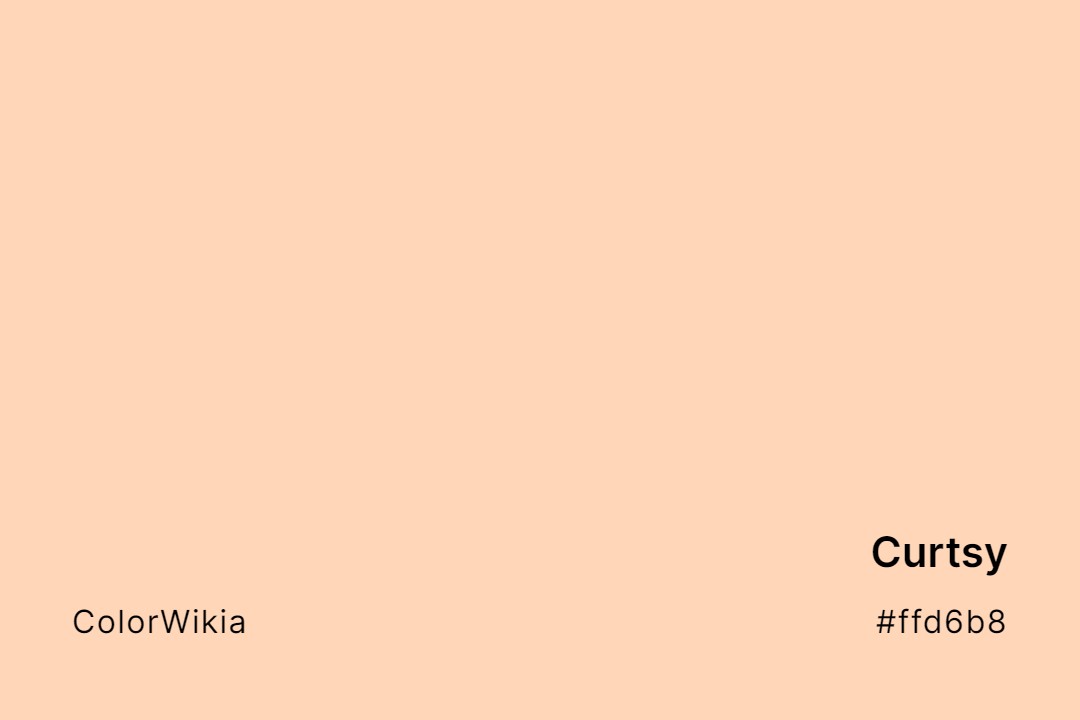
#ffd6b8
Curtsy
#70666a
Curtain Call
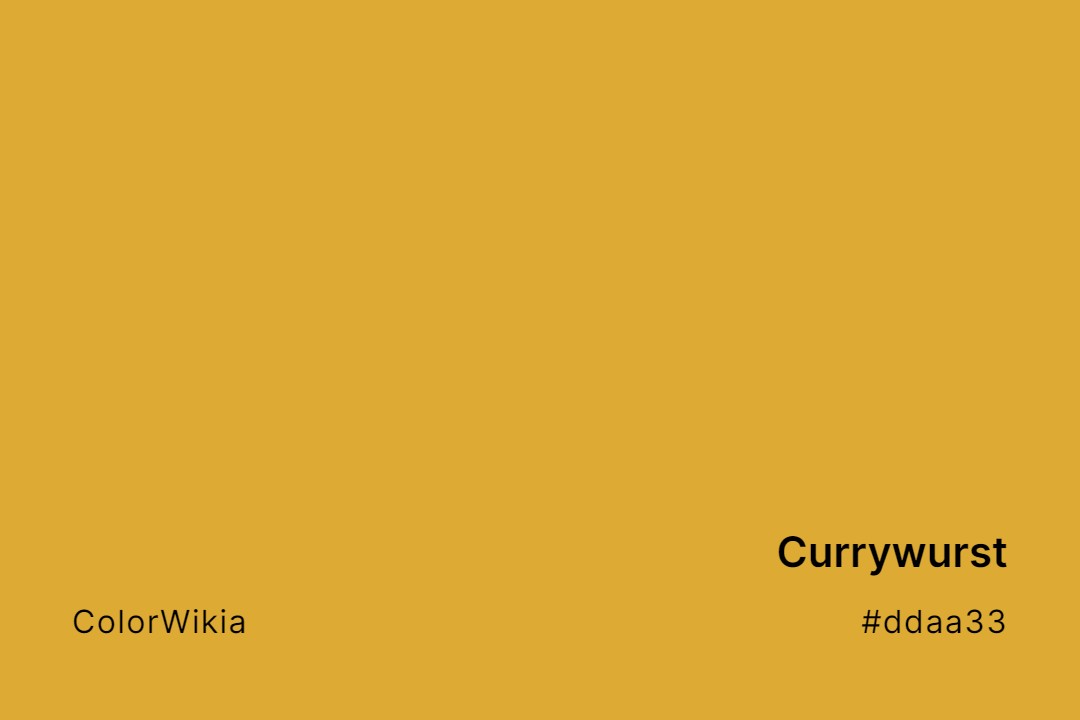
#ddaa33
Currywurst
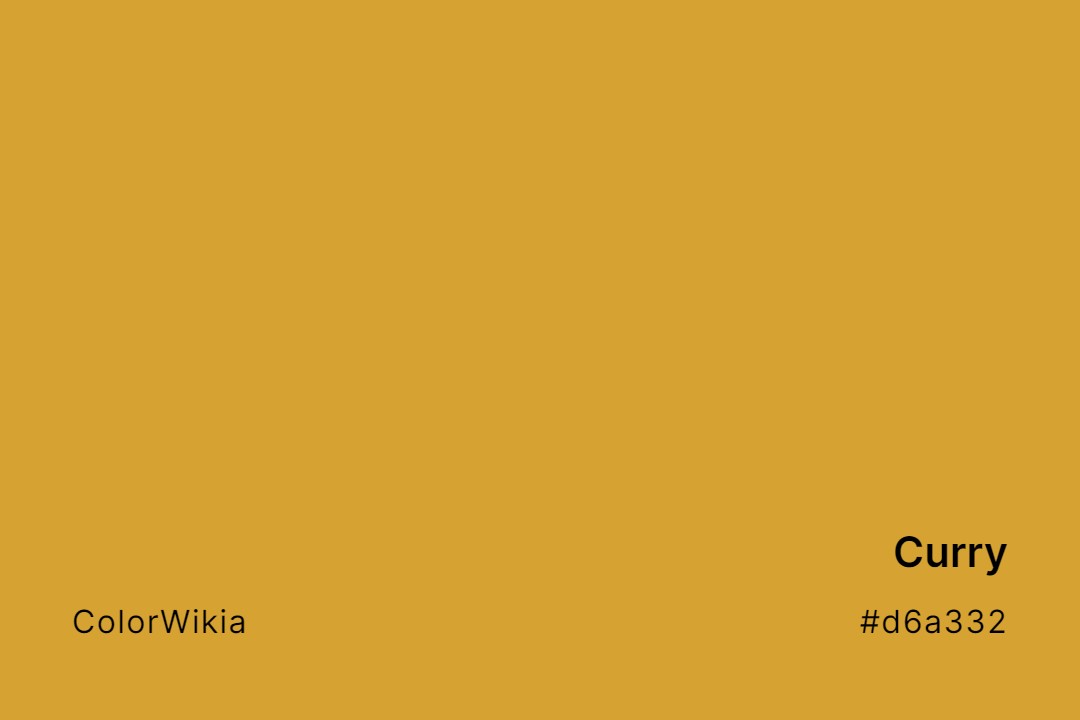
#d6a332
Curry
#be9e6f
Curry Sauce
#cc6600
Curry Powder
#f5b700
Curry Bubbles
#845038
Curry Brown
#553e51
Currant Violet
#884a50
Currant Jam
#b1a387
Curly Willow
#d8c8be
Curly Maple
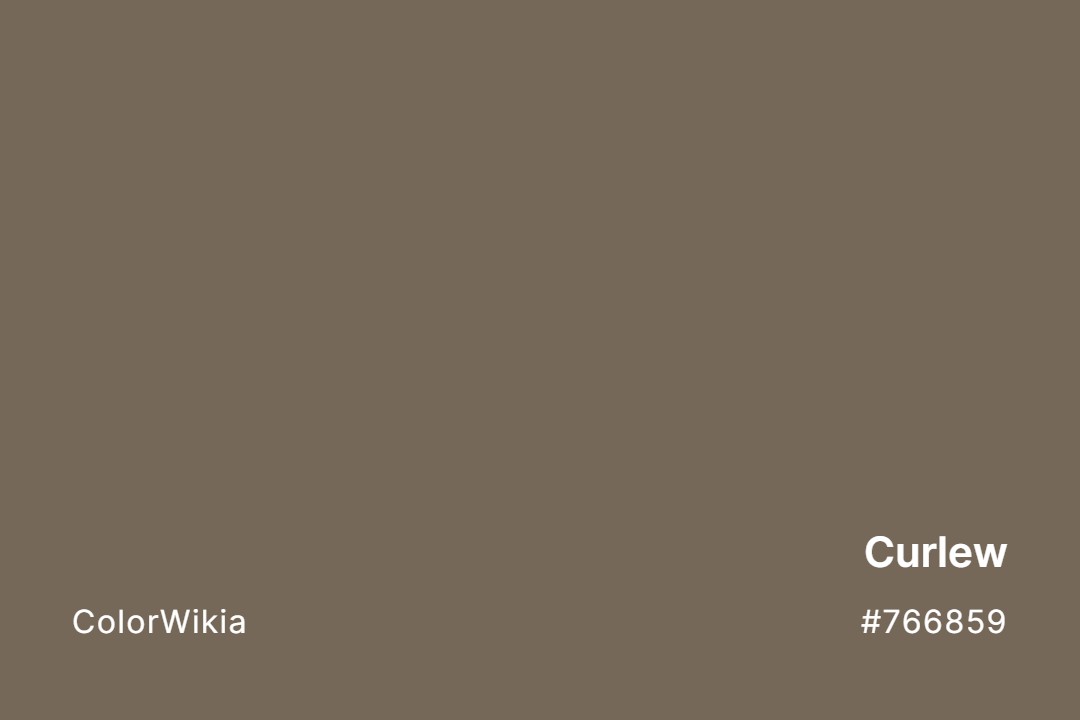
#766859
Curlew
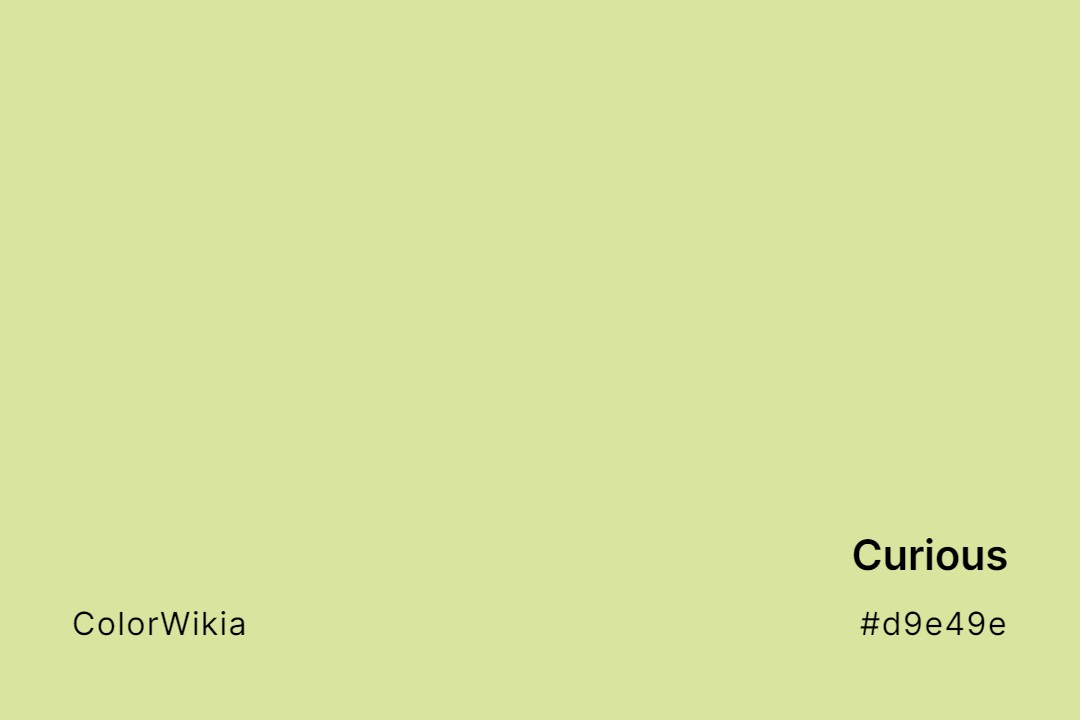
#d9e49e
Curious
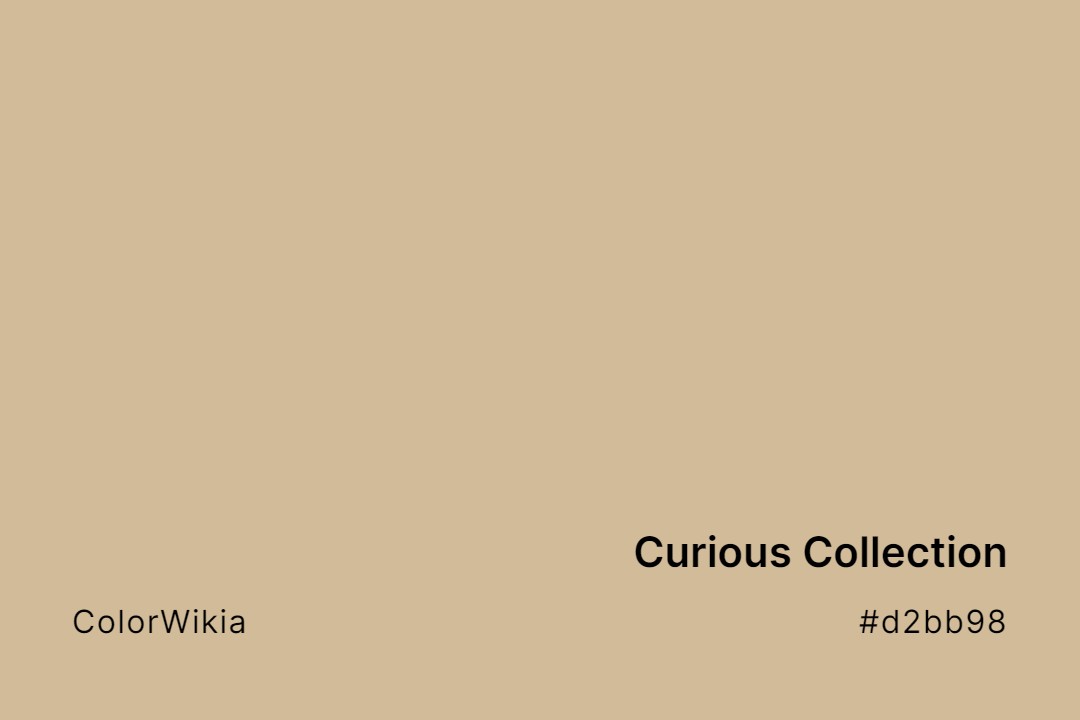
#d2bb98
Curious Collection
#dabfa4
Curious Chipmunk
#d3d8d2
Curio
#988977
Curio Brown
#380835
Cured Eggplant
#aa6988
Cure All
#b59c76
Curds & Whey
#bca483
Curds and Whey
#f8e1ba
Curd
#a6a6b6
Curated Lilac




































The language of color can become confusing because everyday speech and color theory do not always use the word shade in exactly the same way. A page about color shades may describe a whole group of related colors, while the technical definition of a shade refers specifically to a hue made darker with black.
That difference matters when you compare taupe color shades, rust shades, or any other color family. The names people use are practical labels, while color systems provide more precise ways to describe the underlying values.
Understanding the difference between shade, tint, tone, and hue makes it easier to talk about color accurately. It also explains why one named color can have several related variations.
What Is a Color Shade?
In strict color theory, a shade is a hue with black added. Adding black lowers the lightness and produces a darker version of the starting color. A red can move toward burgundy, for example, while a blue can move toward navy.
In everyday language, people use shade more broadly. A search for “different shades of blue” may include lighter, darker, muted, and named variations that are not technically shades under the narrow definition.
That broader usage is common in design, retail, fashion, and online color references. It is also why color shade pages usually cover a family of related colors rather than only mixtures created by adding black.
The distinction is useful because it separates technical color terminology from the way people normally describe color families.
Shade, Tint, Tone, and Hue
These four terms describe different relationships between colors.
- Hue refers to the pure color position itself, such as red, blue, green, or yellow.
- Tint is a hue with white added, producing a lighter version such as pink from red.
- Shade is a hue with black added, producing a darker version such as burgundy from red.
- Tone is a hue with gray added, reducing saturation and muting the color.
The distinctions become useful when you need to describe why two colors look different. A pale blue may be a tint, while a dusty blue may be a tone and a navy blue may be a shade.
These terms can also be used together when discussing a larger color family. A named color may be lighter than the base color, darker than it, or more muted without fitting neatly into one everyday category.
How Digital Color Systems Describe Shades
Digital color systems make these relationships easier to quantify. RGB describes a color by the amount of red, green, and blue light used to create it, while HSL separates the color into hue, saturation, and lightness.
Hex codes provide a compact representation of RGB values. A six-character code such as #DC143C can identify crimson in a digital interface, but the number does not tell you where the color name originally came from or whether a physical pigment uses the same formulation.
In HSL, reducing lightness while holding hue and saturation constant moves a color toward a darker digital version. Raising lightness moves it toward a lighter version, while reducing saturation creates a more muted result.
This distinction is important when working with digital color. A color name can provide a useful visual reference, but a hex code gives you a specific digital value.
How Color Shade Names Develop
Color names often come from things people recognize. Taupe refers to the mole, while rust takes its name from corroded iron. Other names come from materials or places, including copper, terracotta, mahogany, sienna, and umber.
Language can preserve those histories even after a color becomes a digital swatch. Khaki color shades provide another example because the word traces back to a Hindustani term connected with dust and earth.
Commercial color naming adds another layer. Paint makers, textile companies, standards groups, and digital platforms may assign different names to closely related colors, so one shade does not always have one universal label.
This is one reason color names can feel inconsistent. A name can describe a recognizable visual family without pointing to one universal digital value.
Color Standards and Shade Codes
Professional color systems exist because names alone are too vague for precise reproduction. The Pantone Matching System assigns numbered references to color formulations, while systems such as Munsell describe colors using hue, value, and chroma.
The Natural Color System uses a different framework based on color perception. These systems serve different purposes, but they share the same practical goal. A numeric reference can communicate more precisely than a word such as “blue” or “green.”
That is also why a page listing color codes should distinguish between a named color, a standardized reference, and an ordinary digital hex value.
A hex code is useful for digital work, but it should not automatically be treated as a universal definition of a named color. The context behind the color reference matters.
Major Color Families and Their Shades
Every broad color family branches into many named variations. The examples below show how familiar shade names sit within larger groups.
| Color Family | Popular Shade | Hex Code |
| Red | Crimson | #DC143C |
| Blue | Navy | #000080 |
| Green | Forest Green | #228B22 |
| Yellow | Gold | #FFD700 |
| Purple | Indigo | #4B0082 |
| Orange | Coral | #FF7F50 |
| Brown | Tan | #D2B48C |
Warm families such as orange and brown include earthy variations such as rust, terracotta, and chocolate. Blue and green branch into names such as navy, teal, forest, and olive.
Neutral families work differently because their boundaries are less obvious. Beige, gray, taupe, and related colors can overlap substantially depending on saturation, lightness, and undertone.
Why named colors can overlap
A useful color family is not always a strict technical category. Two colors can look very similar while carrying different names because the names come from different materials, places, industries, or traditions.
For practical design work, it is often more useful to compare the actual color values than to rely on the name alone.
Frequently Asked Questions
What is the difference between a shade and a tint?
A shade is a darker version created by adding black, while a tint is a lighter version created by adding white.
Is a tone the same as a shade?
No. A tone adds gray and reduces saturation, while a shade adds black and darkens the original hue.
Why does one color have so many shade names?
Different industries, standards groups, companies, and cultures develop names independently. Closely related colors can therefore receive several labels.
How many shades of a color are there?
There is no fixed limit. Digital systems can generate very large numbers of distinct values, while named shades depend on the terms that become widely recognized or useful.