
30,000+ Shades of Color with Names and HEX Code
Explore unique color shades for your website, brand or any project.
#b09f8f

Cuppa Coffee
#dcbc8e
Cupola Yellow
#eedcdf
Cupid’s Revenge
#ff22dd
Cupid’s Eye
#ee6b8b
Cupid’s Arrow
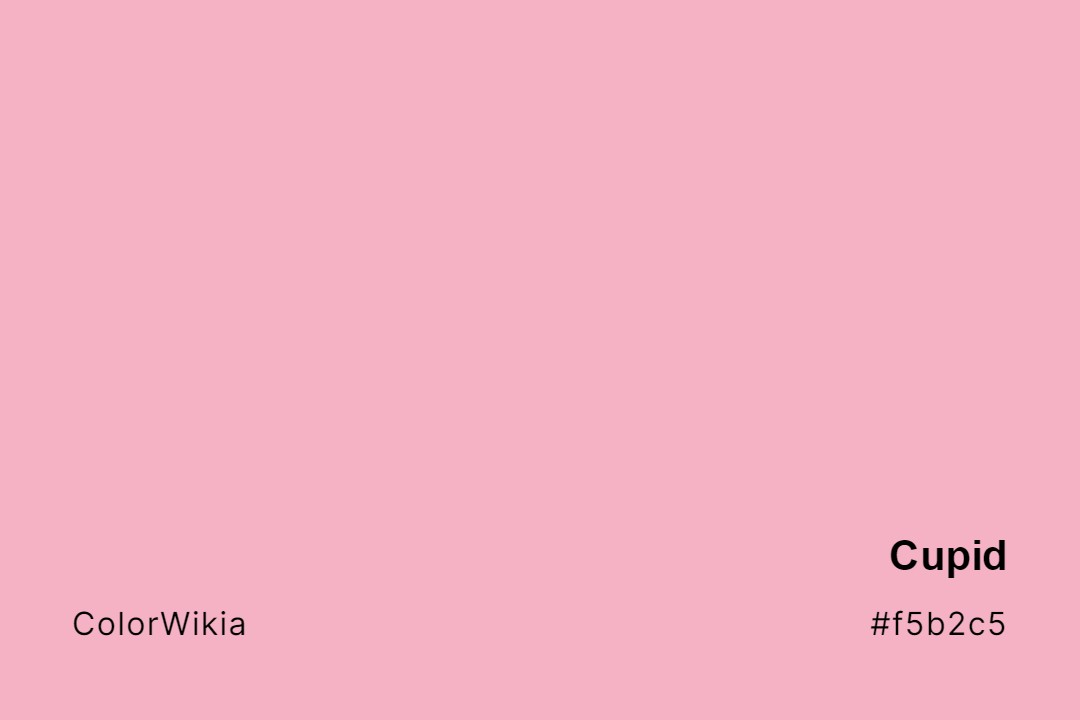
#f5b2c5
Cupid
#f5e2e2
Cupid Arrow
#8a6e53
Cupcake
#e6c7b7
Cupcake Rose
#fedd7d
Cup Noodles
#caae7b
Cup of Tea
#baa087
Cup of Cocoa
#f3f3e6
Cumulus
#b0c6df
Cumulus Cloud
#f19b7d
Cumquat Cream
#695a45
Cummings Oak
#a58459
Cumin
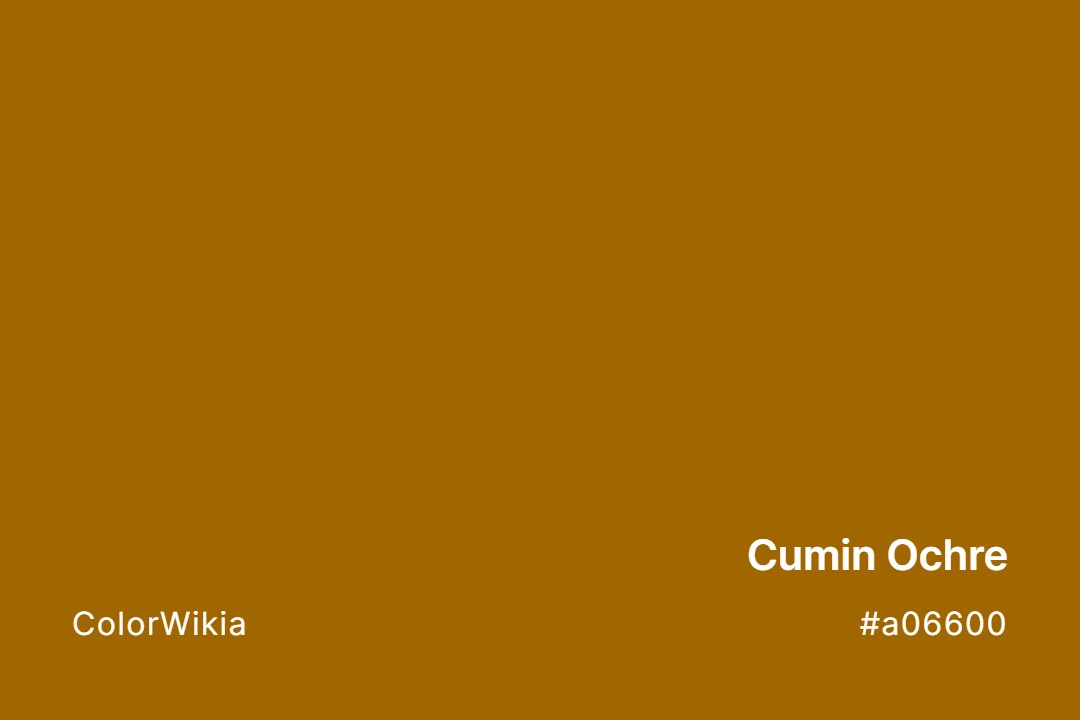
#a06600
Cumin Ochre
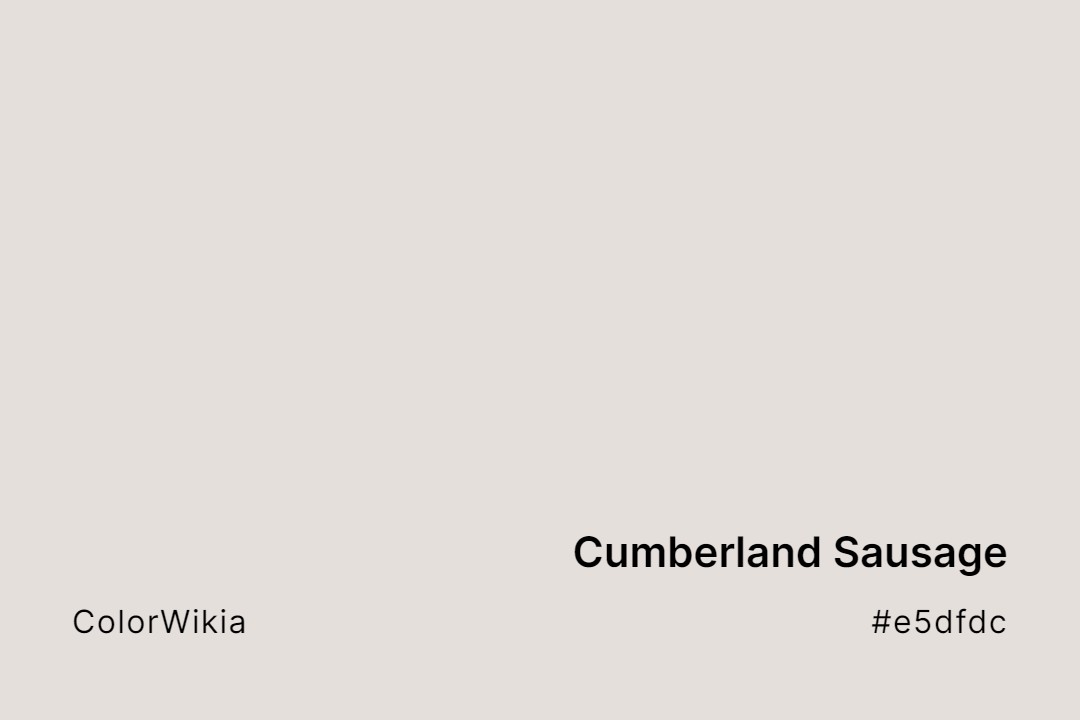
#e5dfdc
Cumberland Sausage
#dadbdf
Cumberland Fog
#f6f4f5
Cultured
#e5867b
Cultured Rose
#e5dcd6
Cultured Pearl
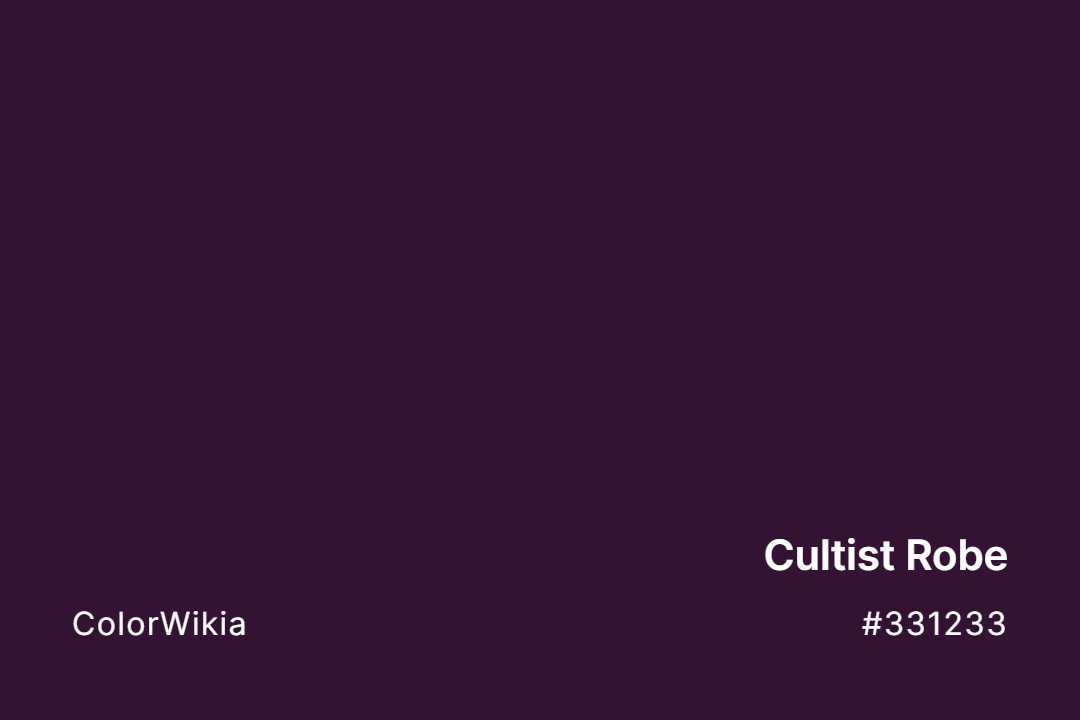
#331233
Cultist Robe
#e69b3a
Culpeo
#fffce4
Cuddly Yarn
#ad8068
Cuddlepot
#bccae8
Cuddle
#9ba373
Cucuzza Verde
#006400
Cucumber
#c2f177
Cucumber Milk
#cdd79d
Cucumber Ice
#a2ac86
Cucumber Crush
#e4ebb1
Cucumber Cream
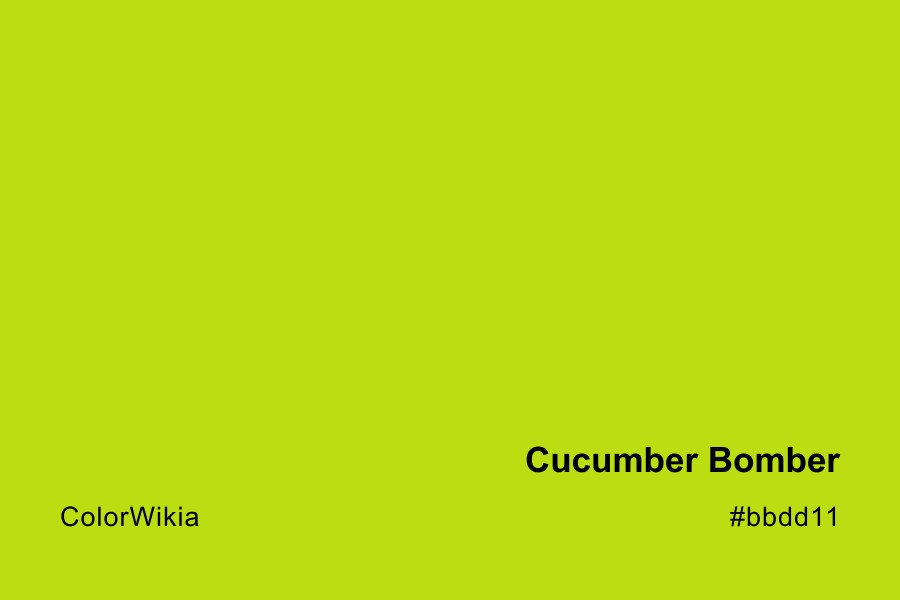
#bbdd11

Cucumber Bomber
#bc9b83
Cuban Sand
#9b555d
Cuban Rhythm
#927247
Cuban Cigar
#73383c
Cuba Libre
#623d3d
Cuba Brown
#6e5c4b
Cub
#4e6341
Cub Scout
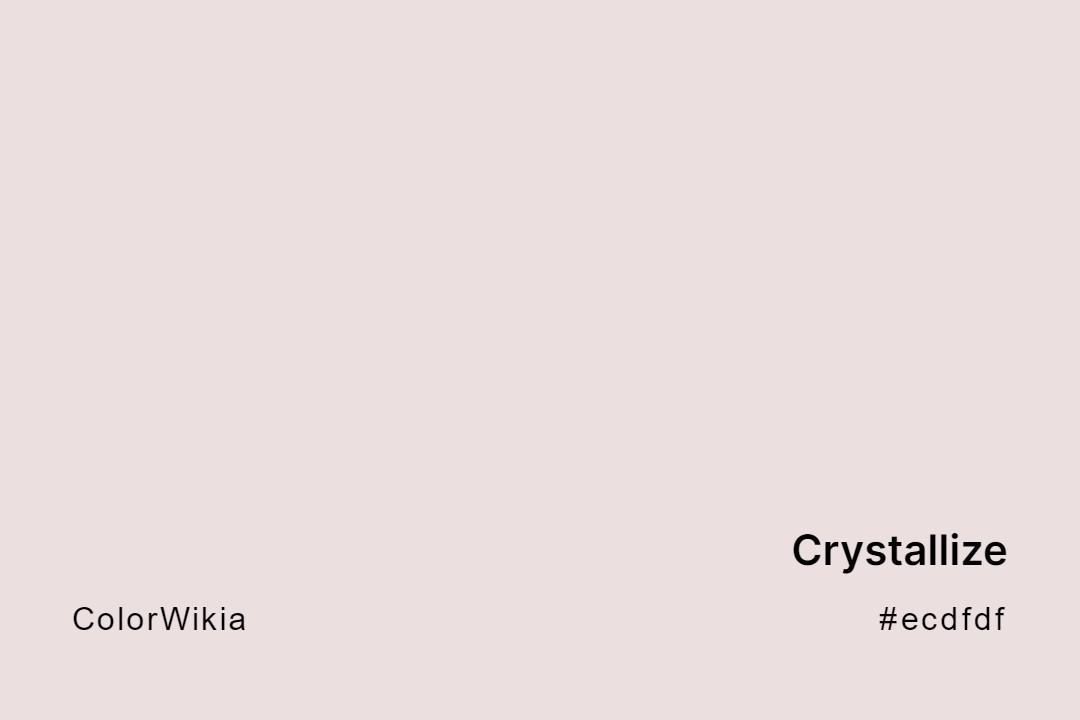
#ecdfdf
Crystallize
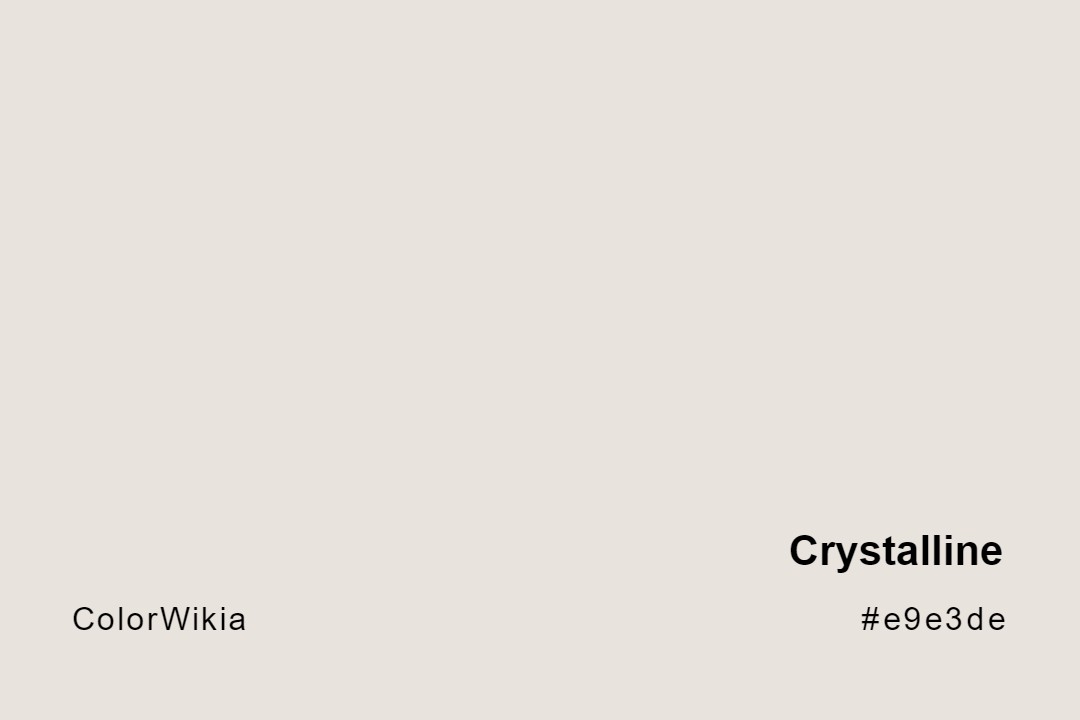
#e9e3de
Crystalline
#d9e6e2
Crystalline Falls
#a7d8de
Crystal
#e4d99f
Crystal Yellow
#b4cedf
Crystal Waters
#5dafce
Crystal Seas
#fdc3c6
Crystal Rose
#b1e2ee
Crystal River
#b2e4d0
Crystal Rapids
#d3cfab
Crystal Palace
#afc7bf
Crystal Oasis
#88b5c4
Crystal Lake
#e7e2d6
Crystal Haze
#ddffee
Crystal Glass
#79d0a7
Crystal Gem
#e1e6f2
Crystal Falls
#f8f4ed
Crystal Cut
#f4e9ea
Crystal Clear
#e4e6dc
Crystal Brooke
#efeeef
Crystal Bell
#dbe2e7
Crystal Bay
#365955
Crystal Ball
#cee9a0
Crystal Apple
#d9e5dd
Crystal Salt White
#6d2c32
Crystal Dark Red
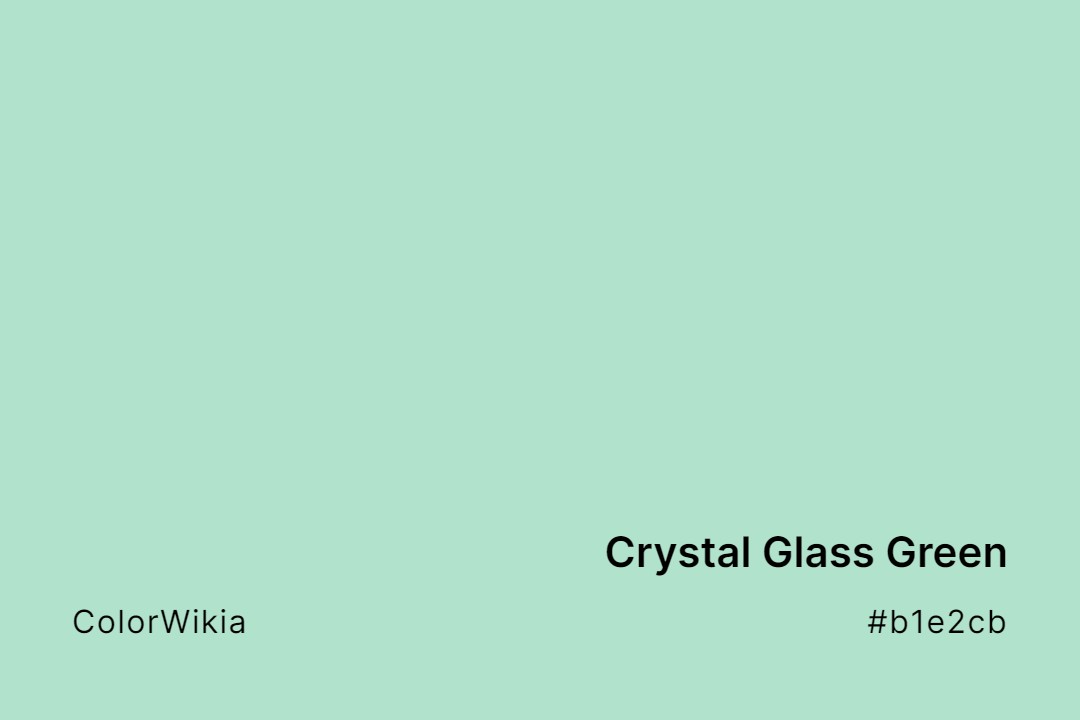
#b1e2cb
Crystal Glass Green
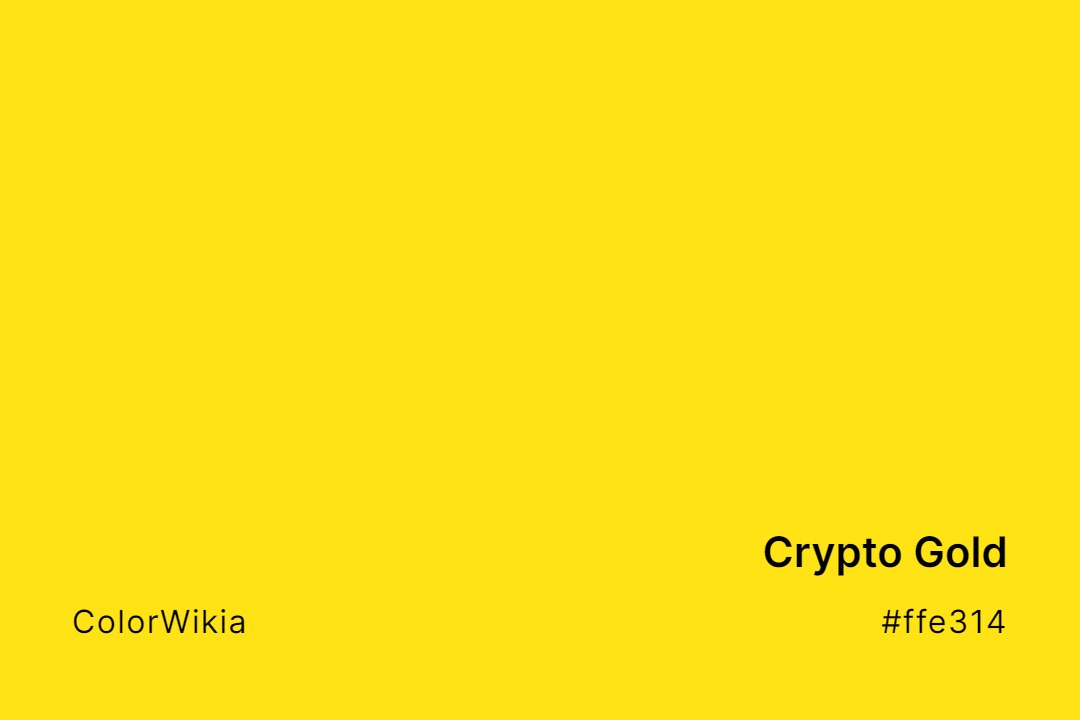
#ffe314
Crypto Gold
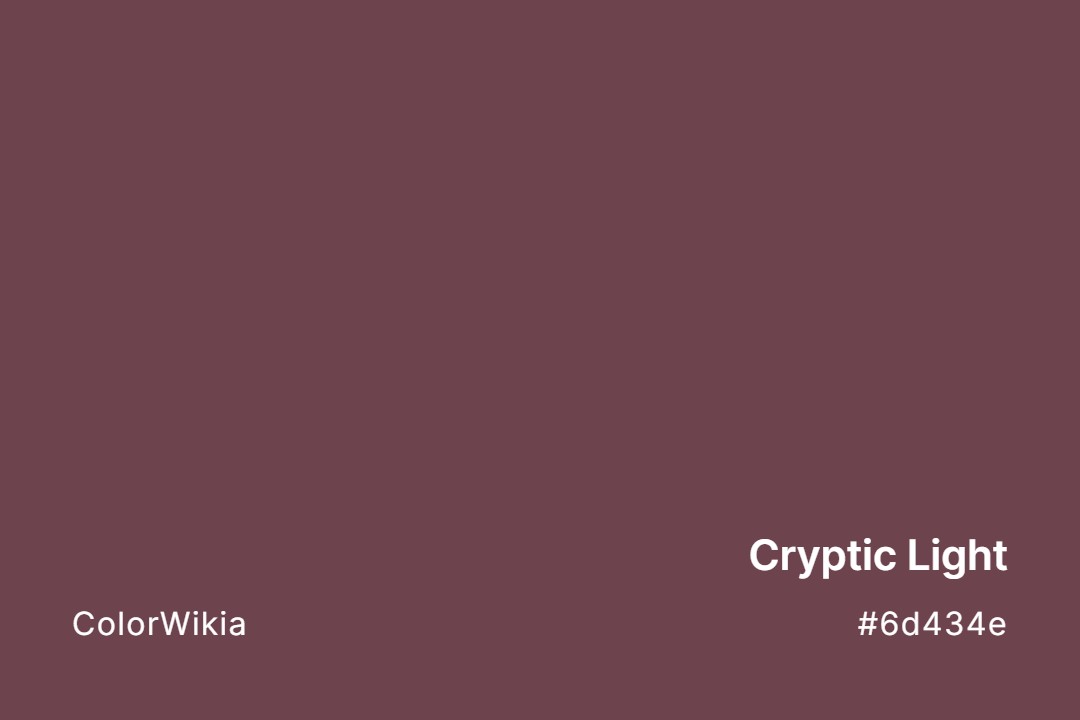
#6d434e
Cryptic Light
#373b40
Crypt
#ddece0
Cryo Freeze
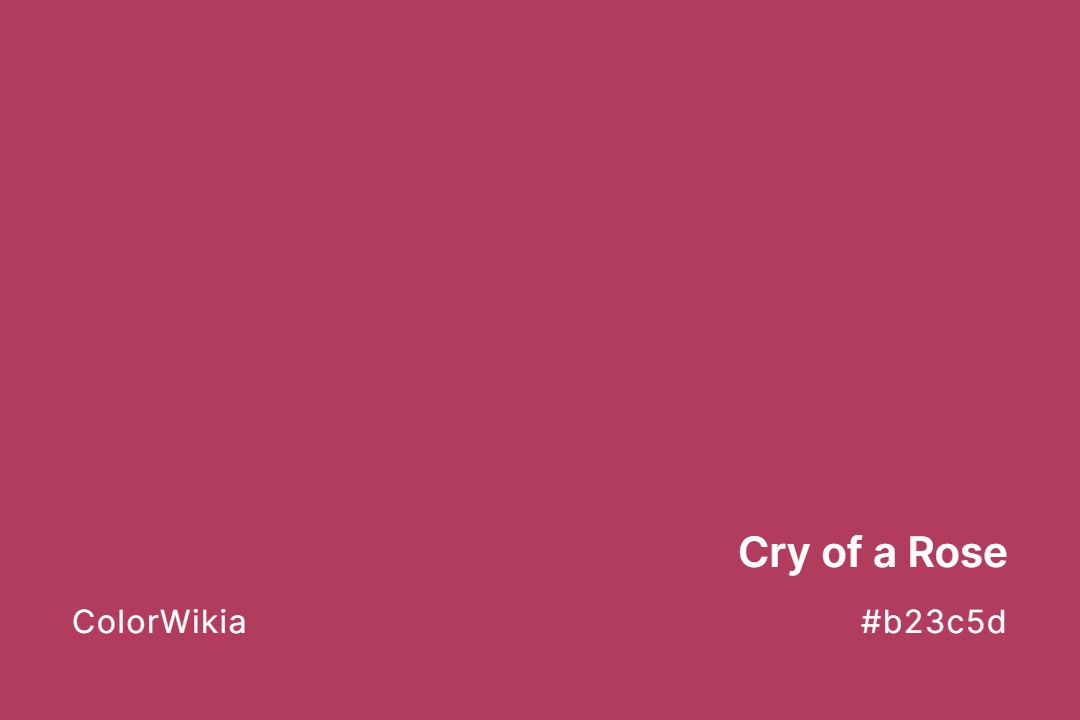
#b23c5d
Cry of a Rose
#427898
Cry Me a River
#c04e01
Crustose Lichen
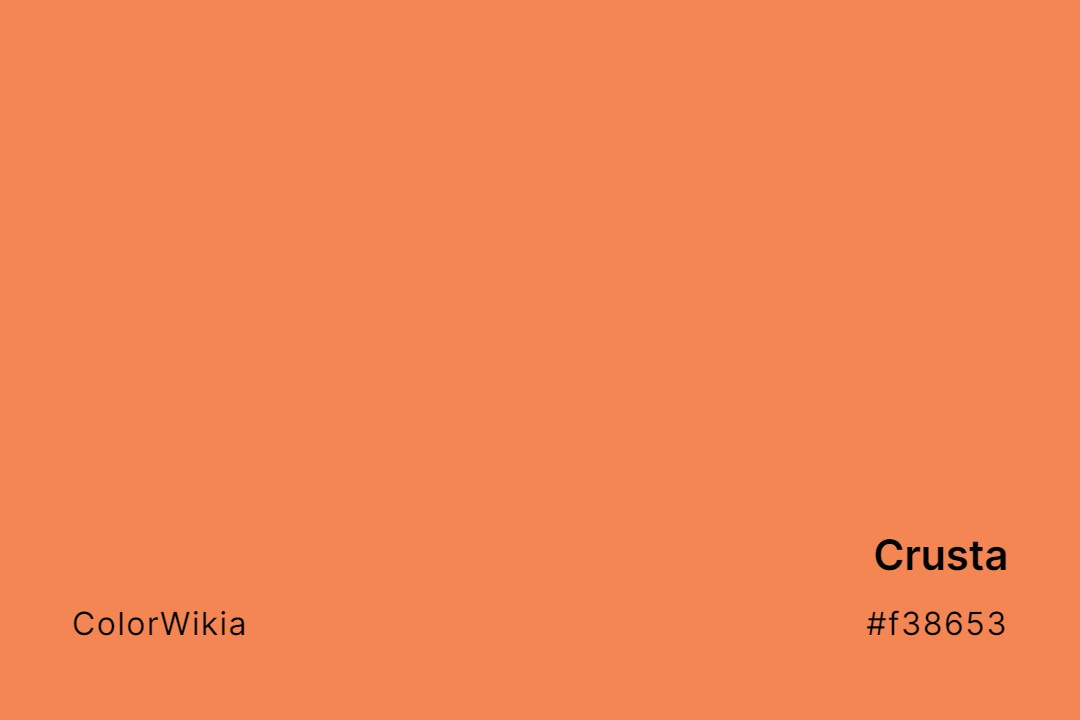
#f38653
Crusta
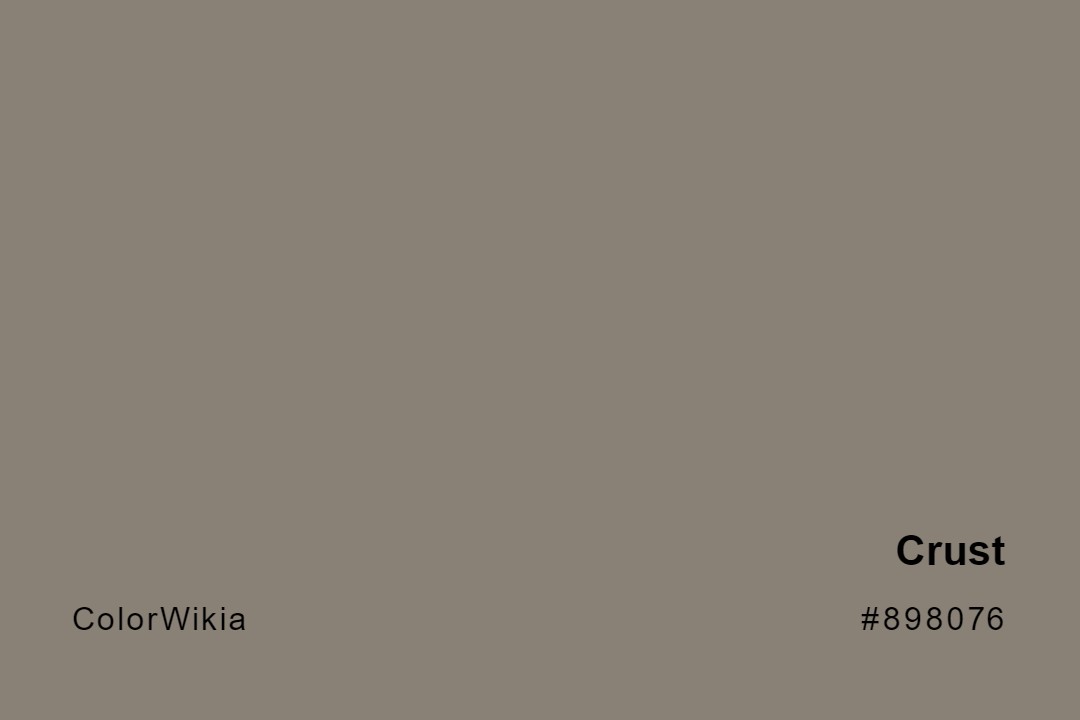
#898076
Crust
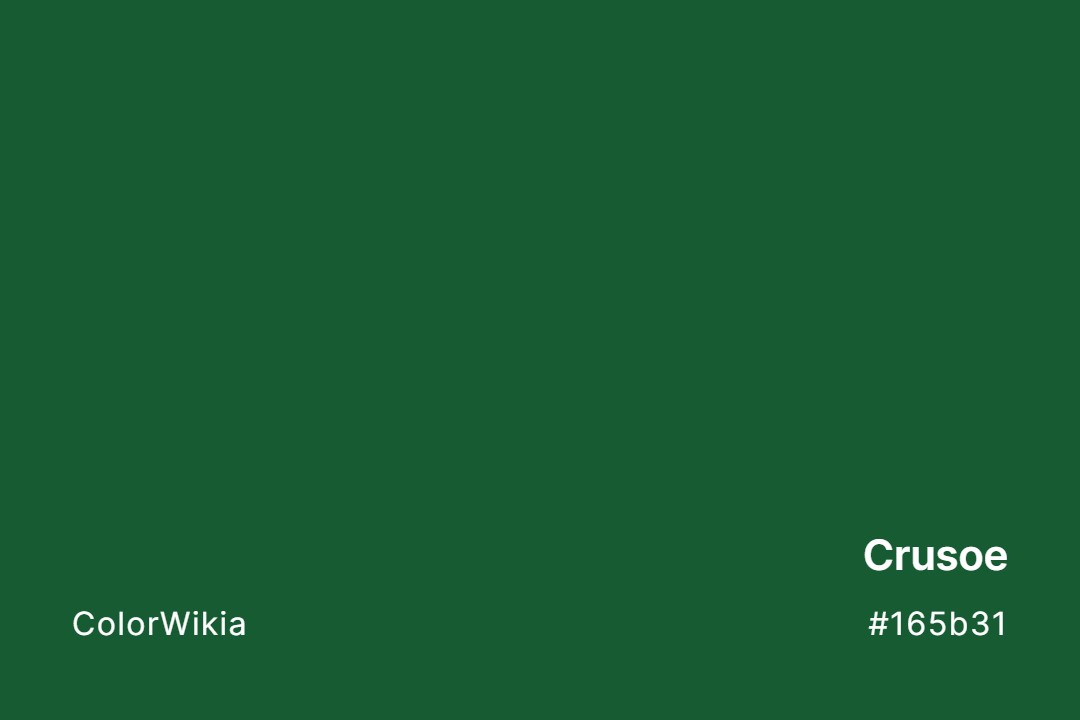
#165b31
Crusoe
#673c4c
Crushed Violets
#445397
Crushed Velvet
#bcaa9f
Crushed Stone
#d8cfbe
Crushed Silk
#b06880
Crushed Raspberry
#efcc44
Crushed Pineapple
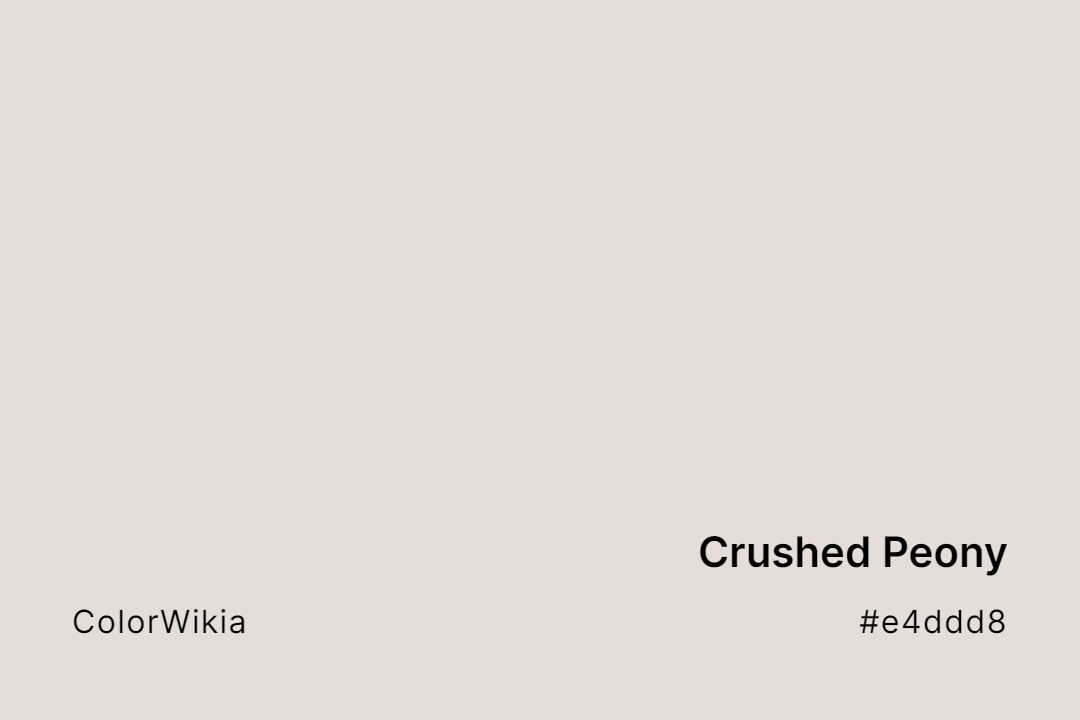
#e4ddd8
Crushed Peony
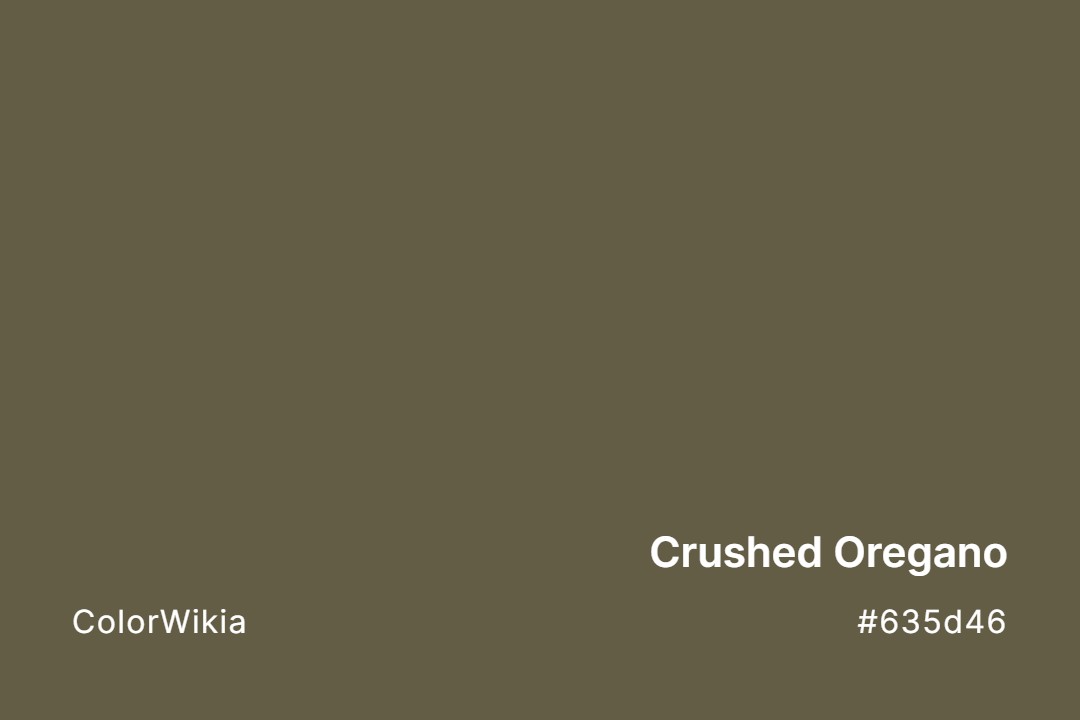
#635d46
Crushed Oregano
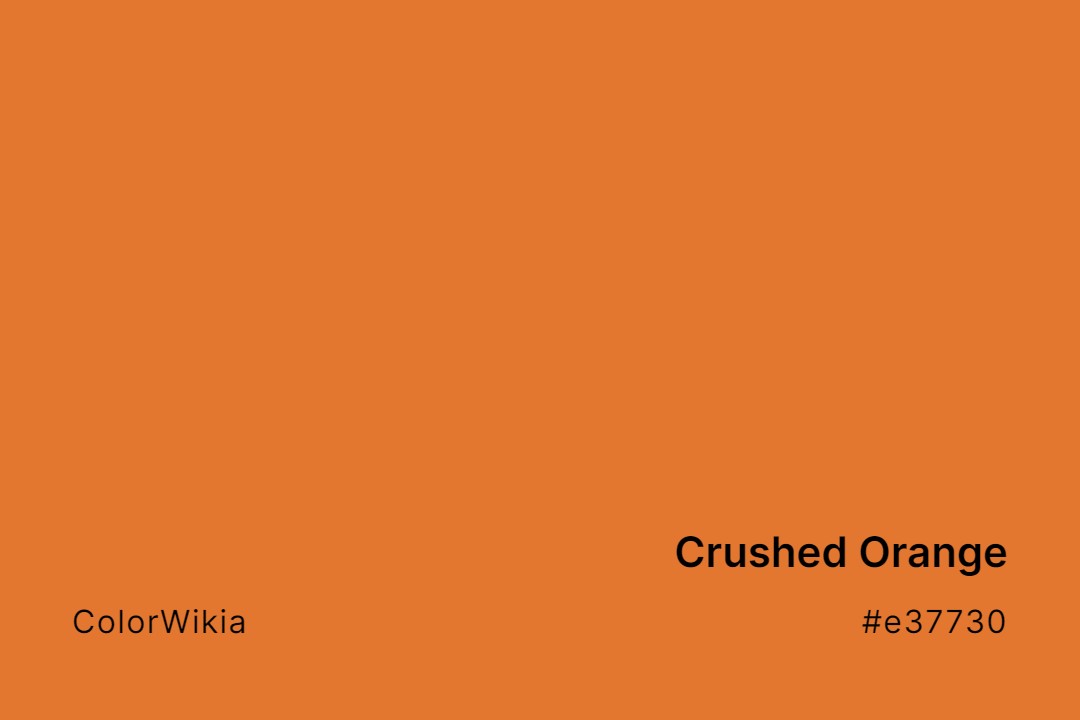
#e37730
Crushed Orange
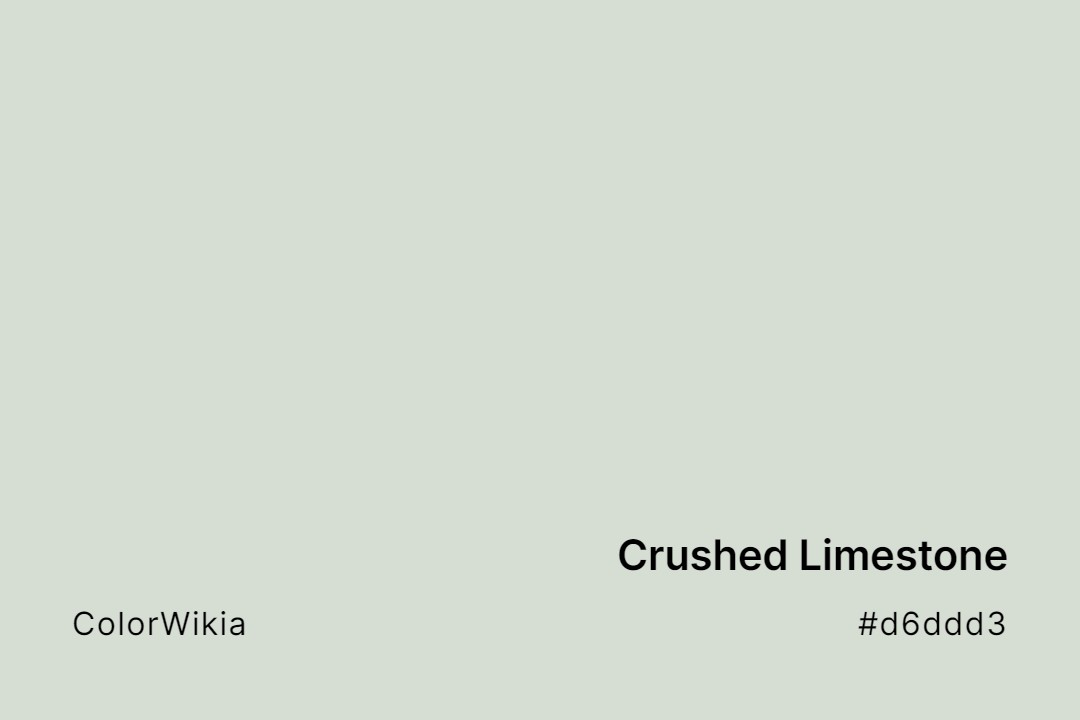
#d6ddd3
Crushed Limestone
#c4fff7
Crushed Ice
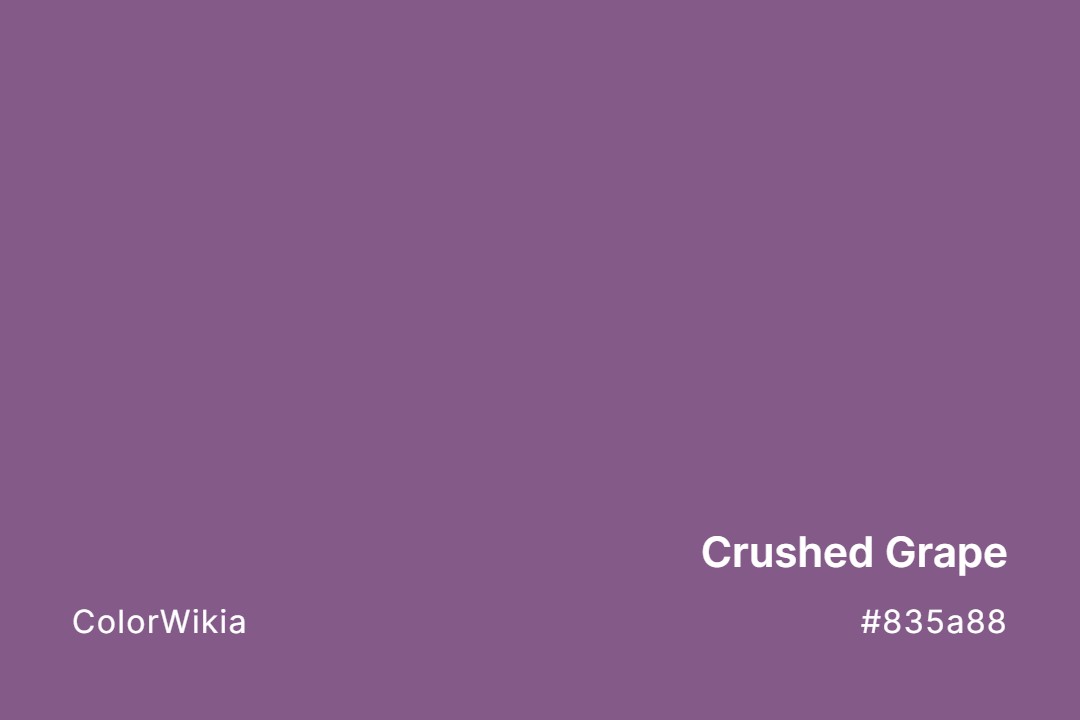
#835a88
Crushed Grape
#ae7f71
Crushed Clay
#b7735e
Crushed Cinnamon
#ffedd5
Crushed Cashew
#83515b
Crushed Berry
#d15b9b
Crushed Berries
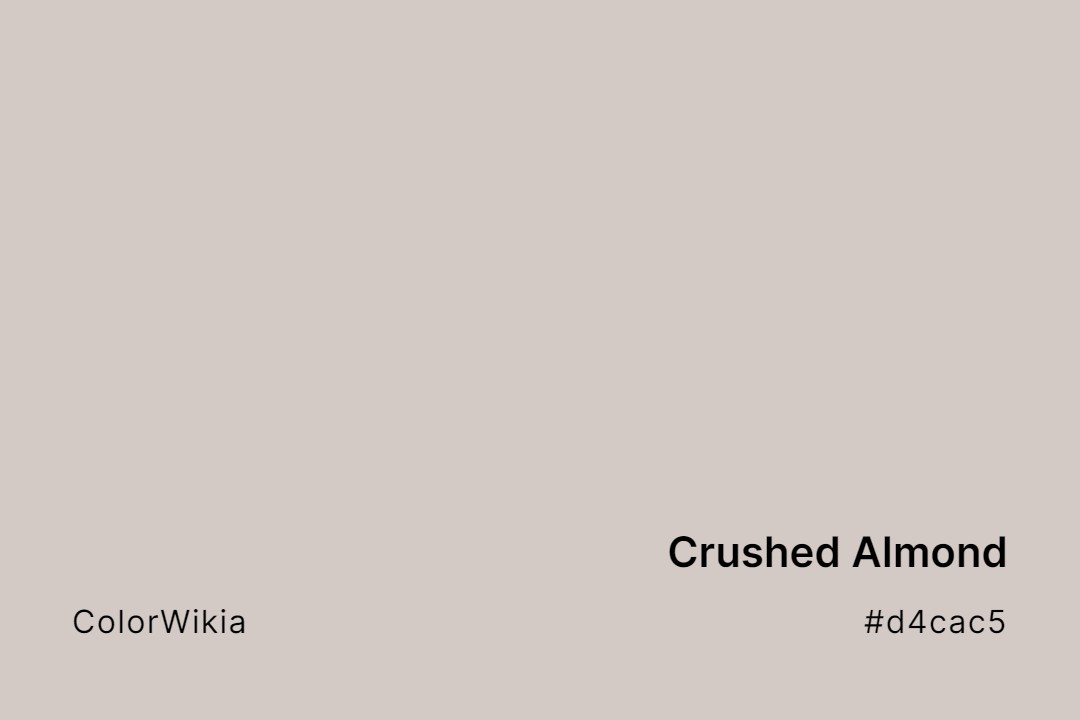
#d4cac5
Crushed Almond
#dbc364
Crusade King
#ea5013
Crunchy Carrot
#f2b95f
Crunch


























The language of color can become confusing because everyday speech and color theory do not always use the word shade in exactly the same way. A page about color shades may describe a whole group of related colors, while the technical definition of a shade refers specifically to a hue made darker with black.
That difference matters when you compare taupe color shades, rust shades, or any other color family. The names people use are practical labels, while color systems provide more precise ways to describe the underlying values.
Understanding the difference between shade, tint, tone, and hue makes it easier to talk about color accurately. It also explains why one named color can have several related variations.
What Is a Color Shade?
In strict color theory, a shade is a hue with black added. Adding black lowers the lightness and produces a darker version of the starting color. A red can move toward burgundy, for example, while a blue can move toward navy.
In everyday language, people use shade more broadly. A search for “different shades of blue” may include lighter, darker, muted, and named variations that are not technically shades under the narrow definition.
That broader usage is common in design, retail, fashion, and online color references. It is also why color shade pages usually cover a family of related colors rather than only mixtures created by adding black.
The distinction is useful because it separates technical color terminology from the way people normally describe color families.
Shade, Tint, Tone, and Hue
These four terms describe different relationships between colors.
- Hue refers to the pure color position itself, such as red, blue, green, or yellow.
- Tint is a hue with white added, producing a lighter version such as pink from red.
- Shade is a hue with black added, producing a darker version such as burgundy from red.
- Tone is a hue with gray added, reducing saturation and muting the color.
The distinctions become useful when you need to describe why two colors look different. A pale blue may be a tint, while a dusty blue may be a tone and a navy blue may be a shade.
These terms can also be used together when discussing a larger color family. A named color may be lighter than the base color, darker than it, or more muted without fitting neatly into one everyday category.
How Digital Color Systems Describe Shades
Digital color systems make these relationships easier to quantify. RGB describes a color by the amount of red, green, and blue light used to create it, while HSL separates the color into hue, saturation, and lightness.
Hex codes provide a compact representation of RGB values. A six-character code such as #DC143C can identify crimson in a digital interface, but the number does not tell you where the color name originally came from or whether a physical pigment uses the same formulation.
In HSL, reducing lightness while holding hue and saturation constant moves a color toward a darker digital version. Raising lightness moves it toward a lighter version, while reducing saturation creates a more muted result.
This distinction is important when working with digital color. A color name can provide a useful visual reference, but a hex code gives you a specific digital value.
How Color Shade Names Develop
Color names often come from things people recognize. Taupe refers to the mole, while rust takes its name from corroded iron. Other names come from materials or places, including copper, terracotta, mahogany, sienna, and umber.
Language can preserve those histories even after a color becomes a digital swatch. Khaki color shades provide another example because the word traces back to a Hindustani term connected with dust and earth.
Commercial color naming adds another layer. Paint makers, textile companies, standards groups, and digital platforms may assign different names to closely related colors, so one shade does not always have one universal label.
This is one reason color names can feel inconsistent. A name can describe a recognizable visual family without pointing to one universal digital value.
Color Standards and Shade Codes
Professional color systems exist because names alone are too vague for precise reproduction. The Pantone Matching System assigns numbered references to color formulations, while systems such as Munsell describe colors using hue, value, and chroma.
The Natural Color System uses a different framework based on color perception. These systems serve different purposes, but they share the same practical goal. A numeric reference can communicate more precisely than a word such as “blue” or “green.”
That is also why a page listing color codes should distinguish between a named color, a standardized reference, and an ordinary digital hex value.
A hex code is useful for digital work, but it should not automatically be treated as a universal definition of a named color. The context behind the color reference matters.
Major Color Families and Their Shades
Every broad color family branches into many named variations. The examples below show how familiar shade names sit within larger groups.
| Color Family | Popular Shade | Hex Code |
| Red | Crimson | #DC143C |
| Blue | Navy | #000080 |
| Green | Forest Green | #228B22 |
| Yellow | Gold | #FFD700 |
| Purple | Indigo | #4B0082 |
| Orange | Coral | #FF7F50 |
| Brown | Tan | #D2B48C |
Warm families such as orange and brown include earthy variations such as rust, terracotta, and chocolate. Blue and green branch into names such as navy, teal, forest, and olive.
Neutral families work differently because their boundaries are less obvious. Beige, gray, taupe, and related colors can overlap substantially depending on saturation, lightness, and undertone.
Why named colors can overlap
A useful color family is not always a strict technical category. Two colors can look very similar while carrying different names because the names come from different materials, places, industries, or traditions.
For practical design work, it is often more useful to compare the actual color values than to rely on the name alone.
Frequently Asked Questions
What is the difference between a shade and a tint?
A shade is a darker version created by adding black, while a tint is a lighter version created by adding white.
Is a tone the same as a shade?
No. A tone adds gray and reduces saturation, while a shade adds black and darkens the original hue.
Why does one color have so many shade names?
Different industries, standards groups, companies, and cultures develop names independently. Closely related colors can therefore receive several labels.
How many shades of a color are there?
There is no fixed limit. Digital systems can generate very large numbers of distinct values, while named shades depend on the terms that become widely recognized or useful.