
30,000+ Shades of Color with Names and HEX Code
Explore unique color shades for your website, brand or any project.
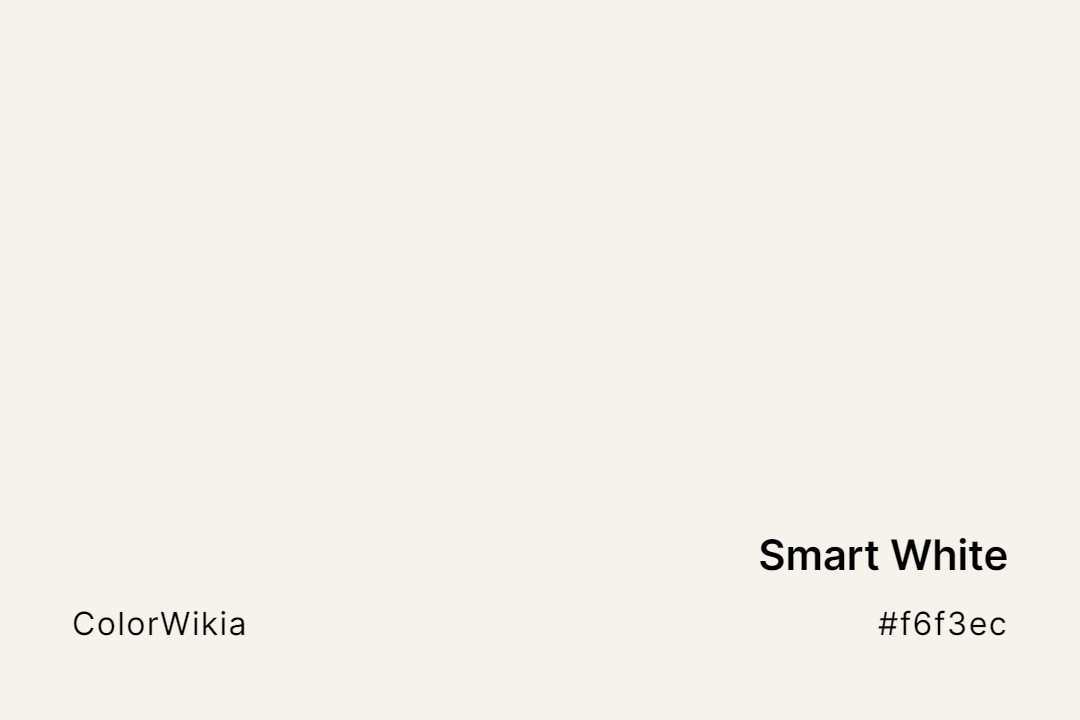
#f6f3ec

Smart White
#ffeeee
White Gloss
#110011
Glossy Black
#111100
Chinese Black
#001111
Black Glaze
#eaf4fc
Moon White
#f6f4ec
Decorator White
#0f0d0d
Black Sheep
#ebf6f7
Indigo White
#efeeff
Foundation White
#edf2f8
Aircraft White
#ecf3f9
Insignia White
#ebf4fc
Placebo Blue
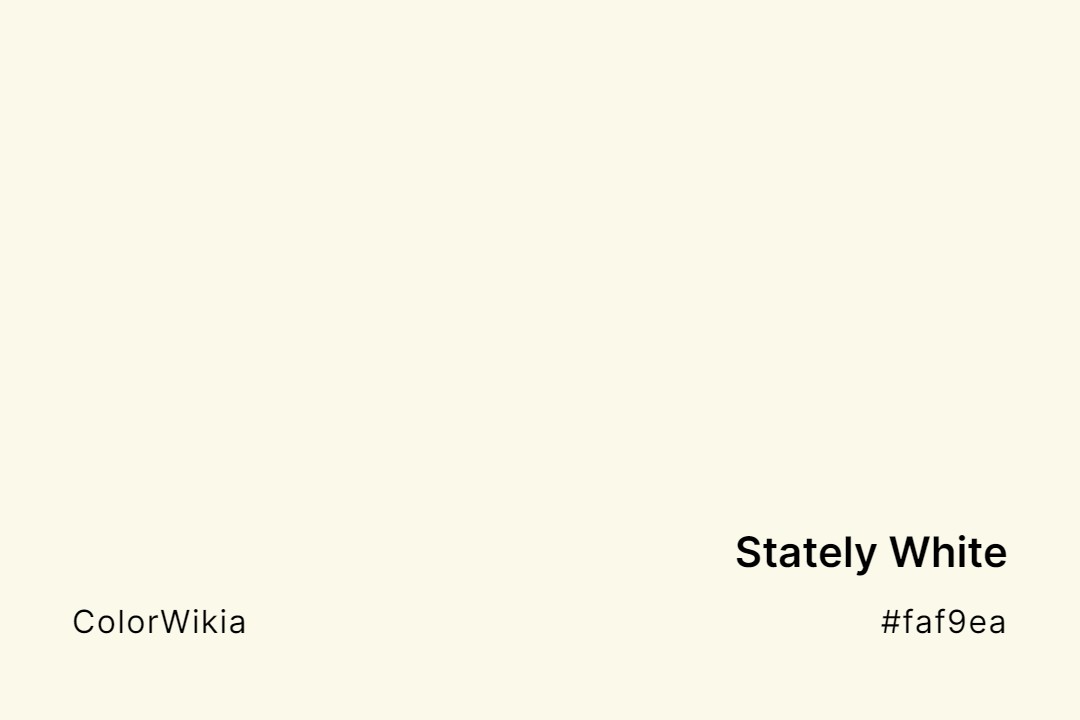
#faf9ea
Stately White
#080813
Narwhal Grey
#ecf7f7
Aijiro White
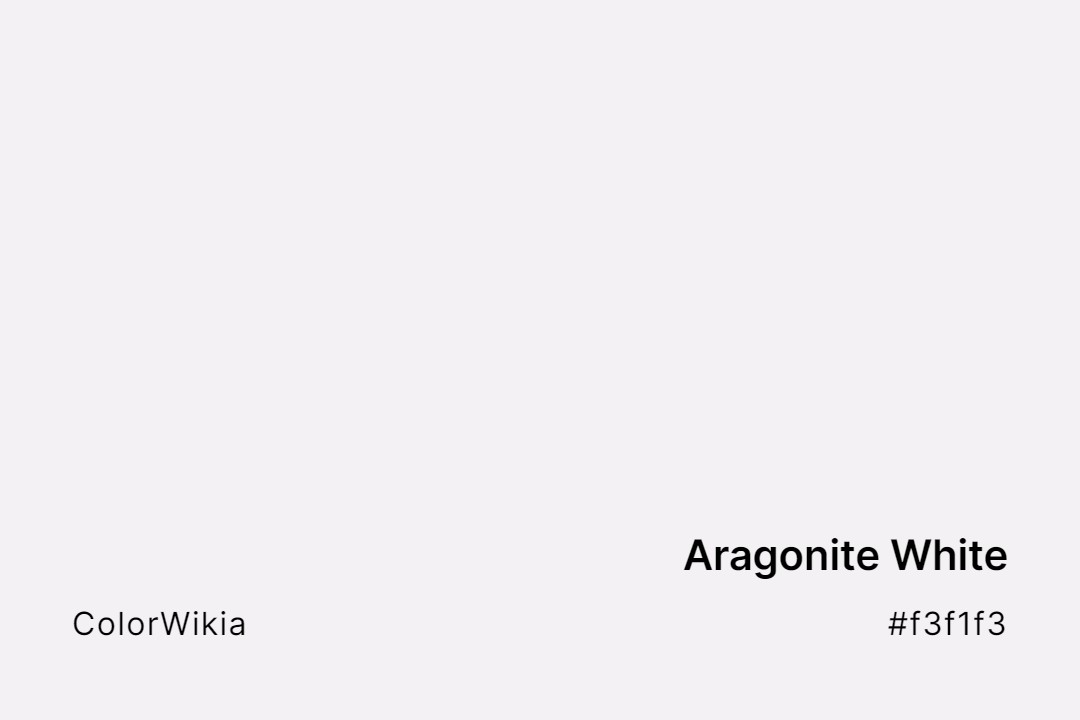
#f3f1f3
Aragonite White
#010b13
Black Knight
#f6f7ed
Praxeti White
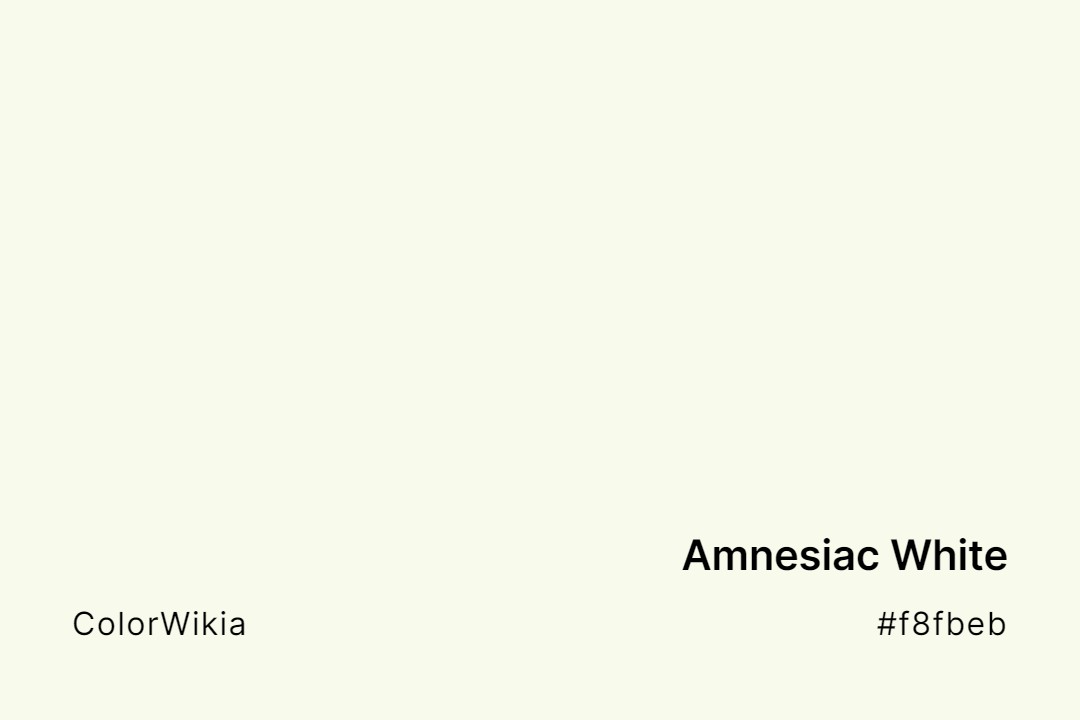
#f8fbeb
Amnesiac White
#f2f2f4
Errigal White
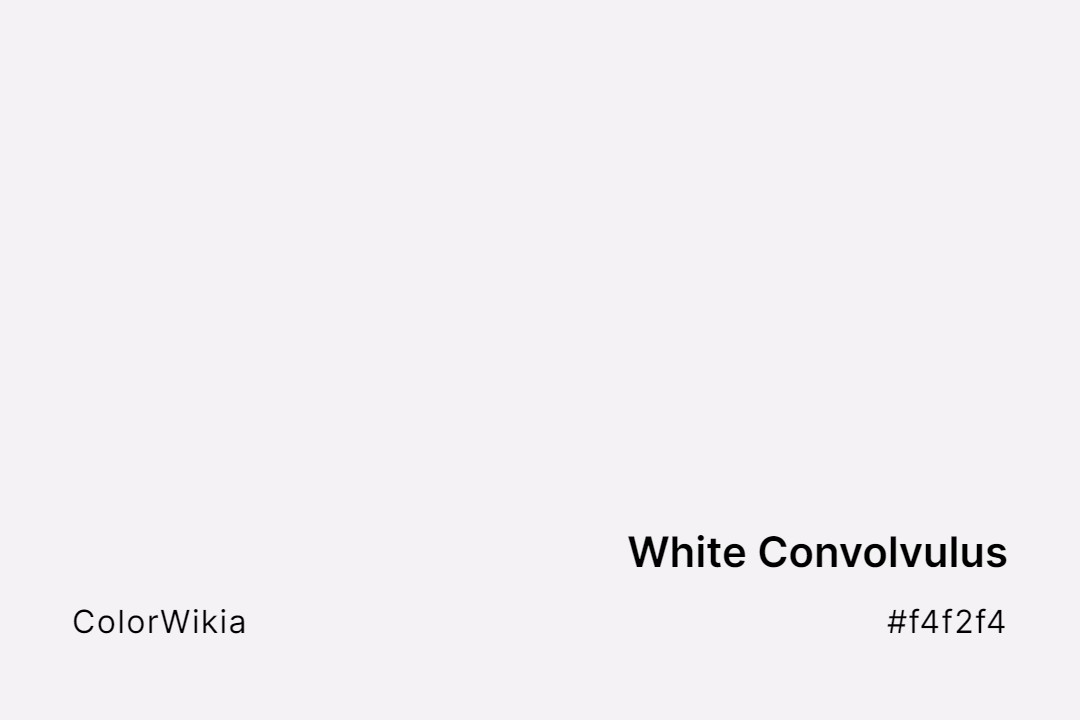
#f4f2f4
White Convolvulus
#0c0c0c
Black Wash
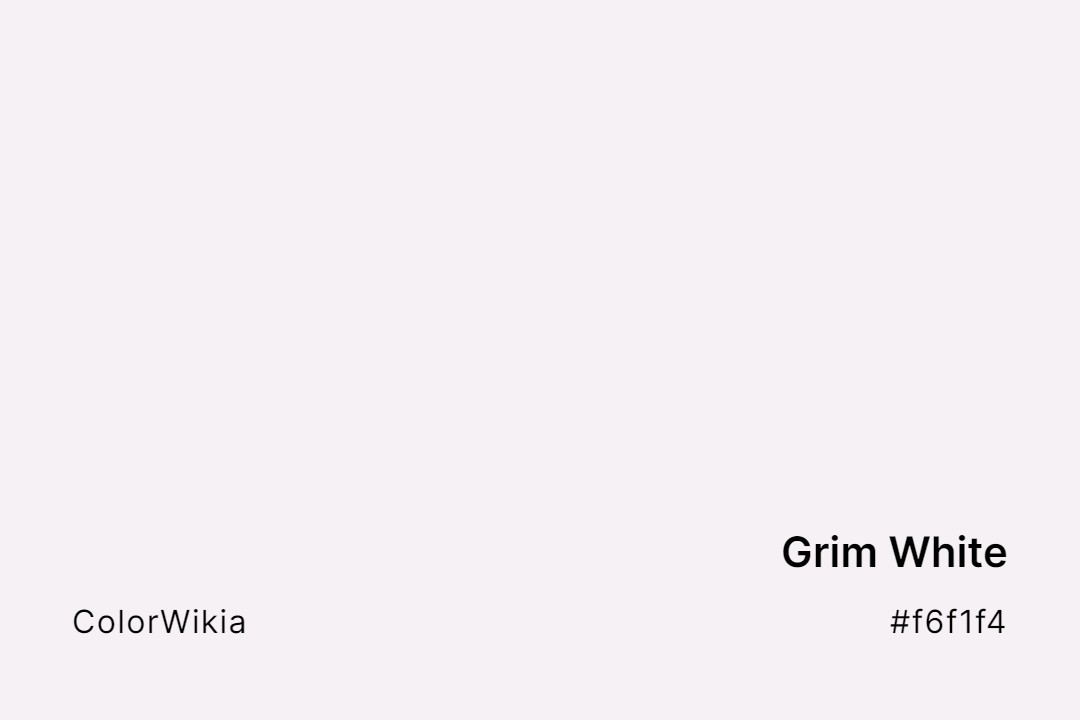
#f6f1f4
Grim White
#fff1f1
Sefid White
#fffcec
Glamour White
#edfcfb
Cold White
#0f0809
Chyornyi Black
#f5f3f5
White Owl
#f9f8ef
White Crest
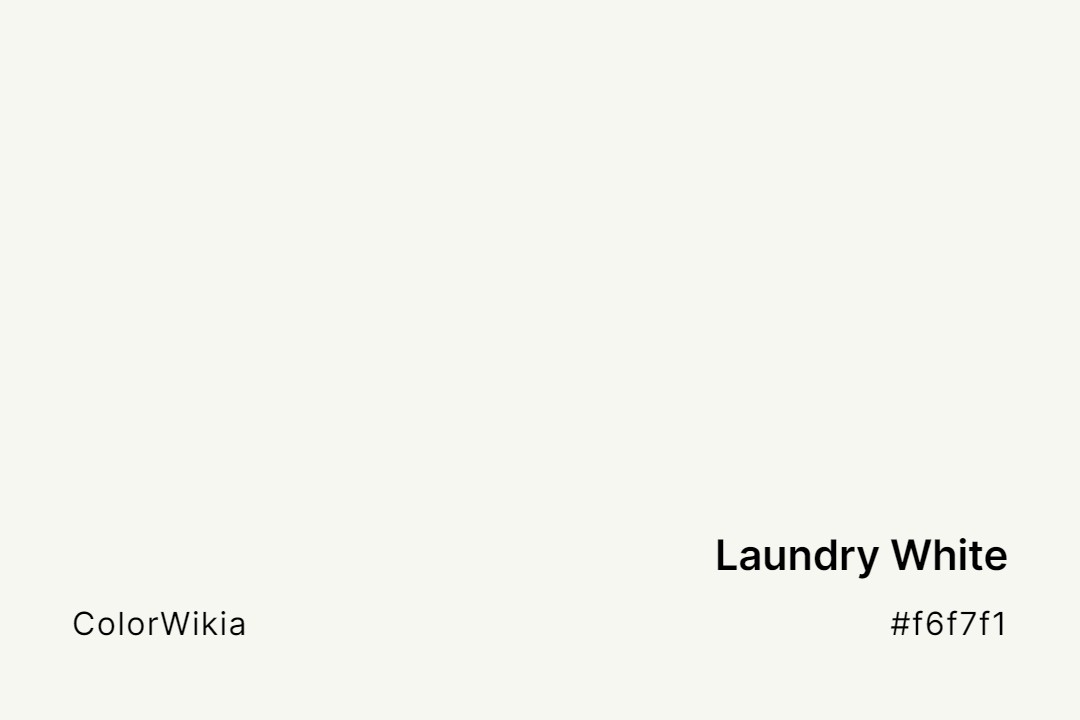
#f6f7f1
Laundry White
#e7c2ca
Primrose Pink
#37b8af
Message Green
#fdf9ef

White Heat
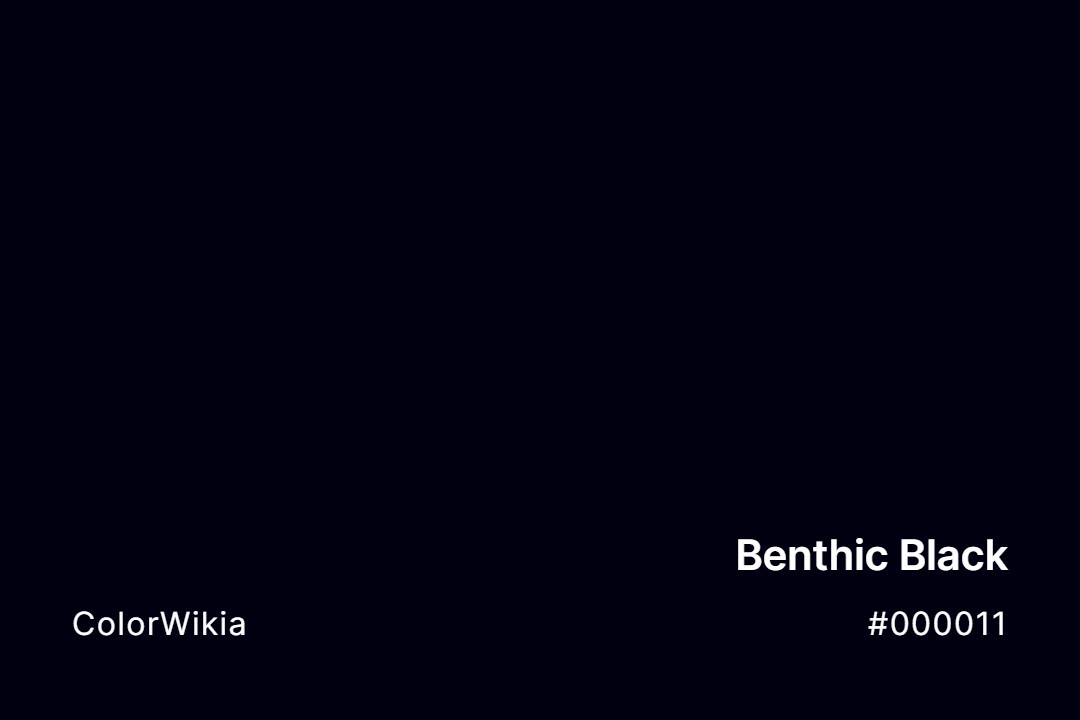
#000011
Benthic Black
#f4f5fa
White Solid
#e1ad01
Mustard Yellow
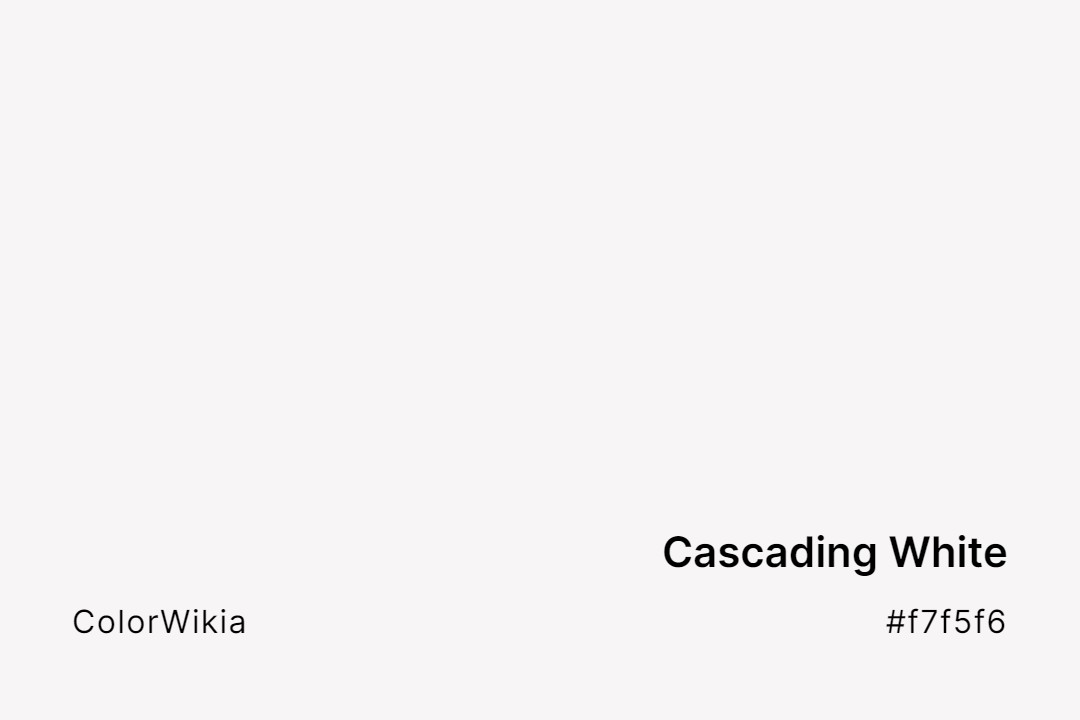
#f7f5f6
Cascading White
#090807
Accursed Black
#fdfaf1
White Desert
#080808
Reversed Grey
#f8f9f5
Whitest White
#f7f7f7
Lynx White
#7366bd
Ultra Violet
#ad5e99
Radiant Orchid
#fe69b6
Hot Pink Fusion
#ffb16d
Apricot
#f8fbf8
White Porcelain
#00b5b8
Cyan Sky
#ba55d3
Medium Orchid
#060606
Black Metal
#eee1d7
Sea Salt
#a87900
Bronze
#66ddaa
Medium Aquamarine
#f7fcfe
Deutzia White
#fffbfc
Flawed White
#ff08e8
Bright Magenta
#ffdf01
Canary Yellow
#010203
Black Hole
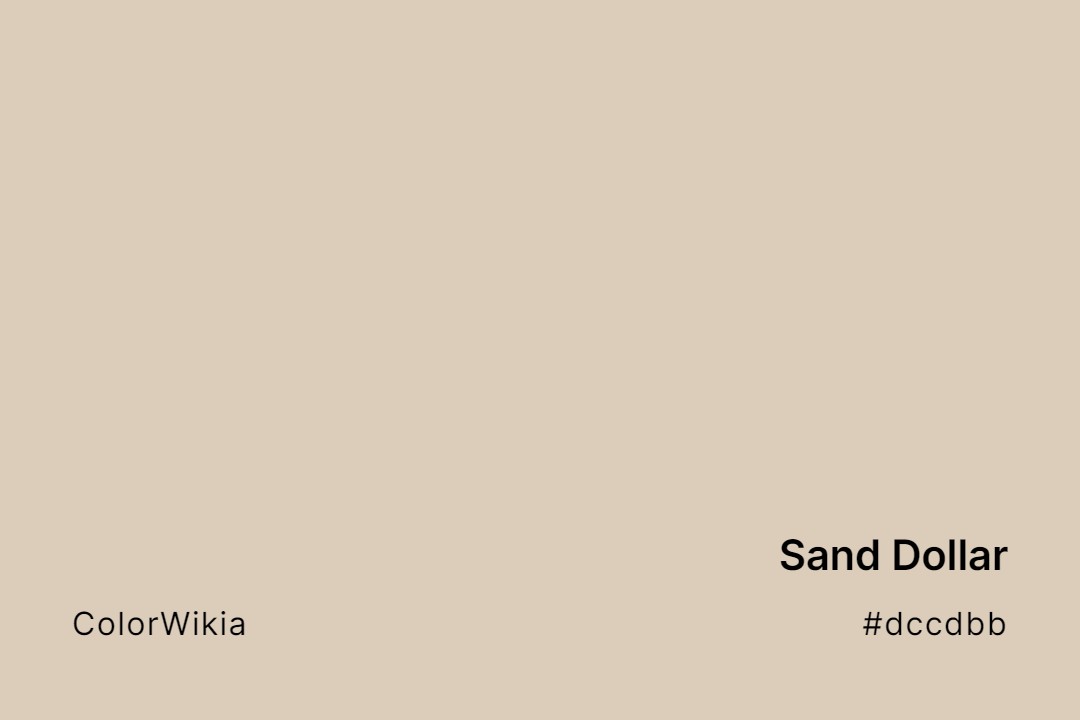
#dccdbb
Sand Dollar
#000200
Registration Black
#f1e2de
Chantilly Lace
#fdff63
Canary
#a83c09
Rust
#996e5b
Mocha Mousse
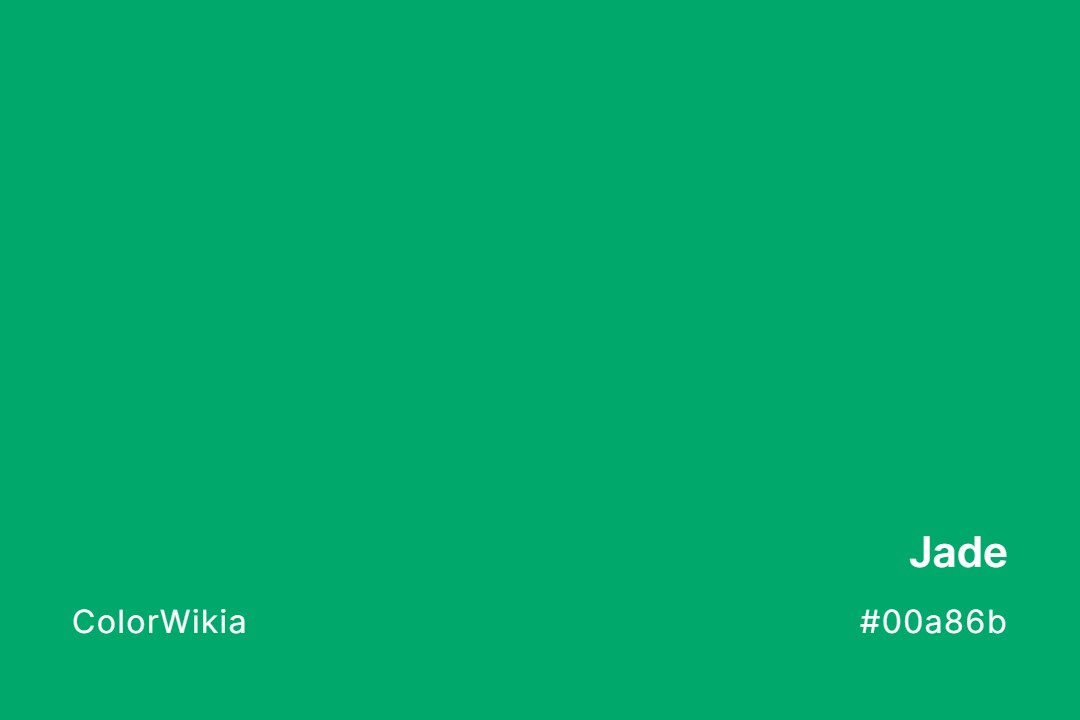
#00a86b
Jade
#65fe08
Bright Lime Green
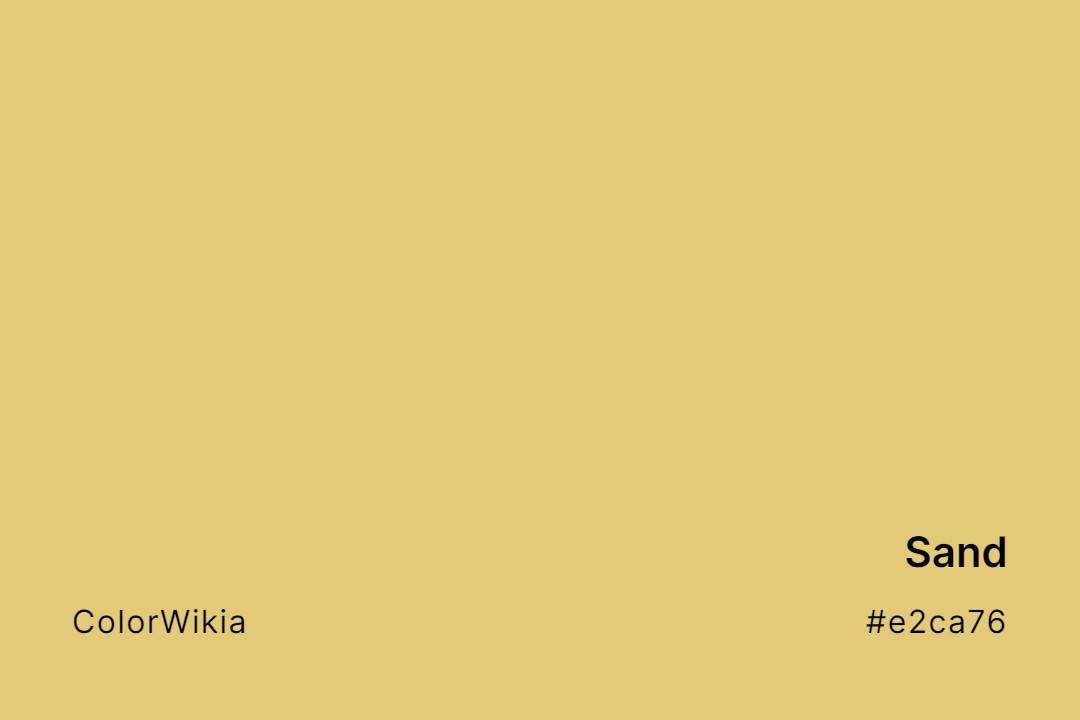
#e2ca76
Sand
#3f6976
Muddy Cyan
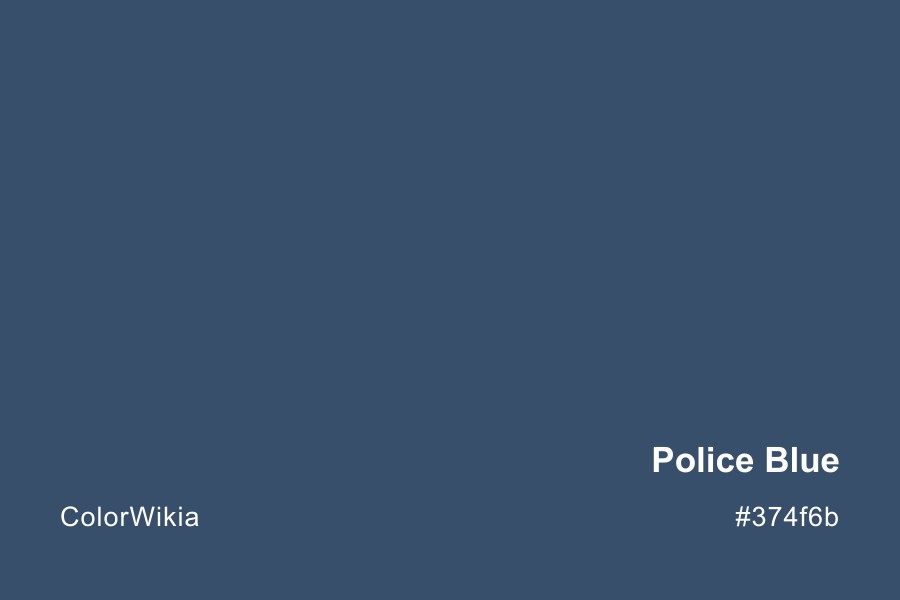
#374f6b
Police Blue
#f29e8e
Blush
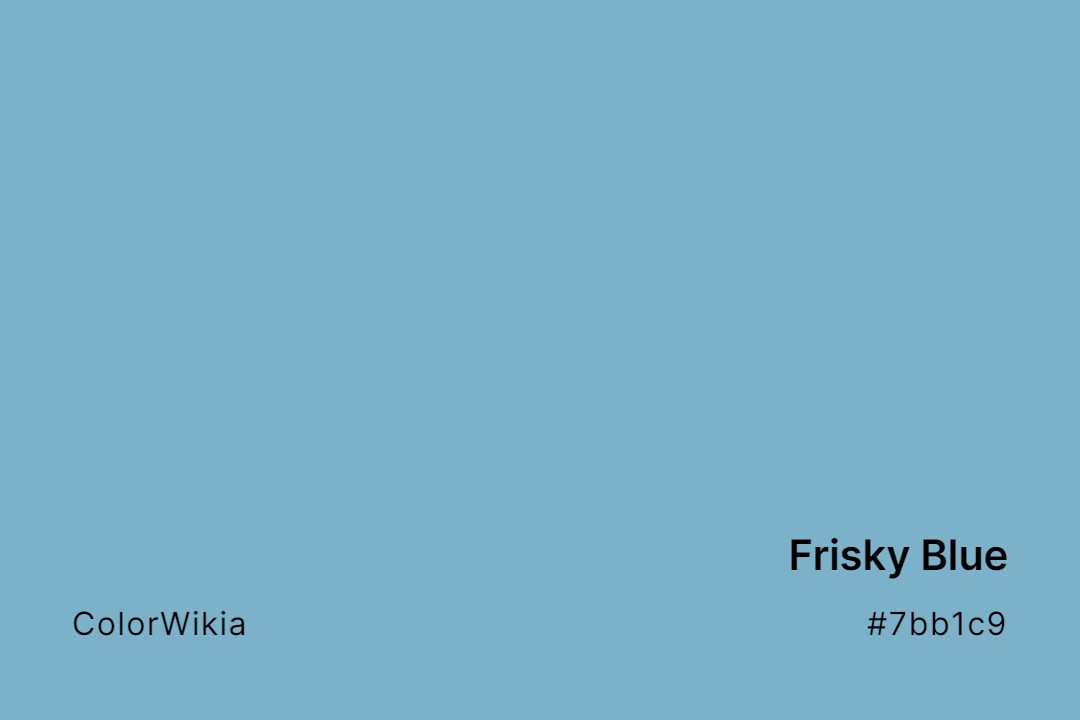
#7bb1c9
Frisky Blue
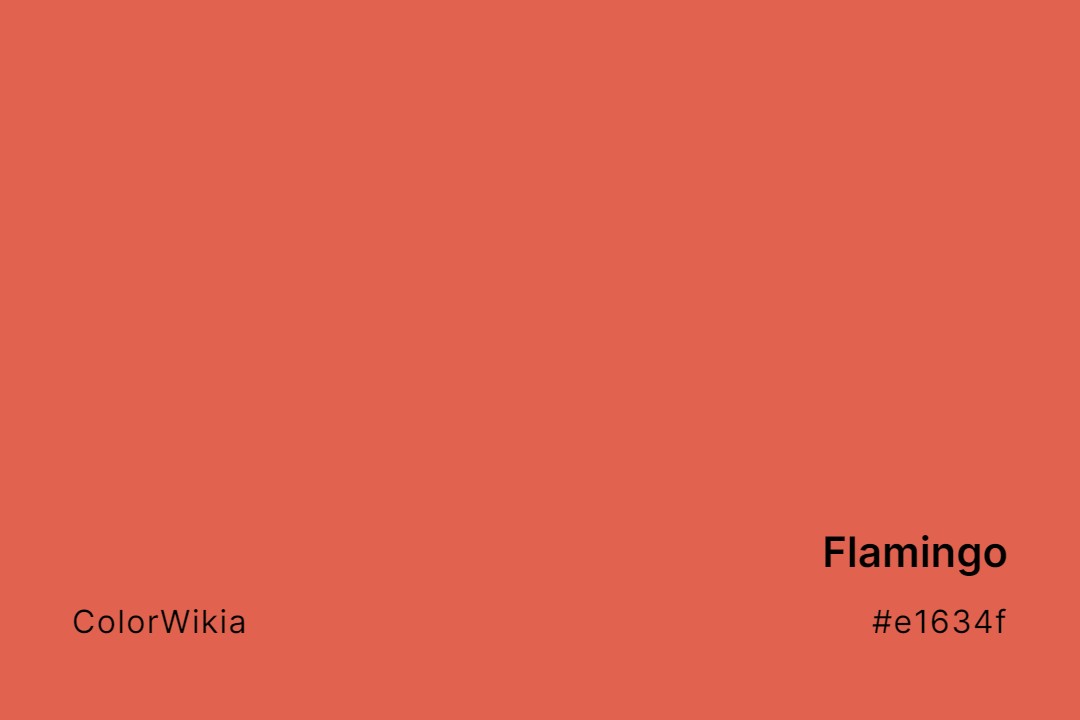
#e1634f
Flamingo
#a03623
Brick
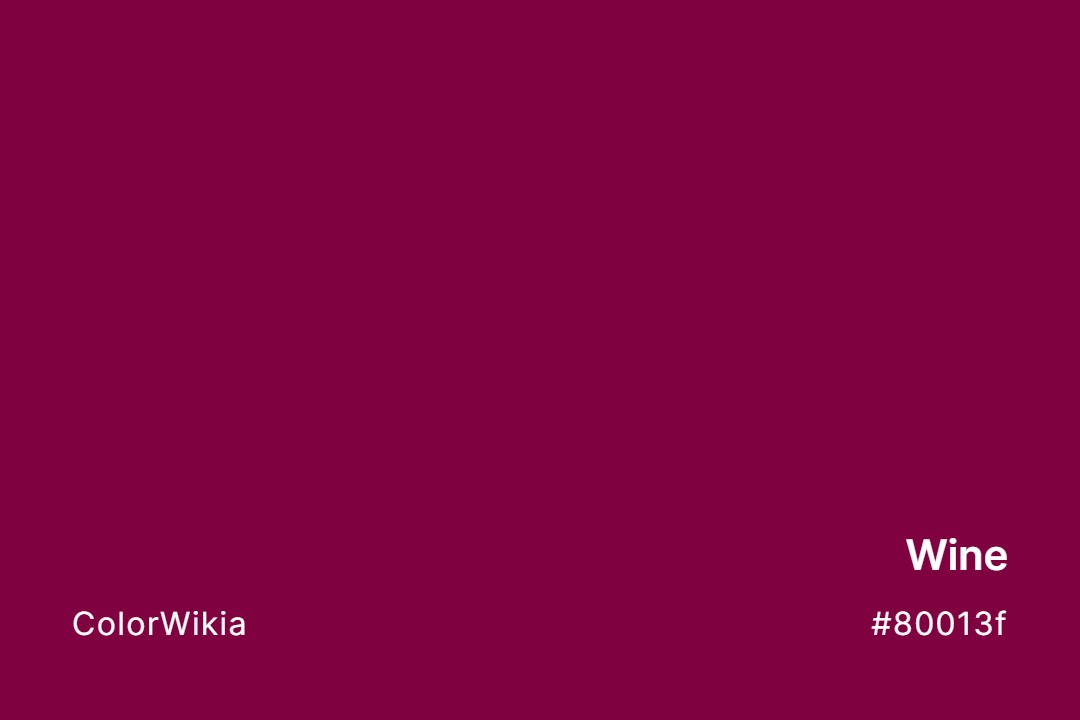
#80013f
Wine
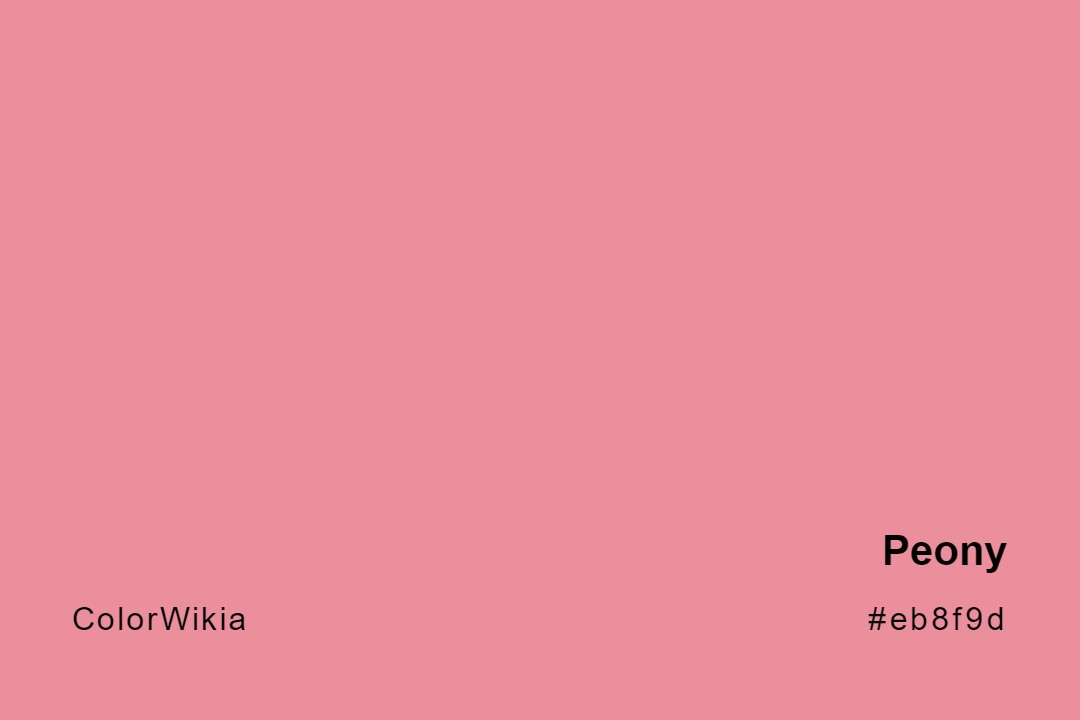
#eb8f9d
Peony
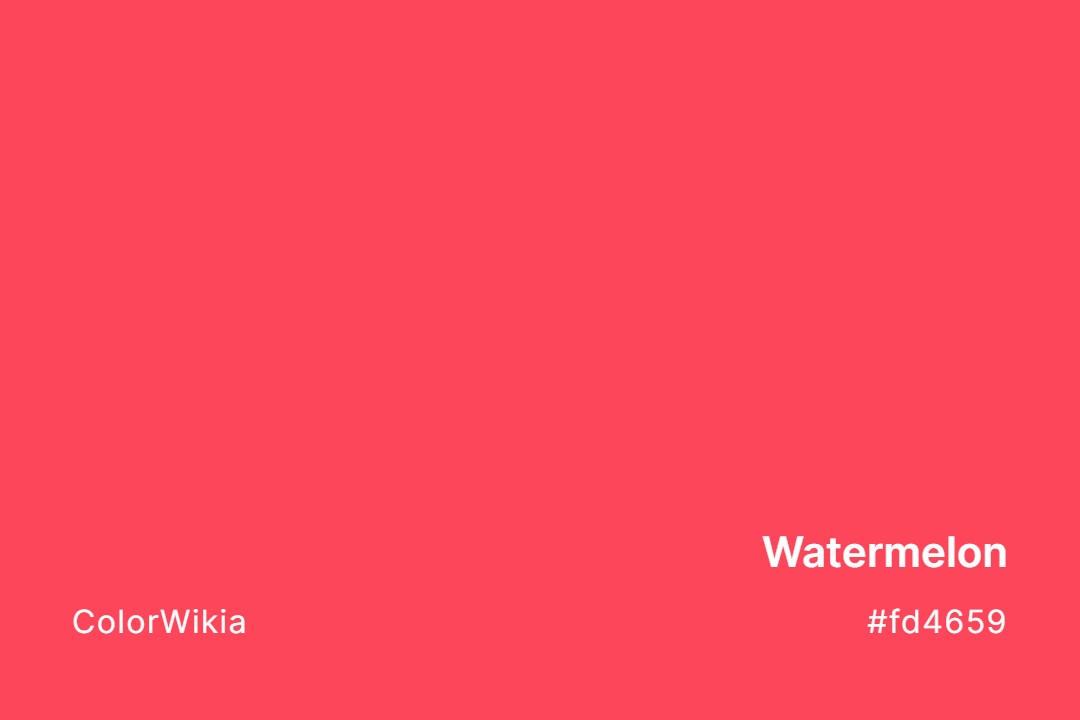
#fd4659
Watermelon
#ff00cc
Hot Magenta
#a6d608
Vivid Lime Green
#733635
Garnet
#00ff26
Cyber Neon Green
#2dfe54
Bright Light Green
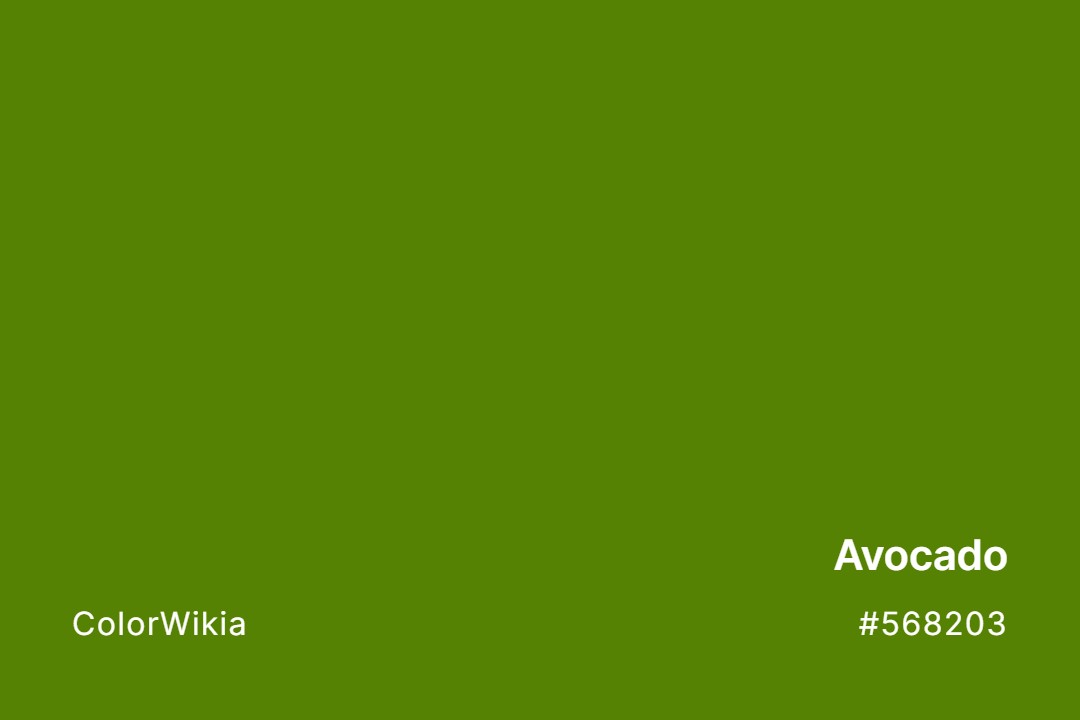
#568203
Avocado
#2c5778
Venice Blue
#009051
Moss
#00fa9a
Medium Spring Green
#cb6843
Terracotta
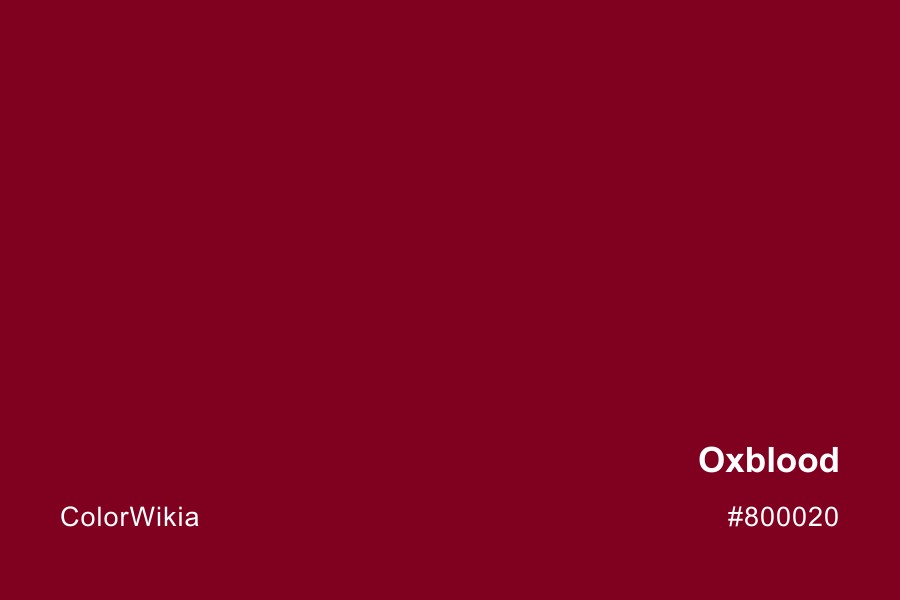
#800020
Oxblood
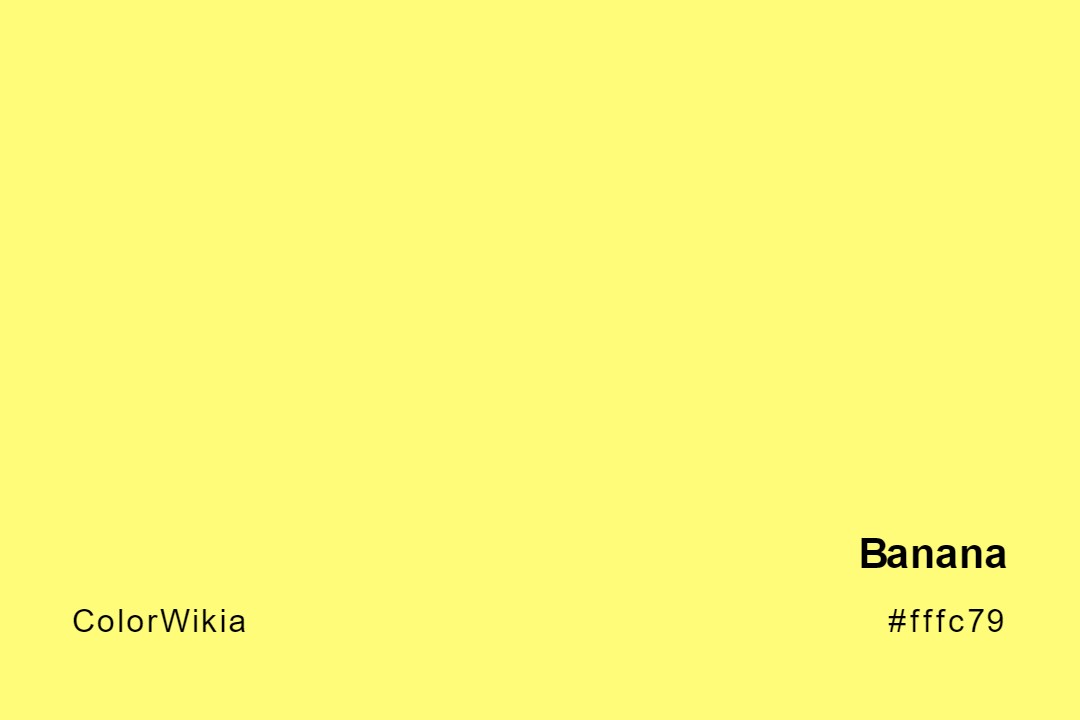
#fffc79
Banana
#f887c7
Aries Hot Pink
#f4320c
Vermilion
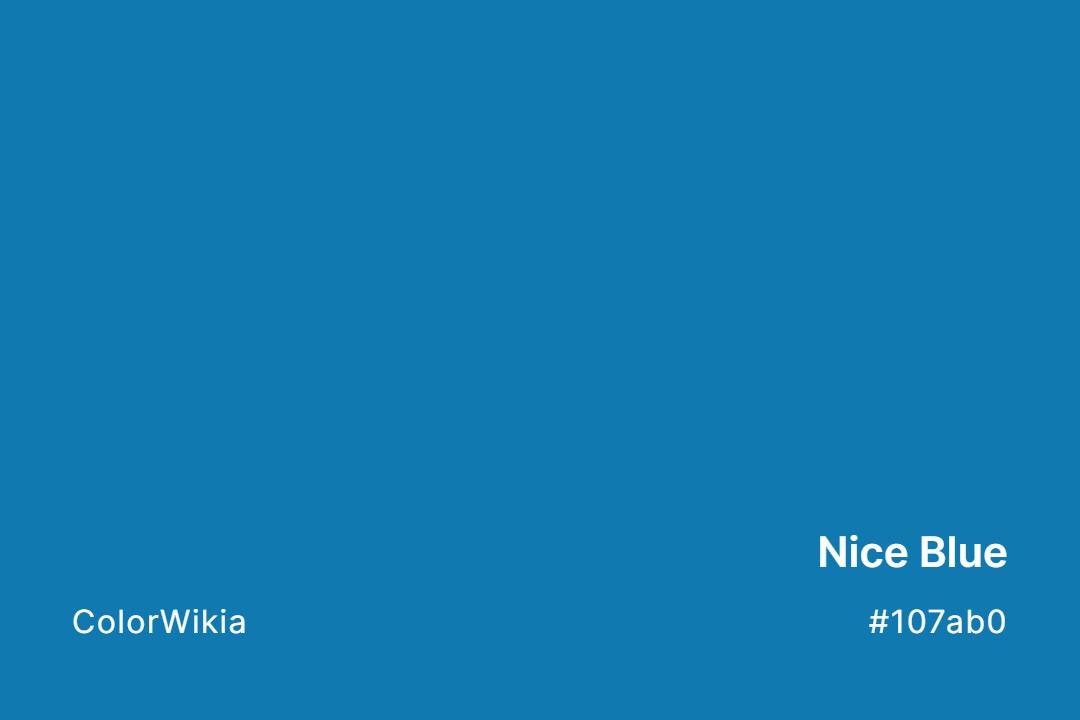
#107ab0
Nice Blue
#b87333
Copper
#b00149
Raspberry
#ad134e
Cerise
#c71585
Medium Violet Red
#c87606
Dirty Orange
#cfaf7b
Fawn
#7ebd01
Dark Lime Green
#ffb05f
Vintage Orange












































The language of color can become confusing because everyday speech and color theory do not always use the word shade in exactly the same way. A page about color shades may describe a whole group of related colors, while the technical definition of a shade refers specifically to a hue made darker with black.
That difference matters when you compare taupe color shades, rust shades, or any other color family. The names people use are practical labels, while color systems provide more precise ways to describe the underlying values.
Understanding the difference between shade, tint, tone, and hue makes it easier to talk about color accurately. It also explains why one named color can have several related variations.
What Is a Color Shade?
In strict color theory, a shade is a hue with black added. Adding black lowers the lightness and produces a darker version of the starting color. A red can move toward burgundy, for example, while a blue can move toward navy.
In everyday language, people use shade more broadly. A search for “different shades of blue” may include lighter, darker, muted, and named variations that are not technically shades under the narrow definition.
That broader usage is common in design, retail, fashion, and online color references. It is also why color shade pages usually cover a family of related colors rather than only mixtures created by adding black.
The distinction is useful because it separates technical color terminology from the way people normally describe color families.
Shade, Tint, Tone, and Hue
These four terms describe different relationships between colors.
- Hue refers to the pure color position itself, such as red, blue, green, or yellow.
- Tint is a hue with white added, producing a lighter version such as pink from red.
- Shade is a hue with black added, producing a darker version such as burgundy from red.
- Tone is a hue with gray added, reducing saturation and muting the color.
The distinctions become useful when you need to describe why two colors look different. A pale blue may be a tint, while a dusty blue may be a tone and a navy blue may be a shade.
These terms can also be used together when discussing a larger color family. A named color may be lighter than the base color, darker than it, or more muted without fitting neatly into one everyday category.
How Digital Color Systems Describe Shades
Digital color systems make these relationships easier to quantify. RGB describes a color by the amount of red, green, and blue light used to create it, while HSL separates the color into hue, saturation, and lightness.
Hex codes provide a compact representation of RGB values. A six-character code such as #DC143C can identify crimson in a digital interface, but the number does not tell you where the color name originally came from or whether a physical pigment uses the same formulation.
In HSL, reducing lightness while holding hue and saturation constant moves a color toward a darker digital version. Raising lightness moves it toward a lighter version, while reducing saturation creates a more muted result.
This distinction is important when working with digital color. A color name can provide a useful visual reference, but a hex code gives you a specific digital value.
How Color Shade Names Develop
Color names often come from things people recognize. Taupe refers to the mole, while rust takes its name from corroded iron. Other names come from materials or places, including copper, terracotta, mahogany, sienna, and umber.
Language can preserve those histories even after a color becomes a digital swatch. Khaki color shades provide another example because the word traces back to a Hindustani term connected with dust and earth.
Commercial color naming adds another layer. Paint makers, textile companies, standards groups, and digital platforms may assign different names to closely related colors, so one shade does not always have one universal label.
This is one reason color names can feel inconsistent. A name can describe a recognizable visual family without pointing to one universal digital value.
Color Standards and Shade Codes
Professional color systems exist because names alone are too vague for precise reproduction. The Pantone Matching System assigns numbered references to color formulations, while systems such as Munsell describe colors using hue, value, and chroma.
The Natural Color System uses a different framework based on color perception. These systems serve different purposes, but they share the same practical goal. A numeric reference can communicate more precisely than a word such as “blue” or “green.”
That is also why a page listing color codes should distinguish between a named color, a standardized reference, and an ordinary digital hex value.
A hex code is useful for digital work, but it should not automatically be treated as a universal definition of a named color. The context behind the color reference matters.
Major Color Families and Their Shades
Every broad color family branches into many named variations. The examples below show how familiar shade names sit within larger groups.
| Color Family | Popular Shade | Hex Code |
| Red | Crimson | #DC143C |
| Blue | Navy | #000080 |
| Green | Forest Green | #228B22 |
| Yellow | Gold | #FFD700 |
| Purple | Indigo | #4B0082 |
| Orange | Coral | #FF7F50 |
| Brown | Tan | #D2B48C |
Warm families such as orange and brown include earthy variations such as rust, terracotta, and chocolate. Blue and green branch into names such as navy, teal, forest, and olive.
Neutral families work differently because their boundaries are less obvious. Beige, gray, taupe, and related colors can overlap substantially depending on saturation, lightness, and undertone.
Why named colors can overlap
A useful color family is not always a strict technical category. Two colors can look very similar while carrying different names because the names come from different materials, places, industries, or traditions.
For practical design work, it is often more useful to compare the actual color values than to rely on the name alone.
Frequently Asked Questions
What is the difference between a shade and a tint?
A shade is a darker version created by adding black, while a tint is a lighter version created by adding white.
Is a tone the same as a shade?
No. A tone adds gray and reduces saturation, while a shade adds black and darkens the original hue.
Why does one color have so many shade names?
Different industries, standards groups, companies, and cultures develop names independently. Closely related colors can therefore receive several labels.
How many shades of a color are there?
There is no fixed limit. Digital systems can generate very large numbers of distinct values, while named shades depend on the terms that become widely recognized or useful.