
30,000+ Shades of Color with Names and HEX Code
Explore unique color shades for your website, brand or any project.
#9d8e7f

Putty Yellow
#9a8891
Purple Mauve
#eb2e28
Krasnyi Red
#114e56
Iron Teal
#8fae22
Icky Green
#cc3333
Persian Red
#fffeb6
Lamenters Yellow
#66d0c0
Green Patina
#f4eaba
Yellow Bliss
#cd071e
Chinese Red
#9db92c
Sick Green
#c2264d
Possessed Red
#8e5164
Cannon Pink
#62d84e
Scorpion Green
#f4afcd
Changeling Pink
#1a6c76
Teal Fury
#c0022f

Lipstick Red
#ffe9ba
Sunkissed Yellow
#b6b2a1
Melmac Silver
#d4dbd1
Light Silver Grass
#e7b6c8
Hydrangea Pink
#00a550
Green Pigment
#c473a9
Bishop Red
#b05d4a
Ant Red
#eeeebb
Schabziger Yellow
#b5ac31
New Green
#740900
Liquorice Red
#009b54
Fern Green
#a2aebf
Feather Soft Blue
#aa83a4
Wilhelminian Pink
#50a400
Prairie Green
#f5054f
Pink Red
#b6848c
Lime Pink
#c4fe82
Green Incandescence
#740600
Chaotic Red
#d10056
Rubine Red
#f5e0bf
Rotunda Gold
#ee2222
Ottoman Red
#bece61
Luster Green
#008888
Green Moblin
#bbee88
Green Day
#fd0d35
Torch Red
#94b9b4
Teal Tree
#4d4244
Russian Red
#b36c86
Pink Hibiscus
#dcc0c3
Mud Pink
#87d8c3
Ice Green
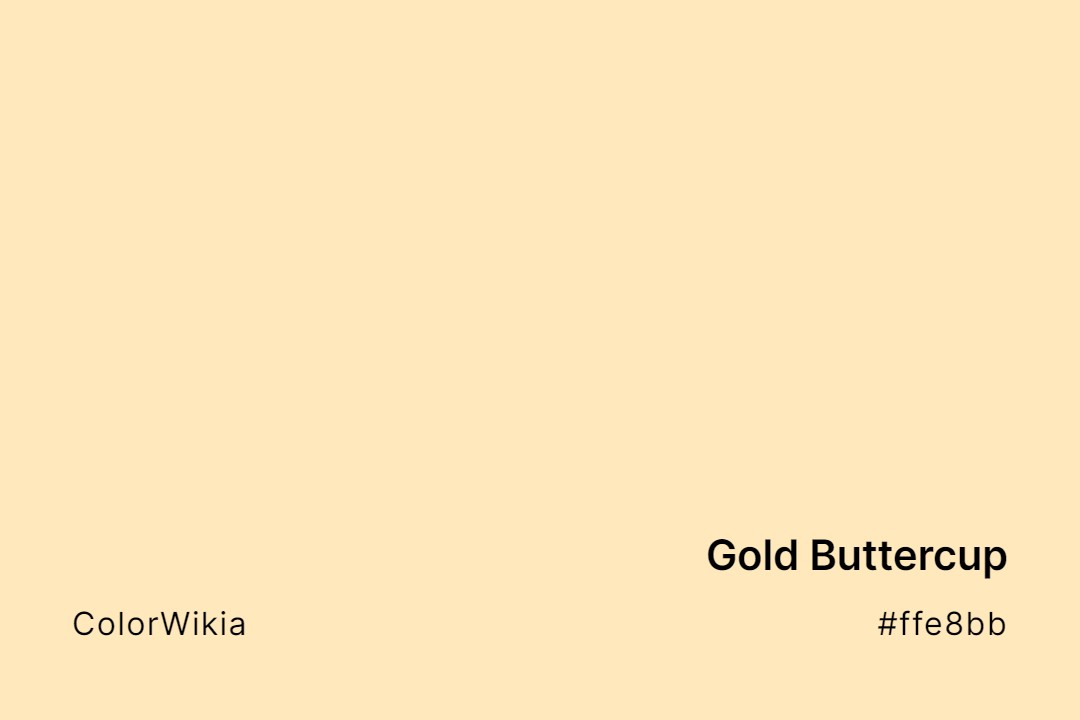
#ffe8bb
Gold Buttercup
#494f62
Tried & True Blue
#935242
Ruskin Red
#7dc734
Niblet Green
#5b3530
Library Red
#d1191c
Heroic Red
#fd0f35
Tractor Red
#abdf8f
Stem Green
#b8b2a2
Silver Taupe
#bb1144
Rural Red
#dd0000
Red Pegasus
#ccfd7f
Green Shimmer
#7c4848
Tuscan Red
#c62d42
Red Peppercorn
#11875d
Primal Green
#c9303e
Etruscan Red
#1b8a6b
Elf Green
#83769c
Voxatron Purple
#783f54
Red Jade
#c21727
Racing Red
#d5cde3
Potentially Purple
#11bb00
Green Gamora
#e30022
Cadmium Red
#85464b
Red Elegance
#b35457
Mineral Red
#b74a70
Lake Red
#a7aeb4
Northern Light Grey
#c1e089
Green Onion
#78779b
Benimidori Purple
#dd0022
Untamed Red
#87a922
Avocado Green
#f9ecd3
Antique Ivory
#f8c1bb
Pink Hydrangea
#11887b
Green Ink
#c5cc7b
Celery Green
#eadcc6
Yellow Page
#c8c76f
Siskin Green
#b2aaaa
Silver Service
#008684
Green Lapis
#954a4c
Circus Red
#672422
Azuki Red
#dfbcc9
Spring Pink
#b8b1a5
Silver Lining
#c92351
Rose Red
#947e94
Lepidolite Purple
#c4cc7a
Calamansi Green
#167d60
Verdant Green
#3da3ae
Teal Essence
#36b14e
Spandex Green
#c9a0df
Silver Rust
#5c8b15
Sap Green
#efebd7
Olive Tint
#e52b50
Manganese Red




The language of color can become confusing because everyday speech and color theory do not always use the word shade in exactly the same way. A page about color shades may describe a whole group of related colors, while the technical definition of a shade refers specifically to a hue made darker with black.
That difference matters when you compare taupe color shades, rust shades, or any other color family. The names people use are practical labels, while color systems provide more precise ways to describe the underlying values.
Understanding the difference between shade, tint, tone, and hue makes it easier to talk about color accurately. It also explains why one named color can have several related variations.
What Is a Color Shade?
In strict color theory, a shade is a hue with black added. Adding black lowers the lightness and produces a darker version of the starting color. A red can move toward burgundy, for example, while a blue can move toward navy.
In everyday language, people use shade more broadly. A search for “different shades of blue” may include lighter, darker, muted, and named variations that are not technically shades under the narrow definition.
That broader usage is common in design, retail, fashion, and online color references. It is also why color shade pages usually cover a family of related colors rather than only mixtures created by adding black.
The distinction is useful because it separates technical color terminology from the way people normally describe color families.
Shade, Tint, Tone, and Hue
These four terms describe different relationships between colors.
- Hue refers to the pure color position itself, such as red, blue, green, or yellow.
- Tint is a hue with white added, producing a lighter version such as pink from red.
- Shade is a hue with black added, producing a darker version such as burgundy from red.
- Tone is a hue with gray added, reducing saturation and muting the color.
The distinctions become useful when you need to describe why two colors look different. A pale blue may be a tint, while a dusty blue may be a tone and a navy blue may be a shade.
These terms can also be used together when discussing a larger color family. A named color may be lighter than the base color, darker than it, or more muted without fitting neatly into one everyday category.
How Digital Color Systems Describe Shades
Digital color systems make these relationships easier to quantify. RGB describes a color by the amount of red, green, and blue light used to create it, while HSL separates the color into hue, saturation, and lightness.
Hex codes provide a compact representation of RGB values. A six-character code such as #DC143C can identify crimson in a digital interface, but the number does not tell you where the color name originally came from or whether a physical pigment uses the same formulation.
In HSL, reducing lightness while holding hue and saturation constant moves a color toward a darker digital version. Raising lightness moves it toward a lighter version, while reducing saturation creates a more muted result.
This distinction is important when working with digital color. A color name can provide a useful visual reference, but a hex code gives you a specific digital value.
How Color Shade Names Develop
Color names often come from things people recognize. Taupe refers to the mole, while rust takes its name from corroded iron. Other names come from materials or places, including copper, terracotta, mahogany, sienna, and umber.
Language can preserve those histories even after a color becomes a digital swatch. Khaki color shades provide another example because the word traces back to a Hindustani term connected with dust and earth.
Commercial color naming adds another layer. Paint makers, textile companies, standards groups, and digital platforms may assign different names to closely related colors, so one shade does not always have one universal label.
This is one reason color names can feel inconsistent. A name can describe a recognizable visual family without pointing to one universal digital value.
Color Standards and Shade Codes
Professional color systems exist because names alone are too vague for precise reproduction. The Pantone Matching System assigns numbered references to color formulations, while systems such as Munsell describe colors using hue, value, and chroma.
The Natural Color System uses a different framework based on color perception. These systems serve different purposes, but they share the same practical goal. A numeric reference can communicate more precisely than a word such as “blue” or “green.”
That is also why a page listing color codes should distinguish between a named color, a standardized reference, and an ordinary digital hex value.
A hex code is useful for digital work, but it should not automatically be treated as a universal definition of a named color. The context behind the color reference matters.
Major Color Families and Their Shades
Every broad color family branches into many named variations. The examples below show how familiar shade names sit within larger groups.
| Color Family | Popular Shade | Hex Code |
| Red | Crimson | #DC143C |
| Blue | Navy | #000080 |
| Green | Forest Green | #228B22 |
| Yellow | Gold | #FFD700 |
| Purple | Indigo | #4B0082 |
| Orange | Coral | #FF7F50 |
| Brown | Tan | #D2B48C |
Warm families such as orange and brown include earthy variations such as rust, terracotta, and chocolate. Blue and green branch into names such as navy, teal, forest, and olive.
Neutral families work differently because their boundaries are less obvious. Beige, gray, taupe, and related colors can overlap substantially depending on saturation, lightness, and undertone.
Why named colors can overlap
A useful color family is not always a strict technical category. Two colors can look very similar while carrying different names because the names come from different materials, places, industries, or traditions.
For practical design work, it is often more useful to compare the actual color values than to rely on the name alone.
Frequently Asked Questions
What is the difference between a shade and a tint?
A shade is a darker version created by adding black, while a tint is a lighter version created by adding white.
Is a tone the same as a shade?
No. A tone adds gray and reduces saturation, while a shade adds black and darkens the original hue.
Why does one color have so many shade names?
Different industries, standards groups, companies, and cultures develop names independently. Closely related colors can therefore receive several labels.
How many shades of a color are there?
There is no fixed limit. Digital systems can generate very large numbers of distinct values, while named shades depend on the terms that become widely recognized or useful.