
30,000+ Shades of Color with Names and HEX Code
Explore unique color shades for your website, brand or any project.
#fabba9

Yahoo
#7c9dae
Yacht Harbor
#566062
Yacht Club
#485783
Yacht Club Blue
#1560fb
Y7K Blue
#f08497
Xoxo
#990020
Xmas Candy
#bcb7b0

Xiao Long Bao Dumpling
#7d0061
Xereus Purple
#b7c0d7
Xenon Blue
#847e54
Xena
#f1b42f
Xanthous
#f4e216
Xanthic
#ffee55
Xanthe Yellow
#738678
Xanadu
#e6474a
X Marks the Spot
#f8d106
Wu-Tang Gold
#ce7639
Wulfenite
#999e98
Wrought Iron
#474749
Wrought Iron Gate
#f1e6cf
Writing Paper
#e9d6bd
Writer’s Parchment
#71635e
Wright Brown
#4a4139
Wren
#76856a
Wreath
#5f6d6e
Wrapped in Twilight
#e0d1a0
Woven
#b99974
Woven Wicker
#c1ac8b
Woven Straw
#dddcbf
Woven Reed
#f1dfc0
Woven Raffia
#cead8e
Woven Navajo
#dcb639
Woven Gold
#8e7b58
Woven Basket
#ab9379
Worsted Tan
#634333
Worn Wooden
#e8dbd3
Worn Wood
#6f6c0a
Worn Olive
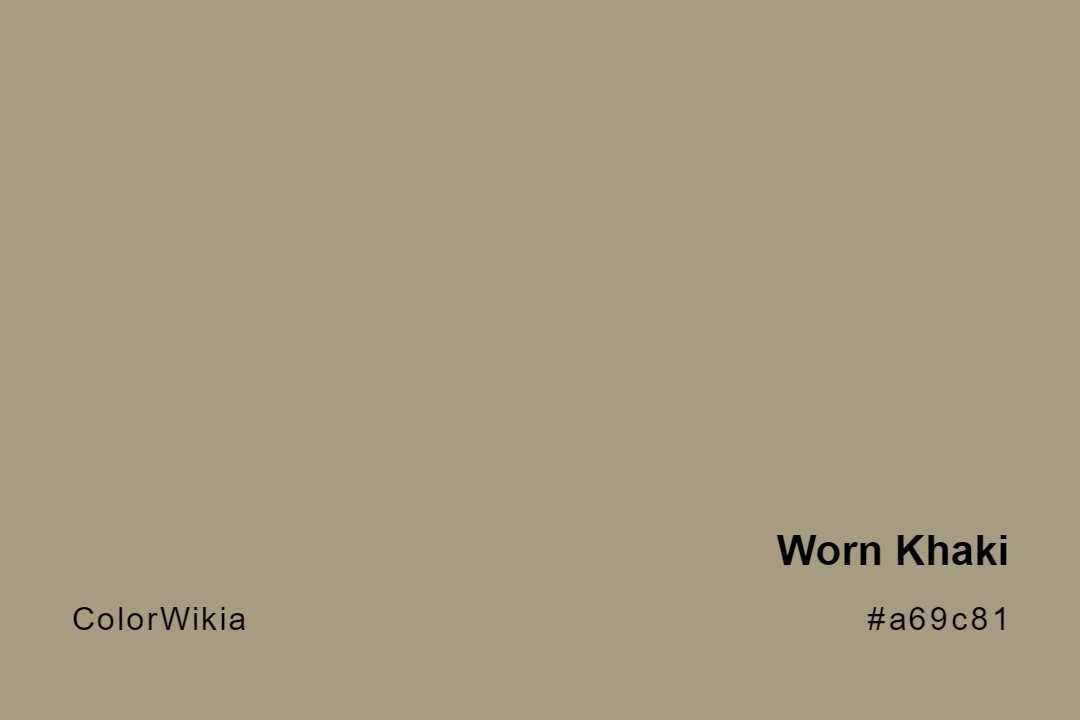
#a69c81
Worn Khaki
#4282c6
Worn Denim
#d4ded4
Worn Jade Tiles
#005477
World Peace
#ffd789
Workout Routine
#cda366
Workbench
#572b26
Worcestershire Sauce
#a5a192
Wooster Smoke
#907e63
Wooly Thyme
#dbbdaa
Wool-Milk Pig
#bb9c7c
Woolly Mammoth
#e7d5c9
Woolly Beige
#b0a582
Woolen Vest
#b59f55
Woolen Mittens
#5e5587
Wool Violet
#917747
Wool Tweed
#005152
Wool Turquoise
#d9cfba
Wool Skein
#ad9a90
Wool Coat
#5f655a
Woohringa
#40446c
Wooed
#6e2d2b
Woody Brown
#755f4a
Woodward Park
#3d271d
Woodsy Brown
#9b8a5f
Woodstock
#e9cab6
Woodstock Rose
#2b3230
Woodsmoke
#61633f
Wood’s Creek
#45402b
Woodrush
#ac8989
Woodrose
#4b5d31
Woodman
#626746
Woodland
#0d6323
Woodland Wonder
#8b8d63
Woodland Walk
#127a49
Woodland Soul
#a4a393
Woodland Sage
#69804b
Woodland Nymph
#475c5d
Woodland Night
#5c645c
Woodland Moss
#004400
Woodland Grass
#5f4737
Woodland Brown
#96856a
Woodkraft
#9e7b6c
Woodhaven
#996633
Woodgrain
#dfb07e
Wooden Sword
#a58563
Wooden Swing
#a89983
Wooden Peg
#745c51
Wooden Nutmeg
#765a3f
Wooden Cabin
#b59b7e
Wooded Acre
#8f847a
Woodcraft
#8e746c
Woodchuck
#463629
Woodburn
#847451
Woodbridge
#b3987d
Woodbridge Trail
#584043
Wood-Black Red
#8a8a36
Woodbine
#78426f
Wood Violet
#a47d43
Wood Thrush
#aabbcc
Wood Pigeon
#eba0a7
Wood Nymph
#a08475
Wood Lake




The language of color can become confusing because everyday speech and color theory do not always use the word shade in exactly the same way. A page about color shades may describe a whole group of related colors, while the technical definition of a shade refers specifically to a hue made darker with black.
That difference matters when you compare taupe color shades, rust shades, or any other color family. The names people use are practical labels, while color systems provide more precise ways to describe the underlying values.
Understanding the difference between shade, tint, tone, and hue makes it easier to talk about color accurately. It also explains why one named color can have several related variations.
What Is a Color Shade?
In strict color theory, a shade is a hue with black added. Adding black lowers the lightness and produces a darker version of the starting color. A red can move toward burgundy, for example, while a blue can move toward navy.
In everyday language, people use shade more broadly. A search for “different shades of blue” may include lighter, darker, muted, and named variations that are not technically shades under the narrow definition.
That broader usage is common in design, retail, fashion, and online color references. It is also why color shade pages usually cover a family of related colors rather than only mixtures created by adding black.
The distinction is useful because it separates technical color terminology from the way people normally describe color families.
Shade, Tint, Tone, and Hue
These four terms describe different relationships between colors.
- Hue refers to the pure color position itself, such as red, blue, green, or yellow.
- Tint is a hue with white added, producing a lighter version such as pink from red.
- Shade is a hue with black added, producing a darker version such as burgundy from red.
- Tone is a hue with gray added, reducing saturation and muting the color.
The distinctions become useful when you need to describe why two colors look different. A pale blue may be a tint, while a dusty blue may be a tone and a navy blue may be a shade.
These terms can also be used together when discussing a larger color family. A named color may be lighter than the base color, darker than it, or more muted without fitting neatly into one everyday category.
How Digital Color Systems Describe Shades
Digital color systems make these relationships easier to quantify. RGB describes a color by the amount of red, green, and blue light used to create it, while HSL separates the color into hue, saturation, and lightness.
Hex codes provide a compact representation of RGB values. A six-character code such as #DC143C can identify crimson in a digital interface, but the number does not tell you where the color name originally came from or whether a physical pigment uses the same formulation.
In HSL, reducing lightness while holding hue and saturation constant moves a color toward a darker digital version. Raising lightness moves it toward a lighter version, while reducing saturation creates a more muted result.
This distinction is important when working with digital color. A color name can provide a useful visual reference, but a hex code gives you a specific digital value.
How Color Shade Names Develop
Color names often come from things people recognize. Taupe refers to the mole, while rust takes its name from corroded iron. Other names come from materials or places, including copper, terracotta, mahogany, sienna, and umber.
Language can preserve those histories even after a color becomes a digital swatch. Khaki color shades provide another example because the word traces back to a Hindustani term connected with dust and earth.
Commercial color naming adds another layer. Paint makers, textile companies, standards groups, and digital platforms may assign different names to closely related colors, so one shade does not always have one universal label.
This is one reason color names can feel inconsistent. A name can describe a recognizable visual family without pointing to one universal digital value.
Color Standards and Shade Codes
Professional color systems exist because names alone are too vague for precise reproduction. The Pantone Matching System assigns numbered references to color formulations, while systems such as Munsell describe colors using hue, value, and chroma.
The Natural Color System uses a different framework based on color perception. These systems serve different purposes, but they share the same practical goal. A numeric reference can communicate more precisely than a word such as “blue” or “green.”
That is also why a page listing color codes should distinguish between a named color, a standardized reference, and an ordinary digital hex value.
A hex code is useful for digital work, but it should not automatically be treated as a universal definition of a named color. The context behind the color reference matters.
Major Color Families and Their Shades
Every broad color family branches into many named variations. The examples below show how familiar shade names sit within larger groups.
| Color Family | Popular Shade | Hex Code |
| Red | Crimson | #DC143C |
| Blue | Navy | #000080 |
| Green | Forest Green | #228B22 |
| Yellow | Gold | #FFD700 |
| Purple | Indigo | #4B0082 |
| Orange | Coral | #FF7F50 |
| Brown | Tan | #D2B48C |
Warm families such as orange and brown include earthy variations such as rust, terracotta, and chocolate. Blue and green branch into names such as navy, teal, forest, and olive.
Neutral families work differently because their boundaries are less obvious. Beige, gray, taupe, and related colors can overlap substantially depending on saturation, lightness, and undertone.
Why named colors can overlap
A useful color family is not always a strict technical category. Two colors can look very similar while carrying different names because the names come from different materials, places, industries, or traditions.
For practical design work, it is often more useful to compare the actual color values than to rely on the name alone.
Frequently Asked Questions
What is the difference between a shade and a tint?
A shade is a darker version created by adding black, while a tint is a lighter version created by adding white.
Is a tone the same as a shade?
No. A tone adds gray and reduces saturation, while a shade adds black and darkens the original hue.
Why does one color have so many shade names?
Different industries, standards groups, companies, and cultures develop names independently. Closely related colors can therefore receive several labels.
How many shades of a color are there?
There is no fixed limit. Digital systems can generate very large numbers of distinct values, while named shades depend on the terms that become widely recognized or useful.