You’ll find Jade Green Color in old temples, silk robes, ceramic glazes, and 1990s software UI. And now it’s circling back into modern design — part of that earthy palette revival people keep reaching for when everything else feels too digital, too polished, too noisy.
Who’s This Guide For?
This guide is for graphic designers, web and UI designers, branding teams, and artists who want to understand jade green — not just what it looks like, but how to work with it. Whether you’re building a brand palette, painting a canvas, or designing a homepage, this is a color that needs the right context. Jade green works best when it’s treated with intention.
What Does Jade Green Really Look Like?
Let’s start with the color code.
- Hex: #779977
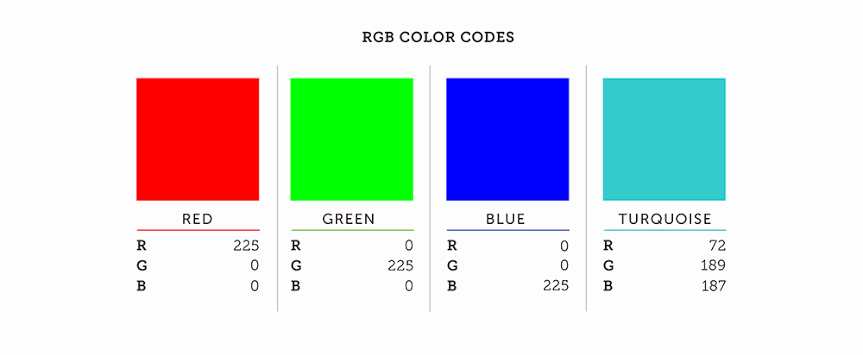
- RGB: 119, 153, 119
- HSL: 120°, 14%, 53%
- Color family: Desaturated greens with a cool, grayish tint
Jade green is not neon. It’s not the sharp acid green you’d see in sports logos or cyberpunk interfaces. It has restraint. The gray in the mix dials back the brightness, while the balanced red and blue values in RGB hold it steady, right in that neutral zone.
On screen, #779977 reads as clean and stable. On paper or fabric, it leans a bit more organic, especially on matte or textured surfaces.
What Jade Green Feels Like
Colors carry mood. Jade green’s tone feels like:
- A foggy morning in the forest
- An antique medicine bottle
- A vintage typewriter key
- A linen journal left out in spring light
It gives trust, stability, patience, and a bit of mystery. Not mystery like drama, but mystery like something old and wise. A keeper-of-secrets kind of energy.
Cultural cue
In Chinese tradition, jade represents virtue, harmony, and longevity. The stone itself was more valuable than gold for centuries. That heritage lingers in the color — it whispers rather than shouts, but the message is strong.
Where to Use Jade Green in Design
1. Branding and Identity
Jade green works beautifully for:
- Wellness brands
- Sustainable products
- Luxury home goods
- Nature-based services
The tone reads as trustworthy, grounded, and smart. Brands like Aesop, Everlane, and Muji flirt with similar hues when aiming for thoughtful and organic.
2. Web & UI
Use jade green:
- For callout boxes or notification backgrounds — low-stress but visible
- As a hover state or subtle accent
- Behind serif headlines for quiet sophistication
- In dark mode palettes, paired with charcoal or ivory
But skip it as a primary button color. It doesn’t carry urgency. Users might miss the action cue unless you surround it with contrast or motion.
3. Interior or Fashion
This color works best on:
- Upholstery
- Accent walls
- Kitchen cabinets (pair with unlacquered brass)
- Linen suits and vintage dresses
It doesn’t need to take over the room. A jade green throw pillow or ceramic vase brings quiet balance to loud or minimalist spaces.
What Colors Go Well with #779977?
Let’s talk contrast and harmony.
Good pairings:
- Ivory or off-white: Clean, minimal, and not too stark
- Burnt sienna or rust: Warmth meets cool stability
- Dusty rose: Romantic but grounded
- Slate blue: Deepens the mood
- Soft black (like #2c2c2c): Modern contrast without harshness
Avoid pairing jade green with sharp yellows or bright purples. They pull the energy out of balance and make the green feel muddied.
Accessibility tip
To meet WCAG contrast standards for text, use white (#ffffff) or very dark gray (#1a1a1a) over jade green. For example:
| Text Color | Passes WCAG AA Large | Passes WCAG AA Normal |
|---|---|---|
| #ffffff | ✅ | ❌ |
| #1a1a1a | ✅ | ✅ |
| #333333 | ✅ | ✅ |
Tips for Designers: Using Jade Green Without Making It Feel Dull
Let’s be honest. Desaturated greens like this can sometimes feel a little… flat. Lifeless, if used carelessly. To avoid that:
- Layer textures: A flat jade background looks richer when combined with natural grain or brush textures
- Use lighting effects: Gradients or shadows add depth
- Pair with crisp typography: High-contrast fonts help keep things sharp
- Let it breathe: Don’t cram jade green with too many other muted tones. Give it white space.
One trick I use often: try using jade green for the second most important element on the page. That way, the viewer feels its presence, but the eye still moves where it should.
Final Thoughts
Jade green (#779977) won’t grab attention like a neon. That’s the point. It supports, it holds space, and it carries a quiet confidence that’s becoming rare in design right now. It reminds you to pause, to stay grounded, and maybe even to reflect.
If your palette feels too digital or too loud, bring in some jade. Just a touch.
Like all good color choices, it’s not just about what looks nice. It’s about what feels right.
And jade green? Feels right a lot more often than people think.