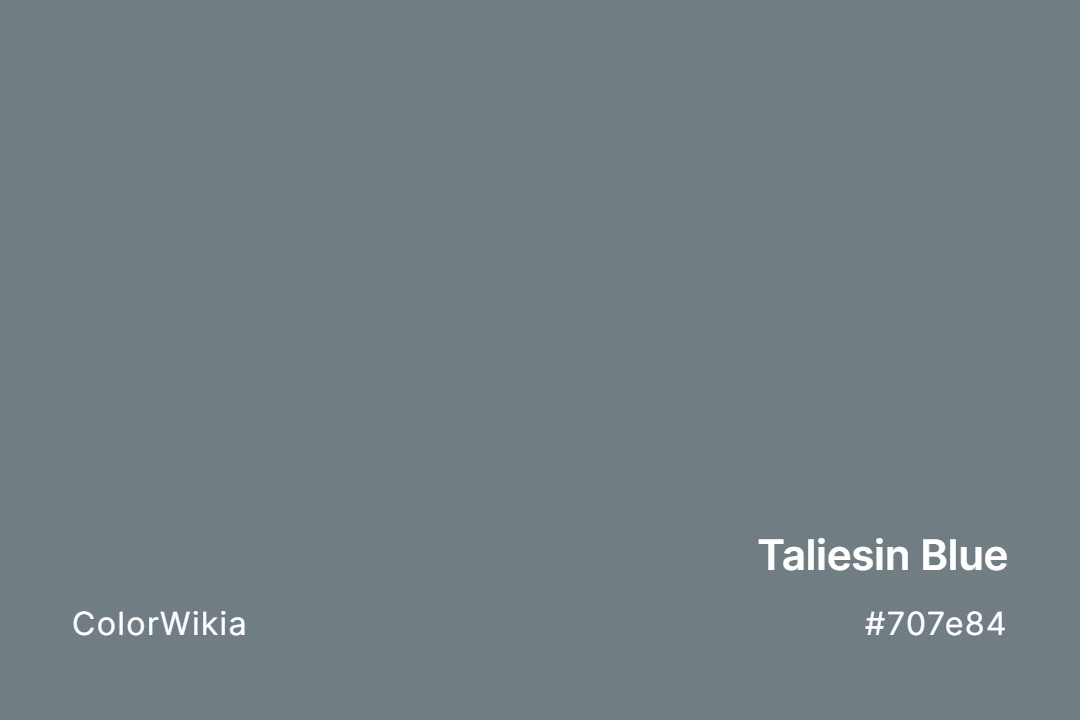
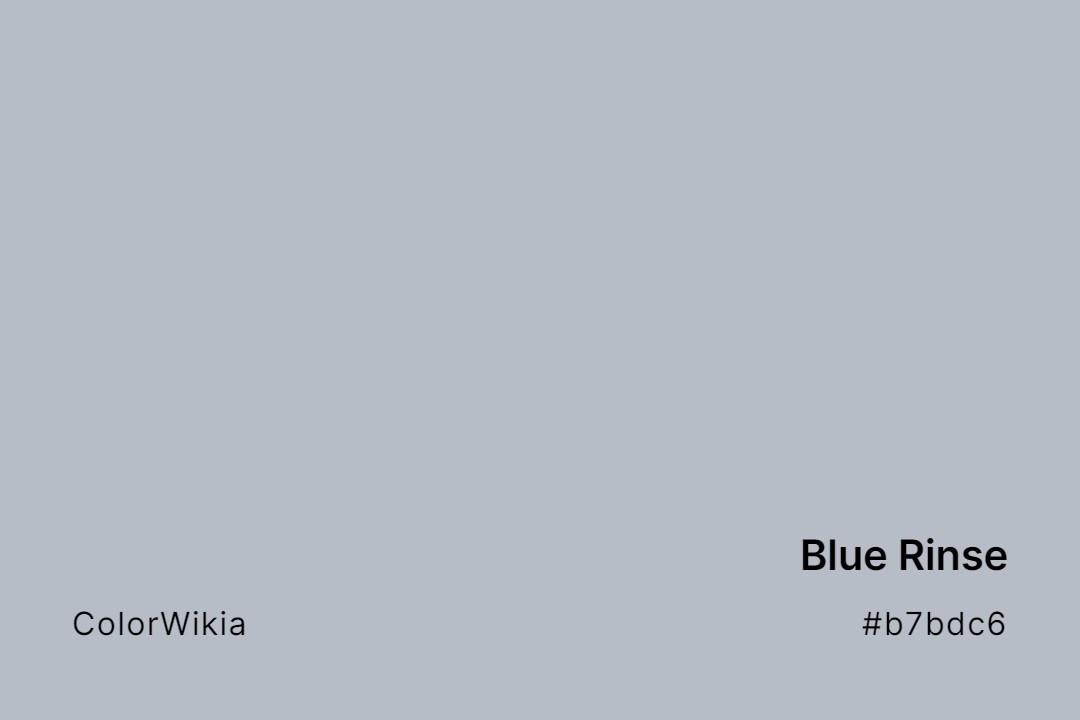
Dusty Blue sits where fog meets steel, a muted slate-blue that carries the calm of overcast skies and the weight of oxidized metal. Its hex code #8093a4 tells part of the story (RGB 128, 147, 164). But numbers don’t capture what this color feels like. Dusty Blue feels like a deep breath. Like worn denim. Like the quiet moment before a storm breaks.
Designers reach for it when they need blue’s trustworthiness without the intensity of primary blue. When grey’s neutrality feels too cold, but full saturation feels too loud. It’s the color of restraint, of maturity, of spaces and brands that don’t need to shout to be heard.
What Dusty Blue Actually Is
Dusty Blue (#8093a4) is a desaturated, mid-tone blue with significant grey undertones and a subtle teal lean. At 22% saturation and 57% lightness (HSL 208°, 17%, 57%), it sits firmly in the “muted cool” category. It’s not pastel. It’s not dark. It lives in that Goldilocks zone where a color feels present but never demanding.
Color Space Breakdown
Here’s how #8093a4 translates across systems:
- Hex: #8093a4
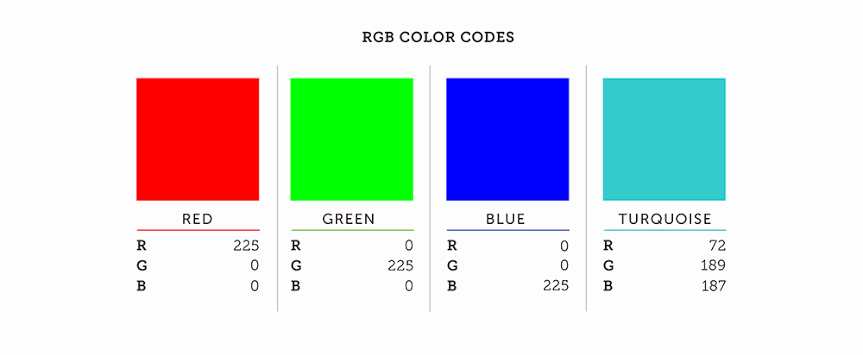
- RGB: 128, 147, 164 (50% red, 58% green, 64% blue)
- HSL: 208°, 17%, 57%
- CMYK: 22%, 10%, 0%, 36%
- LAB: 60, -2.9, -11.3
- Color family: Cool blue-grey
- Temperature: Cool
- Saturation: Low (22%)
The blue channel dominates at 64%, but not by much. The red and green values (50% and 58%) pull it toward grey, creating that signature “dusty” effect. The hue angle of 208° places it squarely in the blue range, just shy of true cyan. This is a color built from subtraction, not addition. Someone took a brighter blue and muted it with grey until it felt like something you’d find, not something that finds you.
What Dusty Blue Feels Like
Colors carry mood before they carry information. Dusty Blue evokes:
- Calm without emptiness. It’s serene, but not sterile. Unlike stark whites or pale pastels, it has enough depth to feel grounded.
- Maturity. This isn’t a youthful, energetic blue. It’s the blue of experience, of spaces that have been lived in and brands that have earned their place.
- Subtle sophistication. It whispers refinement. You won’t find Dusty Blue in loud, attention-grabbing designs. It’s for projects that value restraint over impact.
- Weathered comfort. Think faded jeans, sea-worn driftwood, or skies just before dusk. There’s a tactile, lived-in quality to this shade.
Blue psychology research consistently links the color to trust, stability, and calm. Dusty Blue inherits those associations but softens the edges. It’s less “corporate bank” and more “coastal retreat.” Less “tech startup” and more “established consultancy.”
Where Dusty Blue Works Best
Dusty Blue has become a staple in modern interiors, and for good reason. It’s one of those rare colors that can serve as a wall color, an accent, or a backdrop without overwhelming a space.
Bedrooms are where this shade truly shines. A Dusty Blue bedroom creates an immediate sense of retreat. Pair it with crisp white linens, warm wood nightstands, and soft grey textiles for a palette that feels both clean and cozy. The color’s low saturation means it won’t compete with morning light or feel oppressive at night.
Living rooms benefit from Dusty Blue when used on a single accent wall or through upholstery. A Dusty Blue sofa becomes an anchor piece that pairs effortlessly with cream rugs, brass fixtures, and abstract art in warmer tones. The key is balance. Don’t drown a room in this color. Let it breathe.
Bathrooms and home offices also respond well to Dusty Blue. In bathrooms, it evokes spa-like serenity, especially when combined with white subway tiles and natural stone. In offices, it supports focus without the sterility of pure grey or the coldness of navy.
Pro tip: Dusty Blue has a contrast ratio of only 3.17:1 against white, which fails WCAG AA for body text. Always test your specific use case. For walls and large surfaces, this isn’t an issue. For text overlays, pair it with dark charcoal or deep navy instead.
What Colors Go With Dusty Blue
Dusty Blue doesn’t demand the spotlight, which makes it versatile in palettes. Here’s what actually works, based on color theory and real-world application:
Warm Neutrals
- Cream, beige, and warm white tones: These provide a soft, airy contrast that lets Dusty Blue breathe. Perfect for minimalist interiors or clean web layouts.
- Camel and tan: The warm-cool contrast here is classic for a reason. Camel leather with Dusty Blue fabric is a pairing you’ll find in high-end furniture and fashion for decades.
Earth Tones
- Terracotta and rust: These provide a bold, complementary contrast. The orange-red tones sit opposite blue on the color wheel, creating visual tension that feels sophisticated, not jarring.
- Warm woods (walnut, oak): Natural wood tones ground Dusty Blue’s coolness. A Dusty Blue wall with walnut shelving is an interior design combination that simply works.
Metallics
- Brass and gold: Dusty Blue + brass is a match made in modern design heaven. The warmth of the metal offsets the cool blue, creating a luxe feel without being ostentatious.
- Copper: For a slightly earthier metallic pairing, copper adds richness and depth.
Monochromatic Blues
- Navy and deep teal: Layering Dusty Blue with darker blues creates depth and sophistication. Use navy for text or anchors, Dusty Blue for backgrounds, and a lighter blue tint for highlights.
- Sky blue and pale blue: Lighter tints add airiness. Use them for gradients, hover states, or secondary elements.
Soft Contrasts
- Blush pink and dusty rose: Pink and blue are natural partners. The muted quality of both colors prevents the combination from feeling childish. This pairing is huge in weddings, branding, and fashion.
- Sage green: Two muted, nature-inspired tones that create a calm, organic palette. Ideal for wellness brands or botanical-themed designs.
What to Avoid
Dusty Blue clashes with:
- Neon or hyper-saturated colors (neon green, electric purple). The mismatch in intensity feels jarring, not intentional.
- Pure black in large doses. The contrast can be too harsh. Opt for charcoal or deep grey instead.
- Bright yellow. The combination feels unbalanced. If you need a warm accent, go for mustard or gold instead.
Dusty Blue in Real-World Design
You’ve probably encountered Dusty Blue without realizing it. It’s the color of:
- Coastal hotel lobbies that want to feel serene, not beachy-tacky
- Premium skincare packaging for brands targeting calm and self-care
- Modern wedding invitations with a soft, romantic aesthetic
- Tech company dashboards where readability and calm matter more than excitement
- Denim (many “faded blue” jeans sit close to this hex code)
The reason it works in all these contexts is simple. Dusty Blue doesn’t impose itself. It supports. It creates space for other elements to shine while maintaining a consistent, calming presence.
Accessibility Considerations
Here’s the honest truth about Dusty Blue and accessibility:
Against white (#ffffff): Contrast ratio of 3.17:1. This fails WCAG AA for normal text (requires 4.5:1) but passes for large text (18pt+ or 14pt+ bold).
Against black (#000000): Contrast ratio of 6.63:1. This passes WCAG AA for all text sizes.
Practical advice:
- Use Dusty Blue as a background with dark charcoal or black text, not white.
- For buttons or interactive elements, add a border or shadow to increase perceived contrast.
- Never use Dusty Blue text on white backgrounds for body copy. It’s a readability problem waiting to happen.
- For users with color blindness (particularly tritanopia, which affects blue perception), Dusty Blue may appear more grey than blue. Always pair it with non-color cues (icons, labels, patterns) for critical information.
How to Use Dusty Blue Without Making It Feel Flat
Muted colors can feel lifeless if you’re not careful. Here’s how to keep Dusty Blue engaging:
Layer textures. A flat Dusty Blue background feels richer with subtle grain, linen texture, or a soft gradient. Texture adds depth that saturation alone can’t provide.
Pair with intentional contrast. Don’t surround Dusty Blue with equally muted tones. Give it something to play against. A Dusty Blue wall with bright white trim. A Dusty Blue card with a gold icon. Contrast creates interest.
Use it sparingly in digital interfaces. One Dusty Blue element per section is enough. Overuse dilutes its impact and makes the interface feel washed out.
Let it support, not lead. Dusty Blue is at its best when it’s the second-most-important color in your palette. Let a brighter accent or a darker anchor take the lead. Dusty Blue provides the stage.
Color Harmonies for #8093a4
For designers who want to build palettes systematically, here are the technical harmonies:
Complementary: A muted, warm beige-orange. This is the direct opposite on the color wheel. Use it for accents or call-to-action elements.
Triadic: Dusty mauve and sage green tones. These three colors form an equilateral triangle on the color wheel, creating a balanced, harmonious palette.
Analogous: Soft teal, seafoam, and lavender-grey tones. These neighbors create a calm, cohesive range perfect for gradients or subtle variations.
Monochromatic tints: #9eafb9, #bcc6cf, #d9dfe4, #f7f8f9. Lighter versions of Dusty Blue for layering and depth.
Monochromatic shades: #657a8d, #4f606f, #3a4651, #252d33, #101316. Darker versions for contrast and hierarchy.
Final Thoughts
Dusty Blue (#8093a4) works because it refuses to shout. It creates space. In a world of neon alerts and saturated feeds, this muted slate-blue feels like a pause button. Use it when you want trust without corporate stiffness. When you need depth without darkness. When the goal isn’t to grab attention but to hold it quietly.
The best designs with Dusty Blue are the simplest ones. A single accent wall. A subtle card background. A linen shirt that feels like it’s always been yours. This color doesn’t ask for permission. It just works.